
Spotting the Initial Signs of a Plant Disease Outbreak

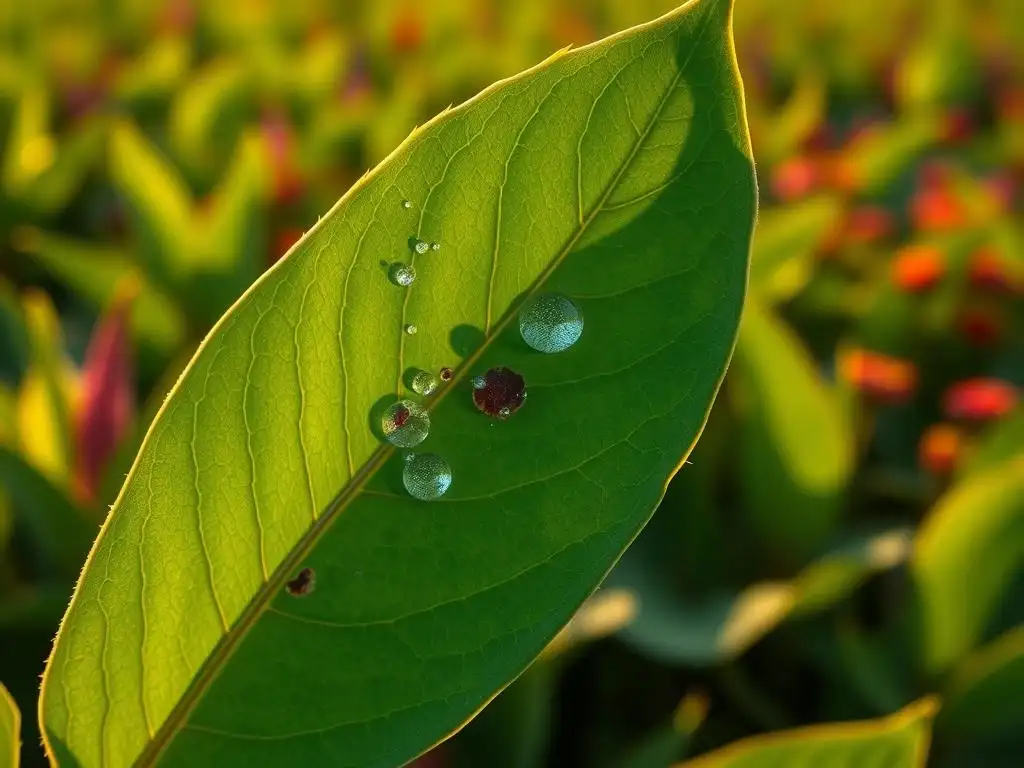
Welcome to CultivateYourFood, your guide to a thriving, sustainable garden! Are you ready to unlock the secrets to bountiful harvests? We're passionate about helping you grow your own fruits, vegetables, and herbs organically, and this begins with understanding the subtle signs of trouble. Learn how early plant disease detection can be the difference between a healthy garden and a devastated one—read on to discover crucial techniques for safeguarding your precious plants.
- Early Plant Disease Detection: Recognizing the First Symptoms
- Understanding the Importance of Early Plant Disease Detection
- Common Early Symptoms of Various Plant Diseases
- Tools and Techniques for Early Plant Disease Detection
- Taking Action After Early Detection
- Frequently Asked Questions
- Final Reflection: The Silent Struggle of Our Gardens, and Our Role in Their Survival
- Uncover Your Garden's Secrets: Diagnose & Protect
Early Plant Disease Detection: Recognizing the First Symptoms
Early detection of plant diseases is crucial for effective treatment and minimizing crop loss. This is especially important when employing sustainable and organic practices, where chemical interventions are often limited or avoided. This article will guide you through the initial signs of a plant disease outbreak, enabling you to intervene early and protect your homegrown fruits, vegetables, and herbs. Understanding these early warning signs is key to successful disease management and a bountiful harvest, contributing to a healthier and more sustainable food system.
We will focus on visual inspection techniques, covering leaf, stem, and branch abnormalities that often signal the onset of plant diseases. Proactive monitoring and prompt action are essential elements in "early plant disease detection," allowing you to safeguard your garden’s health and yield. Remember, even seemingly minor changes can be indicators of underlying problems, so careful observation is paramount.
Visual Inspection: Key Indicators of Early Plant Disease
Regular visual inspection is the cornerstone of early plant disease detection. A keen eye can spot subtle changes before they escalate into widespread problems. This involves a systematic approach, examining your plants from a distance to get an overall impression, then moving closer for a detailed assessment of individual leaves, stems, and branches. Look for anything out of the ordinary. This might include:
- Unusual spots or discoloration: These can manifest as small, circular spots, irregular blotches, or a general fading or yellowing of the foliage. The color of the spots can vary widely depending on the disease. For example, some fungal diseases might cause brown or black spots, while viral infections could lead to mottled or yellowing leaves.
- Changes in leaf shape or texture: Leaves may become crinkled, curled, or distorted. They might also become unusually brittle or soft.
- Presence of unusual growths: Look for growths that are not typical for your plant species, such as powdery mildew (a white, powdery coating) or fungal fruiting bodies (small, dark structures).
- Wilting or drooping: While wilting can have multiple causes (including drought), sudden or localized wilting can be a symptom of a disease affecting the plant's vascular system.
Remember to compare your plants to healthy specimens of the same species to better identify deviations from the norm. A healthy plant serves as a valuable benchmark for comparison. Regularly taking photographs of your plants can also be beneficial for tracking changes over time.
Leaf Changes: Color Variations, Spots, and Wilting as Early Warning Signs
Leaves are often the first to show signs of plant disease. Pay close attention to the following:
- Color changes: Yellowing, browning, or reddening of leaves can indicate nutrient deficiencies, but they can also be symptoms of various diseases. The pattern of discoloration (e.g., uniform yellowing, localized spots) can provide clues.
- Leaf spots: Small spots, ranging in color from brown to black to yellow, can be caused by fungal, bacterial, or viral pathogens. The size, shape, and margins of the spots can help in disease identification.
- Leaf wilting: Sudden or localized wilting of leaves, particularly in the absence of drought conditions, suggests a problem with the plant's water uptake system, possibly due to a root or stem disease.
- Leaf distortion: Leaves may become curled, twisted, or otherwise distorted in shape, a common symptom of viral infections.
Keep a detailed record of any leaf changes you observe, including the date, location on the plant, and a description of the symptoms. This information will be invaluable for diagnosing and managing the problem. The progression of leaf symptoms over time is an important diagnostic tool.
Stem and Branch Issues: Observing Unusual Growth, Discoloration, and Lesions
Stems and branches are also important sites for early disease detection. Examine them carefully for:
-
Discoloration: Unusual discoloration, such as browning, blackening, or cankers (sunken, dead areas), can signal the presence of a disease.
-
Lesions: Lesions are localized areas of dead or damaged tissue. They can be sunken or raised, and may have a different color or texture than the surrounding healthy tissue.
-
Unusual growths: Look for any unusual growths or swellings on the stems or branches, which could be indicative of certain diseases.
-
Girdling: In severe cases, a disease might girdle the stem or branch, completely encircling and cutting off the flow of nutrients and water.
Careful monitoring of stems and branches is crucial for detecting diseases that might not initially manifest on the leaves. Early detection in these areas often allows for timely intervention, preventing significant damage to the plant. Remember, a healthy stem is firm, smooth, and displays the typical color for your plant species. Any deviation from this should be investigated thoroughly.
Root Problems: Detecting Early Signs of Root Rot and Other Root Diseases
Early detection of root diseases is crucial for successful plant cultivation, as these problems often go unnoticed until significant damage has occurred. Root rot, in particular, can quickly decimate a plant's health, leading to wilting, yellowing leaves, and ultimately, death. Unfortunately, the location of the problem makes direct observation difficult. Therefore, we must rely on indirect signs to identify root issues early.
One of the first noticeable symptoms of root problems is wilting, even when the soil appears adequately moist. This is because damaged roots are unable to efficiently absorb water and nutrients, leading to dehydration despite sufficient soil moisture. The wilting may be temporary at first, improving slightly after watering, but will progressively worsen as the disease advances. Pay close attention to the timing of wilting; if it occurs consistently in the hottest part of the day, it could indicate other issues, such as insufficient watering. However, consistent wilting across different times of day is more suggestive of root problems.
Another key indicator is discolored or stunted growth. Leaves may exhibit yellowing (chlorosis), browning, or even purplish hues, depending on the specific disease and the plant species. This discoloration usually begins at the lower leaves and progresses upwards as the disease worsens. Simultaneously, you may observe stunted growth, where the plant fails to reach its expected size or displays unusually slow development. Compare the affected plant to healthy specimens of the same variety to better assess the extent of the growth retardation.
Furthermore, carefully examine the plant's overall vigor. A healthy plant will exhibit strong, upright growth and vibrant foliage. However, a plant suffering from root disease often appears weak and lethargic, with drooping stems and fragile leaves. This general decline in health, combined with other symptoms, provides strong evidence of underlying root problems.
Finally, if possible, gently examine the roots themselves. This involves carefully removing the plant from the pot or carefully excavating a small portion of the soil around the roots. Look for signs of discoloration, mushiness, or lesions on the root system. Healthy roots are typically firm, white, or light-colored, whereas diseased roots often exhibit dark brown or black areas, and may be soft and slimy to the touch.
Remember to handle the roots carefully to avoid further damage. If you suspect root rot, immediate action, such as repotting with fresh soil and removing affected roots, is essential to save the plant. Prevention, through proper watering techniques and soil drainage, is also key to avoiding root diseases.
Understanding the Importance of Early Plant Disease Detection
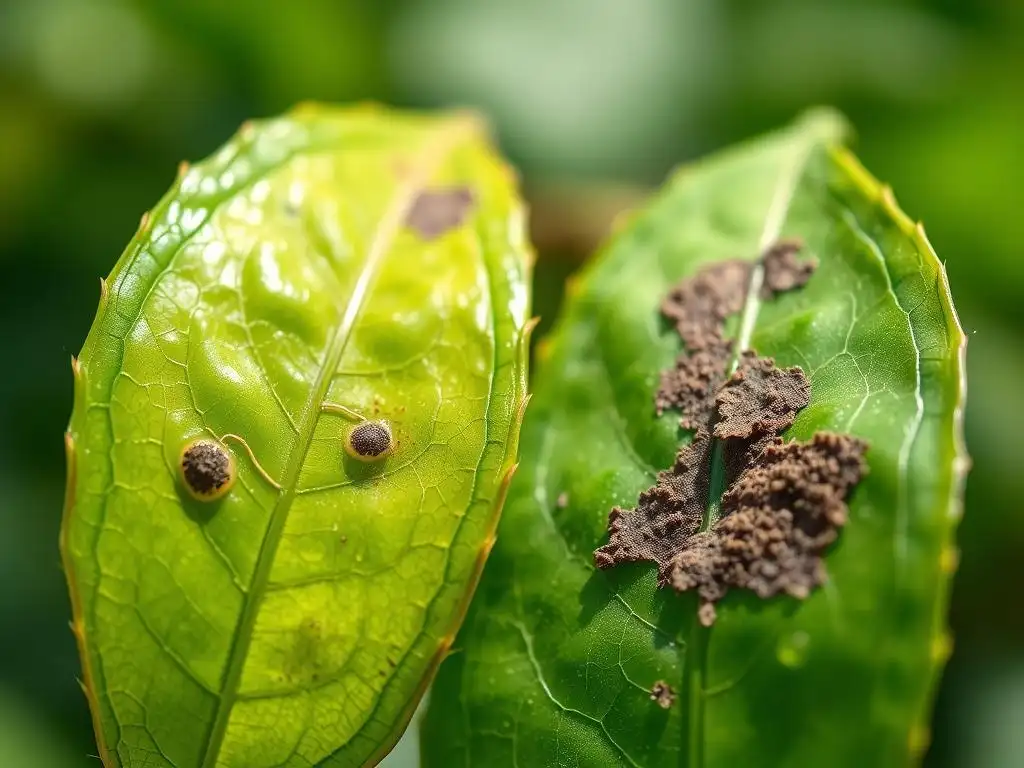
Early detection of plant diseases is paramount for successful gardening, representing the cornerstone of effective pest and disease control strategies. Ignoring early warning signs can lead to significant crop losses and potentially compromise the health of your entire garden ecosystem. The ability to identify and address plant diseases in their initial stages significantly improves the chances of successful treatment and minimizes the need for harsh chemical interventions, aligning perfectly with sustainable and organic gardening practices.
This proactive approach safeguards not only your current harvest but also the long-term vitality of your plants. Early plant disease detection is therefore not just a good practice; it's a necessity for cultivating healthy and thriving plants.
Preventing Disease Spread: The Crucial Role of Early Intervention
Early intervention is key to preventing the rapid spread of plant diseases. Many diseases spread through spores, vectors (like insects), or direct contact between infected and healthy plants. A single infected plant, if left untreated, can quickly become a source of infection for the entire garden. For example, powdery mildew, a common fungal disease, can easily spread from one plant to another through airborne spores.
Early detection allows for swift action, such as isolating the affected plant, removing infected leaves, or applying a targeted organic treatment. This localized approach prevents the disease from establishing itself and decimating a larger portion of your crops. The speed of intervention directly correlates with containment success; the sooner you act, the more effective your efforts will be in preventing widespread infection.
Consider this scenario: a single tomato plant showing early signs of blight is identified and treated promptly. This prevents the spread to the remaining 20 tomato plants in your garden. Without early detection, you might lose the entire crop.
Minimizing Crop Loss: Early Detection and Treatment Strategies
Early detection allows for the implementation of less intensive treatment strategies, minimizing crop loss and reducing the need for aggressive chemical interventions. Early stages of disease often respond well to simple remedies like adjusting watering practices, improving air circulation, or applying natural fungicides or pest control methods. These less invasive methods are far more sustainable and environmentally friendly compared to applying broad-spectrum pesticides later when the disease has become widespread.
Furthermore, early treatment often results in a faster recovery time for the affected plants, minimizing the impact on the overall yield. For instance, if you detect leaf spot on your peppers early, you can prune affected leaves and apply a diluted neem oil solution.
This localized approach is much more effective and less damaging than resorting to stronger chemicals if the problem is left unchecked. Accurate identification of the disease is crucial at this stage to ensure the correct treatment is applied.
Protecting Your Garden's Health: Long-Term Benefits of Early Disease Management
Implementing effective early plant disease detection practices significantly contributes to the overall health and resilience of your garden ecosystem. By preventing disease outbreaks, you create a healthier environment for your plants, reducing the need for continuous intervention and promoting a balanced ecosystem. A healthy garden is less susceptible to future disease outbreaks, as strong plants are better equipped to resist infections.
This approach fosters a more sustainable and self-regulating garden, reducing your reliance on external inputs like chemical pesticides and promoting biodiversity. Think of it like this: consistent early detection and treatment are similar to preventative healthcare for your plants. Regular monitoring and proactive measures build resilience and ensure the long-term health and productivity of your garden, saving you time, resources, and ultimately, a much more bountiful harvest.
Common Early Symptoms of Various Plant Diseases
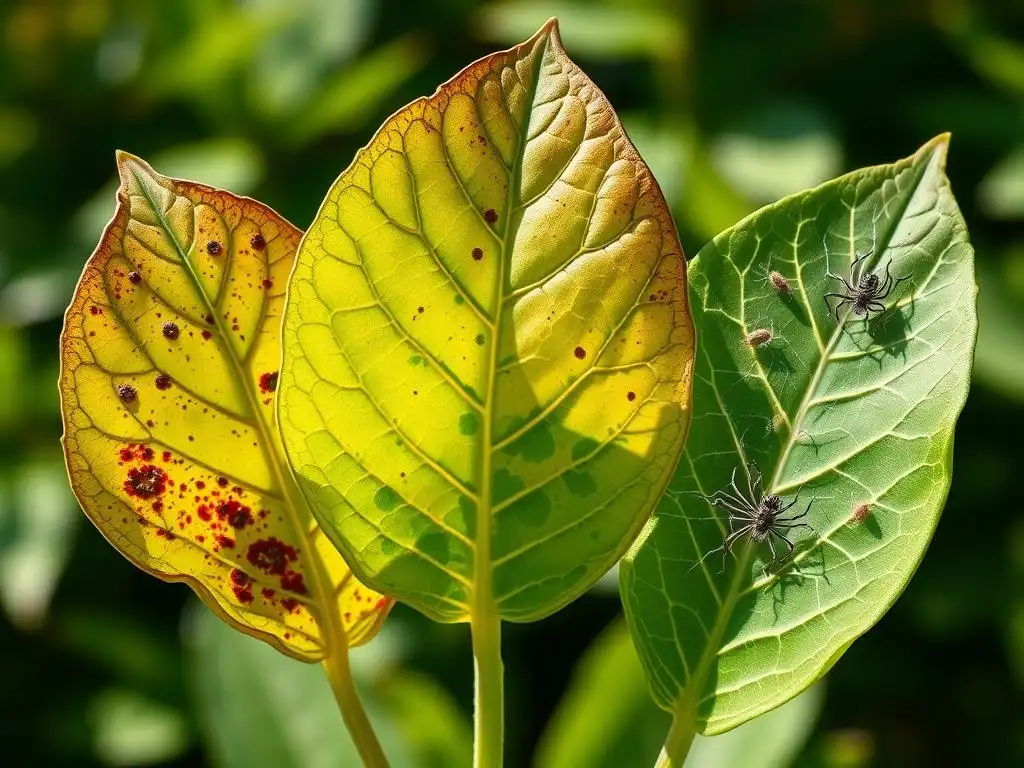
Early plant disease detection is crucial for effective management and preventing widespread damage to your crops. Recognizing the subtle initial signs can significantly impact the health and yield of your garden. This section will explore common early symptoms across various plant diseases, equipping you with the knowledge to act swiftly and protect your precious plants. The earlier you identify a problem, the better your chances of successful intervention with organic and sustainable methods.
Fungal Diseases: Identifying Early Signs of Powdery Mildew, Downy Mildew, and Blight
Fungal diseases are prevalent in humid conditions and often manifest initially as subtle discolorations or unusual growth patterns. Let's delve into the early indicators of three common fungal diseases:
Powdery Mildew: This disease typically appears as a white, powdery coating on the leaves, stems, and sometimes flowers. Initially, it might be confined to a small area, but it rapidly spreads under favorable conditions. You might also observe stunted growth or leaf distortion in severely affected plants. Early detection is key, as powdery mildew can significantly reduce plant vigor and yield. Careful monitoring, especially during periods of high humidity and warm temperatures, is essential for early detection.
Downy Mildew: Unlike powdery mildew, downy mildew presents as a fuzzy, grayish-purple growth on the undersides of leaves. The upper leaf surface may show yellowing or browning spots that correspond to the mildew growth below. Similar to powdery mildew, downy mildew thrives in humid environments and can quickly spread, causing leaf distortion and eventually defoliation. Regularly inspecting the undersides of leaves is crucial for early detection.
Blight: Blight can manifest in various ways depending on the specific pathogen, but early signs often include water-soaked lesions or spots on leaves, stems, or fruits. These lesions may quickly enlarge and turn brown or black, leading to leaf death and stem cankers. Some blights can also cause wilting or rapid plant collapse. Quick identification and removal of affected plant parts are crucial to prevent the spread of the disease.
Bacterial Diseases: Recognizing Early Symptoms of Bacterial Wilt and Leaf Spot
Bacterial diseases often cause wilting, discoloration, or abnormal growths. Two common bacterial diseases and their early symptoms are described below:
Bacterial Wilt: This disease typically causes wilting of the plant, starting with the lower leaves and progressing upwards. The wilting often occurs even when the soil is adequately moist, a key indicator of a problem beyond simple water stress. You might also observe a discoloration of the vascular tissue (the plant's "veins") when you cut into the stem. Early detection is crucial as bacterial wilt can rapidly kill plants.
Leaf Spot: Bacterial leaf spot presents as small, dark spots or lesions on the leaves. These spots often have a water-soaked appearance initially, and they may be surrounded by a yellow halo. The spots may enlarge and coalesce, eventually leading to leaf death. Unlike fungal leaf spots, bacterial leaf spots often appear more irregular and water-soaked. Regular inspection of leaves for unusual spots is crucial for early detection.
Viral diseases are often transmitted by insects or contaminated plant material. Early detection can be challenging, but certain symptoms can be indicative of a viral infection:
Mosaic Viruses: This group of viruses often causes a characteristic mosaic pattern on the leaves – a mottled appearance with alternating light and dark green areas. Leaves might also be distorted or stunted. The symptoms can vary depending on the specific virus and the host plant. Careful observation of leaf patterns is vital for early identification.
Other Viral Infections: Other viral infections can manifest as various symptoms including yellowing, leaf curling, stunting, or unusual growths. These symptoms can be nonspecific and might mimic those of other diseases or nutrient deficiencies. Therefore, careful observation and consideration of other factors, such as the plant's overall health and growing conditions, are crucial for accurate diagnosis. Unfortunately, there are no cures for viral plant diseases; early detection helps with managing the spread.
Remember, early intervention is key to successfully managing plant diseases. Regular monitoring of your plants, paying close attention to subtle changes in leaf color, texture, and growth patterns, is crucial for effective early plant disease detection and protecting your homegrown harvest.
Tools and Techniques for Early Plant Disease Detection
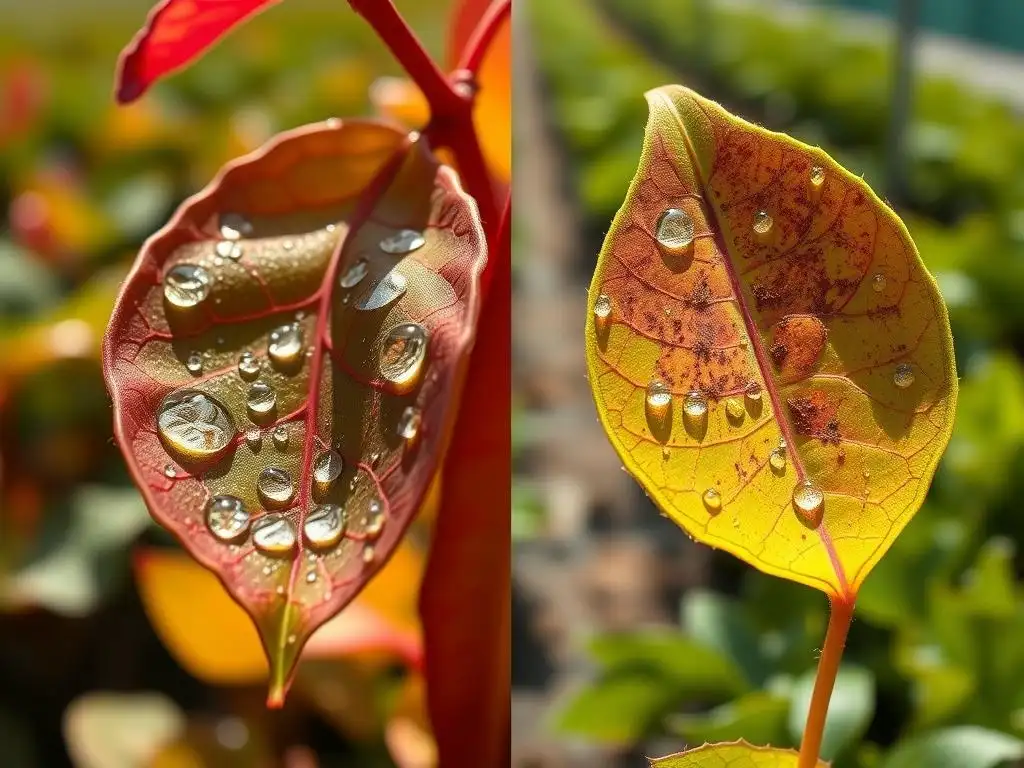
Early plant disease detection is crucial for effective management and preventing widespread damage to your homegrown fruits, vegetables, and herbs. Armed with the right tools and techniques, you can significantly improve your chances of identifying problems before they escalate, saving your precious plants and maximizing your harvest. This section details some readily accessible methods for early diagnosis.
Using a Hand Lens for Detailed Inspection: Magnification for Early Diagnosis
A simple hand lens, even a low-power magnifying glass (10x-20x magnification), can be surprisingly effective in early plant disease detection. Many diseases manifest initially as tiny lesions, discoloration changes, or the presence of microscopic pests that are invisible to the naked eye. A hand lens allows for a close-up examination of leaves, stems, flowers, and fruits, revealing subtle symptoms often missed during casual observation.
For example, early stages of powdery mildew might appear as a faint dusting, barely perceptible without magnification. Similarly, fungal infections often start with minute spots or discoloration, easily overlooked without a closer look. Using a hand lens, you can observe the texture and color of these initial signs, potentially identifying the pathogen before significant damage occurs.
This allows for timely intervention with appropriate organic treatments, preventing the disease from spreading throughout your garden. Regular inspections using a hand lens, particularly on susceptible plants, are a proactive approach to early plant disease detection and effective organic gardening practices. Remember to clean your hand lens after each use to avoid cross-contamination.
Creating a Baseline: Photographing Healthy Plants for Comparison
One of the most effective strategies for early plant disease detection is establishing a visual baseline of your healthy plants. Regularly photograph your plants at various stages of growth, focusing on details such as leaf shape, color, and texture. This photographic record provides a valuable reference point for comparison when assessing the health of your plants.
When you notice something unusual—a discoloration, wilting, or unusual spots—you can immediately compare the affected plant to its previous healthy images. This visual comparison drastically increases the accuracy and speed of identifying potential problems. For optimal results, take photos under consistent lighting conditions and from similar angles.
Date your photographs to track plant development and disease progression. This simple technique is an invaluable asset to your organic gardening toolkit, providing a clear and concise history of each plant's health. The difference between a healthy plant and one exhibiting early disease symptoms can be subtle; having a photographic baseline makes this subtle change immediately apparent.
Consulting Resources: Utilizing Online Guides and Expert Advice for Identification
While visual inspection is vital, sometimes identifying a specific plant disease requires expert knowledge. Fortunately, numerous resources are available to aid in diagnosis. Many online guides and databases offer detailed information on common plant diseases, including images and descriptions of symptoms at various stages. These resources can be invaluable in narrowing down potential causes and selecting appropriate organic treatment strategies.
Furthermore, consider contacting local agricultural extension offices or experienced gardeners for advice. They can often provide personalized guidance based on your region's climate and common plant diseases. When seeking assistance, be sure to provide detailed information, including:
- The type of plant affected
- A description of the symptoms
- High-quality photographs of the affected areas
- Your gardening practices (watering, fertilization, etc.)
By combining visual inspection, photographic documentation, and expert consultation, you can effectively implement early plant disease detection and maintain the health and vitality of your homegrown produce. Remember, early intervention is key to successful organic gardening and a bountiful harvest.
Taking Action After Early Detection
Early plant disease detection is crucial for minimizing damage and preventing widespread outbreaks. Once you've identified the initial signs of a disease, swift action is key. Delaying treatment can significantly reduce the chances of successful recovery and may lead to the loss of your plants. This section focuses on effective strategies for managing plant diseases once they've been identified, emphasizing organic and sustainable approaches. Remember, early intervention is the best defense against the devastating impact of plant diseases. The severity of the disease and the type of plant affected will influence the best course of action.
Implementing Organic Disease Control Methods: Natural Solutions for Plant Health
Organic disease control methods offer a sustainable and environmentally friendly approach to managing plant diseases. These methods prioritize plant health and soil biodiversity, fostering resilience against pathogens. Instead of relying on harsh chemicals, organic approaches utilize natural substances and beneficial organisms to combat diseases.
Several effective organic methods exist. For example, Bacillus subtilis, a beneficial bacterium, can be used as a biopesticide against various fungal and bacterial pathogens. It works by competing with harmful microorganisms for resources and producing substances that inhibit their growth. Another effective method is the use of copper fungicides, which are less harmful to the environment compared to synthetic alternatives. However, it's essential to use copper fungicides sparingly to avoid soil contamination.
Furthermore, ensuring proper soil health is paramount. Healthy soil teeming with beneficial microorganisms is less susceptible to disease outbreaks. Composting enriches the soil with organic matter, improving its structure and nutrient content, which strengthens plant defenses. Regular soil testing can help identify nutrient deficiencies that can make plants more vulnerable to disease. Maintaining adequate soil drainage prevents waterlogging, a condition that favors the development of many fungal diseases. Finally, rotating crops can help break disease cycles, preventing the buildup of pathogens in the soil.
Selective Pruning and Sanitation: Removing Infected Plant Parts
Once a plant disease is detected, prompt removal of infected plant parts is crucial to prevent further spread. This practice, known as selective pruning, involves carefully cutting away all visibly affected leaves, stems, flowers, or fruits. It's essential to sterilize your pruning tools (e.g., with rubbing alcohol) between cuts to avoid inadvertently transferring the pathogen to healthy parts of the plant or other plants.
After pruning, dispose of the infected plant material properly. Avoid composting infected material, as the pathogens might survive and spread. Instead, seal it in a plastic bag and discard it in the trash. Thorough sanitation of the surrounding area is also important.
Remove any fallen leaves or debris that might harbor pathogens. Regular weeding can also reduce the incidence of diseases, as weeds can act as reservoirs for many plant pathogens. This process dramatically reduces the inoculum—the initial source of the disease—limiting its potential to spread. For example, removing infected tomato leaves promptly can prevent the spread of late blight, a devastating disease that can quickly wipe out an entire crop.
Implementing Preventative Measures: Protecting Your Plants from Future Outbreaks
Preventing plant disease outbreaks is far more effective and less resource-intensive than treating them. Proactive measures significantly reduce the likelihood of future problems. These measures include:
- Choosing disease-resistant varieties: Selecting plant varieties known for their resistance to common diseases in your region is a crucial preventative step. This inherent resistance minimizes the risk of infection.
- Maintaining proper plant spacing: Adequate spacing ensures good air circulation, reducing humidity levels that favor fungal diseases. Crowded plants are more susceptible to disease spread.
- Providing optimal growing conditions: Plants grown under ideal conditions—sufficient sunlight, appropriate watering, and balanced fertilization—are more resilient to diseases. Stressed plants are more vulnerable.
- Regular monitoring: Regularly inspect your plants for any signs of disease. Early detection is key to successful management. Even seemingly minor symptoms should be addressed promptly.
- Crop rotation: Rotating crops helps break disease cycles, preventing the buildup of pathogens in the soil. This is particularly important for soilborne diseases.
By implementing these preventative measures, you can create a healthier growing environment, significantly reducing the risk of future plant disease outbreaks and promoting the overall health and vigor of your plants. This proactive approach is essential for sustainable and successful gardening.
Frequently Asked Questions
How can I tell if my plants have a disease early on?
Early detection is key! Look for subtle changes like unusual spots, discoloration, wilting, or stunted growth. These can indicate a problem before widespread damage occurs.
What are some common early symptoms of plant diseases?
Common early signs include yellowing leaves, brown spots, wilting stems, unusual growths, and changes in leaf shape or texture. Pay close attention to any deviations from normal plant appearance.
What should I do if I suspect a plant disease?
Isolate the affected plant immediately to prevent spreading. Identify the disease if possible (using online resources or expert advice) and take appropriate action, such as removing infected parts or applying an organic treatment.
Are there any preventative measures I can take to avoid plant diseases?
Yes! Practicing good sanitation, using disease-resistant varieties, ensuring proper spacing for good air circulation, and providing adequate watering and nutrition can significantly reduce the risk of disease outbreaks.
Where can I learn more about identifying plant diseases?
Our website, CultivateYourFood, offers many resources on early plant disease detection and management. You can also consult local agricultural extension offices or experienced gardeners for expert advice.
Final Reflection: The Silent Struggle of Our Gardens, and Our Role in Their Survival
Early detection of plant diseases is not merely a horticultural nicety; it's a crucial safeguard for our food security and the health of our ecosystems. The devastating impact of unchecked plant pathogens, from the microscopic to the visibly destructive, underscores the urgent need for proactive monitoring and swift intervention. Ignoring the subtle signs can lead to widespread devastation, impacting both agricultural yields and the delicate balance of nature.
The pervasive influence of plant diseases extends far beyond the individual gardener's plot. It touches upon global food production, economic stability, and the very biodiversity that sustains us. The interconnectedness of our world is starkly revealed when a single pathogen can decimate entire crops, triggering economic hardship and food shortages. The fate of the world's forests, and indeed the world itself, depends on the health of its trees.
This quote, though focused on forests, speaks to the larger truth: the health of our plant life is intrinsically linked to our own well-being.
Now, consider your own garden, your local park, or even the trees lining your street. Take a moment to observe. Are there subtle changes in leaf color, unusual wilting, or unexpected spots? Armed with the knowledge gained from this article, you are now equipped to be a vigilant guardian of the plant world around you. By learning to recognize the early warning signs, you can contribute to a healthier, more resilient environment, one plant at a time. Let's cultivate a future where early detection empowers us to protect the vibrant tapestry of life that sustains us all.
Uncover Your Garden's Secrets: Diagnose & Protect
Thanks for learning about early plant disease detection! You've gained valuable knowledge to protect your plants. Let's put it to use.
- Conduct a thorough plant checkup today: Carefully examine each plant, noting any unusual spots, wilting, or discoloration. Early detection is crucial for effective treatment.
- Share your findings and questions with our community: Join the discussion in the comments below—we're eager to hear your experiences and help you troubleshoot any problems.
- Create a simple plant health journal: Record your observations to track changes over time and aid in diagnosing future issues.
What's the most unexpected plant disease symptom you've encountered, and how did you address it?