
Making Marmalade: A Citrusy Delight from Your Garden

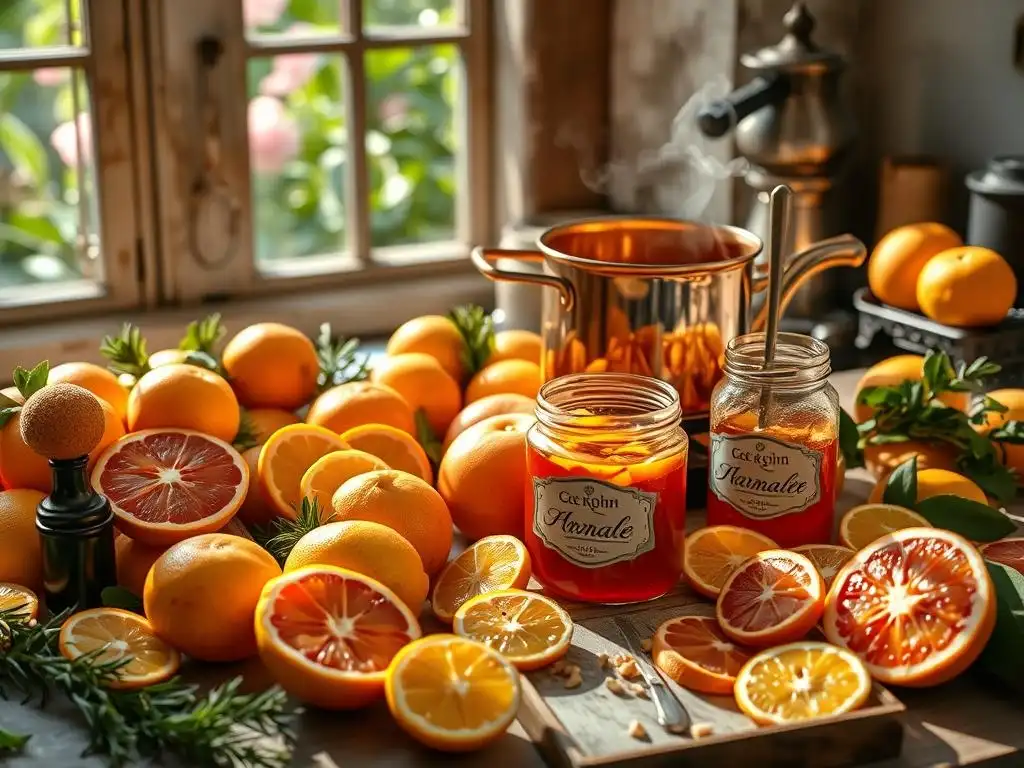
Welcome to CultivateYourFood, your guide to a bountiful and sustainable home garden! Ready to transform your homegrown citrus into something truly special? Our Homemade citrus marmalade recipe is just the beginning of your journey into the rewarding world of harvesting and preserving. Discover the secrets to creating delicious, organic treats from your own backyard – learn more and unlock the full potential of your harvest!
- Harvesting Citrus for Homemade Marmalade
-
A Step-by-Step Homemade Citrus Marmalade Recipe
- Ingredients for the Best Homemade Citrus Marmalade
- Sterilizing Jars for Safe and Long-Lasting Homemade Marmalade
- Preparing the Citrus Peel: Techniques for Optimal Flavor and Texture
- Simmering the Citrus Mixture: Achieving the Perfect Marmalade Consistency
- Testing for Setting Point: Ensuring Your Marmalade Jells Correctly
- Filling and Sealing the Jars: Preserving Your Homemade Marmalade
- Cooling and Storing Your Homemade Citrus Marmalade
- Tips for the Perfect Homemade Citrus Marmalade
- Beyond the Basic Recipe: Exploring Different Citrus Marmalades
- Sustainable Practices in Marmalade Making
- Frequently Asked Questions
- Final Reflection: The Sweetness of Connection, One Citrus Slice at a Time
- Unleash Your Inner Marmalade Maestro!
Harvesting Citrus for Homemade Marmalade
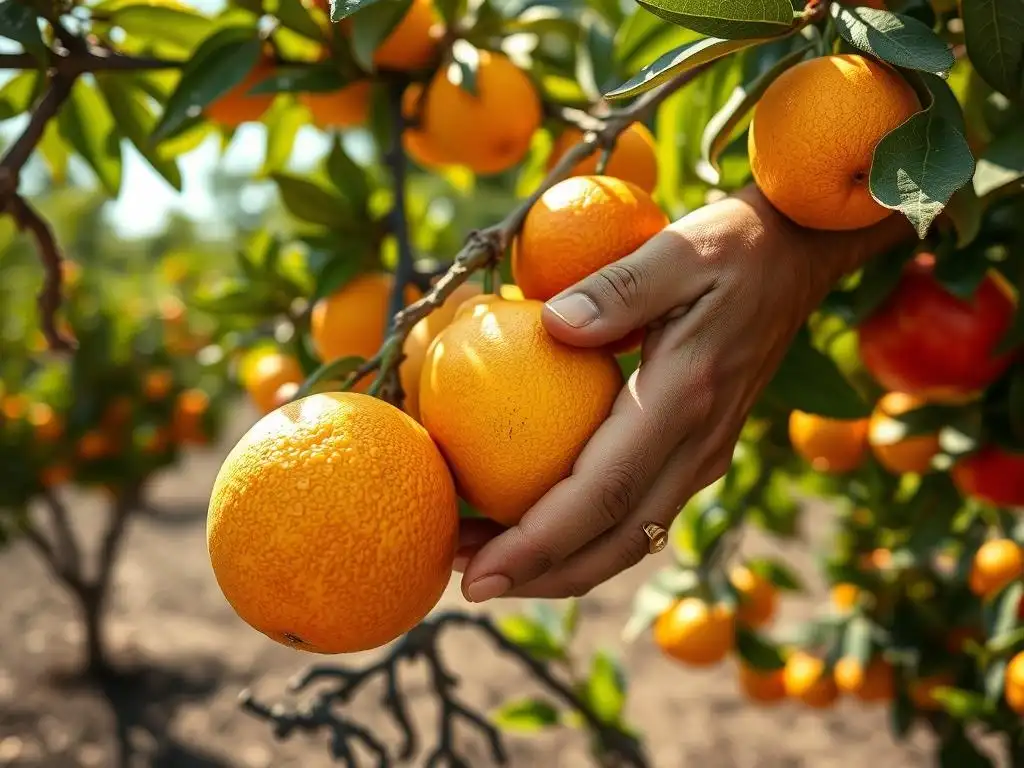
Making your own marmalade is a rewarding experience, transforming the sun-kissed bounty of your citrus trees into a delicious, homemade treat. This guide focuses on crafting homemade citrus marmalade, using fruit harvested directly from your garden, ensuring both quality and sustainability. We'll cover selecting the perfect citrus, preparing the fruit, calculating yield for recipe adjustments, and ultimately, enjoying the fruits (or should we say, marmalade) of your labor.
This comprehensive guide will help you master the art of making homemade citrus marmalade, from garden to jar, using a simple yet effective homemade citrus marmalade recipe. Learn how to make the most of your citrus harvest and create a spread that’s bursting with flavor and the satisfaction of knowing exactly what went into it. This process is perfect for those who want to reduce their reliance on store-bought preserves and embrace a more sustainable approach to food production.
Let's get started on your journey to delicious, homemade marmalade! 🍊
Selecting the Perfect Citrus Fruits for Your Homemade Marmalade Recipe
The key to exceptional homemade citrus marmalade lies in selecting the right fruit. The best citrus fruits for marmalade are those that are ripe, firm, and possess a good balance of sweetness and acidity. Avoid using fruits that are overly soft, damaged, or show signs of disease. Here’s a breakdown of ideal characteristics:
- Ripe but Firm: The fruit should yield slightly to gentle pressure, indicating ripeness, but should not be mushy or overly soft.
- Bright Color: Look for vibrant colors indicative of ripeness. For example, oranges should be deep orange, lemons bright yellow, and grapefruits a rich pink or yellow.
- Heavy for their Size: A heavy fruit suggests a higher juice content, crucial for good marmalade.
- Fragrant Peel: A strong, pleasant aroma from the peel is a good indicator of quality and flavor.
Different citrus fruits offer varying levels of bitterness and sweetness, impacting the final flavor profile of your marmalade. Experimenting with a blend of citrus fruits can create exciting and unique flavor combinations. For example, a blend of Seville oranges (known for their high pectin and tartness) with sweeter oranges can produce a perfectly balanced marmalade. Remember to consider the pectin content; some citrus varieties are naturally higher in pectin than others, influencing the setting process. This is important for a homemade citrus marmalade recipe that sets properly.
Gathering and Preparing Your Citrus Fruits: A Step-by-Step Guide
Once you've selected your citrus fruits, carefully gather them, avoiding any damage to the fruit. Here's a step-by-step guide to preparing your citrus for marmalade making:
- Washing: Thoroughly wash the citrus fruits under cold running water to remove any dirt or debris. Scrub gently with a soft brush if necessary.
- Zesting: Using a microplane or fine grater, zest the outer layer of the peel, avoiding the white pith (the bitter white layer beneath the peel). The zest contributes significant flavor and aroma to the marmalade.
- Segmenting: Cut the citrus fruits in half and carefully segment them, removing any seeds. You can use a sharp knife or a special citrus tool to make this process easier. The segments will be used to create the body of the marmalade.
- Pith Removal (Optional): While some recipes include the pith for added bitterness, it's generally recommended to remove it, especially if you are using less tart citrus fruits. Finely chop the pith and add it to the marmalade if desired.
- Measuring: Measure the zest and the segmented fruit separately, as you'll need these measurements for your chosen homemade citrus marmalade recipe.
Yield Calculation and Recipe Adjustments Based on Fruit Size
The yield of juice and zest will vary depending on the size and type of citrus fruit you are using. Accurate measurement is crucial for achieving the desired consistency and sweetness in your marmalade. To ensure your homemade citrus marmalade recipe is successful, consider the following:
| Citrus Fruit Type | Approximate Juice Yield (per fruit) | Approximate Zest Yield (per fruit) | Notes |
|---|---|---|---|
| Lemon | 1/4 - 1/3 cup | 1-2 tablespoons | Highly acidic, use sparingly in blends |
| Orange (Navel) | 1/2 - 2/3 cup | 2-3 tablespoons | Sweet and juicy |
| Grapefruit | 3/4 - 1 cup | 3-4 tablespoons | Can be quite tart, balance with sweeter citrus |
| Seville Orange | 1/2 - 3/4 cup | 2-3 tablespoons | High pectin content, excellent for setting |
Remember to adjust the amount of sugar and other ingredients in your recipe according to the actual yield of juice and zest from your harvested fruit. Accurate measurements will ensure that your marmalade sets properly and achieves the desired flavor balance. Using a kitchen scale for accurate measurements is highly recommended. Enjoy the process and the delicious results! 🎉
A Step-by-Step Homemade Citrus Marmalade Recipe
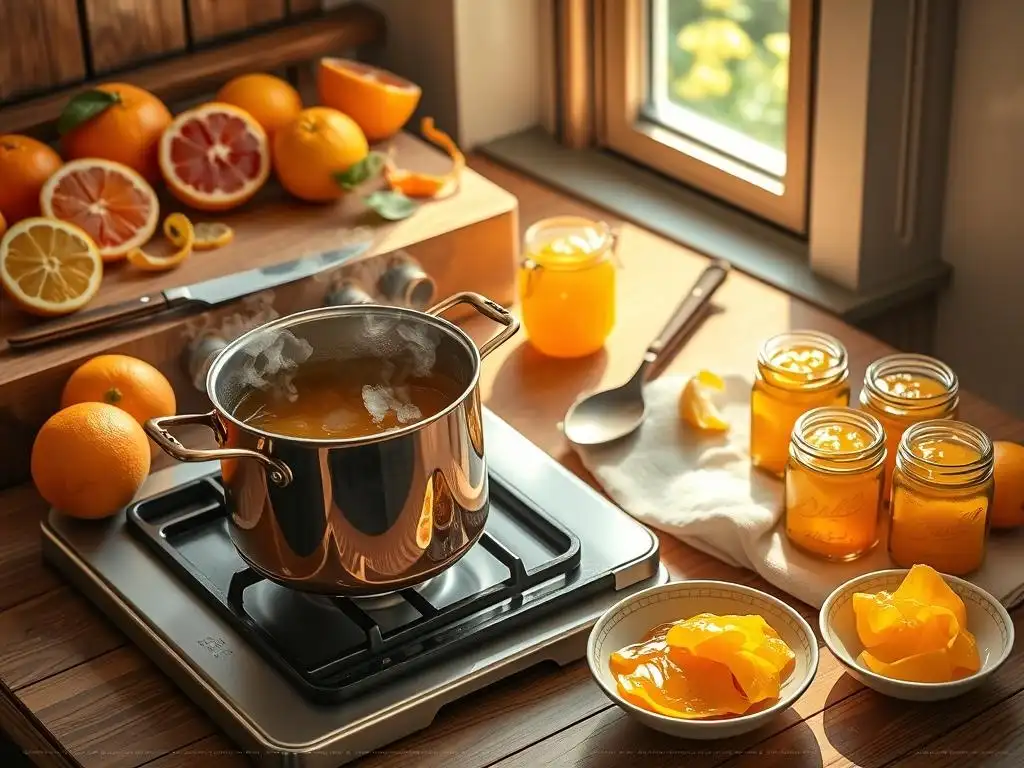
This section provides a detailed, step-by-step guide to making delicious homemade citrus marmalade, perfect for using your homegrown citrus fruits. This recipe focuses on maximizing flavor and texture, resulting in a marmalade that's both beautiful and delectable. We'll cover everything from selecting the right fruit to achieving the perfect set. This guide is designed to help you confidently create your own batch of homemade citrus marmalade, a rewarding experience for any home gardener. Remember, the key to a great marmalade is using high-quality, ripe citrus fruits.
Ingredients for the Best Homemade Citrus Marmalade
The success of your homemade citrus marmalade hinges on using fresh, high-quality ingredients. Here's a breakdown of what you'll need for a classic recipe, easily adaptable to your citrus harvest:
- Citrus Fruits: 1 kg (approximately 2.2 lbs) of mixed citrus fruits. A combination of oranges, lemons, and grapefruits works wonderfully, offering a complex flavor profile. Use a mix of sweet and tart fruits for balanced sweetness and acidity. For a truly unique marmalade, experiment with different varieties like Seville oranges (known for their intense bitterness), blood oranges (for a vibrant color and unique flavor), or Meyer lemons (for a less acidic taste).
- Sugar: 1 kg (approximately 2.2 lbs) granulated sugar. The sugar acts as a preservative and contributes to the marmalade's texture. You can adjust the sugar quantity slightly depending on the sweetness of your citrus fruits. Using a high-quality sugar will enhance the overall taste.
- Water: 500ml (approximately 2 cups) of water. The water helps extract pectin from the citrus peels, which is crucial for setting the marmalade. Use filtered or spring water for the best results.
- Lemon Juice (optional): 2 tablespoons fresh lemon juice. Adding lemon juice can help enhance the setting process and add a bit of extra zing. This is particularly helpful if your citrus fruits are not very acidic.
Remember to carefully wash all your citrus fruits before starting the process. Thorough cleaning removes any dirt or pesticides that may be present. This step ensures a cleaner and safer final product. Enjoy the process of selecting and preparing your ingredients; it's part of the charm of making homemade marmalade!
Sterilizing Jars for Safe and Long-Lasting Homemade Marmalade
Proper sterilization of your jars is crucial to ensuring the safety and longevity of your homemade citrus marmalade. Improperly sterilized jars can lead to spoilage, compromising the quality and safety of your preserves. Here's how to sterilize your jars effectively:
- Wash Jars and Lids: Thoroughly wash your jars and lids in hot, soapy water. Pay close attention to removing any residue or labels. A clean surface is essential for effective sterilization.
- Boiling Water Method: Place the clean jars and lids in a large pot and cover them completely with water. Bring the water to a rolling boil and let them boil for at least 10 minutes. This high temperature kills any bacteria or microorganisms that may be present.
- Alternative Method (Steam Sterilization): Alternatively, you can sterilize jars using a steamer basket. Place the clean jars and lids in the steamer basket and steam for at least 10 minutes. Ensure the jars are fully exposed to the steam.
- Drying: Once sterilized, carefully remove the jars and lids using tongs or heat-resistant gloves. Allow them to air dry completely on a clean kitchen towel before filling them with your marmalade. Avoid touching the inside surfaces of the jars to prevent recontamination.
Following these steps meticulously will ensure your homemade citrus marmalade remains safe and delicious for months to come. Proper sterilization is a key aspect of safe food preservation. Don't skip this crucial step!
Preparing the Citrus Peel: Techniques for Optimal Flavor and Texture
The preparation of the citrus peel is key to achieving the perfect balance of flavor and texture in your homemade marmalade. This process involves careful techniques to extract the maximum flavor from the peel while ensuring a smooth, not-too-bitter final product. Here's a detailed guide:
- Washing and Scrubbing: Begin by thoroughly washing the citrus fruits under cold running water, scrubbing away any dirt or blemishes. This step is critical for hygiene and removing any potential contaminants.
- Zesting: Use a vegetable peeler or a microplane grater to carefully remove the zest (outer colored layer) from the citrus fruits. Avoid removing any of the bitter white pith, as this can make your marmalade too bitter. The zest contains the essential oils that contribute significantly to the aroma and flavor of your marmalade. Reserve the zest for later use.
- Cutting the Fruit: Cut the citrus fruits in half and carefully remove any seeds. These seeds can cause bitterness in the final product. Then, slice the citrus fruit into thin slices or small pieces. The thinner the slices, the quicker the cooking process and the more even the texture will be.
- Blanching the Peel (Optional): For a smoother texture, you can blanch the citrus peel before cooking. This involves briefly boiling the peel in water for a few minutes to soften it and reduce bitterness. This step is particularly helpful with fruits that have a thicker peel.
- Combining Ingredients: After preparing the peel, combine it with the zest, sugar, water, and lemon juice (if using) in a large, heavy-bottomed saucepan. Stir gently to combine all the ingredients.
The careful preparation of the citrus peel significantly impacts the final quality of your homemade citrus marmalade. Take your time with this step, and you'll be rewarded with a truly delicious result. Experiment with different citrus combinations and techniques to discover your favorite method!
Simmering the Citrus Mixture: Achieving the Perfect Marmalade Consistency
Once your citrus mixture has reached a rolling boil, reduce the heat to a gentle simmer. This is a crucial step in developing the characteristic texture of marmalade. A vigorous boil will break down the pectin too quickly, resulting in a less-set marmalade. A gentle simmer, however, allows the pectin to release gradually, creating that beautiful, slightly firm, yet spreadable consistency we all love.
The simmering time will depend on the type of citrus fruit you're using and the amount of pectin naturally present. Generally, you should expect to simmer for at least 30-45 minutes, stirring frequently to prevent sticking and burning. Keep a close eye on the mixture; the longer it simmers, the thicker it will become. You'll notice the mixture beginning to thicken and the peel softening further.
Remember, patience is key here! Don't rush this process; taking your time will reward you with a superior marmalade. During simmering, you'll also observe a gradual increase in the translucency of the mixture as the pectin molecules interact and create a network that traps the liquid. This is another visual cue indicating that your marmalade is progressing towards the desired consistency.
Testing for Setting Point: Ensuring Your Marmalade Jells Correctly
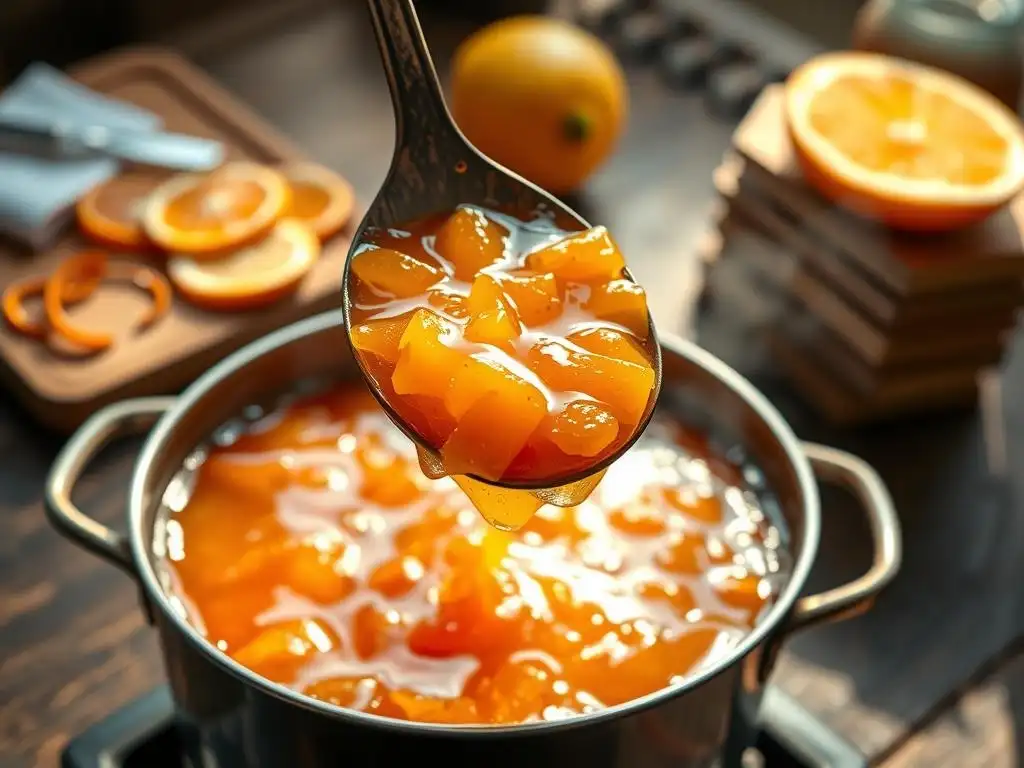
Determining the setting point is paramount to ensuring your homemade citrus marmalade sets correctly. There are several methods to test for this. The most reliable method is the wrinkle test. Place a small spoonful of the hot marmalade onto a chilled plate. Allow it to cool for a minute or two, then push the marmalade gently with your finger.
If the surface wrinkles, your marmalade has reached the setting point. Another method involves observing the consistency of the simmering mixture. As it thickens, the bubbles will break more slowly on the surface. This change in bubbling behavior signals that the pectin is working its magic. A third method involves using a thermometer.
While pectin levels vary between fruits, a reliable range for setting point lies between 218-220°F (103-104°C). However, relying solely on temperature can be unreliable, as other factors affect the setting point, so it's best to combine this with the wrinkle test for definitive results. Remember, it's better to err on the side of caution. Slightly undercooked marmalade may not set properly, while overcooked marmalade can become overly firm and less palatable.
Filling and Sealing the Jars: Preserving Your Homemade Marmalade
Once your homemade citrus marmalade has reached the setting point, it's time to carefully transfer it into sterilized jars. Using sterilized jars and equipment is crucial to ensure the longevity and safety of your marmalade. It's important to leave about ⅛ inch of headspace at the top of each jar to accommodate expansion during cooling. Wipe the rims of the jars clean before sealing them tightly with lids. This prevents contamination and ensures a proper seal.
After filling, process the jars in a boiling water bath for 10 minutes to ensure complete sterilization and create a vacuum seal, which extends the shelf life significantly. This step is essential for long-term storage. Once the jars are removed from the boiling water bath, allow them to cool completely. You should hear a satisfying "pop" sound as the jars seal. This indicates a successful vacuum seal, a sign that your homemade citrus marmalade is safely preserved for months to come.
Properly sealed jars, stored in a cool, dark place, will maintain their quality and delicious citrus flavor for a considerable period. Enjoy the fruits (or should we say, citrus!) of your labor! 🎉
Cooling and Storing Your Homemade Citrus Marmalade
Once your marmalade has finished its bubbling journey and reached the setting point, carefully remove it from the heat. Resist the urge to immediately start jarring—impatience can lead to a less-than-perfect result! Instead, allow the hot marmalade to cool slightly in the preserving pan. This prevents thermal shock to your jars, which can cause them to crack. This cooling period also allows the fruit pieces to settle gently, resulting in a more aesthetically pleasing final product. Aim for a temperature reduction of around 15-20°F (8-11°C) before proceeding to the next step.
While the marmalade cools, prepare your sterilized jars and lids. Remember, proper sterilization is crucial for preventing spoilage. Using boiling water or a steam sterilizer is highly recommended. Having your jars ready will ensure a smooth and efficient transfer process once the marmalade reaches a manageable temperature. This minimizes the risk of contamination and extends the shelf life of your delicious homemade marmalade.
The optimal temperature for jarring your marmalade is between 180°F and 190°F (82°C and 88°C). Using a candy thermometer is advisable to accurately monitor the temperature. Once the marmalade has cooled to this temperature, carefully ladle it into your sterilized jars, leaving about ¼ inch of headspace at the top. This headspace is vital, as it allows for expansion during cooling and prevents spillage. Wipe the rims of the jars clean to ensure a proper seal.
Seal the jars tightly with the sterilized lids and rings. Then, process the jars in a boiling water bath for 10 minutes (adjust time according to your altitude – check a reliable canning guide for specifics). This step further ensures preservation and prevents the growth of harmful bacteria. After processing, carefully remove the jars and let them cool completely. You should hear a satisfying "pop" sound as the jars seal.
Once completely cool, check for proper seals by pressing down on the center of each lid. If it doesn't flex, your jar is sealed and ready for storage. Store your homemade citrus marmalade in a cool, dark, and dry place. With proper preparation and storage, your homemade citrus marmalade should last for up to a year, maybe even longer, preserving the vibrant flavors of your homegrown citrus fruits for months to come. Enjoy the fruits (or should we say, the citrus!) of your labor! 🍊
Tips for the Perfect Homemade Citrus Marmalade
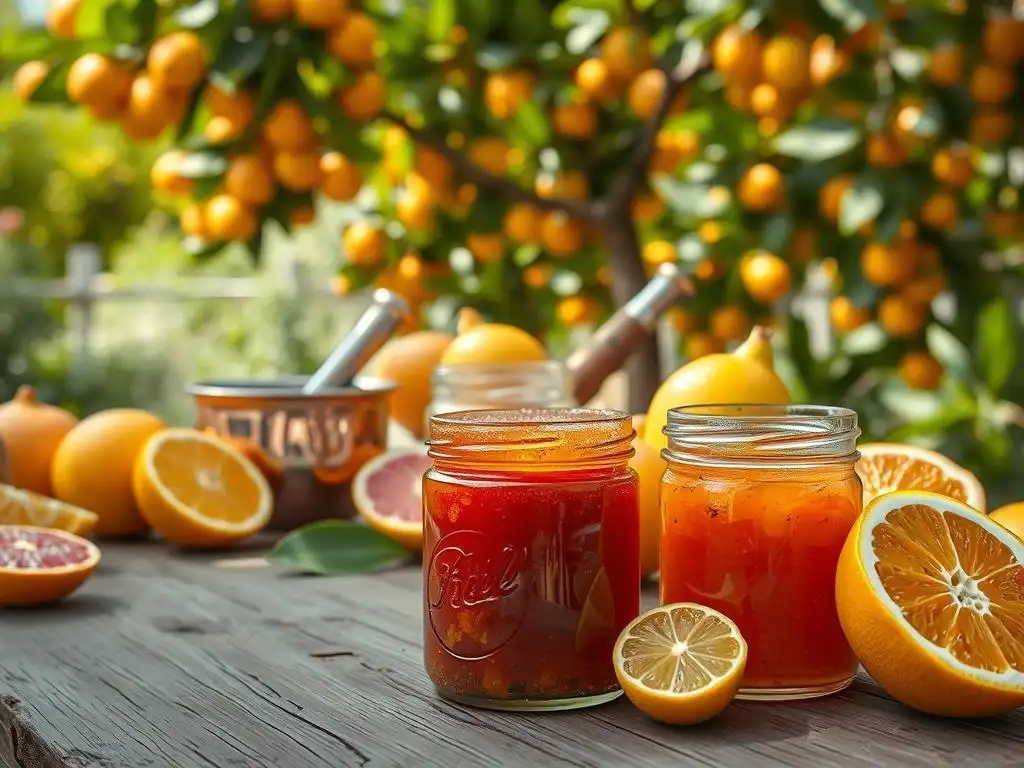
This section offers practical advice for achieving marmalade perfection, focusing on techniques and considerations that elevate your homemade citrus marmalade recipe beyond the ordinary. We'll explore methods to ensure optimal texture and flavor, resulting in a truly delightful preserve.
Enhancing Flavor: Exploring Variations and Additions to Your Homemade Marmalade Recipe
The beauty of homemade marmalade lies in its adaptability. Experimenting with additions can transform a simple recipe into a culinary masterpiece. Consider these flavor enhancements to elevate your homemade citrus marmalade recipe:
- Spices: A dash of ground ginger, a pinch of cardamom, or a cinnamon stick simmered with the fruit adds warmth and complexity. For a unique twist, try star anise – its licorice notes pair beautifully with citrus. Experiment with different combinations to find your preferred flavor profile. Remember that spices should be added towards the end of the cooking process to prevent bitterness.
- Herbs: Fresh herbs like rosemary, thyme, or even a sprig of lavender can infuse your marmalade with unexpected aromatic depth. A small amount goes a long way; start with a single sprig and adjust to taste. The subtle herbal notes complement the citrus perfectly, creating a sophisticated and refreshing marmalade.
- Liquors: A tablespoon or two of Grand Marnier, Cointreau, or even a good quality orange liqueur adds a delightful boozy note and enhances the citrus flavor. This is a fantastic way to create a sophisticated, adult marmalade. Remember to adjust the sugar content accordingly, as the alcohol will impact the setting process.
- Citrus Variations: Don't limit yourself to just oranges! Experiment with a blend of oranges, lemons, grapefruits, or even mandarins. Combining different citrus fruits creates a more complex and layered flavor profile. The ratio of different citrus fruits can be adjusted to create your own unique flavor combinations. For example, a blend of Seville oranges and blood oranges yields a marmalade with a striking color and a beautifully balanced bittersweet taste.
- Zest Management: Use both the juice and the zest! The zest provides intense citrus flavor and aroma, significantly enhancing the overall taste of your marmalade. Ensure you finely grate the zest, avoiding the bitter white pith.
Troubleshooting Common Marmalade Making Problems
Even experienced cooks encounter challenges when making marmalade. Here's how to address some common issues:
| Problem | Cause | Solution |
|---|---|---|
| Marmalade is too runny | Insufficient pectin, too little sugar | Add more sugar and/or use a high-pectin fruit like Seville oranges. Re-boil. |
| Marmalade is too thick/set | Too much pectin, too much sugar | Reduce the amount of sugar or pectin next time. |
| Marmalade is grainy/crystallized | Excess sugar, uneven cooking | Use a sugar thermometer to ensure consistent boiling temperature. |
| Marmalade is bitter | Overcooked, too much pith | Use less pith, and avoid overcooking. |
| Marmalade is cloudy | Improper sterilization | Ensure jars and lids are properly sterilized before filling. |
Remember, practice makes perfect! Don't be discouraged if your first attempt isn't flawless. Each batch provides valuable learning, helping you refine your technique and achieve the perfect homemade citrus marmalade recipe.
Understanding the Science Behind Marmalade Setting: Pectin and Sugar
The successful setting of marmalade hinges on the interplay between pectin and sugar. Pectin, a natural gelling agent found in fruits, is responsible for the marmalade's jelly-like consistency. Sugar plays a crucial role in activating pectin's gelling properties. Here's a breakdown:
- Pectin: Different fruits contain varying levels of pectin. Seville oranges, known for their high pectin content, are a popular choice for marmalade making. If using lower-pectin fruits, you may need to add commercial pectin to ensure proper setting.
- Sugar: Sugar not only adds sweetness but also draws moisture from the fruit, creating the necessary concentration for the pectin to form a gel. The correct sugar-to-fruit ratio is critical for achieving the desired consistency. Using a sugar thermometer helps ensure accurate boiling temperatures, maximizing pectin activation.
- Acid: Acidity also influences pectin's gelling ability. Citrus fruits are naturally acidic, which aids in the setting process. However, if using fruits with low acidity, adding a touch of lemon juice can improve the setting.
Understanding the roles of pectin, sugar, and acidity helps ensure predictable results when crafting your homemade citrus marmalade recipe. Properly balancing these components is key to achieving a perfectly set and delicious marmalade every time. Careful attention to these scientific principles will elevate your marmalade-making skills, guaranteeing consistently delightful results!
Storage and Shelf Life of Homemade Citrus Marmalade
Proper storage is crucial for maintaining the quality and safety of your homemade citrus marmalade. Once cooled completely, your marmalade should be transferred to sterilized jars. This prevents the introduction of harmful bacteria and ensures a longer shelf life. Sterilizing jars is a simple process; you can achieve this by washing them thoroughly in hot, soapy water, then rinsing and placing them in a boiling water bath for at least 10 minutes. Allow the jars to air dry completely before filling them with the marmalade.
The type of jar you use also matters. Opt for jars with airtight lids to create an oxygen-free environment, which inhibits mold growth and preserves the marmalade's vibrant color and flavor. Wide-mouth jars are preferable for easy filling and scooping.
Once filled, seal the jars tightly. Properly sealed jars will create a vacuum seal, indicated by a slight concave lid. This vacuum seal is a good indicator of proper preservation. If you notice a bulging lid, it could indicate spoilage and the jar should be discarded.
Stored in a cool, dark, and dry place, your homemade citrus marmalade can last for up to a year. Avoid storing it near heat sources or direct sunlight, as this can degrade the quality and reduce its shelf life. Always check the jars for any signs of spoilage before consuming, such as mold growth, unusual bubbling, or a change in smell or texture. When in doubt, throw it out!
Remember, food safety is paramount when it comes to preserving your homegrown citrus fruits. Following these simple steps will help you enjoy your delicious homemade marmalade for months to come. Proper storage is key to maximizing the shelf life of your homemade citrus marmalade, ensuring you can savor the fruits of your labor for a considerable time. Remember to always prioritize safety and discard any jars that show signs of spoilage.
Beyond the Basic Recipe: Exploring Different Citrus Marmalades
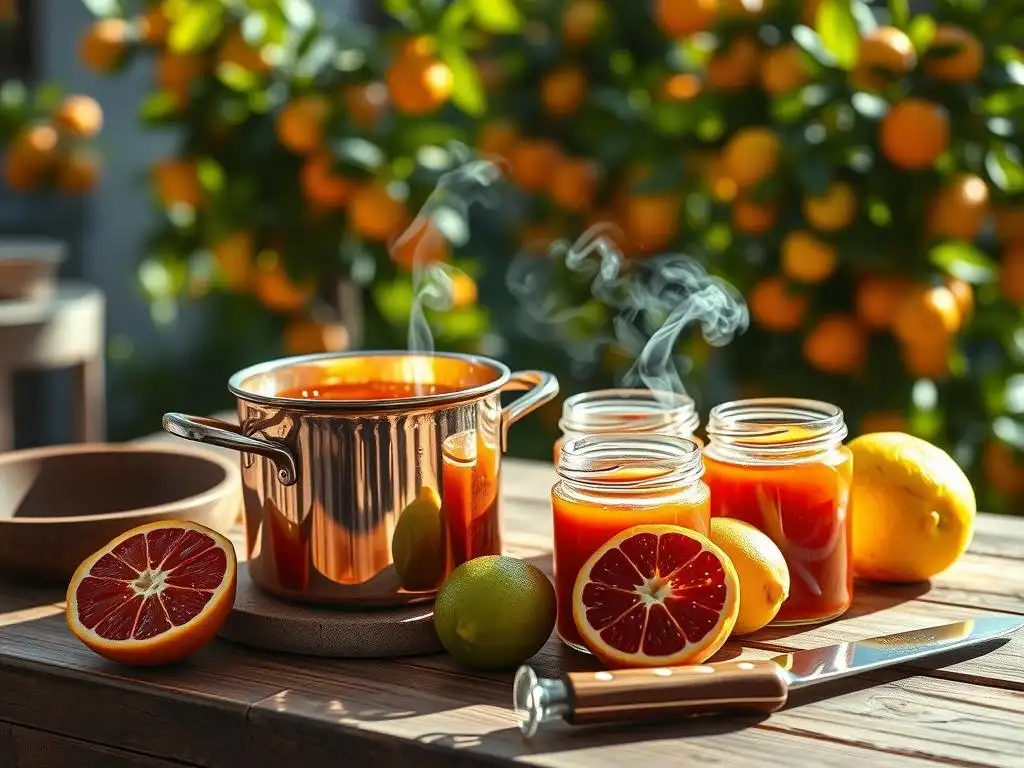
This section delves into the exciting world of citrus marmalades beyond the typical orange variety. We'll explore recipes utilizing lemons and grapefruits, showcasing the unique flavors and textures each citrus fruit brings to this delightful preserve. Mastering these variations will elevate your homemade citrus marmalade recipe game and allow you to experiment with the abundance of citrus fruits your garden provides. Remember, the key to a successful marmalade lies in achieving the right balance of sweetness, bitterness, and pectin—the natural gelling agent found in citrus fruits. Let's explore the possibilities!
Orange Marmalade Recipe: A Classic Citrus Delight
The classic orange marmalade is a testament to simplicity and deliciousness. This recipe focuses on using Seville oranges, known for their high pectin content and intense bitterness, which perfectly complements the sweetness of the sugar. However, you can adapt this recipe to use other sweet oranges if Seville oranges are unavailable.
Ingredients:
- 1 kg Seville oranges (or a mix of Seville and sweet oranges)
- 1.2 kg granulated sugar
- 1 litre water
Instructions:
- Wash the oranges thoroughly. Scrub away any surface dirt.
- Finely slice the oranges, including the peel, discarding only the seeds (save them! ).
- Place the sliced oranges in a large bowl and cover with cold water. Let them soak overnight (or at least 6-8 hours) to soften the peels. This step is crucial for achieving a smooth marmalade.
- Drain the oranges well.
- Place the sliced oranges and water in a large, heavy-bottomed saucepan. Bring to a boil, then reduce the heat and simmer gently for approximately 1-1.5 hours, or until the rind is tender.
- Add the sugar and stir until completely dissolved.
- Continue to boil the mixture rapidly, stirring frequently, until setting point is reached (this is when a small amount of marmalade dropped onto a chilled plate wrinkles slightly when pushed with a finger). This usually takes around 15-20 minutes. The "wrinkle test" is key to ensuring proper setting.
- Remove from heat and skim off any foam.
- Carefully pour the hot marmalade into sterilized jars, leaving a small headspace. Seal tightly.
- Invert the jars for a few minutes to check for leaks, then leave to cool completely.
Lemon Marmalade Recipe: A Zesty Twist on a Traditional Recipe
Lemon marmalade offers a brighter, more zesty flavor profile compared to its orange counterpart. The lower pectin content of lemons requires a little extra care to ensure proper setting. We recommend adding a tablespoon of lemon juice to boost the pectin level. This recipe uses a combination of lemon zest and juice for a vibrant flavor and a beautiful texture.
Ingredients:
- 1 kg lemons
- 800g granulated sugar
- 500ml water
- 1 tbsp lemon juice
Instructions:
- Wash lemons thoroughly. Grate the zest from the lemons, being careful to avoid the white pith.
- Juice the lemons. Reserve the juice.
- Combine the lemon zest, juice, water, and extra lemon juice in a saucepan. Bring to a boil, then reduce heat and simmer for about 30 minutes, or until the zest softens.
- Stir in the sugar. Bring to a rolling boil, stirring constantly, until the setting point is reached (using the wrinkle test as described above). This may take slightly longer than the orange marmalade.
- Remove from heat, skim off foam, and pour into sterilized jars. Seal and cool.
Grapefruit Marmalade Recipe: A Bittersweet and Refreshing Option
Grapefruit marmalade offers a unique bittersweet flavor profile that is both refreshing and sophisticated. The high pectin content of grapefruit makes it a relatively easy marmalade to make, often requiring less cooking time than other citrus varieties. Pink grapefruits will produce a beautiful, rosy marmalade.
Ingredients:
- 1 kg pink grapefruits
- 1 kg granulated sugar
- 750ml water
Instructions:
- Wash the grapefruits thoroughly.
- Thinly slice the grapefruits, including the peel (discarding only the seeds).
- Place the sliced grapefruit in a bowl and cover with cold water. Let soak overnight (or for at least 6 hours).
- Drain the grapefruits well.
- Combine the sliced grapefruits and water in a large saucepan. Bring to a boil, then reduce heat and simmer for about 45-60 minutes, or until the rind is tender.
- Add the sugar and stir until completely dissolved.
- Bring to a rapid boil, stirring frequently, until the setting point is reached (again, using the wrinkle test).
- Remove from heat, skim off any foam, and pour into sterilized jars. Seal and cool completely.
Remember to always use sterilized jars to ensure your homemade citrus marmalade recipe remains fresh and safe for consumption. Enjoy the process and the delicious results! 🍊🍋💖
Combination Marmalades: Blending Citrus Flavors for Unique Creations
Creating combination marmalades opens a world of flavor possibilities beyond single-citrus recipes. The key to success lies in understanding how different citrus fruits interact. Some combinations complement each other beautifully, while others might clash. Experimentation is key! For instance, the tartness of Seville oranges can be beautifully balanced by the sweetness of blood oranges, creating a marmalade with a complex depth of flavor. Similarly, the subtle sweetness of mandarins can elevate the bitterness of grapefruit, resulting in a surprisingly refreshing marmalade.
Consider the pectin content of your chosen citrus fruits. Some fruits, like lemons, are naturally high in pectin, while others, like oranges, have lower levels. When combining fruits with varying pectin levels, you might need to adjust the amount of added pectin or adjust your cooking time to achieve the desired set. A good rule of thumb is to start with a higher pectin fruit as your base and add lower pectin fruits gradually, monitoring the setting point throughout the cooking process.
Don't be afraid to get creative! Think beyond the typical orange and lemon combinations. Experiment with unusual citrus varieties like Meyer lemons, pomelos, or even yuzu. These unique citrus fruits will add distinct aromatic notes and flavor profiles to your marmalade. For example, a marmalade combining Meyer lemons and pink grapefruits offers a sophisticated blend of sweet, tart, and slightly floral notes. Remember to always taste-test as you go, adjusting sweetness and acidity as needed to achieve your perfect balance.
Furthermore, the visual appeal of combination marmalades is also a significant factor. Using a mix of citrus fruits with varying colors, such as blood oranges and regular oranges, can result in a visually stunning marmalade with vibrant hues. This adds an extra layer of appeal, making your homemade marmalade even more enticing. Consider the final color you'd like to achieve when selecting your citrus fruits. A marmalade with a deep, rich color will often be more appealing than one that is pale or dull.
Finally, remember meticulous preparation is crucial for a successful combination marmalade. Thoroughly wash and clean all citrus fruits before use. Remove any blemishes or imperfections. Precise measurements of both the fruit and the sugar are essential for achieving the correct consistency and setting point. Careful attention to detail in every step of the process will ensure that your combination marmalade is not only delicious but also visually appealing and preserves well. 🍊🍋
Sustainable Practices in Marmalade Making
Making homemade citrus marmalade is a rewarding experience, but it's also an opportunity to embrace sustainable practices. By making conscious choices throughout the process, you can minimize your environmental impact and create a truly delicious and eco-friendly treat. This section delves into specific ways to make your marmalade-making journey more sustainable, focusing on minimizing waste, using organic ingredients, and employing environmentally conscious storage solutions. This will help you achieve that perfect balance of taste and sustainability, making your homemade citrus marmalade recipe even more special.
Reducing Waste: Utilizing Citrus Peels and Pulp
One of the most significant ways to enhance the sustainability of your homemade citrus marmalade recipe is by minimizing waste. Traditional marmalade recipes often discard the peels and pulp, leading to unnecessary food waste. However, these parts are packed with flavor and pectin, a crucial ingredient for setting the marmalade. Instead of discarding them, consider these options:
- Composting: Citrus peels and pulp are excellent additions to your compost bin, enriching the soil with nutrients. They break down relatively quickly, contributing to the creation of nutrient-rich compost for your garden. This closed-loop system reduces landfill waste and provides valuable fertilizer for future harvests.
- Candied Peels: Transform leftover citrus peels into delicious candied peels! This adds another delectable treat to your repertoire and prevents perfectly good ingredients from ending up in the trash. A simple simmering process in sugar syrup yields delightful candied delights.
- Infused Vinegar or Oils: Citrus peels can also be used to infuse vinegar or oils, creating flavorful additions for cooking and cleaning. This method extends the life and use of your citrus fruits, adding a sustainable dimension to your culinary practices.
The amount of waste reduction achieved depends on the recipe and the quantity of marmalade produced. For example, a batch of marmalade using 2 kg of oranges could potentially reduce waste by 1 kg or more depending on the peel-to-pulp ratio used in the recipe. This translates to a significant decrease in your overall kitchen waste.
Organic Sugar Alternatives for Homemade Marmalade
The sugar content is a significant aspect of marmalade making. However, choosing organic sugar options significantly improves the sustainability of your homemade citrus marmalade recipe. Conventional sugar production can have environmental drawbacks, including intensive farming practices and high energy consumption. By opting for organic alternatives, you support more environmentally friendly farming methods.
Here are some organic sugar alternatives to consider:
- Organic Cane Sugar: Look for certifications indicating organic farming practices, ensuring that the sugar production minimized its environmental impact.
- Organic Coconut Sugar: This sugar has a lower glycemic index than cane sugar and is produced sustainably from coconut palm sap.
- Agave Nectar (in moderation): While delicious, agave nectar should be used sparingly due to its higher fructose content. Ensure it is organically sourced for maximum sustainability benefits.
The choice of organic sugar directly impacts the environmental footprint of your marmalade. While the price might be slightly higher, the environmental benefits of reducing pesticide use and promoting biodiversity outweigh the additional cost. Consider the long-term impact of supporting organic farming practices when selecting your sugar.
Eco-Friendly Jar Storage and Recycling
The final stage of marmalade making involves storing your delicious creation. Choosing eco-friendly jars and embracing recycling practices is crucial for completing your sustainable marmalade-making journey. Remember that even the smallest actions can have a cumulative positive effect on the environment.
- Reusable Jars: Opt for reusable glass jars, prioritizing those made from recycled glass. This reduces the demand for new glass production, saving energy and resources. Thoroughly clean and sterilize your jars before reuse.
- Recyclable Labels: Use paper labels that can be easily removed and recycled, further minimizing waste. Avoid plastic labels whenever possible.
- Proper Recycling: Once your jars are empty, ensure you recycle them properly according to your local guidelines. Many municipalities have specific programs for glass recycling.
By carefully selecting your jars and following proper recycling procedures, you can significantly reduce your environmental impact and contribute to a circular economy. This final step reinforces your commitment to sustainable practices throughout the entire homemade citrus marmalade recipe process. 🥂
Frequently Asked Questions
What type of citrus fruits are best for homemade marmalade?
You can use a variety of citrus fruits! Seville oranges are traditional and provide a bitter, tangy flavor, but lemons, limes, or grapefruit also work well, either alone or in combination. Experiment to find your favorite flavor profile!
How do I know when my citrus fruits are ready for harvesting?
The best time to harvest citrus fruits for marmalade is when they are fully ripe and their skins are brightly colored. They should feel heavy for their size and have a pleasant aroma.
What is the role of pectin in marmalade making?
Pectin is crucial for setting the marmalade. It's a natural substance found in the fruit that helps the mixture thicken. If your fruit is low in pectin, you may need to add commercial pectin to ensure a good set.
How long will homemade marmalade last?
Properly stored homemade marmalade will typically last for 12-18 months in a cool, dark place. Make sure your jars are sterilized before filling and seal them tightly.
Can I adjust the sweetness of my homemade marmalade recipe?
Absolutely! The amount of sugar you add directly impacts the sweetness. Start with the recipe's suggested amount, then taste and adjust to your preference. You can also add a touch of lemon juice to balance the sweetness.
Final Reflection: The Sweetness of Connection, One Citrus Slice at a Time
The simple act of making marmalade transcends mere recipe following; it's a powerful connection to nature, history, and the enduring satisfaction of creating something delicious with your own hands. In a world increasingly dominated by processed foods and instant gratification, the deliberate process of transforming sun-ripened citrus into a vibrant, flavorful preserve offers a potent antidote. This isn't just about a homemade citrus marmalade recipe; it's about reclaiming a piece of our culinary heritage and finding joy in the tangible results of our efforts.
The enduring appeal of homemade marmalade lies not only in its taste but also in its ability to connect us to generations past. The tradition of preserving fruits and vegetables speaks to a time when resourcefulness and community were paramount. It's a practice that fosters patience, mindfulness, and a deep appreciation for the bounty of nature. The best things in life are homemade,
a sentiment often heard, rings truer than ever when considering the simple pleasure of a warm slice of toast topped with homemade marmalade. This act, seemingly small, represents a larger movement towards mindful consumption and a renewed appreciation for the craft of cooking.
Now, consider your own kitchen. Imagine the aroma of simmering citrus filling your home, the satisfying clink of jars sealing in the sun's warmth, the pride of sharing your creation with loved ones. This is more than just a recipe; it's an invitation to slow down, connect with the natural world, and savor the simple joys of creating something beautiful and delicious.
Take the time to experiment, to adapt, to make this recipe your own. Let the vibrant colors and sweet-tart flavors of your homemade marmalade be a reminder of the richness and satisfaction found in the simplest of things.
Unleash Your Inner Marmalade Maestro!
Thanks for joining us on this citrusy adventure! We hope you've discovered some delicious tips and tricks for making wonderful marmalade from your homegrown fruit. Ready to elevate your skills?
- Craft your signature marmalade: Experiment with different citrus fruits and spice combinations to create a unique flavor profile. This is your chance to get creative and develop a marmalade that truly reflects your personal taste!
- Share your creation: Take a photo of your homemade marmalade and post it on social media using #CultivateYourFoodMarmalade – let's inspire others!
- Make marmalade with a friend: Invite a friend to join you in the kitchen and make marmalade together – it's a fun way to bond while creating delicious preserves.
What unique twist will you add to your next batch of homemade marmalade? We'd love to hear your ideas in the comments!