
How to Recognize Different Types of Aphids in Your Garden

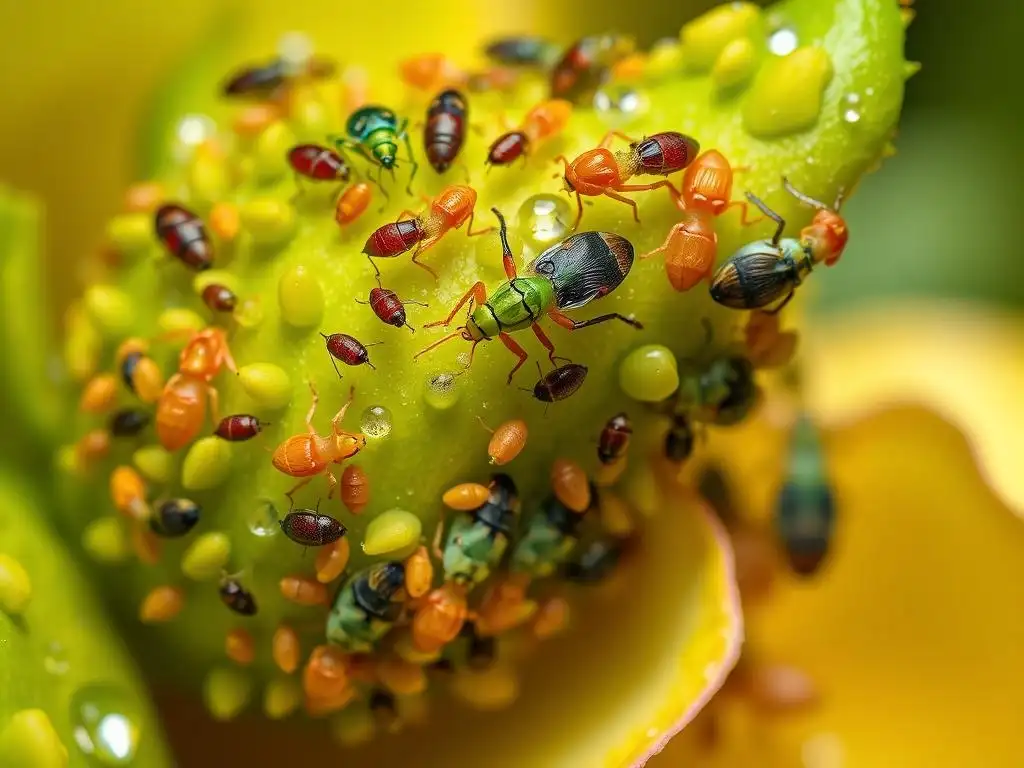
Welcome to CultivateYourFood, your guide to nurturing a thriving, sustainable garden! Ready to unlock the secrets to bountiful harvests? We're diving deep into the world of organic gardening, and today, we're tackling a common challenge: learning to identify common garden aphids. Understanding your enemy is the first step to victory – discover how to spot these tiny pests and protect your precious plants. Let's get started!
- Identifying Common Garden Aphids: A Visual Guide
- Where to Find Aphids in Your Garden: Common Infestation Sites
- The Impact of Aphids on Your Plants: Recognizing Damage
- Prevention and Control of Aphid Infestations: Organic Methods
- Differentiating Aphids from other Small Garden Pests
- Frequently Asked Questions
- Final Reflection: The Tiny Architects of Garden Woe
- Uncover the Secrets of Your Garden Pests!
Identifying Common Garden Aphids: A Visual Guide
Successfully cultivating a thriving garden, bursting with fruits, vegetables, and herbs, often hinges on effective pest management. Among the most prevalent and damaging garden pests are aphids – tiny insects that can quickly decimate plants if left unchecked. This comprehensive guide will equip you with the knowledge to accurately identify common aphid species found in home gardens, enabling you to implement timely and targeted control measures.
Learning to distinguish between different aphid types is crucial because various species may exhibit different preferences for host plants and may require slightly different control strategies. This guide focuses on visual identification, providing detailed descriptions and characteristics to help you become a confident aphid identifier and protect your precious plants.
We'll explore key features such as size, shape, color, and preferred host plants to help you quickly and accurately identify these tiny invaders. Early detection is key to preventing widespread infestation and safeguarding the health of your garden.
Recognizing Aphid Characteristics: Size, Shape, and Color
Aphids are small, soft-bodied insects, typically ranging in size from 1 to 10 millimeters. Their pear-shaped bodies are often characterized by a pair of cornicles (siphunculi), small, tube-like structures extending from their abdomen. These cornicles secrete a waxy substance that may appear as a white, powdery coating. Color is highly variable and is often a key characteristic in identifying specific species. Common colors include green, black, brown, yellow, and even reddish hues.
While size and shape can provide some clues, color often serves as the most reliable visual identifier. Examine the aphids closely, noting any distinct markings or patterns. Using a magnifying glass can be beneficial, especially for distinguishing smaller details. Remember to consider the host plant, as aphid species often exhibit a preference for certain plants.
Common Aphid Species Found in Home Gardens: A Detailed Look
This section provides detailed descriptions of five common aphid species frequently encountered in home gardens. Understanding their unique characteristics will greatly assist in accurate identification and effective pest management. Remember that accurate identification is crucial for successful pest control, as different aphid species may respond differently to various treatment methods.
Identifying Green Peach Aphids (Myzus persicae)
Green peach aphids are a highly polyphagous species, meaning they feed on a wide variety of plants. They are typically light yellowish-green to pale green in color, with a slightly elongated body shape. Their cornicles are relatively short and dark, and they often exhibit a noticeable dark stripe along their back. These aphids are known vectors of several plant viruses, making early identification and control crucial. They are particularly damaging to plants in the Solanaceae family (tomatoes, peppers, potatoes), but can infest many other crops.
Spotting the Potato Aphid (Macrosiphum euphorbiae)
Potato aphids are usually a pale green to yellowish-green, although their color can vary depending on the host plant. They are relatively large compared to other aphid species, often reaching up to 4 mm in length. Their bodies are more elongated than some other species, and their cornicles are long and dark. As their name suggests, they are commonly found on potatoes, but can also infest other plants, including tomatoes, peppers, and various herbs. They can cause significant damage by sucking sap from plants, leading to stunted growth and reduced yield.
Recognizing the Black Bean Aphid (Aphis fabae)
Black bean aphids are, as their name suggests, predominantly black or dark brown. They are relatively large, with a shiny, smooth body. Their cornicles are black and relatively short. These aphids are known for their preference for bean plants, but they can also infest other plants such as spinach and nasturtiums. Large infestations can cause significant damage, leading to leaf curling, stunted growth, and reduced yields.
Distinguishing the Cabbage Aphid (Brevicoryne brassicae)
Cabbage aphids are covered with a powdery, white coating, which makes them appear whitish-grey or bluish-grey. They are relatively large and have a slightly rounded body shape. Their cornicles are short and dark. They are commonly found on plants in the Brassica family, including cabbage, broccoli, cauliflower, and kale. They can cause significant damage by sucking sap from leaves, leading to stunted growth and reduced yield. Their powdery coating helps to distinguish them from other aphid species.
Identifying Rose Aphids (Macrosiphum rosae)
Rose aphids are typically a light green to yellowish-green color, with a slightly elongated body. They are often found clustered on the underside of rose leaves and stems. Their cornicles are relatively long and dark. These aphids are specific to rose plants and can cause significant damage by sucking sap, leading to leaf curling and distorted growth. Their preference for rose plants aids in identification.
Where to Find Aphids in Your Garden: Common Infestation Sites
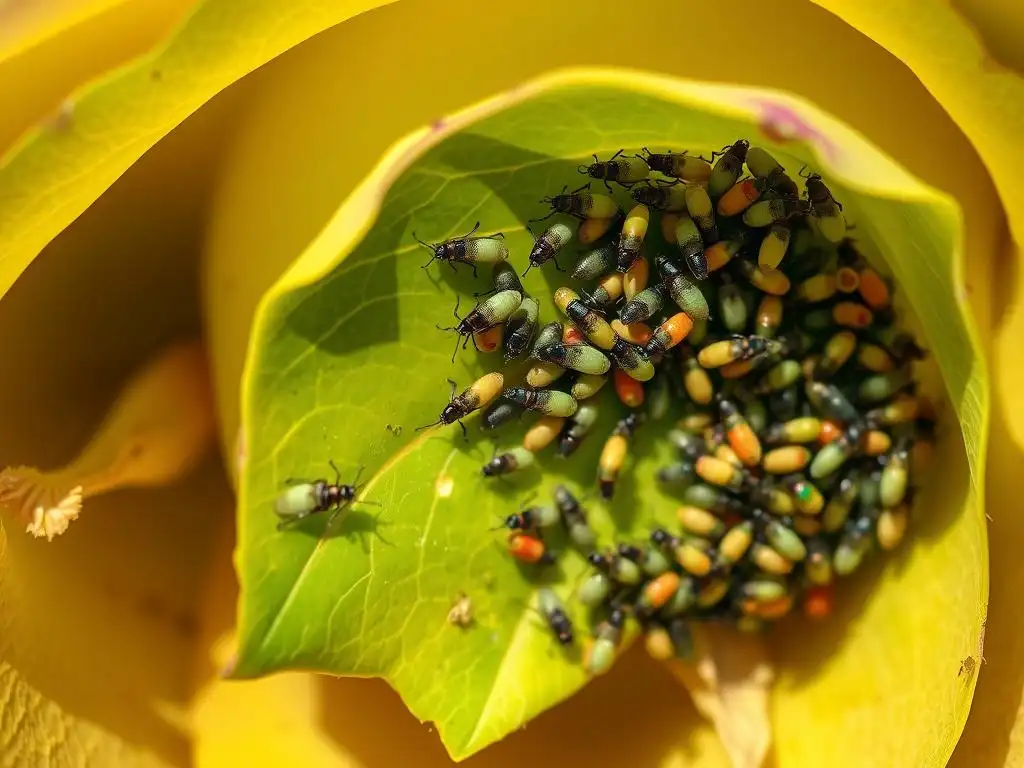
Aphids, those tiny, sap-sucking insects, are masters of disguise and can be surprisingly difficult to spot in their early stages. Knowing their preferred hiding spots significantly improves your chances of early detection and effective control, preventing a full-blown infestation that could severely impact your harvest. Successful identification of common garden aphids hinges on understanding their favored locations within your plants. They're not randomly distributed; instead, they strategically choose areas offering protection and easy access to their food source – your plant's sap.
Inspecting Leaves for Aphid Colonies: A Step-by-Step Guide
Leaves are a prime real estate for aphids. Their flat surfaces provide ample space for colonies to develop, and the leaf's delicate structure offers a degree of protection from the elements and predators. Here's a methodical approach to inspecting leaves for aphid presence:
- Visual Inspection: Start by carefully examining the upper and lower surfaces of leaves, paying close attention to young, tender leaves. Aphids often congregate on the newest growth, where the sap is most readily available. Use a magnifying glass if necessary. Look for tiny, pear-shaped insects that may be green, black, brown, yellow, or even reddish, depending on the species and the plant they're feeding on.
- Check for Honeydew: Aphids excrete a sticky, sugary substance called honeydew. This is a telltale sign of their presence, even if the aphids themselves are difficult to see. Honeydew often attracts ants, so the presence of ants crawling on your plants can also be an indicator of an aphid infestation.
- Look for Sooty Mold: Honeydew can also lead to the development of sooty mold, a black, fuzzy fungus that grows on the sticky residue. The presence of sooty mold is a strong indication of a significant aphid problem.
- Systematic Approach: Don't just glance at a few leaves. Systematically examine several leaves per plant, and repeat the process for multiple plants, particularly those showing signs of stress such as wilting or discoloration. Early detection is key to effective aphid management. Remember, even a small infestation can quickly escalate.
Checking Stems and Buds for Aphid Activity
While leaves are a common location, don't neglect to check stems and buds. Aphids are often found clustered around the tender growth points of plants, including the stems and the base of buds. These locations offer protection and easy access to the plant's vascular system, providing a constant supply of sap. Pay particular attention to the areas where new shoots emerge, as these are particularly vulnerable.
A careful examination of these areas, especially with a magnifying glass, can reveal hidden colonies. The presence of honeydew or sooty mold on stems or buds is a clear indicator of aphid activity. Consider using a flashlight to illuminate these areas for better visibility, particularly in low-light conditions.
Examining the Undersides of Leaves: A Key Location for Aphids
Many aphid species prefer the undersides of leaves. This provides them with shelter from rain, wind, and natural predators, such as ladybugs. The undersides are also often less exposed to sunlight, offering a more favorable microclimate. Therefore, always turn over leaves to thoroughly inspect their undersides. You may find large colonies hidden there, completely invisible from the top.
Use a magnifying glass to closely examine the veins and crevices of the leaf, as aphids often cluster along these areas. The presence of honeydew or sooty mold on the undersides of leaves is a further confirmation of an aphid infestation. Remember to check multiple leaves and plants for a comprehensive assessment of the extent of the problem. Early detection and careful inspection are crucial steps in effectively identifying common garden aphids and implementing appropriate control measures.
The Impact of Aphids on Your Plants: Recognizing Damage
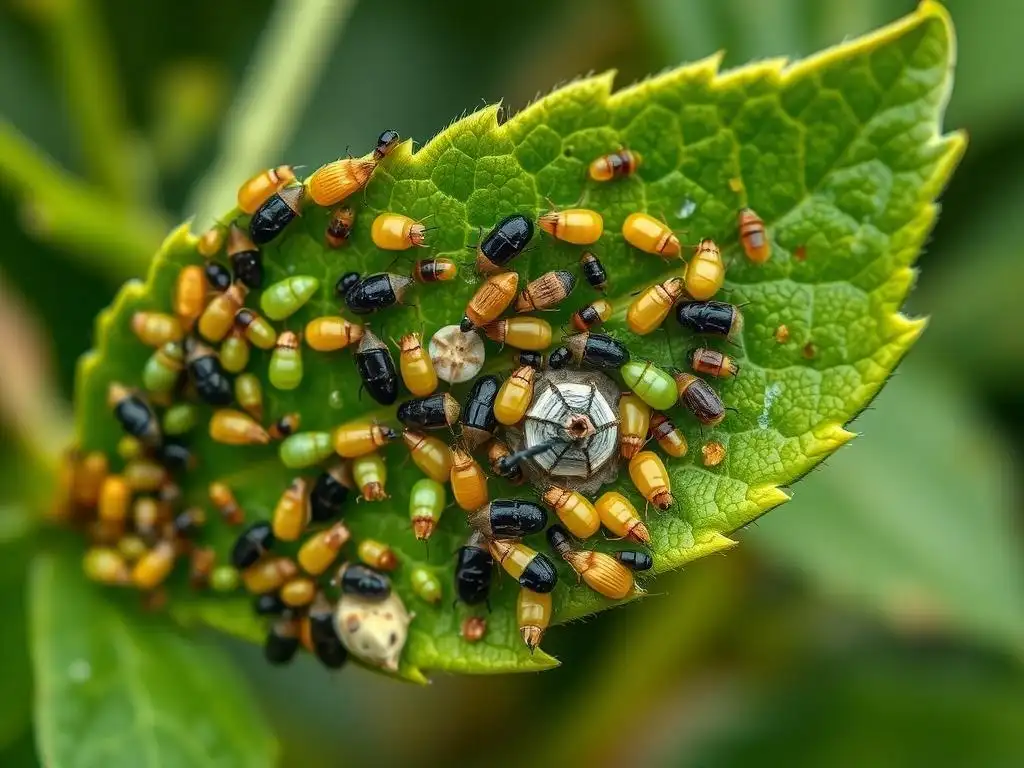
Aphids, tiny sap-sucking insects, can significantly impact the health and yield of your fruits, vegetables, and herbs. Identifying the damage they cause is crucial for timely intervention and preventing widespread infestation. While different aphid species vary slightly in their preferred host plants, the overall damage they inflict is quite similar. Understanding this damage allows for early detection and effective management, preventing significant losses in your harvest. The severity of the damage depends on several factors, including the aphid species, the plant's overall health, and the size of the infestation.
A small infestation might go unnoticed, but a large one can severely weaken or even kill your plants. Ignoring aphid infestations can lead to stunted growth, reduced yields, and increased susceptibility to secondary infections. Early identification is key to minimizing these negative impacts. Let's delve deeper into the specific signs.
Signs of Aphid Infestation: Leaf Curling, Yellowing, and Wilting
One of the most common signs of an aphid infestation is leaf curling. Aphids feed by piercing plant leaves and stems with their needle-like mouthparts, sucking out the sap. This sap loss weakens the plant, often causing leaves to curl inwards, sometimes becoming distorted or crinkled. The leaves may also exhibit yellowing or discoloration, especially near the feeding sites.
Severe infestations can lead to overall wilting of the plant, as it struggles to transport water and nutrients throughout its system. These visual signs are often the first indication of a problem. You might also observe stunted growth, as the plant redirects energy to combat the infestation instead of growing new leaves and fruit.
Observing these symptoms requires regular inspection of your plants, ideally weekly, to catch any problems early. A magnifying glass can help you spot the tiny aphids themselves, usually clustered on the undersides of leaves or along tender stems. Early detection is crucial for effective treatment, and minimizing the overall impact on your plants.
Aphid Honeydew and Sooty Mold: Secondary Damage Indicators
Beyond the direct damage caused by sap-sucking, aphids also produce a sticky substance known as honeydew. This sugary excretion attracts ants and can lead to the development of sooty mold. Sooty mold is a black, powdery fungus that grows on the honeydew, further impacting the plant's ability to photosynthesize. The presence of honeydew and sooty mold is a strong indicator of an aphid infestation, even if the aphids themselves are difficult to spot.
The sooty mold can coat leaves, reducing sunlight penetration and hindering the plant's ability to produce food. This secondary damage can be as detrimental as the direct damage from sap-sucking, further stressing the plant. Cleaning the honeydew and sooty mold from your plants can help improve their health, but tackling the root cause—the aphid infestation—is essential for long-term plant health.
Regular monitoring for honeydew and sooty mold is a proactive measure to prevent significant damage to your garden's produce. Remember, a healthy plant is better equipped to withstand pest infestations. Early detection and prompt action are key to maintaining a thriving and productive garden.
Prevention and Control of Aphid Infestations: Organic Methods
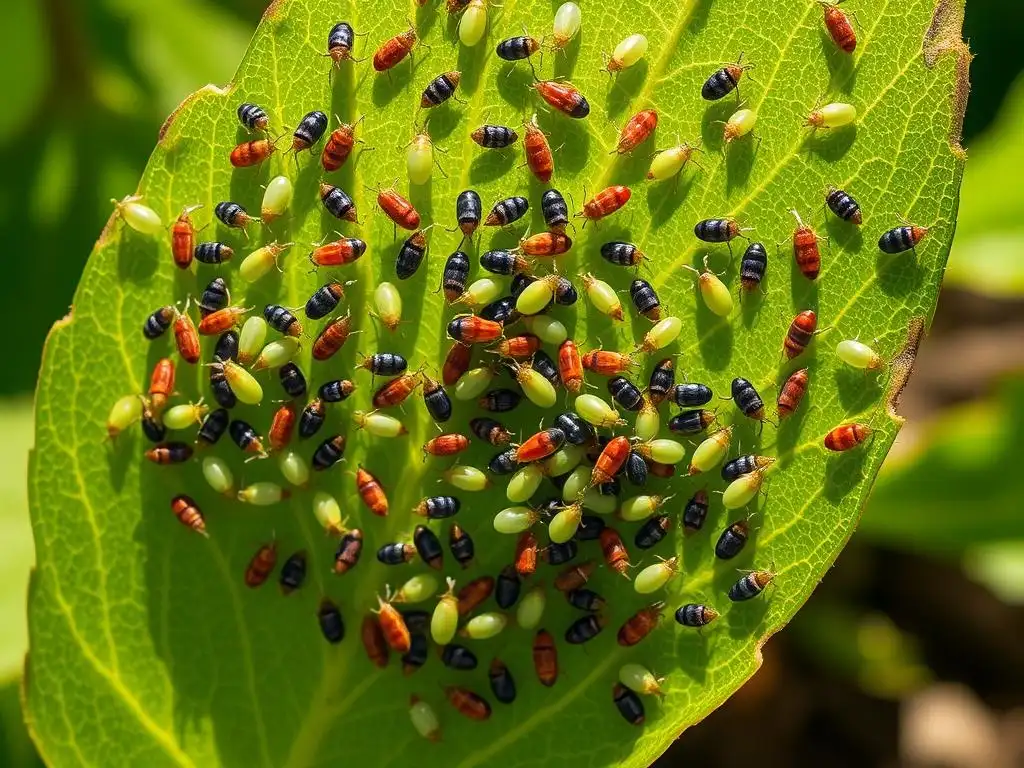
Preventing and controlling aphid infestations organically requires a multi-pronged approach focusing on creating a less hospitable environment for these pests while simultaneously encouraging their natural enemies. Ignoring early signs of infestation can lead to a significant problem, so vigilant monitoring is key. This section will outline some effective organic methods to manage aphid populations in your garden. Identifying common garden aphids early is crucial for effective control.
Natural Predators of Aphids: Encouraging Beneficial Insects
Many beneficial insects prey on aphids, providing a natural and sustainable control method. By attracting these helpful creatures to your garden, you can significantly reduce aphid numbers. Key beneficial insects include ladybugs 🐞, lacewings, and hoverflies. These predators feed on aphids throughout their life cycle, effectively limiting population growth.
To encourage these beneficial insects, plant a diverse range of flowering plants that provide nectar and pollen. These plants act as a food source for the adult insects, encouraging them to stay and reproduce in your garden. Examples include dill, fennel, yarrow, and Queen Anne's Lace. Avoid using broad-spectrum insecticides, as these will harm beneficial insects alongside the aphids.
Providing shelter, such as leaf litter or small piles of rocks, can also attract and support beneficial insect populations. A healthy and diverse ecosystem is your best defense against aphid outbreaks. Remember, identifying common garden aphids is only the first step; understanding their natural enemies is equally important for long-term pest control.
Using Insecticidal Soap: A Safe and Effective Approach
Insecticidal soap is a readily available and relatively safe organic solution for managing aphid infestations. It works by disrupting the cell membranes of aphids, leading to their death. It's crucial to choose a soap specifically formulated for pest control, as household soaps might not be effective enough. Always follow the product instructions carefully, paying close attention to the dilution rate and application method.
Insecticidal soap is most effective when applied directly to the aphids. Thorough coverage is essential for optimal results. Repeated applications may be necessary, especially during periods of high aphid activity. Because insecticidal soap is less persistent than chemical pesticides, it's safer for beneficial insects and pollinators.
However, it can also harm some beneficial insects, so timing your application is important. For example, avoid spraying when beneficial insects are most active. Always test the soap on a small area of your plants before widespread application to ensure it doesn't damage the foliage. Identifying common garden aphids and understanding when to use insecticidal soap effectively can protect your plants without resorting to harsh chemicals.
Employing Neem Oil for Aphid Control: An Organic Solution
Neem oil is another effective organic solution derived from the neem tree. It works by disrupting the aphid's life cycle, affecting their feeding, reproduction, and molting. Like insecticidal soap, neem oil should be applied directly to the aphids, ensuring thorough coverage of the infested plants. It's important to note that neem oil can be harmful to some beneficial insects, so careful application is crucial.
The effectiveness of neem oil can vary depending on factors such as temperature and humidity. It is generally more effective in warmer temperatures. Always dilute neem oil according to the product instructions. Using too concentrated a solution can damage your plants. Neem oil also acts as a preventative measure, making it a valuable tool in an integrated pest management strategy. Identifying common garden aphids and implementing preventative measures like using neem oil can help minimize future outbreaks and keep your garden thriving. Remember to always rotate your pest control methods to prevent the development of resistance.
Differentiating Aphids from other Small Garden Pests
Identifying common garden aphids accurately is crucial for effective pest management. Aphids, while tiny, have distinct characteristics that set them apart from other small garden inhabitants. Misidentification can lead to ineffective or even harmful treatments. This section focuses on honing your skills in differentiating aphids from similar-looking insects and other plant-damaging creatures. Mastering this skill will empower you to effectively cultivate your food, protecting your plants from aphid infestations and promoting healthy growth.
Distinguishing Aphids from other insects
Many small insects share similar size and color profiles with aphids, leading to confusion. However, closer examination reveals key differences. For example, thrips, while also sucking plant sap, are far more slender and elongated than aphids. They're also much faster moving, making them harder to catch. Aphids, on the other hand, tend to cluster together in colonies, often on the undersides of leaves or along tender new growth. Their pear-shaped bodies are a characteristic feature.
Another common confusion arises with spider mites. These tiny arachnids are much smaller than aphids and are often found on the tops of leaves, creating fine webbing. Aphids, conversely, rarely spin webs. Using a magnifying glass can help differentiate: spider mites have eight legs, while aphids have six. Observing these minute details is essential for precise identification.
Let's consider a comparison table to highlight the differences:
| Feature | Aphids | Thrips | Spider Mites |
|---|---|---|---|
| Size | 1-3 mm | 0.5-1.5 mm | <1 mm |
| Shape | Pear-shaped | Slender, elongated | Oval, microscopic |
| Movement | Relatively slow, often clustered | Very fast, difficult to observe closely | Very small, difficult to observe closely |
| Location | Undersides of leaves, tender growth | Various plant parts | Tops of leaves, fine webbing often present |
| Legs | 6 | 6 | 8 |
| Webbing | Rarely present | Absent | Often present |
Comparing Aphids to other plant damaging insects
While other insects suck plant sap, aphids are particularly damaging due to their ability to reproduce rapidly and transmit plant viruses. Whiteflies, for instance, also suck sap, but they are winged and more mobile than aphids, often flying away when disturbed. Their presence is often indicated by a sticky residue (honeydew) on leaves. Aphids also produce honeydew, but their immobility makes their colonies easier to locate and treat.
Another significant difference lies in the impact on plants. While both whiteflies and aphids cause leaf curling and stunted growth, aphids are more likely to cause severe infestations faster due to their prolific reproduction. This difference underscores the importance of early detection and swift action. Ignoring an aphid infestation can lead to significant crop loss, something far less likely with a whitefly infestation of comparable size.
The damage caused by aphids is often more visible and concentrated in one area compared to the damage caused by leafhoppers, which tend to disperse more widely across the plant. Leafhoppers are also more agile and jump away when disturbed, whereas aphids are less mobile. The distinctive damage patterns help distinguish between these pests.
Therefore, careful observation of both the insect and the damage it causes is crucial for accurate identification and effective treatment. Remember, early detection is key to preventing widespread damage and protecting your harvest. This careful identification process allows for targeted and effective pest control, contributing to a thriving, sustainable garden.
Frequently Asked Questions
What are aphids, and why are they a problem for my garden?
Aphids are tiny, soft-bodied insects that suck sap from plants. This sap-sucking weakens plants, leading to stunted growth, yellowing leaves, and even plant death. They also transmit plant viruses.
How can I identify aphids in my garden?
Aphids are usually small (1/16 to 1/8 inch long), with pear-shaped bodies. They can be green, black, brown, white, or even pink, and often cluster on the undersides of leaves and young shoots.
What are some common types of aphids I might find?
You might encounter green peach aphids, cotton aphids, black bean aphids, or many others. The specific type often depends on the host plant. Look for color and location as identifying factors.
Are all aphids harmful to my plants?
While most aphids are damaging, some species cause less harm than others. The severity of damage depends on the aphid population size and the plant's overall health. Large infestations are always a problem.
What are some sustainable ways to control aphids in my garden?
Natural pest control methods are best. This includes introducing beneficial insects like ladybugs, using insecticidal soap, or employing companion planting. Avoid harsh chemical pesticides whenever possible.
Final Reflection: The Tiny Architects of Garden Woe
Understanding the diverse world of aphids is not merely an academic exercise; it's a crucial step towards protecting the vibrant health of our gardens. The seemingly insignificant aphid, a pest often overlooked, can wreak havoc on our carefully cultivated plants, impacting both the aesthetic beauty and the bounty of our harvests. This knowledge empowers us to become more effective stewards of our green spaces.
The impact of aphids extends far beyond the individual plant; it speaks to a larger ecological balance. Their presence, or absence, reflects the overall health of the garden ecosystem. Understanding their life cycles and identifying the specific species allows for targeted, effective intervention, minimizing the need for harsh chemicals and promoting a more sustainable approach to gardening. The earth laughs in flowers.
– Ralph Waldo Emerson. This quote reminds us that a healthy garden, free from the unchecked proliferation of pests like aphids, is a testament to the beauty and resilience of nature.
Now, armed with the knowledge to identify common garden aphids, I invite you to take a closer look at your own garden. Observe the subtle signs of infestation, and empower yourself to take proactive steps towards protecting your plants. Remember, a healthy garden is a reflection of our connection to the natural world, and understanding even the smallest creatures within it is a vital part of that connection. Let's cultivate a future where our gardens thrive, not just in beauty, but also in balance.
Uncover the Secrets of Your Garden Pests!
Thanks for learning about aphids! You've gained valuable knowledge to identify these tiny insects. Ready to protect your plants?
- Prioritize pest control: Carefully inspect your plants for aphids, focusing on the undersides of leaves, new growth, and buds.
- Share your findings: Photograph any aphids you find and post the pictures on our CultivateYourFood community forum. Let's work together to identify and control these pests.
- Explore natural solutions: Consider natural pest control methods such as introducing ladybugs or using insecticidal soap.
Share your observations of aphid behavior in your garden and help others in our community!