
The Thrill of the Harvest: Engaging Kids with HandsOn Gardening

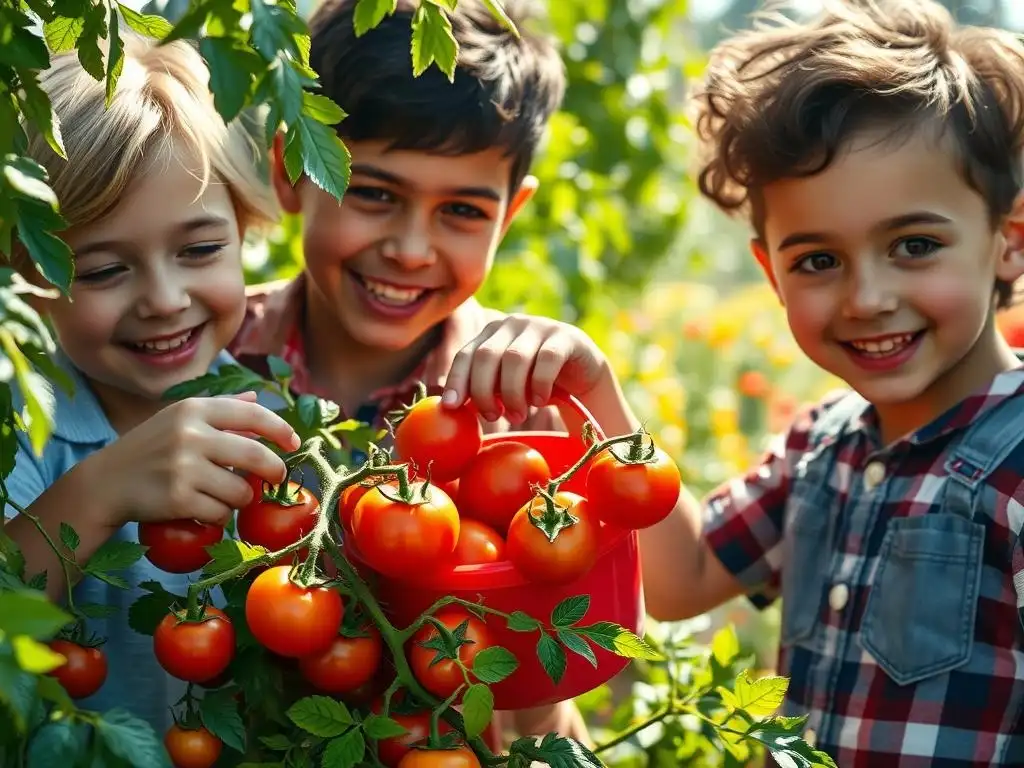
Ready to transform your backyard into a vibrant, edible paradise? At CultivateYourFood, we believe everyone can experience the joy of growing their own food. This season, discover the magic of Kids gardening activities harvest, where learning meets delicious results. Uncover engaging techniques to cultivate a love for gardening in your little ones – and prepare for a bountiful harvest you'll both cherish. Let's get growing!
- Planning Your Kids' Harvest: Age-Appropriate Gardening Activities
- The Excitement of the Harvest: Engaging Kids in the Process
- From Garden to Table: Cooking and Creating with the Harvest
- Learning Opportunities Through Harvesting: Educational Kids Gardening Activities
- Extending the Fun: Year-Round Kids Gardening Activities and Harvest Celebrations
-
Frequently Asked Questions
- What are some fun harvesting activities for kids?
- How can I make harvesting safe for young children?
- What are some easy-to-grow vegetables perfect for kids' gardens?
- How can I involve kids in the entire gardening process, not just the harvest?
- What are the educational benefits of kids participating in the harvest?
- Final Reflection: Sowing Seeds of Wonder, Reaping Rewards of Growth
- Unleash Your Little Gardener's Potential!
Planning Your Kids' Harvest: Age-Appropriate Gardening Activities
Gardening with children isn't just about growing food; it's about fostering a love for nature, teaching responsibility, and creating lasting memories. This article focuses on maximizing the excitement of the harvest for young gardeners, transforming the process from a chore into an adventure. We'll explore age-appropriate activities to ensure that every child, regardless of their age or experience, can participate in and enjoy the fruits (and vegetables!) of their labor.
Successfully engaging children in the harvesting process requires careful planning, considering their developmental stages and interests to ensure a positive and rewarding experience. This will not only yield delicious produce but also cultivate a lifelong appreciation for sustainable and organic gardening practices. Let's dive into creating a truly memorable harvest experience for your little green thumbs! 🥕🌱
Choosing the Right Crops for Little Hands: Easy Harvest Vegetables for Kids
Selecting the right crops is crucial for a successful and engaging harvest experience for children. Opting for fast-growing, easy-to-harvest vegetables will keep their enthusiasm high and prevent frustration. Consider these kid-friendly options:
- Radishes: Quick growing (ready in as little as 3 weeks! ), easy to pull from the ground, and visually appealing. Their vibrant colors are a great reward for young gardeners.
- Lettuce: Various types offer different textures and colors, making it fun to harvest. The leaves are easy to pick, providing immediate gratification.
- Cherry Tomatoes: These small tomatoes are a perfect size for little hands to pick and pop into their mouths straight from the vine! The abundance of fruit provides many opportunities for harvesting.
- Snap Peas: The satisfying "snap" adds an element of fun to the harvesting process. The pods are easy to identify and pick.
- Zucchini: While larger than other options, zucchini's rapid growth and visible progress make it a rewarding choice. Children can easily help with harvesting, even if they need a little assistance.
Remember to plant in manageable quantities, avoiding overwhelming the children with excessive amounts to harvest. A smaller, more successful harvest will boost their confidence and enthusiasm far more than a large, overwhelming one.
Setting Realistic Expectations: Harvesting Goals for Different Age Groups
Setting age-appropriate goals is key to avoiding frustration and maintaining children's interest. Consider these guidelines:
| Age Group | Harvesting Goals | Tips |
|---|---|---|
| Toddlers (1-3 years) | Simple tasks like picking a few easily accessible leaves or pulling up radishes. | Supervise closely, emphasizing the fun and sensory experience. |
| Preschoolers (3-5) | Assisting with harvesting easier crops, like snap peas or cherry tomatoes. | Encourage participation, focusing on the process rather than perfection. |
| School-aged (6-12) | More independent harvesting, possibly including larger crops with supervision. | Assign specific tasks and responsibilities, fostering a sense of ownership. |
Remember to praise their efforts and celebrate every accomplishment, no matter how small. This positive reinforcement will encourage continued participation and a love for gardening.
Creating a Kid-Friendly Garden Space: Safe and Engaging Environments for Young Gardeners
Designing a child-friendly garden space is crucial for their safety and enjoyment. Consider these factors:
- Accessibility: Ensure that the garden beds are at a height suitable for children to reach comfortably. Raised beds are an excellent option.
- Safety: Keep potentially harmful tools and chemicals out of reach. Choose child-safe tools and consider using natural pest control methods.
- Engagement: Incorporate fun elements, such as colorful markers to label plants, small watering cans, and even a designated "bug hotel" to encourage observation of beneficial insects. Make it a visually appealing and interactive space.
- Sensory stimulation: Include plants with different textures, smells, and colors to engage multiple senses. Consider adding fragrant herbs or colorful flowers alongside vegetables.
By creating a safe, engaging, and age-appropriate gardening environment, you'll be setting the stage for years of happy harvesting and a lifelong love of gardening. Remember, the goal is to create positive memories and foster a connection with nature – the bountiful harvest is just an added bonus! 🎉
The Excitement of the Harvest: Engaging Kids in the Process
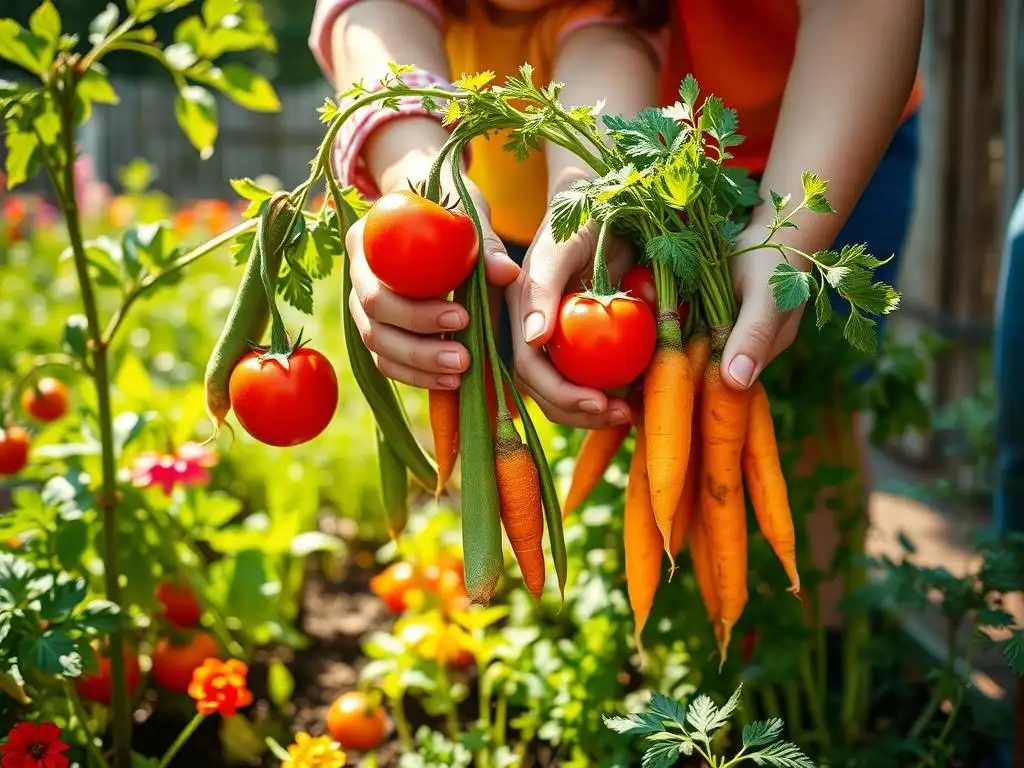
The harvest is the culmination of months of nurturing and care, a rewarding experience that can be even more special when shared with children. Kids gardening activities related to harvest time offer unique opportunities for learning and bonding. Turning the harvest into a joyful event significantly increases a child's interest in gardening and fosters a deeper appreciation for where their food comes from. This section focuses on making the harvesting experience exciting and educational for young gardeners. We'll explore techniques to make the process safe and fun, engage multiple senses, and involve children in the post-harvest tasks.
Harvesting Techniques for Kids: Safe and Fun Methods for Gathering Produce
Teaching children safe harvesting techniques is crucial. Start by emphasizing gentle handling of plants. Explain that rough handling can damage the plants, hindering future growth. For instance, when picking tomatoes, show them how to gently twist the fruit from the vine instead of pulling it forcefully. Similarly, demonstrate how to carefully cut herbs with scissors instead of pulling them out by the roots.
Here’s a table outlining age-appropriate harvesting tasks:
| Age Group | Appropriate Tasks | Supervision Level | Safety Considerations |
|---|---|---|---|
| 3-5 years old | Observing the harvest, helping with easy tasks like collecting fallen produce | Close supervision | Keep sharp tools out of reach. |
| 6-8 years old | Picking low-hanging fruits and vegetables, assisting with weeding | Moderate supervision | Teach proper use of child-safe tools. |
| 9-12 years old | Harvesting most vegetables and fruits with guidance, basic plant care tasks | Minimal supervision | Emphasize careful handling and tool safety. |
Remember to always supervise young children closely during harvesting, especially when using tools. Make it a game! Challenge them to find the biggest tomato or the most brightly colored pepper. This gamification makes the task enjoyable and educational, reinforcing the importance of careful harvesting. Positive reinforcement and praise for careful handling will encourage responsible gardening practices.
Making it a Sensory Experience: Engaging Multiple Senses During the Harvest
The harvest isn't just about collecting produce; it's about engaging all the senses. Encourage children to smell the freshly picked herbs, feeling the textures of different vegetables—the smooth skin of a cucumber versus the bumpy surface of a zucchini. Let them taste a freshly picked pea pod straight from the vine, experiencing the sweetness of nature's bounty.
- Smell: Encourage kids to sniff the different plants. The aromatic scent of basil or the earthy smell of carrots can be fascinating.
- Touch: Let them feel the different textures of leaves, fruits, and vegetables.
- Taste: Allow them to sample some produce right after harvesting (after washing, of course!). This direct connection to the source enhances their appreciation for homegrown food.
- Sight: Point out the vibrant colors and shapes of different plants and fruits.
This multi-sensory approach transforms the harvest from a simple task into a memorable experience. It fosters curiosity and a deeper connection with the natural world. The act of experiencing the harvest through multiple senses creates lasting memories and strengthens their interest in gardening. Consider creating a "harvest sensory journal" where kids can draw pictures, write descriptions, and even glue in small samples (dried herbs, for instance) to document their experience.
Involving Kids in the Post-Harvest Process: Cleaning, Sorting, and Storage
The harvesting process doesn't end with picking the produce. Involving children in post-harvest activities like cleaning, sorting, and storing teaches valuable life skills and reinforces the importance of responsible food handling. Cleaning the harvested produce together teaches hygiene and careful handling. Sorting by size and quality prepares the produce for storage or immediate use.
For example, after harvesting carrots, you can have the kids gently scrub them with a brush under running water. Then, they can help sort them by size, separating the larger carrots for immediate use from the smaller ones for later consumption or storage. Similarly, with herbs, they can help wash and bunch them together for storage. This collaborative approach makes the entire process more engaging and educational.
Explain the importance of proper storage to prevent spoilage – a great opportunity to discuss food preservation techniques. The more involved children are in each step, from planting to storage, the greater their appreciation for the entire process of growing and consuming their own food will be. This hands-on approach helps them understand the value of their work and the connection between their efforts and a delicious meal.
From Garden to Table: Cooking and Creating with the Harvest
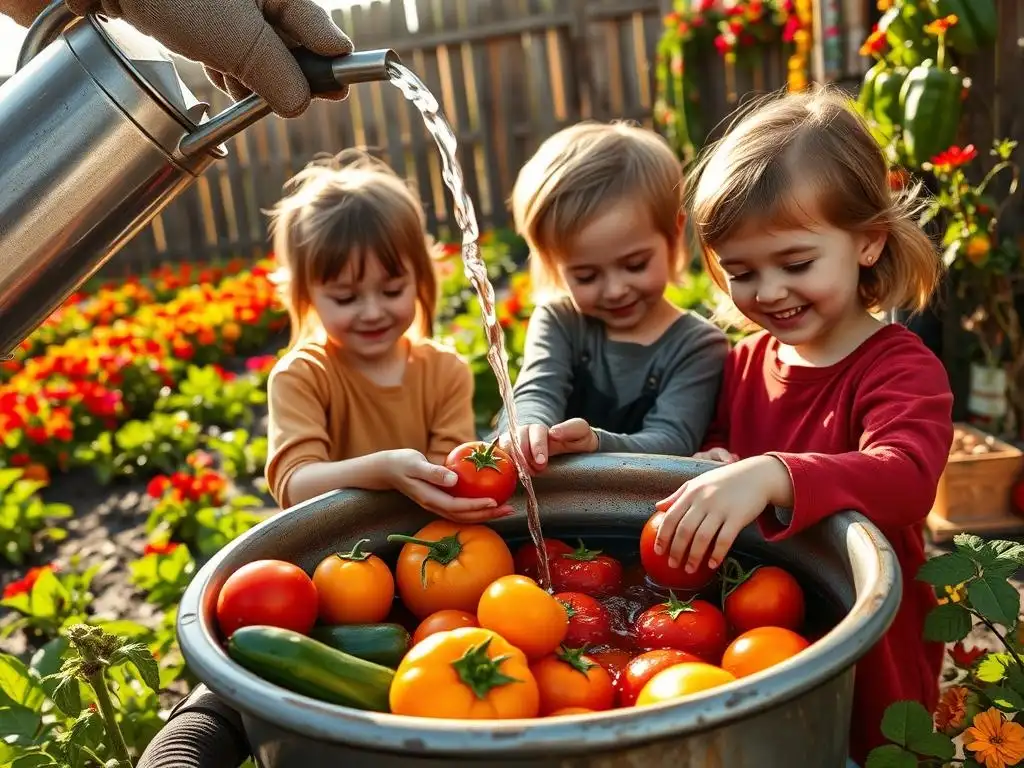
This section focuses on transforming the fruits of your labor – literally! – into delicious meals and fun crafts. Engaging children in the cooking process after harvesting fosters a deeper appreciation for the food they've grown and develops valuable life skills. The key is to make it fun, simple, and age-appropriate. Remember, the goal is to create positive associations with healthy eating and sustainable practices. Let's explore some ways to bridge the gap between garden and table.
Kid-Friendly Recipes: Delicious Dishes Using Freshly Harvested Produce
Getting kids involved in the kitchen can be a rewarding experience. Start with simple recipes that highlight the freshness of your homegrown produce. Think vibrant salads with colorful vegetables, easy fruit salsas, or homemade fruit pies. The emphasis should be on using minimal ingredients and simple techniques.
Here are a few ideas:
- Rainbow Veggie Skewers: Let kids choose their favorite freshly picked vegetables (cherry tomatoes, cucumber chunks, bell pepper pieces) and thread them onto skewers. A simple yogurt dip adds extra flavor and fun. This activity teaches about healthy eating and color diversity in food.
- Berry Smoothie Powerhouse: Blend together a mix of homegrown berries (strawberries, blueberries, raspberries) with yogurt and a touch of honey. Kids can help measure and pour ingredients, developing their math and measurement skills. This healthy treat is packed with antioxidants and vitamins.
- Mini Pizzas with Garden Veggies: Use whole-wheat pita bread as the base and let kids choose their favorite toppings from the garden. This is a great way to introduce them to different textures and flavors while encouraging creativity. It also subtly teaches about portion control and balanced meals.
Remember to always supervise young children in the kitchen and adapt recipes based on their age and abilities. Focus on the process, the taste, and the fun, not perfection. 🎉
Creative Activities with Produce: Arts and Crafts Using Garden Bounty
Beyond culinary delights, your harvest offers a wealth of possibilities for creative expression. Turn those pumpkins, gourds, and even leftover vegetable scraps into stunning works of art. These activities spark imagination, develop fine motor skills, and instill a sense of pride in their gardening accomplishments.
Here are some engaging ideas:
- Vegetable Stamping: Cut various vegetables (potatoes, carrots, apples) into interesting shapes and use them as stamps with paint. This is a great way to create unique patterns and textures on paper or fabric. The cleanup is easy, and the results are always surprising.
- Nature Collages: Gather fallen leaves, flowers, and interesting seed pods from the garden. Combine them with homegrown vegetables and fruits to create vibrant nature collages. This encourages creativity and appreciation for natural beauty.
- Pumpkin Carving (for older kids): Carving pumpkins is a classic fall activity. With adult supervision, older children can design and carve their own unique pumpkin masterpieces. This fosters creativity and patience.
Celebrating the Harvest: Fun Family Activities with Homegrown Food
The culmination of your gardening efforts deserves a celebration! Gather the family for a harvest feast, showcasing all the delicious fruits and vegetables you’ve grown. This is a fantastic opportunity to reinforce the connection between hard work, healthy eating, and family bonding.
Here are some ideas for a memorable celebration:
- Harvest Potluck: Invite friends and family to share dishes made with your homegrown produce. This is a wonderful way to share your bounty and celebrate your success with others.
- Harvest Festival: Organize a fun-filled day dedicated to your harvest. Include games, crafts, and storytelling around the theme of gardening and food.
- Family Photo Shoot: Capture the joy and pride of the harvest with a family photoshoot in the garden. These photos will serve as lasting memories of your shared gardening experience. 📸
By incorporating these activities, you can transform the harvest into a truly unforgettable experience for the whole family, building lasting memories and fostering a lifelong appreciation for gardening and healthy eating. This ensures your kids develop a positive relationship with nature and sustainable food practices, which is more valuable than any prize.
Learning Opportunities Through Harvesting: Educational Kids Gardening Activities
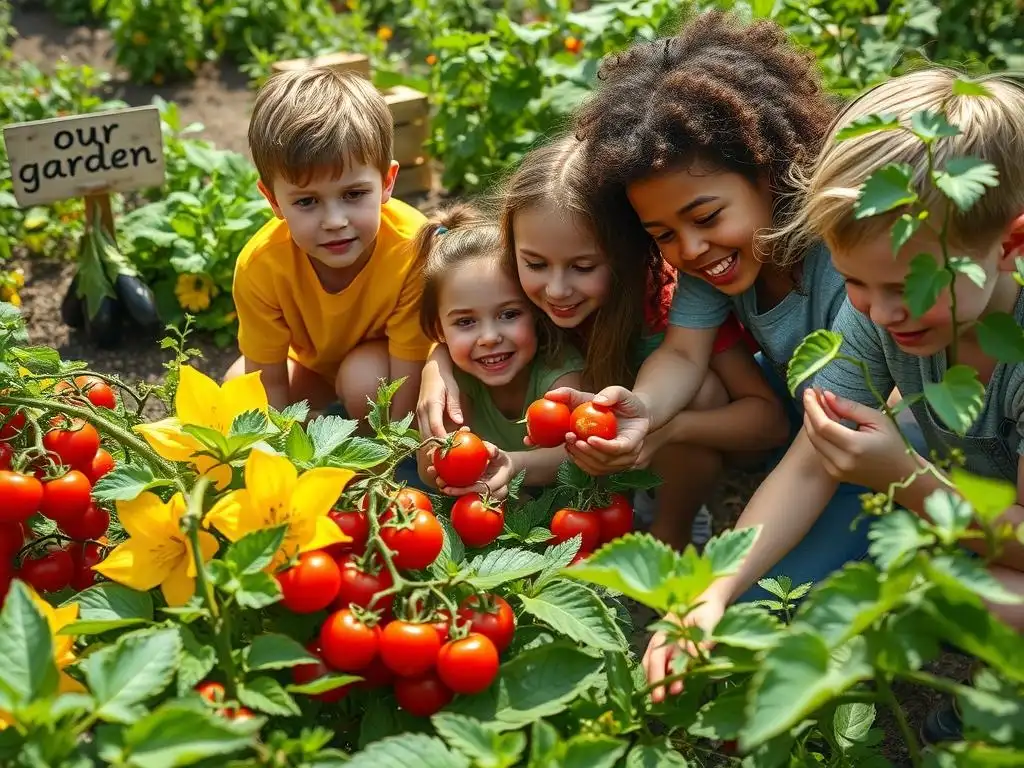
Harvesting isn't just about gathering the fruits (and vegetables!) of your labor; it's a fantastic opportunity to engage children in hands-on learning experiences that extend far beyond the garden bed. Transforming a simple harvest into a rich educational experience requires careful planning and execution, turning what might be a chore into an exciting adventure.
This section explores several key learning opportunities presented by the harvest, focusing on activities designed to maximize engagement and knowledge retention for young gardeners. Successfully implementing these activities will help foster a deep appreciation for the entire gardening process, from seed to table. The goal is to create memorable "Kids gardening activities harvest" moments.
Understanding the Life Cycle of Plants: Connecting Harvest to Growth
Understanding the complete life cycle of a plant is crucial for appreciating the harvest. Kids often see only the ripe fruit or vegetable, neglecting the journey it took to reach that stage. To bridge this gap, consider these activities:
- Plant Journals: Encourage children to keep detailed journals documenting the growth of their plants. This includes sketching the plant at different stages, noting changes in size and color, and recording the dates of planting, watering, and any pest control measures. This creates a tangible record of the plant's life cycle, connecting the initial planting with the final harvest.
- Time-Lapse Photography: If possible, use a simple camera or even a smartphone to take pictures of the plants at regular intervals. Compiling these images into a time-lapse video vividly illustrates the plant's growth and development, making the process far more engaging for children than simply observing it in real time.
- Harvesting Chart: Create a visual chart where children can track the growth of their plants and mark the date of the harvest. This provides a clear timeline and reinforces the concept of time and growth. You can even use different colored markers to indicate different stages of growth, making it visually appealing and easy to understand.
By directly connecting the harvest to the earlier stages of growth, children gain a deeper understanding of the processes involved and develop a stronger appreciation for the effort required to produce food. This understanding is key to promoting healthy eating habits and reducing food waste.
Teaching About Food Sources: Where Food Comes From and Its Importance
The harvest is an ideal time to teach children about where their food comes from and its importance. Many children are disconnected from the origins of their food, believing it simply appears on supermarket shelves. This section highlights activities to address this disconnect:
- Taste Tests: Organize a taste test of different varieties of the same vegetable or fruit harvested from the garden. Discuss the variations in taste and texture, highlighting the impact of different growing conditions or plant varieties. This is a fun and engaging way to explore the diversity of food.
- Food Preparation: Involve children in preparing meals using the harvested produce. This could involve washing, chopping, and even cooking the vegetables or fruits. This hands-on experience connects the harvest directly to the meal, making the process more meaningful.
- Discussions on Food Miles: Compare the food grown in the garden to food purchased from the store. Discuss the concept of "food miles," highlighting the environmental impact of transporting food long distances. This promotes awareness of sustainable and local food systems. This also allows for a discussion of the nutritional differences between freshly harvested produce and store-bought options.
The goal is to foster an understanding of the entire food chain, from planting to consumption, emphasizing the importance of fresh, locally sourced food and the benefits of home gardening.
Developing Responsibility and Patience: The Rewards of Gardening with Kids
Gardening, particularly harvesting, teaches valuable life lessons about responsibility and patience. Children learn that their actions directly impact the outcome, fostering a sense of ownership and accomplishment. This section explores how harvesting can cultivate these crucial traits:
- Task Allocation: Assign age-appropriate tasks related to harvesting, such as carefully picking ripe produce, cleaning the harvested items, or helping to store the bounty. This helps children feel responsible for the success of the garden.
- Delayed Gratification: Gardening requires patience. Children must wait for plants to grow and mature before harvesting. This teaches them the importance of delayed gratification and the rewards of perseverance. This can also be used to discuss the concept of seasonal availability of food and the importance of planning.
- Celebration of Success: Make harvesting a celebratory event. Share the harvested produce with family and friends, highlighting the children's contributions and celebrating their achievements. This positive reinforcement encourages continued engagement with gardening.
These activities help cultivate a sense of accomplishment and pride in children, reinforcing their commitment to gardening and promoting a lifelong love of nature and healthy eating. The shared experience of harvesting creates lasting memories and strengthens family bonds, making it a truly rewarding experience for everyone involved.
Extending the Fun: Year-Round Kids Gardening Activities and Harvest Celebrations
Gardening with kids shouldn't be limited to the warmer months! The joy of harvesting can be extended throughout the year with creative activities and celebrations. This section explores ways to keep children engaged in gardening, even when the weather isn't always cooperative. We'll explore fall harvest festivals, winter indoor gardening projects, and how to involve kids in planning for the next growing season, ensuring a continuous cycle of learning and fun related to "Kids gardening activities harvest."
Fall Harvest Festivals: Celebrating the Season's Bounty with Children
Autumn offers a spectacular opportunity to celebrate the fruits (and vegetables!) of your labor with a vibrant harvest festival. This isn't just about eating the delicious produce; it's about creating lasting memories and teaching children about the cycle of growth.
Consider these engaging activities to make your fall harvest festival a resounding success:
- Pumpkin Carving or Decorating: A classic fall activity! Let kids express their creativity by carving jack-o'-lanterns or decorating pumpkins with paint, markers, or stickers. This fosters fine motor skills and artistic expression.
- Apple Cider Pressing: If you have apple trees or access to apples, pressing your own cider is a fun and educational experience. Children can participate in every step, from washing and chopping apples to operating the press (with appropriate supervision, of course).
- Scavenger Hunt: Hide small pumpkins, gourds, or fall-themed items around the garden or yard. This adds an element of playful competition and encourages exploration of the natural environment. Use clues related to plants or harvest items to make it more educational!
- Harvest Feast: Prepare a meal together using the produce harvested from your garden. Involving children in food preparation teaches valuable life skills and strengthens the connection between gardening and healthy eating. Consider making a pumpkin pie, apple crumble, or other seasonal treats. This directly relates to the keyword "Kids gardening activities harvest."
- Seed Saving: Before the first frost, collect seeds from your favorite plants. This is a great way to teach children about the life cycle of plants and the importance of saving seeds for the next season. Label the seeds clearly and store them properly for future planting. This is a crucial step for future "Kids gardening activities harvest."
Winter Gardening Projects: Indoor Activities to Keep the Fun Going
Just because the weather turns cold doesn't mean the gardening fun has to end. Many exciting indoor gardening projects can keep kids engaged during the winter months.
Here are some ideas to consider:
- Indoor Herb Garden: Grow herbs like basil, chives, or parsley in pots on a sunny windowsill. This provides fresh herbs for cooking and teaches children about plant care in a controlled environment. The consistent harvest of fresh herbs keeps children engaged throughout the winter.
- Seed Starting: Begin starting seeds for your spring garden indoors. This allows for an early start and introduces children to the delicate process of nurturing seedlings. Labeling the containers and tracking their growth is a great learning opportunity.
- Composting Indoors: Create a small indoor composting system using a worm bin or other suitable container. This teaches children about decomposition and the benefits of composting for soil health. The process can be fascinating to observe and provides a tangible connection to the garden even in winter.
- Creating Nature Collages: Collect natural materials like leaves, twigs, and seeds during the fall. Then, use these materials to create beautiful nature collages, fostering creativity and appreciation for nature's beauty.
- Reading Gardening Books and Watching Educational Videos: Expand their knowledge of plants and gardening through engaging books and videos. This complements hands-on activities and expands their understanding of the overall "Kids gardening activities harvest" process.
Planning for the Next Season: Involving Kids in Garden Planning and Planting
Involving children in the planning stages of the next gardening season is crucial for maintaining their enthusiasm and fostering a sense of ownership. Here's how to get them involved:
- Choosing Plants: Browse seed catalogs or visit a local garden center together. Let children choose the vegetables, fruits, or flowers they want to grow. This will increase their investment in the project.
- Designing the Garden Layout: Use graph paper or a garden planning app to create a visual representation of the garden. Children can help decide where each plant will go, considering sunlight, spacing, and companion planting.
- Preparing the Soil: Involve children in the soil preparation process, from turning the soil to adding compost and amendments. This provides a hands-on experience and teaches them about soil health.
- Planting Seeds and Seedlings: Let children participate in the actual planting process. This is a rewarding experience that strengthens their connection to the garden. Make it a fun family activity and celebrate each milestone in the growth process. This reinforces the importance of the "Kids gardening activities harvest" cycle.
- Creating a Garden Journal: Encourage children to keep a garden journal where they can record their observations, track plant growth, and document the harvest. This enhances their learning and provides a lasting record of their gardening journey. This journal becomes a valuable resource for future "Kids gardening activities harvest" projects.
This year-round approach ensures that the excitement of gardening and harvesting remains a constant source of learning and fun for children, establishing a lifelong appreciation for nature and sustainable practices. 🌱
Frequently Asked Questions
What are some fun harvesting activities for kids?
Kids love the sensory experience of harvesting! Try a blind taste test of freshly picked veggies or create harvest art using their findings. Measuring and weighing their bounty is also engaging.
How can I make harvesting safe for young children?
Always supervise children closely during harvesting. Teach them to handle tools carefully and to avoid touching poisonous plants. Consider using child-sized tools for easier handling.
What are some easy-to-grow vegetables perfect for kids' gardens?
Radishes, lettuce, and beans are quick-growing and rewarding options. They require minimal care and offer fast results, keeping children motivated. Sunflowers are also a great option for visual appeal and easy harvesting.
How can I involve kids in the entire gardening process, not just the harvest?
Get them involved from the start! Let them help with planting seeds, watering, and weeding. This fosters a sense of ownership and appreciation for the entire growing cycle.
What are the educational benefits of kids participating in the harvest?
Harvesting teaches kids about where their food comes from, promotes healthy eating habits, and develops essential life skills. It's a great way to connect with nature and build confidence.
Final Reflection: Sowing Seeds of Wonder, Reaping Rewards of Growth
The simple act of planting a seed and watching it grow into a bountiful harvest remains a powerful lesson, profoundly relevant in today's fast-paced world. It teaches patience, responsibility, and the deep satisfaction of nurturing something from its infancy to maturity—values increasingly crucial for our children's well-being and future engagement with the environment. This connection to nature, often lost in the digital age, is a treasure we must actively cultivate.
The experience of harvesting one's own food, the taste of a sun-ripened tomato plucked directly from the vine, leaves an indelible mark on a child's psyche. It fosters a deeper appreciation for where our food comes from, challenging the disconnect between supermarket shelves and the natural world. The best way to find yourself is to lose yourself in the service of others.
While this quote doesn't directly relate to gardening, the spirit of nurturing and giving back resonates deeply with the act of tending a garden and sharing its bounty. This shared experience, whether in a school garden or a backyard plot, builds community and strengthens bonds.
Now, consider your own connection to nature. What memories do you have of gardening as a child? What seeds of wonder can you plant in the lives of the young people around you? Perhaps it's starting a small herb garden on a windowsill, volunteering at a community garden, or simply taking a child to a local farmers market. Let us all commit to nurturing the next generation's connection to the earth, one seed, one harvest, at a time. The rewards are immeasurable.
Unleash Your Little Gardener's Potential!
Thank you for exploring the joys of gardening with your children! We hope you've found inspiration to cultivate a love for nature and healthy eating. Ready to get started?
- Start with a simple project. Choose one easy-to-grow plant, such as sunflowers or radishes, and involve your children in every step, from planting the seed to harvesting the crop. This hands-on experience is key.
- Document your journey. Create a photo album or journal to record your progress and celebrate the special moments.
- Share your success! Post photos of your harvest on social media to inspire other families.
What wonders will your child discover as they nurture their garden?