
Dehydrators with Advanced Features: Explore the Latest Technology

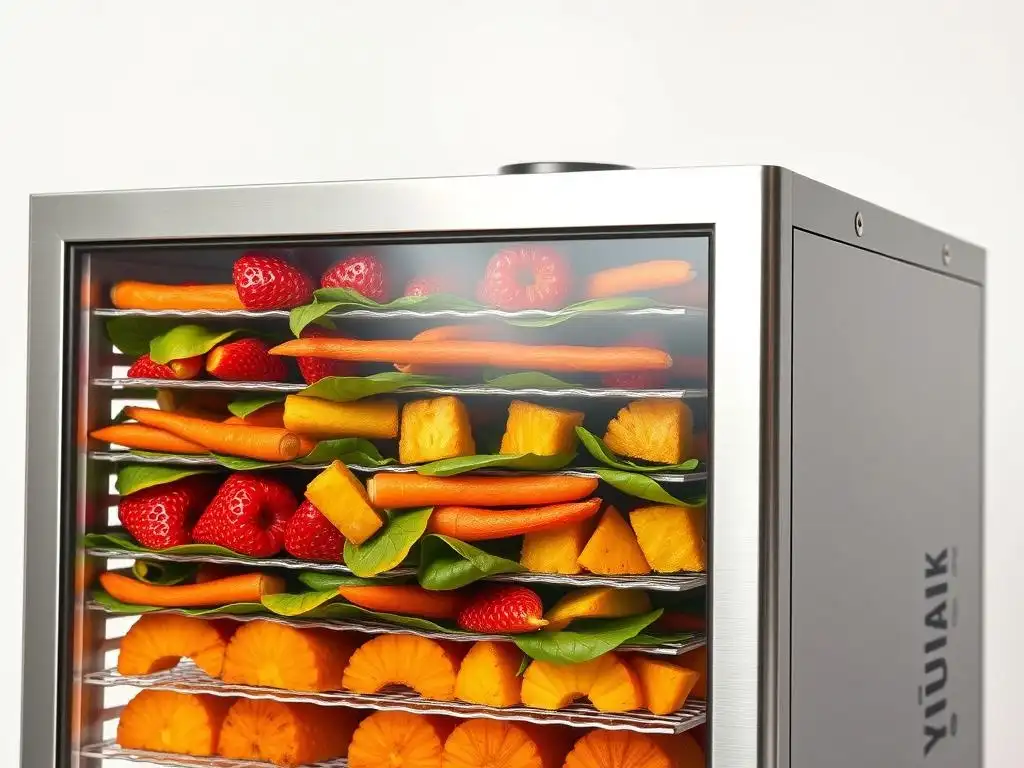
Ready to unlock the secrets to preserving your bountiful harvest? At CultivateYourFood, we empower you to grow and enjoy the freshest, most flavorful produce possible. But what about extending the life of your homegrown bounty? This is where our guide to the best food dehydrator features comes in—discover the latest technology that will transform how you preserve your fruits, vegetables, and herbs, ensuring deliciousness all year round. Let's dive in and explore the exciting possibilities!
-
Understanding the Importance of Advanced Dehydrator Features for Food Preservation
- Maximizing Nutrient Retention with Optimal Temperature Control in Food Dehydrators
- Preventing Spoilage: The Role of Airflow and Humidity Control in Dehydrators
- Energy Efficiency in Food Dehydrators: Saving Money and Reducing Your Carbon Footprint
- Ease of Use and Cleaning: Key Features for Long-Term Satisfaction with your Food Dehydrator
- Top-Rated Food Dehydrators with Advanced Features: A Comparative Review
-
Essential Features to Look for When Buying a High-End Food Dehydrator
- Temperature Control and Precision: Achieving Optimal Drying Conditions for Different Foods
- Airflow Optimization: Ensuring Even Drying and Preventing Mold Growth
- Timer and Preset Functions: Convenience and Consistency in the Drying Process
- Digital Controls vs. Analog Controls: Pros and Cons for Different Users
- Material and Durability: Choosing a Dehydrator Built to Last for Sustainable Practices
-
Beyond the Basics: Exploring Advanced Features for Enhanced Food Preservation
- Digital Timers and Programmable Settings: Optimizing Drying Time and Efficiency
- Stackable Trays: Maximizing Capacity for Large Harvests
- Built-in Fans and Air Circulation Systems: Ensuring Even Drying and Superior Results
- Automatic Shut-Off: Safety and Convenience for Busy Home Cooks
- Easy-to-Clean Design: Minimizing Maintenance and Ensuring Hygiene
- Choosing the Right Dehydrator for Your Needs and Budget: A Buying Guide
- Conclusion: Investing in a High-Quality Dehydrator for Sustainable Food Preservation
-
Frequently Asked Questions
- What are the key features to look for in a food dehydrator for home use?
- How does a food dehydrator preserve food, and what are its advantages?
- What types of food are best for dehydrating, and are there any foods I should avoid?
- What's the difference between a conventional dehydrator and one with advanced features?
- How do I clean my food dehydrator to maintain its efficiency and hygiene?
- Final Reflection: The Future of Flavor Preservation
- Unlock the Secrets of Food Preservation!
Understanding the Importance of Advanced Dehydrator Features for Food Preservation
Preserving your homegrown fruits, vegetables, and herbs is a crucial step in maximizing your harvest and minimizing food waste. Dehydrators offer a fantastic method for extending the shelf life of your produce, allowing you to enjoy the flavors of summer long after the growing season ends. However, not all dehydrators are created equal.
This article explores the best food dehydrator features available today, focusing on how advanced technology can help you achieve superior results in terms of nutrient retention, food safety, and energy efficiency. We'll delve into the specifics of temperature control, airflow management, and energy consumption, ultimately guiding you towards selecting a dehydrator that best meets your needs and contributes to a sustainable food preservation practice.
Choosing a dehydrator with advanced features isn't just about convenience; it's about maximizing the quality and longevity of your preserved food, ensuring you reap the full benefits of your hard work in the garden. This is especially important for preserving delicate herbs and fruits which are susceptible to nutrient loss and spoilage during the dehydration process.
Maximizing Nutrient Retention with Optimal Temperature Control in Food Dehydrators
Maintaining precise temperature control is paramount for preserving the nutritional value of your produce during dehydration. Low and slow dehydration, typically between 115°F and 135°F (46°C and 57°C), is crucial for minimizing nutrient degradation. Advanced dehydrators often incorporate digital thermostats and even sophisticated algorithms to maintain consistent temperatures throughout the drying process.
These features prevent overheating, which can destroy heat-sensitive vitamins and enzymes. For example, using a dehydrator with precise temperature control allows you to dehydrate delicate berries without compromising their vitamin C content, resulting in a final product that is both flavorful and nutritious. Furthermore, the ability to program specific temperature profiles allows for optimal dehydration of different types of produce, tailoring the process to the individual needs of each item.
This level of control is key to achieving the best possible results in terms of nutrient retention and overall quality. Failing to control the temperature effectively can lead to uneven drying, resulting in some areas being overly dry and brittle while others remain moist, increasing the risk of spoilage.
Preventing Spoilage: The Role of Airflow and Humidity Control in Dehydrators
Consistent airflow is another critical factor in preventing spoilage during food dehydration. Proper circulation removes excess moisture efficiently, preventing the growth of mold and bacteria. Advanced dehydrators often feature multiple fans and strategically placed vents to ensure optimal air distribution across all trays.
Some models even include humidity sensors that monitor moisture levels and automatically adjust the airflow to maintain optimal drying conditions. This intelligent control minimizes the risk of uneven drying and ensures that your preserved food remains safe and palatable for an extended period. Consider the impact of inadequate airflow: uneven drying leads to some pieces being under-dried, creating a breeding ground for spoilage organisms.
Conversely, superior airflow technology, coupled with possibly an optional humidity control function, minimizes this risk, drastically improving the shelf life and safety of the dehydrated food. This is particularly important for foods with a high moisture content, such as tomatoes or leafy greens, which are prone to spoilage if not dried correctly.
Energy Efficiency in Food Dehydrators: Saving Money and Reducing Your Carbon Footprint
Energy efficiency is increasingly important in today's environmentally conscious world. Advanced dehydrators are designed to minimize energy consumption without compromising performance. Look for models with features such as energy-efficient heating elements, timers, and automatic shut-off functions.
These features not only reduce your electricity bill but also lessen your environmental impact by reducing your carbon footprint. Furthermore, the longevity of a well-built, energy-efficient dehydrator contributes to sustainability by reducing the need for frequent replacements. The cost savings over time can be substantial, especially if you dehydrate large quantities of food regularly.
Investing in a dehydrator with these features is a smart choice both for your wallet and the planet. Consider the long-term cost-benefit analysis: while the initial investment might be higher for a high-quality, energy-efficient model, the savings in energy costs and reduced environmental impact over its lifespan make it a worthwhile investment. Moreover, you'll be contributing to a more sustainable food preservation practice, reducing the overall environmental burden associated with food production and waste.
Ease of Use and Cleaning: Key Features for Long-Term Satisfaction with your Food Dehydrator
Investing in a food dehydrator is a commitment to preserving your harvest for months to come. Therefore, ease of use and cleaning are paramount considerations. A dehydrator that's difficult to operate or clean will quickly become a frustrating and underutilized appliance, defeating the purpose of your investment. The best food dehydrators boast intuitive controls and straightforward designs.
Look for models with digital timers and temperature settings, clearly marked dials, and easy-to-read displays. Some advanced models even offer pre-programmed settings for various foods, minimizing guesswork and maximizing consistency. This simplifies the dehydration process, making it accessible to beginners and experienced preservers alike. Think of it as the difference between meticulously following a complex recipe and using a smart oven with pre-set functions – significantly less hassle, yet equally delicious results.
The cleaning process is equally critical. Food residue can build up quickly, leading to potential cross-contamination and impacting the longevity of your machine. Consider the materials used in the construction. Stainless steel trays are generally easier to clean than plastic ones, as they are less porous and resistant to staining. Dishwasher-safe trays are a significant advantage, saving you time and effort.
However, even with dishwasher-safe components, pay attention to the overall design. Are the trays easy to remove and stack? Are there any hard-to-reach corners or crevices? A well-designed dehydrator will prioritize accessibility for cleaning, making the maintenance process quick and efficient. Look for models with smooth surfaces and minimal gaps to prevent food particles from becoming trapped.
Ultimately, a dehydrator that is easy to clean encourages consistent use, helping you maximize the preservation of your precious homegrown produce. A little extra upfront investment in a user-friendly and easily cleanable model will save you time and frustration in the long run, ensuring many seasons of successful food preservation. Think about the time saved – that's time you can spend tending your garden or enjoying the fruits (and vegetables!) of your labor.
Top-Rated Food Dehydrators with Advanced Features: A Comparative Review
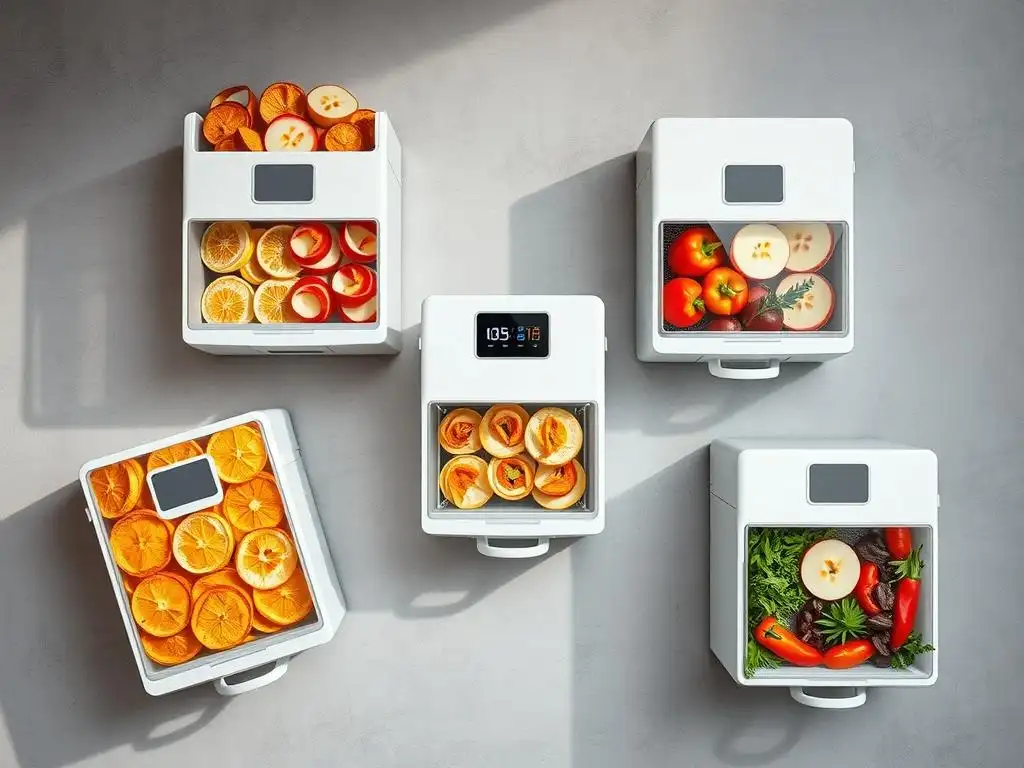
This section dives deep into the functionalities and performance of some of the best food dehydrators on the market, focusing on models that offer advanced features for optimal food preservation. We'll analyze their capabilities, highlighting key features that contribute to efficient and effective drying of fruits, vegetables, and herbs. Our review considers factors crucial for achieving the best results in home food preservation, including temperature control, airflow, and ease of use.
We will explore how these advanced features translate into superior preservation of nutrients and flavor, ultimately enhancing your homegrown harvest's longevity. The selection criteria prioritized models offering a blend of performance, user-friendliness, and value for money, ensuring a comprehensive assessment of the "best food dehydrator features" available.
Excalibur Dehydrators: A Deep Dive into Their Performance and Features
Excalibur dehydrators are renowned for their horizontal airflow and consistent drying, leading to superior results in preserving the quality of your homegrown produce. This even distribution of heat and air minimizes the risk of uneven drying, ensuring that your fruits and vegetables dry uniformly, retaining their texture, color, and nutritional value. The consistent performance is a testament to their robust construction and well-engineered design. Let's examine two popular models.
Excalibur 3926T: High-Capacity Dehydrator Review and Features
The Excalibur 3926T boasts a large capacity, making it ideal for preserving larger harvests. Its nine trays provide ample space for drying substantial quantities of fruits, vegetables, and even herbs. This high capacity is particularly beneficial for those with abundant homegrown produce or those who enjoy preserving food in bulk for longer storage. The 3926T's digital controls allow for precise temperature regulation, optimizing the drying process for different types of food. The unit's durable construction and reliable performance make it a worthwhile investment for serious home food preservers. Key features include:
- Digital controls: Precise temperature settings for optimal drying.
- Horizontal airflow: Ensures even drying for consistent results.
- Large capacity: Nine trays accommodate large harvests.
- Durable construction: Built to last for years of reliable use.
- Easy to clean: Simplifies maintenance and upkeep.
The Excalibur 3926T represents a significant step up in terms of capacity and control compared to many other models, making it a top choice for those seeking high-volume food preservation. Its performance consistently delivers superior results, preserving the quality of the dried goods.
Excalibur 9-Tray Dehydrator: Pros and Cons for Home Food Preservation
While similar to the 3926T, the Excalibur 9-tray dehydrator (sometimes referenced without a model number) offers a slightly different user experience. The primary difference lies in the control system; some versions retain the traditional dial controls while others may include digital controls. While both offer horizontal airflow, the absence of specific model details makes a direct comparison difficult. However, the pros generally include:
- Even Drying: Horizontal airflow ensures consistent dehydration.
- High Capacity: Nine trays provide ample space for large batches.
- Durable Build: Known for longevity and reliable performance.
Cons, however, might include:
- Size and Weight: It's a larger appliance, requiring significant counter space.
- Price Point: Generally positioned at a higher price point than other models.
- Potential for Variability: Depending on the specific version (dial vs. digital controls), performance may subtly vary. More detailed information is needed to determine specific advantages and disadvantages.
Nesco Gardenmaster FD-1040: A Budget-Friendly Option with Notable Features
The Nesco Gardenmaster FD-1040 presents a compelling alternative for budget-conscious consumers seeking a reliable food dehydrator. While lacking some of the advanced features found in higher-end models, it still offers decent performance and sufficient capacity for most home preservation needs. Its affordability makes it an attractive entry point for those new to food dehydration, or those with more limited budgets.
Nesco Gardenmaster FD-1040: Analyzing its Performance for Fruit and Vegetable Drying
The Nesco Gardenmaster FD-1040 uses a different airflow system compared to the Excalibur models. While it does not employ horizontal airflow, its performance is still adequate for many users. Drying times might be slightly longer, and achieving perfectly even drying across all trays may require some attention. However, for most everyday fruit and vegetable drying tasks, the performance is satisfactory. The unit’s relatively simple controls are easy to understand and operate, making it user-friendly for beginners. The capacity is suitable for average household needs, though it is smaller than the Excalibur models.
Cost-Effectiveness and Energy Efficiency of the Nesco Gardenmaster FD-1040
The Nesco Gardenmaster FD-1040 stands out for its excellent value for money. Its lower price point compared to premium models makes it a very cost-effective option. While precise energy consumption data is [specific information pending], anecdotal evidence suggests that it's relatively energy-efficient for its class. This makes it a responsible choice for those looking to preserve their harvest sustainably, minimizing both financial investment and energy usage. The balance between performance, affordability, and energy efficiency makes the Nesco Gardenmaster FD-1040 a strong contender in the budget-friendly food dehydrator market.
Cosori Pro Food Dehydrator: Innovative Features and Performance Analysis
The Cosori Pro food dehydrator stands out among its competitors due to its impressive blend of advanced features and consistent performance. Its digital controls offer precise temperature regulation, crucial for achieving optimal dehydration results for a wide variety of fruits, vegetables, and herbs. This precision minimizes the risk of over-drying or under-drying, preserving both the nutritional value and the appealing texture of your preserved foods.
Unlike some models that rely on guesswork and manual adjustments, the Cosori Pro provides a user-friendly interface with preset options for different food types, simplifying the dehydration process even for beginners. This ease of use, combined with its powerful motor and efficient airflow system, ensures even drying across all trays, preventing hot spots and ensuring consistent quality throughout your batch. The result is a superior final product, preserving the vibrant colors and flavors of your harvest.
Many users praise its ability to dehydrate even delicate items like herbs and berries without compromising their delicate structure. This makes it an excellent choice for preserving a wide range of homegrown produce. Its durable build quality suggests a long lifespan, representing a worthwhile investment for serious home preservation enthusiasts.
Smart Features and Functionality of the Cosori Pro Food Dehydrator
One of the key aspects contributing to the Cosori Pro's popularity is its incorporation of smart features. The digital display allows for precise temperature setting and time control, eliminating guesswork and improving consistency. The ability to select pre-programmed settings optimized for different food types is a significant advantage, particularly for those new to food dehydration. For example, the preset for berries will ensure a gentler drying process, preserving their delicate structure and preventing them from becoming overly brittle.
Similarly, the setting for tougher vegetables like carrots optimizes drying time and temperature to achieve the desired texture and prevent spoilage. These smart features not only simplify the dehydration process but also optimize the quality of the final product. Moreover, the Cosori Pro often includes features such as an automatic shut-off function, enhancing safety and preventing accidents.
The ability to stack multiple trays efficiently maximizes capacity without compromising airflow, a feature particularly valuable for those with larger harvests to preserve. The combination of these smart features translates to superior user experience and high-quality dehydrated food. The intuitive controls and clear digital display make it accessible to users of all skill levels, ensuring successful dehydration every time.
Comparison of Cosori Pro with Other High-End Dehydrators
Compared to other high-end dehydrators on the market, the Cosori Pro often holds its own in terms of both features and performance. While some competitors boast larger capacities, the Cosori Pro compensates with its efficient design and smart features. Its precise temperature control and pre-programmed settings often surpass the capabilities of models relying on analog controls.
The even airflow distribution within the Cosori Pro often results in a more consistent drying process, leading to higher-quality dehydrated food compared to some models that struggle with hot spots. However, the price point of the Cosori Pro is generally competitive with other high-end models offering comparable features. Some premium dehydrators might offer additional features such as integrated timers or specific settings for specific types of food (e.g., jerky), but the Cosori Pro frequently offers a strong balance of features, performance, and cost.
The difference in performance is often subtle, with the Cosori Pro consistently delivering excellent results, making it a strong contender for those seeking a reliable and feature-rich dehydrator. Ultimately, the best choice depends on individual needs and preferences regarding capacity, additional features, and budget. Considering the balance of features, performance, and price, the Cosori Pro frequently emerges as a top choice amongst high-end food dehydrators.
Essential Features to Look for When Buying a High-End Food Dehydrator
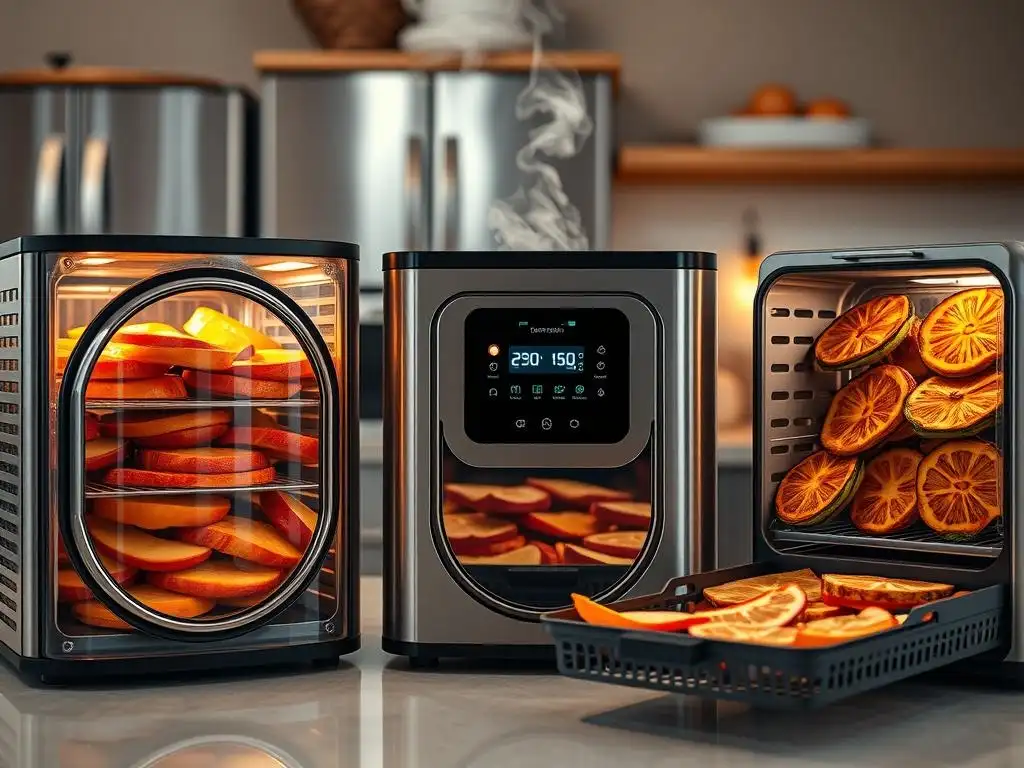
Choosing the best food dehydrator involves careful consideration of several key features. While basic models suffice for simple tasks, high-end dehydrators offer advanced functionalities that significantly improve drying efficiency, food quality, and overall user experience. This section explores some essential features to prioritize when investing in a premium food dehydrator for preserving your bountiful harvest of fruits, vegetables, and herbs. These features contribute to better preservation, minimizing nutrient loss and extending the shelf life of your homegrown produce. Optimizing your drying process with the right equipment is key to successfully preserving your hard work all year round.
Temperature Control and Precision: Achieving Optimal Drying Conditions for Different Foods
Precise temperature control is paramount for achieving optimal drying results. Different foods require different temperatures to dry effectively and prevent spoilage. For instance, delicate herbs might require lower temperatures (around 95°F / 35°C) to retain their vibrant color and essential oils, while tougher fruits like apples may tolerate higher temperatures (up to 140°F / 60°C) for faster drying.
A high-end dehydrator should offer a wide temperature range with increments of at least 5°F (3°C) to allow for fine-tuning based on the specific food being dehydrated. This level of precision ensures that your dried foods maintain their nutritional value, texture, and flavor. Furthermore, digital displays with clear readouts are crucial for monitoring and adjusting temperatures accurately.
Some advanced models even offer programmable temperature settings, allowing you to create custom drying profiles for different types of produce. This feature is especially beneficial for preserving a diverse range of homegrown goods. Consider a dehydrator with a digital thermostat and a temperature range of at least 95°F to 160°F (35°C to 71°C) for optimal versatility.
Airflow Optimization: Ensuring Even Drying and Preventing Mold Growth
Efficient airflow is crucial for even drying and preventing mold growth. Uneven airflow can lead to some parts of the food drying too quickly, while others remain damp, increasing the risk of spoilage. Look for dehydrators with features designed to optimize airflow, such as multiple fans, adjustable vents, and strategically placed trays.
Some advanced models utilize horizontal airflow, ensuring consistent air circulation across all trays. Consider the number of trays and their spacing – sufficient spacing between trays is essential for good air circulation. Poor airflow is a common cause of uneven drying and mold growth, ultimately compromising the quality and safety of your preserved foods.
The best food dehydrators boast innovative airflow systems, minimizing this risk and ensuring your dried goods are consistently and safely preserved. Think of it as the difference between a gentle breeze and a powerful, even wind – the latter ensures consistent drying for superior results.
Timer and Preset Functions: Convenience and Consistency in the Drying Process
A programmable timer and preset functions significantly enhance the convenience and consistency of the drying process. A timer allows you to set the dehydrator to run for a specific duration, freeing you from constantly monitoring the process. Preset functions offer optimized settings for various types of food, eliminating guesswork and ensuring consistent results.
For example, a "fruit" preset might automatically adjust the temperature and drying time for optimal results, while a "vegetable" preset might offer a different setting. This feature is particularly valuable for busy individuals who want to preserve their harvest efficiently without sacrificing quality. Furthermore, some high-end models offer customizable preset functions, allowing you to save your preferred settings for different types of food.
This level of customization ensures you can consistently achieve the best results for your unique drying needs, improving the overall quality of your preserved goods. The convenience and consistency offered by these features are unparalleled, making the process more efficient and reliable. Look for models that offer a wide range of presets and the ability to create and save custom settings.
Digital Controls vs. Analog Controls: Pros and Cons for Different Users
Digital controls offer precise temperature regulation, often down to a single degree. This level of accuracy is crucial for preserving the delicate flavors and nutrients of fruits and vegetables, especially when dehydrating more sensitive items like berries or herbs. Many models also feature timers and pre-programmed settings for different foods, simplifying the dehydration process and minimizing the risk of over- or under-drying.
However, digital controls can be more complex to learn and potentially more prone to malfunction if the electronics fail. The initial cost is typically higher than analog models. Furthermore, some users find the digital interface less intuitive than the simplicity of a dial.
Analog controls, on the other hand, usually consist of a simple dial to adjust the temperature. They are generally more robust and less likely to break down compared to digital counterparts. Their simplicity is a significant advantage for users who prefer a straightforward, no-frills approach to food dehydration. The lower initial cost is also attractive.
However, the lack of precision in temperature control can lead to inconsistent results, particularly with delicate ingredients. Achieving the optimal drying temperature may require more trial and error and careful monitoring. Precise timer settings are also usually absent in analog models. The best choice depends heavily on the user's technical skills and priorities; those seeking precise control and convenience will opt for digital, while those prioritizing simplicity and durability might prefer analog.
Material and Durability: Choosing a Dehydrator Built to Last for Sustainable Practices
The material of your food dehydrator significantly impacts its longevity and aligns with sustainable practices. Stainless steel is a premium choice, known for its durability, resistance to rust and corrosion, and easy cleaning. A stainless steel dehydrator will likely last for many years, minimizing waste associated with frequent replacements—a key aspect of sustainable food preservation. However, stainless steel models tend to be more expensive.
Plastic dehydrators are more affordable and lightweight, making them easier to store. However, some plastics can leach chemicals into food, especially at high temperatures, raising concerns about food safety and sustainability. It's essential to check for BPA-free and food-safe certifications when choosing a plastic model. The durability of plastic dehydrators can also vary significantly; cheaper models may crack or warp over time, reducing their lifespan and leading to more waste.
Consider the tray material as well. Stainless steel trays are superior in terms of durability and ease of cleaning, making them a more sustainable choice in the long run. However, some models utilize BPA-free plastic trays that are often more affordable.
Again, it is crucial to prioritize food-safe materials to ensure the safety of your preserved food and to avoid contributing to plastic waste. Ultimately, the best material choice depends on your budget and priorities, but prioritizing durability and food safety contributes directly to more sustainable food preservation practices. A durable dehydrator is an investment that reduces the environmental impact of repeatedly purchasing replacement units.
Beyond the Basics: Exploring Advanced Features for Enhanced Food Preservation
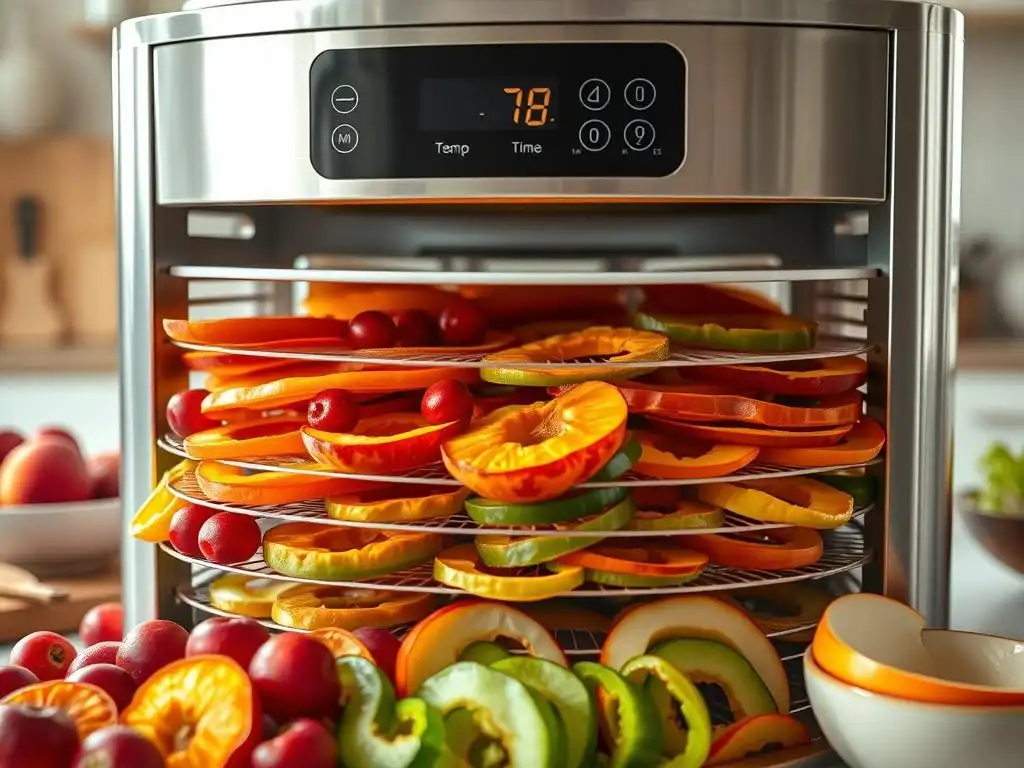
This section delves into the advanced features that elevate food dehydrators from simple drying machines to precision instruments for optimal food preservation. Understanding these features is crucial for maximizing the quality and longevity of your dehydrated fruits, vegetables, and herbs, ultimately improving the efficiency of your home preservation efforts. Choosing a dehydrator with these advanced features will significantly enhance your overall experience and yield superior results. We'll explore key features that contribute to better drying times, increased capacity, and superior product quality – all essential aspects for anyone serious about preserving their harvest.
Digital Timers and Programmable Settings: Optimizing Drying Time and Efficiency
Digital timers and programmable settings represent a significant leap forward in food dehydrator technology. Gone are the days of manually checking and adjusting the drying time. Modern dehydrators offer precise digital controls, allowing you to set specific drying times and even create custom drying profiles tailored to different types of food. This level of precision is essential for achieving optimal results, as different foods require varying drying times and temperatures. For example, delicate herbs require lower temperatures and shorter drying times than tougher fruits like apples.
Consider the benefits:
- Reduced Spoilage: Precise temperature and time control minimizes the risk of spoilage during the drying process. You can accurately control the environment to inhibit microbial growth.
- Improved Texture and Flavor: Consistent drying prevents uneven dehydration, leading to a more uniform texture and better preservation of flavor. Over-drying can lead to brittle, tasteless results, while under-drying can cause spoilage.
- Energy Efficiency: Programmable settings allow the dehydrator to run efficiently, only using energy when needed. This can translate to lower energy bills over time.
- Convenience: Setting and forgetting is a major advantage. You can program your dehydrator and return to other tasks, knowing your food is drying perfectly.
For instance, a high-end dehydrator might allow you to program multiple stages with varying temperatures and durations, ensuring optimal conditions throughout the drying process. This advanced functionality is particularly useful when preserving a variety of foods simultaneously.
Stackable Trays: Maximizing Capacity for Large Harvests
Harvesting a bountiful crop of tomatoes, berries, or herbs? Stackable trays are a game-changer. These adjustable trays allow you to significantly increase the dehydrator's capacity, making it ideal for preserving large harvests efficiently. The number of trays varies between models, but some high-capacity dehydrators can accommodate a dozen or more. This feature is particularly valuable for those with large gardens or who participate in community-supported agriculture (CSA) programs.
The benefits of stackable trays extend beyond sheer capacity:
- Space Saving: Stackable trays allow you to maximize vertical space, making them perfect for smaller kitchens.
- Uniform Drying: When arranged correctly, stackable trays ensure airflow throughout the dehydrator, resulting in uniform drying of all food items, even when fully loaded. Poor airflow can lead to uneven drying and potential spoilage.
- Flexibility: The ability to adjust the number of trays based on your needs offers flexibility. You can use fewer trays for smaller batches, saving energy and time.
Built-in Fans and Air Circulation Systems: Ensuring Even Drying and Superior Results
Even drying is paramount for preserving the quality of your food. A built-in fan and efficient air circulation system are vital for ensuring that air reaches all parts of the dehydrator evenly. This prevents hot spots and ensures consistent dehydration, leading to superior results. Without proper air circulation, some areas might dry faster than others, resulting in uneven texture and potential spoilage.
The advantages are clear:
- Uniform Dehydration: A powerful fan ensures consistent airflow, preventing uneven drying and maintaining a consistent temperature throughout the dehydrator.
- Reduced Drying Time: Efficient air circulation speeds up the drying process, saving you time and energy.
- Improved Product Quality: Even drying preserves the texture, color, and flavor of your food, resulting in higher-quality dehydrated products.
- Prevention of Mold and Bacteria: Consistent airflow helps to prevent the build-up of moisture, which can lead to the growth of mold and bacteria.
Choosing a dehydrator with these features will significantly enhance your home food preservation efforts, leading to better quality, more efficient preservation, and less food waste. Investing in a high-quality dehydrator with advanced features is a worthwhile investment for anyone committed to sustainable and organic food preservation practices.
Automatic Shut-Off: Safety and Convenience for Busy Home Cooks
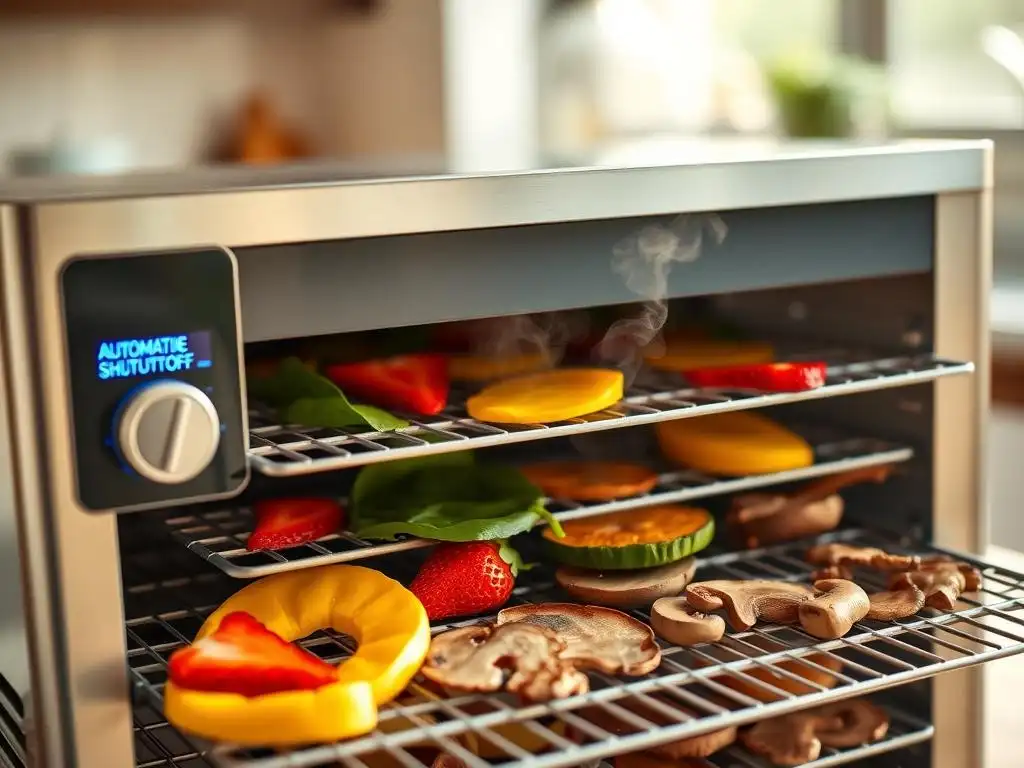
Modern food dehydrators often incorporate an automatic shut-off feature, a significant advancement in food preservation technology. This feature enhances both safety and convenience, particularly beneficial for busy individuals who may not be able to constantly monitor the dehydration process. The automatic shut-off mechanism typically triggers after a pre-set time or once a specific temperature is reached. This prevents overheating, a common cause of food spoilage and even potential fire hazards.
Imagine setting your dehydrator to dry a batch of tomatoes overnight – the peace of mind knowing it will automatically turn off when the process is complete is invaluable. Furthermore, the automatic shut-off function contributes to energy efficiency. By ceasing operation once the dehydration cycle is finished, it avoids unnecessary energy consumption, a key aspect of sustainable food preservation practices.
Some models offer programmable timers allowing for precise control over the dehydration time, further enhancing both convenience and energy saving. This feature is particularly useful for dehydrating various foods with differing moisture content and optimal drying times, ensuring consistent results and minimizing waste. The automatic shut-off isn't just a convenience; it's a crucial safety feature that adds a layer of protection against potential accidents, making the dehydrator a safer appliance for the home.
Easy-to-Clean Design: Minimizing Maintenance and Ensuring Hygiene
Maintaining hygiene is paramount when preserving food. An easy-to-clean design in a food dehydrator is therefore a crucial consideration. The best dehydrators boast features that simplify cleaning, minimizing the time and effort required. These features can include dishwasher-safe trays, removable components, and non-stick surfaces.
Dishwasher-safe trays are a major convenience, significantly reducing cleaning time and effort. Simply load the trays into the dishwasher, and the cleaning is handled automatically. Removable components allow for thorough cleaning of all parts of the dehydrator, ensuring no food residue is left behind, preventing the growth of mold or bacteria. Non-stick surfaces are also crucial, as they minimize the sticking of food during the dehydration process, making cleaning much easier.
Furthermore, the materials used in the construction of the dehydrator should be easy to wipe down and resistant to staining. Some advanced models even feature rounded corners and edges to prevent food from getting stuck in hard-to-reach places. A well-designed dehydrator with an emphasis on easy cleaning ensures the longevity of the appliance, maintains hygiene, and ultimately contributes to safer and higher-quality food preservation. The ease of cleaning is directly linked to the user's willingness to maintain the appliance regularly, making it a critical component of the "best food dehydrator features" equation.
Choosing the Right Dehydrator for Your Needs and Budget: A Buying Guide
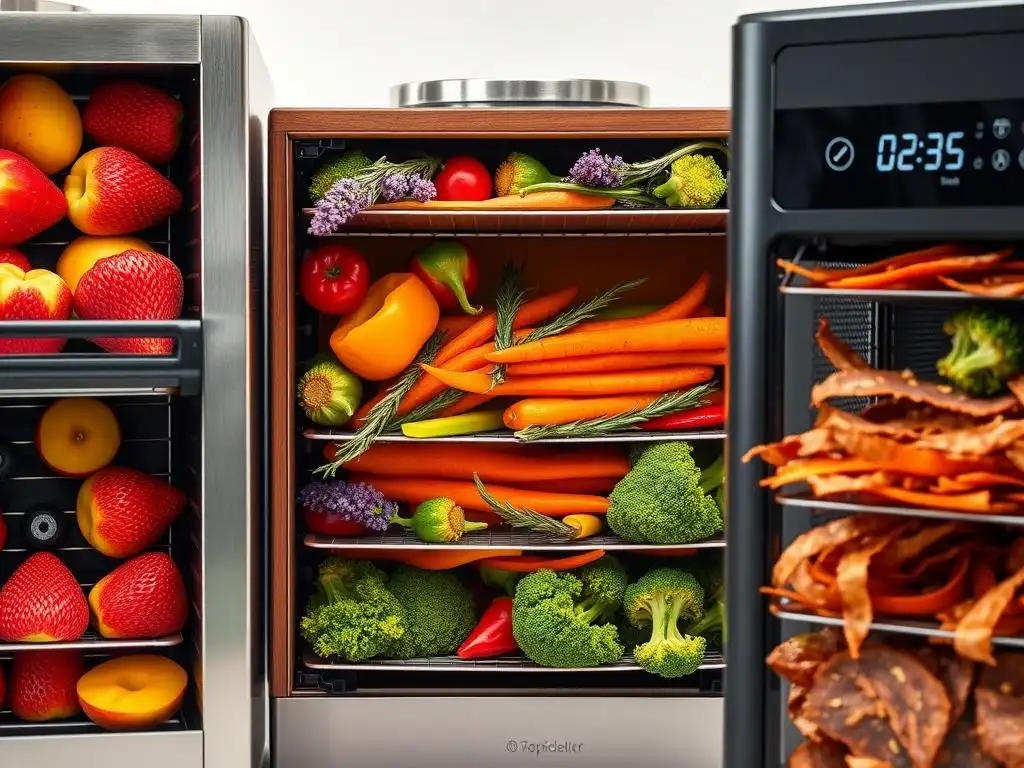
This section helps you navigate the world of food dehydrators, focusing on the best food dehydrator features to consider based on your individual needs and budget. Choosing the right dehydrator can significantly impact the efficiency and quality of your home food preservation efforts. Understanding the key features available will empower you to make an informed decision.
Factors to Consider When Selecting a Dehydrator for Home Food Preservation
Selecting the best food dehydrator involves careful consideration of several key factors. These factors directly influence the efficiency, longevity, and overall user experience of your dehydrator. Let's delve into the most important aspects:
- Temperature Control: Precise temperature control is crucial for optimal dehydration. Look for dehydrators with adjustable temperature settings, ideally offering a wide range (e.g., 95°F to 165°F) to accommodate various fruits, vegetables, and herbs. Inconsistent temperatures can lead to uneven drying and potential spoilage. Consider a dehydrator with a digital thermostat for the most accurate readings and control.
- Airflow: Efficient airflow ensures even dehydration across all trays. Dehydrators with multiple fans or strategically placed vents promote better circulation, preventing hot spots and ensuring consistent drying times. Look for descriptions highlighting "optimized airflow" or similar features.
- Timer and Auto-Shutoff: A built-in timer with an auto-shutoff function is a must-have for convenience and safety. This prevents over-drying and potential damage to the appliance. The timer should allow for flexible drying durations, accommodating different food types and desired moisture levels.
- Ease of Cleaning: Cleaning your dehydrator should be straightforward. Look for models with dishwasher-safe trays and removable components. Easy-to-clean designs save time and effort, ensuring your dehydrator remains hygienic and ready for your next batch of preserved foods.
- Durability and Build Quality: Investing in a durable dehydrator is worthwhile for long-term use. Check for sturdy construction, high-quality materials, and a warranty from a reputable manufacturer. A well-built dehydrator will withstand frequent use and provide reliable performance for years to come.
Budget-Friendly Options vs. High-End Models: Comparing Features and Value
The market offers a wide range of dehydrators, from budget-friendly models to high-end units boasting advanced features. The best food dehydrator for you depends on your budget and the volume of food you plan to dehydrate.
| Feature | Budget-Friendly Models | High-End Models |
|---|---|---|
| Price | Lower initial cost | Higher initial cost |
| Temperature Control | Basic temperature settings, often analog | Precise digital temperature control, wide range |
| Airflow | Limited airflow, potential for uneven drying | Optimized airflow, multiple fans, even drying |
| Timer/Auto-Shutoff | Basic timer or no auto-shutoff | Programmable timer, auto-shutoff, pre-set programs |
| Capacity | Fewer trays, lower capacity | More trays, higher capacity |
| Materials | Plastic components, potentially less durable | Stainless steel or other durable materials |
| Cleaning | May require more manual cleaning | Dishwasher-safe trays and components |
While budget-friendly models offer affordability, high-end dehydrators often provide superior performance, increased capacity, and advanced features that enhance the overall dehydration process. Consider your needs and prioritize features that offer the best value for your money.
Capacity Considerations: Choosing the Right Size for Your Harvest
The capacity of your dehydrator directly impacts the amount of food you can process at once. This is particularly crucial if you have a large harvest or frequently dehydrate food. Consider the following:
- Tray Count: The number of trays determines how much food you can dehydrate simultaneously. More trays mean greater capacity and faster processing times.
- Tray Size: Larger trays accommodate more food per tray, increasing overall capacity.
- Food Volume: Estimate the typical volume of food you'll dehydrate in a single session. Choose a dehydrator with sufficient capacity to handle your needs without multiple batches. Consider future needs, especially if you anticipate expanding your home food preservation efforts.
Choosing the right capacity is essential for efficient and effective food preservation. A larger-capacity dehydrator might be a worthwhile investment if you frequently process large quantities of fruits, vegetables, or herbs. However, if your needs are modest, a smaller dehydrator can offer excellent value and performance. Accurate assessment of your needs will determine the optimal balance between capacity and cost.
Maintenance and Cleaning: Long-Term Cost and Effort Involved
Maintaining a food dehydrator is crucial for ensuring its longevity and the safety of your preserved food. Regular cleaning prevents mold and bacterial growth, which is especially important when dealing with fruits and vegetables. The level of maintenance required varies depending on the model and frequency of use. Some dehydrators have easily removable parts, simplifying the cleaning process. Others may require more meticulous attention to detail.
Consider the materials used in the construction of the dehydrator. Stainless steel trays are generally easier to clean than plastic ones, as they are less prone to staining and are dishwasher-safe in many cases. However, even stainless steel trays benefit from hand washing with a gentle detergent to avoid scratching. Plastic trays, while often cheaper initially, might require more careful cleaning to avoid damage and potential leaching of chemicals into your food. Always refer to the manufacturer's instructions for specific cleaning recommendations.
The long-term cost associated with maintenance is primarily tied to the replacement of parts. Over time, trays may become warped or damaged, necessitating replacement. Check the manufacturer's website or contact customer support to determine the cost of replacement parts and their availability. Some manufacturers offer extended warranties covering certain components, which can significantly reduce long-term costs. The frequency of part replacement depends largely on the dehydrator's quality and how frequently it is used. Heavy, daily use will naturally lead to faster wear and tear.
Beyond the cost of replacement parts, you should consider the time investment involved in cleaning. A quick wipe-down after each use is ideal to prevent stubborn food residue from accumulating. More thorough cleaning, perhaps involving disassembly and soaking, should be performed at least once a month or more frequently depending on usage. This time investment should be factored into your overall assessment of the dehydrator's practicality for your needs and lifestyle.
A time-consuming cleaning process can negate the convenience of using a dehydrator if you are short on time. Therefore, choosing a model with easy-to-clean components is a worthwhile investment in the long run. Ultimately, a balance between initial cost, ease of cleaning, and potential long-term replacement costs should inform your purchase decision.
Conclusion: Investing in a High-Quality Dehydrator for Sustainable Food Preservation
Investing in a high-quality food dehydrator with advanced features is a significant step towards achieving sustainable food preservation practices. The benefits extend beyond simply preserving your harvest; they contribute to reducing food waste, enhancing food security, and minimizing your environmental impact. By carefully selecting a dehydrator that meets your specific needs and budget, you're not only investing in a kitchen appliance, but in a more sustainable and self-sufficient lifestyle.
The initial cost is offset by the long-term savings and benefits derived from preserving your homegrown produce and reducing reliance on commercially processed foods. Choosing a model with features like programmable timers, digital temperature controls, and efficient airflow will ensure optimal dehydration, leading to high-quality, long-lasting preserved foods.
The ability to preserve your harvest effectively translates to a reduced carbon footprint associated with transportation and packaging of commercially preserved foods. This makes a high-quality food dehydrator a worthwhile investment for environmentally conscious individuals.
Long-term Benefits of Using a High-Quality Food Dehydrator
The long-term advantages of using a high-quality food dehydrator far outweigh the initial cost. Consider these key benefits:
- Reduced Food Waste: Preserve surplus fruits and vegetables before they spoil, minimizing waste and maximizing the yield from your garden or farmer's market purchases. This translates directly into cost savings over time. Imagine the money saved by not having to throw away overripe produce!
- Enhanced Food Security: Having a supply of dehydrated fruits, vegetables, and herbs provides a safety net during periods of scarcity or price fluctuations. This is especially valuable in unpredictable climates or regions with limited access to fresh produce.
- Nutritional Value Retention: Dehydration, when done properly, preserves a significant portion of the vitamins and minerals found in fresh produce. Unlike canning or freezing, dehydration doesn't require added preservatives or drastic temperature changes that can degrade nutrients.
- Convenience and Flexibility: Dehydrated foods are lightweight, compact, and have an extended shelf life, making them ideal for storage and travel. They can easily be rehydrated for use in various recipes, offering culinary versatility.
- Cost Savings: While the initial investment might seem substantial, the long-term cost savings from reduced food waste and the ability to preserve your own produce significantly outweigh the initial expense. You'll spend less money on pre-packaged dried foods, and you'll be using what you've grown.
Recommendations Based on Specific Needs and Budget Constraints
Choosing the "best" food dehydrator depends heavily on your individual needs and budget. Consider these factors:
- Capacity: How much produce do you typically need to dehydrate at once? Larger families or those with abundant harvests will benefit from larger capacity models.
- Features: Prioritize features that are important to you, such as programmable timers, digital temperature controls, adjustable trays, and efficient airflow. These features contribute to better dehydration and more consistent results.
- Budget: Dehydrators range in price from budget-friendly options to high-end models with advanced features. Set a realistic budget before you begin your search.
- Ease of Use and Cleaning: Look for a model that's easy to assemble, use, and clean. Consider the material of the trays and their ease of cleaning. Some materials are easier to clean than others.
- Durability: A high-quality dehydrator should be built to last. Look for models made from robust materials that can withstand frequent use.
Here's a simplified table to help you visualize the decision-making process:
| Feature | Low Budget Option | Mid-Range Option | High-End Option |
|---|---|---|---|
| Capacity | Smaller (e.g., 3-5 trays) | Medium (e.g., 6-8 trays) | Large (e.g., 9+ trays) |
| Temperature Control | Basic dial | Digital with presets | Precise digital, programmable |
| Timer | Basic timer or none | Digital timer | Programmable timer, auto-shutoff |
| Material | Plastic | Plastic/Stainless Steel blend | Primarily Stainless Steel |
Resources for Further Learning about Food Dehydration and Preservation Techniques
To further enhance your knowledge of food dehydration and preservation techniques, consider exploring these avenues:
- Online Courses and Tutorials: Many online platforms offer comprehensive courses on food preservation, including dehydration techniques. These courses often provide detailed instructions, tips, and troubleshooting guidance.
- Books on Food Preservation: Numerous books delve into the art and science of food preservation, offering detailed information on various methods, including dehydration. These resources often include recipes and preservation guides.
- Local Workshops and Classes: Check with local community colleges, agricultural extension offices, or gardening clubs for workshops or classes on food preservation techniques. These hands-on learning experiences are invaluable.
- Online Communities and Forums: Engage with online communities and forums dedicated to home food preservation. These platforms provide opportunities to connect with experienced preservers, share tips, and ask questions.
This information will help you make an informed decision when selecting a food dehydrator and mastering the art of food preservation. Remember, investing in a high-quality dehydrator is an investment in your health, your budget, and a more sustainable future. 🥕🍎🍅
Frequently Asked Questions
What are the key features to look for in a food dehydrator for home use?
Look for a dehydrator with even heat distribution to ensure consistent drying. Consider features like adjustable temperature controls and a timer for precise drying. A large capacity is also beneficial for larger harvests.
How does a food dehydrator preserve food, and what are its advantages?
Dehydrators remove moisture from food, inhibiting the growth of bacteria and mold, thus extending shelf life. Advantages include preserving nutrients, reducing food waste, and creating healthy snacks.
What types of food are best for dehydrating, and are there any foods I should avoid?
Fruits, vegetables, herbs, and even meats are excellent candidates. Avoid foods with high water content that might take excessively long to dry, potentially leading to spoilage. Leafy greens are generally not recommended.
What's the difference between a conventional dehydrator and one with advanced features?
Conventional models offer basic drying functionality. Advanced models boast features like digital controls, pre-programmed settings, stackable trays, and built-in fans for superior performance and ease of use.
How do I clean my food dehydrator to maintain its efficiency and hygiene?
Always unplug the dehydrator before cleaning. Most parts are dishwasher-safe, but check the manufacturer's instructions. Regular cleaning prevents mold and bacterial growth, ensuring optimal performance and food safety.
Final Reflection: The Future of Flavor Preservation
The advancements in food dehydrator technology are not merely about preserving food; they're about preserving time, resources, and the vibrant flavors of nature itself. The ability to easily dehydrate fruits, vegetables, and even meats at home, with precise temperature control and smart features, is transforming the way we approach food storage and consumption. This isn't just a kitchen gadget; it's a tool for sustainable living and culinary creativity.
The impact of these advanced dehydrators extends beyond individual kitchens; they're fostering a renewed appreciation for home-grown and locally sourced ingredients. By enabling efficient preservation, they encourage a reduction in food waste and a connection to the origins of our food. The best way to find yourself is to lose yourself in the service of others.
– Mahatma Gandhi. While not directly about dehydrators, this quote speaks to the larger impact of sustainable practices, including mindful food preservation, which contributes to a healthier planet and community.
Consider the possibilities: imagine the joy of savoring summer's bounty all year round, the convenience of healthy snacks always at your fingertips, or the satisfaction of creating unique culinary creations with your own preserved ingredients. You hold the power to transform your kitchen into a hub of sustainable food preservation. Embrace the technology, experiment with different foods, and discover the endless possibilities that advanced food dehydrators unlock – for your health, your family, and the planet.
Unlock the Secrets of Food Preservation!
Thank you for exploring the world of advanced dehydrators with us! You've learned how to preserve your harvest in exciting new ways, extending its shelf life and boosting its nutritional value. Now it's time to put that knowledge into practice.
- Start dehydrating today! Explore recipes and techniques for your favorite seasonal produce and experiment with different drying settings.
- Share your delicious creations with our community on social media using #CultivateYourFood. Let's inspire each other!
- Consider exploring other preservation methods like canning or freezing to diversify your food storage strategies.
What exciting flavor combinations will you create with your newfound dehydrating skills?