
Best Canning Recipes for Beginner: Start with These
Discover smart, sustainable ways to extend the life of your homegrown harvest with preserving fruits and vegetables at CultivateYourFood 🌱 From beginner-friendly canning and jarring essentials to reliable food dehydrators, freezing methods, and vacuum sealing solutions, learn how to protect flavor, nutrients, and freshness long after harvest season. 🥕🍅 Build practical food preservation skills, reduce waste, and enjoy your organic garden produce year-round with expert tips and recommended equipment.
26 articles
The Science Behind Freezing Garden Produce: Explained
Top 5 Mistakes Beginners Make When Canning and How to Avoid Them
Dehydrators for Jerky: Preserving Meats and PlantBased Proteins
How to Clean and Sanitize Your Canning Equipment
Dehydrators for Making Vegetable Chips: Healthy & Crunchy Alternatives
StepbyStep Guide to Setting Up Your Canning Station
Troubleshooting Common Vacuum Sealing Problems with Garden Produce
How to Prevent Freezer Burn in Your Garden Vegetables
Best Canning Racks for Even Heat Distribution
Dehydrators with Advanced Features: Explore the Latest Technology
Maximizing Freezer Space for Your Garden Harvest
Dehydrators with Digital Displays: Accurate Control & Easy Monitoring
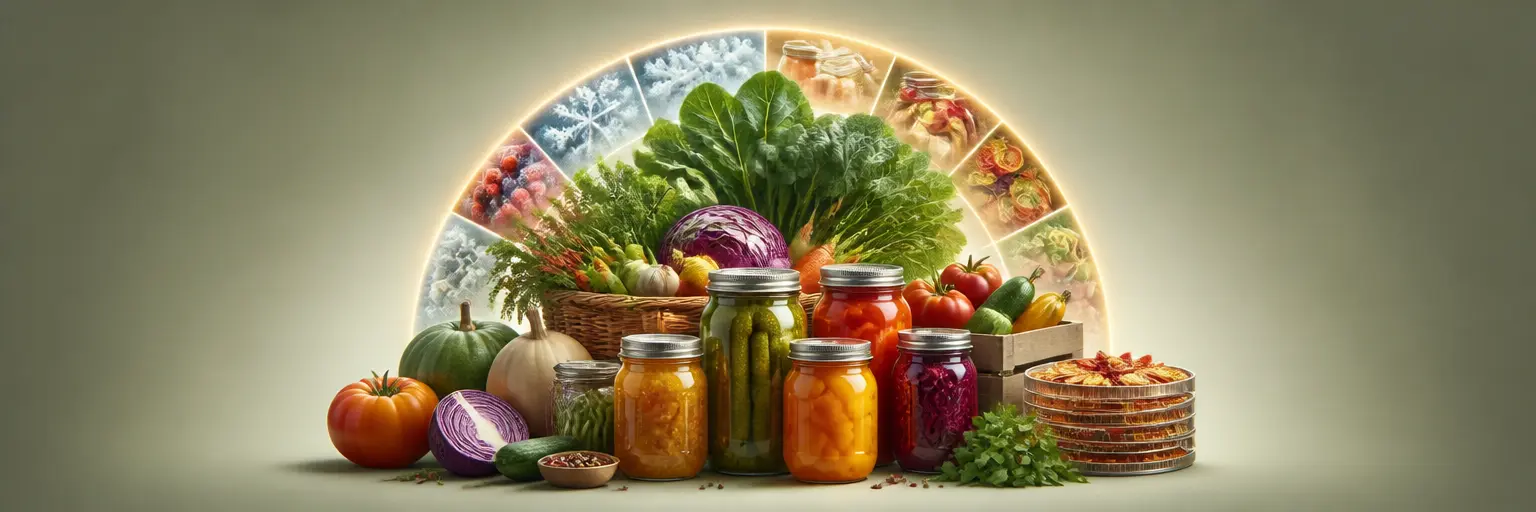
Preserving Your Harvest helps home gardeners enjoy fresh, nutritious produce long after the growing season ends. At CultivateYourFood, you’ll discover practical, sustainable, and organic food preservation methods for fruits, vegetables, and herbs, including canning, jarring, dehydrating, freezing, and vacuum sealing. Learn how to preserve garden produce safely, reduce food waste, save money, and build a reliable pantry from your own backyard harvest.
Whether you are preserving tomatoes, berries, apples, leafy greens, herbs, peppers, or root vegetables, our guides explain the tools, preparation techniques, storage conditions, and best practices needed for successful results. Explore beginner-friendly food preservation equipment, compare methods for maintaining flavor and nutrients, and find useful tips for extending the shelf life of homegrown produce.
🥫 Top Canning and Jarring Equipment for Beginners
Discover the essential canning and jarring equipment needed to preserve homemade sauces, jams, pickles, fruits, vegetables, and relishes. This section covers water-bath canners, pressure canners, mason jars, lids, jar lifters, funnels, headspace tools, and other beginner-friendly supplies. Readers can learn which equipment is best for acidic foods and which tools are required for safely preserving low-acid vegetables and meats.
Expect practical guidance on choosing durable, easy-to-use canning supplies while avoiding unnecessary purchases. You’ll also find advice about sterilizing jars, preparing lids, checking seals, labeling preserved food, and storing jars in a cool, dark location. Safe canning practices are emphasized throughout to help beginners preserve garden produce confidently and reduce the risk of spoilage.
🍎 Best Dehydrators for Preserving Fruits and Vegetables
Explore the best food dehydrators for fruits, vegetables, herbs, mushrooms, and homemade snacks. These guides explain important features such as adjustable temperature controls, even airflow, tray capacity, noise levels, energy efficiency, and dishwasher-safe components. You’ll learn how to compare dehydrator types and select a model that suits small kitchens, large gardens, or seasonal bulk harvests.
Readers can also expect step-by-step advice for preparing produce before dehydration, including washing, slicing, blanching, and pretreating fruits to help preserve color and texture. Learn how to dry herbs, make fruit leather, create vegetable chips, and test foods for proper dryness. Correct dehydration temperatures and airtight storage can help maintain quality and extend the shelf life of homegrown food.
❄️ Freezing and Vacuum Sealing Your Garden Produce: What You Need
Learn how freezing and vacuum sealing can preserve the flavor, texture, and nutritional value of freshly harvested produce. This section covers freezer-safe containers, reusable bags, vacuum sealers, rolls, labels, and storage accessories for protecting garden vegetables, fruits, herbs, and prepared meals. You’ll discover which foods benefit from blanching before freezing and how to portion produce for convenient future use.
Expect useful techniques for preventing freezer burn, removing excess air, organizing frozen food, and selecting the right vacuum-sealing settings. The guides also explain how to freeze berries, green beans, corn, peppers, leafy greens, herbs, and chopped vegetables effectively. Proper packaging and clear date labeling make it easier to preserve a seasonal harvest, minimize waste, and enjoy homegrown ingredients throughout the year.
❓ Frequently Asked Questions About Preserving Your Harvest
What is the best food preservation method for beginners?
Freezing is often the simplest method for beginners because it requires relatively little equipment and preparation. Dehydrating and water-bath canning are also accessible options when you follow reliable instructions and use suitable produce. Choose a method based on the food, available storage space, and how you plan to use it later.
Do vegetables need to be blanched before freezing?
Many vegetables should be blanched before freezing to slow enzyme activity, preserve color, improve texture, and reduce surface bacteria. Common examples include green beans, broccoli, carrots, peas, and leafy greens. Some foods, such as peppers and onions, can often be frozen without blanching when prepared and packaged properly.
Is vacuum sealing better than using regular freezer bags?
Vacuum sealing removes more air than standard freezer bags, which can help reduce freezer burn and extend storage quality. It is especially useful for bulky harvests, chopped vegetables, fruits, and herbs. However, vacuum-sealed bags should still be frozen promptly and labeled with the food name and date.
What equipment is essential for home canning?
Essential supplies may include appropriate canning jars, new lids, screw bands, a jar funnel, jar lifter, bubble remover, measuring tools, and either a water-bath canner or pressure canner. The correct canner depends on the food’s acidity. Always use tested recipes and follow recommended processing times and pressures.
How should dehydrated fruits and vegetables be stored?
Allow dehydrated food to cool completely before packaging it in airtight jars, vacuum-sealed bags, or moisture-resistant containers. Store it in a cool, dark, dry place away from heat and sunlight. Label each container with the food and drying date, and check periodically for moisture, mold, or signs of spoilage.