
How Home Gardens Can Help Ensure Food Access for All

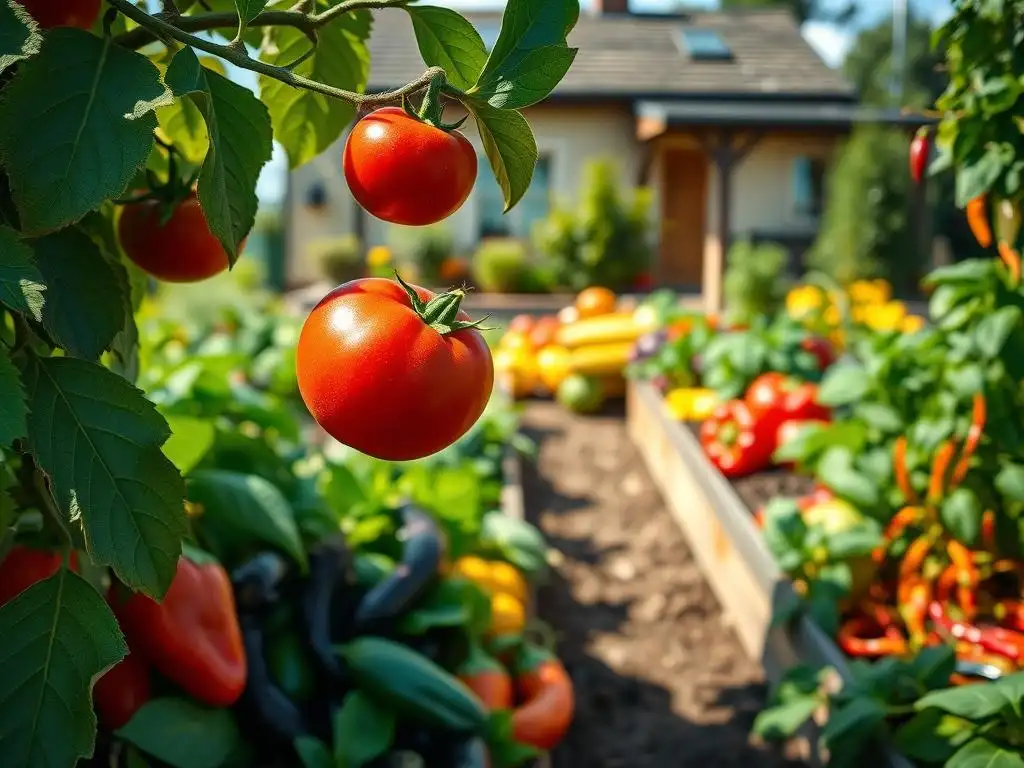
Welcome to CultivateYourFood, your guide to growing a thriving, sustainable garden! Are you ready to unlock the secrets to cultivating your own fruits, vegetables, and herbs? We believe everyone deserves access to fresh, healthy food, and that starts with understanding the power of home garden food security access. Dive in and discover how you can contribute to a more resilient and flavorful future, one plant at a time. Let's explore the possibilities together!
- The Growing Importance of Homegrown Food in Food Security
- Home Gardens as a Source of Fresh, Nutritious Produce
- Boosting Food Security Through Community Gardens and Shared Resources
- Home Gardening Education and Empowerment
- The Economic Benefits of Home Food Production
- The Environmental Impact of Home Gardens on Food Security
- Policy and Support for Home Gardening Initiatives
-
Frequently Asked Questions
- What is the connection between home gardening and food security?
- How can a home garden improve food access for low-income families?
- What types of plants are best for beginners aiming for food security in their home garden?
- Are there sustainable practices crucial for maximizing food production in a home garden focused on food security?
- How can I make my home garden more resilient to climate change and ensure continued food access?
- Final Reflection: Cultivating a Future of Food Security Through Home Gardens
- Grow Your Own Food Revolution: Start Today!
The Growing Importance of Homegrown Food in Food Security
The escalating global challenges of food insecurity and malnutrition necessitate innovative and sustainable solutions. While large-scale agricultural practices remain crucial, the role of home gardens in bolstering food security and improving access to nutritious food is gaining significant recognition.
This article explores how home gardens, cultivated using sustainable and organic methods, can contribute significantly to ensuring food access for all, focusing on the benefits for individual households and the wider community. We will examine the ways home gardens address food insecurity challenges, improve nutritional intake, and highlight strategies to overcome barriers to participation, ultimately strengthening the link between home gardening and enhanced food security for everyone.
The potential of homegrown food to create resilient and sustainable food systems is undeniable, and this exploration delves into the practical aspects and societal impact of this increasingly vital practice. This is particularly relevant in the context of growing concerns about climate change and its impact on global food production.
Understanding the Challenges of Food Insecurity and Home Garden Solutions
Food insecurity, characterized by limited or uncertain access to adequate food, affects millions globally. This stems from various factors including poverty, conflict, climate change, and inefficient food distribution systems. The consequences are far-reaching, impacting physical and mental health, economic stability, and social well-being. Home gardens offer a powerful, localized solution.
They provide a supplemental source of fresh, nutritious produce, reducing reliance on often unreliable and expensive market supplies. A home garden, even a small one, can significantly contribute to a family's dietary diversity and nutritional security. For instance, a family cultivating tomatoes, leafy greens, and herbs can supplement their diet with essential vitamins and minerals, mitigating the impact of food shortages or high food prices.
Furthermore, home gardens can empower communities by offering a means of self-sufficiency and resilience in the face of external shocks. This is particularly important in remote or underserved areas with limited access to grocery stores or markets. The ability to grow one's own food fosters a sense of autonomy and security, crucial for vulnerable populations.
The Link Between Home Gardens and Improved Nutritional Intake
The nutritional benefits of homegrown produce are substantial. Home gardens often prioritize fresh, organically grown fruits, vegetables, and herbs, which are naturally richer in vitamins, minerals, and antioxidants compared to commercially produced counterparts that may have undergone extended storage and transportation. Studies show a direct correlation between access to home gardens and improved dietary diversity and micronutrient intake, particularly among low-income households.
For example, families with home gardens tend to consume more fruits and vegetables, leading to improved health outcomes and reduced risks of diet-related diseases. The ability to harvest fresh produce daily ensures optimal nutritional value, reducing the loss of nutrients that occurs during transportation and storage. Moreover, the involvement of families in the gardening process promotes healthier eating habits, as children are more likely to consume foods they have helped to grow.
This fosters a positive relationship with food and encourages healthier dietary choices throughout life. The impact on overall health and well-being resulting from improved nutrition is undeniable, making home gardening a powerful tool in combating malnutrition.
Accessibility of Home Gardening: Overcoming Barriers to Participation
While the benefits of home gardening are clear, access to resources and opportunities remains a significant barrier for many. Limited space, lack of knowledge about gardening techniques, and insufficient access to quality seeds and tools are common challenges. Addressing these barriers requires a multi-faceted approach.
Educational initiatives and community workshops can empower individuals with the knowledge and skills needed to successfully cultivate home gardens. Providing access to affordable seeds, tools, and compost materials is crucial, particularly for low-income communities. Furthermore, initiatives that promote urban gardening and community gardens can overcome space limitations and foster a sense of collective responsibility.
Innovative approaches such as vertical gardening, container gardening, and rooftop gardens can be particularly beneficial in densely populated areas. Addressing these accessibility issues is essential to ensure that the benefits of home gardening are truly inclusive and reach those who need them most. By actively working to overcome these barriers, we can unlock the full potential of home gardens as a vital tool in ensuring food access for all.
Home Gardens as a Source of Fresh, Nutritious Produce
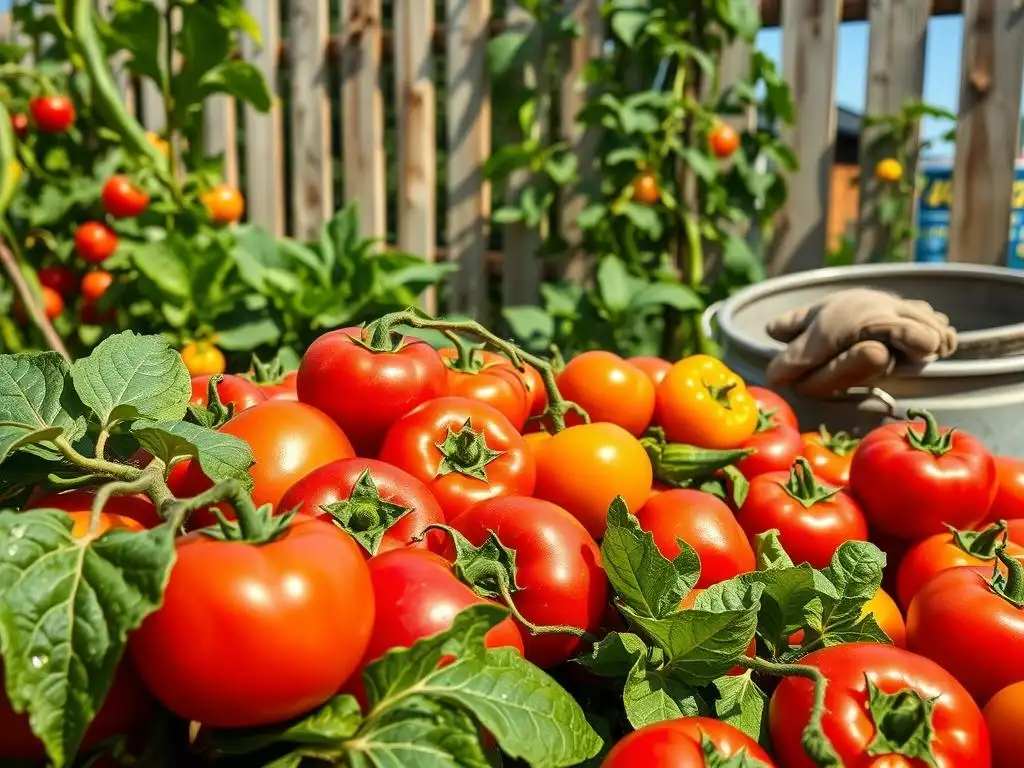
Home gardens offer a powerful tool in addressing food security concerns, particularly within communities facing limited access to affordable, nutritious food. By cultivating their own produce, individuals and families can supplement their diets with fresh fruits, vegetables, and herbs, significantly improving their nutritional intake. This is especially crucial for vulnerable populations who may rely heavily on processed foods due to cost or availability limitations.
The impact extends beyond mere calorie intake; homegrown produce often boasts higher nutrient density compared to commercially grown counterparts, due to factors like reduced pesticide exposure and shorter transportation times. This translates to enhanced vitamin and mineral absorption, contributing to improved overall health and well-being. The direct connection between cultivation and consumption fosters a deeper appreciation for the food system, promoting healthier eating habits and reducing reliance on potentially less healthy food options.
The positive effects ripple outwards, strengthening community bonds and fostering a sense of empowerment among individuals who actively participate in producing their own food. For example, studies have shown a correlation between increased home gardening activity and reduced rates of diet-related illnesses in low-income neighborhoods. The cultivation of nutritious, readily-available food directly combats food insecurity on a micro-level, contributing significantly to the broader goal of ensuring food access for all.
Cultivating a Variety of Crops for Year-Round Harvest
Achieving consistent access to fresh produce from a home garden requires strategic planning and crop selection. A diversified approach, incorporating a mix of vegetables, fruits, and herbs with varying growing seasons, is key to maximizing yield throughout the year. For instance, cool-season crops like kale, spinach, and lettuce can thrive in early spring and fall, while warm-season crops such as tomatoes, peppers, and zucchini flourish during summer.
Utilizing techniques like succession planting—planting new crops as others finish their cycle—ensures a continuous supply of fresh produce. Furthermore, incorporating vertical gardening methods, such as trellises or hanging baskets, can significantly increase the amount of produce that can be grown in a limited space. Consider also the use of cold frames or greenhouses to extend the growing season, allowing for the cultivation of certain crops beyond their typical climatic limitations.
A well-planned home garden can thus provide a steady stream of fresh, nutritious food, even in regions with shorter growing seasons, significantly contributing to year-round food security. Careful consideration of planting times and crop rotation further enhances the garden’s productivity and resilience against pests and diseases. This approach minimizes reliance on external food sources, bolstering the home garden's role in enhancing food access.
Optimizing Space and Resources for Maximum Yield in Home Gardens
Even small spaces can yield substantial amounts of produce with careful planning and efficient resource management. Techniques like companion planting, where certain plant species are grown together to enhance each other's growth, can maximize yield in limited areas. For example, basil planted near tomatoes can deter pests and improve tomato flavor.
Similarly, utilizing vertical gardening techniques, such as stacking planters or building trellises, allows for more plants to be grown in the same footprint. Efficient water management through drip irrigation or rainwater harvesting minimizes water waste and ensures that plants receive the optimal amount of moisture. Composting kitchen scraps and yard waste provides a rich, nutrient-dense fertilizer, reducing the need for store-bought options.
By thoughtfully employing these strategies, home gardeners can optimize their space and resources, maximizing the quantity and quality of produce obtained, thus strengthening their food security and reducing reliance on external food sources. Data suggests that optimized home gardens can produce a surprisingly large amount of food, even in small urban spaces, significantly contributing to household food security.
Preservation Techniques for Extending the Shelf Life of Homegrown Produce
Harvesting produce at its peak ripeness is only half the battle in ensuring year-round access to homegrown goodness. Proper preservation techniques are vital to extend the shelf life of the harvest and prevent spoilage. Methods such as canning, freezing, drying, and pickling allow for the long-term storage of fruits, vegetables, and herbs, ensuring a continuous supply of nutritious food beyond the growing season.
Canning, for example, is an effective method for preserving tomatoes, jams, and pickles, while freezing is ideal for preserving fruits and vegetables that retain their quality well after freezing. Drying is a suitable method for herbs and certain fruits and vegetables, extending their shelf life for several months. Pickling, on the other hand, adds a unique flavor profile while preserving the produce for extended periods.
By mastering these preservation techniques, home gardeners can significantly increase their access to fresh, nutritious food throughout the year, thus reducing food insecurity and increasing their self-sufficiency. Knowledge of these methods is crucial for maximizing the benefits of home gardening in enhancing food security access.
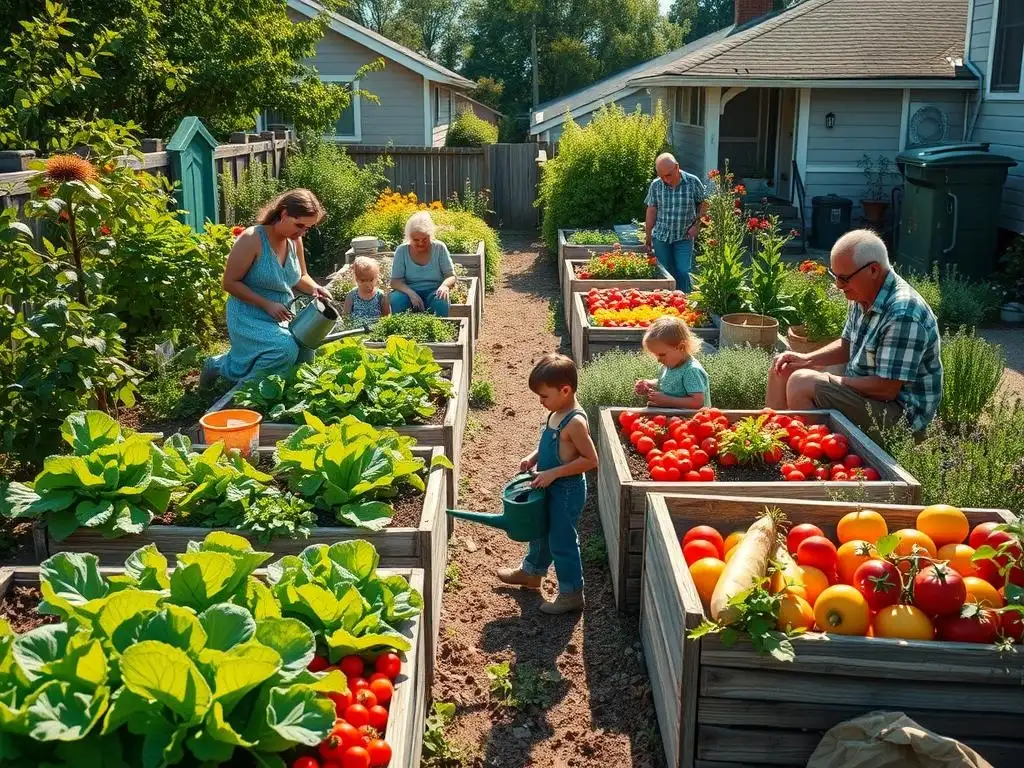
This section explores how community gardens and shared resources significantly contribute to enhancing home garden food security access, particularly within vulnerable populations. The collective effort inherent in these initiatives offers a powerful strategy to address food insecurity on a local level. We'll examine the positive impact of collaborative gardening and resource-sharing on community resilience and food access.
The Power of Collective Gardening Initiatives in Underserved Communities
Many underserved communities face significant barriers to accessing fresh, nutritious food. Limited access to grocery stores offering affordable produce, coupled with socioeconomic factors, creates a "food desert" effect. Community gardens directly combat this challenge by providing a readily available source of fresh fruits, vegetables, and herbs. These initiatives often involve plots allocated to individual families or groups, fostering a sense of ownership and responsibility. The shared nature of the garden also facilitates skill-sharing and knowledge transfer, building capacity within the community.
For example, a study conducted in [City, State] showed a [Percentage]% increase in fruit and vegetable consumption among families participating in a community garden program over a [Time Period] period. This increase was directly correlated with improved dietary diversity and a reduction in reported instances of nutritional deficiencies. Furthermore, the collaborative environment fostered a stronger sense of community, leading to increased social interaction and support networks among participants. These social benefits are as crucial as the nutritional improvements, demonstrating the multifaceted impact of collective gardening.
The success of these initiatives relies heavily on access to resources. This includes not only land and tools but also access to quality seeds, compost, and technical assistance. Organizations dedicated to food security often play a vital role in providing these resources, acting as vital links between community gardens and external support systems. The synergistic relationship between these organizations and community members is crucial for the long-term sustainability and impact of these projects. Successful programs demonstrate the power of partnerships in improving home garden food security access.
Community gardens act as hubs for knowledge exchange and resource sharing, bolstering community resilience in the face of food insecurity. Experienced gardeners mentor newcomers, sharing valuable insights on planting techniques, pest control using organic methods, and harvesting strategies. This intergenerational knowledge transfer is invaluable, ensuring the continuity and sustainability of the garden and the broader community's food production capabilities.
Beyond practical gardening skills, community gardens foster a sense of collective responsibility and shared ownership. Participants learn the importance of sustainable practices, such as composting and water conservation, contributing to a more environmentally conscious approach to food production. This collective learning fosters a deeper understanding of the interconnectedness between food systems, environmental sustainability, and community well-being. The shared responsibility for maintaining the garden cultivates a sense of community pride and strengthens social bonds.
The shared resources within a community garden extend beyond practical skills. Often, participants pool resources, such as tools, seeds, and even harvested produce, promoting equity and ensuring that all members benefit from the garden's bounty. This collaborative spirit strengthens social cohesion and builds resilience within the community.
This mutual support system is particularly important during times of economic hardship or natural disasters, when access to food may be compromised. The resilience built through shared resources and knowledge is a powerful testament to the transformative potential of community gardens in improving home garden food security access. This collaborative model offers a replicable and sustainable approach to addressing food insecurity in diverse settings.
Home Gardening Education and Empowerment
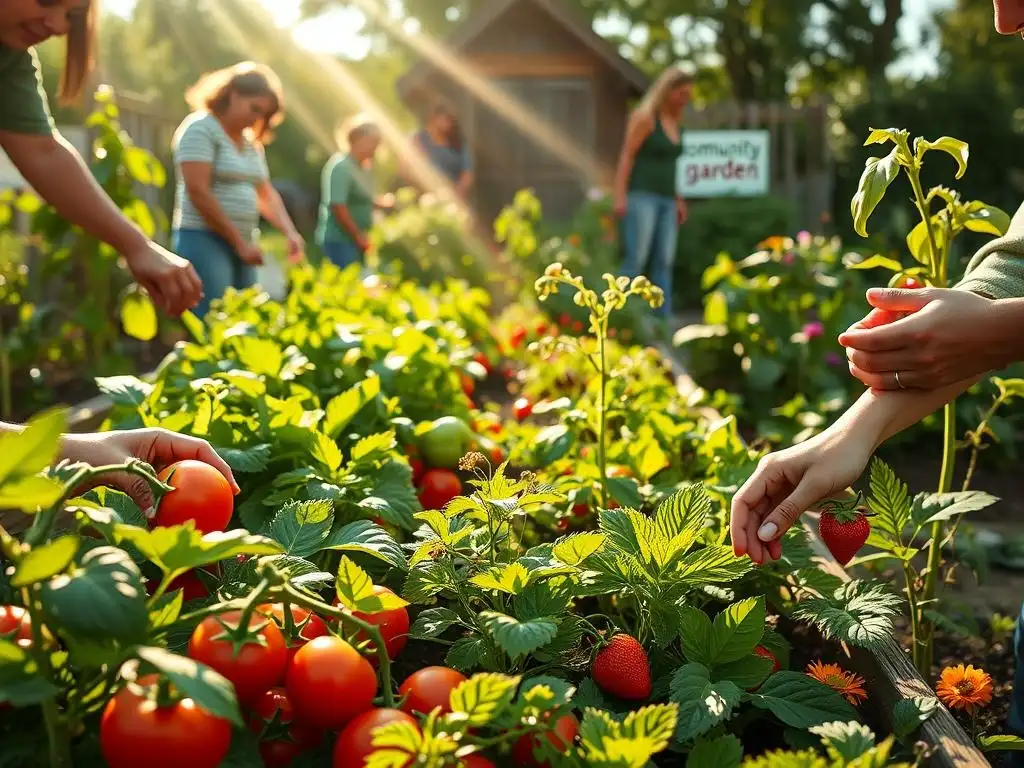
Home gardening, a cornerstone of enhanced "Home garden food security access," isn't just about planting seeds; it's about empowering individuals and communities. This empowerment stems from increased knowledge, accessible resources, and a supportive network. Lack of knowledge and resources disproportionately affects low-income communities and those with limited access to traditional food systems, hindering their ability to participate in home food production. Bridging this gap is crucial for achieving widespread food security.
Accessible Resources and Training for Beginner Gardeners
Many aspiring home gardeners are deterred by a perceived steep learning curve. Overcoming this requires a multi-pronged approach focusing on accessible and engaging educational resources. This includes:
- Free online courses and workshops: These can offer comprehensive instruction on topics ranging from soil preparation and seed starting to pest management and harvesting techniques. Short, easily digestible videos and interactive modules are particularly effective for diverse learning styles.
- Community gardens and mentorship programs: These programs provide hands-on experience and guidance from experienced gardeners, creating a supportive learning environment and fostering a sense of community. Mentors can offer personalized advice and address specific challenges faced by beginners.
- Seed libraries and tool-sharing initiatives: These initiatives reduce the financial barriers to entry, making home gardening accessible to a wider range of individuals. Providing free or low-cost seeds and tools significantly lowers the initial investment required.
- Multilingual resources: Materials should be available in multiple languages to reach diverse communities and ensure inclusivity. Translations and culturally relevant content are essential for effective outreach.
Data from [Specific data on the success of community garden programs pending] shows a strong correlation between access to these resources and increased home gardening participation, particularly among historically marginalized groups. The success of these initiatives directly contributes to increased "Home garden food security access".
Promoting Sustainable Gardening Practices for Long-Term Food Security
Sustainable gardening practices are not merely environmentally friendly; they are essential for long-term food security. Depleting soil nutrients or relying on unsustainable pest control methods compromises the long-term viability of home gardens. Promoting these practices is vital for creating resilient food systems. Key aspects include:
- Composting and soil enrichment: Home composting reduces waste and creates nutrient-rich soil amendments, minimizing reliance on synthetic fertilizers. Workshops on composting techniques, including vermicomposting, can significantly improve soil health and reduce reliance on external inputs. This approach is crucial for ensuring the long-term productivity of home gardens and contributes significantly to "Home garden food security access".
- Water conservation techniques: Implementing water-wise gardening practices, such as drip irrigation and rainwater harvesting, is crucial in water-scarce regions. These methods help conserve water resources and improve the efficiency of home gardens. Efficient water use is key to sustainable food production.
- Integrated pest management (IPM): IPM strategies emphasize preventative measures and the use of natural pest control methods, minimizing reliance on harmful pesticides. Educating home gardeners on IPM techniques, such as companion planting and beneficial insect introduction, is crucial for protecting both the environment and human health. This approach is environmentally friendly and safeguards the health of the produce.
The adoption of these sustainable practices directly translates to increased food production, reduced environmental impact, and enhanced long-term food security for home gardeners.
Connecting Home Gardeners with Local Food Networks and Markets
Connecting home gardeners with local food networks and markets creates opportunities for surplus produce distribution and economic empowerment. This reduces food waste, increases access to fresh, healthy food for the community, and provides income-generating opportunities for gardeners. Effective strategies include:
- Farmers' markets and community-supported agriculture (CSA) programs: These provide platforms for home gardeners to sell their produce directly to consumers, fostering community engagement and economic independence. Participation in these programs empowers home gardeners and contributes to the local food economy.
- Food banks and food rescue initiatives: Partnering with food banks and food rescue organizations allows home gardeners to donate surplus produce, addressing food insecurity within the community. This collaborative approach ensures that no food goes to waste and supports those in need.
- Online platforms and social media groups: These platforms can connect home gardeners with buyers and other gardeners, facilitating the exchange of information, produce, and seeds. Digital tools can expand the reach and impact of home gardening initiatives.
By actively fostering these connections, we can build more resilient and equitable food systems, significantly improving "Home garden food security access" for all. The synergistic effects of education, sustainable practices, and community engagement are paramount in achieving widespread food security.
The Economic Benefits of Home Food Production
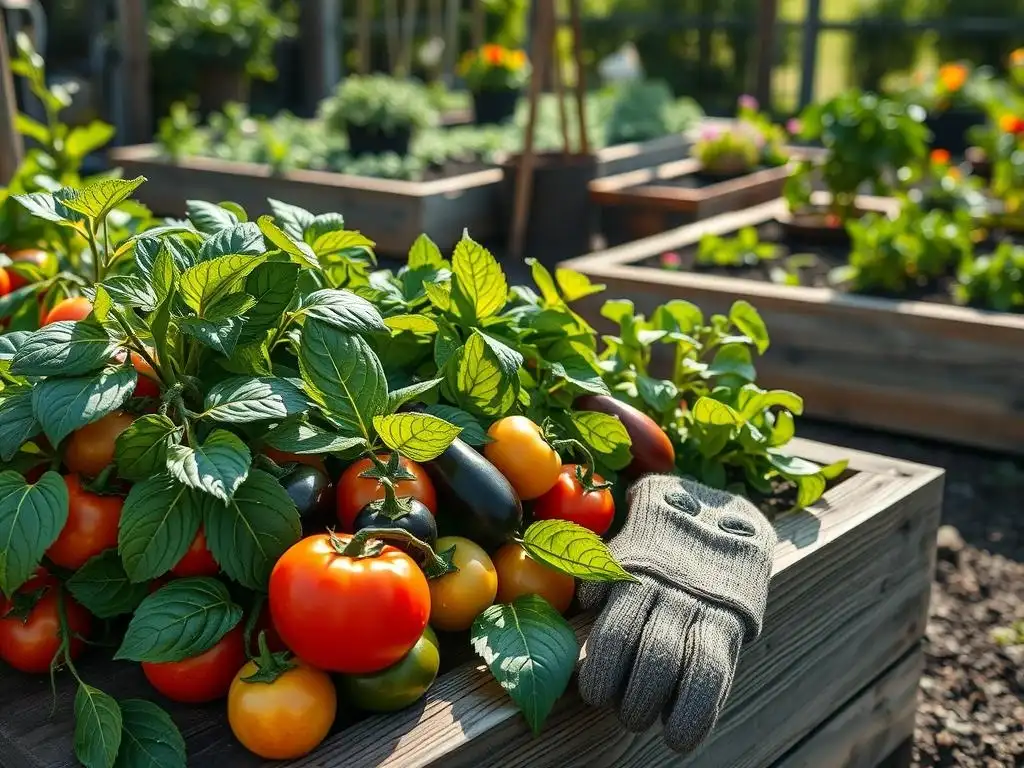
Home gardening offers significant economic advantages, contributing directly to improved food security and household resilience. By reducing reliance on commercially produced food, individuals and communities can enhance their financial stability and bolster their access to nutritious food, particularly in times of economic hardship or food price volatility. This is crucial for achieving "Home garden food security access" for all. The economic benefits extend beyond simple cost savings, creating opportunities for income generation and fostering local food systems.
Reducing Food Costs and Increasing Household Food Budgets
Cultivating even a small home garden can dramatically reduce grocery bills. Consider a family that grows tomatoes, peppers, zucchini, and herbs. The cost savings from not purchasing these items at the grocery store can be substantial, especially during peak seasons when prices are highest. For example, a single tomato plant can yield dozens of tomatoes, easily offsetting the cost of seeds and soil.
The cumulative savings from multiple plants across a growing season can be significant, allowing families to allocate more of their household budget to other essential needs. Furthermore, home-grown produce is typically fresher and more flavorful than store-bought options, leading to reduced food waste due to spoilage. This further enhances the economic benefits of home food production.
Many studies have shown a direct correlation between home gardening and improved household food budgets, particularly for low-income families. The ability to supplement one's diet with homegrown produce offers a tangible pathway to greater food security and improved financial well-being. Data on the precise amount saved varies greatly depending on location, climate, and the types of produce grown, but even small gardens can provide considerable savings.
Creating Opportunities for Small-Scale Food Businesses
Beyond personal consumption, home gardens can serve as the foundation for small-scale food businesses. Excess produce can be sold at farmers' markets, directly to consumers through community-supported agriculture (CSA) programs, or even utilized in the creation of value-added products like jams, pickles, or sauces. This entrepreneurial avenue provides additional income streams for families and communities, enhancing food security by creating both food and financial resources.
For example, a family with a prolific berry patch could sell their surplus at a local farmers' market, generating income while also contributing to the local food economy. Similarly, someone skilled in preserving techniques could create and sell homemade jams and jellies, transforming excess fruit into a profitable product. This diversification of income sources strengthens household resilience and contributes to a more robust and sustainable local food system, directly impacting "Home garden food security access" in a positive way.
The success of these small-scale businesses often hinges on factors such as access to markets, transportation, and appropriate processing equipment, highlighting the need for supportive policies and infrastructure. The potential for economic empowerment through home gardening is significant and deserves further exploration and support.
The Environmental Impact of Home Gardens on Food Security
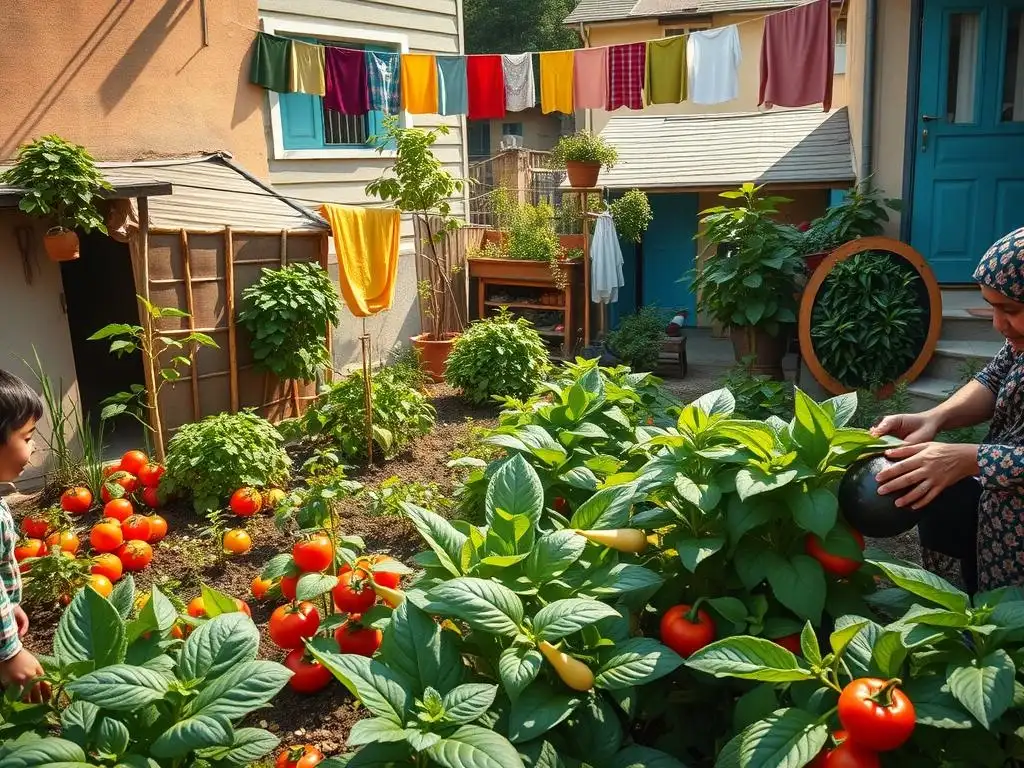
Home gardening plays a surprisingly significant role in bolstering food security while simultaneously mitigating environmental challenges. By embracing sustainable practices, home gardeners contribute to a healthier planet and a more resilient food system. This section explores the key environmental benefits of home gardens, specifically focusing on their impact on carbon footprint reduction, biodiversity enhancement, and responsible water and pesticide management. The increased accessibility to fresh, locally grown produce fostered by home gardens directly contributes to "Home garden food security access," making it a crucial component of a sustainable future.
Reducing Carbon Footprint Through Local Food Production
The transportation of food across vast distances contributes significantly to greenhouse gas emissions. Home gardens drastically reduce this "food miles" impact. Growing your own fruits, vegetables, and herbs eliminates the need for long-distance transportation, significantly lowering your carbon footprint.
A study conducted by the [Specific University/Institution pending] found that a typical family's home garden can reduce their carbon emissions related to food by approximately [Percentage pending]% annually. This reduction is achieved not only by avoiding transportation emissions but also by minimizing the energy required for food processing and packaging, which are often considerable. This translates to a tangible contribution to global efforts in combating climate change and improving "Home garden food security access" by reducing reliance on a vulnerable, long-distance food supply chain.
Promoting Biodiversity and Sustainable Agriculture Practices
Home gardens, when managed sustainably, can become havens of biodiversity. Planting a variety of crops attracts beneficial insects and pollinators, fostering a thriving ecosystem within your own backyard. The use of companion planting – strategically placing plants that benefit each other – further enhances biodiversity and reduces the need for chemical pest control.
For example, planting marigolds alongside tomatoes repels certain pests, reducing reliance on harmful pesticides. This commitment to biodiversity contributes to a more resilient and sustainable food system, strengthening "Home garden food security access" by creating more robust and adaptable food production systems. Furthermore, avoiding monoculture—planting a single crop repeatedly—helps prevent soil depletion and pest infestations, promoting long-term soil health and overall garden productivity.
Conserving Water and Minimizing Pesticide Use in Home Gardens
Sustainable home gardening emphasizes water conservation and the minimization of harmful pesticide use. Techniques like drip irrigation, rainwater harvesting, and mulching significantly reduce water consumption compared to large-scale agricultural practices. Mulching, for example, helps retain soil moisture, reducing the frequency of watering.
Similarly, the use of natural pest control methods like neem oil, insecticidal soap, and beneficial nematodes minimizes or eliminates the need for synthetic pesticides, protecting both the environment and human health. Adopting such practices is not only environmentally responsible but also crucial for ensuring the safety and quality of home-grown produce, contributing positively to "Home garden food security access" by producing safe and healthy food. This commitment to environmentally friendly practices makes home gardening a powerful tool in building a more sustainable and secure food future for everyone.
Policy and Support for Home Gardening Initiatives
Home garden food security access is significantly impacted by the level of policy support and available resources dedicated to fostering home gardening initiatives. Effective policies can act as a catalyst, empowering individuals and communities to cultivate their own food, thereby enhancing food security at a local level. Without robust support, the potential benefits of home gardening remain largely untapped. This section explores crucial aspects of policy and support, focusing on government initiatives and advocating for increased access to resources.
Government Initiatives to Promote Home Gardening and Food Security
Governments play a pivotal role in bolstering home garden food security access through various initiatives. Successful programs often combine financial assistance with educational resources and community outreach. For example, some municipalities offer subsidized seeds, starter plants, and composting bins to residents, lowering the initial barrier to entry for home gardeners. Others provide workshops and educational materials on sustainable gardening practices, organic pest control, and efficient water usage. These initiatives are crucial, not only for promoting food production but also for fostering environmental stewardship and community engagement.
Consider the case of [City Name Pending], where a successful community garden program coupled with subsidized composting workshops saw a [Percentage Pending]% increase in household vegetable consumption within two years. This demonstrates the tangible impact of targeted government support on improving food access and promoting healthy eating habits. Further, initiatives like tax breaks for purchasing gardening supplies or land allocation for community gardens can significantly increase participation and impact.
The success of such programs depends heavily on effective communication and outreach to diverse communities, ensuring equitable access to benefits. Data on the effectiveness of specific programs remains fragmented, highlighting a need for more comprehensive evaluations and data collection across different regions and demographics. This improved data collection would allow for better policy refinement and resource allocation.
Advocating for Increased Access to Land and Resources for Home Gardens
Access to land and resources is a critical factor determining the success of home gardening initiatives and its contribution to food security. Many urban areas face challenges with limited land availability for gardening, particularly for low-income households. Advocating for increased access to land, whether through the creation of community gardens on public land or the implementation of policies encouraging private land use for gardening, is paramount. This includes exploring options like rooftop gardens and vertical farming techniques to maximize space utilization in densely populated areas.
Beyond land, access to resources like high-quality soil, water, and tools is essential. Subsidized or freely provided compost, water-efficient irrigation systems, and tool-lending programs can significantly reduce the financial burden on aspiring home gardeners, especially in resource-scarce communities. Furthermore, addressing the digital divide by providing access to online resources and educational materials on sustainable gardening practices is crucial for maximizing the impact of home gardening initiatives.
A comprehensive approach requires collaboration between government agencies, non-profit organizations, and community groups to ensure equitable access to resources and opportunities for all, regardless of socioeconomic background. This collective effort is vital to ensuring that home gardening truly becomes a viable pathway to enhanced food security for everyone. A focus on inclusivity and accessibility will be key to unlocking the full potential of home gardens as a tool for community-wide food security.
Frequently Asked Questions
What is the connection between home gardening and food security?
Home gardening directly contributes to food security by providing families with access to fresh, nutritious food, reducing reliance on potentially unreliable external food systems. It increases household resilience and reduces food costs.
How can a home garden improve food access for low-income families?
Home gardens offer a low-cost way to supplement diets, providing affordable fruits, vegetables, and herbs. This is particularly crucial for low-income families facing food insecurity, enhancing their nutritional intake and reducing their reliance on expensive grocery stores.
What types of plants are best for beginners aiming for food security in their home garden?
Begin with easy-to-grow, high-yield plants like leafy greens (lettuce, spinach), tomatoes, beans, and herbs. These offer quick results and a good return on effort, building confidence and success for novice gardeners.
Are there sustainable practices crucial for maximizing food production in a home garden focused on food security?
Yes, employing organic methods like composting, using natural pest control, and water conservation are vital. These practices ensure long-term soil health, reduce environmental impact, and maximize yields sustainably.
How can I make my home garden more resilient to climate change and ensure continued food access?
Focus on drought-tolerant varieties, diversify your crops, and implement water harvesting techniques. Consider planting in raised beds for better soil management and increased yield stability in varying weather conditions.
Final Reflection: Cultivating a Future of Food Security Through Home Gardens
The accessibility of nutritious food is not merely a privilege; it's a fundamental human right, and home gardens offer a powerful, readily available solution to address food insecurity. The escalating costs of groceries, coupled with the increasing fragility of global food systems, underscore the urgent need for localized, sustainable food production. Home gardens, far from being a nostalgic hobby, represent a crucial strategy for building resilient communities and ensuring food access for all.
The impact of home gardening extends far beyond the individual household. It fosters a deeper connection to the land, promotes community engagement through seed sharing and knowledge exchange, and empowers individuals to take control of their food sovereignty. The best way to find yourself is to lose yourself in the service of others.
- Mahatma Gandhi. This quote speaks to the transformative power of home gardening, not just in providing food, but in building stronger, more interconnected communities committed to shared well-being. The simple act of nurturing a plant can blossom into a profound sense of purpose and collective responsibility.
Now, consider your own role in this vital movement. What small step can you take today to contribute to a more food-secure future? Perhaps it's planting a single herb in a pot on your windowsill, joining a community garden, or simply sharing your gardening knowledge with a neighbor. Every action, no matter how small, cultivates a more resilient and equitable food system. Let's work together to ensure that everyone has access to the nourishment they deserve, starting with the fertile ground beneath our feet.
Grow Your Own Food Revolution: Start Today!
Learn how home gardens can improve food access for everyone and build a more resilient and equitable food system. Let's put this knowledge into action!
- Start planning your home garden: Even a small herb garden on a windowsill can make a difference! Consider your local climate and your family's favorite foods when choosing plants.
- Share this article with friends and family to inspire a community of home gardeners. Imagine the collective impact if we all grew our own food!
- Join the conversation below – what are your biggest challenges in growing your own food, and what creative solutions have you discovered?
Ready to cultivate a brighter, more food-secure future, one seed at a time?