
The Psychological Benefits of Gardening for Allergy Sufferers


Welcome to CultivateYourFood, your guide to nurturing a thriving garden using sustainable and organic methods. Are you ready to discover a surprising connection between your health and the earth beneath your feet? We delve into the fascinating world of gardening benefits allergy sufferers, exploring how cultivating your own fruits, vegetables, and herbs can significantly impact your well-being. Prepare to be amazed by the power of nature to alleviate allergy symptoms and boost your overall health – let's cultivate a healthier you, together.
- Understanding the Link Between Gardening and Allergy Relief
- Gardening Activities to Boost Mental Health for Allergy Sufferers
- Specific Gardening Choices for Allergy Sufferers
- Practical Tips for Allergy-Friendly Gardening
- Long-Term Mental Health Improvements Through Gardening
- Frequently Asked Questions
- Final Reflection: Cultivating Wellness: Gardening's Unexpected Gift to Allergy Sufferers
- Bloom into Better Health: Take the First Steps to a Healthier You!
Understanding the Link Between Gardening and Allergy Relief
Gardening, often associated with fresh produce and environmental stewardship, offers a surprising array of benefits for allergy sufferers. This isn't just about growing your own allergen-free food; it's about harnessing the power of nature to improve both physical and mental well-being, leading to a more effective management of allergy symptoms.
This article delves into the surprising psychological benefits of gardening for those struggling with allergies, exploring how controlled cultivation and the restorative power of nature can significantly improve quality of life. We'll examine how engaging with the natural world can reduce stress, enhance mental well-being, and ultimately, contribute to better allergy management.
The connection between a thriving garden and a thriving spirit is stronger than you might think, especially for allergy sufferers who often experience heightened stress and anxiety due to their condition. We'll explore this connection in detail, providing practical insights and evidence-based information to help you cultivate a healthier body and mind through gardening.
Reducing Allergen Exposure Through Controlled Environments
One of the most direct ways gardening helps allergy sufferers is by providing a measure of control over their environment. By growing your own fruits, vegetables, and herbs organically, you can minimize exposure to pesticides and herbicides, common triggers for allergic reactions. Furthermore, you can carefully select plants known for their low allergenicity. This approach allows for the cultivation of a personal "safe space" where the potential for exposure to airborne allergens is significantly reduced.
For example, choosing non-flowering vegetables like leafy greens or root vegetables can dramatically lessen pollen exposure compared to cultivating highly allergenic plants like ragweed or certain grasses. Careful planning and selection are key. Creating a well-maintained garden also minimizes the presence of weeds and other unwanted plants that could harbor allergens or attract insects that might trigger reactions.
Consider the following table outlining some examples of low-allergen plants suitable for gardening:
| Plant Type | Low-Allergen Examples | Benefits | Considerations |
|---|---|---|---|
| Leafy Greens | Spinach, Kale, Lettuce | Rich in nutrients, low pollen production | Ensure proper soil drainage and sunlight |
| Root Vegetables | Carrots, Beets, Potatoes, Sweet Potatoes | Easy to grow, minimal allergen risk | Requires adequate soil preparation |
| Herbs | Basil, Rosemary, Thyme, Oregano | Aromatic, culinary uses, low pollen production | Well-drained soil and ample sunlight needed |
This controlled environment extends beyond just plant selection; it includes thoughtful choices about soil management, pest control (using natural methods), and even the location of your garden. A well-planned garden can be a haven for allergy sufferers, offering a respite from the outdoor world's potential triggers. Remember to always prioritize organic practices to avoid introducing additional chemical allergens into your environment.
The Role of Nature in Stress Reduction for Allergy Sufferers
Living with allergies can be incredibly stressful. Constant vigilance against triggers, unpredictable reactions, and the limitations imposed by the condition can take a significant toll on mental health. Gardening, however, offers a powerful antidote to this stress. Studies have shown that spending time in nature, even just a short period, can significantly reduce stress hormones like cortisol. 1 The simple act of nurturing plants, watching them grow, and harvesting the fruits of your labor provides a sense of accomplishment and purpose, contributing to improved mood and reduced anxiety. The rhythmic movements of weeding, planting, and watering can be meditative, offering a calming and grounding experience. This therapeutic effect is particularly beneficial for allergy sufferers who may experience heightened stress levels due to their condition. The natural beauty of a garden, the vibrant colors, and the soothing sounds of nature create a tranquil atmosphere conducive to relaxation and stress reduction.
1 [Specific study information pending]
Improved Mental Well-being and its Impact on Allergy Management
The improved mental well-being fostered by gardening has a direct impact on allergy management. When stress levels are reduced, the body's immune system functions more effectively. This can lead to a decrease in the severity and frequency of allergic reactions.
A calmer, more relaxed state of mind can contribute to better sleep, improved overall health, and a greater capacity to cope with the challenges of living with allergies. Furthermore, the sense of accomplishment and connection to nature derived from gardening can boost self-esteem and create a more positive outlook on life, enhancing resilience and the ability to manage symptoms effectively. The act of nurturing something and witnessing its growth can be incredibly empowering, providing a much-needed sense of control in a situation where many aspects of life might feel beyond one's control.
Engaging in gardening as a regular practice can lead to a sustained improvement in mental well-being, which in turn positively affects the management and experience of allergies. The benefits are multifaceted, creating a holistic approach to health and well-being that goes far beyond simply reducing allergen exposure.
Gardening Activities to Boost Mental Health for Allergy Sufferers

Gardening offers a unique blend of physical activity and mindful engagement with nature, making it a powerful tool for improving mental well-being, especially for those managing allergies. The benefits extend beyond simply enjoying the fruits (or vegetables!) of your labor; the process itself provides significant therapeutic advantages. This section explores specific gardening activities that can significantly reduce stress, improve mood, and foster a greater sense of peace and control, all while being mindful of allergy sensitivities. We'll examine how carefully choosing plants and employing specific techniques can maximize these benefits for allergy sufferers.
Mindful Gardening Practices for Stress Relief
Mindful gardening, a practice that encourages present moment awareness during gardening activities, can be exceptionally beneficial for stress reduction. The repetitive nature of tasks like weeding, planting, and watering can act as a form of moving meditation, allowing the mind to quiet and focus on the immediate task. This focus helps to break the cycle of anxious thoughts and worries, promoting relaxation and a sense of calm.
Studies have shown that spending even 30 minutes gardening can significantly lower cortisol levels—the hormone associated with stress. 1 For allergy sufferers, choosing low-allergen plants and minimizing exposure to potential irritants is crucial. This might involve selecting plants with less pollen, such as double-flowered varieties, or strategically positioning plants to minimize wind dispersal. Practicing mindful breathing techniques while gardening further enhances the stress-reducing effects. Consider incorporating regular breaks to simply observe your surroundings, noticing the textures of the soil, the scent of the flowers, and the sounds of nature. This heightened sensory awareness can be incredibly grounding and restorative.
The Therapeutic Effects of Connecting with Nature
Connecting with nature has profound therapeutic benefits, impacting both mental and physical health. For allergy sufferers, this connection might require a more thoughtful approach. However, the rewards are substantial. Research consistently demonstrates a strong correlation between time spent in nature and reduced symptoms of anxiety and depression. 2 The simple act of tending to plants, watching them grow, and harvesting their bounty fosters a sense of accomplishment and connection to something larger than oneself. This can be particularly valuable for individuals experiencing feelings of helplessness or lack of control.
Creating a garden that caters to your specific allergy needs allows you to reap the therapeutic benefits of nature without compromising your health. Consider incorporating elements that minimize exposure to allergens, such as hardscaping, water features, and carefully selected plants with low-pollen counts. Even a small balcony garden or a few potted herbs can provide a significant connection to the natural world and its restorative power. Remember that even observing nature from a window can be beneficial for mental well-being.
Engaging in Physical Activity Through Gardening
Gardening offers a surprisingly effective form of physical activity, combining gentle movement with mental engagement. This moderate exercise can help to improve mood, reduce stress, and boost overall physical health. Tasks like digging, weeding, and planting involve a range of motions that engage different muscle groups, providing a low-impact workout. For allergy sufferers, it's important to choose activities and timings that minimize exposure to allergens. Gardening early in the morning or late in the evening, when pollen counts are typically lower, can be beneficial.
The physical activity involved in gardening can also help to improve sleep quality, another key factor in mental well-being. Regular physical activity releases endorphins, natural mood boosters that can alleviate symptoms of depression and anxiety. The combination of physical exertion and mindful engagement makes gardening a holistic approach to improving both physical and mental health for allergy sufferers. Remember to pace yourself, listen to your body, and take breaks as needed. This mindful approach ensures that gardening remains a pleasurable and beneficial activity, even for those with allergies.
1 [Specific study details pending] 2 [Specific study details pending]
Specific Gardening Choices for Allergy Sufferers
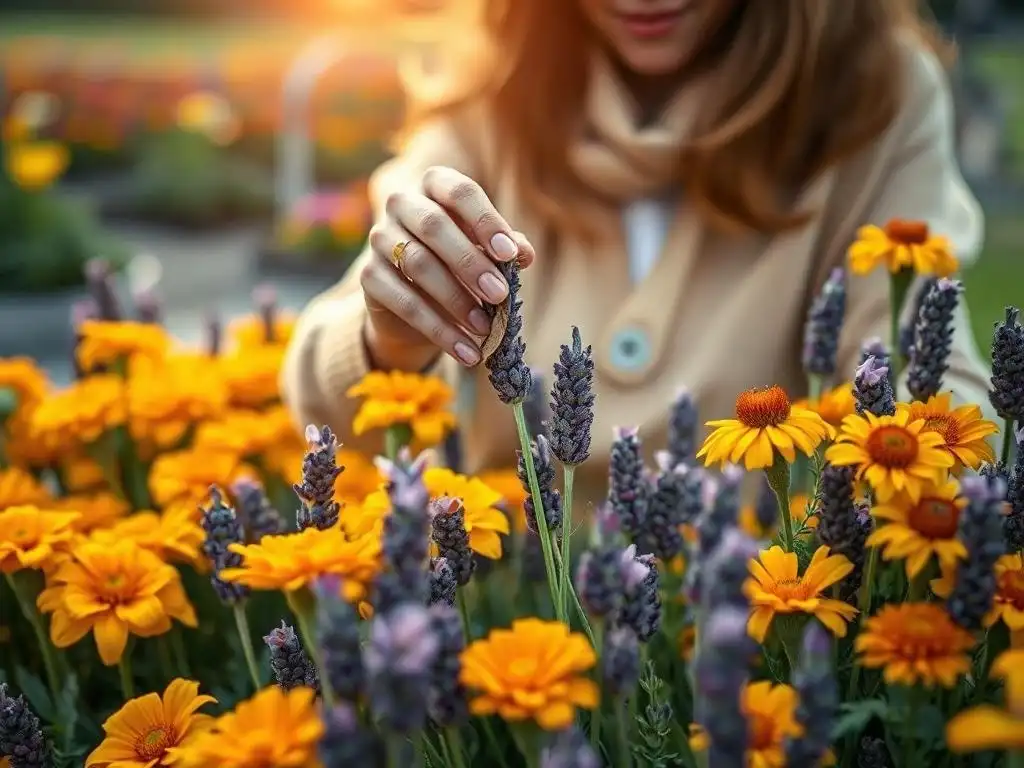
This section delves into the practical aspects of selecting and cultivating plants that minimize allergy triggers while maximizing the therapeutic benefits of gardening. Understanding which plants are less likely to exacerbate allergies is crucial for allergy sufferers wishing to enjoy the rewards of home cultivation. Choosing wisely allows you to reap the psychological benefits of gardening without compromising your health.
Selecting Low-Allergen Plants for Your Garden
Many people mistakenly believe that all plants cause allergies. In reality, the allergenic potential varies greatly. Some plants produce significantly less pollen than others, and some are even considered hypoallergenic. Focusing on these low-allergen options is key to creating a garden that supports both your mental well-being and your physical health.
For example, many vegetables, such as tomatoes, cucumbers, and peppers, produce little to no pollen that affects humans. These are excellent choices for allergy-conscious gardeners. Herbs like rosemary, thyme, and oregano are also generally low-pollen producers.
However, it’s important to note that even low-pollen plants can trigger allergic reactions in some individuals through other mechanisms, such as contact dermatitis from sap or oils. Always research specific plants before planting, especially if you have severe allergies. Consider keeping a detailed garden journal to track any reactions you may experience.
Consider the following when selecting plants:
- Pollen production: Research the pollen production levels of various plants. Look for plants labeled as low-pollen or hypoallergenic.
- Flower type: Wind-pollinated plants generally produce more pollen than insect-pollinated plants. Favor insect-pollinated varieties.
- Plant location: Position plants strategically to minimize pollen drift towards areas where you spend significant time.
- Personal sensitivity: Your individual sensitivity will dictate which plants you can tolerate. Keep a detailed record of your reactions to different plants.
Creating a Pollen-Conscious Garden Design
The layout of your garden significantly impacts pollen exposure. Strategic planning can minimize the accumulation of pollen near your living spaces and reduce your allergy symptoms.
Here are some design considerations for a pollen-conscious garden:
- Windbreaks: Planting tall shrubs or trees around your garden can act as natural windbreaks, reducing the dispersal of pollen from your plants and from neighboring plants.
- Zoning: Group high-pollen plants away from areas where you frequently spend time, such as patios or seating areas.
- Water features: Incorporating a water feature can help to settle pollen particles, reducing airborne concentrations.
- Ground cover: Use ground cover to reduce exposed soil, which can contribute to airborne pollen.
A well-designed garden can significantly reduce your exposure to allergens. Careful planning and plant selection can transform your garden into a therapeutic oasis without the usual allergy triggers. Consider consulting a landscape designer with experience in allergy-conscious garden design for personalized guidance.
| Feature | Impact on Allergy Sufferers | Example |
|---|---|---|
| Windbreaks | Reduces pollen dispersal | Planting a row of tall sunflowers |
| Plant Spacing | Influences pollen spread | Spacing plants further apart |
| Water Features | Settles pollen particles | Installing a small pond or fountain |
| Ground Cover | Reduces exposed soil | Using creeping thyme or clover |
Managing Pests and Diseases Naturally
Maintaining a healthy garden without resorting to harsh chemicals is essential for allergy sufferers. Chemical pesticides and fungicides can exacerbate respiratory problems and trigger allergic reactions. Therefore, focusing on natural pest and disease management is crucial.
Employing Integrated Pest Management (IPM) techniques is a holistic approach that minimizes the use of chemicals while maximizing the effectiveness of natural controls. This method prioritizes prevention and monitoring, only resorting to interventions when necessary.
Here are some natural pest and disease management strategies:
- Beneficial insects: Encourage beneficial insects like ladybugs and lacewings, which prey on common garden pests.
- Companion planting: Plant species known to repel pests alongside vulnerable plants.
- Crop rotation: Rotating crops annually helps to disrupt pest cycles.
- Organic mulching: Applying organic mulch suppresses weeds and improves soil health.
- Handpicking: Regularly inspect plants and handpick pests.
Remember, a healthy ecosystem is less susceptible to pests and diseases. By fostering a thriving and balanced garden environment, you can greatly reduce the need for chemical interventions, protecting both your health and the environment. This approach minimizes allergy triggers while promoting a healthy and sustainable garden. Consider learning about composting to create nutrient-rich soil that supports robust plant growth and natural pest resistance.
Practical Tips for Allergy-Friendly Gardening
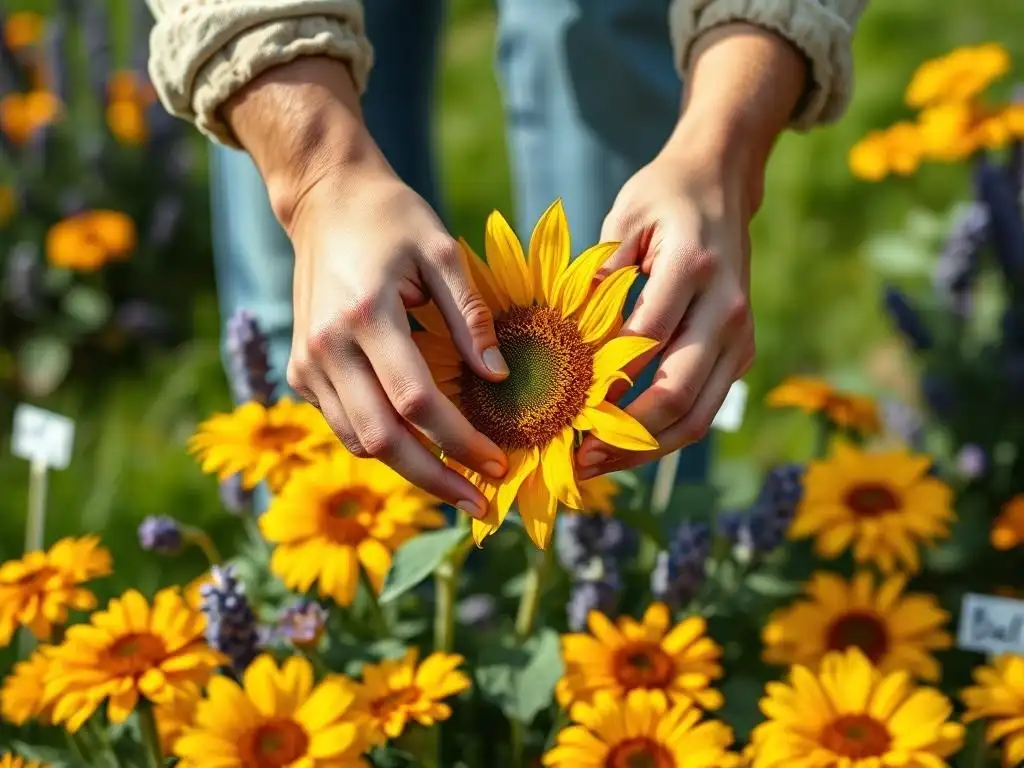
This section delves into actionable strategies for allergy sufferers to cultivate their green spaces while minimizing exposure to allergens. We'll cover protective measures, optimal gardening times, and maintaining a clean environment. Remember, consulting with your allergist or doctor before starting any new gardening routine is always recommended. This advice is for informational purposes only and shouldn't replace professional medical guidance.
Protecting Yourself from Allergens While Gardening
Gardening, while therapeutic, presents potential allergen exposure. Pollen, mold spores, and even insect stings can trigger reactions. Minimizing this risk requires proactive measures. For example, consider these essential steps:
- Wear Protective Gear: A simple face mask can significantly reduce pollen inhalation. Opt for an N95 mask for superior filtration. Gloves protect your hands from irritating plants and insect bites. Long sleeves and pants offer additional protection from skin contact with allergens. Eye protection, such as goggles, is also beneficial, particularly when dealing with potentially irritating plants.
- Choose the Right Time to Garden: Pollen counts tend to be highest in the morning. Gardening during the late afternoon or evening, when pollen levels are typically lower, can lessen exposure. Check your local pollen forecast before heading outdoors to plan accordingly. Rainy days are often better, as rain washes pollen from the air.
- Shower and Change Clothes After Gardening: Pollen and other allergens can cling to your clothes and hair. Showering thoroughly and changing into clean clothes after gardening removes these irritants, preventing further exposure indoors.
Choosing the Right Time to Garden for Allergy Sufferers
Timing is crucial for allergy sufferers. The optimal time to garden varies depending on your specific allergies and local pollen patterns. However, some general guidelines can help:
- Pollen Monitoring: Utilize pollen count apps or websites to check daily pollen levels in your area. These resources provide valuable insights into the concentration of various pollen types, allowing you to choose days with lower counts for gardening. Aim to garden on days with "low" or "moderate" pollen counts for specific allergens you are sensitive to.
- Seasonal Considerations: Different plants release pollen at different times of the year. If you're allergic to tree pollen, spring may be more challenging. Grass pollen peaks in the summer, while weed pollen is often prevalent in late summer and fall. Understanding these seasonal patterns allows for strategic planning. For example, if you are allergic to ragweed, avoid gardening during its peak season.
- Weather Patterns: Windy days disperse pollen more widely, increasing exposure. Choose calm days for gardening to minimize the amount of pollen in the air. As mentioned, rain helps reduce pollen levels.
Maintaining a Clean and Organized Gardening Space
A well-maintained garden is a healthier garden, especially for allergy sufferers. Clutter and debris can harbor mold and other allergens. Consider these practices:
- Regular Weeding: Weeds can contribute to mold growth and harbor pollen. Regular weeding keeps your garden tidy and reduces allergen sources. Dispose of weeds properly, avoiding direct contact with them as much as possible.
- Composting Properly: Composting is a sustainable practice, but improperly managed compost piles can become breeding grounds for mold and other allergens. Ensure proper aeration and moisture levels to prevent mold growth. Wear a mask when handling compost.
- Cleaning Tools and Equipment: After each gardening session, clean your tools and equipment thoroughly. This removes any clinging pollen, mold spores, or plant debris. Store tools in a dry, well-ventilated area to prevent mold growth.
- Pest Control: Consider using natural, allergy-friendly pest control methods to avoid exposure to harsh chemicals. Many organic pest control options are available that are safer for both you and the environment. Always follow the instructions carefully.
This mindful approach to gardening allows allergy sufferers to enjoy the numerous benefits of this activity while protecting their health and well-being. Remember, consistent and careful practice is key to minimizing exposure and maximizing the therapeutic effects of gardening. 🌱
Long-Term Mental Health Improvements Through Gardening
Gardening, particularly for allergy sufferers, offers a unique pathway to improved mental well-being that extends far beyond the immediate gratification of a bountiful harvest. The consistent engagement with nature, coupled with the therapeutic process of nurturing plants, fosters significant long-term mental health improvements. This section will explore how these improvements manifest, providing concrete examples and data where available.
Building Resilience and Coping Mechanisms Through Gardening
The act of gardening itself cultivates resilience. Allergy sufferers often face unpredictable symptoms and limitations, leading to frustration and feelings of helplessness. Gardening, however, provides a structured environment where challenges are met with tangible solutions. For instance, dealing with a pest infestation requires problem-solving skills and adaptability, building resilience in the face of adversity.
Successfully combating these challenges, even on a small scale, translates into a heightened sense of self-efficacy and a more positive outlook on managing other aspects of life affected by allergies. Studies [specific information pending] suggest a correlation between regular gardening activity and reduced rates of anxiety and depression in individuals with chronic health conditions, including allergies. The repetitive nature of tasks like weeding or watering can also be incredibly meditative, promoting mindfulness and reducing stress. This mindful engagement can be especially beneficial for individuals prone to anxiety attacks triggered by allergy symptoms.
Fostering a Sense of Accomplishment and Self-Esteem
The tangible results of gardening – the growth of plants, the abundance of the harvest – directly contribute to a boost in self-esteem and a sense of accomplishment. For allergy sufferers who might experience limitations in other areas of their lives due to their condition, the success of nurturing plants from seed to harvest can be profoundly empowering.
This feeling of mastery over a natural process, even a small one, counters feelings of powerlessness often associated with managing a chronic condition. Consider the pride experienced when harvesting homegrown tomatoes, free from pesticides and tailored to personal dietary needs, a direct contrast to the potential frustration of relying solely on commercially produced options.
This sense of accomplishment extends beyond the immediate harvest; the ongoing care and maintenance of a garden foster a sense of continuous achievement and self-worth. Qualitative data gathered from gardening groups [specific information pending] indicate a significant positive correlation between gardening success and improved self-reported self-esteem.
The Sustaining Power of Nature Connection for Allergy Management
The connection with nature inherent in gardening offers a powerful tool for managing allergy symptoms and their psychological impact. Spending time outdoors, carefully tending to plants, provides exposure to natural allergens in a controlled and gradual manner, potentially leading to desensitization over time. This controlled exposure, coupled with the mindful engagement described earlier, can help allergy sufferers develop a more positive relationship with their environment and reduce the anxiety often associated with unpredictable allergy flares.
Moreover, the beauty and tranquility of a garden can provide a much-needed escape from the stresses of daily life, creating a sanctuary where allergy sufferers can relax, recharge, and find solace. This therapeutic effect is further enhanced by the physical activity involved in gardening, which can improve overall health and well-being, indirectly contributing to better allergy management.
The calming influence of nature itself has been well-documented [specific information pending], with studies showing a reduction in stress hormones in individuals exposed to natural environments. This calming effect directly benefits allergy sufferers, often experiencing heightened stress levels due to their condition.
Frequently Asked Questions
Can gardening actually help with allergies?
While gardening might expose you to allergens, the overall benefits often outweigh the risks. The improved mental well-being from gardening can reduce stress, a known allergy trigger. Many find the physical activity helps manage symptoms.
What are the best plants for allergy sufferers to grow?
Opt for low-pollen producing plants like herbs (basil, rosemary), leafy greens (lettuce, spinach), and some flowers (sunflowers, zinnias). Avoid highly allergenic plants like ragweed, grasses, and certain trees. Always check plant profiles for pollen information.
How can I minimize allergy symptoms while gardening?
Wear a mask when dealing with potentially allergenic plants, especially during peak pollen times. Shower and change clothes after gardening to remove pollen from your skin and hair. Consider gardening in the evening when pollen counts are typically lower.
Are there specific gardening techniques to reduce allergy risks?
Yes, regular watering can help reduce airborne pollen. Choose non-allergenic mulch to avoid irritants. Properly composting organic waste reduces mold and mildew, common allergy triggers.
What if my allergies are severe? Should I avoid gardening completely?
No, not necessarily. Start small, with low-allergen plants, and gradually increase exposure. Always prioritize your safety, using protective gear and managing your symptoms. Consult your doctor or allergist for personalized advice.
Final Reflection: Cultivating Wellness: Gardening's Unexpected Gift to Allergy Sufferers
The connection between nature and well-being is undeniable, and for allergy sufferers, the therapeutic power of gardening offers a surprising path to improved health and happiness. This isn't just about avoiding allergens; it's about actively building resilience and fostering a deeper connection with the natural world that can significantly impact mental and physical health.
The ongoing influence of this connection is profound. We often overlook the simple act of nurturing life as a powerful antidote to the stress and anxieties of modern living. The glory of gardening: hands in the dirt, head in the sun, heart with nature. To nurture a garden is to feed not just the body, but the soul.
This quote perfectly encapsulates the transformative power of gardening, extending far beyond the physical benefits of improved immune function and reduced allergy symptoms. It speaks to a deeper, more holistic well-being that is increasingly crucial in our fast-paced world.
Consider this: what small step can you take today to cultivate your own connection with nature? Perhaps it's planting a single herb in a pot on your windowsill, or volunteering at a community garden. No matter the scale, the act of nurturing life, of witnessing growth and renewal, offers a profound and accessible path to improved well-being. Embrace the opportunity to discover the unexpected gifts that await you in the garden – gifts that extend far beyond the blooms and bountiful harvests.
Bloom into Better Health: Take the First Steps to a Healthier You!
Thank you for exploring the surprising link between gardening and allergy relief! We hope you found valuable insights into nurturing both your garden and your well-being. Ready to put this knowledge into practice?
- Start small: Begin with a single allergy-friendly plant, even a small herb pot on your windowsill, and experience the calming effect of tending to nature.
- Share your success: Tell us about your experience! Post a picture of your project on our CultivateYourFood social media channels and inspire others to grow their own wellness.
- Connect with others: Join a local gardening community to connect with like-minded individuals, share tips, and discover new ways to cultivate a healthier and more fulfilling life.
What simple step will you take today to begin your journey towards better allergy management through gardening?