
How to Air Out Your Root Cellar Effectively


Ready to unlock the secrets to a bountiful harvest, even after the growing season ends? At CultivateYourFood, we're passionate about helping you grow your own food organically and sustainably. This season, learn how to maximize the lifespan of your precious produce. Discover the critical importance of improve root cellar ventilation and ensure your carefully cultivated fruits and vegetables stay fresh and flavorful all year round. Let's dive in and explore the simple yet effective techniques that will transform your root cellar into a haven for preserving your harvest!
- Understanding Root Cellar Ventilation: The Key to Long-Term Food Preservation
- Assessing Your Root Cellar's Ventilation System: A Step-by-Step Guide
- Improving Root Cellar Ventilation: Practical Solutions and Techniques
- Maintaining Optimal Root Cellar Ventilation: Ongoing Practices
- Troubleshooting Common Root Cellar Ventilation Problems
- Advanced Techniques for Root Cellar Ventilation
- Frequently Asked Questions
- Final Reflection: Breathing New Life into Your Root Cellar
- Unlock Fresher Produce: Take Action Now!
Understanding Root Cellar Ventilation: The Key to Long-Term Food Preservation
Maintaining a root cellar is a rewarding endeavor for home gardeners and food preservation enthusiasts alike. It allows for extending the shelf life of your hard-earned harvest of fruits, vegetables, and herbs well into the winter months and beyond. However, the success of root cellaring hinges on one critical factor: proper ventilation.
This article will delve into the importance of effective root cellar ventilation, exploring how to improve airflow to prevent spoilage and ensure the longevity of your stored produce. We'll cover crucial aspects, from understanding the necessity of air circulation to identifying signs that your ventilation system needs attention. By implementing the strategies outlined here, you'll significantly improve your chances of enjoying a bountiful harvest throughout the year, minimizing waste and maximizing the benefits of your homegrown food.
Proper ventilation is not just about prolonging storage; it's about preserving the quality and nutritional value of your carefully cultivated produce. Let's explore how to optimize your root cellar's ventilation for optimal results.
The Importance of Proper Air Circulation for Root Vegetables
Proper air circulation within your root cellar is paramount for maintaining ideal storage conditions. Stagnant air leads to a build-up of moisture, carbon dioxide, and ethylene gas – all detrimental to the health of your stored root vegetables. Ethylene gas, produced by ripening fruits and vegetables, accelerates the ripening process and can cause premature spoilage. High humidity fosters the growth of mold and bacteria, leading to rot and significant losses. Conversely, good air circulation helps to:
- Maintain optimal humidity levels: A well-ventilated root cellar will prevent excessive moisture buildup, keeping humidity within the ideal range of 70-80%.
- Regulate temperature fluctuations: Airflow helps to moderate temperature swings, preventing extreme conditions that can damage your stored produce.
- Reduce carbon dioxide levels: Carbon dioxide can accumulate in a poorly ventilated space, inhibiting respiration in your stored food and leading to spoilage. Proper ventilation ensures adequate exchange of carbon dioxide for fresh oxygen.
- Minimize pest infestations: Good airflow can help to deter pests by creating an environment less hospitable to their survival.
Think of it like this: your root cellar needs to "breathe". Just as we need fresh air to thrive, so do your stored vegetables. Without proper ventilation, your root cellar becomes a breeding ground for spoilage, rendering your efforts futile. The investment in a properly functioning ventilation system is an investment in the preservation of your harvest.
Preventing Mold and Rot Through Effective Ventilation
Mold and rot are the arch-nemeses of any root cellar. These destructive forces thrive in damp, poorly ventilated environments. Effective ventilation is your first line of defense against these spoilage agents. Here's how:
- Regularly inspect your produce: Frequent checks allow for early detection of mold or rot. Removing affected items promptly prevents the spread of contamination.
- Ensure adequate airflow: Consider implementing multiple ventilation points, such as vents at both the top and bottom of your cellar, to encourage a constant flow of fresh air. This creates a natural convection current, drawing out stale, moisture-laden air.
- Maintain cleanliness: A clean root cellar is less prone to mold and bacterial growth. Regular sweeping and cleaning will remove debris and potential breeding grounds for unwanted organisms.
- Proper spacing of produce: Avoid overcrowding your root cellar. Allowing adequate space between items promotes airflow and reduces the risk of moisture buildup. This also allows for easier inspection and removal of spoiled produce.
- Use absorbent materials: Consider incorporating materials like wood shavings or charcoal to help absorb excess moisture.
Identifying Signs of Poor Root Cellar Ventilation
Recognizing the signs of inadequate ventilation is crucial for taking corrective action. Here are some key indicators that your root cellar’s ventilation needs improvement:
- High humidity levels: Excessive moisture is a clear sign of poor ventilation. You might notice condensation on walls, ceilings, or produce. A hygrometer can help you monitor humidity levels accurately.
- Musty odor: A stale, musty smell indicates a build-up of carbon dioxide and other gases. This is a clear warning sign that your ventilation system is not functioning effectively.
- Mold growth: The presence of mold is a significant red flag indicating poor air circulation and high humidity. Mold can quickly spread, contaminating your entire harvest.
- Premature spoilage: If your stored produce is spoiling faster than expected, poor ventilation could be the culprit. This is often accompanied by signs of rot and decay.
- Pest infestations: While not directly caused by poor ventilation, inadequate airflow can create an environment more conducive to pest infestations.
By carefully monitoring your root cellar and addressing any signs of poor ventilation promptly, you can significantly extend the shelf life of your harvest and enjoy the fruits (and vegetables!) of your labor for months to come. Remember, a well-ventilated root cellar is the cornerstone of successful long-term food preservation. 👍
Assessing Your Root Cellar's Ventilation System: A Step-by-Step Guide

Improving root cellar ventilation is crucial for preserving your harvest. A well-ventilated root cellar maintains optimal temperature and humidity levels, preventing spoilage and extending the shelf life of your fruits, vegetables, and herbs. This section provides a structured approach to evaluating your root cellar's ventilation, enabling you to identify areas for improvement and optimize storage conditions. Effective ventilation is key to successful root cellaring, significantly impacting the quality and longevity of your stored produce.
Inspecting Existing Vents and Airflow
Begin by thoroughly inspecting your root cellar's ventilation system. This involves identifying all existing vents, both intake and exhaust. Note their size, location, and condition. Are they screened to prevent pest entry? Are they adequately sized for the cellar's volume? A small cellar might only need a couple of small vents, while a larger one requires a more robust system. Look for any signs of damage, such as cracks or obstructions. Damaged vents compromise airflow and can lead to increased humidity or pest infestation.
Next, assess the airflow. A simple test involves holding a lightweight object, like a feather or a small piece of tissue paper, near each vent. Does it move freely? A strong, consistent airflow indicates effective ventilation. Weak or stagnant airflow signals potential problems that need addressing.
Consider the direction of the airflow – is it properly drawing in fresh air and exhausting stale, humid air? Document your findings, noting the direction and strength of airflow at each vent. This information will be essential in determining necessary improvements. Remember that proper airflow is the cornerstone of successful root cellar management, directly influencing the preservation of your carefully harvested produce.
Measuring Temperature and Humidity Levels
Accurate measurements of temperature and humidity are vital for determining the effectiveness of your root cellar's ventilation system. These measurements provide a quantitative assessment, complementing the qualitative observation of airflow. Optimal conditions typically fall within a range of 33-40°F (0.5-4.4°C) and 80-90% relative humidity. However, ideal conditions can vary slightly depending on the specific produce being stored.
Use a reliable thermometer and hygrometer to take multiple readings at different locations within the root cellar. Record these readings at various times of the day to account for diurnal temperature fluctuations. A simple data table can help organize your findings:
| Location | Time | Temperature (°F) | Humidity (%) | Notes |
|---|---|---|---|---|
| Near Intake Vent | 8:00 AM | [Data Pending] | [Data Pending] | |
| Center of Cellar | 12:00 PM | [Data Pending] | [Data Pending] | |
| Near Exhaust Vent | 6:00 PM | [Data Pending] | [Data Pending] |
Significant deviations from the ideal range suggest ventilation issues. Consistent high humidity might indicate insufficient exhaust, while consistently low humidity might suggest excessive airflow or inadequate insulation. These measurements are crucial for diagnosing problems and implementing appropriate solutions to improve root cellar ventilation. Accurate data guides your decisions and contributes to the long-term success of your root cellaring efforts.
Identifying Potential Blockages or Leaks
Once you've assessed airflow and measured temperature and humidity, carefully inspect for any potential blockages or leaks. Blockages can impede airflow, leading to stagnant air and increased humidity. Leaks, on the other hand, can allow outside air to enter, disrupting the stable temperature and humidity within the cellar.
Common blockages include debris accumulating in vents, insulation settling over vents, or even stored items obstructing airflow paths. A thorough cleaning of the vents and surrounding areas is often the first step in resolving these issues. Inspect insulation carefully, ensuring it does not restrict airflow. Properly spaced shelving is also important to ensure sufficient air circulation around stored items. Remember, even small blockages can significantly impact the overall effectiveness of your root cellar's ventilation system.
Leaks can be harder to detect. Look for cracks in the walls, floor, or ceiling. Check around pipes and utility entrances for gaps. A visual inspection may not be sufficient; consider using a smoke test to identify subtle air leaks. By addressing these issues and ensuring airtight seals where necessary, you can further improve the efficiency of your root cellar's ventilation system, ultimately preserving the quality of your stored produce. Remember, a well-sealed and unblocked root cellar is a vital component of successful long-term storage.
Improving Root Cellar Ventilation: Practical Solutions and Techniques
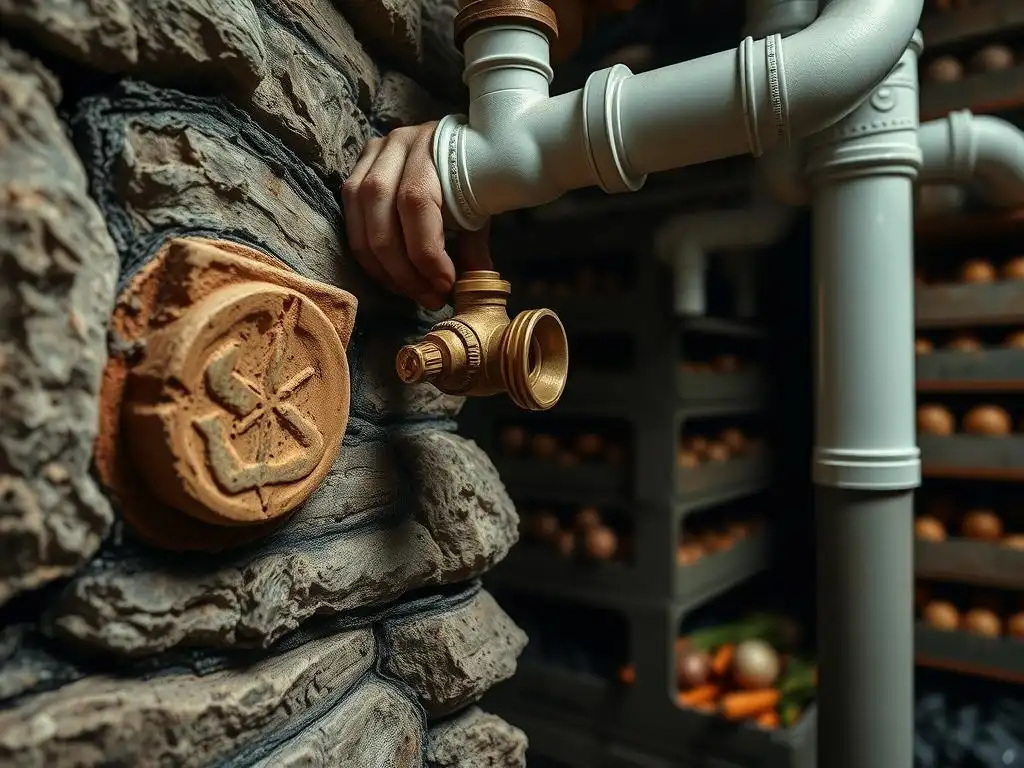
Maintaining optimal ventilation in your root cellar is crucial for preventing spoilage and extending the shelf life of your harvested produce. Poor ventilation leads to increased humidity, fostering mold growth and the decay of stored vegetables and fruits. Conversely, improved root cellar ventilation significantly enhances the storage environment, ensuring your hard work throughout the growing season doesn't go to waste. This section explores various methods to achieve effective ventilation, focusing on both natural and mechanical approaches. Remember, the goal is to create a consistent, cool, and dry environment within your root cellar.
Enhancing Natural Ventilation: Utilizing Existing Vents and Openings
Many root cellars are equipped with existing vents or openings designed to facilitate air circulation. However, these often require optimization to maximize their effectiveness. Start by thoroughly inspecting all vents and openings, looking for obstructions like debris, cobwebs, or poorly fitting screens. Remove any blockages to ensure unimpeded airflow. Consider replacing damaged or deteriorated screens with ones made of fine mesh to prevent the entry of pests while maintaining good ventilation.
The placement of vents is also critical. Ideal placement involves high-level intake vents and low-level exhaust vents, creating a natural convection current. Warm, moist air rises, exits through the higher vents, and is replaced by cooler, drier air entering through the lower vents. If your root cellar lacks strategically placed vents, you might need to consider adding them (discussed in the next section).
Here's a checklist to ensure optimal use of existing vents:
- [ ] Clean all vents thoroughly: Remove debris, cobwebs, and any other obstructions.
- [ ] Inspect and repair or replace screens: Ensure screens are intact and allow sufficient airflow.
- [ ] Assess vent placement: Ideal placement is high for exhaust and low for intake.
- [ ] Consider adding wind baffles: These can help direct airflow and prevent backdrafting.
Installing New Vents for Improved Air Circulation
If your root cellar lacks sufficient ventilation or the existing vents are inadequate, installing new vents can significantly improve air circulation and reduce humidity. The location and size of new vents should be carefully considered based on the root cellar's size and layout. Remember to maintain a balance between intake and exhaust vents to promote effective air exchange.
The installation process will vary depending on the type of material your root cellar is constructed from. For concrete or brick cellars, you'll likely need to drill holes and install vents with appropriate sealant to prevent air leaks and moisture intrusion. For wooden structures, careful cutting and sealing are crucial. It's advisable to consult a professional if you're unsure about the installation process, especially concerning the structural integrity of your root cellar.
When choosing vents, consider their size and material. Larger vents allow for greater airflow, but excessively large vents can lead to excessive cooling or drying. Durable, weather-resistant materials are crucial for long-term performance. Regular maintenance, including cleaning and inspection, is essential to ensure the vents continue to function effectively.
Utilizing Exhaust Fans for Controlled Ventilation
While natural ventilation is often sufficient, installing an exhaust fan provides additional control and ensures consistent airflow, especially in poorly ventilated root cellars or during periods of high humidity. Exhaust fans help remove excess moisture and prevent the buildup of gases produced by stored produce, further minimizing the risk of spoilage.
When selecting an exhaust fan, consider factors such as airflow capacity (CFM – cubic feet per minute), size, and noise level. A fan with a higher CFM rating is suitable for larger root cellars or those with poor natural ventilation. The fan should be appropriately sized to avoid excessive noise and energy consumption. Remember to install a timer or thermostat to control the fan's operation, preventing unnecessary energy use and ensuring consistent airflow.
Consider these points when installing an exhaust fan:
| Feature | Considerations |
|---|---|
| Placement | High on the wall for optimal exhaust. |
| Size & CFM | Match to root cellar size and desired airflow. |
| Power Source | Consider battery backup for power outages. |
| Safety Features | Ensure the fan has appropriate safety certifications. |
| Maintenance | Regular cleaning to prevent dust and debris buildup. |
Proper ventilation is key to successful root cellaring. By implementing these strategies, you can significantly improve the longevity and quality of your stored produce, ensuring a bountiful harvest throughout the year. Remember, a well-ventilated root cellar is the cornerstone of successful long-term storage! 🥕🍎🥔
Implementing Passive Ventilation Strategies
Passive ventilation relies on natural air pressure differences to move air through your root cellar. This is often the most energy-efficient and cost-effective method, especially for smaller root cellars. Effective passive ventilation hinges on creating a pathway for air to flow, utilizing the principles of stack effect and wind pressure.
The stack effect, a natural phenomenon driven by temperature differences, causes warmer air to rise and cooler air to sink. This creates a natural airflow if you have properly placed vents at both the top and bottom of your root cellar. The higher the temperature difference between inside and outside, the stronger the stack effect.
For example, a cellar that's consistently 35°F (2°C) cooler than the outside air will experience a much stronger stack effect than one only slightly cooler. This difference is crucial for maintaining proper air circulation and preventing moisture buildup, which is a major factor in improving root cellar ventilation.
To harness the stack effect, you need strategically positioned vents. A low vent, near the floor, allows cool, fresh air to enter, while a high vent, near the ceiling, allows warmer, potentially humid air to escape. The size and placement of these vents are crucial. Too small, and the airflow will be insufficient; too large, and you risk losing too much temperature control.
The ideal size depends on the volume of your root cellar and the prevailing temperature differences. Experimentation and observation may be necessary to find the perfect balance. Consider using adjustable vents, allowing for fine-tuning based on seasonal temperature fluctuations and the specific needs of your root cellar's contents. For instance, during particularly cold spells, you might slightly reduce airflow to minimize heat loss.
Wind pressure can also contribute to passive ventilation. If your root cellar has vents on opposite sides, wind can create a pressure differential, pushing air through the cellar. This is especially effective if you position vents to catch prevailing winds. However, relying solely on wind pressure isn't recommended, as it's unpredictable and can be inconsistent.
It's best used as a supplementary method in conjunction with the stack effect. Properly designed passive ventilation systems, taking advantage of both stack effect and wind pressure, are remarkably effective at improving root cellar ventilation and ensuring optimal storage conditions for your produce. Remember, careful planning and potentially some trial and error are key to finding the optimal configuration for your specific root cellar. Regular monitoring of temperature and humidity levels inside the cellar will help you fine-tune your passive ventilation system over time.
Maintaining Optimal Root Cellar Ventilation: Ongoing Practices
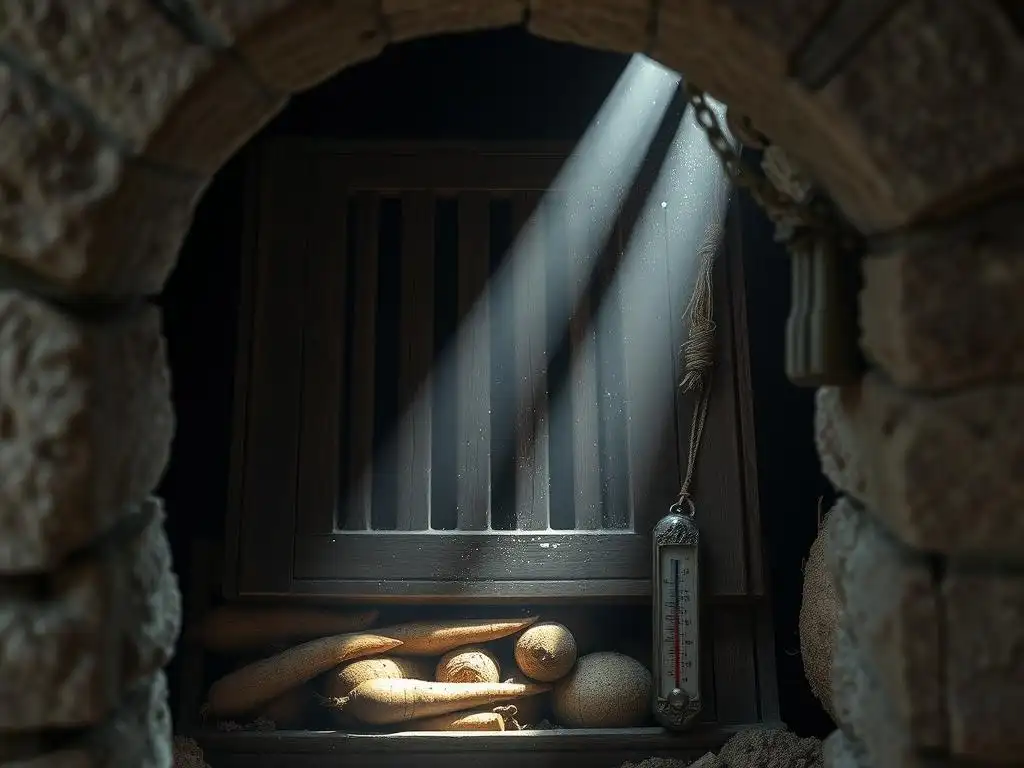
Effective root cellar ventilation isn't a one-time setup; it's an ongoing process requiring regular attention to ensure the longevity and quality of your stored produce. Neglecting these crucial maintenance tasks can lead to spoilage, mold growth, and ultimately, the loss of your hard-earned harvest. Improving root cellar ventilation is a continuous effort, and these practices will guide you through the process.
Regular Cleaning and Inspection of Vents
Regular cleaning of your root cellar's ventilation system is paramount for maintaining optimal airflow and preventing the buildup of debris that can hinder ventilation and promote the growth of unwanted microorganisms. Think of your vents as the lungs of your root cellar—they need to breathe freely!
This involves more than just a cursory glance. A thorough inspection should be conducted at least monthly, and more frequently during periods of high humidity or fluctuating temperatures. Here's a step-by-step guide:
- Exterior Vents: Carefully remove any leaves, twigs, or other debris that may have accumulated around the exterior vents. Use a soft brush or compressed air to clean out any blockages within the vent openings. Pay close attention to any signs of pest activity, such as insect nests or rodent burrows. Addressing these issues promptly prevents significant airflow restrictions.
- Interior Vents: Examine the interior vents for dust, cobwebs, or mold growth. Use a vacuum cleaner with a brush attachment to gently remove dust and cobwebs. For mold, a solution of mild soap and water can be used; however, ensure the area is completely dry before reinstalling the vent covers. Severe mold infestations may require professional remediation.
- Vent Functionality: Check that all vents are opening and closing smoothly. If any vents are stuck or malfunctioning, address the issue immediately. This might involve lubrication, minor repairs, or replacement of damaged parts. Remember, even a slightly obstructed vent can significantly impact overall airflow.
- Documentation: Keep a log of your cleaning and inspection activities. Note any issues encountered, repairs made, and the overall condition of the ventilation system. This record will prove invaluable in identifying potential problems early on and tracking the effectiveness of your maintenance efforts. This consistent monitoring will help you improve root cellar ventilation over time.
Monitoring Temperature and Humidity Levels Throughout the Season
Consistent monitoring of temperature and humidity is crucial for successful root cellaring. Fluctuations can significantly impact the quality and shelf life of your stored produce. Ideal conditions generally fall within a range of 32-40°F (0-4°C) and 70-80% relative humidity. While the exact ideal range will vary depending on the specific produce, maintaining consistency within a narrow range is key.
Several methods can be employed to monitor these critical factors:
- Thermometer and Hygrometer: A simple, reliable approach is to place a thermometer and hygrometer inside your root cellar. These instruments provide direct readings of temperature and humidity levels. Opt for digital models for accurate and easy-to-read measurements.
- Data Loggers: For more comprehensive monitoring, consider using data loggers. These devices automatically record temperature and humidity readings over time, providing a detailed history of conditions within your root cellar. This data can be invaluable in identifying trends and making informed adjustments to your ventilation strategy.
- Regular Checks: Regardless of the monitoring method used, perform regular checks – at least daily during critical periods – to ensure conditions remain within the optimal range. Regular monitoring is crucial for improving root cellar ventilation and maintaining produce freshness.
Adjusting Ventilation Based on Seasonal Changes and External Conditions
External conditions significantly influence the internal climate of your root cellar. As seasons change, so should your ventilation strategy. This proactive approach is essential for maintaining optimal conditions and minimizing the risk of spoilage.
- Summer: During warmer months, increased ventilation is usually necessary to prevent excessive humidity and temperature buildup. You might need to open vents wider or for longer periods to ensure adequate airflow. Monitor temperature and humidity closely and adjust ventilation accordingly.
- Winter: In colder climates, reduced ventilation may be required to prevent freezing. However, adequate ventilation is still crucial to prevent excessive moisture buildup that can lead to mold and rot. A balance must be struck to prevent both extremes.
- Extreme Weather: During periods of extreme heat or cold, you may need to take additional steps to protect your root cellar. This might involve adding insulation, using temporary covers over vents, or employing other strategies to buffer against external temperature fluctuations. Remember, your goal is to maintain a stable internal environment.
- Record Keeping: Keep detailed records of your ventilation adjustments, noting the dates, external conditions, and any changes made to the ventilation system. This information is crucial for future reference and helps you refine your ventilation strategies over time. This continuous refinement is key to improving root cellar ventilation year after year. 🌱
Troubleshooting Common Root Cellar Ventilation Problems
This section focuses on practical solutions to common ventilation challenges in root cellars, directly addressing issues that can compromise the long-term storage of your harvested fruits, vegetables, and herbs. Proper ventilation is crucial for maintaining optimal conditions and preventing spoilage, ultimately improving your root cellar's effectiveness and helping you improve root cellar ventilation.
Dealing with Excessive Humidity and Condensation
Excessive humidity and condensation are frequent problems in root cellars, leading to mold growth and the decay of stored produce. This is often caused by insufficient airflow or poor insulation. Here's how to tackle this:
- Improve Air Circulation: Ensure adequate air vents are installed at both the top and bottom of your root cellar. These vents should be strategically placed to promote a natural convection current, drawing in fresh, dry air from the bottom and expelling humid air from the top. Consider using adjustable vents to control airflow based on seasonal changes and humidity levels. Remember, a gentle breeze is ideal; avoid strong drafts.
- Enhance Insulation: Proper insulation is essential for maintaining a stable temperature and humidity level. Consider adding more insulation to walls and ceilings, particularly in areas where you notice significant condensation. This can be achieved using various materials such as rigid foam insulation or even a layer of straw bales for a more natural approach.
- Employ Dehumidifiers: In cases of persistent high humidity, a dehumidifier can be a valuable tool. Choose a dehumidifier appropriate for the size of your root cellar and ensure it's properly vented to avoid recirculating moist air. Regularly empty the water collection tank to prevent overflow.
- Monitor Humidity Levels: Invest in a reliable hygrometer to accurately monitor humidity levels within your root cellar. This allows you to proactively adjust ventilation or employ dehumidification strategies as needed. Maintaining humidity between 70-80% is generally ideal for long-term storage of many root vegetables.
Addressing Issues with Poor Airflow and Stagnant Air
Stagnant air is a breeding ground for mold, bacteria, and other microorganisms that can quickly spoil your carefully stored harvest. Identifying and rectifying poor airflow is vital for preserving the quality and longevity of your produce.
- Check Vent Placement and Size: Inadequate or improperly placed vents are a primary cause of poor airflow. Ensure your vents are large enough to allow for sufficient air exchange and that they are not blocked by debris, shelving, or other obstructions. Consider adding additional vents if necessary.
- Install Exhaust Fans: For larger root cellars or those with particularly poor natural ventilation, installing a low-speed exhaust fan can significantly improve air circulation. Position the fan strategically to effectively pull out stale, humid air. Be cautious not to create overly strong drafts, which can desiccate your produce.
- Regularly Inspect and Clean Vents: Regularly inspect and clean your vents to ensure they remain free from obstructions. Dust, cobwebs, and other debris can significantly impede airflow, reducing the effectiveness of your ventilation system.
- Consider a Passive Ventilation System: If you are building a new root cellar, consider incorporating a passive ventilation system into its design. These systems utilize natural airflow principles to maintain optimal ventilation without the need for mechanical components.
Resolving Problems with Mold and Rot Development
Mold and rot are serious indicators of poor root cellar conditions. Addressing these issues requires immediate action to prevent further spoilage and protect your stored produce.
| Problem | Cause | Solution |
|---|---|---|
| Mold Growth | High humidity, poor airflow, dampness | Improve ventilation, reduce humidity, clean affected areas thoroughly. |
| Rotting Produce | Excessive moisture, temperature fluctuations | Improve ventilation, maintain consistent temperature, remove affected items immediately. |
| Musty Odor | Stagnant air, decaying organic matter | Improve ventilation, clean and disinfect the cellar thoroughly. |
- Immediate Removal: Remove any visibly moldy or rotting produce immediately. Do not attempt to salvage these items; dispose of them properly to prevent the spread of contamination.
- Thorough Cleaning and Disinfection: After removing affected produce, thoroughly clean and disinfect the affected areas using a suitable solution (e.g., a diluted bleach solution). Allow the area to dry completely before restocking.
- Preventative Measures: Implementing preventative measures is crucial in avoiding future mold and rot issues. This includes maintaining proper humidity levels, ensuring adequate airflow, and regularly inspecting your stored produce for any signs of damage or spoilage. Regularly monitoring temperature and humidity levels using a hygrometer and thermometer is key to improve root cellar ventilation and prevent issues. 🥕🍎🧅
By addressing these common ventilation problems proactively, you can significantly enhance the longevity and quality of your root cellar storage, ensuring a bountiful harvest throughout the year.
Advanced Techniques for Root Cellar Ventilation
This section delves into sophisticated methods to improve root cellar ventilation, going beyond basic passive ventilation strategies. Proper airflow is crucial for maintaining ideal temperature and humidity levels, preventing spoilage, and ensuring the longevity of your stored produce. Optimizing ventilation is key to achieving optimal root cellaring and maximizing the shelf-life of your harvest. We will explore specialized systems and strategies tailored to various root cellar designs. Remember, consistent monitoring and adjustments are essential for successful root cellaring, regardless of the ventilation method employed.
Utilizing Specialized Ventilation Systems for Optimal Airflow
Passive ventilation, while effective in many cases, may not suffice in all climates or root cellar designs. For enhanced control, consider incorporating specialized ventilation systems. These systems offer precise regulation of airflow, enabling you to fine-tune the environment based on external conditions and the specific needs of your stored produce.
One option is a mechanical ventilation system. This typically involves installing a small fan, either exhaust or intake, to actively move air in and out of the cellar. Exhaust fans remove stale, humid air, while intake fans introduce fresh, cooler air. The size and power of the fan should be carefully chosen based on the volume of your root cellar. Incorrect sizing can lead to either insufficient airflow or excessive drying. Consider using a thermostatically controlled fan for automated operation, further enhancing efficiency and minimizing manual intervention.
Another advanced approach is the use of ducted ventilation. This involves installing a network of pipes or ducts to direct airflow strategically throughout the cellar. This is particularly useful in larger or irregularly shaped root cellars, ensuring even distribution of air and preventing stagnant pockets. Proper duct placement and insulation are critical for effective ducted ventilation. Insulation helps maintain consistent temperature and minimizes energy loss.
The effectiveness of any mechanical system hinges on proper installation and maintenance. Regular cleaning of fans and ducts is vital to prevent the buildup of dust and debris, which can impede airflow and potentially introduce pathogens. Consider installing filters to further enhance air quality and prevent contaminants from entering the cellar.
Integrating Humidity Control Systems with Your Ventilation Strategy
Humidity control is inextricably linked to ventilation in root cellaring. Excessive humidity promotes mold and rot, while overly dry air can cause produce to shrivel. Integrating humidity control systems with your ventilation strategy is crucial for maintaining optimal conditions.
Several methods exist to control humidity. A simple approach involves strategically placing containers of desiccant, such as calcium chloride, to absorb excess moisture. However, this method requires regular monitoring and replacement of the desiccant. For more automated control, consider using a humidity controller in conjunction with your ventilation system. These controllers monitor humidity levels and automatically adjust the fan speed or operation to maintain the desired range.
Another effective technique is the use of dehumidifiers. These appliances actively remove moisture from the air, ensuring optimal humidity levels are maintained even in humid climates. Choose a dehumidifier with a capacity suitable for the size of your root cellar. Oversized dehumidifiers can lead to overly dry conditions, while undersized ones may be ineffective.
Remember to always monitor humidity levels using a reliable hygrometer. Regular monitoring allows for timely adjustments to your ventilation and humidity control strategies, ensuring your stored produce remains in optimal condition. The balance between ventilation and humidity management is a delicate one; understanding the interplay between these two factors is key to successful root cellaring.
Strategies for Different Root Cellar Designs
The optimal ventilation strategy varies depending on the design and construction of your root cellar. Understanding your cellar's unique characteristics is paramount for successful implementation.
Earth-sheltered root cellars: These cellars rely heavily on passive ventilation, utilizing natural temperature fluctuations and airflow. Strategic placement of vents is crucial for effective airflow. Consider adding additional vents or adjusting existing ones based on the prevailing wind direction and temperature gradients. Proper insulation is also crucial to minimize temperature fluctuations.
Basement root cellars: These cellars often require more active ventilation strategies due to higher potential for humidity and temperature variations. A combination of passive and mechanical ventilation may be necessary to maintain optimal conditions. Exhaust fans can effectively remove excess moisture and stale air. Ensure proper sealing around pipes and openings to prevent unwanted drafts.
Above-ground root cellars: These cellars present unique challenges for ventilation due to their exposure to external conditions. Proper insulation and weatherproofing are critical. Consider using a combination of passive vents and a mechanical ventilation system for precise control over temperature and humidity.
Regardless of the root cellar design, regular inspection and monitoring are essential. Pay close attention to signs of condensation, mold, or excessive dryness. Adjust your ventilation strategy as needed to maintain optimal conditions and ensure the long-term preservation of your harvest. Careful attention to detail and adaptability are key to successful root cellaring, regardless of the structure used.
Frequently Asked Questions
How important is ventilation in a root cellar?
Proper ventilation is crucial for a root cellar's success. It prevents mold and rot by regulating humidity and temperature, ensuring your produce stays fresh. Without it, spoilage is almost guaranteed.
What are the signs of poor ventilation in my root cellar?
Look for high humidity, musty odors, and signs of mold or rot on stored produce. A consistently damp or clammy feeling is another indicator. Condensation on walls is a major warning sign.
How can I improve ventilation in my existing root cellar?
Depending on your setup, you might install a vent pipe system, add passive vents, or simply improve airflow with fans. Consider the size and location of your cellar when choosing a solution.
What type of ventilation system is best for a root cellar?
The best system depends on your root cellar's size, climate, and construction. A simple vent system with passive intake and exhaust vents might suffice, while others may need more complex systems with fans. Professional advice is helpful for larger or more complex root cellars.
Can I over-ventilate my root cellar?
Yes, excessive ventilation can lead to temperature fluctuations, drying out your produce, and potentially freezing in colder climates. Aim for a balance – enough ventilation to maintain proper humidity and temperature, but not so much that it compromises storage conditions.
Final Reflection: Breathing New Life into Your Root Cellar
The preservation of food, a fundamental human need, remains as crucial today as it was centuries ago. Effective root cellar ventilation isn't just a historical practice; it's a vital skill for anyone seeking food security, reducing waste, and embracing sustainable living in a world increasingly concerned with climate change and food supply chains. The principles discussed in this article—from understanding airflow dynamics to implementing practical solutions—are more relevant than ever.
The impact of proper root cellar ventilation extends far beyond simply keeping produce fresh. It represents a connection to older, more sustainable ways of life, a reminder of the importance of resourcefulness and mindful consumption. The earth provides enough to satisfy every man's needs but not every man's greed.
– Mahatma Gandhi. This quote speaks volumes about the responsible stewardship of resources, a concept intrinsically linked to the careful management of a root cellar and the prevention of spoilage. The knowledge and practices shared here contribute to a larger conversation about environmental responsibility and self-sufficiency.
Consider the implications of what you've learned. Think about how improving the ventilation in your root cellar, however small, contributes to a larger picture of reducing food waste, supporting local food systems, and fostering a deeper connection to the natural world. You have the power to make a difference, one well-ventilated root cellar at a time. Take the steps outlined in this article, and experience the satisfaction of preserving your harvest and contributing to a more sustainable future.
Unlock Fresher Produce: Take Action Now!
Thank you for learning how to maximize your root cellar's potential! You've gained valuable insights into keeping your harvest fresh and vibrant throughout the year. Now it's time to put that knowledge into practice.
Here's what you can do:
- Improve your root cellar's air circulation. Begin by checking your vents and making any necessary adjustments. Even small changes can significantly impact produce freshness.
- Monitor humidity levels to fine-tune your cellar's environment. A simple humidity monitor will help you optimize conditions for preserving your harvest.
- Share your root cellar successes (or challenges!) with our community in the comments below. Let's learn from each other!
Ready to enjoy the satisfaction of homegrown goodness all year round? What small improvement will you make to your root cellar this week?