
CultivateYourFood: Understanding Hardiness Zones for YearRound Harvest

Welcome to CultivateYourFood, your guide to a bountiful and sustainable home garden! Ready to unlock the secrets to a year-round harvest, regardless of your location? Discover the power of understanding your hardiness zone and learn how to choose the perfect plants to thrive in your unique climate. We’ll equip you with the knowledge and techniques to cultivate fruits, vegetables, and herbs organically, from planting to pest control. Let's delve into the world of best hardiness zone gardening and transform your backyard into a thriving ecosystem!
- Determining Your Hardiness Zone for Best Hardiness Zone Gardening
- Selecting Plants Suitable for Your Hardiness Zone: A Guide to Year-Round Gardening
- Best Hardiness Zone Gardening Techniques for a Continuous Harvest
- Optimizing Your Garden Layout for Maximum Yield Based on Hardiness Zone
- Advanced Techniques for Year-Round Harvesting in Challenging Hardiness Zones
- Resources and Further Learning on Best Hardiness Zone Gardening
-
Frequently Asked Questions
- What is a hardiness zone, and why is it important for gardening?
- How do I find my hardiness zone?
- What are the benefits of gardening in the right hardiness zone?
- Can I grow plants outside of my recommended hardiness zone?
- How does choosing the right plants for my hardiness zone contribute to sustainable gardening?
- Final Reflection: Nurturing Abundance: The Enduring Power of Hardiness Zones
- Unlock Your Garden's Full Potential: Year-Round Harvesting Awaits!
Determining Your Hardiness Zone for Best Hardiness Zone Gardening
Planning a year-round harvest requires a deep understanding of your local climate. This is where understanding your USDA Plant Hardiness Zone becomes crucial. Choosing the right plants for your area is paramount to successful gardening, ensuring your efforts aren't wasted on species that simply won't thrive. This article will guide you through the process of identifying your hardiness zone and using this information to plan and cultivate a thriving, sustainable garden, maximizing your harvest throughout the year.
We'll explore how to find your zone, interpret the numbers, and even consider the impact of microclimates on your gardening success. Mastering these concepts is key to achieving the best hardiness zone gardening and reaping the rewards of a bountiful, year-round harvest. Let's get started on your journey to self-sufficiency! 🌱
Finding Your USDA Plant Hardiness Zone Map
The first step in optimizing your gardening efforts for a year-round harvest is to pinpoint your USDA Plant Hardiness Zone. The USDA (United States Department of Agriculture) Plant Hardiness Zone Map is a valuable resource that divides North America into zones based on average annual minimum winter temperatures. These zones are crucial because they indicate which plants are most likely to survive and flourish in a particular area. Finding your zone is simple:
- Online Search: A quick online search for "USDA Plant Hardiness Zone Map" will bring up the official map and interactive tools. Simply enter your zip code or address to locate your specific zone.
- Interactive Map: Many websites offer interactive maps that allow you to zoom in and pinpoint your exact location with great accuracy. This is particularly helpful for those living in areas with significant microclimatic variations.
- Local Agricultural Extension Office: Your local agricultural extension office can provide accurate information about your hardiness zone and offer additional gardening advice tailored to your specific region.
Understanding the Significance of Hardiness Zone Numbers
The USDA Plant Hardiness Zone Map uses numbers ranging from 1 (coldest) to 13 (warmest). Each number represents a 10°F range of average annual minimum winter temperatures. For example, Zone 7a has an average annual minimum temperature between 0°F and 5°F, while Zone 7b ranges from 5°F to 10°F. Understanding the nuances within these zones is crucial for selecting appropriate plants.
Choosing plants rated for your specific zone significantly increases your chances of success. Selecting plants outside your zone can lead to winter kill or poor growth, ultimately reducing your harvest. Always check plant tags and seed packets for their recommended hardiness zones. 🌡️
Microclimates and Their Impact on Your Local Hardiness Zone
While the USDA Plant Hardiness Zone Map provides a general guideline, it's important to acknowledge the existence of microclimates. A microclimate is a localized area with climatic conditions that differ from the surrounding area. Factors such as elevation, proximity to water bodies, and the presence of structures or trees can all influence your local microclimate.
For example, a south-facing slope might receive significantly more sunlight and warmth than the surrounding area, effectively creating a warmer microclimate. Conversely, a low-lying area might experience colder temperatures due to frost pockets. Identifying these microclimates within your property allows for strategic planting, enabling you to grow a wider variety of plants than your overall zone might suggest.
Careful observation and understanding of your property's unique features can unlock the potential for a more diverse and abundant year-round harvest. Consider using these microclimates to your advantage, perhaps planting cold-sensitive plants in warmer microclimates and cold-hardy plants in cooler areas. ☀️❄️
Tools and Resources to Determine Your Precise Hardiness Zone
Determining your precise hardiness zone is crucial for successful gardening, especially if you aim for a year-round harvest. Several tools and resources are available to help you pinpoint your location's specific hardiness zone with accuracy. This precision is essential because even a slight difference in zone can significantly impact the success of your gardening efforts. A small shift can mean the difference between a thriving plant and one that struggles to survive the winter chill or summer heat.
One of the most readily available resources is the USDA Plant Hardiness Zone Map. This interactive map, updated periodically, provides a detailed breakdown of hardiness zones across the United States. Simply input your address or zip code, and the map will display your designated zone. Remember that microclimates can significantly influence your actual growing conditions. A south-facing slope, for example, might experience warmer temperatures than the surrounding area, effectively shifting your microclimate into a slightly warmer zone. Therefore, while the USDA map provides a valuable starting point, it's not always the final word.
Beyond the USDA map, numerous online resources and apps offer similar functionalities, some even incorporating local weather data for more refined results. These digital tools often provide additional information, such as average annual rainfall, frost dates, and growing season length. This supplementary data can be invaluable in planning your garden and selecting appropriate plant varieties. Take advantage of these resources to gain a comprehensive understanding of your site's growing conditions. Remember to cross-reference information from multiple sources for the most accurate assessment.
Beyond digital tools, consider consulting local gardening experts. Your local agricultural extension office, nurseries, and experienced gardeners in your area can provide invaluable insights into your specific microclimate. They possess firsthand knowledge of local conditions and can offer tailored advice based on their experience with plants in your area.
This personalized approach can be particularly beneficial for achieving the best results in your "best hardiness zone gardening" efforts. Don't underestimate the power of local knowledge when striving for a year-round harvest. Their advice can often make the difference between success and failure, especially for less common or more sensitive plant varieties.
Selecting Plants Suitable for Your Hardiness Zone: A Guide to Year-Round Gardening
Understanding your hardiness zone is paramount for achieving a successful and bountiful year-round harvest. This section will delve into plant selection strategies, ensuring you choose varieties that thrive in your specific climate. Mastering this aspect of gardening is key to maximizing your yield and minimizing plant stress, leading to the best hardiness zone gardening experience. Ignoring hardiness zones can lead to significant losses, wasted effort, and ultimately, disappointment.
Choosing Vegetables for Optimal Growth in Your Hardiness Zone
The success of your vegetable garden hinges on selecting appropriate varieties for your hardiness zone. Different vegetables have varying tolerances to cold and heat. For instance, cool-season crops like lettuce, spinach, and kale flourish in zones with milder temperatures, typically thriving in early spring or fall. Conversely, warm-season vegetables such as tomatoes, peppers, and zucchini require long, hot summers to produce optimal yields.
Consider this example: If you're in hardiness zone 6, you might successfully grow tomatoes during the summer months, but you’ll likely need to start them indoors earlier to give them a head start. Conversely, attempting to cultivate tomatoes in a colder zone 3 during the summer might result in limited growth and poor yields. You'd be far better off focusing on shorter season varieties or opting for hardier, cold-tolerant varieties like bush beans.
Planning your planting schedule around your zone's average first and last frost dates is critical. Knowing these dates allows you to accurately predict when you can safely plant your seeds or seedlings outdoors. Consult a local gardening calendar or your region's agricultural extension office for precise information.
Here's a helpful table summarizing vegetable types and their hardiness zone suitability:
| Vegetable Type | Ideal Hardiness Zone Range | Notes |
|---|---|---|
| Lettuce | 3-8 | Thrives in cooler temperatures; can bolt in hot weather. |
| Tomatoes | 7-10 | Needs long, warm growing season; susceptible to frost. |
| Peppers | 7-10 | Similar requirements to tomatoes. |
| Zucchini | 5-10 | Relatively heat-tolerant; prefers warm soil. |
| Spinach | 3-7 | Cool-season crop; tolerates some frost. |
| Bush Beans | 3-10 | Relatively adaptable; some varieties suitable for cooler or warmer zones. |
Remember to always check the seed packet or plant tag for specific hardiness zone recommendations. Don't hesitate to experiment with different varieties within your zone to discover what performs best in your unique microclimate.
Fruit Tree and Shrub Selection Based on Hardiness Zone
Choosing the right fruit trees and shrubs is crucial for long-term success and a consistent harvest. Fruit trees, in particular, require a considerable investment of time and resources, making the selection process even more important. Many fruit trees are not only sensitive to extreme cold but also to extreme heat.
For example, a peach tree suited to zone 7 may struggle to produce fruit in zone 5 due to insufficient chilling hours (the number of hours below a certain temperature required for proper dormancy and fruiting). Conversely, a citrus tree might not survive a harsh winter in zone 6.
When selecting fruit trees and shrubs, look for varieties specifically labeled as suitable for your hardiness zone. Nurseries often provide this information on plant tags or their website. Consult resources like the USDA Plant Hardiness Zone Map to determine your zone.
Consider these factors when choosing fruit bearing plants:
- Chilling Hours: Essential for proper dormancy and fruiting in many deciduous fruit trees.
- Heat Tolerance: Crucial for warm-climate fruits like citrus.
- Pollination: Some fruit trees require cross-pollination with another compatible variety.
- Space Requirements: Consider the mature size of the tree or shrub to ensure sufficient space.
Planting fruit trees and shrubs correctly—including proper spacing and soil preparation—will maximize their chances of thriving. Remember that even within a hardiness zone, microclimates can vary. Consider factors like sun exposure, soil drainage, and wind protection when selecting a planting location.
Herb Gardening and Hardiness Zone Considerations
Herbs, while generally more adaptable than many vegetables and fruits, still benefit from careful consideration of your hardiness zone. Hardy herbs like rosemary and thyme can withstand colder temperatures and are suitable for a wider range of zones. However, more tender herbs such as basil and cilantro require warmer conditions and longer growing seasons.
Many herbs can be successfully grown in containers, allowing you to move them indoors during colder months or provide extra protection from harsh weather. This technique extends the growing season and allows you to enjoy fresh herbs year-round, regardless of your hardiness zone.
Consider these tips for successful herb gardening:
- Start seeds indoors: For tender herbs, starting seeds indoors several weeks before the last expected frost ensures a strong start.
- Choose appropriate varieties: Select herb varieties known for their hardiness and suitability for your zone.
- Provide proper sunlight: Most herbs require at least six hours of direct sunlight per day.
- Water consistently: Herbs need consistent watering, especially during dry spells.
- Harvest regularly: Regular harvesting encourages bushier growth and extends the harvest season.
By carefully selecting plants suited to your hardiness zone, you can significantly improve your chances of achieving a year-round harvest. Remember that careful planning and attention to detail are key to success in any gardening endeavor. Happy gardening! 🎉
Extending the Growing Season with Cold Frames and Greenhouses
Cold frames and greenhouses are invaluable tools for extending the growing season, especially in areas with shorter summers or harsh winters. They provide a microclimate that protects plants from frost, excessive heat, and strong winds, allowing for earlier planting in spring and later harvests in autumn. This significantly increases the potential for a year-round harvest, even in less-than-ideal hardiness zones. Careful planning is key, however, to maximize their effectiveness.
Consider the size and type of structure you need based on your gardening goals. A small cold frame might suffice for starting seedlings or overwintering tender plants, while a larger greenhouse might be necessary for cultivating a wider variety of crops throughout the year. The material used in construction also impacts the internal temperature and light penetration. Glass greenhouses offer excellent light transmission, but can be more expensive and less energy-efficient than polycarbonate alternatives.
Polycarbonate is a more durable and cost-effective choice, offering good insulation and light transmission. Proper ventilation is crucial to prevent overheating and maintain optimal humidity levels. Many greenhouses and cold frames feature vents or adjustable coverings that allow for airflow regulation.
Choosing the right location for your cold frame or greenhouse is equally important. A sunny spot with at least six hours of direct sunlight per day is essential for optimal plant growth. Consider proximity to a water source for convenient irrigation. Proper site preparation might involve leveling the ground and ensuring adequate drainage to prevent waterlogging, which can damage plant roots.
Soil preparation within the structure is also critical. High-quality potting mix or amended soil should be used to ensure optimal nutrient availability and drainage. Remember that the soil inside a cold frame or greenhouse will heat up and cool down more quickly than the surrounding soil.
Beyond simply extending the growing season, cold frames and greenhouses can also be used to cultivate plants that are not typically suited to your hardiness zone. By controlling the temperature and humidity, you can grow tropical fruits and vegetables that would otherwise fail to thrive outdoors. For example, a greenhouse can be used to grow peppers, tomatoes, and cucumbers throughout the year, regardless of the outside temperatures.
This allows for a more diverse and abundant harvest, offering a wider variety of fresh produce even during the colder months. Careful monitoring of temperature and humidity, along with regular maintenance, is crucial to successfully cultivate these more sensitive plants. Regular checks for pests and diseases are also essential to prevent infestations that can quickly decimate your plants.
Best Hardiness Zone Gardening Techniques for a Continuous Harvest
Understanding your hardiness zone is paramount for achieving a year-round harvest. Choosing the right plants for your specific climate is the cornerstone of successful gardening, regardless of whether you're aiming for the best hardiness zone gardening setup or just trying to extend your growing season. This section delves into specific techniques to maximize your yield, irrespective of your geographical location. Optimizing your gardening practices based on your hardiness zone ensures you get the most out of your efforts, leading to a bountiful and consistent supply of fresh produce. This is key to achieving true self-sufficiency in your food production.
Soil Preparation and Enrichment for Year-Round Productivity
Optimal soil health is fundamental for year-round gardening success, especially in achieving the best hardiness zone gardening results. Regardless of your hardiness zone, enriching your soil with organic matter is crucial. This improves drainage, aeration, and water retention – all vital factors influencing plant growth. Different zones may require slightly altered approaches. For instance:
- Colder Zones (3-6): Focus on incorporating generous amounts of compost and well-rotted manure in the fall to improve soil structure and provide nutrients for spring planting. Consider adding aged wood chips to enhance drainage in heavier clay soils. A soil test is highly recommended to determine specific nutrient deficiencies.
- Moderate Zones (7-8): These zones benefit from regular additions of compost throughout the growing season. Topdressing with compost helps maintain soil fertility and moisture levels. Mulching with organic materials like straw or shredded leaves helps regulate soil temperature and suppress weeds.
- Warmer Zones (9-11): These zones often face challenges with nutrient leaching due to higher rainfall. Prioritize the use of cover crops to improve soil structure and add organic matter. Regular soil testing is crucial to monitor nutrient levels and adjust accordingly. Adding organic amendments like composted seaweed can provide vital micronutrients.
The key is to build healthy soil rich in beneficial microorganisms. This creates a thriving ecosystem that supports strong plant growth, disease resistance, and ultimately, a more abundant harvest throughout the year. Remember, healthy soil is the foundation of the best hardiness zone gardening.
Water Management Strategies for Different Hardiness Zones
Water management is a critical aspect of year-round gardening, particularly when striving for the best hardiness zone gardening practices. Water requirements vary significantly across different hardiness zones, necessitating tailored approaches.
| Hardiness Zone | Water Management Strategy | Considerations |
|---|---|---|
| 3-6 | Deep, infrequent watering; utilize mulch to retain moisture and reduce evaporation. | Cold temperatures can restrict water uptake; avoid overwatering, which can lead to root rot. |
| 7-8 | Regular watering, adjusting frequency based on rainfall and soil moisture levels. | Monitor soil moisture closely; use drip irrigation or soaker hoses for efficient water delivery. |
| 9-11 | Frequent watering, especially during hot, dry periods; consider using drought-tolerant plants. | High temperatures and evaporation rates demand increased watering frequency; consider rainwater harvesting. |
Efficient irrigation techniques, such as drip irrigation or soaker hoses, significantly reduce water waste and ensure targeted water delivery to plant roots. Mulching helps conserve soil moisture, reducing the frequency of watering. Regular monitoring of soil moisture is essential to avoid both underwatering and overwatering. Understanding your zone's typical rainfall patterns helps you adjust your watering schedule accordingly.
Pest and Disease Control Adapted to Your Hardiness Zone
Pest and disease pressure can vary significantly depending on your hardiness zone. Implementing preventative measures tailored to your specific climate is crucial for maintaining a healthy garden and achieving the best hardiness zone gardening.
- Preventative Measures: Rotating crops, practicing crop diversity, and maintaining good soil health are fundamental preventative strategies. These reduce pest and disease buildup and promote overall plant resilience.
- Zone-Specific Challenges: Colder zones may face fewer pest problems but are susceptible to fungal diseases. Warmer zones often grapple with a wider range of insect pests and diseases.
- Organic Pest Control: Employing organic pest control methods, such as beneficial insects, companion planting, and natural pesticides, minimizes environmental impact while effectively managing pests. Neem oil, insecticidal soap, and diatomaceous earth are examples of effective organic solutions.
- Disease Management: Proper sanitation, including removing diseased plants and debris, helps prevent the spread of diseases. Ensuring good air circulation within the garden reduces humidity, which can favor fungal growth.
Remember that proactive management is far more effective than reactive treatment. By understanding the specific challenges posed by your hardiness zone and implementing appropriate preventative and control measures, you can significantly reduce pest and disease pressure and maintain a thriving, productive garden year-round. This is a vital component of achieving the best hardiness zone gardening for continuous harvests.
Succession Planting for Continuous Yields in Your Hardiness Zone
Succession planting is a cornerstone of year-round harvesting, regardless of your hardiness zone. It involves planting crops in stages, ensuring a continuous supply of fresh produce. Instead of planting an entire bed of lettuce all at once, for example, you'd plant a portion every few weeks.
This staggered approach means you'll have a constant harvest, preventing the glut of a single large harvest followed by a period of nothing. The key is understanding the growth cycle of your chosen plants and your specific hardiness zone's growing season. For instance, in a warmer zone, you might plant heat-loving tomatoes in succession throughout the spring and summer, while in a colder zone, you would need to utilize techniques like cold frames or greenhouses to extend the growing season for succession planting.
Effective succession planting requires careful planning. You need to consider the space available in your garden beds, the time it takes for each crop to mature, and the potential for overlapping harvests. Detailed planning, using a garden calendar or a spreadsheet, can help you visualize the planting schedule and avoid overcrowding. Many gardeners find success using a combination of fast-growing and slow-growing varieties to ensure a constant flow of produce. Radishes, for example, mature quickly, allowing you to harvest them while slower-growing crops like carrots are still developing. This intercropping technique maximizes space utilization and ensures a consistent yield.
The success of succession planting also depends on soil health and proper plant care. Rich, well-draining soil is crucial for optimal growth. Regular watering, fertilization, and pest control are essential to maintain healthy plants and maximize yields. Consider using organic fertilizers and pest control methods in line with sustainable gardening practices.
Remember to rotate your crops annually to prevent soil depletion and minimize pest and disease problems. By diligently following these steps, you can achieve continuous yields, even in less-than-ideal conditions, optimizing your gardening efforts for a bountiful harvest throughout the year. This strategy is especially valuable for those aiming for self-sufficiency by providing a steady supply of fresh, homegrown food. Careful observation and adjustments based on your local climate and specific plant needs will further refine your succession planting technique, leading to even better results in your pursuit of "best hardiness zone gardening."
Optimizing Your Garden Layout for Maximum Yield Based on Hardiness Zone
Understanding your hardiness zone is paramount for achieving a year-round harvest, even in challenging climates. This section focuses on maximizing your garden's potential within your specific zone by strategically planning your layout. The "best hardiness zone gardening" isn't simply about planting the right things; it's about placing them optimally. Let's explore how to achieve this.
Sun Exposure and Plant Placement Strategies
Sunlight is the lifeblood of any garden. Knowing the sun's path across your plot throughout the day is crucial. For instance, in a zone with shorter days during winter, south-facing areas will receive the most sunlight. This is perfect for cold-hardy vegetables like kale and spinach that still need ample sun even in cooler temperatures. Conversely, in the summer, you might need to consider shade for heat-sensitive plants.
Detailed observation is key. Note the sun's intensity and duration in different areas of your garden at various times of the year. Use this information to create a sun map. This map should delineate areas receiving full sun (6-8 hours), partial sun (4-6 hours), and shade (less than 4 hours).
This map will be your guide for planting. For example, tomatoes, peppers, and cucumbers thrive in full sun, while lettuce and leafy greens tolerate partial shade. Proper placement minimizes stress on plants and improves your overall yield. Accurate sun exposure planning is a core component of "best hardiness zone gardening."
Utilizing Vertical Gardening Techniques
Vertical gardening is a space-saving solution that significantly increases your yield, especially important in smaller gardens or zones with limited space. This technique is particularly beneficial in colder zones where maximizing sunlight exposure is vital. Vertical gardening methods include trellises for climbing plants like beans and cucumbers, hanging baskets for strawberries and herbs, and stacked planters for maximizing vertical space.
Consider the following examples: a simple trellis can dramatically increase the yield of a tomato plant by providing support and preventing fruit rot from contact with the ground. Hanging baskets can extend your growing season by allowing you to place heat-sensitive plants in a more shaded and protected area. Using stacked planters allows you to grow more plants in the same square footage. Clever use of vertical space makes your "best hardiness zone gardening" strategy much more efficient. Experiment with different techniques to find what works best in your specific hardiness zone.
Companion Planting for Enhanced Growth and Pest Control
Companion planting, the art of strategically placing plants together to benefit one another, is a sustainable gardening practice that boosts yields and reduces pest problems. This is an essential aspect of "best hardiness zone gardening" for both yield and ecological balance.
Certain plant pairings offer mutual benefits. For example, basil planted near tomatoes repels tomato hornworms, while marigolds deter nematodes. Similarly, carrots and onions are classic companions, with the onions repelling carrot root flies. Conversely, some plants should not be planted together. For instance, planting potatoes and tomatoes together can increase the risk of blight.
Creating a companion planting plan requires research and understanding the specific needs of your chosen plants. A well-planned companion garden reduces the need for pesticides and fertilizers, promoting a healthier and more productive environment. This natural pest control is a key element of organic and sustainable "best hardiness zone gardening". It's a win-win: increased yield and a healthier ecosystem.
Crop Rotation to Maintain Soil Health and Prevent Diseases
Crop rotation is a cornerstone of sustainable gardening, especially crucial for achieving a year-round harvest in any hardiness zone. It's a practice that involves systematically changing the types of plants grown in a particular area from one growing season to the next. This simple yet powerful technique offers several key benefits, directly impacting the health of your soil and the overall yield of your garden. Neglecting crop rotation can lead to soil depletion, pest infestations, and the buildup of diseases, ultimately hindering your efforts to achieve a bountiful and consistent harvest.
One of the most significant advantages of crop rotation is its ability to improve soil fertility. Different plant families have varying nutrient requirements. For instance, heavy feeders like brassicas (broccoli, cauliflower, cabbage) deplete certain nutrients, while legumes (beans, peas) actually enrich the soil with nitrogen through a symbiotic relationship with nitrogen-fixing bacteria.
By rotating these plant families, you prevent the depletion of specific nutrients and maintain a balanced soil profile, essential for healthy plant growth. This natural approach to soil enrichment reduces or eliminates the need for synthetic fertilizers, aligning perfectly with organic and sustainable gardening practices. Think of it as giving your soil a balanced diet, preventing nutritional deficiencies that can impact the taste and quality of your produce.
Furthermore, crop rotation plays a vital role in disease and pest management. Many soilborne diseases and pests have a limited host range. By rotating crops, you disrupt the life cycle of these organisms, preventing them from building up in the soil and attacking your plants. For example, continuous planting of tomatoes in the same location can lead to a build-up of soilborne diseases like fusarium wilt.
Rotating tomatoes with a non-solanaceous crop (like legumes or alliums) breaks this cycle, reducing the risk of disease significantly. The same principle applies to many common garden pests. Rotating crops helps to prevent the buildup of pest populations and minimizes the need for harmful pesticides, keeping your garden both productive and environmentally friendly. This is a key factor in achieving a consistent year-round harvest, as disease and pest outbreaks can severely impact your yields.
Effective crop rotation plans often involve a four-year cycle, incorporating plants from different plant families. This ensures a wide range of nutrient cycling and pest disruption. For example, a typical four-year rotation might include: Year 1: Legumes (nitrogen fixers); Year 2: Heavy feeders (e.g., brassicas); Year 3: Light feeders (e.g., root vegetables); Year 4: Other crops (e.g., herbs, tomatoes).
However, the specific rotation will depend on your hardiness zone, the specific crops you are growing, and your individual soil conditions. Careful planning and record-keeping are essential for successful crop rotation and maximizing its benefits in your journey towards year-round harvesting. Remember, understanding your soil and the specific needs of your chosen plants is critical for achieving optimal results in “best hardiness zone gardening”.
Advanced Techniques for Year-Round Harvesting in Challenging Hardiness Zones
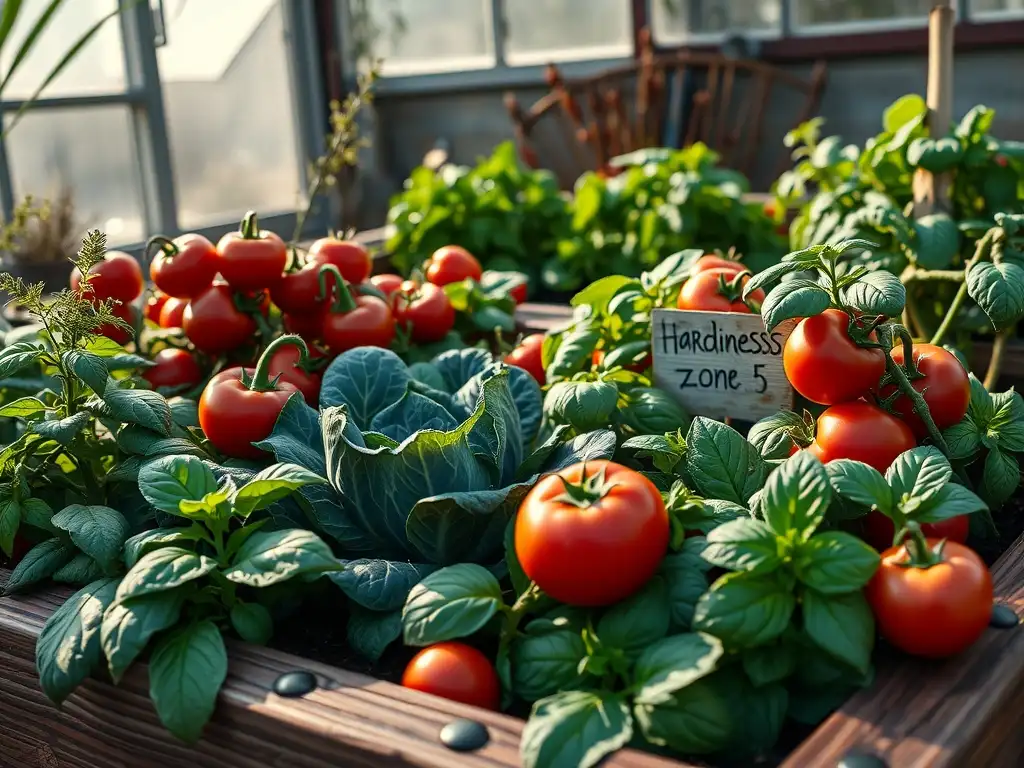
This section delves into sophisticated strategies for extending your growing season, even in hardiness zones typically characterized by short growing periods. Mastering these techniques can significantly increase your chances of achieving a bountiful year-round harvest, making your home garden a truly self-sufficient food source. The key is understanding that "best hardiness zone gardening" isn't just about choosing the right plants; it's about adapting your practices to overcome environmental limitations.
Winter Gardening Techniques for Extended Growing Seasons
Extending your growing season into winter requires proactive planning and a deep understanding of your local microclimate. Factors such as sun exposure, wind protection, and soil drainage play a crucial role. For example, a south-facing wall can create a warmer microclimate, ideal for cold-hardy greens like kale and spinach. Employing row covers or low tunnels, lightweight fabric structures that create a warmer environment, can significantly extend the lifespan of your crops.
These are particularly effective for protecting plants from frost and light freezes. Careful selection of cold-hardy varieties is also paramount; research varieties specifically bred for resilience in your region. Consider utilizing techniques like:
- Mulching: Applying a thick layer of organic mulch, such as straw or shredded leaves, insulates the soil and protects plant roots from freezing temperatures.
- Cold frames: These simple structures trap solar heat, creating a warmer environment for your plants. They are particularly useful for starting seeds early in the spring and extending the growing season into the fall and winter.
- Floating row covers: These lightweight fabrics offer protection from frost and light freezes while still allowing sunlight to reach your plants.
Furthermore, consider succession planting – strategically planting new crops as others finish their cycles – to maintain a continuous harvest throughout the year. For instance, you might plant fast-maturing lettuces and spinach after harvesting early spring crops like peas or radishes. Careful observation of your plants and the weather patterns in your specific hardiness zone is key to success.
Utilizing Protective Structures: Cold Frames and Greenhouses
Protective structures like cold frames and greenhouses are invaluable assets for extending the growing season in challenging hardiness zones. A cold frame, a low, glass-covered structure, provides a warmer microclimate than the surrounding environment, allowing you to start seeds earlier in the spring and extend the harvest later into the fall. Greenhouses, on the other hand, offer a more controlled environment, with the ability to regulate temperature, humidity, and light. The choice between a cold frame and a greenhouse depends on your budget, the space available, and the extent of your gardening ambitions.
The benefits extend beyond simply extending the growing season. These structures also offer protection from pests and diseases, as well as harsh weather conditions such as strong winds and heavy rainfall. Proper ventilation is crucial to prevent the build-up of moisture and disease, and careful monitoring of temperature and humidity is essential for optimal plant growth. Consider the following when choosing and using these structures:
- Orientation: Maximize sun exposure by orienting the structure to face south (in the Northern Hemisphere).
- Materials: Choose durable and energy-efficient materials to minimize heat loss.
- Ventilation: Incorporate adequate ventilation to prevent overheating and humidity buildup.
Choosing the right size is also critical. Overly large structures can be difficult to manage, while structures that are too small may limit your planting capacity. Careful consideration of these factors will ensure that your investment pays off with a bountiful harvest.
Hydroponics and Indoor Gardening for Year-Round Production
For truly year-round harvesting, regardless of your hardiness zone, consider hydroponics and indoor gardening. Hydroponics, a method of growing plants without soil, allows for precise control over nutrient delivery and water usage, resulting in faster growth rates and higher yields. Indoor gardening, using grow lights and controlled environments, allows you to cultivate a wide range of plants throughout the year, independent of outdoor weather conditions.
The initial investment in hydroponic systems or indoor gardening setups can be significant, but the long-term benefits, especially in areas with harsh winters or short growing seasons, can be substantial. These methods are particularly well-suited to high-value crops such as herbs and leafy greens. Furthermore, indoor gardening minimizes the risk of pest infestation and disease, unlike outdoor gardening which is susceptible to unpredictable weather patterns and pest outbreaks.
The precision and control offered by these techniques allow for optimized plant growth and consistent harvests, making them a viable option for achieving the "best hardiness zone gardening" results, even in less-than-ideal conditions. Careful planning, research into suitable plant varieties, and a commitment to monitoring and adjusting environmental conditions are key to success with these advanced techniques.
Seed Starting and Propagation Methods for Your Hardiness Zone
Understanding your hardiness zone is crucial when planning your seed starting schedule. Different plants have different germination temperatures and growth rates, and starting seeds too early or too late can significantly impact your harvest. For example, starting tomato seeds indoors six to eight weeks before the last expected frost in a zone 6 climate ensures healthy seedlings ready for transplanting once the danger of frost has passed. Conversely, starting them too early might lead to leggy, weak plants.
Choosing the right propagation method also depends on your hardiness zone and the specific plants you're growing. In colder zones, starting seeds indoors under grow lights is almost essential for many heat-loving vegetables and herbs. This provides a controlled environment to mimic ideal growing conditions, ensuring strong seedlings before transplanting outdoors. However, in warmer zones, direct sowing might be possible for some plants, saving time and resources.
Consider the length of your growing season. Shorter seasons in colder zones necessitate early indoor seed starting and possibly the use of season extenders like cold frames or row covers. In contrast, warmer zones allow for a longer outdoor growing season, increasing the options for direct sowing and succession planting.
Experimentation is key; keeping detailed records of your successes and failures can guide your future planting decisions and improve your year-round harvest strategy. For instance, tracking the germination rates of different varieties of lettuce in your specific zone will help you determine which are best suited for your climate and planting schedule.
Furthermore, propagation methods like cuttings or layering can be particularly useful for extending the harvest of certain perennials in challenging zones. Taking softwood cuttings from herbs like rosemary or lavender in early summer can create new plants to overwinter indoors, ensuring a continuous supply even during the coldest months. Similarly, layering existing plants can propagate new ones, increasing your yield while minimizing the time investment associated with starting seeds.
This is especially valuable in areas with short growing seasons, allowing you to maximize the productive life of your plants. Understanding these techniques allows you to effectively manage your resources and achieve a more robust and consistent harvest.
Resources and Further Learning on Best Hardiness Zone Gardening
This section delves into valuable resources to deepen your understanding of hardiness zones and optimize your gardening efforts for a year-round harvest. Mastering your specific zone is key to achieving the best results in "best hardiness zone gardening". We'll explore both readily available online materials and the invaluable support found within local gardening communities.
Recommended Books and Online Resources
Choosing the right resources can significantly impact your gardening success. For "best hardiness zone gardening," having access to reliable information is paramount. Below are some excellent starting points:
- Books:
- The Gardener's Guide to Growing Your Own Food: This comprehensive guide often includes detailed information on plant hardiness and regional variations, offering practical advice tailored to specific zones. Look for editions that focus on your particular region for optimal results.
- Sunset Western Garden Book: A classic resource, particularly valuable for gardeners in western North America, known for its detailed hardiness zone maps and plant recommendations. Its focus on regional specifics makes it ideal for achieving a year-round harvest within your zone.
- The Complete Guide to Organic Gardening: While not solely focused on hardiness zones, many editions cover the selection of plants appropriate for different climates, contributing significantly to successful "best hardiness zone gardening".
- Online Resources:
- USDA Plant Hardiness Zone Map: This is the cornerstone of understanding your gardening potential. Knowing your zone is the first crucial step towards planning a successful year-round harvest. Utilize this map to identify your specific zone and its associated temperature ranges.
- Local University Extension Services: These services often provide free or low-cost resources, including workshops, publications, and online advice tailored to your specific region and hardiness zone. They're an invaluable resource for mastering "best hardiness zone gardening" techniques.
- Online Gardening Forums and Communities: Engaging with experienced gardeners online can provide insights and solutions to specific challenges. Look for forums focusing on your hardiness zone to benefit from the collective knowledge of others facing similar growing conditions.
Remember to always cross-reference information from multiple sources to ensure accuracy and reliability. The combination of books and online resources provides a comprehensive approach to "best hardiness zone gardening".
Local Gardening Clubs and Communities
Connecting with your local gardening community offers unparalleled benefits for successful gardening. Learning from experienced individuals in your specific hardiness zone provides practical advice not found in books or online.
- Benefits of Joining a Local Club:
- Shared Knowledge: Tap into the collective wisdom of experienced gardeners in your area. They can offer firsthand knowledge of what thrives (and what doesn't) in your specific microclimate. This is crucial for achieving "best hardiness zone gardening" results.
- Plant Exchanges: Many clubs facilitate plant swaps, allowing you to acquire new varieties suited to your zone at a fraction of the cost.
- Workshops and Events: Clubs often host workshops and events on various gardening topics, from seed starting to pest control, further enhancing your gardening skills.
- Networking Opportunities: Build relationships with other passionate gardeners, creating a supportive network to share ideas and overcome challenges. This collaborative approach is key for mastering "best hardiness zone gardening".
- Finding Local Clubs:
- Online Searches: Search online for "[your city/region] gardening clubs" or "community gardens near me".
- Local Libraries and Community Centers: Check with your local library or community center for information on gardening groups in your area.
- Local Nurseries and Garden Centers: Many nurseries and garden centers have bulletin boards or staff who can point you towards local gardening clubs.
Joining a local gardening club is an invaluable step towards mastering "best hardiness zone gardening" and achieving a thriving year-round harvest. The support and shared knowledge are irreplaceable assets in your gardening journey. 🌱
Frequently Asked Questions
What is a hardiness zone, and why is it important for gardening?
Hardiness zones are geographical areas with similar average annual minimum temperatures. Knowing your zone helps you select plants that will thrive in your climate, ensuring successful growth and a bountiful harvest.
How do I find my hardiness zone?
The USDA Plant Hardiness Zone Map is a great resource. Simply enter your zip code or location to find your specific zone. You can also find interactive maps online.
What are the benefits of gardening in the right hardiness zone?
Gardening within your zone significantly increases your chances of success. Plants will be better adapted to the climate, resulting in stronger growth, increased yields, and reduced pest problems.
Can I grow plants outside of my recommended hardiness zone?
You can attempt to grow plants outside your zone, but it will require extra effort, such as providing protection from extreme temperatures or choosing microclimates within your garden. Success is less guaranteed.
How does choosing the right plants for my hardiness zone contribute to sustainable gardening?
Selecting plants suitable for your zone minimizes the need for extra resources like heating or excessive watering. This leads to reduced water consumption, less reliance on chemical inputs, and a more environmentally friendly gardening practice. It's a key part of sustainable gardening.
Final Reflection: Nurturing Abundance: The Enduring Power of Hardiness Zones
Understanding your hardiness zone is not just a gardening tip; it's the key to unlocking year-round abundance and resilience in the face of a changing climate. The information presented in this article, while focused on optimizing your garden's potential, speaks to a larger conversation about sustainable living and mindful resource management. By understanding the specific conditions of your environment, you empower yourself to make informed choices that benefit both your harvest and the planet.
The impact of understanding hardiness zones extends far beyond the individual garden. It fosters a deeper connection with the natural world, encouraging observation, adaptation, and a respect for the delicate balance of ecosystems. The glory of gardening: hands in the dirt, head in the sun, heart with nature. To nurture a garden is to feed not just the body, but the soul.
This quote perfectly encapsulates the profound satisfaction derived from understanding and working with nature, rather than against it. The knowledge gained empowers us to cultivate thriving gardens, contributing to local food security and a more sustainable future.
Now, consider your own garden, or even a single potted plant on your windowsill. What are its specific needs? How can you leverage the knowledge of your hardiness zone to create the ideal conditions for growth and flourishing? Take the time to observe, learn, and adapt. Embrace the challenge of cultivating your own food, not just for the bounty it provides, but for the deeper connection it fosters with the earth and the enduring satisfaction of nurturing life. Let this be your starting point for a journey of sustainable gardening and mindful living.
Unlock Your Garden's Full Potential: Year-Round Harvesting Awaits!
Thank you for learning about hardiness zones and how they can improve your gardening. You now have the knowledge to plan for a more abundant, year-round harvest! Ready to put this knowledge into practice?
- Create a personalized planting calendar: Identify your hardiness zone and research suitable plants for your area. Then, plan your planting and harvesting schedule to maximize your growing season.
- Join our CultivateYourFood community forum: Share your successes and challenges with fellow gardeners. Let's build a supportive network of growers!
- Share this article with a friend who dreams of a productive garden throughout the year. Let's spread the gardening joy!
What exciting plant are you most eager to grow now that you better understand your hardiness zone?