
Root Cellaring Secrets: How to Store Your Harvest Like Our Ancestors

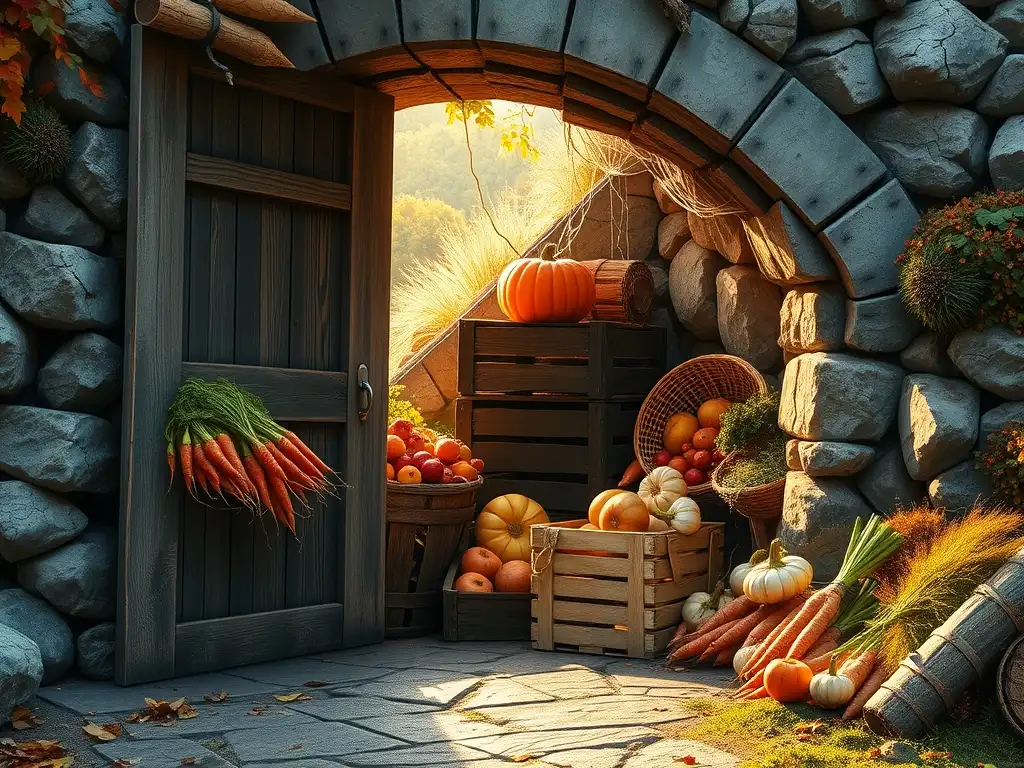
Welcome to CultivateYourFood, your guide to a bountiful and sustainable harvest! Are you ready to unlock the secrets to preserving your homegrown fruits, vegetables, and herbs? This season, go beyond simple canning and explore the ancient art of root cellar harvest storage methods, a time-tested technique that ensures you enjoy the fruits of your labor all year long.
Discover how our ancestors preserved their bounty and learn how you can too, guaranteeing a continuous supply of fresh, organic produce. Let's dive into the fascinating world of Gardening for Self-Sufficiency and begin your journey towards a more resilient and rewarding harvest!
- Understanding Root Cellar Harvest Storage Methods: A Modern Approach to Ancient Wisdom
- Planning Your Root Cellar: Location, Size, and Construction
- Preparing Your Harvest for Root Cellar Storage: Cleaning, Curing, and Sorting
- Organizing Your Root Cellar: Efficient Storage Solutions for Maximum Space Utilization
- Maintaining Your Root Cellar: Pest Control and Environmental Management
- Harvesting Your Stored Produce: Tips and Techniques for Maintaining Freshness
- Troubleshooting Common Root Cellar Problems: Mold, Rot, and Other Issues
- Frequently Asked Questions
- Final Reflection: Unearthing the Timeless Wisdom of Root Cellaring
- Unlock the Secrets of Root Cellaring!
Understanding Root Cellar Harvest Storage Methods: A Modern Approach to Ancient Wisdom
Root cellaring, a time-honored tradition dating back centuries, offers a remarkably effective and sustainable method for preserving your homegrown harvest. This technique, utilized long before refrigeration and modern food preservation methods, leverages the natural coolness and humidity of the earth to extend the shelf life of fruits, vegetables, and root crops far beyond what's possible with conventional storage. This article delves into the practical aspects of root cellaring, exploring its benefits, comparing it to other preservation techniques, and outlining essential considerations for successfully storing your bounty throughout the winter months, all while aligning with sustainable and organic principles.
Mastering these "root cellar harvest storage methods" can significantly reduce food waste and ensure a year-round supply of fresh, homegrown produce, embodying the spirit of self-sufficiency and minimizing your environmental impact. Let's unearth the secrets of this ancient practice and discover how you can reap the rewards of a well-preserved harvest.
The Benefits of Root Cellaring for Long-Term Food Preservation
Root cellaring offers a multitude of advantages over modern preservation methods. The primary benefit is the preservation of the natural flavor, texture, and nutritional value of your produce. Unlike canning or freezing, which can alter the taste and texture, root cellaring maintains the integrity of your fruits and vegetables. This is because the produce is stored in a cool, dark, and humid environment that mimics its natural growing conditions. This gentle preservation process ensures that your stored produce retains its vitamins and minerals, providing you with truly nutritious food throughout the winter.
Furthermore, root cellaring is an incredibly sustainable method. It requires minimal energy consumption, unlike refrigeration or freezing, contributing to a smaller carbon footprint. It minimizes packaging waste associated with commercially produced food and reduces reliance on external food systems. The process itself can even be enhanced by incorporating compost from your garden, creating a closed-loop system that supports both food production and waste management. The reduced reliance on energy-intensive methods contributes to significant cost savings in the long term, making it a truly economical preservation technique.
Consider the following table highlighting the key benefits:
| Benefit | Description |
|---|---|
| Preserves Flavor | Maintains the original taste and texture of your produce. |
| Retains Nutrients | Minimizes nutrient loss compared to other preservation methods. |
| Sustainable | Low energy consumption and minimal packaging waste. |
| Economical | Reduces reliance on external food systems and lowers long-term costs. |
| Simple Process | Relatively easy to learn and implement, though requiring initial setup. |
Comparing Root Cellaring to Other Harvest Storage Techniques: Canning, Freezing, and Dehydration
While root cellaring offers unique advantages, it's important to compare it to other popular harvest storage methods to understand its place in a comprehensive food preservation strategy. Canning, freezing, and dehydration each have their own strengths and weaknesses.
Canning, for instance, is excellent for preserving high-acid foods like fruits and tomatoes, offering a long shelf life. However, it requires significant time and effort, specialized equipment, and can alter the texture and flavor of some produce. Freezing, while convenient and effective for many vegetables, can cause some to lose texture and nutrients. Dehydration, ideal for preserving herbs and certain fruits, also involves a time investment and may not be suitable for all types of produce.
Root cellaring, in contrast, presents a simpler, more natural, and less energy-intensive approach. It’s best suited for root vegetables, certain types of apples, and other produce that thrives in cool, humid conditions. The best strategy often involves a combination of these methods, leveraging the strengths of each to maximize the preservation of your harvest. For example, you might use root cellaring for potatoes and carrots, canning for tomatoes, and freezing for berries. A well-rounded approach ensures that you have a diverse and well-preserved supply of homegrown food throughout the year.
Planning Your Root Cellar: Location, Size, and Construction
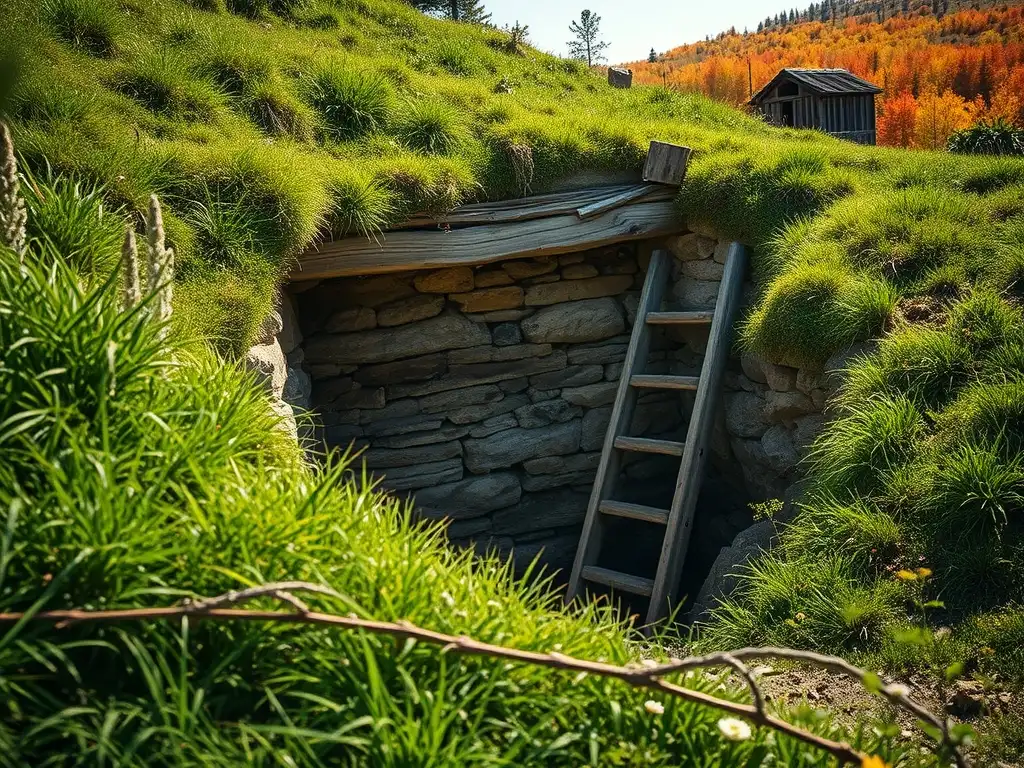
Constructing a root cellar represents a significant investment in preserving your harvest, offering a sustainable and efficient method for long-term food storage. Careful planning in the initial stages is crucial for success. This section will guide you through the key considerations for location, size, and construction methods, ensuring your root cellar provides optimal conditions for preserving your fruits, vegetables, and herbs throughout the year. Understanding these aspects will help you achieve optimal "root cellar harvest storage methods" for your specific needs and circumstances.
Choosing the Ideal Location for Your Root Cellar: Considerations for Temperature and Humidity
The location of your root cellar is paramount. Its success hinges on maintaining a consistently cool and humid environment, typically between 33°F and 40°F (0°C and 4°C) and a relative humidity of 80-90%. Avoid areas prone to flooding or excessive sunlight. North-facing slopes are often ideal, as they provide natural shade and relatively stable temperatures. Consider these factors:
- Ground Temperature: Perform soil temperature readings at various depths and times of year to determine the natural temperature fluctuations at your chosen location. This data will inform your insulation choices.
- Water Table: A high water table can lead to flooding and damage your root cellar. Consult local resources or a professional to assess the water table level on your property. Proper drainage is crucial.
- Proximity to the House: While independence is desirable for temperature regulation, proximity to your home can simplify access and monitoring, particularly during harsh weather. However, avoid locations directly under the house, which may be subject to temperature changes from above.
Remember, consistent temperature and humidity are key to preventing spoilage and maintaining the quality of your stored produce. Thorough investigation into your specific site conditions is vital for successful root cellar construction. This careful planning is a cornerstone of effective "root cellar harvest storage methods."
Essential Design Elements for Optimal Root Cellar Functionality: Ventilation and Insulation
Optimal root cellar functionality depends heavily on proper ventilation and insulation. These elements work in tandem to maintain the ideal temperature and humidity range, preventing rot and spoilage.
- Ventilation: Proper ventilation is crucial for preventing moisture buildup and mold growth. A passive ventilation system, incorporating vents at both the top and bottom of the cellar, allows for natural air exchange. The lower vent should be near the floor, while the upper vent should be near the ceiling. Consider adjustable vents to control airflow based on seasonal temperature fluctuations. This is paramount for successful "root cellar harvest storage methods."
- Insulation: Insulation helps maintain a consistent temperature within the cellar, minimizing the impact of external temperature fluctuations. Consider using materials with high R-values, such as rigid foam insulation or straw bales. Proper insulation significantly reduces energy consumption and improves the overall efficiency of your root cellar. The thickness of insulation should be determined based on your local climate and soil temperature data.
The interplay between ventilation and insulation is delicate. Too much ventilation can lead to excessive dryness, while insufficient ventilation can cause excessive humidity. Careful design and monitoring are essential for achieving the optimal balance. Consider using a hygrometer and thermometer to monitor temperature and humidity levels regularly.
Building a Root Cellar: DIY vs. Professional Construction
Building a root cellar can be a rewarding DIY project, but it requires significant planning and effort. Alternatively, engaging a professional contractor offers expertise and efficiency.
| Method | Advantages | Disadvantages | Cost | Time Commitment |
|---|---|---|---|---|
| DIY Construction | Cost-effective, personalized design, sense of accomplishment | Requires significant skill and time, potential for errors, may not meet code | Low | High |
| Professional Construction | Expertise, efficient construction, guaranteed quality, adherence to code | Higher cost, less control over design | High | Low |
Choosing between DIY and professional construction depends on your skills, budget, and time constraints. If you lack experience in construction or lack the time to dedicate to the project, hiring a professional is the safer and often more efficient option. However, for skilled individuals with ample free time, a DIY approach can be a fulfilling way to build a custom root cellar tailored to your precise needs and optimize your "root cellar harvest storage methods." Careful consideration of these factors is essential before starting your project.
Preparing Your Harvest for Root Cellar Storage: Cleaning, Curing, and Sorting
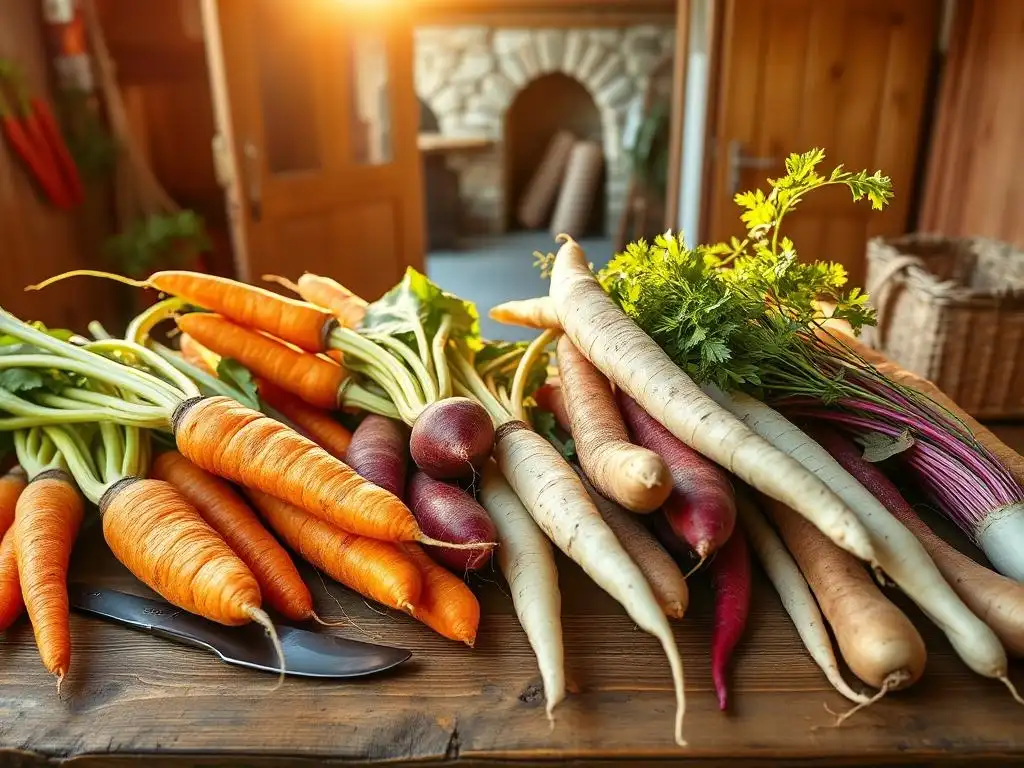
This section details the crucial pre-storage steps necessary to ensure your root cellar harvest storage methods are successful. Proper preparation significantly impacts the longevity and quality of your stored produce. Neglecting these steps can lead to rapid spoilage and wasted effort. Remember, the goal is to maximize the shelf life of your hard-earned bounty using time-tested techniques.
Proper Cleaning Techniques to Prevent Rot and Spoilage
Before entering your root cellar, meticulous cleaning is paramount. Dirt, debris, and pest eggs harboring on your harvested fruits and vegetables can quickly lead to rot and fungal growth, jeopardizing your entire store. The key is gentle yet thorough cleaning. Avoid harsh chemicals, opting instead for natural methods.
Here's a step-by-step guide for effective cleaning:
- Gentle Brushing: Begin by gently brushing off excess soil and debris using a soft-bristled brush. For delicate produce like berries or leafy greens, a gentle rinse under cool water may suffice.
- Vinegar Rinse (Optional): A diluted vinegar solution (one part white vinegar to ten parts water) can be used to further sanitize produce. This helps eliminate surface bacteria and potential pathogens. Rinse thoroughly afterward.
- Careful Inspection: Closely inspect each item for any signs of damage, bruising, or disease. Discard anything showing signs of rot or decay. Even a small blemish can quickly spread, compromising the surrounding produce. This is crucial for successful root cellar harvest storage methods.
- Air Drying: After cleaning, allow your produce to air dry completely before storage. Excess moisture is a breeding ground for mold and bacteria. Spread produce on clean cloths or trays in a well-ventilated area.
Remember, preventing rot is key to successful root cellar storage. By adhering to these cleaning protocols, you significantly increase the chances of preserving your harvest for the winter months.
Curing Your Harvest: Essential Steps for Extended Shelf Life
Curing is a critical step often overlooked, but it's essential for extending the shelf life of certain root vegetables and other produce. Curing involves allowing the produce to heal and develop a protective outer layer, reducing moisture loss and preventing rot. This process varies depending on the type of produce.
Here are some examples:
- Squash: Winter squash varieties like butternut, acorn, and spaghetti squash require a curing period of 2-3 weeks in a warm, dry, and well-ventilated area (around 80-85°F and 50-60% humidity). This allows the skin to harden, creating a natural barrier against decay.
- Onions and Garlic: After harvesting, allow onions and garlic to dry in a well-ventilated area for several weeks. This allows the outer layers to dry and prevents premature sprouting.
- Potatoes: Potatoes benefit from a period of curing at slightly lower temperatures (around 50-55°F) for a few weeks after harvest. This helps them heal and improves their storage life.
The specifics of curing will vary depending on your climate and the specific varieties you’re storing. Always research the best practices for each type of produce to optimize your root cellar harvest storage methods.
Sorting and Selecting Produce for Root Cellar Storage
Before placing your produce into the root cellar, meticulous sorting is essential. Proper sorting ensures that produce is stored appropriately, preventing cross-contamination and maximizing storage life. This process involves:
- Separating by Type: Group produce of the same type together. This allows for better monitoring and prevents the spread of spoilage from one type of produce to another.
- Sorting by Size and Condition: Separate large and small items, as well as those in perfect condition from those with minor blemishes. Store the best produce in a separate area to preserve quality.
- Removing Damaged Items: Again, remove any produce showing signs of damage, disease, or rot. These items should be used immediately or composted to prevent contamination of the rest of your harvest.
By carefully following these preparation steps, you significantly improve your chances of successfully preserving your harvest in a root cellar, ensuring you have access to fresh, homegrown food throughout the winter months. Remember, proper preparation is the cornerstone of effective root cellar harvest storage methods.
Organizing Your Root Cellar: Efficient Storage Solutions for Maximum Space Utilization
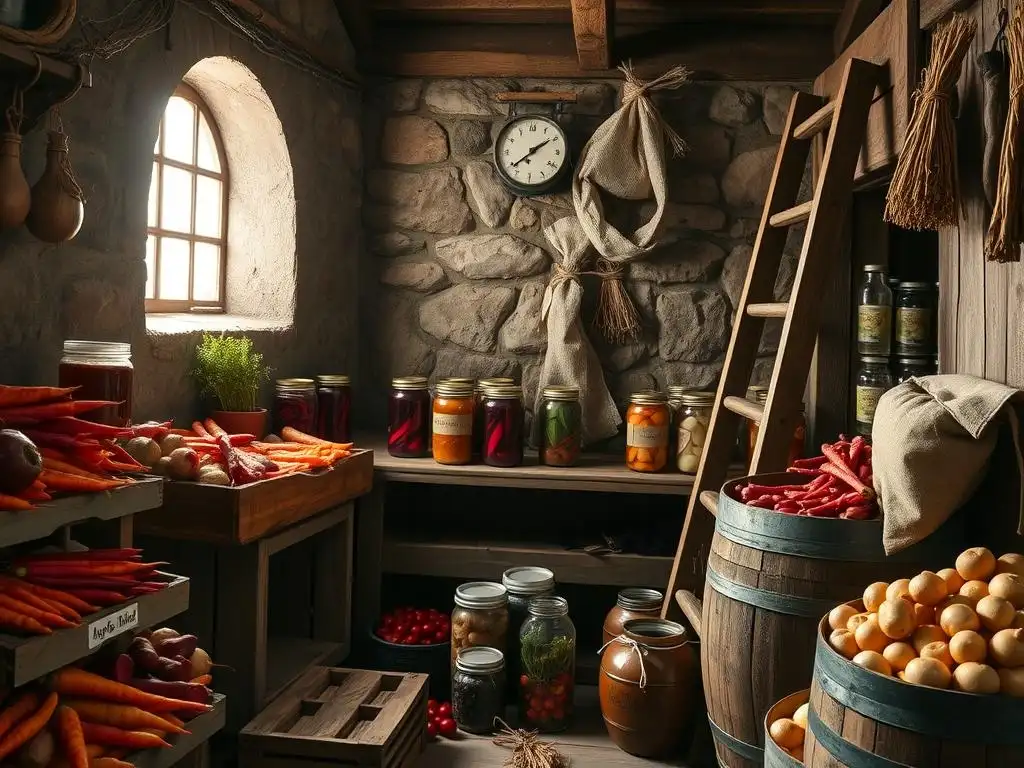
Efficient organization is key to maximizing the lifespan and quality of your root cellar harvest. Proper storage prevents spoilage and ensures you can enjoy your homegrown bounty throughout the winter months. The goal is to create a system that allows for easy access to your stored produce while preventing damage and decay. This involves careful consideration of storage methods, utilizing vertical space, and maintaining optimal environmental conditions.
Remember, even the smallest root cellar can accommodate a surprising amount of produce with strategic planning and efficient organization. This section focuses on practical strategies for maximizing space utilization within your root cellar, regardless of its size. Effective organization is crucial for successful root cellar harvest storage methods.
Maximizing Space with Creative Storage Solutions: Shelves, Bins, and Racks
One of the most effective ways to maximize space in a root cellar is through the strategic use of shelving, bins, and racks. Avoid simply piling produce on the floor; this leads to crushing, bruising, and increased risk of spoilage. Instead, consider these options:
- Adjustable Shelving: Invest in adjustable shelving units. This allows you to customize the height of shelves to accommodate different sizes of produce and containers. Think about the varying sizes of your potatoes, onions, carrots, and other items. You can create dedicated spaces for specific crops.
- Stackable Bins: Using stackable, breathable bins (e.g., plastic bins with ventilation holes or woven baskets) is a great way to keep produce organized and protected from pests and moisture. Label each bin clearly with the contents and the harvest date for easy identification.
- Wire Racks: Wire racks are ideal for storing root vegetables that require good air circulation, such as potatoes and sweet potatoes. The airflow prevents moisture buildup, which can lead to rot. Consider tiered wire racks to utilize vertical space efficiently.
- Hanging Baskets: For items like garlic or onions that can be braided, hanging baskets are a space-saving solution. This keeps them off the ground and allows for good air circulation.
Remember to leave sufficient space between containers to allow for good airflow. Overcrowding leads to poor air circulation and increased humidity, which promotes the growth of mold and bacteria. A well-organized root cellar is a key component of successful root cellar harvest storage methods.
Optimizing Humidity and Air Circulation for Optimal Storage Conditions
Maintaining the right humidity and air circulation is critical for preserving the quality and longevity of your stored produce. Too much humidity encourages mold growth, while insufficient humidity can cause produce to shrivel. Good air circulation prevents stagnant air, which can also promote spoilage. Here are some techniques for optimizing both:
- Ventilation: Proper ventilation is paramount. A root cellar should have some form of ventilation system, whether it's passive (e.g., vents or windows) or active (e.g., a fan). Regularly check your ventilation system to ensure it's working effectively. Aim for a slow, consistent airflow to prevent rapid temperature fluctuations.
- Humidity Control: Monitor humidity levels regularly using a hygrometer. Ideal humidity for most root vegetables is around 80-90%. If humidity is too high, consider adding a dehumidifier or improving ventilation. If humidity is too low, you might introduce shallow pans of water to increase moisture levels. The best approach often involves a balance between ventilation and humidity control.
- Strategic Placement: Consider the placement of produce within the root cellar. Place produce that requires more humidity (e.g., carrots) closer to the ground, while produce that needs better air circulation (e.g., potatoes) can be placed higher up or on wire racks. Careful placement is an often-overlooked aspect of effective root cellar harvest storage methods.
Monitoring Temperature and Humidity Levels in Your Root Cellar
Consistent monitoring is crucial for successful root cellar harvest storage methods. Regularly check and record temperature and humidity levels to ensure they remain within the optimal range for your stored produce. Significant fluctuations can compromise the quality and lifespan of your harvest.
- Monitoring Tools: Invest in a reliable thermometer and hygrometer. These tools will provide accurate readings of temperature and humidity levels. Digital models with data logging capabilities can be particularly useful for tracking changes over time. Consistent monitoring helps you identify potential problems early on.
- Regular Checks: Aim to check temperature and humidity levels at least once a week, or more frequently during periods of extreme weather. Record your readings in a logbook or spreadsheet to track trends and identify any patterns.
- Adjustments: Based on your readings, make necessary adjustments to ventilation, humidity control, or the placement of your produce. Regular monitoring enables proactive adjustments and helps prevent spoilage. This proactive approach is a hallmark of successful root cellar harvest storage methods.
By diligently monitoring and adjusting the conditions within your root cellar, you can significantly increase the chances of successfully preserving your harvest throughout the winter months. This regular monitoring, combined with the other strategies discussed, ensures the long-term success of your root cellar.
Maintaining Your Root Cellar: Pest Control and Environmental Management
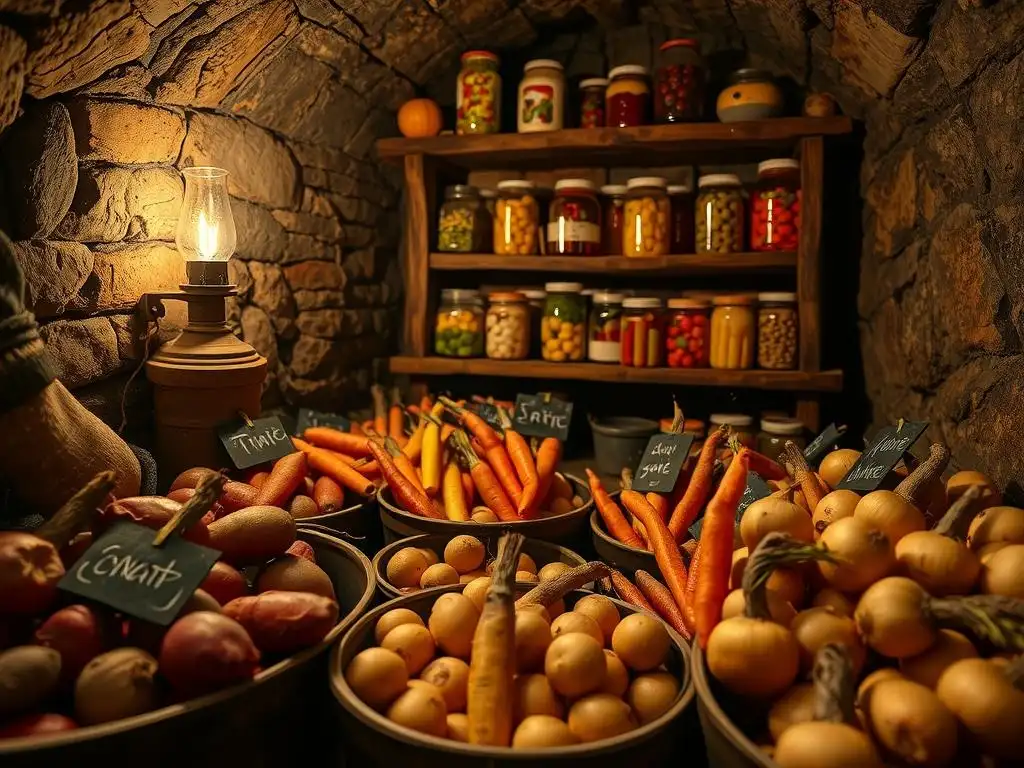
Root cellar harvest storage methods rely heavily on maintaining a pest-free and stable environment. Neglecting this crucial aspect can lead to significant losses of your precious homegrown produce. This section delves into the practical strategies for ensuring your root cellar remains a safe haven for your winter stores.
Preventing Pests and Rodents from Invading Your Root Cellar: Prevention and Control Methods
Preventing pest infestations is far easier than dealing with a full-blown infestation. Proactive measures are key to successful root cellar harvest storage methods. This begins with construction and design. Solid construction, free of cracks and gaps, is paramount. Rodents are persistent, so sealing any potential entry points with steel wool or concrete is vital. Consider using a robust door with a tight seal, possibly even double-doored for extra protection.
Once the structural integrity is addressed, focus shifts to sanitation. Regular cleaning is essential. Before storing your harvest, thoroughly clean and disinfect the root cellar. Remove any debris, old produce, or nesting materials. A simple solution of bleach and water (follow product instructions carefully) can be effective. Avoid using strong chemicals that could contaminate your food.
Beyond structural and cleanliness measures, consider employing natural deterrents. Cats are known to deter rodents, but their access needs careful management to avoid any risk to your stored produce. Strategic placement of peppermint oil or mothballs (in a well-ventilated area and away from food) can also help repel pests. Remember to always check for local regulations and safety guidelines regarding the use of such deterrents.
Monitoring is critical. Regularly inspect your root cellar for any signs of pests, such as droppings, gnaw marks, or unusual activity. Early detection allows for swift action, preventing a larger problem. Traps, if used, should be placed strategically and checked regularly. Always adhere to safety guidelines when using pest control measures.
| Pest Control Method | Effectiveness | Safety Considerations |
|---|---|---|
| Structural Sealing | Very High | Ensure proper sealing to prevent future entry points |
| Regular Cleaning | High | Use appropriate disinfectants, avoiding food contamination |
| Natural Deterrents (Peppermint) | Moderate | Follow usage instructions carefully. |
| Rodent Traps | High (if used correctly) | Use traps responsibly and follow all safety instructions |
Maintaining Optimal Humidity and Temperature Throughout the Storage Season
Maintaining the ideal temperature and humidity levels is crucial for preserving your harvest. Ideal conditions typically range from 32-40°F (0-4°C) and 70-80% humidity. Fluctuations in these parameters can lead to spoilage, rotting, or sprouting. For root cellar harvest storage methods, this is a critical factor.
Monitoring these conditions requires accurate tools. Invest in a reliable thermometer and hygrometer. Place these instruments in a central location within the root cellar to accurately reflect the overall environment. Regularly check and record these readings, particularly during temperature swings.
Ventilation plays a crucial role in humidity regulation. Proper ventilation ensures air circulation, preventing the build-up of moisture and mold. Root cellars often utilize vents to facilitate this, but you might need to adjust these vents based on the season and external weather conditions. In warmer periods, increased ventilation might be necessary, while in colder periods, you might need to reduce it to maintain warmth.
Temperature regulation often requires passive strategies. Insulation is key; a well-insulated root cellar will naturally minimize temperature fluctuations. In exceptionally cold climates, supplemental heating might be necessary; however, this needs careful management to avoid exceeding the optimal temperature range. Similarly, in warmer climates, additional cooling might be required, perhaps through the strategic use of ice or a cooling system.
Regular Inspection and Maintenance of Your Root Cellar
Regular inspection and maintenance are fundamental to the longevity and effectiveness of your root cellar harvest storage methods. These actions are not just reactive; they are proactive measures that prevent larger problems down the line.
Regular inspections, ideally weekly, should encompass several key aspects. First, check for signs of pests, as previously mentioned. Second, examine your stored produce for any signs of spoilage, rot, or sprouting. Remove any affected items immediately to prevent contamination of your healthy produce. Third, assess the overall environment: temperature, humidity, and ventilation. Record these observations for future reference and trend analysis.
Maintenance tasks should be performed as needed, but a seasonal approach is helpful. Before the harvest season, thoroughly clean and disinfect the space. After the harvest season, a similar cleaning is essential, along with any necessary repairs or adjustments to ventilation or insulation. Consider treating any wood surfaces with a food-safe sealant to prevent moisture damage and pest infestations. Addressing issues promptly prevents them from escalating, ensuring the long-term success of your root cellar. Remember, consistent attention to detail is the cornerstone of successful root cellar harvest storage methods. 🥕🍎🥔
Harvesting Your Stored Produce: Tips and Techniques for Maintaining Freshness
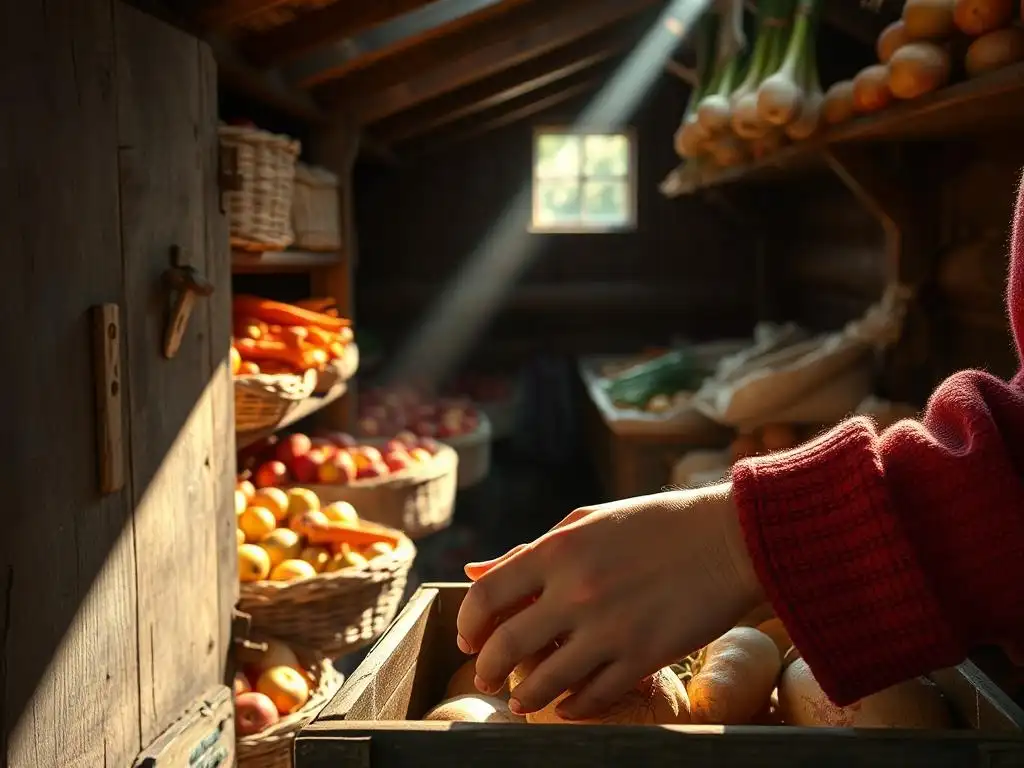
This section focuses on the crucial step of harvesting your root cellaring bounty, ensuring the produce remains in optimal condition for long-term storage. Improper harvesting can significantly reduce the shelf life of your carefully cultivated fruits, vegetables, and herbs. Understanding the best practices for each type of produce is key to maximizing your root cellar's potential. Remember, the goal is to minimize damage and preserve freshness, extending the time your harvest remains usable and delicious. This directly impacts the success of your root cellar harvest storage methods.
Harvesting Root Vegetables: Proper Techniques for Minimal Damage
Harvesting root vegetables requires a gentle touch. Rough handling can bruise or damage the delicate skins, leading to spoilage. Here's a breakdown of best practices:
- Timing is everything: Harvest root vegetables in the fall, after the first frost but before the ground freezes solid. The soil should be cool and slightly moist. Avoid harvesting during periods of intense heat or rain, which can increase the risk of damage.
- Use the right tools: A garden fork is ideal for lifting root vegetables without damaging them. Avoid using a shovel, which can easily cut or crush the roots. A trowel is useful for smaller root crops.
- Gentle lifting: Gently loosen the soil around the root vegetable using the fork's tines. Carefully lift the vegetable from the ground, minimizing jarring movements. Avoid pulling hard on the plant, as this can break the roots or damage the crown.
- Cleaning and Inspection: Once harvested, gently brush off excess soil. Inspect each root vegetable for any signs of damage, disease, or pests. Discard any damaged or diseased specimens immediately to prevent contamination of the stored crop. This careful inspection is a critical part of effective root cellar harvest storage methods.
- Curing (if applicable): Some root vegetables, like sweet potatoes and onions, benefit from a curing period before storage. This process involves allowing the vegetables to dry and heal in a well-ventilated area for several days to a few weeks. This helps to harden their skins and reduce moisture content, improving their storage life.
Harvesting Fruits and Herbs: Maintaining Quality and Preventing Spoilage
Harvesting fruits and herbs for root cellar storage requires different techniques compared to root vegetables. The focus here is on preserving quality and preventing spoilage during storage.
- Fruit Harvesting: Harvest fruits at their peak ripeness, but before they become overripe. Gently pick the fruits, avoiding bruising or damaging the skin. Handle them carefully to avoid scratching or breaking them. Consider using gloves to keep your hands clean and prevent the spread of pathogens.
- Herb Harvesting: Harvest herbs just before they flower for optimal flavor and aroma. Cut the stems cleanly with sharp shears or a knife. Avoid pulling the herbs from the ground, as this can damage the roots and reduce future growth. Bundle the herbs loosely and hang them upside down in a cool, dark, and well-ventilated area to dry before storage. Proper drying is crucial for successful root cellar harvest storage methods involving herbs.
- Pre-Storage Preparation: Before placing fruits and herbs in the root cellar, inspect them carefully for any signs of damage, disease, or pests. Discard any damaged or diseased specimens. Gently clean the fruits and herbs, but avoid washing them unless absolutely necessary, as excess moisture can promote spoilage. Proper handling and preparation are essential for extending the shelf life of your harvest.
Utilizing Your Stored Harvest: Recipe Ideas and Culinary Applications
The rewards of a successful root cellar are bountiful harvests enjoyed throughout the winter months. Your stored produce provides a foundation for delicious and nutritious meals. Here are some ideas to inspire your culinary creativity:
| Produce Type | Recipe Ideas | Notes |
|---|---|---|
| Root Vegetables (e.g., carrots, potatoes, beets) | Roasted root vegetable medley, hearty soups, stews, mashed potatoes | Consider the unique flavors of each root vegetable when creating your recipes. |
| Fruits (e.g., apples, pears) | Apple pies, crisps, fruit salads, jams, preserves | Use fruits while they are still firm and flavorful for the best results. |
| Herbs (e.g., rosemary, thyme, sage) | Infused oils, herb butters, soups, stews, roasted meats | Dried herbs can be crushed or ground before using in recipes. |
Remember to always check your stored produce regularly for any signs of spoilage. Rotate your stock, using the oldest items first, to prevent waste. Enjoy the fruits (and vegetables!) of your labor! This careful planning and utilization are the final steps in maximizing your root cellar harvest storage methods.
Troubleshooting Common Root Cellar Problems: Mold, Rot, and Other Issues
Root cellaring, while a rewarding method for preserving your harvest, isn't without its challenges. Understanding and addressing potential problems proactively is crucial to maximizing the longevity of your stored produce. This section focuses on identifying and mitigating common issues like mold, rot, and pest infestations, ensuring your root cellar harvest storage methods are as effective as possible. Proper root cellar harvest storage methods hinge on vigilance and preventative measures.
Identifying and Addressing Common Root Cellar Problems: Mold, Rot, and Pests
Mold and rot are common enemies in root cellars. They thrive in damp, poorly ventilated environments. Early detection is key. Regularly inspect your stored produce, paying close attention to any signs of discoloration, soft spots, or fuzzy growths.
- Mold: Appears as fuzzy patches, often green, black, white, or gray. Affected produce should be immediately removed and discarded. Thoroughly clean the affected area with a solution of diluted bleach (1 part bleach to 10 parts water) and allow it to dry completely before restocking. Improving ventilation and reducing humidity are crucial preventative measures.
- Rot: Characterized by soft, mushy areas on fruits and vegetables. This is often caused by bacteria or fungi and spreads rapidly. Remove affected items immediately and dispose of them properly (avoid composting if the rot is suspected to be a disease). Ensure proper spacing between stored items to allow for good air circulation.
- Pests: Rodents, insects, and other pests can wreak havoc on your stored produce. Seal all cracks and crevices to prevent entry. Use natural pest control methods such as pheromone traps or diatomaceous earth. Regular inspections are vital to early detection and swift action. Never store produce that shows signs of pest damage.
Remember, the key to preventing mold, rot, and pest infestations is maintaining optimal conditions within your root cellar. Consistent monitoring and proactive measures are far more effective than reactive solutions. A proactive approach to root cellar harvest storage methods is essential for long-term success.
Maintaining Optimal Conditions to Prevent Spoilage and Preserve Your Harvest
Maintaining the correct temperature and humidity levels is paramount for preventing spoilage and maximizing the shelf life of your stored produce. Root cellar harvest storage methods rely heavily on environmental control.
Optimal temperature typically ranges between 32°F and 40°F (0°C and 4°C). Humidity should ideally be around 90-95%. Regular monitoring with accurate thermometers and hygrometers is essential. Consider using a dehumidifier or humidifier, as needed, to adjust the environment. Proper ventilation is also crucial; stagnant air can lead to mold and rot. Ensure adequate airflow through vents or fans.
Here’s a table summarizing ideal conditions for various root vegetables:
| Vegetable | Ideal Temperature (°F) | Ideal Humidity (%) |
|---|---|---|
| Potatoes | 38-40 | 90-95 |
| Carrots | 32-35 | 90-95 |
| Beets | 32-35 | 90-95 |
| Onions | 32-40 | 60-70 |
| Garlic | 32-40 | 60-70 |
| Sweet Potatoes | 55-60 | 85-90 |
Regular cleaning is also vital. Remove any spoiled produce immediately and sanitize surfaces as needed. This proactive approach to root cellar harvest storage methods will greatly extend the life of your harvest. Remember that even with the best practices, some spoilage is inevitable.
Solutions for Common Root Cellar Issues: Temperature Fluctuations and Humidity Control
Temperature fluctuations and humidity control are two of the most significant challenges in root cellaring. These fluctuations can directly impact the quality and longevity of your stored produce.
- Temperature Fluctuations: Extreme temperature swings can cause produce to spoil more quickly. Insulation is key to minimizing these fluctuations. Consider adding extra insulation to your root cellar walls, ceiling, and floor. A well-insulated space will help maintain a more consistent temperature. Monitoring the temperature regularly and making adjustments as needed is crucial.
- Humidity Control: Maintaining the correct humidity level is equally important. Too much humidity can lead to mold and rot, while too little can cause produce to shrivel and dehydrate. A hygrometer is essential for monitoring humidity levels. Adjust humidity using a humidifier or dehumidifier as needed. Good ventilation is crucial for managing humidity. Ensure adequate airflow to prevent the buildup of moisture.
Addressing these issues promptly is vital for successful root cellaring. Regular monitoring, proactive adjustments, and a well-maintained environment are the cornerstones of effective root cellar harvest storage methods. 🥕🍎🥔
Frequently Asked Questions
What is root cellaring?
Root cellaring is a traditional method of preserving harvested fruits and vegetables over the winter. It involves storing produce in a cool, dark, and humid environment, typically a cellar or underground space, to slow down spoilage and extend shelf life. This mimics natural conditions, extending the season for your homegrown bounty.
What types of produce are best suited for root cellaring?
Many root vegetables thrive in root cellars, including potatoes, carrots, beets, and turnips. Other suitable options include onions, garlic, squash, and apples. However, some produce, like leafy greens, are not ideal for long-term root cellar storage.
What are the ideal temperature and humidity levels for a root cellar?
The ideal temperature range for a root cellar is between 33°F and 40°F (0°C and 4°C). High humidity, around 80-90%, is also crucial to prevent produce from drying out. Maintaining these conditions is key to successful root cellaring.
How do I prepare my harvest for root cellaring?
Before storing, ensure your produce is clean, dry, and free from any damage or disease. Proper curing (allowing produce to dry and heal after harvest) is crucial for many vegetables before placing them in the root cellar to extend their shelf life. Handle produce gently to avoid bruising.
What are some common mistakes to avoid when root cellaring?
Avoid overcrowding your root cellar, as this can lead to rot and spoilage. Improper ventilation can also cause issues. Finally, be sure to regularly inspect your stored produce for signs of spoilage and remove any affected items promptly to prevent the spread of disease.
Final Reflection: Unearthing the Timeless Wisdom of Root Cellaring
The resurgence of interest in root cellaring reflects a growing awareness of food security and sustainability; preserving the bounty of our harvests is not merely a nostalgic practice, but a vital skill for a changing world. We are witnessing a shift away from mass-produced, often-travelled food, towards a more localized and conscious approach to nourishment. This renewed focus on traditional methods like root cellaring offers a powerful antidote to the complexities of modern food systems.
Root cellaring, far from being a relic of the past, continues to resonate deeply with our desire for connection to the land and a simpler way of life. It's a practice that fosters a profound appreciation for the cyclical nature of seasons and the hard work involved in producing our food. This connection, I believe, is crucial in a world increasingly disconnected from its natural rhythms. The earth provides enough to satisfy every man's needs but not every man's greed.
- Mahatma Gandhi. This quote perfectly encapsulates the mindful approach to resource management that root cellaring embodies.
Consider the possibilities: imagine the satisfaction of retrieving crisp, homegrown carrots from your own root cellar in the dead of winter, a testament to your foresight and connection to the earth. You, too, can embrace this ancient practice, transforming your relationship with food and fostering a deeper appreciation for the bounty of the harvest. Start small, research your options, and discover the simple joy of preserving your hard work for months to come. The journey of learning to root cellar is a journey of self-sufficiency, sustainability, and a profound connection to the land and its gifts.
Unlock the Secrets of Root Cellaring!
Thank you for exploring the fascinating world of root cellaring! You've learned valuable techniques to preserve your harvest and enjoy fresh produce year-round. Ready to put your new knowledge into practice?
- Planning Your Root Cellar: Even a small, dedicated space can make a big difference. Consider repurposing an existing area like a cool basement corner or building a simple, inexpensive structure. You might be surprised by what you can adapt!
- Preparing Your Harvest: Proper cleaning, curing, and sorting are crucial for optimal preservation. Share your harvest preparation tips with fellow root cellar enthusiasts in the comments below!
- Exploring Other Preservation Methods: Root cellaring is a great start! Experiment with canning, freezing, or fermenting to further extend the life of your harvest.
What surprising food storage techniques are you excited to try?