
How to Interpret Your Soil Test Results: A StepbyStep Guide

Ready to unlock the secrets to a thriving home garden? At CultivateYourFood, we believe everyone can grow their own delicious and nutritious food. Understanding your soil is the first step, and that's why we've created a comprehensive guide on how to interpret your soil test results. Learn how to decipher those numbers and transform your understanding of soil health into bountiful harvests. Discover the key to unlocking your garden's full potential – let's get growing!
- Understanding Soil Test Results for Your Home Garden: A Beginner's Guide
- Analyzing Macronutrients: Nitrogen, Phosphorus, and Potassium (NPK)
- Micronutrient Analysis: Essential Elements for Plant Health
- Interpreting Your Soil Test Results from Specific Soil Testing Kit Brand
- Specific Soil Testing Kit Brand Results Explained: A Detailed Walkthrough
- Using Your Soil Test Results to Create a Personalized Fertilizer Plan
- Choosing the Right Soil Amendments Based on Your Results
- Monitoring Soil Health Over Time: The Importance of Regular Testing
- Resources for Further Learning: Books and Online Guides on Soil Health
- Frequently Asked Questions
- Final Reflection: Cultivating a Thriving Garden, One Test at a Time
- Unlock Your Soil's Secrets: Grow a Bountiful Harvest!
Understanding Soil Test Results for Your Home Garden: A Beginner's Guide
Successfully cultivating a thriving home garden hinges on understanding the foundation of your plants' health: the soil. This comprehensive guide will walk you through interpreting your soil test results, empowering you to make informed decisions about amending your soil and maximizing your harvest. Whether you're a seasoned gardener or just starting out, learning to "Understand soil test results home garden" is crucial for sustainable and organic gardening practices.
We'll demystify the often-confusing terminology and provide practical steps to improve your soil's health, leading to healthier, more bountiful plants. This guide focuses on interpreting the common elements found in home soil testing kits, helping you translate those numbers into actionable steps for your garden. Remember, healthy soil equals healthy plants, and understanding your soil test is the first step towards achieving that goal.
Deciphering the Jargon: Key Terms Explained for Home Gardeners
Soil test reports can seem daunting at first glance, filled with technical terms and numbers. Let's break down some key concepts to make interpreting your results easier. Understanding these terms is vital for effectively using your soil test to "Understand soil test results home garden."
- pH: This measures the acidity or alkalinity of your soil. A pH of 7 is neutral; below 7 is acidic, and above 7 is alkaline. Most plants prefer a slightly acidic to neutral pH (around 6.0-7.0), but this varies depending on the plant species.
- Nitrogen (N): A crucial nutrient for leafy green growth. Deficiencies can lead to stunted growth and pale leaves.
- Phosphorus (P): Essential for root development, flowering, and fruiting. Deficiencies can result in poor root growth and reduced yields.
- Potassium (K): Important for overall plant health, disease resistance, and fruit production. Deficiencies can manifest as weak stems and wilting.
- Organic Matter: The percentage of decomposed plant and animal material in your soil. High organic matter improves soil structure, water retention, and nutrient availability.
- CEC (Cation Exchange Capacity): This indicates the soil's ability to hold onto essential nutrients, making them available to plants. A higher CEC is generally better.
- Macronutrients: Nutrients needed in large amounts (N, P, K, Calcium, Magnesium, Sulfur).
- Micronutrients: Nutrients needed in smaller amounts (Iron, Manganese, Zinc, Boron, Copper, Molybdenum, Chlorine).
Understanding pH Levels and Their Impact on Plant Growth
The pH of your soil significantly influences nutrient availability. An ideal pH range allows plants to readily absorb the essential nutrients they need to thrive. Understanding this is key to "Understand soil test results home garden" effectively. Let's explore the implications of different pH levels.
Acidic Soil: Identifying and Addressing Nutrient Deficiencies
Acidic soil (pH below 7) can hinder the uptake of certain nutrients, leading to deficiencies. Common symptoms include yellowing leaves (chlorosis), stunted growth, and poor fruit production. To correct acidic soil, you can add lime (calcium carbonate) to raise the pH. The amount of lime needed will depend on your soil's current pH and the type of lime used. Always follow the instructions on the lime packaging carefully. Regular soil testing after liming is crucial to monitor its effectiveness.
Alkaline Soil: Correcting High pH for Optimal Plant Health
Alkaline soil (pH above 7) can also limit nutrient availability, particularly micronutrients like iron and manganese. Symptoms of alkaline soil problems can be similar to those of acidic soil, including chlorosis and stunted growth. To lower the pH of alkaline soil, you can add organic matter, such as compost or peat moss, which helps to improve soil structure and buffer the pH. Elemental sulfur is another amendment that can gradually lower the pH. As with liming, regular soil testing is essential to track progress.
The Importance of Soil pH for Specific Vegetables and Herbs
Different plants have different pH preferences. Understanding these preferences is critical for success when trying to "Understand soil test results home garden." For example, blueberries thrive in acidic soil, while many vegetables prefer a slightly acidic to neutral pH. Consult a gardening resource or plant database to determine the optimal pH range for the specific plants you intend to grow.
This information, combined with your soil test results, will help you create the ideal growing conditions for a bountiful harvest. Failing to account for these specific requirements can lead to poor plant health and reduced yields. Careful attention to detail, combined with regular testing and soil amendments, will greatly improve your gardening success.
Analyzing Macronutrients: Nitrogen, Phosphorus, and Potassium (NPK)
Understanding your soil test results starts with grasping the levels of the primary macronutrients: Nitrogen (N), Phosphorus (P), and Potassium (K), often represented as NPK. These elements are crucial for plant health and yield. A balanced NPK ratio is essential for thriving fruits, vegetables, and herbs in your home garden. This section will delve into interpreting the levels of each nutrient, identifying deficiencies, and suggesting appropriate organic solutions to address imbalances. Properly understanding these results directly impacts your ability to Understand soil test results home garden.
Nitrogen Levels: Impact on Leaf Growth and Overall Vigor
Nitrogen is vital for lush green foliage. It's a key component of chlorophyll, the pigment responsible for photosynthesis. Sufficient nitrogen translates to vigorous growth, healthy leaves, and overall plant strength. However, excessive nitrogen can lead to weak stems, delayed flowering, and increased susceptibility to diseases. Your soil test will provide a numerical value representing the parts per million (ppm) or pounds per acre (lbs/acre) of nitrogen in your soil. Optimal ranges vary depending on the specific plant, but generally fall within a certain range. For instance, leafy greens often require higher nitrogen levels compared to fruiting plants.
Identifying Nitrogen Deficiency in Your Plants
Nitrogen deficiency manifests in several ways. You might observe:
- Pale green or yellowing leaves, starting with older, lower leaves.
- Stunted growth and reduced vigor.
- Thin, weak stems.
- Poor flowering and fruiting.
A visual inspection combined with your soil test results will help confirm a nitrogen deficiency. Remember that other factors can mimic nitrogen deficiency, so careful observation is crucial. The ability to accurately Understand soil test results home garden involves recognizing these subtle signs.
How to Increase Nitrogen Levels Naturally and with Specific Fertilizer
Increasing nitrogen levels can be achieved organically through various methods:
- Composting: Adding well-rotted compost significantly improves soil fertility, including nitrogen levels.
- Cover Crops: Planting nitrogen-fixing cover crops like legumes (beans, peas, clover) adds nitrogen to the soil naturally.
- Organic Fertilizers: Using fertilizers like blood meal, cottonseed meal, or alfalfa meal provides a slow-release source of nitrogen. Always follow the product instructions carefully.
For specific fertilizer recommendations, consult your soil test report and consider using a balanced NPK fertilizer tailored to your plants' needs. Understanding the specific needs of your plants significantly improves your ability to Understand soil test results home garden.
Phosphorus Levels: Root Development and Fruit Production
Phosphorus plays a crucial role in root development, flowering, and fruit production. It's involved in energy transfer within the plant, influencing seed germination, root growth, and overall plant maturity. Adequate phosphorus levels contribute to strong root systems, abundant blooms, and higher yields. Again, your soil test will provide a numerical value indicating the phosphorus levels.
Signs of Phosphorus Deficiency in Your Home Garden
Phosphorus deficiency often manifests as:
- Stunted growth, particularly in roots.
- Dark green or purplish leaves, especially older leaves.
- Delayed flowering and fruiting.
- Poor fruit development and smaller yields.
- Reduced overall plant vigor.
Understanding the symptoms of phosphorus deficiency is essential for effectively interpreting your soil test results. This allows for timely intervention to prevent yield loss and promote healthy plant growth. This is critical to Understand soil test results home garden.
Boosting Phosphorus Levels with Organic Methods and Specific Phosphate Fertilizer
To increase phosphorus levels organically:
- Rock Phosphate: This natural mineral is a slow-release source of phosphorus.
- Bone Meal: Another slow-release option rich in phosphorus.
- Compost: As mentioned earlier, compost improves overall soil health, including phosphorus levels.
Similar to nitrogen, specific phosphate fertilizers are available if organic methods alone are insufficient. Always follow label instructions carefully and consider a balanced NPK fertilizer if multiple nutrients are deficient. Knowing how to interpret the results and respond appropriately is key to Understand soil test results home garden.
Potassium Levels: Disease Resistance and Overall Plant Health
Potassium (K), one of the three major macronutrients (along with nitrogen and phosphorus), plays a crucial role in your plants' overall health and resilience. Unlike nitrogen, which fuels leafy growth, and phosphorus, which supports root development and flowering, potassium is primarily responsible for strengthening plant structures and enhancing their disease resistance. A sufficient potassium level translates to stronger cell walls, making plants less susceptible to fungal infections, bacterial diseases, and pest infestations.
This is particularly important for home gardeners aiming for healthy, organic produce, as healthy plants require fewer chemical interventions. Plants with adequate potassium also exhibit improved drought tolerance, better water regulation, and enhanced nutrient uptake. This means they can better withstand periods of water stress and efficiently utilize other essential nutrients in the soil.
Think of potassium as the plant's internal support system, bolstering its ability to withstand environmental challenges and resist disease. A robust plant, thanks to sufficient potassium, is a productive plant.
Potassium Deficiency Symptoms and Their Solutions
Recognizing potassium deficiency in your home garden is vital for timely intervention. Symptoms often appear subtly at first, making early detection crucial. One of the most common signs is leaf scorching, particularly on the leaf margins. These edges may turn brown, yellow, or even necrotic (dead).
This scorching often starts on older leaves, as the plant prioritizes potassium for newer growth. Another indicator is a general weakening of the plant, making it more prone to lodging (falling over) or becoming susceptible to pests and diseases. Stunted growth, reduced yields, and smaller fruits or vegetables are also telltale signs of insufficient potassium. In more severe cases, you might see chlorosis (yellowing) between leaf veins.
Addressing potassium deficiency requires a multifaceted approach. First, confirm the diagnosis by conducting a soil test – a crucial step often overlooked. This helps determine the severity of the deficiency and guides your corrective actions. If potassium levels are indeed low, you can amend the soil with potassium-rich fertilizers or organic amendments (discussed in the next section).
Ensure you follow the fertilizer's instructions carefully, avoiding over-application which can harm your plants. Improving soil drainage also helps, as potassium can be less available in waterlogged soils. Finally, consider crop rotation; some plants are heavier feeders of potassium than others. Strategic planting can help maintain potassium levels over time.
Improving Potassium Levels Using Specific Potassium-Rich Fertilizer or Organic Amendments
Boosting potassium levels in your soil can be achieved through various methods, both chemical and organic. Chemical fertilizers, like muriate of potash (potassium chloride), offer a readily available source of potassium. However, for those committed to organic gardening, several excellent alternatives exist. Wood ash, a byproduct of burning hardwood (avoid softwoods as they can be too acidic), is a rich source of potassium and other beneficial minerals.
However, use wood ash sparingly, as it can alter soil pH. Compost, particularly well-rotted compost, is another effective way to improve potassium levels naturally. The composting process releases potassium bound in organic matter, making it available to your plants. Banana peels, rich in potassium, can be added directly to the soil or composted.
Similarly, kelp meal, a seaweed-based fertilizer, is an excellent source of potassium and other micronutrients. Remember to always conduct a soil test before applying any amendments to accurately determine the required amount and avoid imbalances. Choose the method that best aligns with your gardening philosophy and soil conditions, ensuring your plants receive the potassium they need to thrive. Using a balanced approach, combining organic amendments with monitoring and soil testing, ensures long-term soil health and optimal plant nutrition.
Micronutrient Analysis: Essential Elements for Plant Health
Understanding your soil's micronutrient levels is crucial for successful home gardening. While macronutrients like nitrogen, phosphorus, and potassium are needed in larger quantities, micronutrients are equally vital, even if only in trace amounts. A deficiency in even one micronutrient can significantly impact plant growth, yield, and overall health. This section will guide you through interpreting the micronutrient portion of your soil test results, helping you understand what the numbers mean and how to address any deficiencies you may find. This is key to truly understand soil test results home garden.
Understanding the Role of Secondary Macronutrients (Calcium, Magnesium, Sulfur)
While often grouped with micronutrients on soil test reports, calcium (Ca), magnesium (Mg), and sulfur (S) are technically secondary macronutrients. This means plants need them in larger amounts than true micronutrients, but less than primary macronutrients (N, P, K). These elements play critical roles in plant health:
- Calcium: Crucial for cell wall structure and function. Deficiencies lead to blossom-end rot in tomatoes and other fruits, stunted growth, and weakened plants.
- Magnesium: A central component of chlorophyll, essential for photosynthesis. Deficiencies result in yellowing between leaf veins (interveinal chlorosis), reduced growth, and poor fruit development.
- Sulfur: A component of several amino acids and proteins. Deficiencies cause pale green or yellowing of younger leaves, similar to nitrogen deficiency but often more pronounced on newer growth.
Addressing Deficiencies in Calcium, Magnesium, and Sulfur
Addressing deficiencies in these secondary macronutrients often involves amending the soil with appropriate materials. For example:
- Calcium: Agricultural lime (calcium carbonate) is a common and effective way to increase soil calcium levels. Gypsum (calcium sulfate) is another option, particularly beneficial for improving soil structure.
- Magnesium: Epsom salts (magnesium sulfate) are a readily available and inexpensive source of magnesium. Dolomitic limestone contains both calcium and magnesium.
- Sulfur: Elemental sulfur is often used to increase sulfur levels in the soil. However, it can take time to become available to plants. Other sources include gypsum and sulfate-containing fertilizers.
The best approach depends on your specific soil test results and the extent of the deficiency. Always follow the recommended application rates provided on product labels to avoid over-fertilization.
Essential Micronutrients (Iron, Zinc, Manganese, Boron, Copper, Molybdenum)
These elements, needed in minute quantities, are nonetheless essential for various enzymatic processes and plant functions. Even small deficiencies can have a noticeable impact on plant health.
- Iron (Fe): Essential for chlorophyll production and enzyme activity. Deficiencies cause interveinal chlorosis, similar to magnesium deficiency, but typically affecting younger leaves first.
- Zinc (Zn): Important for enzyme function and plant hormone synthesis. Deficiencies lead to stunted growth, small leaves, and reduced flowering and fruiting.
- Manganese (Mn): Involved in photosynthesis and enzyme activation. Deficiencies result in interveinal chlorosis, often appearing as speckled or mottled leaves.
- Boron (B): Crucial for cell wall formation and sugar transport. Deficiencies cause distorted growth, cracked stems, and reduced flower and fruit production.
- Copper (Cu): Essential for enzyme activity and chlorophyll synthesis. Deficiencies lead to stunted growth, wilting, and discoloration of leaves.
- Molybdenum (Mo): Important for nitrogen metabolism. Deficiencies cause yellowing and curling of leaves, similar to nitrogen deficiency, but often more severe.
Identifying Micronutrient Deficiencies in Your Garden
Visual symptoms of micronutrient deficiencies can be subtle and sometimes overlap. Accurate soil testing is crucial for accurate diagnosis. Your soil test report will provide the concentration of each micronutrient in your soil, often expressed in parts per million (ppm) or milligrams per kilogram (mg/kg). Compare these values to the recommended ranges for your specific plants to identify potential deficiencies. Remember, the understand soil test results home garden process takes time and patience.
Using Specific Micronutrient Fertilizer or Natural Sources to Correct Deficiencies
Once deficiencies are identified, you can amend your soil using commercially available micronutrient fertilizers or natural sources. Chelated micronutrients are often preferred, as chelation improves their availability to plants. Natural sources may include compost tea, seaweed extract, and other organic amendments. Always follow label instructions carefully when using any fertilizer.
Remember, prevention is key! Regular soil testing and appropriate fertilization practices can help minimize the risk of micronutrient deficiencies and ensure healthy, productive plants. This detailed understanding of your soil's composition will greatly enhance your gardening success. Always strive to understand soil test results home garden for the best outcomes.
Interpreting Your Soil Test Results from Specific Soil Testing Kit Brand
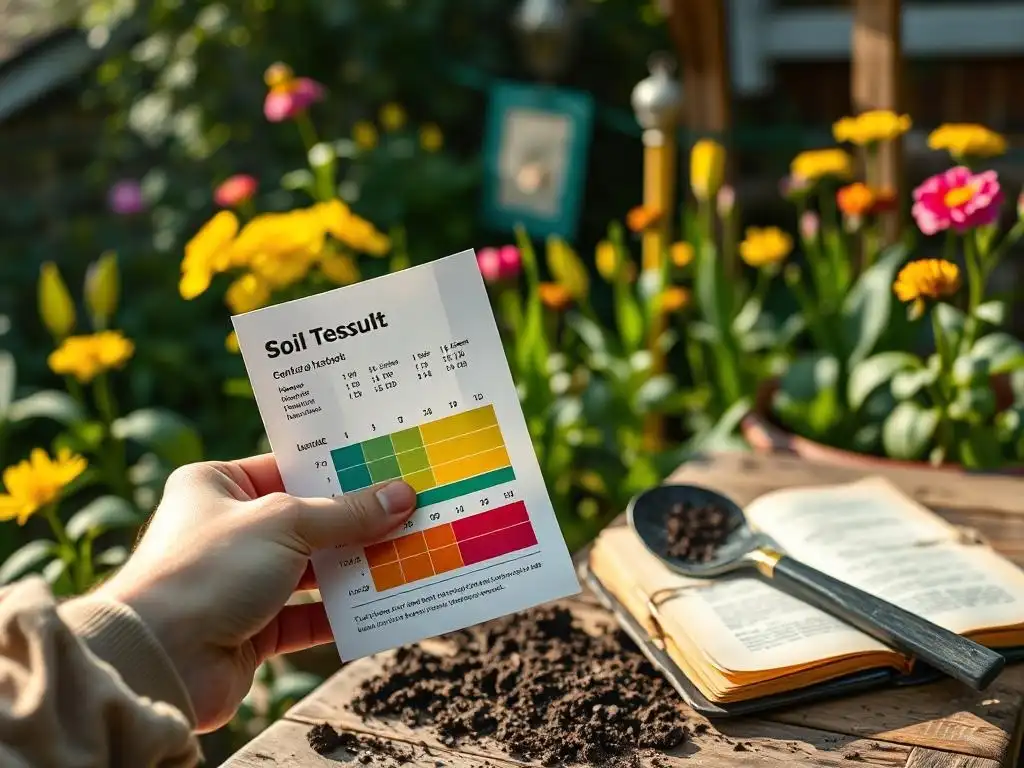
This section focuses on deciphering the results you receive from a specific soil testing kit brand, let's say "GrowWise" for this example. Understanding your GrowWise soil test results is crucial for tailoring your gardening practices to your soil's unique needs. GrowWise reports typically provide information on several key parameters vital for healthy plant growth. Let's delve into a step-by-step guide to interpreting this data effectively, helping you to truly understand soil test results home garden.
Step-by-Step Guide to Understanding Your Soil Test Report
A typical GrowWise soil test report will include data on pH, macronutrients (Nitrogen, Phosphorus, and Potassium – often represented as NPK), and potentially micronutrients like iron, manganese, and zinc. Let's break down how to interpret each:
- pH: The pH scale ranges from 0-14, with 7 being neutral. GrowWise reports usually provide a numerical pH value. Most plants thrive in a slightly acidic to neutral range (6.0-7.0). A pH outside this range can hinder nutrient uptake. If your GrowWise report shows a pH significantly above or below this ideal range, you'll need to adjust it through soil amendments like lime (to raise pH) or sulfur (to lower pH). The GrowWise report might even suggest specific amendment amounts.
- Macronutrients (NPK): These are essential nutrients required in large quantities by plants. GrowWise will typically list the levels of Nitrogen (N), Phosphorus (P), and Potassium (K) in parts per million (ppm) or pounds per acre (lbs/acre). Optimal ranges vary slightly depending on the plant type, but GrowWise often provides reference ranges alongside the results for easy comparison. Low levels of any of these macronutrients indicate a need for fertilization.
- Nitrogen (N): Crucial for leafy green growth. Deficiencies lead to stunted growth and pale leaves.
- Phosphorus (P): Essential for root development, flowering, and fruiting. Deficiencies can result in poor flowering and fruit production.
- Potassium (K): Important for overall plant health, disease resistance, and drought tolerance. Deficiencies manifest as weak stems and leaf burn.
- Micronutrients: GrowWise may also include micronutrient levels. These are essential in smaller amounts but are still crucial for healthy plant growth. Interpreting these requires a similar approach to macronutrients – low levels suggest the need for supplementation. However, excess micronutrients can also be harmful, so always follow GrowWise's recommendations for amendments.
- Organic Matter: The GrowWise report might also include information on organic matter content. Higher levels generally indicate healthier soil with better water retention and nutrient availability.
Example GrowWise Report Interpretation:
Let's say your GrowWise report shows: pH = 5.5, N = 10 ppm, P = 5 ppm, K = 20 ppm. While the pH is within the ideal range for many plants, the nitrogen and phosphorus levels are low compared to typical GrowWise recommended ranges. This suggests a need for a balanced NPK fertilizer to boost these nutrients. Remember to always consult the GrowWise guidelines for your specific plants and soil type. 🌱
Specific Soil Testing Kit Brand Results Explained: A Detailed Walkthrough
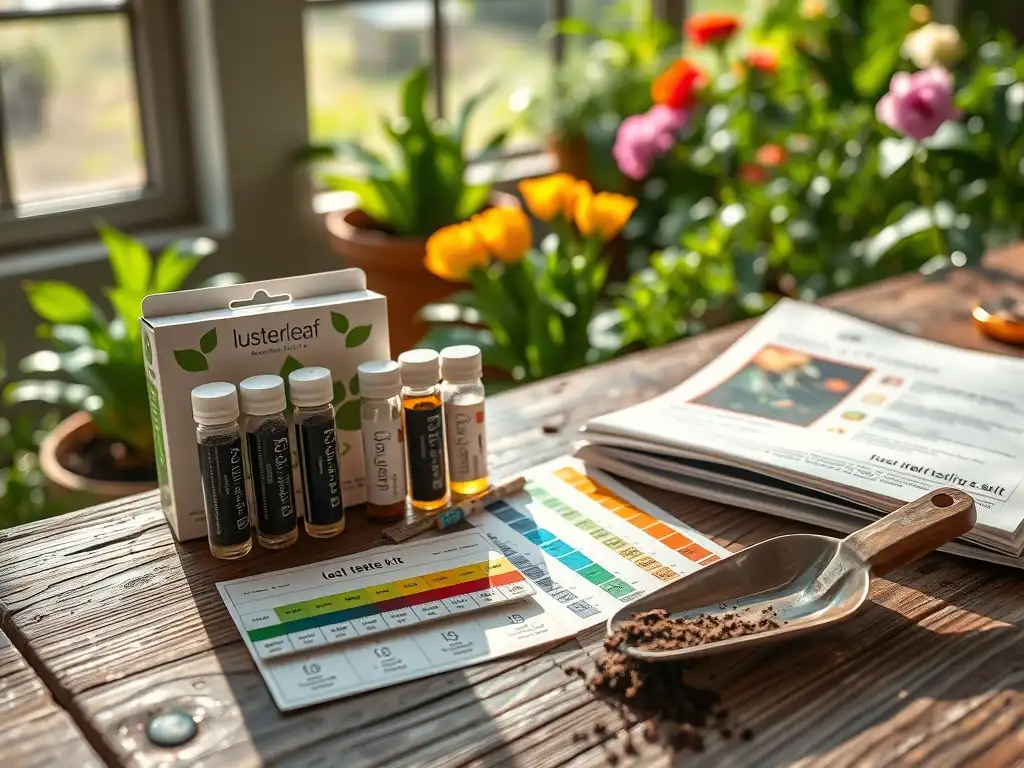
This section provides a more in-depth analysis of interpreting specific data points within a GrowWise soil test report, focusing on how to use this information to cultivate a thriving home garden, understanding the nuances of understand soil test results home garden.
Specific Soil Testing Kit Brand Results Explained: A Detailed Walkthrough
GrowWise soil test reports often utilize a color-coded system or a simple numerical scale to indicate nutrient levels. For example, they might use a scale of 1-5, where 1 represents very low and 5 represents very high levels. Understanding this system is crucial for accurate interpretation. Let's look at some specific scenarios:
- Low Nitrogen (N): A low nitrogen reading (e.g., 1 or 2 on the GrowWise scale) indicates a need for nitrogen-rich fertilizer. This could manifest as pale, yellowing leaves, particularly on older leaves. GrowWise might suggest using a fertilizer with a higher nitrogen ratio (e.g., 10-10-10 or even a higher nitrogen number in the first position). Avoid over-fertilizing, though, as excess nitrogen can lead to lush growth at the expense of flowering and fruiting.
- High Phosphorus (P): While phosphorus is essential, excessively high levels (e.g., 4 or 5 on the GrowWise scale) can be detrimental. This might be due to previous fertilization practices. GrowWise might recommend waiting a season before fertilizing or using a phosphorus-deficient fertilizer to balance the levels. High phosphorus can interfere with the uptake of other nutrients.
- Potassium (K) Deficiency: A low potassium reading (e.g., 1 or 2) might lead to weak stems, leaf edges burning, and increased susceptibility to diseases. GrowWise would recommend using a potassium-rich fertilizer or soil amendment to address this deficiency.
- pH Imbalance: A pH outside the ideal range (e.g., below 6.0 or above 7.0) significantly impacts nutrient uptake. GrowWise would suggest using appropriate soil amendments – lime to increase pH or sulfur to decrease it – to bring the pH within the optimal range. Accurate pH adjustment is often crucial before addressing other nutrient deficiencies.
Remember, accurate interpretation of your GrowWise soil test results is key to successfully cultivating your home garden. Always carefully review the entire report and any accompanying instructions provided by GrowWise. Don't hesitate to contact their customer support if you have any questions or need further clarification. By carefully following these steps, you’ll be well on your way to a bountiful harvest! 🥕🍅🌶️
Using Your Soil Test Results to Create a Personalized Fertilizer Plan
Understanding your soil test results is the first step towards a thriving home garden. But knowing your pH and nutrient levels isn't enough; you need to translate that data into a practical, effective fertilizer plan. This section will guide you through the process of using your soil test results to create a personalized fertilizer strategy, optimizing nutrient uptake and promoting healthy plant growth. This will help you truly understand soil test results home garden and use them effectively.
Tailoring Your Fertilizer Approach Based on Specific Needs
Your soil test will reveal deficiencies or excesses of essential nutrients like nitrogen (N), phosphorus (P), and potassium (K), often represented as an NPK ratio (e.g., 10-10-10). However, the ideal NPK ratio varies significantly depending on the plant type. For example, leafy greens generally require a higher nitrogen level for vigorous growth, while fruiting plants often benefit from a higher phosphorus content for enhanced flowering and fruit production.
Let's consider a hypothetical example: Your soil test indicates a low pH (5.0) and low phosphorus (P). You plan to grow tomatoes. Tomatoes prefer a slightly acidic to neutral pH (6.0-7.0) and need ample phosphorus for fruit development. Therefore, your fertilizer plan should address both issues. You might choose a fertilizer with a higher phosphorus content (e.g., a 5-10-5 blend) and incorporate methods to raise your soil pH, such as adding lime.
It's crucial to remember that over-fertilizing can be just as detrimental as under-fertilizing. Excess nutrients can burn plant roots and harm beneficial soil organisms. Always follow the fertilizer product's instructions carefully and avoid applying more than recommended.
Here's a table summarizing nutrient needs for common garden plants:
| Plant Type | Nitrogen (N) | Phosphorus (P) | Potassium (K) | pH Preference |
|---|---|---|---|---|
| Leafy Greens | High | Medium | Medium | Slightly Acidic |
| Tomatoes | Medium | High | Medium | Slightly Acidic to Neutral |
| Root Vegetables | Medium | Medium | Medium | Slightly Acidic to Neutral |
| Flowering Plants | Medium | High | High | Slightly Acidic to Neutral |
| Berries | Medium | High | Medium | Slightly Acidic |
Remember to always consult your specific soil test results and the needs of the plants you intend to grow. This personalized approach ensures that your fertilizer plan is truly optimized for your unique gardening circumstances.
Creating a Sustainable Fertilizer Plan for Your Home Garden
A sustainable fertilizer plan goes beyond simply addressing nutrient deficiencies. It also considers the long-term health of your soil and the environment. Using organic fertilizers, such as compost and worm castings, is a cornerstone of sustainable gardening. These materials not only provide nutrients but also improve soil structure, water retention, and microbial activity.
Consider these strategies for a sustainable fertilizer plan:
- Composting: Regularly compost kitchen scraps and yard waste to create a nutrient-rich soil amendment. This reduces waste, improves soil fertility, and minimizes the need for synthetic fertilizers. 🌱
- Cover Cropping: Planting cover crops like clover or rye during fallow periods adds organic matter and improves soil structure. These crops can also help suppress weeds and fix nitrogen in the soil.
- Crop Rotation: Rotating your crops each year helps to prevent nutrient depletion and reduces the risk of pest and disease build-up. Different plants have varying nutrient requirements, so rotating ensures a balanced nutrient draw from the soil.
- Mulching: Applying a layer of mulch (such as wood chips or straw) helps retain soil moisture, suppress weeds, and regulate soil temperature. As the mulch decomposes, it adds organic matter to the soil.
By integrating these sustainable practices into your fertilizer plan, you contribute to a healthy soil ecosystem, reduce your environmental impact, and create a more resilient and productive home garden. This approach is key to long-term success and allows you to truly understand soil test results home garden in a holistic way. Remember, sustainable gardening is not just about the plants; it's about nurturing the entire soil ecosystem.
Choosing the Right Soil Amendments Based on Your Results
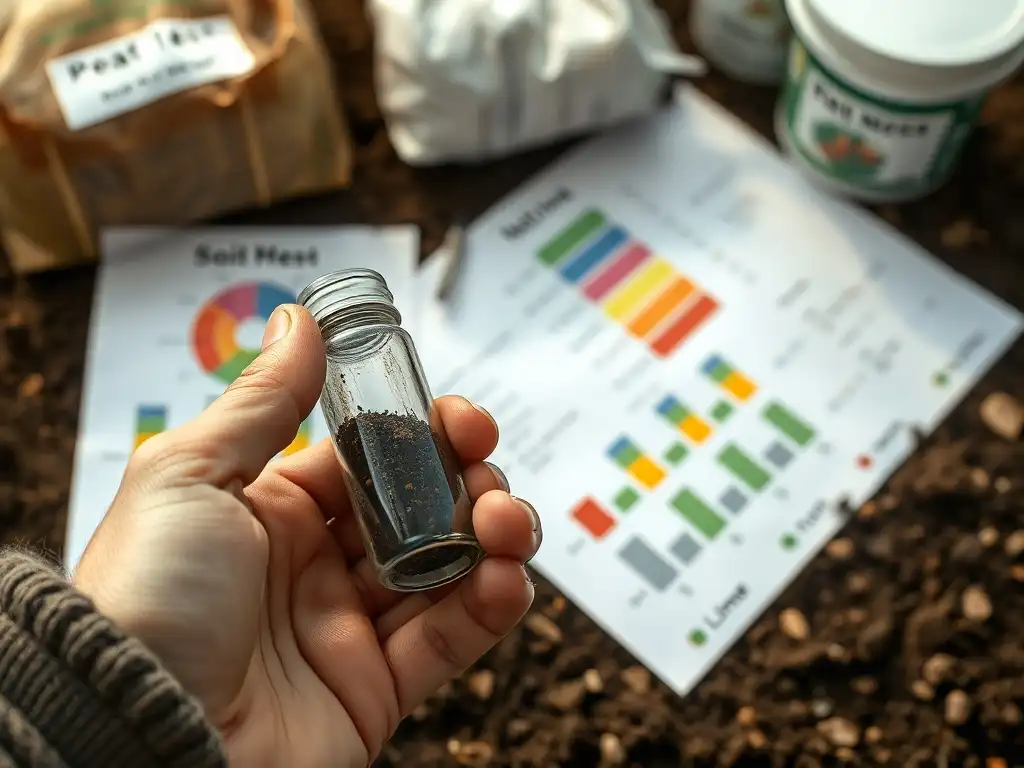
Understanding your soil test results is only half the battle. The next crucial step is selecting and applying the appropriate soil amendments to address any deficiencies or imbalances revealed by the test. This section focuses on choosing the right amendments based on your specific soil analysis, ensuring a thriving home garden. Successfully interpreting your soil test results for your home garden hinges on understanding these next steps. Remember, the goal is to create a balanced soil environment that supports healthy plant growth.
Organic Soil Amendments: Compost, Manure, and Cover Crops
Organic amendments offer a sustainable and environmentally friendly way to improve soil health. They gradually release nutrients, improving soil structure, water retention, and microbial activity. Let's examine three key organic amendments:
Compost is a cornerstone of organic gardening. It's created by decomposing organic matter like kitchen scraps, yard waste, and even shredded paper. A good compost will improve soil drainage, aeration, and nutrient content. Your soil test might indicate a need for improved organic matter, particularly if the organic matter content is low (<3%). In this case, incorporating several inches of compost into your garden beds before planting is highly beneficial.
Manure, from various sources like cows, horses, or chickens, provides a rich source of nutrients. However, it's crucial to use well-rotted manure to avoid burning your plants. Fresh manure can contain high levels of salts and ammonia, which can harm plants. The type of manure you choose will also influence nutrient content. For example, chicken manure is much higher in nitrogen than cow manure. Your soil test can help determine whether manure is needed and what type would be most beneficial. Always follow the recommendations on your soil test report regarding manure application rates.
Cover crops are plants grown specifically to improve soil health. They can add organic matter, prevent erosion, suppress weeds, and fix nitrogen in the soil. Legumes, such as clover and alfalfa, are particularly effective at nitrogen fixation. Your soil test might show a nitrogen deficiency, making the use of a nitrogen-fixing cover crop a valuable strategy. Planting a cover crop before your main planting season can significantly improve your soil's fertility. Ensure you till the cover crop into the soil before planting your desired crops.
Using Inorganic Fertilizers Effectively and Responsibly
Inorganic fertilizers, while effective in providing specific nutrients quickly, should be used judiciously and responsibly. Over-application can harm beneficial soil organisms, contaminate groundwater, and even damage your plants. Your soil test provides essential guidance on the type and amount of inorganic fertilizer needed.
The information provided by your soil test is crucial in determining the appropriate NPK ratio (Nitrogen, Phosphorus, Potassium). For instance, if your test shows a deficiency in phosphorus, you might need a fertilizer with a higher phosphorus content (e.g., a 10-20-10 fertilizer). However, blindly adding fertilizer without a soil test is risky and can lead to nutrient imbalances and environmental damage. Always follow the recommended application rates precisely, as provided by your soil test results and the fertilizer packaging.
Remember, inorganic fertilizers are a tool to address specific nutrient deficiencies identified in your soil test. They should be used in conjunction with, and not as a replacement for, organic amendments. A balanced approach using both organic and inorganic amendments, guided by your soil test, will help you create a healthy and productive garden. Responsible use of inorganic fertilizers helps you understand soil test results for your home garden while minimizing negative environmental impact. Always prioritize soil health and sustainable practices.
Monitoring Soil Health Over Time: The Importance of Regular Testing
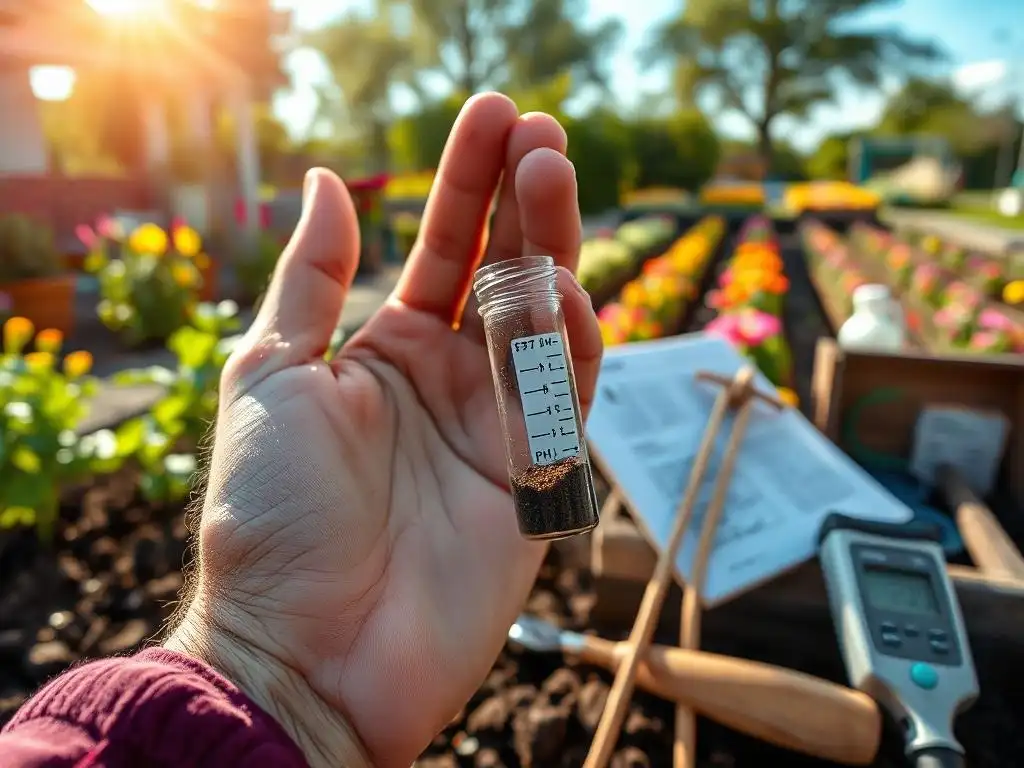
Understanding soil test results is crucial for a thriving home garden, but it's only half the battle. To truly understand soil test results home garden, you need to think long-term. A single soil test provides a snapshot; regular testing reveals trends and allows for proactive adjustments, maximizing your garden's potential and minimizing environmental impact. Consistent monitoring is key to sustainable and organic gardening practices. Think of it like a yearly check-up for your garden – it helps identify problems before they become major setbacks.
Scheduling Regular Soil Tests for Optimal Garden Health
The frequency of soil testing depends on several factors, including your soil type, the types of plants you grow, and your gardening practices. However, a good rule of thumb is to test your soil at least once a year, ideally in the late fall or early spring before planting. This timing allows ample time to amend your soil before the growing season begins. For areas with particularly challenging soil conditions (e.g., very sandy or clay soils), or if you're experiencing consistent crop failures, more frequent testing—perhaps twice a year—might be beneficial.
Consider these scheduling strategies:
- Pre-planting: This test informs your planting decisions, allowing you to amend the soil with the necessary nutrients and adjust pH levels accordingly. This is crucial for maximizing plant growth and yield.
- Mid-season: For intensive gardeners or those with particularly demanding crops, a mid-season test can identify nutrient deficiencies that might be developing. Early detection allows for timely intervention and prevents significant yield loss.
- Post-harvest: This helps determine the impact of the growing season on your soil's health and informs your composting and soil amendment strategies for the following year.
Remember to always test the same areas of your garden each time to ensure consistency in your data and to accurately track changes over time. Using a consistent testing method is also vital for accurate comparisons.
Tracking Changes and Adjusting Your Approach Based on Results
Once you've conducted several soil tests over time, you can begin to identify patterns and trends in your soil's health. This data is invaluable for making informed decisions about your gardening practices. For instance, if your soil pH consistently drifts towards alkalinity, you might need to incorporate more organic matter, like composted manure, to lower the pH. Similarly, if a particular nutrient, such as phosphorus, consistently shows up as deficient, you can adjust your fertilization strategy accordingly.
Here's how to effectively track your soil test results:
| Test Date | pH Level | Nitrogen (ppm) | Phosphorus (ppm) | Potassium (ppm) | Organic Matter (%) | Notes |
|---|---|---|---|---|---|---|
| Spring 2024 | 6.2 | 25 | 15 | 30 | 3 | Baseline test; good overall soil health. |
| Fall 2024 | 6.5 | 20 | 12 | 28 | 2.8 | Slight decrease in organic matter; add compost. |
| Spring 2025 | 6.3 | 28 | 18 | 32 | 3.5 | Improved after compost amendment. |
By meticulously recording your results and comparing them year to year, you'll gain a deeper understanding of your soil's needs and develop a more sustainable and productive gardening approach. This data-driven approach ensures that your gardening practices are truly optimized for your unique soil conditions, leading to healthier plants and a more abundant harvest. This iterative process of testing, analyzing, and adjusting is fundamental to long-term success in organic gardening and effectively understanding soil test results in your home garden. 🌱
Resources for Further Learning: Books and Online Guides on Soil Health
Understanding your soil test results is only the first step towards a thriving home garden. To truly understand soil test results home garden, you need to delve deeper into the world of soil science and sustainable gardening practices. This section provides resources to expand your knowledge and skills, empowering you to make informed decisions about your garden's health.
Recommended Books on Soil Science and Home Gardening
Investing in a few key books can significantly enhance your understanding of soil health and its impact on plant growth. These resources offer in-depth explanations, practical advice, and real-world examples to help you interpret your soil test results effectively and improve your gardening practices. Here are some highly recommended titles:
- "Teaming with Microbes: The Organic Gardener's Guide to the Soil Food Web" by Jeff Lowenfels and Wayne Lewis: This book provides a fascinating look into the intricate world of soil microbes and their crucial role in plant health. It helps you understand how soil biology affects nutrient availability and overall soil fertility, directly impacting the interpretation of your soil test results. Learning about the soil food web will help you move beyond simply understanding the numbers on your report and into actively managing a healthier soil ecosystem.
- "The Gardener's Soil: How to Build and Maintain a Healthy Soil Ecosystem" by Lee Reich: This comprehensive guide delves into the practical aspects of soil management. It covers everything from soil structure and composition to organic amendments and sustainable gardening techniques. Reich's practical approach makes this book invaluable for understanding how to apply your soil test findings to improve your garden's health. You'll learn how to translate test data into actionable steps.
- "Nutrient Management for Sustainable Agriculture" by David R. Huggins: While focused on a broader scope than home gardening, this book offers a detailed understanding of nutrient cycling and soil fertility. It provides a strong scientific foundation for interpreting nutrient levels revealed in your soil test, allowing for a more nuanced approach to fertilization and amendment strategies. This is especially useful for advanced gardeners looking to fine-tune their soil management practices.
Helpful Websites and Online Communities for Home Gardeners
Beyond books, the internet offers a wealth of information and support for home gardeners. Connecting with online communities can provide valuable insights, practical tips, and the opportunity to share your experiences and learn from others. Remember to always critically evaluate the information you find online and prioritize reputable sources.
Here are some resources to consider:
- University Extension Websites: Many universities offer excellent online resources on gardening and soil health. These sites often provide regionally specific information, tailored to local climate conditions and soil types. Their information is usually vetted by experts, making it a highly reliable source.
- Online Gardening Forums and Communities: Engaging with online gardening communities can be incredibly beneficial. You can ask questions about interpreting your specific soil test results, share your successes and challenges, and learn from the experiences of other gardeners. Look for established forums with active moderators to ensure a high quality of information.
- Specialized Soil Testing Websites: Some websites offer in-depth information on soil testing, including detailed interpretations of different parameters and recommendations for improving soil health based on test results. These websites often have resources to help you understand the specific meanings behind the numbers in your report.
By utilizing these resources, you can significantly enhance your understanding of soil health and apply the knowledge gained from your soil test results to create a thriving and sustainable home garden. Remember, continuous learning is key to successful gardening! Understanding your soil is an ongoing process, and these resources will help you along the way to a bountiful harvest.
Frequently Asked Questions
What is a soil test, and why is it important for my home garden?
A soil test analyzes the composition of your soil, revealing its nutrient levels, pH, and potential problems. This information is crucial for optimizing plant growth and avoiding unnecessary fertilizer use. Knowing your soil's needs ensures a healthier and more productive garden.
How do I collect a soil sample for testing?
Collect samples from several areas of your garden, combining them into one representative sample. Ensure the sample is representative of the entire area you intend to plant. Follow the instructions provided by your chosen soil testing laboratory carefully.
What do the different numbers and letters in my soil test results mean?
The results will show nutrient levels (e.g., nitrogen, phosphorus, potassium) expressed as ppm or %, and pH, indicating soil acidity or alkalinity. Specific labs may use different scales or units, so refer to their interpretation guide.
My soil test shows low phosphorus. What should I do?
Low phosphorus can hinder root development and flowering. Amend your soil with a phosphorus-rich fertilizer, following the recommendations on the product label and your soil test results. Consider organic options like bone meal or composted manure.
How often should I test my soil?
Testing your soil annually is recommended, especially if you're using a lot of fertilizers or amendments. More frequent testing may be necessary if you notice poor plant growth or suspect soil problems. Regular testing allows for proactive soil management.
Final Reflection: Cultivating a Thriving Garden, One Test at a Time
Understanding your soil test results isn't just about numbers; it's about unlocking the potential of your home garden. A healthy soil is the foundation of abundant harvests, vibrant blooms, and a truly rewarding gardening experience. This knowledge, readily accessible through simple testing, empowers every gardener to nurture their plants effectively and sustainably.
The impact of soil health extends far beyond the individual garden. It speaks to a larger conversation about environmental stewardship and responsible resource management. The land is what gives us our life. It is the source of our food, our shelter, and our very being.
This simple truth underscores the importance of understanding our soil, not just for personal gain, but for the well-being of our planet. By learning to interpret these tests, we become active participants in creating healthier ecosystems, one garden at a time.
Now, consider your own garden. What story does your soil tell? Take the time to analyze your results, not just as data points, but as a roadmap to a more productive and fulfilling gardening journey. Don't be afraid to experiment, to adjust your approach based on what your soil reveals. The path to a thriving garden is paved with knowledge, observation, and a willingness to learn from the earth itself. Embrace this journey, and watch your garden flourish.
Unlock Your Soil's Secrets: Grow a Bountiful Harvest!
Understanding your soil's composition is the first step towards a thriving garden. Now, let's put that knowledge into action!
- Craft your personalized planting plan: Use your soil test results to select the best crops for your soil type and amend it accordingly. This is key to a successful harvest!
- Share your gardening experience: Let's build a community of growers! Post your soil test results and planned crops on our CultivateYourFood forum – let's learn from each other.
- Expand your gardening horizons: Based on your findings, are there any plants you’ve always wanted to grow that are now within reach?
What exciting plants will you nurture with your newfound soil knowledge?