
The Plant Life Cycle: Fun and Engaging Projects for Children

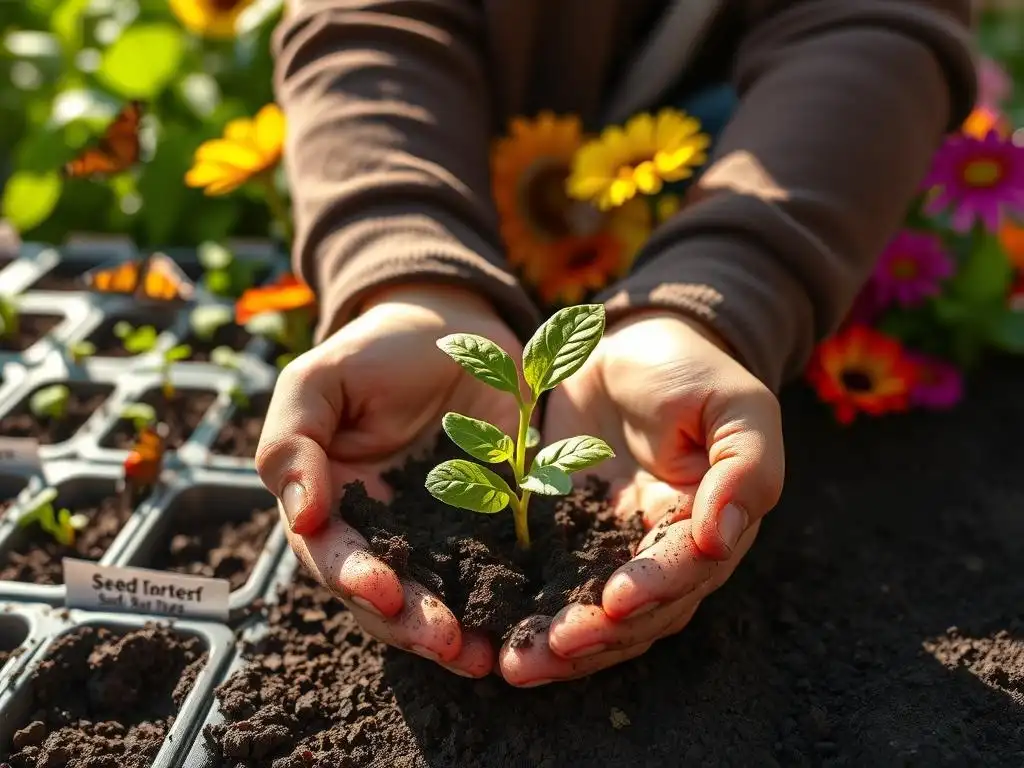
Welcome to CultivateYourFood, your guide to a greener, more fulfilling life through homegrown goodness! Ready to witness the magic of nature unfold right before your eyes? We're diving into the fascinating world of Kids' gardening life cycle projects, offering engaging activities that transform learning about plants from a lesson into an adventure. Discover how to cultivate a love for gardening – and delicious, healthy food – in the next generation. Let's get growing!
- Understanding the Plant Life Cycle for Young Gardeners
- Fun Kids' Gardening Life Cycle Projects: Hands-On Activities
- Extending Learning: Resources and Further Exploration
- Making it a Family Affair: Gardening Together
- Frequently Asked Questions
- Final Reflection: Cultivating Curiosity: The Enduring Power of Planting Seeds
- Unleash Your Child's Green Thumb!
Understanding the Plant Life Cycle for Young Gardeners
Growing your own food is a rewarding experience, and introducing children to the wonders of gardening from a young age fosters a lifelong appreciation for nature and sustainable living. This article focuses on making learning about the plant life cycle fun and engaging for kids, using hands-on activities that transform the abstract concept of growth into a tangible, exciting experience. We'll explore the different stages of a plant's life, from tiny seed to mature fruiting plant, providing simple yet effective projects that will captivate young minds and cultivate a love for gardening.
These activities are designed to be easily adaptable to various plants and available resources, promoting both learning and sustainable practices within your home garden. By understanding the plant life cycle, children develop a deeper understanding of where their food comes from, the importance of biodiversity, and the interconnectedness of the natural world.
Let's embark on this enriching journey of discovery together! 🎉
Introducing the Stages: Seed, Sprout, Plant, Flower, Fruit/Seed
The plant life cycle is a fascinating journey of transformation. Let's break it down into its key stages, making it easy for children to grasp:
- Seed: The beginning! A seed contains everything a plant needs to grow – a tiny embryo, stored food, and a protective coat. Seeds come in all shapes, sizes, and colors! Think of them as sleeping babies waiting for the right conditions to wake up. 😴
- Sprout: Once a seed absorbs water, it germinates, sending out a root down into the soil and a shoot up towards the sun. This tiny shoot is the sprout, the first visible sign of new life. It's a delicate stage, requiring careful nurturing. 🌱
- Plant: The sprout grows into a young plant, developing leaves that use sunlight to produce food through photosynthesis. This stage involves significant growth, both above and below ground. The plant strengthens its root system and increases its leaf surface area. 🌿
- Flower: As the plant matures, it produces flowers. These beautiful structures are essential for reproduction. Flowers attract pollinators like bees and butterflies, which help transfer pollen, enabling fertilization and the formation of fruits or seeds. 🌼
- Fruit/Seed: After pollination, the flower develops into a fruit (which may be fleshy, like a tomato, or dry, like a pea pod). Inside the fruit are the seeds, ready to begin the cycle anew. This completes the life cycle, and the seeds are dispersed to start the process all over again. 🍎
Engaging Activities to Teach Each Stage: Seed Germination Experiment, Sprout Observation Journal, Plant Growth Measurement Chart, Flower Dissection, Seed Collection and Classification
To make learning about the plant life cycle truly memorable, let's incorporate some fun, hands-on projects:
- Seed Germination Experiment: This classic experiment allows children to witness the wonder of germination firsthand. Plant several seeds in clear containers with moist paper towels or soil. Observe the seeds daily, recording their progress in a journal. Compare different types of seeds and their germination rates. This is a great way to introduce the concept of different plant needs and environmental factors. 🔬
- Sprout Observation Journal: Once the sprouts emerge, encourage children to keep a detailed journal, documenting their observations. Include drawings, measurements, and descriptions of the sprouts' growth. This fosters careful observation skills and scientific recording practices. Consider adding photos to the journal for a more engaging experience. 📝
- Plant Growth Measurement Chart: As the plants grow, regularly measure their height and record the data on a chart. This provides a visual representation of growth and helps children understand the concept of time and change. You can even create a graph to visualize the growth over time! 📏
- Flower Dissection: Carefully dissect a flower to examine its different parts – petals, stamen, pistil. Use a magnifying glass to observe the intricate details. This activity helps children understand the reproductive structures of plants and the process of pollination. 🔎
- Seed Collection and Classification: Once the plants have produced fruits or seeds, collect and classify them. Compare the sizes, shapes, and colors of different seeds. This activity promotes observation skills and introduces the concept of biodiversity. You can even create a seed collection album! 🗂️
This structured approach, combining educational content with engaging activities, will ensure that children not only learn about the plant life cycle but also develop a genuine love for gardening and a deep understanding of the natural world. Remember to adapt these activities to suit your children's age and interests, making the learning experience fun and enriching for everyone involved. Happy gardening! 🌻
Fun Kids' Gardening Life Cycle Projects: Hands-On Activities
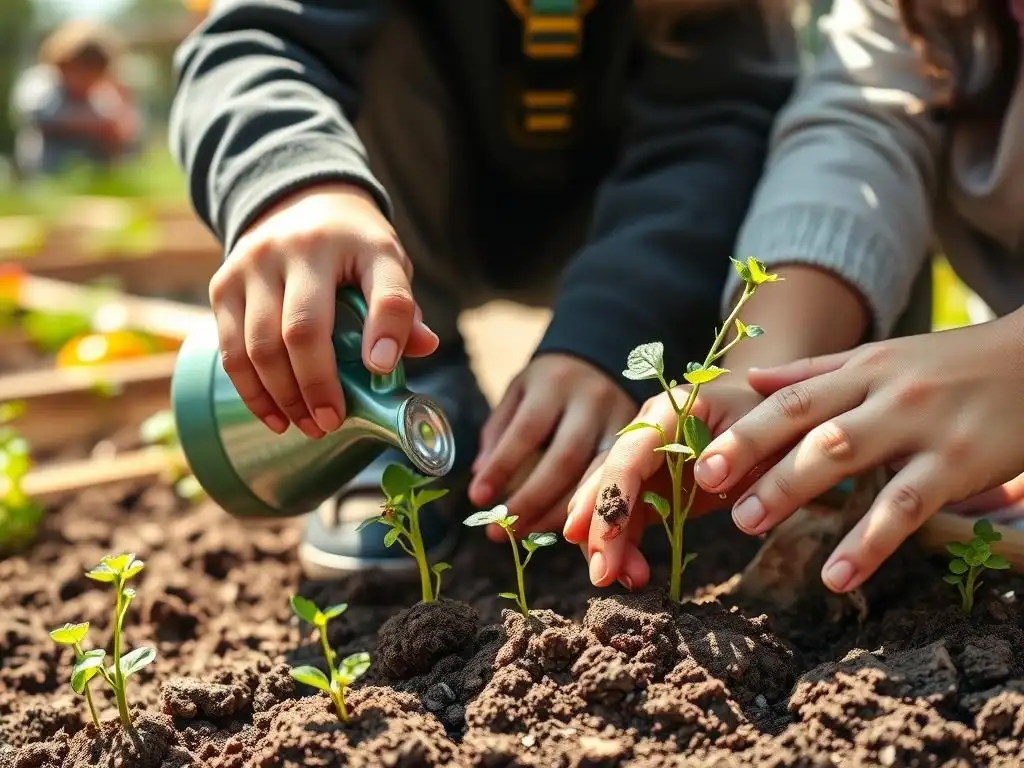
This section details engaging projects to teach children about the plant life cycle, fostering a love for gardening and sustainable practices. These activities are designed to be fun, educational, and manageable for young gardeners of all ages and skill levels. We'll explore hands-on projects perfect for demonstrating the complete cycle, from seed to harvest. Remember to always supervise children during these activities.
Planting Seeds: A Simple Experiment for Kids
This classic gardening project is perfect for introducing children to the wonder of plant growth. It's a simple, yet rewarding experience that visually demonstrates the stages of a plant's life cycle. From the initial seed to the sprouting seedling and eventual mature plant, children witness firsthand the transformation. This project provides excellent opportunities for observation, record-keeping, and nurturing.
Choosing the Right Seeds for Kids: Easy-to-Grow Options like Sunflowers or Beans
Selecting the right seeds is crucial for a successful project. Opt for fast-growing, easy-to-handle varieties. Sunflowers are a fantastic choice due to their rapid growth and impressive size, capturing children's attention. Beans, particularly kidney beans or lima beans, are another excellent option; their germination is easily observable. Consider other readily available seeds that germinate quickly and don't require extensive care, like radishes or lettuce. Avoid seeds that require very specific conditions or have a prolonged germination period.
Preparing the Soil and Pots: A Step-by-Step Guide for Little Hands
Use small, clear plastic cups or pots to allow children to observe root development. Fill these containers with a seed-starting mix, which is lighter and better-draining than garden soil. Ensure the soil is moist but not waterlogged. Let the children participate in mixing the soil and filling the pots – this tactile experience adds to the learning process. You can even add a bit of compost to enrich the soil. Remember to provide age-appropriate tools, like small trowels and hand rakes.
Planting and Watering: Essential Steps for Successful Germination
Gently place the seeds in the prepared soil, following the instructions on the seed packet regarding planting depth. Cover the seeds with a thin layer of soil and water gently. Emphasize the importance of consistent watering, ensuring the soil remains moist but not soggy. Regular watering is key to successful germination. Children can take on the responsibility of watering, learning about responsible plant care. Label each pot with the planting date and the type of seed planted. This encourages observation and record-keeping skills.
Growing Plants from Cuttings: A Unique Gardening Project for Children
Growing plants from cuttings is another engaging project that introduces children to vegetative propagation – a different way plants reproduce. This method allows children to create new plants from existing ones, further emphasizing the plant's resilience and ability to regenerate. It's a fascinating process that demonstrates the plant's ability to grow from a small piece of itself.
Choosing Plants Suitable for Cuttings: Easy Options for Young Gardeners like Coleus or Spider Plants
Select plants known for their ease of propagation from cuttings. Coleus, with their vibrant foliage, are excellent choices. Spider plants are another good option, as they readily produce “spiderettes” – small plantlets that can easily be rooted. These plants are forgiving and less prone to issues, making them ideal for young gardeners. Avoid plants that are known to be difficult to propagate from cuttings.
Preparing the Cuttings and Planting Medium: A Detailed Guide
Show children how to carefully take cuttings from the chosen plant – usually a stem cutting with several leaves. Explain the importance of using a sharp, clean tool to prevent damage to the plant. The cuttings should be planted in a well-draining potting mix, keeping the soil consistently moist but not overly wet. Encourage children to handle the cuttings gently to avoid damaging the delicate stems and leaves.
Caring for the Cuttings: Ensuring Successful Growth
Explain the importance of providing adequate light and warmth for the cuttings. A sunny windowsill is an ideal location. Regular misting of the leaves helps to maintain humidity, promoting healthy growth. Regularly check the soil moisture and water as needed. This project teaches children about patience and the importance of consistent care in plant growth. Once roots develop and new growth appears, the cuttings can be transplanted into larger pots. This is a rewarding experience for the young gardener, showcasing the successful completion of the plant propagation process.
Creating a Life Cycle Chart: A Visual Learning Experience
Creating a life cycle chart is a fantastic way to visually represent the journey of a plant, making it easily understandable for children. This project combines art, science, and observation, fostering a deeper understanding of the plant life cycle. Children can actively participate in every step, from designing the chart to documenting the plant's progress. The visual nature of the chart aids in retention, making learning fun and memorable.
Furthermore, it serves as a tangible reminder of the plant's growth, allowing children to revisit and review their observations over time. This hands-on approach transforms a potentially abstract concept into a concrete and engaging learning experience. The chart can be as simple or elaborate as desired, catering to different age groups and skill levels.
Designing the Chart: Creative Ideas for Children
There are numerous creative avenues for designing the life cycle chart. Younger children might prefer a simple timeline, using drawings or pictures to represent each stage. Older children could create a more detailed chart incorporating labels, measurements, and even photographs of the plant at different growth stages. Consider using different colored markers or paints to highlight the various stages.
Perhaps each stage could be represented by a different type of artwork – a collage for germination, a painting for budding, and a drawing for flowering. Another option is to use a large sheet of paper or cardboard and have children collaborate on the design. Encourage them to add their own personal touches, making it a truly unique and engaging representation of their learning experience. The possibilities are endless, limited only by the children's imagination and creativity.
Documenting the Growth: Tracking the Plant's Progress
Regularly documenting the plant's growth is crucial for a complete understanding of the life cycle. Children can take photographs of the plant at different stages, noting the date and any significant changes. This not only provides visual evidence of the growth process but also strengthens their observational skills. They can also maintain a journal, recording daily observations, measurements of height and stem width, and any notable events, such as the appearance of the first leaves or the opening of the first flower.
This detailed record-keeping fosters scientific thinking and data analysis skills. Including drawings alongside written observations can further enhance the learning experience, encouraging different methods of expression and comprehension. Remember to encourage regular journaling and photography to ensure a comprehensive record of the plant's journey.
Harvesting and Replanting: Completing the Cycle
Harvesting and replanting represent the culmination of the plant life cycle, providing a rewarding and educational experience for children. The act of harvesting teaches responsibility and the connection between nurturing a plant and enjoying its fruits (or vegetables!). Replanting, in turn, demonstrates the cyclical nature of plant life and the importance of sustainability.
This hands-on experience reinforces the concepts learned throughout the growing process, solidifying their understanding of the complete life cycle. By actively participating in these final stages, children gain a deeper appreciation for the interconnectedness of nature and the continuous cycle of growth and renewal. Moreover, it instills a sense of pride and accomplishment in having successfully nurtured a plant from seed to harvest.
Harvesting Techniques for Kids: Safe and Fun Methods
Teaching children safe and fun harvesting techniques is paramount. For instance, when harvesting herbs, demonstrate how to gently snip the leaves instead of pulling them off, ensuring the plant's health. For fruits and vegetables, show them how to carefully pick ripe produce without damaging the plant or neighboring plants. Using child-sized tools, like small scissors or trowels, makes the task more manageable and engaging.
Always supervise children during harvesting to ensure their safety and to guide their techniques. Making it a game, like a "treasure hunt" for ripe tomatoes, can make the experience even more enjoyable. Remember to emphasize the importance of respecting the plant and harvesting only what's needed. This approach instills a sense of responsibility and respect for nature.
Preparing Seeds for Replanting: A Simple Process for Children
Preparing seeds for replanting is a straightforward yet valuable lesson in plant propagation. Start by selecting ripe fruits or vegetables that contain viable seeds. For example, carefully removing seeds from a ripe tomato or pumpkin is a great hands-on activity. Explain the importance of cleaning the seeds, removing any excess pulp or flesh.
Then, demonstrate how to dry the seeds properly, either by spreading them on a paper towel or placing them in a well-ventilated container. Once dried, the seeds are ready for storage or immediate replanting. This simple process teaches children about the next generation of plants and the continuation of the life cycle. It's a great opportunity to discuss seed banks and the importance of preserving plant diversity.
Composting Leftovers: Teaching Sustainable Practices
Composting leftover plant material after harvesting teaches children about sustainable practices and the cyclical nature of nature. Explain how decomposing organic matter creates nutrient-rich compost, which can then be used to nourish the soil for future plantings. Children can actively participate in the composting process, learning how to properly layer different organic materials, such as vegetable scraps, leaves, and grass clippings. Turning the compost regularly helps to speed up the decomposition process and allows children to observe the changes occurring within the compost pile.
This hands-on experience demonstrates the importance of reducing waste and using natural resources responsibly. It also reinforces the concept of a closed-loop system, where waste from one process becomes a valuable resource for another. This fosters an understanding of environmental stewardship from a young age.
Extending Learning: Resources and Further Exploration
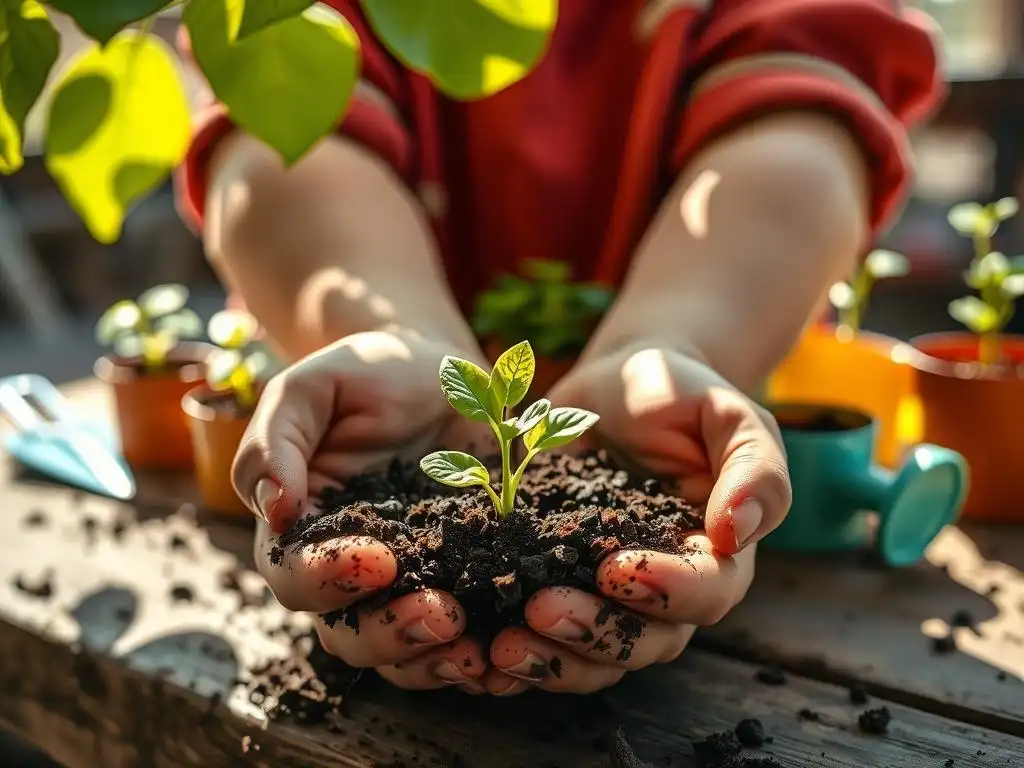
This section provides avenues for expanding your child's understanding of the plant life cycle beyond the hands-on projects. We'll explore enriching resources and engaging activities that reinforce learning and foster a deeper connection with nature. Remember, nurturing a child's curiosity is key to cultivating a lifelong love for gardening and sustainable practices. This is crucial for instilling a sense of responsibility towards the environment, enhancing their understanding of "Kids' gardening life cycle projects," and promoting healthy eating habits.
Recommended Books and Websites about Plant Life Cycles for Kids
Engaging children with age-appropriate materials is vital for effective learning. There's a wealth of resources available to supplement your home gardening activities. Here are some examples:
- Picture Books: Look for vibrantly illustrated books that simplify complex biological processes. Titles focusing on seeds, germination, growth, and the eventual production of fruits and vegetables are ideal. Many libraries offer excellent selections catering specifically to young readers. Consider books with interactive elements, like lift-the-flaps or pop-ups, to make the learning experience more dynamic.
- Educational Websites: Several websites offer interactive games and activities related to plant life cycles. These digital resources can be a fun and engaging way to reinforce concepts learned through hands-on gardening. Look for sites with age-appropriate content, clear explanations, and visually appealing designs. Parental supervision is always recommended when children are using online resources.
- Subscription Boxes: Some companies offer educational subscription boxes tailored to children's interests in science and nature. These boxes often include hands-on experiments, activities, and materials related to plant life cycles, providing a structured learning experience. While these boxes may come at a cost, the curated content can be valuable for parents seeking structured learning beyond the scope of standard educational materials.
| Resource Type | Example Title (Placeholder) | Age Range | Key Benefits |
|---|---|---|---|
| Picture Book | The Amazing Journey of a Seed | 3-6 | Visually engaging, simple language, introduces basic concepts. |
| Educational Website | [Website Name Pending - Example: KidsGrow.com] | 5-10 | Interactive games, quizzes, and supplementary information. |
| Subscription Box | [Box Name Pending - Example: Little Botanist Box] | 6-12 | Structured learning, hands-on activities, fosters scientific inquiry. |
Visiting Local Gardens and Farms: Real-World Learning Experiences
Stepping outside the classroom and into a real-world setting significantly enhances learning. Visiting local gardens, botanical gardens, or farms provides children with invaluable hands-on experiences that bring the plant life cycle to life.
- Interactive Exploration: Encourage children to observe plants at different stages of their life cycle. Let them touch the leaves, smell the flowers, and even taste the fruits (with appropriate supervision and safety precautions). This sensory experience helps them connect with nature on a deeper level.
- Guided Tours: Many gardens and farms offer guided tours specifically designed for children. These tours typically provide age-appropriate explanations of plant life cycles, cultivation techniques, and the importance of sustainable practices. These tours often incorporate interactive activities and games to make the learning experience more enjoyable.
- Hands-On Activities: Some locations offer hands-on activities, such as planting seeds or harvesting vegetables. Participating in these activities allows children to actively engage with the plant life cycle, fostering a sense of responsibility and accomplishment. This direct involvement solidifies their understanding of the processes involved in "Kids' gardening life cycle projects".
Connecting with Nature: Outdoor Activities to Enhance Learning
Beyond structured visits, simple outdoor activities can greatly enhance a child's understanding of the plant life cycle. These activities are easily incorporated into daily routines and foster a deeper appreciation for nature.
- Nature Walks and Scavenger Hunts: Organize nature walks focused on identifying different plants and observing their growth stages. Create a scavenger hunt with clues related to plant parts, growth patterns, or the different stages of the plant life cycle. This fun approach encourages active observation and strengthens their knowledge of the plant kingdom.
- Creating a Nature Journal: Encourage children to keep a nature journal where they can document their observations, draw pictures of plants they encounter, and record their thoughts and experiences. This fosters creativity, observation skills, and a deeper connection with the natural world. It's a wonderful way to track the progress of their own gardening "Kids' gardening life cycle projects."
- Seed Collection and Planting: Collecting seeds from fruits and vegetables and planting them is a rewarding experience that teaches children about the importance of seeds in the plant life cycle. This activity promotes patience, responsibility, and a sense of accomplishment as they witness the seeds germinate and grow into plants. This hands-on experience is invaluable for understanding the complete cycle. 🌱
Remember to always prioritize safety and supervise children during all outdoor activities. The goal is to make learning fun, engaging, and memorable, fostering a lifelong appreciation for nature and sustainable living.
Making it a Family Affair: Gardening Together
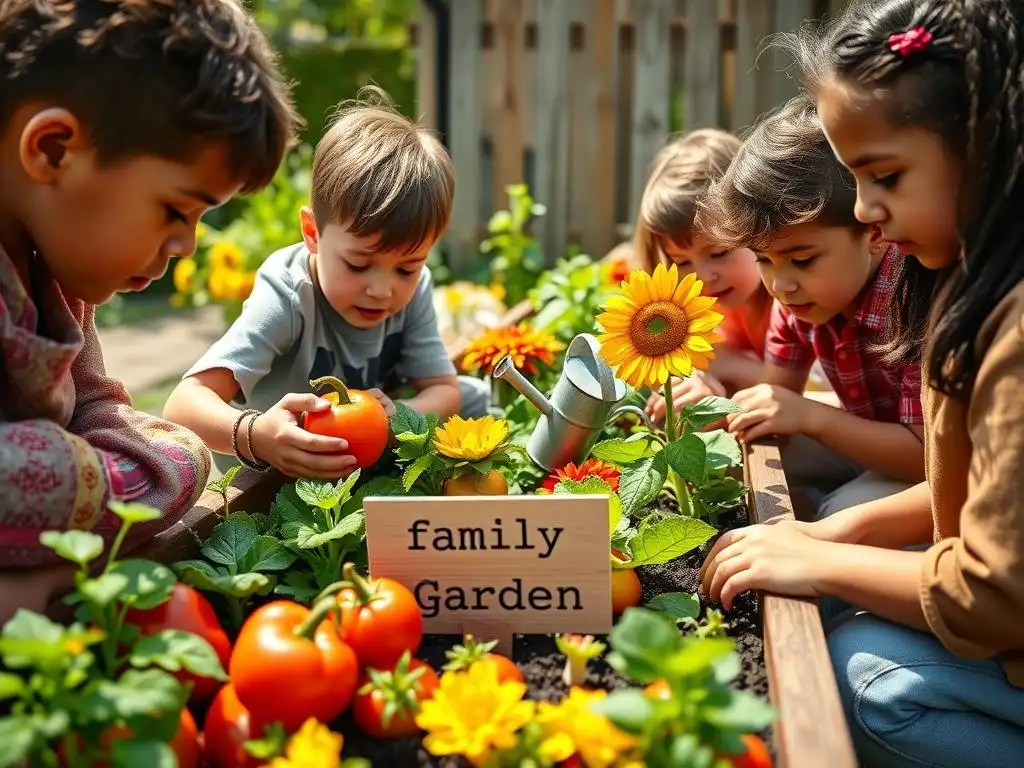
Gardening isn't just about growing plants; it's about nurturing growth in many forms. When families work together in the garden, they cultivate more than just tomatoes and zucchini – they cultivate stronger bonds and valuable life skills. This section explores how incorporating kids' gardening life cycle projects into family routines can create lasting memories and foster a deeper appreciation for nature.
Benefits of Family Gardening: Strengthening Bonds and Building Skills
Family gardening offers a multitude of benefits, extending far beyond the harvest. Shared experiences in the garden create opportunities for connection and communication, strengthening family bonds. The collaborative nature of planting, weeding, watering, and harvesting encourages teamwork and shared responsibility. Children learn patience, perseverance, and the importance of nurturing and caring for living things. They develop a sense of accomplishment as they witness the fruits (and vegetables!) of their labor.
Furthermore, kids' gardening life cycle projects provide hands-on learning experiences that complement classroom education. They learn about botany, ecology, and sustainability in a practical, engaging way. These projects enhance their understanding of where food comes from, promoting healthier eating habits and reducing food waste. The tactile experience of working with soil, seeds, and plants stimulates sensory development and provides a welcome break from screen time. The rewards extend beyond the immediate gratification of a bountiful harvest; children develop a deeper connection with nature, fostering a lifelong appreciation for the environment.
Consider this: A study by [Specific information pending: source on benefits of family gardening] found that families who garden together report higher levels of family satisfaction and improved communication. This underscores the significant impact of shared gardening experiences on family well-being.
Incorporating Kids' Gardening Life Cycle Projects into Family Routines
Integrating kids' gardening life cycle projects into family routines requires planning and commitment, but the rewards are immeasurable. Start small, choosing projects appropriate for your children's ages and abilities. A simple herb garden in a sunny windowsill is a great starting point for younger children, while older children can tackle more ambitious projects like growing vegetables from seed.
Here are some practical tips for incorporating these projects into your family's schedule:
- Weekend Gardening Time: Dedicate a specific time each weekend to gardening activities. Make it a family event, complete with snacks and music.
- Age-Appropriate Tasks: Assign tasks based on your children's abilities. Younger children can help with watering, while older children can handle weeding and planting.
- Gardening Journal: Encourage children to keep a gardening journal, documenting their observations and experiences. This fosters a sense of ownership and responsibility.
- Theme-Based Projects: Choose themes for your projects, such as "The Rainbow Garden" (planting vegetables and flowers in a rainbow of colors) or "The Pizza Garden" (growing tomatoes, basil, and peppers). This adds an element of fun and creativity.
- Educational Games: Incorporate educational games into your gardening routines, such as identifying different plants or learning about the life cycle of a plant.
Celebrating Successes and Learning from Challenges: A Positive Gardening Experience
Gardening is a journey, not a race. There will be successes and setbacks along the way. It's crucial to foster a positive and supportive environment where children feel comfortable experimenting and learning from their mistakes. Celebrating successes, no matter how small, is essential for building confidence and motivation. A bountiful harvest is a reason for celebration, but even small milestones, like the emergence of a seedling, deserve acknowledgment and praise.
When challenges arise, such as pests or diseases, frame them as learning opportunities. Encourage children to research solutions and participate in problem-solving. This teaches resilience and adaptability, valuable life skills that extend far beyond the garden. Remember, the goal is not just to grow plants, but to cultivate a love for nature, a sense of responsibility, and a spirit of collaboration within the family.
The entire process—from planting the seeds to enjoying the harvest—should be a fun and rewarding experience for everyone involved. The memories created will last a lifetime. And who knows, you might even inspire the next generation of gardeners! 🌱👨👩👧👦
Frequently Asked Questions
What is the plant life cycle?
The plant life cycle is a series of stages a plant goes through from seed to mature plant producing seeds. These stages include germination, growth, reproduction, and death. This cycle repeats continually.
How can I make learning about the plant life cycle fun for kids?
Use hands-on activities like planting seeds in cups, creating a life cycle chart, or building a miniature garden. Involve them in the entire process, from planting to harvesting.
What are some simple life cycle projects suitable for young children?
Growing fast-growing plants like beans or sunflowers are ideal. Children can observe and document the changes daily, making it a fun and engaging experience. Bean sprouts are another great option.
How can I incorporate sustainable practices into these projects?
Use organic seeds, compost for soil enrichment, and water wisely. Teach children about the importance of conserving resources and protecting the environment.
What are the benefits of kids' gardening life cycle projects?
These projects teach valuable life skills, promote environmental awareness, and encourage scientific observation. They also foster a sense of responsibility and accomplishment.
Final Reflection: Cultivating Curiosity: The Enduring Power of Planting Seeds
Understanding the plant life cycle isn't just about memorizing stages; it's about fostering a deep connection with nature and nurturing a lifelong appreciation for the environment. The simple act of planting a seed and watching it grow holds immense power, shaping young minds and inspiring future generations of environmental stewards. This knowledge, once considered a niche subject, is now more crucial than ever in a world facing climate change and dwindling natural resources.
Witnessing the wonder in a child's eyes as they tend to their tiny sprout is a truly rewarding experience. It's a reminder of the simple joys found in nature, a connection often lost in our increasingly digital world. The best way to find yourself is to lose yourself in the service of others.
– Mahatma Gandhi. This quote, while seemingly unrelated at first glance, speaks to the profound impact of nurturing something beyond ourselves – be it a plant, a community, or even a future generation. The act of gardening, particularly with children, fosters empathy, patience, and a sense of responsibility, qualities vital for a thriving society.
Now, consider the seeds you've planted – not just literally, but metaphorically. What knowledge have you gained from this journey? How can you apply the principles of growth, patience, and nurturing to other aspects of your life? Take the time to reflect on the power of observation and the joy of discovery. Encourage the children in your life to explore the natural world, to get their hands dirty, and to experience the magic of watching life unfold. Let's cultivate a future where curiosity and connection with nature flourish.
Unleash Your Child's Green Thumb!
Thanks for exploring the fascinating world of plant life cycles with us! We hope you've discovered fun and engaging ways to nurture a love of nature in your children. Ready to take the next step?
- Start a mini-garden: Guide your child through planting and growing easy-to-care-for plants like sunflowers or beans, observing each stage of their life cycle from seed to flower. This hands-on experience is incredibly rewarding.
- Share your gardening journey: Capture photos or videos of your child's progress and share them online to inspire other families (using #CultivateYourKids on social media! ).
- Learn about a new plant together: Explore the unique life cycle of an unusual plant – perhaps a Venus flytrap or a climbing bean plant – and discover the amazing diversity of the plant kingdom.
What exciting discoveries will your child make during their plant-growing adventure?