
Poor Pollination: Ensuring Successful Fruit Set in Your Garden

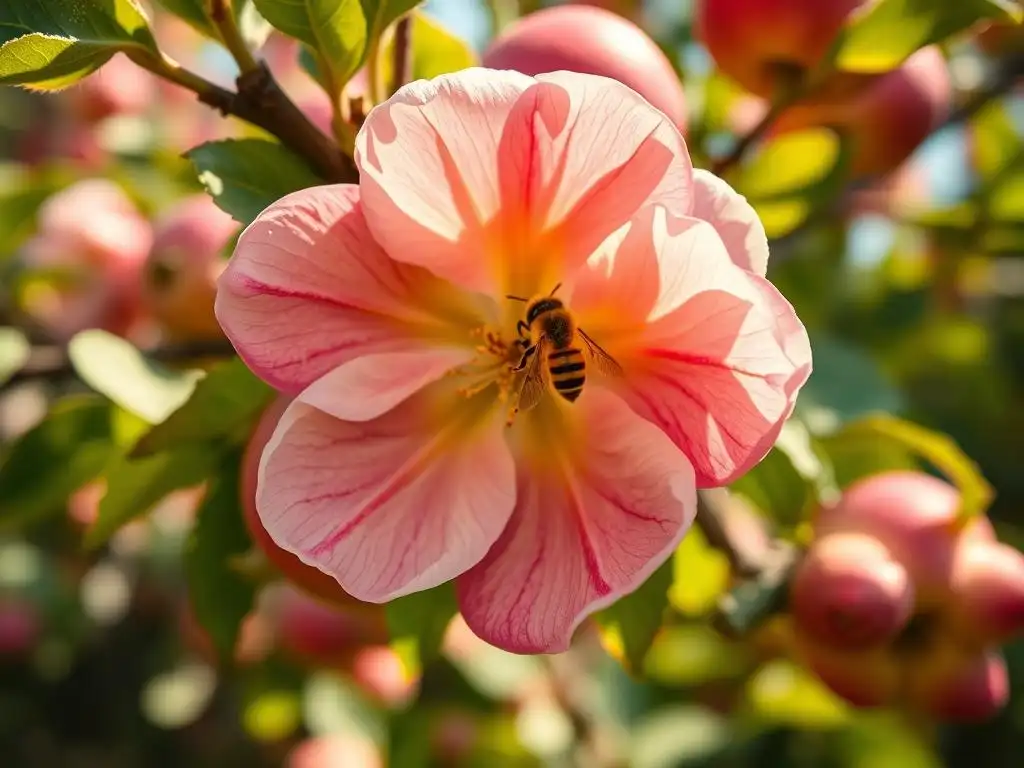
Welcome to CultivateYourFood, your guide to a thriving, sustainable home garden! Are you frustrated with a disappointing fruit harvest? Learn how to dramatically improve fruit pollination in your garden and unlock the secrets to abundant yields. Discover practical, organic solutions to common pollination problems and transform your backyard into a bountiful oasis. Dive into our "Troubleshooting" section and start cultivating the garden of your dreams!
- Understanding the Importance of Pollination for Fruit Production
- Identifying Pollination Problems: Diagnosing the Issue
- Enhancing Pollination in Your Garden: Practical Solutions
- Preventing Future Pollination Problems: Long-Term Strategies
-
Frequently Asked Questions
- What are the main causes of poor fruit pollination in my garden?
- How can I attract more pollinators to my garden to improve fruit pollination?
- What role does weather play in successful fruit pollination?
- My fruit trees are flowering, but I’m not getting many fruits. What could be wrong?
- Are there any specific plants I can grow to improve fruit pollination in my garden?
- Final Reflection: The Sweet Rewards of Understanding Pollination
- Unlock Your Garden's Bounty: Boost Pollination Now!
Understanding the Importance of Pollination for Fruit Production
Successfully cultivating a bountiful fruit harvest relies heavily on effective pollination. Understanding the intricacies of this crucial process is paramount for any gardener aiming to improve fruit production in their home garden. This article delves into the reasons behind poor pollination, providing practical solutions to boost fruit set and ultimately, increase your yield of delicious, homegrown fruits. We'll explore the natural pollination process, identify telltale signs of inadequate pollination, and offer actionable steps to improve pollination in your garden, ensuring a successful harvest season.
This guide is essential for anyone striving to improve fruit pollination and achieve a thriving, productive garden using sustainable and organic practices. We'll cover techniques that minimize reliance on external interventions, promoting a healthier and more self-sufficient ecosystem within your garden space. Let's explore how to improve fruit pollination in your garden and reap the rewards of a vibrant and fruitful harvest!
The Pollination Process: How Fruits Develop
The development of fruits is intrinsically linked to successful pollination. Pollination is the process of transferring pollen grains from the male part of a flower (the anther) to the female part (the stigma). This transfer can occur through various means, including wind, water, and, most importantly for home gardens, insects.
Bees, butterflies, moths, and even some beetles play a critical role in carrying pollen from flower to flower. When a pollen grain lands on a receptive stigma, it germinates, sending a pollen tube down to the ovary, where fertilization of the ovules occurs. These fertilized ovules then develop into seeds, and the surrounding ovary matures into the fruit we harvest.
The type of fruit produced—a berry, a pome, a drupe—depends on the plant species, but the fundamental process of pollination remains the same. Understanding this process allows us to identify where potential problems might arise and implement solutions to improve fruit pollination. For instance, a lack of pollinators or environmental factors hindering pollen transfer can significantly impact fruit development, leading to reduced yields or even a complete absence of fruit.
Recognizing the Signs of Poor Pollination in Your Garden
Several indicators can signal poor pollination in your garden. These signs often manifest as irregularities in fruit development and overall plant health. Here are some key symptoms to watch out for:
- Few or no fruits developing: This is the most obvious sign. If your fruit-bearing plants are producing significantly fewer fruits than expected, or none at all, pollination problems are likely the culprit.
- Malformed or misshapen fruits: Fruits that are small, deformed, or oddly shaped often indicate incomplete pollination. These fruits may lack seeds or have fewer seeds than normal.
- Fruit drop: Premature fruit drop, where fruits fall off the plant before ripening, can be a symptom of inadequate pollination. The plant may be shedding fruits that haven't developed properly.
- Uneven fruit development: Observe whether the fruits on your plants are developing uniformly. Uneven ripening or size differences within the same plant can point towards pollination issues.
- Lack of pollinators: Directly observing a scarcity of bees, butterflies, or other pollinators visiting your plants is a clear sign of a potential pollination problem. This might be due to habitat loss, pesticide use, or other environmental factors.
Understanding these signs is crucial for taking timely and effective action to improve fruit pollination and ensure a successful harvest. The next sections will explore practical solutions to address these issues.
Identifying Pollination Problems: Diagnosing the Issue
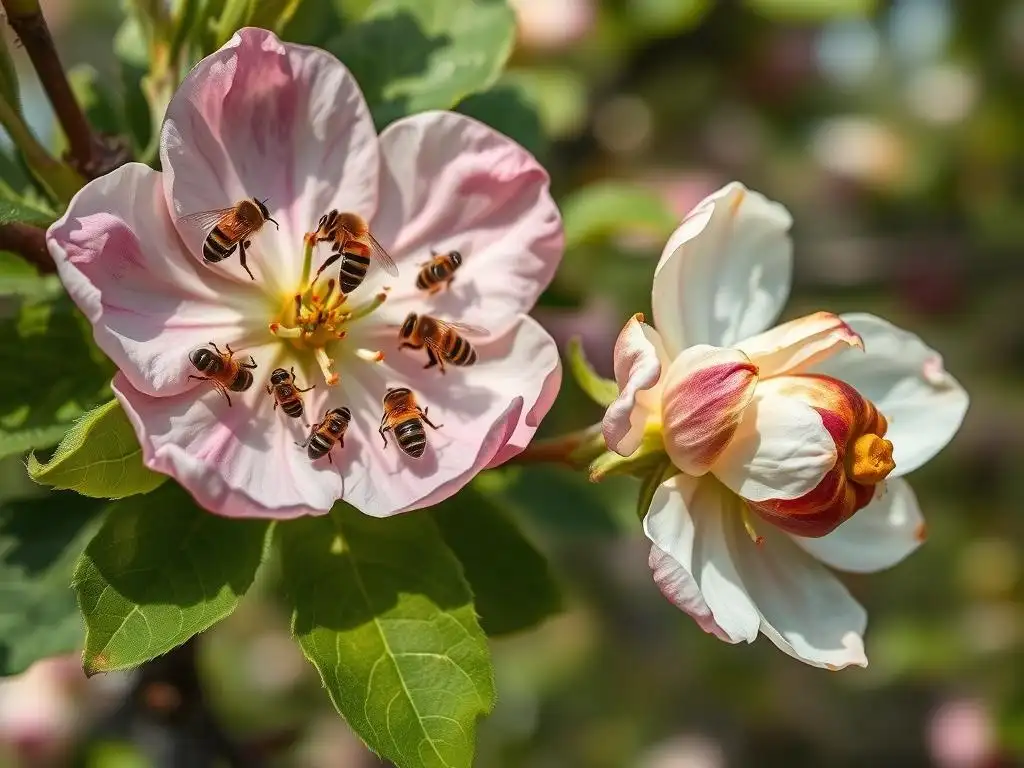
Poor fruit set, despite healthy-looking plants and diligent care, often points to pollination issues. Understanding the root cause is crucial for implementing effective solutions and improving fruit pollination in your garden. This section will guide you through diagnosing potential problems, helping you pinpoint the specific factor hindering successful pollination. Remember, successful fruit development relies on the transfer of pollen from the male part (stamen) to the female part (pistil) of the flower. Failure at this stage directly impacts your harvest. Let's explore the most common culprits.
Insufficient Pollinators: Bees, Butterflies, and Other Helpers
Insufficient pollinator activity is a leading cause of poor fruit set. Bees, butterflies, hummingbirds, and even some beetles are vital for transferring pollen between flowers. A lack of these beneficial insects can significantly reduce pollination success. Several factors contribute to this:
- Habitat Loss: Intensive landscaping and the widespread use of pesticides have drastically reduced natural pollinator habitats. A garden lacking diverse flowering plants will struggle to attract and sustain pollinator populations. Consider planting a variety of flowering plants, including those that bloom at different times throughout the growing season, to provide a continuous food source for pollinators.
- Pesticide Use: Many commonly used pesticides are toxic to pollinators. Even seemingly "bee-friendly" products can have detrimental effects, especially when used improperly. Opt for integrated pest management (IPM) strategies that prioritize preventative measures and minimize pesticide use. Consider organic pest control methods whenever possible.
- Disease and Parasites: Pollinators, like any other living organism, are susceptible to diseases and parasites. Maintaining a healthy garden environment is crucial for supporting their health and resilience. Provide clean water sources and avoid practices that could stress pollinator populations.
The impact of insufficient pollinators is easily visible. Observe your plants closely; a low fruit set coupled with few or no insect visitors strongly suggests this is the primary problem. Improving your garden's attractiveness to pollinators is key to improving fruit pollination. Consider adding bee houses, butterfly bushes, and other pollinator-friendly elements to your garden design.
Environmental Factors Affecting Pollination: Wind, Rain, and Temperature
Environmental conditions can significantly impact pollination effectiveness. Adverse weather can directly interfere with pollinator activity and pollen transfer.
- Rain: Heavy rain can wash away pollen from flowers, hindering pollination. Prolonged periods of rain can also keep pollinators indoors, reducing their activity.
- Wind: Strong winds can scatter pollen, reducing its concentration around flowers, making pollination less efficient. Wind can also physically damage flowers, reducing their ability to attract pollinators and receive pollen.
- Temperature: Extreme temperatures, both excessively high and low, can negatively impact pollinator activity and pollen viability. Many pollinators are less active outside their ideal temperature range. Pollen itself can also be affected by extreme temperatures, losing its viability and ability to germinate.
Addressing these environmental factors might involve strategic planting (sheltering vulnerable plants from strong winds), providing supplemental irrigation during dry spells, and choosing plant varieties that are more tolerant to your local climate. Monitoring weather patterns and adjusting your gardening practices accordingly can significantly improve your chances of successful fruit set.
Plant-Specific Issues: Self-Pollination vs. Cross-Pollination
Not all plants are created equal when it comes to pollination. Understanding the pollination requirements of your specific plants is crucial.
- Self-Pollination: Some plants are self-pollinating, meaning they can fertilize themselves. However, even self-pollinating plants often benefit from some level of pollinator activity to improve fruit production. While self-pollination ensures some fruit set, it may not be as abundant as cross-pollination.
- Cross-Pollination: Many plants require cross-pollination, meaning pollen must be transferred from one plant to another of the same species. This necessitates the presence of pollinators or manual intervention. Lack of genetic diversity within a plant species can also lead to poor fruit set even with adequate pollination.
To improve fruit pollination in your garden, carefully select plant varieties. If you're dealing with cross-pollinating plants, ensure you have multiple plants of the same species within close proximity to facilitate pollen transfer. Consider planting compatible varieties alongside each other to encourage cross-pollination. This requires research tailored to your specific plants. For example, some apple varieties are known for their compatibility with one another, while others are not. Understanding these intricacies can greatly improve your harvest. Careful plant selection is a crucial step in improving fruit pollination within your garden.
Enhancing Pollination in Your Garden: Practical Solutions
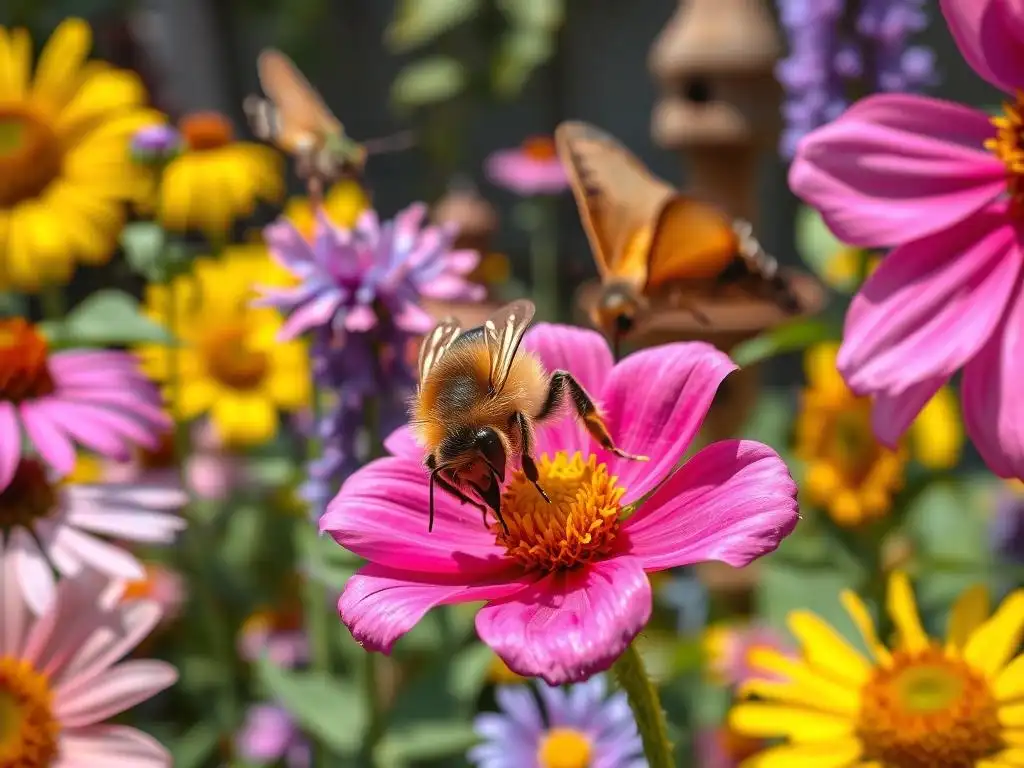
Poor pollination is a significant obstacle to achieving a bountiful harvest in your home garden. This section focuses on practical strategies to improve fruit pollination and increase your chances of a successful fruit set, even if natural pollinators are scarce. We'll explore methods to attract beneficial insects and also delve into the technique of hand-pollination, a valuable tool when natural pollination fails. Improving fruit pollination in your garden requires a multifaceted approach, combining habitat enhancement with manual intervention when necessary. This ensures a robust and sustainable yield, aligning perfectly with our commitment to organic gardening practices.
Attracting Pollinators: Creating a Pollinator-Friendly Habitat
Attracting pollinators like bees, butterflies, and hummingbirds is crucial for successful fruit set. These beneficial insects are essential for transferring pollen between flowers, leading to fertilization and fruit development. Creating a pollinator-friendly habitat involves several key strategies. Remember, a diverse and healthy pollinator population is the cornerstone of a thriving garden ecosystem.
Planting Pollinator-Attracting Flowers and Herbs
Planting a variety of flowers and herbs that bloom at different times throughout the growing season is a cornerstone of attracting pollinators. Consider incorporating these options into your garden design:
- Sunflowers: These vibrant blooms attract a wide range of pollinators.
- Lavender: Known for its fragrant blossoms, it's a favorite among bees.
- Borage: A rich source of nectar and pollen, highly attractive to bees and butterflies.
- Mint family (Mentha): These aromatic herbs provide a valuable food source.
- Coneflowers (Echinacea): These daisy-like flowers are popular with bees and butterflies.
Think about the blooming periods of these plants to ensure continuous floral resources for pollinators throughout the spring and summer months. Strategic placement of these plants near your fruiting plants can significantly increase pollination success.
Providing Water Sources for Pollinators
Access to clean water is just as vital as food for pollinators. A simple shallow dish of water with pebbles or rocks provides a safe place for them to drink without drowning. Regularly replenish the water, especially during hot and dry periods. Consider a small birdbath or a shallow pond for larger pollinators like hummingbirds. This simple addition can dramatically increase pollinator activity in your garden.
Avoiding Pesticide Use
Pesticides, herbicides, and insecticides can be devastating to pollinators. These chemicals can directly kill pollinators or contaminate their food sources, leading to population decline. Adopting organic gardening practices, including the use of natural pest control methods, is crucial for protecting pollinators and improving the overall health of your garden ecosystem. Remember, healthy pollinators mean healthier plants and a more abundant harvest. Prioritize integrated pest management (IPM) strategies to minimize the need for harmful chemicals.
Hand-Pollination Techniques: A Manual Approach to Improve Fruit Set
Hand-pollination is a valuable technique to ensure fruit set, particularly in situations where natural pollination is insufficient due to inclement weather, a shortage of pollinators, or the characteristics of the plant itself. This method involves manually transferring pollen from the male flower parts (stamens) to the female flower parts (pistils) of the same or another compatible plant. This process mimics the natural pollination process, ensuring fertilization and fruit development.
Understanding the Mechanics of Hand-Pollination
The success of hand-pollination hinges on understanding the plant's reproductive parts. The stamen produces pollen, a fine powder that contains the plant's genetic material. The pistil, containing the stigma, style, and ovary, receives the pollen. For successful fertilization, pollen must be transferred from the stamen to the stigma. Some plants are self-pollinating, while others require cross-pollination from a different plant of the same species. Knowing your plant's specific pollination requirements is crucial.
Step-by-Step Guide to Hand-Pollinating Your Plants
- Identify male and female flowers: Many plants have separate male and female flowers. Some have both on the same flower (perfect flower).
- Collect pollen: Gently brush a small, soft paintbrush or cotton swab against the stamens of a mature flower to collect pollen.
- Transfer pollen: Carefully brush the collected pollen onto the stigma of another flower (or the same flower, depending on the plant).
- Repeat: Repeat this process for several flowers to increase the chances of successful pollination.
- Monitor for fruit development: Check regularly for fruit development, which typically occurs a few weeks after pollination.
Careful observation and a gentle touch are key to successful hand-pollination. This method, while requiring a bit of effort, can significantly improve your fruit yield, especially when natural pollination is unreliable. Remember to practice this technique on a sunny day when pollen is drier and easier to transfer. Consistent application of this technique will contribute significantly to improving fruit pollination in your garden.
Optimizing Planting Strategies for Better Pollination
Optimizing your planting strategies is crucial for improving fruit pollination in your garden. This involves careful consideration of several factors, ensuring your plants are well-positioned to attract and utilize pollinators effectively. Poor planning can lead to reduced fruit set, even with abundant pollinators present. Therefore, understanding the nuances of plant placement and selection is key to a successful harvest. The following sections delve into the specific aspects of plant selection and arrangement that significantly impact pollination success.
Choosing the Right Plant Varieties
Selecting the right plant varieties is paramount for maximizing pollination success. Some plants are naturally more attractive to pollinators than others. For example, varieties with open, showy flowers often attract more bees and other beneficial insects. Consider choosing cultivars known for their strong fragrance, as scent plays a significant role in attracting pollinators. Additionally, research the pollination requirements of your chosen plants.
Some fruits require cross-pollination between different varieties, while others are self-pollinating. Understanding these needs will guide your selection process. Choosing a mix of early, mid-season, and late-blooming varieties ensures a continuous supply of nectar and pollen, keeping pollinators active throughout the growing season. For example, selecting both early and late-blooming tomato varieties extends the period when pollinators are actively visiting your garden, increasing the chances of successful fruit set. This strategic approach increases overall pollination efficiency and improves yields.
Proper Spacing and Arrangement of Plants
Proper spacing and arrangement of plants are equally vital for improving pollination. Overcrowding hinders pollinator access to flowers, reducing pollination efficiency. Plants need sufficient space for adequate airflow and sunlight penetration, which is important for both plant health and pollinator attraction. Bees, for instance, prefer to navigate open spaces, and dense planting can make it challenging for them to reach individual flowers.
A good rule of thumb is to follow the recommended spacing guidelines provided by seed packets or plant nurseries. Consider arranging plants in blocks or rows to create areas of high pollinator activity. Intersperse flowering herbs and companion plants among your fruit and vegetable crops to provide additional nectar and pollen sources for pollinators, effectively creating a pollinator-friendly environment.
Strategic placement of plants also considers wind patterns. If the wind predominantly blows from one direction, planting varieties in a way that utilizes the wind's natural flow can help distribute pollen more effectively. This thoughtful planning directly translates to increased fruit production and a thriving garden ecosystem.
Preventing Future Pollination Problems: Long-Term Strategies
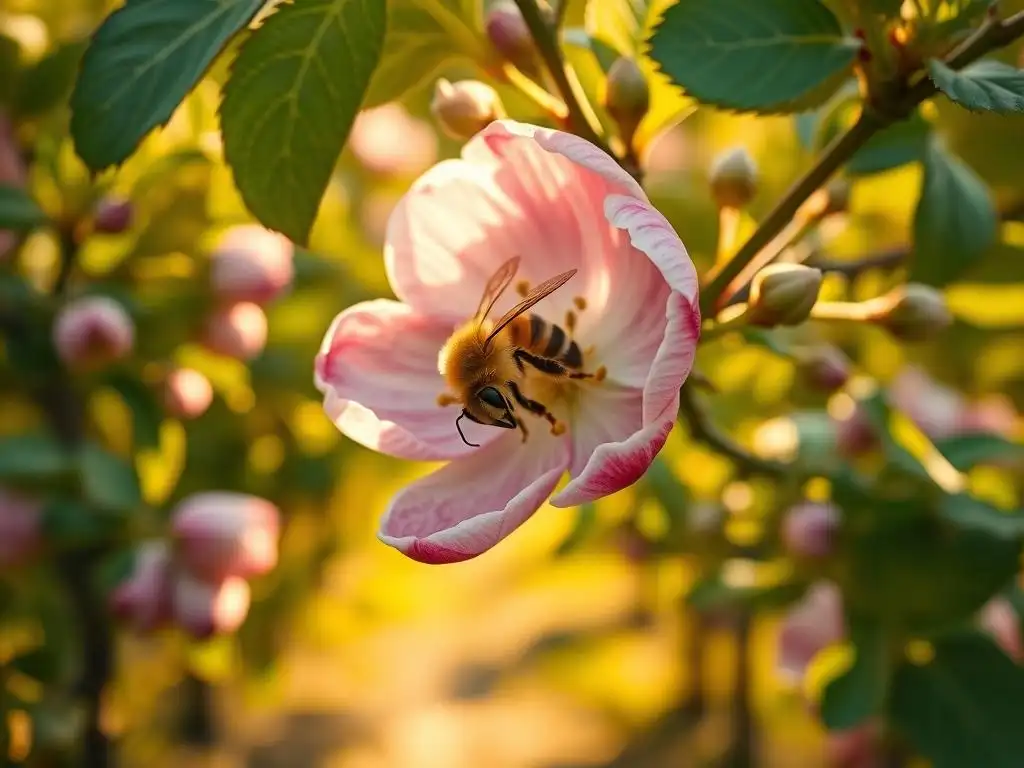
Successful fruit set relies heavily on effective pollination. While addressing immediate pollination issues is crucial, implementing long-term strategies significantly improves your chances of abundant harvests year after year. This involves creating a garden environment that actively supports pollinators and minimizes factors hindering their activity. By proactively managing your garden ecosystem, you can dramatically improve fruit pollination and reduce the need for reactive interventions. Think of it as preventative maintenance for your fruit production.
Maintaining a Healthy Garden Ecosystem
A thriving garden ecosystem is the cornerstone of successful pollination. Pollinators, such as bees, butterflies, and even some beetles, are attracted to diverse, healthy environments. Monocultures, while efficient in some ways, often lack the floral diversity that attracts a wide range of pollinators. Instead, aim for a polyculture approach. Interplanting herbs, flowers, and vegetables creates a more complex and attractive habitat. For instance, planting borage amongst your tomatoes not only attracts bees but also acts as a beneficial companion plant.
Consider the following strategies to foster a healthy ecosystem:
- Reduce pesticide use: Many pesticides are harmful to pollinators. Opt for natural pest control methods whenever possible, such as companion planting, introducing beneficial insects, or using insecticidal soaps as a last resort. Minimize the use of broad-spectrum insecticides, which can indiscriminately kill beneficial insects alongside pests.
- Provide nesting sites: Bees, particularly solitary bees, need places to nest. Leaving patches of bare ground, incorporating bee hotels, or planting hollow-stemmed plants can provide essential nesting habitats. These small actions contribute significantly to a supportive environment for pollinators.
- Plant diverse flowering plants: Offer a continuous bloom throughout the growing season. This ensures that pollinators always have access to a food source, increasing their activity and presence in your garden. Consider incorporating flowering plants with varying bloom times to extend the period of pollen availability.
- Water wisely: Pollinators need access to water. Provide a shallow dish of water with pebbles or stones for them to land on while drinking. This is a simple yet effective way to support their survival and activity in your garden. Avoid using chemicals in your watering system, as these can contaminate the water source for pollinators.
Regular Garden Monitoring and Maintenance
Proactive monitoring is key to identifying and addressing potential pollination issues before they significantly impact fruit set. Regularly inspect your plants for signs of stress, disease, or pest infestations. Early detection allows for timely intervention, preventing major problems from developing.
Regular garden maintenance tasks that directly contribute to improving pollination include:
- Deadheading spent flowers: Removing spent blossoms encourages new flower production, providing a continuous supply of nectar and pollen for pollinators. This simple act can significantly increase the overall pollination success.
- Pruning: Proper pruning improves air circulation and sunlight penetration, creating a healthier environment for both plants and pollinators. Overgrown plants can shade out flowers, reducing their attractiveness to pollinators and hindering their access.
- Weed control: Weeds compete with your plants for resources, reducing their vigor and flowering. Regular weeding ensures your plants are healthy and able to produce abundant flowers, attracting more pollinators.
Consistent monitoring and maintenance are crucial for creating a garden environment that optimizes pollination success. Think of it as a constant dialogue with your garden, learning its needs and responding accordingly.
Choosing Disease-Resistant Plant Varieties
Selecting disease-resistant plant varieties is a crucial preventative measure. Plants weakened by disease are less attractive to pollinators and produce fewer flowers, impacting fruit set. Investing in robust plant varieties minimizes the need for chemical interventions, protecting pollinators and enhancing overall garden health.
The benefits of using disease-resistant varieties extend beyond improved pollination:
- Reduced pesticide use: Healthy plants require fewer pesticides, creating a safer environment for pollinators and beneficial insects. This contributes directly to improving fruit pollination by protecting the pollinators themselves.
- Increased yields: Disease-resistant plants are generally more vigorous and productive, leading to higher yields of fruits and vegetables. This is a direct benefit of focusing on the health of your plants.
- Simplified gardening: Less time spent dealing with disease management allows for more time to focus on other aspects of garden care, such as attracting and supporting pollinators.
By choosing disease-resistant varieties, you are investing in a healthier and more productive garden, improving fruit pollination naturally and sustainably. This proactive approach minimizes stress on your plants and ensures a vibrant environment for your pollinators, leading to greater success in your garden.
Frequently Asked Questions
What are the main causes of poor fruit pollination in my garden?
Poor fruit pollination can result from several factors, including a lack of pollinators (like bees and butterflies), unfavorable weather conditions (like rain or wind), and inadequate planting arrangements that prevent cross-pollination.
How can I attract more pollinators to my garden to improve fruit pollination?
Attract pollinators by planting diverse flowering plants, providing sources of water, and avoiding the use of harmful pesticides. Consider planting pollinator-friendly herbs and flowers near your fruit trees and bushes.
What role does weather play in successful fruit pollination?
Weather significantly impacts pollination. Cold, rainy, or windy conditions can hinder pollinator activity and prevent pollen transfer. Warm, sunny days are ideal for pollinators and successful fruit set.
My fruit trees are flowering, but I’m not getting many fruits. What could be wrong?
This could indicate insufficient pollination. Check for pollinator presence, consider the weather conditions during bloom, and ensure that you have the correct variety of plants for cross-pollination if needed. Poor soil health can also be a factor.
Are there any specific plants I can grow to improve fruit pollination in my garden?
Yes! Planting flowering herbs like rosemary, thyme, and lavender, and native wildflowers attracts a wide variety of beneficial insects, including pollinators, which will improve the chances of successful fruit set in your garden.
Final Reflection: The Sweet Rewards of Understanding Pollination
The health of our gardens, and indeed our food systems, hinges on the often-overlooked process of pollination. A thriving fruit harvest isn't simply a matter of planting seeds; it's a delicate dance between plants, pollinators, and the environment. Understanding this intricate relationship is crucial for ensuring abundant yields and supporting biodiversity.
The impact of declining pollinator populations is a stark reminder of our interconnectedness with the natural world. We've become increasingly aware of the vital role bees, butterflies, and other pollinators play in maintaining ecological balance and food security. We are but a small part of a vast and wondrous universe, and our actions have consequences that ripple far beyond ourselves.
This quote underscores the responsibility we bear in protecting these essential creatures and fostering healthy ecosystems that support successful pollination. The decline in pollinators is not just an environmental issue; it's a direct threat to our ability to grow food sustainably.
Now, consider your own garden. What steps can you take to improve pollination success? Perhaps you'll plant pollinator-friendly flowers, build a bee hotel, or simply avoid using harmful pesticides. Every small action contributes to a larger movement towards a healthier, more vibrant world. By embracing the principles outlined in this article, you're not just improving your fruit harvest; you're actively participating in the preservation of a crucial ecological process. Let's work together to ensure a future where our gardens bloom and our fruit trees bear bountiful harvests.
Unlock Your Garden's Bounty: Boost Pollination Now!
Thank you for learning about improving pollination in your garden! You've gained valuable insights into ensuring a bountiful harvest. Now let's put that knowledge into action.
Here's what you can do:
- Start by implementing at least one pollinator-friendly technique from this article. Even a small change, such as planting bee-friendly flowers, can significantly improve pollination.
- Consider creating a small pollinator habitat in a sunny area of your garden. This could be as simple as planting a patch of wildflowers or herbs.
- Share your experiences with others! Encourage your gardening friends to join the effort and improve pollinator populations in their gardens as well.
What's one small step you'll take this week to attract more pollinators and improve your garden's yield?