
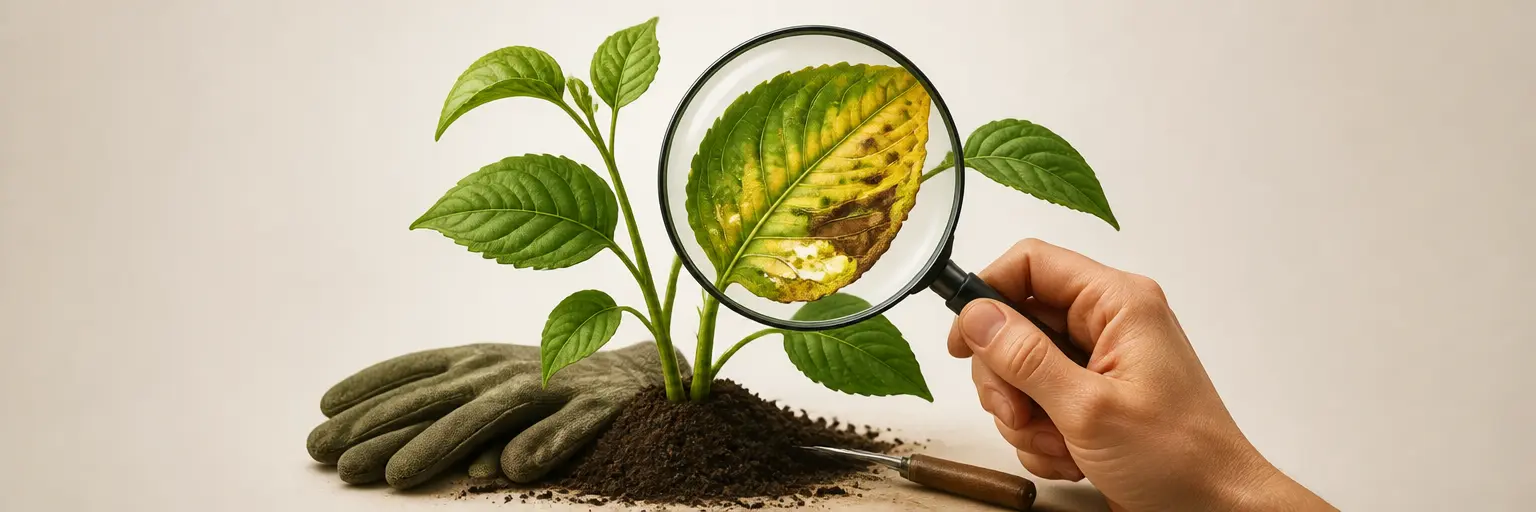
What You Should Know About Vegetable Garden Problems
Find practical troubleshooting advice for home gardens with CultivateYourFood 🌱 Learn how to diagnose plant problems, correct nutrient deficiencies, improve poor drainage, and resolve common vegetable garden issues using sustainable, organic gardening solutions. Grow healthier fruits, vegetables, and herbs with clear, actionable tips for thriving plants and productive harvests.
40 articles
The Right Time to Fertilize: Understanding Plant Growth Cycles
My Vegetables Are Not Growing: Identifying the Issue
Poor Drainage? Solutions for Improving Water Flow in Your Garden
The Secret to Lush Leafy Greens: Addressing Nutrient Deficiencies
Natural Pest Control: How to Protect Your Garden from Common Invaders
The Water Percolation Test: A Simple Guide to Drainage Assessment
The Importance of Crop Rotation for Nutrient Management
Dealing with Beetles: Organic Strategies to Protect Your Vegetable Plants
Planting for Drainage: Selecting Plants That Thrive in Wet Soil
Mycorrhizal Fungi: The Secret Weapon for Nutrient Absorption
Is Your Soil Lacking? Quick Tests for Nutrient Deficiencies at Home
The pH Puzzle: How Soil Acidity Affects Nutrient Availability
Clay Soil Woes: How to Improve Drainage in Heavy Soil
Animal Intruders: Keeping Wildlife Out of Your Vegetable Garden
Mulching for Drainage: Benefits and Best Practices
Creating a Bog Garden: Embracing the Wet Conditions
Poor Pollination: Ensuring Successful Fruit Set in Your Garden
Common Vegetable Garden Myths Debunked
Creating a Swale: A Natural Way to Manage Excess Water
🛠️ Troubleshooting Your Home Garden
Successful organic gardening involves more than planting and watering. When plants develop yellow leaves, grow slowly, wilt unexpectedly, or produce disappointing harvests, accurate garden troubleshooting can help you identify the cause and restore healthy growth. This category provides practical, sustainable solutions for diagnosing common problems affecting fruits, vegetables, herbs, soil, containers, and raised beds.
Explore expert guidance on plant nutrient deficiencies, poor soil drainage, root problems, pests, diseases, watering mistakes, and other common vegetable garden challenges. The advice is designed for home gardeners who want to improve soil health, reduce waste, avoid unnecessary chemicals, and use organic gardening methods to build productive, resilient growing spaces.
Whether you are growing tomatoes, peppers, leafy greens, carrots, herbs, or fruiting plants, effective troubleshooting begins with careful observation. Learn how to recognize symptoms, investigate possible causes, choose appropriate natural treatments, and prevent recurring problems through better planting, composting, watering, and garden maintenance practices.
🌱 Identifying and Fixing Nutrient Deficiencies
In this subcategory, readers will learn how to recognize common signs of plant nutrient deficiencies, including yellow leaves, purple foliage, stunted growth, leaf curling, weak stems, and poor fruit production. Clear explanations help distinguish nitrogen, phosphorus, potassium, calcium, magnesium, iron, and other nutrient problems from symptoms caused by pests, disease, overwatering, or unsuitable soil conditions.
Discover sustainable ways to correct nutrient imbalances using compost, aged manure, organic fertilizers, mulch, cover crops, and soil testing. You will also learn why applying too much fertilizer can damage roots and pollute waterways, and how balanced feeding, healthy soil biology, and proper pH management support stronger plants and better harvests.
💧 Dealing with Poor Drainage in Your Garden
Poor drainage can lead to waterlogged soil, root rot, fungal diseases, weak growth, and plants that wilt despite receiving plenty of water. This section explains how to identify garden drainage problems by observing standing water, compacted soil, unpleasant odors, slow growth, and damaged roots in vegetable beds, containers, lawns, and raised gardens.
Readers can explore practical solutions such as adding organic matter, improving soil structure, creating raised beds, selecting suitable containers, using drainage holes, redirecting runoff, and choosing plants that tolerate moist conditions. The guidance emphasizes sustainable water management while helping gardeners avoid common mistakes, such as adding gravel beneath pots or repeatedly watering soil that has not dried sufficiently.
🥕 Common Vegetable Garden Problems and Solutions
This subcategory covers frequent vegetable garden problems, including yellowing leaves, wilting plants, blossom drop, blossom-end rot, cracked fruit, bolting, poor germination, pest damage, powdery mildew, and slow growth. Step-by-step troubleshooting advice helps gardeners connect visible symptoms with likely causes and choose effective organic solutions.
Learn how crop rotation, companion planting, physical barriers, beneficial insects, proper spacing, sanitation, mulching, and consistent watering can prevent many garden issues. The recommendations are suitable for beginners and experienced growers who want healthier harvests while reducing reliance on synthetic pesticides and other harsh treatments.
❓ Frequently Asked Questions About Garden Troubleshooting
🌿 Why are my plant leaves turning yellow?
Yellow leaves may result from overwatering, poor drainage, nitrogen deficiency, insufficient light, pests, or natural aging. Check the soil moisture, inspect the roots and undersides of leaves, and consider a soil test before adding fertilizer. Correcting the underlying problem is more effective than treating the leaf color alone.
💦 How can I tell if my garden has poor drainage?
Signs of poor drainage include standing water after rainfall, soil that remains wet for several days, root rot, foul odors, moss growth, and plants that wilt in saturated soil. Dig a small test hole or perform a simple drainage test by filling it with water and observing how quickly the water disappears.
🧪 Should I fertilize a plant with yellow leaves?
Not always. Yellow leaves can be caused by excess water, root damage, disease, pests, or nutrient lockout rather than a lack of fertilizer. Identify the cause first, check soil conditions, and use a suitable organic fertilizer only when evidence supports a nutrient deficiency.
🐛 What is the safest organic way to control garden pests?
Start with prevention and physical control. Remove pests by hand, use row covers or nets, encourage beneficial insects, improve plant diversity, and remove severely damaged foliage. If needed, use an organic treatment appropriate for the pest and follow the product label carefully to protect pollinators and other helpful organisms.
🌾 How can I prevent recurring vegetable garden problems?
Build healthy soil with compost, avoid overwatering, improve drainage, rotate crops, provide adequate spacing, mulch appropriately, inspect plants regularly, and choose varieties suited to your climate. Keeping brief notes about planting dates, weather, watering, pests, and harvests can also help identify patterns and prevent future problems.