
Creating a Bog Garden: Embracing the Wet Conditions

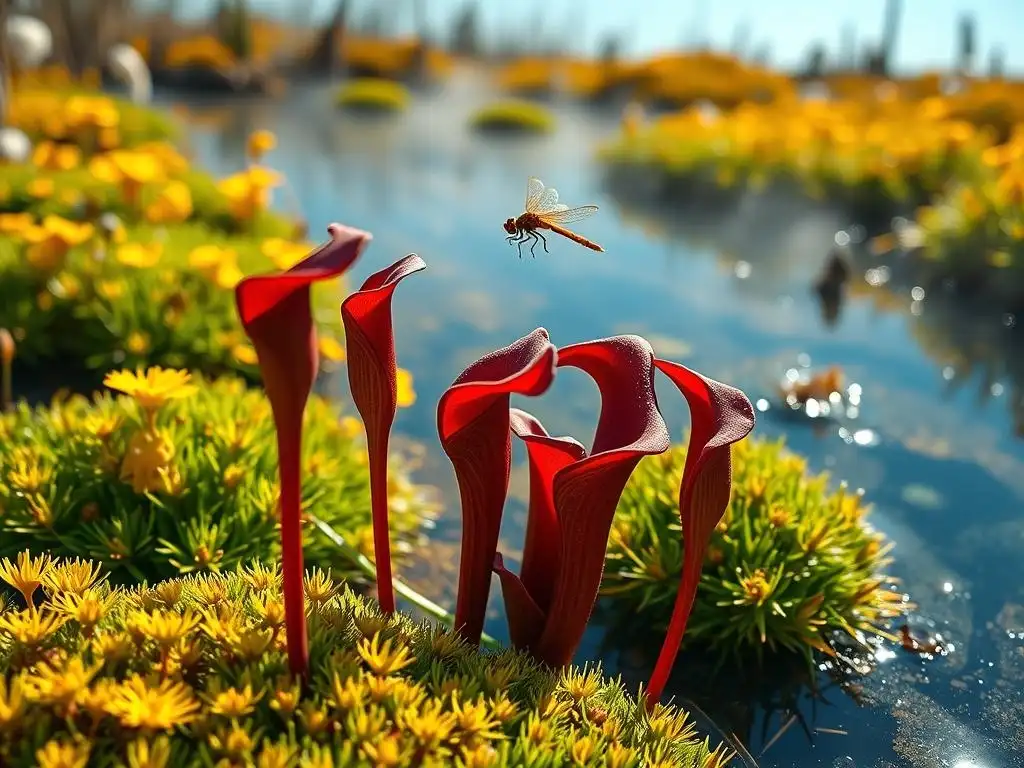
Welcome to CultivateYourFood, your guide to nurturing a thriving garden using sustainable and organic methods! Are you ready to transform a soggy patch of land into a vibrant ecosystem teeming with life? Our comprehensive bog garden plants guide will unveil the secrets to successfully cultivating beautiful and resilient plants in wet conditions, tackling common challenges and maximizing yields. Discover how to harness the power of nature to create a stunning and productive bog garden – let's get started!
- Understanding Bog Garden Conditions: A Comprehensive Guide
- Choosing the Right Bog Garden Plants: A Selection Guide
- Designing and Building Your Bog Garden: A Step-by-Step Approach
- Maintaining Your Bog Garden: Tips and Techniques
- Troubleshooting Common Bog Garden Problems
- Harvesting and Enjoying Your Bog Garden Bounty
- Expanding Your Bog Garden Expertise: Further Resources
- Frequently Asked Questions
- Final Reflection: The Enduring Allure of the Bog Garden
- Unleash Your Inner Bog Gardener!
Understanding Bog Garden Conditions: A Comprehensive Guide
Creating a vibrant and thriving bog garden can transform a problematic area of poor drainage into a stunning and unique feature in your home garden. This guide focuses on understanding the specific needs of bog garden plants, allowing you to successfully cultivate a beautiful and biodiverse ecosystem even in consistently wet conditions. We'll explore the essential characteristics of bog gardens, the ideal soil conditions necessary for success, and how to assess your own garden's suitability for this specialized planting style.
This comprehensive approach will equip you with the knowledge to confidently embark on your bog garden adventure, transforming a challenge into a rewarding gardening experience. By the end, you'll have a solid understanding of what constitutes a successful bog garden and how to choose the perfect plants for your location, making this your ultimate bog garden plants guide.
Defining Bog Gardens and Their Unique Characteristics
Bog gardens, also known as boggy gardens or water gardens, are specifically designed to mimic the conditions found in natural wetlands and bogs. These environments are characterized by consistently moist, acidic soil with low nutrient levels. The key to a successful bog garden lies in understanding and replicating these conditions.
Unlike traditional gardens that require well-drained soil, bog gardens thrive in saturated or consistently wet conditions. This unique environment supports a diverse range of specialized plants adapted to thrive in these conditions. Think vibrant pitcher plants, delicate sundews, and the striking colors of various orchids and other bog-loving plants.
The constant moisture, coupled with the acidic pH, creates a habitat unlike any other in your garden, offering a visually captivating and ecologically rich addition to your landscape. The beauty of a bog garden lies not only in its unique flora but also in the ecosystem it supports, attracting beneficial insects and creating a haven for wildlife.
Ideal Soil Conditions for a Thriving Bog Garden
The success of your bog garden hinges on replicating the ideal soil conditions found in natural bogs. This means creating a soil mix that retains significant moisture while maintaining a slightly acidic pH. The soil should be rich in organic matter, such as peat moss, but avoid adding excessive amounts of fertilizer, as bog plants are adapted to low nutrient levels. A pH level between 4.0 and 6.0 is generally ideal for most bog garden plants.
This slightly acidic environment inhibits the growth of many competing weeds, simplifying maintenance. The key is to achieve a balance: the soil needs to be consistently moist, almost saturated, but not waterlogged to the point of anaerobic conditions which can damage plant roots. Proper soil preparation is crucial for long-term success.
Consider adding materials like coco coir or composted pine bark to further enhance water retention and acidity. Regular monitoring of soil moisture and pH levels is essential to ensure the continued health and vitality of your bog garden. Regular testing with a soil testing kit will allow you to maintain optimal conditions.
Assessing Your Garden's Suitability for a Bog Garden
Before you begin planting, carefully assess your garden's suitability for a bog garden. The most crucial factor is drainage, or rather, the lack thereof. A consistently damp or wet area is essential. Observe your garden after rainfall; areas that remain saturated for extended periods are ideal candidates.
Low-lying areas or areas with naturally poor drainage are perfect. Consider the amount of sunlight the area receives. While some bog plants tolerate full sun, many thrive in partial shade. Analyze the existing soil; if it is already acidic and naturally retains moisture, your task will be significantly easier.
If not, amending the soil with organic matter will be necessary. Also, consider the proximity to a water source, such as a pond or stream, as this can simplify the process of maintaining consistent moisture levels. Thorough planning and assessment at this stage will prevent future problems and ensure the long-term success of your bog garden. Remember, a well-planned bog garden is a low-maintenance and rewarding addition to your sustainable garden.
Essential Drainage Considerations for Bog Garden Success
Creating a thriving bog garden hinges on understanding and managing water levels. Unlike typical gardens that require well-drained soil, a bog garden thrives in consistently moist, even saturated, conditions. This doesn't mean creating a stagnant swamp, however. Proper drainage is still crucial, albeit in a different way. The goal isn't to drain the water away entirely, but to prevent waterlogging which can lead to root rot and the death of your plants. This delicate balance is achieved through careful soil preparation and construction.
The key is to create a contained environment where water can accumulate but also have some degree of controlled outflow to prevent complete stagnation. This might involve lining the bog garden bed with a waterproof liner, such as a heavy-duty pond liner, to prevent water from leaching into the surrounding soil. However, even with a liner, it's vital to ensure there's a system for excess water to escape slowly, perhaps through a strategically placed overflow pipe or a carefully graded bottom to allow for gradual drainage. Think of it as a controlled release rather than a complete drainage system.
Furthermore, the type of soil used plays a significant role. While the bog garden should retain moisture, it shouldn't be composed entirely of clay, which can become completely waterlogged and suffocate plant roots. A mix of peat moss, sand, and composted organic matter is often ideal. Peat moss excels at water retention, while sand improves aeration, preventing the soil from becoming too compacted and allowing for some oxygen to reach the roots.
The compost adds vital nutrients. The exact proportions will depend on your specific soil conditions and the plants you intend to cultivate. Experimentation and observation are key to finding the perfect balance.
Regular monitoring of soil moisture levels is crucial, especially during periods of heavy rainfall or drought. This allows for timely adjustments to ensure your bog garden maintains its optimal, consistently moist, but not waterlogged, environment. This careful attention to drainage is the foundation of a successful and flourishing bog garden teeming with bog garden plants.
Choosing the Right Bog Garden Plants: A Selection Guide
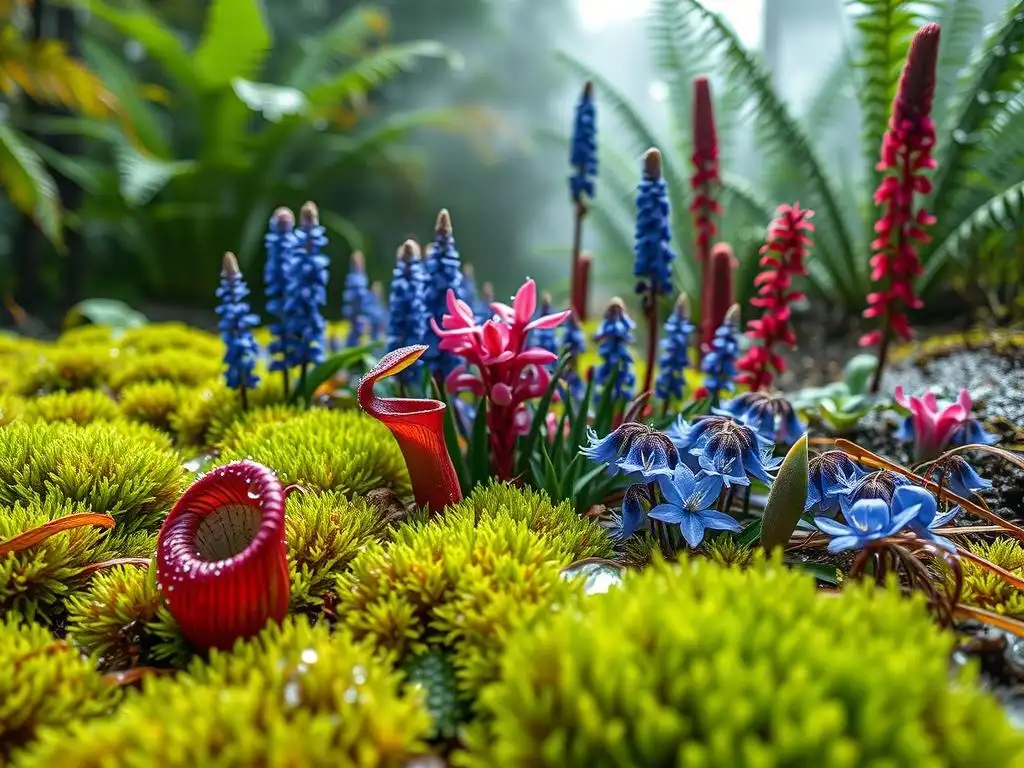
Creating a thriving bog garden hinges on selecting the right plants. This isn't just about aesthetics; it's about choosing species that will not only flourish in consistently wet conditions but also contribute to the overall health and biodiversity of your garden ecosystem. This section of our bog garden plants guide will help you navigate the diverse world of bog-loving flora. Remember, proper plant selection is crucial for a successful bog garden, ensuring vibrant growth and minimizing maintenance. Choosing plants adapted to these conditions is key to avoiding frequent replanting and ensuring a beautiful, sustainable space.
Selecting Bog-Loving Plants for Your Garden
When selecting plants for your bog garden, consider several key factors beyond simply their preference for moisture. Think about the size of your garden, the amount of sunlight it receives, and the overall aesthetic you're aiming for. Do you want a dramatic display of vibrant colors, a tranquil haven of calming greens, or a mix of textures and heights?
Here's a breakdown to help you make informed choices:
- Sunlight Requirements: Many bog plants thrive in full sun, while others prefer partial shade or even full shade. Carefully assess the sunlight conditions in your chosen bog garden location before making your selections. Incorrect sunlight exposure can significantly impact plant health and growth.
- Mature Size: Consider the mature size of each plant to avoid overcrowding. Overcrowding can lead to competition for resources and decreased plant vigor. Plan your spacing accordingly, allowing for ample room for each plant to reach its full potential.
- Color and Texture: Bog plants offer a stunning array of colors and textures. From the vibrant hues of carnivorous plants to the delicate foliage of ferns, the possibilities are endless. Consider incorporating a variety of colors and textures to create a visually appealing and diverse bog garden.
- Maintenance Needs: While bog gardens often require less maintenance than other garden types, some plants require more attention than others. Consider your available time and energy when making your selections.
Native Bog Plants: A Sustainable Choice for Your Region
Choosing native bog plants offers numerous advantages. They're naturally adapted to your local climate and soil conditions, requiring less maintenance and fewer resources. They also support local biodiversity by providing habitat and food sources for native insects, birds, and other wildlife. This contributes to a healthier and more sustainable garden ecosystem.
Consider these benefits when selecting native plants:
- Reduced Maintenance: Native plants are typically more resilient to pests and diseases, reducing the need for chemical treatments. This aligns perfectly with the sustainable practices championed by CultivateYourFood.
- Water Conservation: Native bog plants are naturally adapted to water-intensive environments, reducing the need for supplemental watering, especially in established gardens.
- Biodiversity Support: Native plants attract pollinators and other beneficial insects, contributing to a healthier and more vibrant garden ecosystem.
- Regional Adaptation: They are already acclimated to your specific climate and soil conditions, leading to healthier, more vigorous growth.
Hardy Bog Plants: Ensuring Year-Round Beauty
For year-round interest, incorporate hardy bog plants into your design. These resilient species can withstand fluctuating temperatures and maintain their beauty through different seasons. This ensures your bog garden remains visually appealing even during colder months. Some hardy options retain their foliage throughout winter, offering texture and structure, while others boast stunning fall colors before going dormant.
Here are some factors to consider when selecting hardy varieties:
- Winter Hardiness: Check the plant's hardiness zone rating to ensure it's suitable for your region's climate. This will prevent winter damage and ensure the plant returns year after year.
- Evergreen vs. Deciduous: Evergreen plants retain their foliage throughout the year, providing winter interest. Deciduous plants lose their leaves in the fall but often offer beautiful fall color.
- Texture and Form: Consider the plant's texture and form to create visual interest throughout the year. Combine different textures and forms to create a dynamic and engaging bog garden.
Remember, this bog garden plants guide is a starting point. Further research into specific plant species suitable for your region and garden conditions is recommended for optimal results. Enjoy the process of creating your beautiful and sustainable bog garden!
Attracting Wildlife to Your Bog Garden with Specific Plant Choices
Creating a bog garden isn't just about enjoying beautiful, moisture-loving plants; it's also a fantastic opportunity to boost biodiversity in your backyard. Many bog plants attract beneficial insects, birds, and even amphibians, creating a thriving mini-ecosystem. Careful plant selection is key to attracting the wildlife you desire.
For example, planting native species is crucial. Native plants are adapted to the local climate and provide food and shelter for local wildlife far better than non-native varieties. Consider including plants that provide nectar for pollinators like butterflies and bees. Cardinal flower ( Lobelia cardinalis) is a vibrant red option that's irresistible to hummingbirds. Its tall, striking flower stalks add visual interest to your bog garden as well.
To attract birds, choose plants that produce berries or seeds. Cranberries ( Vaccinium oxycoccus), a classic bog plant, offers delicious berries for birds in the fall. Their low-growing habit also provides excellent cover for smaller bird species. Adding shrubs like winterberry holly ( Ilex verticillata) provides winter food sources, ensuring your feathered friends have sustenance throughout the year. Remember to research which bird species are prevalent in your area to tailor your plant choices for maximum impact.
Furthermore, consider the life cycle of the plants. Providing a continuous supply of nectar and seeds throughout the growing season will ensure a constant stream of visitors to your bog garden. This means carefully selecting plants that bloom at different times of the year. This staggered approach ensures that your wildlife haven remains active and attractive throughout the spring, summer, and even into the fall. Careful planning and mindful selection of plants can transform your bog garden into a vibrant hub of activity, teeming with life.
Bog Garden Plants Guide: A List of Suitable Species
Choosing the right plants is essential for a thriving bog garden. This bog garden plants guide provides a starting point for your selection, highlighting species known for their adaptability and beauty in wet conditions. Remember to consider your specific climate and soil conditions when making your final choices. Here’s a categorized list to help you get started:
| Plant Category | Plant Name | Characteristics | Hardiness Zones |
|---|---|---|---|
| Herbaceous Perennials | Marsh Marigold ( Caltha palustris) | Bright yellow flowers, thrives in saturated soil | 3-8 |
| Joe-Pye Weed ( Eutrochium maculatum) | Tall, showy flower plumes, attracts pollinators | 4-8 | |
| Pickerelweed ( Pontederia cordata) | Striking purple flowers, grows in shallow water | 3-10 | |
| Cardinal Flower ( Lobelia cardinalis) | Vibrant red flowers, attracts hummingbirds | 3-9 | |
| Shrubs | Swamp Azalea ( Rhododendron viscosum) | Fragrant white flowers, prefers acidic soil | 4-9 |
| Buttonbush ( Cephalanthus occidentalis) | Unique button-like flower heads, attracts butterflies | 5-10 | |
| Winterberry Holly ( Ilex verticillata) | Bright red berries in winter, provides winter food | 3-9 | |
| Grasses | Blue Flag Iris ( Iris versicolor) | Beautiful blue-purple flowers, tolerates wet soil | 4-9 |
| Soft Rush ( Juncus effusus) | Fine textured grass-like foliage, excellent for texture | 3-10 | |
| Sweet Flag ( Acorus calamus) | Aromatic foliage, thrives in boggy conditions | 4-9 |
This list offers a diverse range of plants to create a visually stunning and ecologically valuable bog garden. Remember to research the specific needs of each plant before planting to ensure their success in your garden. Consider the size and mature dimensions of each plant to avoid overcrowding. Happy gardening!
Designing and Building Your Bog Garden: A Step-by-Step Approach
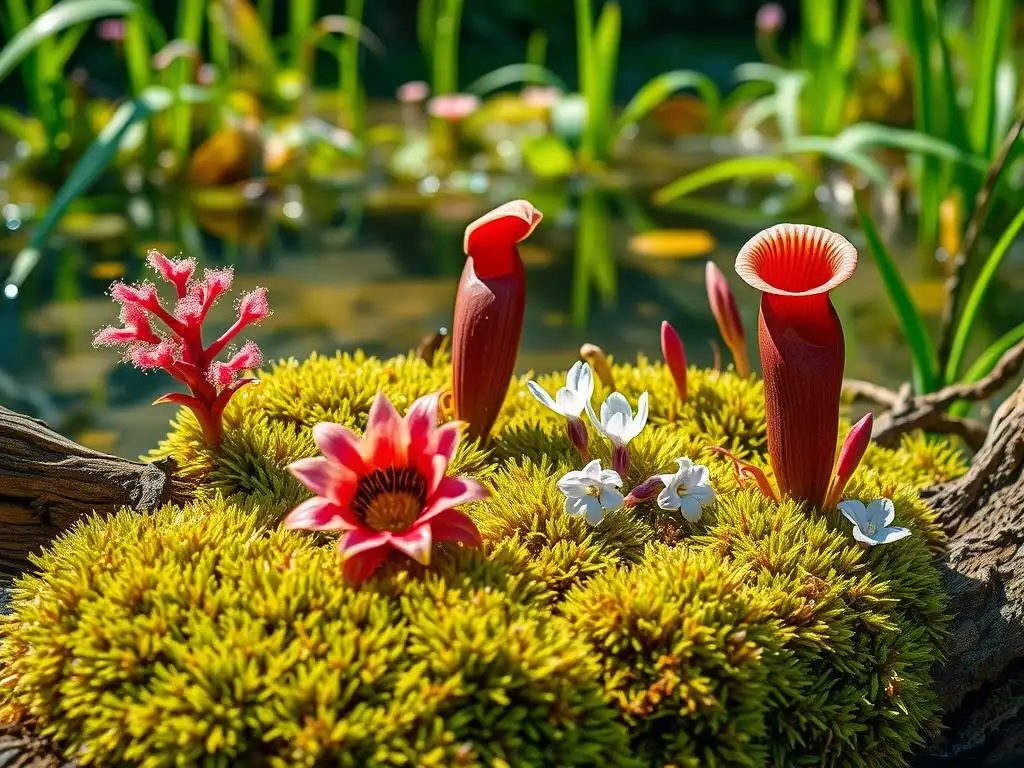
This section provides a practical guide to designing and constructing your own bog garden, a haven for moisture-loving plants. We'll cover essential steps, from initial planning to soil preparation, ensuring success in cultivating your bog garden plants. Remember, proper planning is crucial for a thriving bog garden, maximizing your chances of success with your bog garden plants guide.
Planning Your Bog Garden Layout: Size and Shape Considerations
The size and shape of your bog garden will depend largely on the available space and the number of bog garden plants you intend to grow. Smaller bog gardens, even those as small as 4ft x 4ft, can be incredibly rewarding. Larger designs offer more planting opportunities and visual impact. Consider these factors:
- Available Space: Measure the area where you plan to build your bog garden. Account for surrounding structures, walkways, and other garden features.
- Shape and Aesthetics: A circular or kidney-shaped bog garden can create a soft, natural look. Rectangular or square shapes offer a more structured appearance. Consider how the bog garden will integrate with the overall landscape design.
- Accessibility: Ensure easy access for planting, maintenance, and harvesting. Consider the placement of pathways and the height of the bog garden's edges.
- Plant Selection: The number and size of plants you plan to include will impact the required size of the bog garden. Research the mature size of your chosen bog garden plants before finalizing your design. A well-planned layout ensures each plant has ample space to thrive.
For example, a small bog garden might be perfect for a collection of carnivorous plants like sundews and pitcher plants. A larger bog garden could accommodate a wider variety of plants, including shrubs like bog rosemary and various types of sedges. Remember to consult your bog garden plants guide for specific plant requirements.
Selecting the Right Location for Your Bog Garden
Choosing the right location is vital for the success of your bog garden. The ideal spot receives ample sunlight (at least 4-6 hours a day) but is also sheltered from strong winds. Consider these factors:
- Sunlight Exposure: Most bog garden plants thrive in partial to full sun. Observe the sunlight patterns in your garden throughout the day to identify the most suitable location.
- Wind Protection: Strong winds can dry out the soil, hindering the growth of bog plants. Choose a location sheltered by trees, fences, or other structures.
- Water Source: Proximity to a water source, such as a downspout or a nearby pond, simplifies the process of maintaining consistent moisture levels.
- Drainage: While a bog garden requires consistently moist soil, ensure that the area doesn't become waterlogged. Proper soil preparation will help prevent waterlogging.
Poorly chosen locations can lead to plant failure. For example, a bog garden situated in full shade might struggle to support many species, limiting your plant choices.
Preparing the Soil: Creating the Perfect Bog Environment
Creating the right soil conditions is paramount for a thriving bog garden. Bog gardens require constantly moist, acidic soil rich in organic matter. Here's a step-by-step guide:
- Excavation: Dig a hole to the desired depth and size of your bog garden. The depth should be at least 12 inches to accommodate the soil mix and plants.
- Soil Mixture: Create a soil mix consisting of peat moss, sand, and perlite. Peat moss retains moisture, sand improves drainage, and perlite enhances aeration. The exact ratio may vary depending on the soil type in your area. A good starting point might be a 2:1:1 ratio of peat moss, sand, and perlite respectively.
- Organic Matter: Incorporate well-rotted compost or leaf mold into the soil mix to enrich it with nutrients. This will provide essential nutrients for optimal plant growth.
- Water Retention: Consider adding a layer of clay at the bottom of the excavation, especially if your soil is particularly well-draining. This will help retain moisture.
- Lining (Optional): For better water retention and to prevent soil erosion, you can line the excavation with a pond liner before adding the soil mix. This is particularly useful in areas with sandy or gravely soil.
Remember, a successful bog garden is a testament to careful planning and preparation. By following this guide, you'll be well on your way to creating a beautiful and thriving habitat for your bog garden plants. Happy gardening! 🪴
Constructing the Bog Garden: Building a Raised Bed or In-Ground Design
Creating a thriving bog garden requires careful consideration of its structure. You have two primary choices: a raised bed or an in-ground design. Each offers unique advantages and disadvantages, depending on your existing garden layout and soil conditions.
A raised bed bog garden offers excellent control over water levels and soil composition. Building a raised bed allows you to create a completely contained environment, preventing the boggy conditions from spreading into surrounding areas. This is particularly beneficial if you have well-drained soil and don't want to alter the existing landscape significantly.
Construction typically involves using untreated lumber (like cedar or redwood for longevity) or even repurposed materials like large plastic containers, creating a watertight enclosure filled with the appropriate peat moss and soil mix. The height of the raised bed will depend on the plants you choose; taller plants will necessitate a deeper bed. Remember to factor in drainage holes at the bottom to prevent waterlogging, even within a bog garden, as stagnant water can lead to root rot.
An in-ground bog garden, on the other hand, is a more permanent solution, integrating seamlessly into your existing landscape. This method involves excavating an area and amending the soil to create the necessary bog-like conditions. This approach is ideal if you already have poorly draining soil and want a more natural, less structured look. However, it requires more significant preparation, including potentially removing existing plants and amending the soil with substantial amounts of peat moss, sand, and other organic matter to achieve the necessary water retention and acidity.
Careful consideration of the surrounding area is crucial to prevent the bog from expanding unintentionally. You might need to create barriers to contain the moisture and prevent it from affecting neighboring plants. This option requires a more thorough understanding of soil drainage and water management.
Water Management: Ensuring Consistent Moisture Levels
Maintaining consistent moisture levels is paramount for a successful bog garden. The goal is to mimic the naturally saturated conditions of a bog, providing ample water without creating stagnant, anaerobic conditions that harm plant roots. Several strategies can achieve this delicate balance.
One crucial aspect is choosing the right location. A naturally low-lying area, or one that receives consistent rainfall, will simplify water management. However, even in ideal locations, supplemental watering may be necessary, especially during dry spells. Regularly check the soil moisture using your finger; if the top inch or two feels dry, it's time to water. A slow, deep watering is preferable to frequent shallow watering, encouraging deeper root growth.
For raised bed designs, a simple drip irrigation system can provide consistent moisture delivery. This method prevents water from splashing onto foliage, which can spread disease. Alternatively, you can manually water the garden using a hose with a gentle spray nozzle, ensuring the water thoroughly saturates the soil. For in-ground bog gardens, a soaker hose can be strategically placed to deliver water directly to the root zone.
Another important consideration is mulching. A layer of organic mulch, such as sphagnum moss or shredded bark, helps retain moisture, suppress weeds, and regulate soil temperature. The mulch layer should be several inches thick but avoid covering the crowns of the plants, as this can lead to rot. Regularly monitor the moisture levels within the mulch layer and adjust watering accordingly.
Remember that the type of mulch and its thickness can impact how often you need to water. Experimentation is key to finding the optimal balance for your specific bog garden. Finally, consider adding a layer of gravel at the bottom of a raised bed to improve drainage while maintaining consistent moisture in the upper layers. This prevents waterlogging while still providing the necessary wet conditions for bog plants.
Maintaining Your Bog Garden: Tips and Techniques
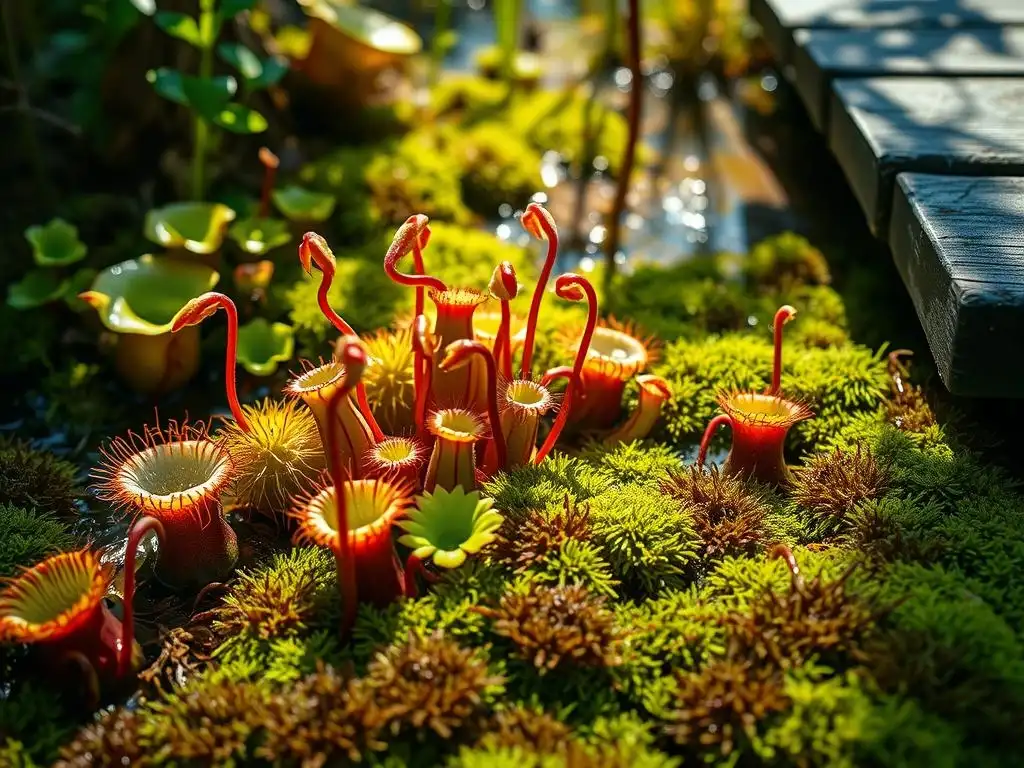
Creating a thriving bog garden requires more than just planting the right species. Consistent maintenance is key to ensuring your plants flourish and your bog garden remains a beautiful and functional element of your landscape. This section offers practical advice on watering, fertilizing, and weed control, specifically tailored to the unique needs of bog garden plants. This guide will help you master the art of bog garden maintenance, transforming your wet area into a vibrant oasis teeming with life. Following these techniques will help you avoid common bog garden problems and enjoy the beauty of your carefully cultivated space.
Watering Your Bog Garden: Frequency and Methods
Maintaining the appropriate moisture level is paramount in a bog garden. Unlike other garden types, underwatering is a more significant threat than overwatering. The soil should consistently remain moist, almost saturated, but not waterlogged to the point of anaerobic conditions which can harm roots. The frequency of watering depends heavily on several factors:
- Climate: Hot, dry climates will necessitate more frequent watering than cooler, wetter regions.
- Soil type: Heavier clay soils retain moisture longer than sandy soils.
- Plant type: Different bog plants have varying water requirements. Some, like Sarracenia (pitcher plants), prefer consistently wet conditions, while others might tolerate slightly drier periods.
The best watering method involves a slow, deep soak, ensuring the water penetrates the entire root zone. Avoid using a forceful spray, which can dislodge delicate plants or erode the soil. A soaker hose or drip irrigation system is ideal for consistent, even moisture delivery. Regularly check the soil moisture using your finger; if the top inch or two feels dry, it's time to water.
Remember, consistent moisture is the cornerstone of a healthy bog garden. This will help your bog garden plants thrive and prevent common issues associated with improper watering. Careful monitoring and consistent watering are key aspects of a successful bog garden.
Fertilizing Bog Plants: Nutrient Requirements and Best Practices
Bog plants are generally adapted to nutrient-poor conditions. Over-fertilizing can be detrimental, leading to algal blooms and harming the delicate balance of your bog ecosystem. Instead of using standard fertilizers, opt for slow-release, low-nutrient options specifically formulated for bog or aquatic plants. These fertilizers typically contain lower levels of nitrogen, phosphorus, and potassium, which are often excessive in standard garden fertilizers.
Here's a simple strategy:
- Start with less: Begin with a significantly lower concentration than recommended on the product label. You can always add more later, but it's difficult to remove excess nutrients.
- Observe carefully: Monitor your plants' growth and adjust the fertilization schedule accordingly. If you notice excessive growth or signs of nutrient burn (yellowing or browning leaves), reduce the frequency or concentration.
- Organic options: Consider using organic fertilizers like composted peat moss or aged manure, but use sparingly. These can add beneficial microbes to the soil while providing minimal nutrients. Over application can still lead to problems.
- Frequency: Fertilize only once or twice during the growing season, typically in spring and early summer. Avoid fertilizing in late summer or fall to prevent excessive growth before dormancy.
Remember, less is more when it comes to fertilizing bog garden plants. Focusing on creating a healthy soil environment is more crucial than providing excessive nutrients. A balanced approach to fertilization is crucial for the long-term health of your bog garden plants.
Weed Control in Bog Gardens: Effective Strategies
Weed control in a bog garden presents unique challenges due to the constantly moist conditions. Many common weed control methods are not suitable for bog environments. Herbicides, for example, can harm or kill your desired plants and contaminate the water. Therefore, manual weed removal is often the most effective and sustainable approach.
Here are some effective strategies:
- Regular weeding: Frequent weeding is essential to prevent weeds from taking over. Regularly inspect your bog garden and remove weeds promptly before they spread. Early intervention is key.
- Mulching: A layer of organic mulch, such as shredded bark or leaf litter, can help suppress weed growth. However, ensure the mulch does not impede water flow or create anaerobic conditions.
- Hand-pulling: For smaller weeds, hand-pulling is the best method. Be sure to remove the entire root system to prevent regrowth.
- Targeted removal: For larger or more persistent weeds, use a trowel or hand cultivator to carefully remove them without disturbing the surrounding plants. Remember to dispose of weeds responsibly, avoiding composting invasive species.
This detailed guide on bog garden plant care offers practical advice for maintaining a healthy and vibrant bog garden. By following these tips, you can enjoy the unique beauty and tranquility of your own bog garden for years to come. Remember, patience and consistent care are key to success in creating and maintaining a thriving bog garden.
Protecting Your Bog Garden from Pests and Diseases
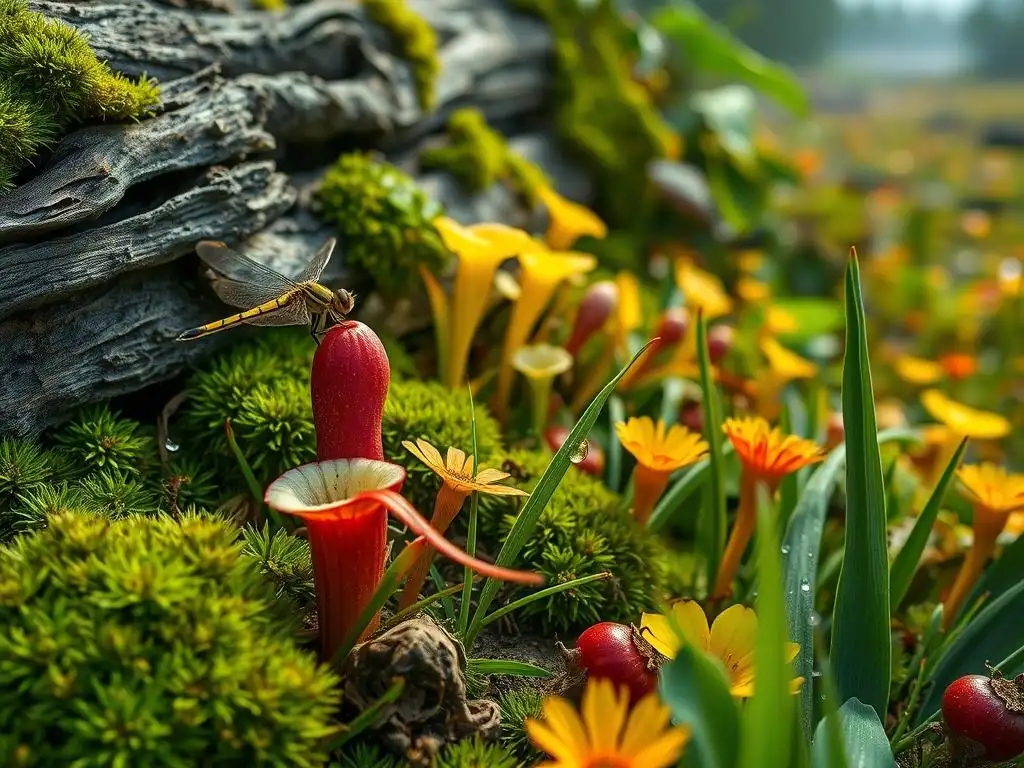
Maintaining a healthy bog garden requires vigilance against pests and diseases. Many bog plants are surprisingly resilient, but certain conditions can attract unwanted visitors. Slugs and snails, attracted by the moist environment, can be a significant problem, particularly for young seedlings and tender leaves. Regularly inspecting your plants for signs of damage – holes in leaves, slimy trails – is crucial for early detection.
Several organic pest control methods are highly effective. Diatomaceous earth, a natural powder made from fossilized algae, is a safe and effective way to deter slugs and snails. Simply sprinkle it around the base of your plants. Beer traps, while slightly less aesthetically pleasing, can also be effective. Place shallow dishes filled with beer near your plants; the scent attracts slugs and snails, which drown in the liquid. Handpicking pests, particularly in the early stages of infestation, is another environmentally friendly approach.
Beyond slugs and snails, fungal diseases can be a concern in bog gardens due to the constant moisture. Good air circulation is key to preventing fungal growth. Ensure your plants are not overcrowded, allowing for sufficient space between them. Avoid overhead watering, which can promote fungal development. Instead, water at the base of the plants to keep the soil moist without wetting the foliage.
If you do notice signs of fungal infection, such as spots or discoloration on leaves, promptly remove affected leaves to prevent the spread of the disease. In severe cases, you may need to consider using a fungicide, but always opt for organic options whenever possible. Remember that preventative measures are far more effective than reactive treatments when it comes to bog garden pest and disease control. A healthy, well-maintained bog garden is less susceptible to these issues.
Bog Garden Maintenance: A Seasonal Checklist
Maintaining your bog garden throughout the year requires a seasonal approach tailored to the specific needs of your plants and the changing weather conditions. This checklist provides a helpful guide for year-round care.
| Season | Task | Details |
|---|---|---|
| Spring | Clean up winter debris; prune dead or damaged plant material. | Remove any leaves, stems, or other debris that accumulated over the winter. Lightly prune back perennials to encourage new growth. |
| Divide and repot overcrowded plants. | Many bog plants benefit from division every few years. This helps to prevent overcrowding and maintains vigor. Repotting allows for fresh soil and improved drainage (within the context of a bog, of course). | |
| Add compost or other organic matter to enrich the soil. | This improves soil structure and provides essential nutrients for healthy plant growth. | |
| Plant new bog garden additions. | Spring is an ideal time to plant new bog plants. Choose varieties suited to your climate and soil conditions. | |
| Summer | Monitor moisture levels; water frequently during dry spells. | Bog gardens need consistent moisture, but avoid waterlogging. Regularly check soil moisture and water as needed. |
| Weed regularly; remove any unwanted plants promptly. | Weeds can compete with your bog plants for nutrients and moisture. Regular weeding helps to maintain a healthy environment. | |
| Monitor for pests and diseases; take appropriate action if necessary. | Regularly inspect plants for signs of pests or diseases and implement appropriate control measures (as outlined above). | |
| Deadhead spent flowers to encourage continued blooming. | Removing spent blooms helps to prolong the flowering season of many bog garden plants. | |
| Autumn | Prepare plants for winter; cut back dead foliage. | Remove dead leaves and stems. Some plants may require additional protection from frost. |
| Add a layer of mulch to help retain moisture and protect plant roots. | A layer of organic mulch, such as leaf mold or shredded bark, helps to insulate the soil and prevent it from drying out during the winter months. | |
| Winter | Monitor for frost damage and take protective measures if necessary. | In particularly harsh winters, you may need to provide extra protection for vulnerable plants, such as covering them with burlap or straw. |
| Plan for spring planting; order new plants or seeds. | Winter is a good time to research and order new plants or seeds for the upcoming growing season. |
This seasonal checklist helps ensure your bog garden thrives year-round, providing a beautiful and vibrant display of moisture-loving plants. Remember to adapt this checklist to your specific climate and the needs of the individual plants in your bog garden. Consistent monitoring and timely interventions will contribute significantly to the health and beauty of your bog garden.
Troubleshooting Common Bog Garden Problems
This section delves into the specific challenges of maintaining a thriving bog garden and offers practical solutions to common problems. Successfully cultivating a bog garden requires understanding its unique needs and proactively addressing potential issues. Remember, a healthy bog garden is a balanced ecosystem, and addressing problems early can prevent larger issues down the line. This guide will help you navigate the intricacies of bog garden maintenance and ensure the continued flourishing of your water-loving plants.
Dealing with Excess Water: Drainage Solutions for Bog Gardens
Even in a bog garden designed for wet conditions, excessive water can become detrimental. Standing water can lead to root rot, fungal diseases, and a general decline in plant health. While a bog garden embraces moisture, it shouldn't become waterlogged. Effective drainage management is crucial.
Several strategies can be employed to address excess water:
- Improved Soil Composition: While bog gardens thrive in acidic, water-retentive soil, incorporating materials that improve drainage can be beneficial. Adding a layer of coarse sand or gravel to the bottom of planting holes can help facilitate water percolation. This ensures proper aeration around the roots, reducing the risk of waterlogging.
- Strategic Planting: Careful plant selection plays a significant role. Choosing bog garden plants with varying water requirements ensures that some plants can handle slightly drier conditions within the overall boggy environment. This helps to prevent uniformly saturated soil conditions.
- Raised Beds: For particularly wet areas, creating raised beds can significantly improve drainage. These beds can be constructed from various materials, including wood, stone, or even repurposed containers. The raised height allows for better water runoff.
- French Drains: In cases of severe waterlogging, consider installing a French drain. This involves digging a trench and filling it with gravel, allowing excess water to flow away from the bog garden area. This is a more involved solution but highly effective for managing persistent water issues.
Remember, the key is to strike a balance. You want consistently moist conditions, not standing water. Regular monitoring of soil moisture levels is crucial to prevent problems before they escalate. Consider using a moisture meter to gauge soil saturation accurately.
Addressing Nutrient Deficiencies in Bog Plants
Bog garden plants, while adapted to wet conditions, still require essential nutrients for optimal growth. The acidic nature of bog soil can sometimes hinder nutrient availability. Recognizing and addressing nutrient deficiencies is vital for a healthy and vibrant bog garden.
Common signs of nutrient deficiencies include:
- Chlorosis (yellowing of leaves): This often indicates a lack of nitrogen, iron, or magnesium.
- Stunted growth: This can stem from a deficiency in multiple nutrients, including phosphorus and potassium.
- Purple or reddish coloration: This can be a sign of phosphorus deficiency.
To address these deficiencies, consider the following:
- Soil Testing: A soil test can identify specific nutrient deficiencies. This provides a precise basis for amending your soil appropriately.
- Organic Amendments: Instead of chemical fertilizers, which can disrupt the delicate balance of a bog garden ecosystem, utilize organic amendments such as composted manure or peat moss. These options provide nutrients slowly and improve soil structure.
- Mulching: A layer of organic mulch, such as shredded leaves or pine bark, helps retain moisture, suppress weeds, and gradually release nutrients into the soil. This method improves the soil’s overall health and nutrient availability.
Regular monitoring and proactive nutrient management are key to maintaining healthy bog garden plants. Remember to choose organic amendments that are compatible with the acidic conditions of your bog garden.
Controlling Pests and Diseases in Your Bog Garden
Bog gardens, like any other garden, are susceptible to pests and diseases. The consistently moist conditions can actually exacerbate some problems. Effective pest and disease control strategies are essential for maintaining a healthy and productive bog garden.
Common bog garden pests and diseases include:
- Snails and slugs: These mollusks thrive in moist environments and can cause significant damage to foliage.
- Fungal diseases: Root rot and leaf spot are common fungal diseases that can affect bog plants.
- Aphids: These tiny insects can suck sap from plants, leading to stunted growth.
Here are some effective organic pest and disease control methods:
- Beneficial Insects: Introducing beneficial insects like ladybugs, lacewings, and praying mantises can help control aphid populations naturally.
- Diatomaceous Earth: This natural powder is effective against snails and slugs. It dehydrates them upon contact.
- Copper Fungicide: For fungal diseases, a copper-based fungicide can be effective, but use it sparingly and follow label instructions carefully.
- Good Sanitation: Removing and disposing of infected plant material is critical in preventing the spread of diseases.
Prevention is key. Good garden hygiene, proper spacing of plants to allow for good air circulation, and regular monitoring for signs of pests and diseases are crucial steps in maintaining a healthy bog garden. Early detection and intervention are essential for successful pest and disease management. Remember to always prioritize organic and sustainable methods whenever possible.
Reviving a Stressed Bog Garden: Recovery Tips
A bog garden, while beautiful and unique, can be susceptible to stress from various factors. Overwatering, underwatering, nutrient deficiencies, and pest infestations are common culprits. Recognizing the signs of stress is crucial for successful recovery. Wilting leaves, yellowing foliage, stunted growth, and the presence of pests are all indicators that your bog garden needs attention. Don't panic! With a little attention and the right approach, you can revive your stressed bog garden and restore its vibrant health.
One of the first steps in reviving a stressed bog garden is to carefully assess the underlying cause. Is the soil consistently too wet or too dry? Are there visible signs of pest damage? Are the plants receiving adequate sunlight?
A thorough inspection will guide your recovery strategy. For example, if the soil is consistently waterlogged, improving drainage might be necessary. This could involve adding more organic matter to improve soil structure or creating raised beds within the bog garden. Conversely, if the soil is too dry, you might need to adjust your watering schedule, perhaps installing a drip irrigation system for more consistent moisture delivery.
Nutrient deficiencies are another common cause of stress. Bog plants often require specific nutrients. A soil test can reveal any imbalances. Amend the soil with appropriate fertilizers tailored to the needs of bog plants. Remember, it’s crucial to use organic fertilizers to maintain the garden's sustainable and organic nature. For instance, composted manure or peat moss can provide essential nutrients without harming the environment. Always follow the instructions on the fertilizer packaging to avoid over-fertilizing.
Pest infestations can severely stress bog plants. Regularly inspect your plants for signs of pests like aphids, slugs, or snails. Manual removal is often effective for smaller infestations. For larger infestations, consider introducing beneficial insects or using organic pest control methods such as neem oil or insecticidal soap. These natural solutions are less harmful to the environment and the beneficial insects that support your bog garden's ecosystem. Remember to always identify the pest before applying any treatment to ensure you're using the most effective method.
Finally, patience is key when reviving a stressed bog garden. It takes time for plants to recover from stress. Monitor the plants closely, adjust your care as needed, and celebrate the small victories along the way. With consistent care and attention, your bog garden will soon be thriving again, showcasing the beauty and resilience of these unique plants. Remember to document your progress, noting which recovery techniques worked best for your specific situation. This will be invaluable knowledge for future bog garden maintenance.
Harvesting and Enjoying Your Bog Garden Bounty
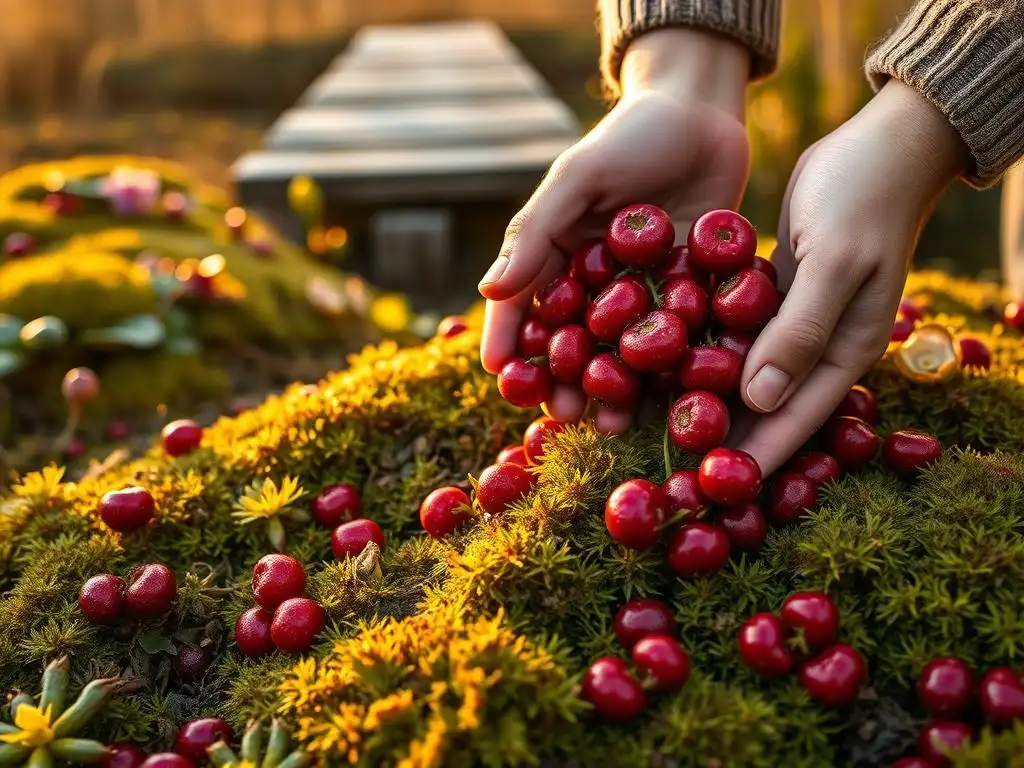
This section focuses on maximizing the yield and enjoyment from your thriving bog garden, transforming your hard work into delicious meals and stunning displays. We'll cover optimal harvesting times, techniques for preserving your bounty, and creative uses for your bog garden's unique plants. This guide will help you fully appreciate the fruits (and vegetables!) of your labor, turning your bog garden into a sustainable source of beauty and sustenance.
Harvesting Bog Plants: Timing and Techniques
Knowing when and how to harvest your bog garden plants is crucial for maximizing their flavor and nutritional value. Different plants have different optimal harvest times. For example, cranberries are typically ready for harvesting in late autumn, after the first frost. They should be firm and a deep, vibrant red. Harvesting involves gently twisting the berries from the vine. Conversely, many bog herbs, like rosemary or lavender (if you've selected varieties suitable for boggy conditions), are best harvested throughout the growing season, as needed, taking only what you require to encourage continued growth. Over-harvesting can stress the plants.
Here's a simplified table to illustrate optimal harvesting times for some common bog-loving plants:
| Plant | Optimal Harvest Time | Harvesting Technique |
|---|---|---|
| Cranberries | Late Autumn (after frost) | Gently twist from the vine |
| Rosemary | Throughout growing season | Snip stems just above a leaf node |
| Lavender | Throughout growing season | Cut stems just below flower heads |
| Pitcher Plants | Not typically harvested for consumption; enjoy their beauty! | N/A |
| Sundews | Not typically harvested for consumption; enjoy their beauty! | N/A |
Remember to always use clean, sharp tools to prevent the spread of disease. Avoid harvesting after rain, as wet plants are more susceptible to damage and disease. Proper harvesting techniques ensure a plentiful and sustained yield from your bog garden, year after year. Always handle plants carefully to avoid damage. This careful approach ensures the longevity and productivity of your bog garden plants guide.
Utilizing Your Bog Garden Harvest: Culinary and Ornamental Uses
Your bog garden's bounty offers a wide array of culinary and ornamental uses. Cranberries, for instance, are well-known for their tart flavor and are excellent in sauces, jams, and baked goods. Many bog herbs, like rosemary and lavender, impart unique flavors to dishes and can also be used to create potpourris or sachets. The vibrant colors and unusual forms of some bog plants, such as pitcher plants and sundews, can add a dramatic touch to floral arrangements, offering a unique and unexpected element.
Beyond the edible and directly usable plants, consider the aesthetic value. The vibrant colors and textures of bog plants can be utilized in a variety of ways. For example, the unique shapes of pitcher plants can be incorporated into dried floral arrangements, adding a touch of the unusual to your interior décor. The visual appeal of bog garden plants enhances not just the garden itself but also your home environment.
Propagating Bog Plants: Extending Your Garden's Beauty
Propagating bog plants allows you to expand your garden and share its unique beauty. Many bog plants can be propagated through division, cuttings, or seed. Division is a simple method for increasing the number of plants, particularly effective for clump-forming species. Cuttings, taken from healthy stems, can be rooted in moist peat moss or a similar medium. Seed propagation, while sometimes more challenging, offers the chance to grow new plants from seed. However, germination rates can vary depending on the species.
Consider the specific needs of each plant when propagating. Some bog plants, such as carnivorous species, have very specific requirements for successful propagation. Research the individual needs of your chosen species to ensure optimal results. Proper propagation techniques are crucial for maintaining the health and vitality of your bog garden. Remember, patience and attention to detail are key to successful propagation, ensuring the long-term enjoyment of your beautiful bog garden. A well-maintained bog garden is a testament to your gardening skills and a valuable resource for your home.
Expanding Your Bog Garden Expertise: Further Resources
This section delves into resources beyond this guide to help you cultivate a thriving bog garden. Whether you're a beginner seeking foundational knowledge or an experienced gardener looking to expand your expertise, these resources offer valuable insights and support. Remember, a successful bog garden is a journey of learning and adaptation, so embrace the opportunity to continuously refine your techniques.
Recommended Books on Bog Gardening
Choosing the right books can significantly enhance your bog gardening journey. Here are a few titles that offer detailed information on plant selection, soil preparation, and maintenance specific to bog gardens:
- "The Bog Gardener's Handbook": This hypothetical book (as no specific title perfectly matches this niche) would likely cover the basics of bog garden creation, including site selection, soil amendment, and plant propagation techniques. It would also probably include a comprehensive plant list suitable for various climates. Expect detailed illustrations and possibly even regional variations in plant recommendations.
- "Creating a Thriving Wetland Garden": A broader focus on wetland gardening, but with sections dedicated to bog gardens specifically. This might delve into the ecological aspects of bog gardens, including their role in supporting biodiversity. Look for information on water management techniques and creating a balanced ecosystem within your bog garden.
- "Native Plants for Bog Gardens": This book would focus on selecting and utilizing plants native to your region. This is crucial for creating a sustainable and ecologically sound bog garden. Expect detailed information on the specific needs of native bog plants, including sunlight requirements, soil pH preferences, and optimal planting times.
Remember to check reviews and compare contents before purchasing to find the best fit for your needs and gardening level. Many libraries also offer a wide selection of gardening books, allowing you to explore different options before committing to a purchase.
Useful Websites and Online Communities for Bog Gardeners
The internet offers a wealth of information and support for bog gardeners. Several websites and online communities are dedicated to sharing knowledge, tips, and experiences. These platforms provide opportunities to connect with other enthusiasts, ask questions, and share your own successes and challenges.
- Specialized Bog Gardening Forums: These forums often have dedicated sections for bog garden plants, offering detailed discussions on plant care, propagation, and troubleshooting common issues. You can find advice on specific plant varieties, learn about pest and disease control tailored for bog environments, and even find sources for rare or unusual bog plants.
- Online Gardening Blogs and Articles: Numerous blogs and websites dedicated to gardening cover bog gardening techniques in detail. Look for articles on topics such as soil preparation for bog gardens, creating a balanced ecosystem within a bog garden, and maintaining optimal moisture levels.
- Social Media Groups: Facebook groups and other social media platforms host communities dedicated to various aspects of gardening, including bog gardening. These provide a convenient space to share photos of your bog garden, ask questions, and receive feedback from experienced gardeners.
Local Botanical Gardens and Horticultural Societies for Support
Don't underestimate the value of local resources! Botanical gardens and horticultural societies often offer expertise and support specifically tailored to your region's climate and native plants.
- Botanical Garden Visits: Many botanical gardens feature bog gardens or wetland areas as part of their displays. Visiting these gardens can provide inspiration and hands-on learning experiences. You can observe different plant combinations, learn about successful cultivation techniques, and even speak with the garden staff to gain valuable insights.
- Horticultural Society Workshops: These societies frequently hold workshops and seminars on various gardening topics, including bog gardening. These events offer opportunities to learn from experienced gardeners, ask questions, and network with other enthusiasts in your area. Check their schedules for upcoming workshops related to bog gardening, wetland plants, or water-wise gardening techniques.
- Local Plant Nurseries: Nurseries specializing in native plants are excellent resources for finding bog garden-suitable plants adapted to your local climate. They can provide advice on plant selection, planting techniques, and ongoing care specific to your region. Don't hesitate to ask for recommendations and advice based on your specific bog garden conditions. This personalized advice is invaluable for success.
Frequently Asked Questions
What exactly is a bog garden?
A bog garden is a type of garden designed for plants that thrive in wet, acidic, and nutrient-poor conditions. It mimics the natural environment of bogs and marshes, creating a unique and beautiful landscape feature. Think water-loving plants!
What are some ideal bog garden plants?
Many plants flourish in bog-like conditions. Popular choices include various types of irises, marsh marigolds, and certain carnivorous plants like pitcher plants and sundews. Research specific plant needs for your climate.
How do I create the right conditions for a bog garden?
You'll need a consistently moist or saturated soil. This can be achieved by creating a depression in the landscape, lining it (if needed), and ensuring consistent watering. Adding peat moss will help achieve the correct acidity and texture.
What is the best time of year to plant bog garden plants?
The ideal time to plant is usually in spring or early autumn. This allows the plants to establish themselves before the hottest part of the summer or the coldest part of the winter. Check specific plant requirements for optimal timing.
How do I control pests and diseases in my bog garden?
Many bog plants are naturally resistant to pests. However, good air circulation helps prevent disease. Organic pest control methods are preferable to avoid harming beneficial insects and the environment.
Final Reflection: The Enduring Allure of the Bog Garden
Creating a bog garden isn't just about planting unique flora; it's about embracing the beauty of unexpected spaces and transforming challenging landscapes into thriving ecosystems. The resurgence of interest in bog gardens reflects a growing desire to connect with nature on a deeper level, to find beauty in what was once considered unusable land. This shift in perspective offers a powerful lesson in resourcefulness and appreciation for the natural world.
The journey of building a bog garden is a testament to the power of adaptation and the surprising resilience of life. It's a project that teaches patience, observation, and a deep respect for the delicate balance of nature. The earth laughs in flowers.
– Ralph Waldo Emerson. This quote perfectly encapsulates the joy and wonder that a thriving bog garden brings, transforming a seemingly barren space into a vibrant explosion of color and life. The ongoing influence of this practice extends beyond the individual garden, inspiring a wider appreciation for wetland ecosystems and their crucial role in biodiversity.
Now, consider your own space. Do you have a damp, neglected corner that seems impossible to cultivate? I invite you to reconsider. Let this guide inspire you to explore the possibilities of your own bog garden, to embrace the wet conditions, and to discover the unique beauty that awaits. Transform a challenge into a triumph, a problem into a vibrant, thriving ecosystem. The journey of creating a bog garden is a journey of discovery, a testament to the power of nature's resilience, and a source of enduring beauty.
Unleash Your Inner Bog Gardener!
Thank you for exploring the wonderful world of bog gardening with us! You've discovered the secrets to success in wet conditions and creating a truly unique garden. Ready to put your knowledge into practice?
- Design your dream bog garden: Grab a pencil and paper, or use your favorite design software, and sketch your ideal bog garden. Consider plant placement, water flow, and the overall aesthetic. This is where the creativity begins!
- Share your vision: Tell us about your bog garden plans in the comments below! Let's inspire each other with ideas and experiences. We'd love to see your designs and hear about any challenges you encounter.
- Start small, then expand: Begin with a single bog plant to gain experience and confidence. As you become more comfortable, gradually expand your bog garden, adding more plants and features.
What exciting bog plant will you choose to begin your journey to a thriving, water-loving garden?