
How to Prevent Freezer Burn in Your Garden Vegetables

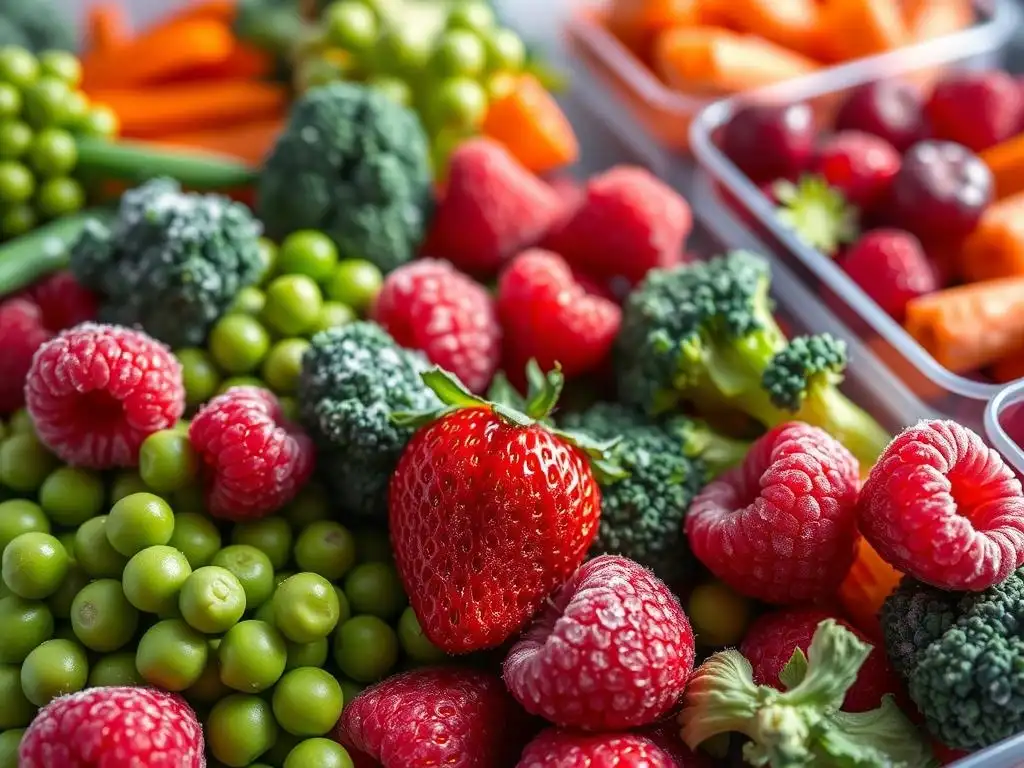
Ready to unlock the secrets to a bountiful harvest, even after the growing season ends? At CultivateYourFood, we're passionate about helping you grow your own fruits, vegetables, and herbs using sustainable methods. But what happens to that amazing produce once it's ripe? Learn how to prevent freezer burn in your garden vegetables and keep your delicious homegrown food fresh for months to come. Discover our expert tips and techniques in our "Preserving Your Harvest" section – your journey to year-round flavorful meals starts here!
- Understanding Freezer Burn in Garden Vegetables
- Preparing Your Vegetables for Optimal Freezing: Minimizing Freezer Burn Risk
- Advanced Techniques to Prevent Freezer Burn in Your Homegrown Vegetables
- Long-Term Storage and Best Practices for Preventing Freezer Burn
- Recommended Products to Prevent Freezer Burn in Your Garden Vegetables
- Frequently Asked Questions
- Final Reflection: A Harvest Preserved, A Future Secured
- Unlock Your Freezer's Freshness: Preserve Your Harvest!
Understanding Freezer Burn in Garden Vegetables
Freezing your homegrown fruits and vegetables is a fantastic way to preserve your harvest and enjoy the bounty of your garden year-round. However, improper freezing techniques can lead to freezer burn, significantly impacting the quality and longevity of your produce. This article will guide you through understanding freezer burn, identifying its signs, and most importantly, implementing effective strategies to prevent it, ensuring your frozen vegetables retain their delicious taste, vibrant color, and nutritional value.
We'll explore the specific challenges of preserving homegrown produce, as compared to commercially frozen options, and offer practical solutions tailored to the needs of the home gardener. Proper freezing techniques are crucial for maximizing the shelf life and quality of your carefully cultivated vegetables, making the effort of preserving your harvest truly worthwhile. Let's delve into the specifics of preventing freezer burn and preserving the goodness of your garden.
What is Freezer Burn and Why Does it Happen to Homegrown Produce?
Freezer burn is a common problem that occurs when frozen food is exposed to air, causing dehydration and oxidation. This exposure leads to the formation of ice crystals on the surface of the food, which can then sublimate (transition directly from solid to gas), leaving behind a dry, leathery, and sometimes discolored area. While commercially frozen vegetables often undergo specialized processes to minimize air exposure, homegrown produce is more susceptible due to variations in packaging and freezing methods.
The uneven shapes and sizes of homegrown vegetables can also create gaps in packaging, allowing for increased air exposure and ultimately, freezer burn. Think of it like this: the larger the surface area exposed to the cold air, the greater the potential for freezer burn. Additionally, homegrown produce might not have the same level of pre-treatment or protective coatings used in commercial processing, further increasing vulnerability.
The primary culprit is moisture loss. As the water within the vegetables sublimates, it leaves behind a dull, brownish appearance and a noticeably altered texture. This process not only affects the aesthetic appeal but also compromises the nutritional value and flavor profile of your vegetables. Proper blanching (briefly boiling or steaming) before freezing helps to inactivate enzymes that contribute to degradation, but even blanched vegetables are not immune to freezer burn if not packaged and stored correctly.
Identifying Freezer Burn: Signs and Symptoms in Your Frozen Vegetables
Identifying freezer burn is crucial for preventing its further progression and minimizing its impact on your frozen harvest. The most obvious sign is a change in color. Your vibrant green peas might appear dull and brownish, while your bright red peppers might lose their luster. The affected areas often appear dry, leathery, and sometimes slightly shriveled.
You might also notice a noticeable change in texture; freezer-burned vegetables can feel tougher and less tender than their fresh counterparts. Beyond visual and textural changes, you might also detect a loss of flavor or a slightly off-putting taste. This is because the dehydration process concentrates the remaining solids, potentially altering the overall flavor profile.
It's important to note that freezer burn doesn't necessarily render the vegetables inedible. However, the affected areas will have a compromised texture and flavor, and the overall nutritional value will be diminished. Trimming away the freezer-burned portions is often a viable solution, but it does reduce the yield of your frozen harvest. Therefore, preventing freezer burn in the first place is the most effective approach.
The Impact of Freezer Burn on Taste, Texture, and Nutritional Value of Your Harvest
Freezer burn has a multifaceted impact on the quality of your frozen vegetables. The most immediately noticeable effect is the alteration in taste and texture. Dehydration concentrates sugars and salts, potentially leading to a more intense or even bitter flavor. Simultaneously, the loss of moisture results in a drier, tougher, and less palatable texture. The vegetables may lose their characteristic crispness or tenderness, becoming less enjoyable to eat.
Furthermore, freezer burn negatively impacts the nutritional value of your harvest. Vitamins and other vital nutrients are sensitive to oxidation and dehydration. The sublimation process associated with freezer burn can lead to a significant loss of these valuable compounds, diminishing the overall health benefits of your frozen vegetables. While the vegetables might still contain some nutrients, the nutritional density is undeniably reduced compared to properly frozen produce. Therefore, minimizing freezer burn is not only about preserving taste and texture but also about safeguarding the nutritional integrity of your hard work in the garden.
Preparing Your Vegetables for Optimal Freezing: Minimizing Freezer Burn Risk
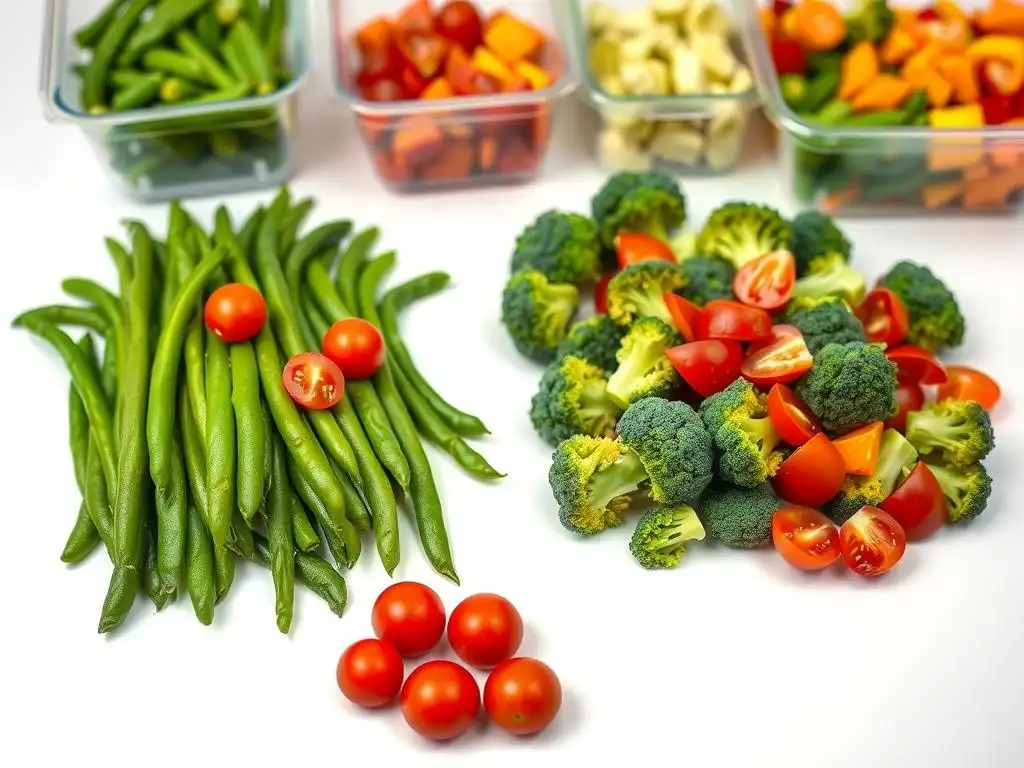
Proper preparation is paramount when it comes to preventing freezer burn in your homegrown vegetables. Freezer burn, characterized by discoloration, dehydration, and a loss of flavor and texture, occurs when vegetables are exposed to air during the freezing process. This section details crucial steps to minimize this risk and ensure your garden's bounty remains delicious and nutritious long after harvest.
The key is to remove excess moisture and rapidly freeze the produce to prevent the formation of large ice crystals that damage cell walls. This process significantly improves the quality and longevity of your frozen vegetables, maximizing the benefits of your hard work in the garden. Remember, preventing freezer burn vegetables starts long before they hit the freezer.
Blanching Techniques for Different Vegetables: A Step-by-Step Guide
Blanching, a crucial step for many vegetables, involves briefly submerging them in boiling water, then immediately plunging them into ice water. This process inactivates enzymes that cause deterioration during freezing, preserving color, flavor, and texture. Different vegetables require slightly different blanching times, so careful attention to detail is essential to preventing freezer burn vegetables. Incorrect blanching can lead to mushy vegetables, while under-blanching can result in enzymatic degradation and increased freezer burn.
Blanching Leafy Greens Like Spinach and Kale to Prevent Freezer Burn
Leafy greens like spinach and kale are particularly susceptible to freezer burn. Their high water content makes them prone to dehydration. To prevent freezer burn vegetables like these:
- Wash the greens thoroughly and remove any tough stems.
- Bring a large pot of water to a rolling boil.
- Add the greens in small batches, ensuring they are fully submerged. Blanch for only 30-60 seconds. Over-blanching will result in a mushy texture.
- Immediately transfer the blanched greens to a large bowl of ice water to stop the cooking process.
- Once cooled, drain the greens thoroughly. You can gently squeeze out excess water, but avoid crushing the leaves.
- Portion the greens into freezer bags, removing as much air as possible before sealing. Label and date the bags.
Blanching Root Vegetables Such as Carrots and Peas for Superior Freezing
Root vegetables like carrots and peas benefit from blanching as well. This process helps retain their vibrant color and crisp texture. The blanching time varies depending on the size and type of vegetable:
- Wash and peel (if necessary) the vegetables. Cut carrots into uniform pieces for even cooking.
- Bring a pot of salted water to a boil. Adding salt helps to retain the color.
- Add the vegetables and blanch according to the following guidelines:
- Carrots (small): 2-3 minutes
- Carrots (large): 3-5 minutes
- Peas: 1-2 minutes
- Immediately transfer the blanched vegetables to an ice bath to halt the cooking process.
- Drain thoroughly and package in freezer-safe containers or bags, removing excess air.
Blanching Broccoli and Cauliflower for Optimal Texture and Color Retention
Broccoli and cauliflower are best blanched to maintain their bright green and white colors, respectively. Over-blanching can lead to a dull appearance and mushy texture.
- Cut broccoli and cauliflower into florets of uniform size.
- Bring a large pot of water to a boil.
- Blanch the florets for 2-3 minutes, ensuring they are evenly heated.
- Immediately plunge into an ice bath to stop the cooking process.
- Drain very well and package for freezing. Consider using a vacuum sealer for optimal results.
Proper Drying Techniques for Vegetables Before Freezing
Even after blanching, excess moisture can contribute to freezer burn. Thorough drying is critical for preventing freezer burn vegetables. After blanching and chilling, spread the vegetables on a clean, absorbent surface like paper towels or a clean kitchen towel. Allow them to air dry completely before packaging. This step is often overlooked, but it's a significant factor in preventing freezer burn and maintaining quality.
The goal is to remove as much surface moisture as possible without allowing the vegetables to wilt or dry out excessively. A gentle patting with paper towels can help in this process. Proper drying, along with proper blanching, ensures your frozen vegetables maintain their optimal texture and flavor. Remember, the less moisture present, the less chance of freezer burn.
Using the Right Containers for Freezing Garden Vegetables to Avoid Freezer Burn
Selecting the appropriate containers is crucial in preventing freezer burn and maintaining the quality of your frozen garden vegetables. Freezer burn, that unsightly discoloration and loss of texture and flavor, occurs when food is exposed to air during freezing. The air removes moisture, leading to dehydration and ultimately, a less-than-ideal culinary experience.
Therefore, proper packaging is paramount in your efforts to prevent freezer burn vegetables. Choosing a container that creates an airtight seal is the first step towards success. This prevents ice crystal formation and ensures your vegetables retain their freshness, color, and nutritional value for as long as possible.
Several factors influence the selection of the best container. Consider the type of vegetable you are freezing, the quantity, and the available storage space in your freezer. For example, smaller quantities of delicate herbs might be better suited to smaller, airtight containers, while larger quantities of hearty vegetables like green beans or peas might benefit from larger, more robust options. Always prioritize containers that are specifically designed for freezer use and can withstand the temperature fluctuations.
Beyond the airtight seal, consider the material of the container. Some materials are better suited to long-term freezer storage than others. Certain plastics may leach chemicals into your food over time, while others may crack or become brittle at very low temperatures. Therefore, careful consideration of the container material is necessary for optimal food safety and quality preservation. Remember to always label your containers with the contents and the freezing date for easy identification and inventory management. This helps ensure you use your oldest frozen goods first, minimizing waste.
Choosing Freezer-Safe Bags: A Comparison of Ziploc Freezer Bags vs. FoodSaver Vacuum Seal Bags
When it comes to bags, two popular choices emerge: standard Ziploc freezer bags and FoodSaver vacuum seal bags. Both offer advantages and disadvantages in the quest to prevent freezer burn vegetables.
Ziploc freezer bags are readily available, inexpensive, and convenient. Their ease of use makes them a popular choice for many home freezers. However, they only offer a basic seal, meaning some air might still remain trapped inside the bag. This increases the risk of freezer burn, especially over extended periods of storage. While they offer adequate protection for shorter-term freezing, they are less effective for long-term storage compared to vacuum-sealed options. Furthermore, the potential for leaks is higher with Ziploc bags, particularly if the seal isn't perfect.
FoodSaver vacuum seal bags, on the other hand, remove almost all the air, creating a much more effective barrier against freezer burn. This significantly extends the shelf life of your frozen vegetables and maintains their quality for a longer duration. The vacuum sealing process also helps to prevent oxidation, preserving the vibrant colors and flavors of your harvest. However, FoodSaver bags typically cost more than standard freezer bags and require a dedicated vacuum sealing machine, representing a higher initial investment.
The best choice depends on your needs and budget. If you freeze vegetables infrequently and prioritize convenience and affordability, Ziploc bags might suffice. However, for optimal preservation and long-term storage, the superior performance of FoodSaver vacuum seal bags makes them a worthwhile investment to help prevent freezer burn vegetables.
Using Rigid Containers for Freezing: Rubbermaid Freezer Containers vs. Glass Containers - A Detailed Comparison
Rigid containers offer another excellent solution for freezing garden vegetables and minimizing freezer burn. Two popular choices are Rubbermaid freezer containers and glass containers. Each offers distinct advantages and disadvantages for preserving your hard-earned produce.
Rubbermaid freezer containers, made from durable plastic, are lightweight, stackable, and relatively inexpensive. Their airtight lids create a good seal, protecting your vegetables from freezer burn. They are also generally shatterproof, making them safer than glass containers, especially in a busy kitchen environment. However, some concerns exist regarding potential leaching of chemicals from certain types of plastic over time, particularly at low temperatures. Choosing BPA-free Rubbermaid containers mitigates this risk. Also, some users find that the lids can become difficult to open after prolonged freezing.
Glass containers offer an alternative, providing a non-reactive, inert storage solution. Glass doesn't leach chemicals into food, ensuring complete food safety. They are also often aesthetically pleasing and easy to clean. However, glass containers are heavier, more fragile, and more expensive than plastic alternatives. The risk of breakage, especially during handling or accidental drops, is significant. Furthermore, the heavier weight can make stacking and organizing in the freezer more challenging.
The optimal choice between Rubbermaid and glass containers depends on your priorities. If safety, convenience, and affordability are paramount, BPA-free Rubbermaid freezer containers are a practical solution. If you prioritize food safety above all else and are willing to accept the higher cost and fragility, glass containers offer a superior option to prevent freezer burn vegetables. Remember to always leave some headspace in any container to allow for expansion during the freezing process.
Advanced Techniques to Prevent Freezer Burn in Your Homegrown Vegetables
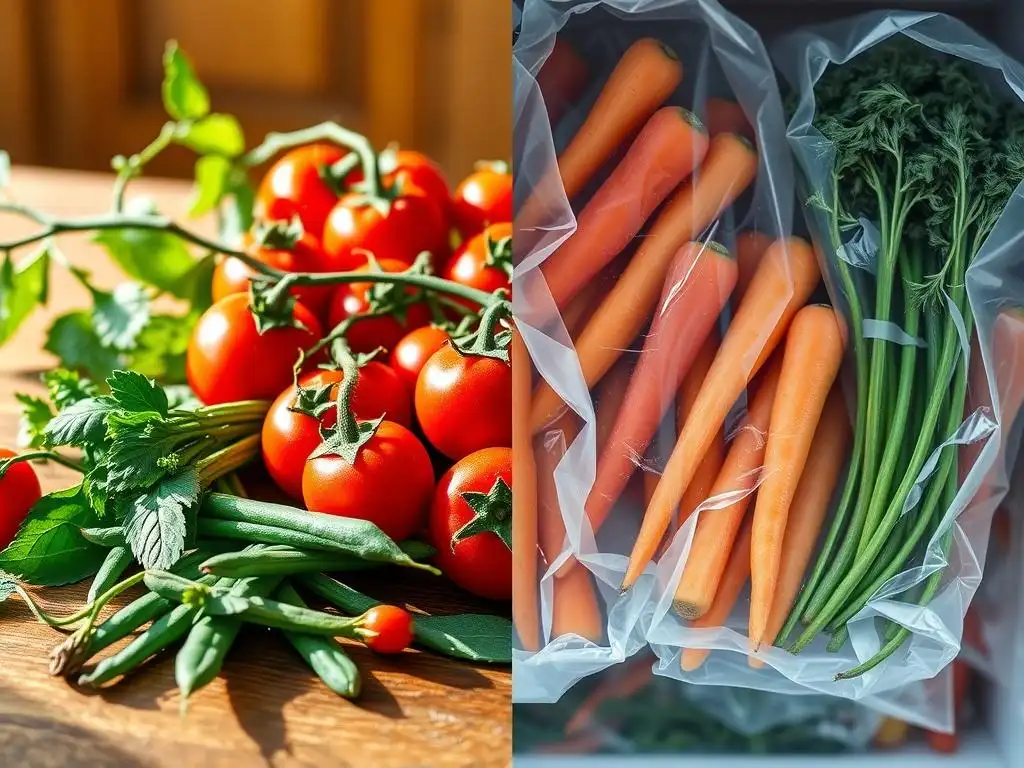
This section delves into advanced methods to minimize freezer burn in your precious homegrown vegetables, ensuring optimal quality and flavor retention for months to come. We'll explore techniques beyond basic blanching and freezing, focusing on strategies that significantly reduce ice crystal formation and oxidation, the primary culprits behind freezer burn. Mastering these techniques will elevate your home preservation game and allow you to enjoy the fruits (and vegetables!) of your labor throughout the year.
Vacuum Sealing Vegetables for Extended Freezing: A Comprehensive Guide
Vacuum sealing is a game-changer in the fight against freezer burn. By removing air from the packaging, you eliminate the major source of oxidation, a process that degrades the quality and flavor of your frozen vegetables. This technique also minimizes the formation of ice crystals, a leading cause of freezer burn's characteristic dry, leathery texture.
Using a Vacuum Sealer: FoodSaver Vacuum Sealer Review and How-To
While several vacuum sealers exist on the market, the FoodSaver brand enjoys widespread popularity and positive reviews for its reliability and ease of use. The FoodSaver system generally involves placing your pre-portioned vegetables (more on this in the next section) into freezer-safe bags designed for the sealer. Then, the machine removes the air, creating a tight seal that protects your produce.
The process is typically straightforward:
- Prepare your vegetables by blanching them appropriately (depending on the vegetable type).
- Allow them to cool completely before packaging.
- Place the cooled vegetables into the FoodSaver bag, leaving some headspace.
- Seal the bag using the FoodSaver machine. Ensure a complete seal to prevent air leakage.
- Label the bag clearly with the contents and date.
Remember to always follow the manufacturer's instructions for your specific FoodSaver model. Proper usage is crucial for effective vacuum sealing and optimal preservation. Improper sealing can lead to air pockets, negating the benefits of this method.
Benefits of Vacuum Sealing Over Traditional Freezing Methods for Preventing Freezer Burn
The advantages of vacuum sealing for preventing freezer burn are significant:
| Feature | Traditional Freezing | Vacuum Sealing |
|---|---|---|
| Freezer Burn | High risk, often noticeable after several months. | Significantly reduced, often negligible. |
| Oxidation | More pronounced, leading to flavor and color loss. | Minimized due to air removal. |
| Shelf Life | Shorter, often requiring quicker consumption. | Extended shelf life, maintaining quality longer. |
| Flavor Retention | More susceptible to flavor degradation. | Better flavor and aroma preservation over time. |
| Texture Retention | Texture often suffers due to ice crystal formation. | Maintains a crisper texture for longer. |
The improved quality and longer shelf life offered by vacuum sealing are well worth the investment in a vacuum sealer, especially for those who cultivate substantial quantities of homegrown vegetables. It's a truly effective method to prevent freezer burn vegetables.
Portioning Vegetables for Freezing: Avoiding Over-Freezing and Thawing Cycles
Proper portioning is crucial for preventing freezer burn and maximizing the usability of your frozen vegetables. Over-freezing (freezing too large a quantity at once) leads to uneven freezing and increased ice crystal formation, directly contributing to freezer burn. Similarly, repeated thawing and refreezing cycles significantly degrade the quality of your produce.
To prevent these issues:
- Portion appropriately: Freeze vegetables in smaller, single-use or easily manageable portions. This ensures quicker freezing times and reduces the risk of ice crystal formation. Think single-meal portions or quantities suitable for a specific recipe.
- Use appropriate containers: Utilize freezer-safe containers or bags designed for freezing. Avoid using containers that are too large, which could lead to uneven freezing.
- Avoid refreezing: Once thawed, avoid refreezing your vegetables. Refreezing dramatically reduces quality and increases the risk of freezer burn and bacterial growth. Proper planning and portioning are key to prevent this.
- Label clearly: Always label your containers with the contents and date of freezing. This helps you track the age of your frozen vegetables and ensures you use them within their optimal shelf life. A well-organized freezer is a key to effective preservation.
By following these guidelines, you can significantly reduce the risk of freezer burn and ensure that your homegrown vegetables retain their quality, flavor, and nutritional value throughout the winter months. Proper portioning is a crucial step in the process of preventing freezer burn vegetables.
Flash Freezing Your Vegetables: The Ultimate Technique for Preventing Freezer Burn
Flash freezing is arguably the most effective method to prevent freezer burn in your homegrown vegetables. Unlike slow freezing, where ice crystals form slowly and damage cell walls, flash freezing rapidly lowers the temperature of your produce, minimizing ice crystal formation. This results in vegetables that retain their texture, flavor, and nutritional value much better after thawing. The key is speed; the faster the freezing process, the better the outcome for preventing freezer burn vegetables.
To flash freeze your vegetables effectively, you need a method that ensures rapid temperature reduction. This often involves using a specialized piece of equipment, such as a blast freezer, which is commonly found in commercial food processing facilities. However, even home cooks can achieve a reasonable approximation of flash freezing using a few simple techniques.
One effective method is to spread your prepared vegetables (blanched and cooled) in a single layer on a baking sheet lined with parchment paper. This maximizes surface area exposure to cold air, accelerating the freezing process. Once frozen solid, you can then transfer the vegetables to freezer bags for long-term storage.
The advantage of this method is significant. By using flash freezing techniques, you're essentially trapping the moisture within the vegetable cells, preventing dehydration and that characteristic leathery texture associated with freezer burn. This is particularly crucial for delicate vegetables like peas, green beans, and berries, which are prone to damage during slower freezing processes.
Remember to always label and date your freezer bags to ensure proper stock rotation and prevent waste. Consider using a vacuum sealer for optimal results in preserving freshness and preventing freezer burn vegetables. While a vacuum sealer isn't strictly necessary for flash freezing, it significantly reduces the risk of oxidation and further protects your vegetables' quality.
The combination of flash freezing and vacuum sealing offers the best protection against freezer burn and allows you to enjoy the vibrant flavors of your homegrown harvest for months to come. Careful preparation, including blanching to inactivate enzymes and proper cooling before freezing, is also critical for success. Neglecting these steps can negate the benefits of flash freezing.
Long-Term Storage and Best Practices for Preventing Freezer Burn
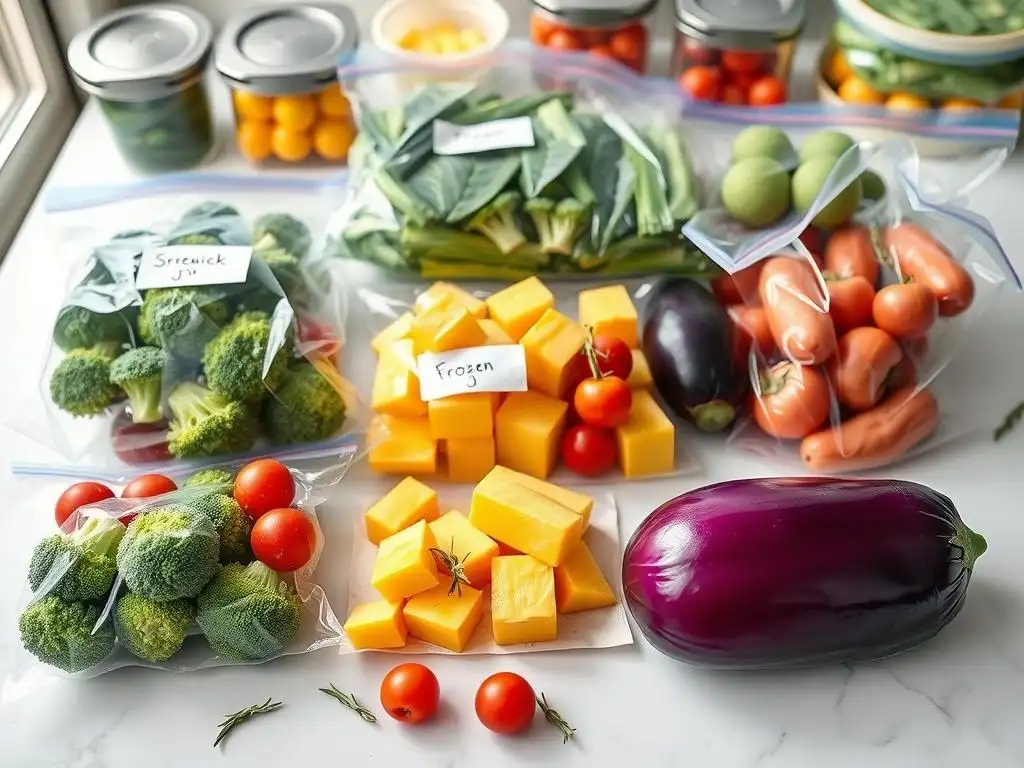
Proper long-term storage is crucial for preventing freezer burn in your homegrown vegetables. Freezer burn, that unpleasant discoloration and drying out of frozen food, results from exposure to air and fluctuating temperatures. Minimizing air exposure is key to maintaining the quality and nutritional value of your precious harvest.
This section details techniques to ensure your vegetables remain fresh and flavorful for months to come, even after they've left the garden. We'll explore the importance of proper packaging, the ideal freezing temperature, and practical strategies to extend the shelf life of your frozen bounty. Preventing freezer burn vegetables requires careful attention to detail, from the initial blanching process to the long-term storage techniques.
Organizing Your Frozen Vegetables for Easy Access and Rotation (FIFO Method)
Efficient organization is paramount to preventing freezer burn and minimizing food waste. Implementing the First-In, First-Out (FIFO) method significantly improves your chances of using older vegetables before they degrade. This means placing newly frozen vegetables at the back of your freezer and bringing older packages to the front. Consider using clear, stackable containers or freezer bags to easily identify and access different types of vegetables.
A well-organized freezer allows you to quickly locate what you need, preventing accidental freezer burn from repeatedly opening and closing the freezer door in search of specific items. Imagine the satisfaction of effortlessly finding your perfectly preserved peas months after harvesting! This simple strategy will help you prevent freezer burn vegetables and maximize the lifespan of your frozen produce.
Think of your freezer as a dynamic inventory system. Regularly check your frozen vegetable supply and rotate items accordingly. This not only prevents freezer burn but also helps you plan meals effectively, ensuring you use your frozen vegetables before they become freezer-burned or expire. A visually appealing and organized freezer will improve your overall experience with preserving your harvest.
Labeling and Dating Frozen Vegetables for Optimal Quality Control
Clear labeling and precise dating are essential components of successful long-term storage. Label each container or bag with the type of vegetable, the date it was frozen, and any relevant preparation notes (e.g., "blanched," "chopped"). This simple step dramatically enhances your ability to manage your frozen vegetable inventory. Using a permanent marker on freezer-safe tape or labels prevents smudging and ensures the information remains legible even after months in the freezer. You can even utilize color-coded labels to easily identify different vegetable types at a glance.
Consistent dating helps you prioritize consumption. Remember, even with careful freezing techniques, the quality of frozen vegetables gradually declines over time. By knowing the exact freezing date, you can ensure you're using the oldest vegetables first, minimizing the risk of freezer burn and maximizing the freshness of your meals. This meticulous approach to labeling and dating directly contributes to your ability to prevent freezer burn vegetables. A well-labeled freezer is a happy freezer, and a happy freezer means happy, delicious meals!
Understanding Freezer Temperature and its Impact on Freezer Burn Prevention
Maintaining a consistent freezer temperature is paramount in preventing freezer burn. Ideal freezer temperatures hover around 0°F (-18°C). Fluctuations in temperature, even slight ones, can lead to ice crystal formation on the surface of your frozen vegetables, accelerating freezer burn. Regularly check your freezer's temperature using a reliable thermometer. If the temperature fluctuates frequently, consider investigating potential issues, such as a faulty door seal or a malfunctioning compressor.
Monitoring the temperature is particularly crucial during power outages. Extended power outages can significantly increase the risk of freezer burn. If a power outage occurs, try to minimize the number of times you open the freezer door to maintain the internal temperature as much as possible.
Consider investing in a freezer thermometer with an alarm function to alert you to temperature changes. By understanding and actively managing your freezer's temperature, you'll significantly improve your chances of preventing freezer burn vegetables and preserving the quality of your harvest for longer. A stable temperature is your best ally in the fight against freezer burn!
Troubleshooting Common Freezer Burn Issues and Solutions
Freezer burn, that unsightly grayish-white discoloration on your frozen vegetables, is a common problem, but thankfully, mostly preventable. Understanding the root causes is key to solving the issue and ensuring your homegrown produce retains its optimal quality. Let's explore some common freezer burn issues and effective solutions.
One frequent culprit is improper packaging. Air exposure is a major contributor to freezer burn. Vegetables packed loosely in containers or bags with excessive headspace are more susceptible. The air pockets allow for moisture loss through sublimation – the transition of ice directly to water vapor.
This process not only dehydrates the vegetables, leading to that characteristic dry, leathery texture of freezer burn, but also concentrates the solutes, affecting flavor. To combat this, ensure you use airtight containers or freezer-safe bags, removing as much air as possible before sealing. Consider using a vacuum sealer for the best results, creating a nearly perfect oxygen-free environment.
Another common issue arises from temperature fluctuations. Frequent opening and closing of the freezer door, or power outages, can cause temperature spikes within the freezer, accelerating the sublimation process and increasing the risk of freezer burn. Try to minimize opening the freezer, keeping it consistently cold, and ensuring your freezer is operating efficiently. Regular defrosting, if necessary for your freezer type, is also crucial to maintain optimal temperature.
Finally, overcrowding your freezer can also contribute to freezer burn. When the freezer is too full, air circulation is restricted, hindering the even distribution of cold air. This leads to temperature inconsistencies and creates areas where freezer burn is more likely to occur. Leave adequate space between packages to allow for proper airflow and ensure all items remain evenly frozen. Consider using freezer-safe baskets or dividers to organize your produce and maximize space efficiently.
Proper organization is key to preventing freezer burn and keeping your freezer running effectively. Remember that the key to preventing freezer burn is creating and maintaining a consistently cold, stable environment with minimal air exposure for your carefully preserved vegetables. By addressing these common issues, you can significantly improve the quality and longevity of your frozen harvest. Consider investing in a quality freezer thermometer to monitor the temperature regularly and ensure consistency.
Recommended Products to Prevent Freezer Burn in Your Garden Vegetables
Preventing freezer burn in your homegrown vegetables requires careful preparation and the right equipment. Investing in quality products will significantly extend the shelf life and maintain the nutritional value of your frozen harvest. This section will guide you through selecting the best tools and containers to prevent freezer burn and ensure your vegetables remain delicious and nutritious for months to come. Proper freezing techniques, combined with the right equipment, are key to preventing freezer burn vegetables.
Top-Rated Vacuum Sealers for Home Gardeners: A Buyer's Guide
A vacuum sealer is arguably the best investment you can make to prevent freezer burn. By removing air from the packaging, you eliminate the primary cause of ice crystal formation, which leads to freezer burn. Consider these factors when choosing a vacuum sealer:
- Capacity: Choose a sealer with a chamber size appropriate for the volume of vegetables you typically freeze. If you have a large garden, a larger chamber will save you time and effort.
- Sealing Speed: Faster sealing times are beneficial for preserving the freshness of your produce. Look for models with quick and efficient sealing mechanisms.
- Ease of Use: A user-friendly interface is crucial for a smooth and efficient freezing process. Look for intuitive controls and easy-to-clean components.
- Durability: Invest in a durable machine that can withstand regular use. Check reviews to gauge the longevity and reliability of different models.
Many vacuum sealers offer various settings for different food types, ensuring optimal sealing for your specific vegetables. Some models even have a "moist" setting ideal for preserving the texture and flavor of delicate vegetables like peas or green beans. Remember, a quality vacuum sealer is a significant step toward successfully preventing freezer burn vegetables.
Best Freezer Bags and Containers for Preserving the Quality of Your Frozen Vegetables
Even with a vacuum sealer, choosing the right freezer bags and containers is vital. The material and design play a crucial role in preventing freezer burn and maintaining the quality of your frozen produce.
- Freezer Bags: Opt for heavy-duty freezer bags made from thick, durable plastic. Look for bags specifically designed for freezing, as these are less likely to tear or leak. Consider bags with a zip-top closure for added security. Avoid using standard plastic bags, as these are more prone to freezer burn.
- Freezer Containers: Rigid freezer containers made of freezer-safe materials like polypropylene are excellent choices. Ensure the containers are airtight and have secure lids to prevent air from entering and causing freezer burn. Glass containers are also a good option, but they are more fragile and heavier.
Remember to label all containers with the contents and date of freezing for easy identification and inventory management. Proper labeling is a crucial aspect of effectively preventing freezer burn vegetables and organizing your frozen food supply. Using appropriate containers is vital in your efforts to prevent freezer burn vegetables.
Essential Tools for Blanching and Preparing Vegetables for Freezing (e.g., Presto Blancher)
Blanching vegetables before freezing is a crucial step in preserving their color, texture, and nutritional value. A good blancher will make this process efficient and effective. The Presto Blancher is a popular choice amongst home gardeners, but other comparable models are available.
- Large Pot: If you don't have a dedicated blancher, a large pot filled with boiling water works just as well. Ensure the pot is large enough to accommodate your vegetables without overcrowding.
- Ice Bath: An ice bath is essential for quickly stopping the cooking process after blanching, preserving the vibrant color and crisp texture of your vegetables. Prepare a large bowl filled with ice water before you begin blanching.
- Slotted Spoon: A slotted spoon is ideal for easily transferring the blanched vegetables from the boiling water to the ice bath. This prevents accidental burns and ensures efficient processing.
- Timer: Precise timing is crucial for effective blanching. Use a timer to ensure your vegetables are blanched for the correct amount of time, avoiding overcooking or undercooking. Over-blanching will lead to mushy vegetables, while under-blanching will result in poor quality and increased risk of freezer burn. Accurate timing is fundamental in preventing freezer burn vegetables.
Proper blanching, combined with appropriate packaging and freezing methods, is crucial for successfully preventing freezer burn vegetables and preserving the quality of your homegrown harvest for extended periods. This careful preparation will allow you to enjoy the taste and nutritional benefits of your garden's bounty throughout the year.
Frequently Asked Questions
What is freezer burn?
Freezer burn is a form of dehydration that occurs when food is exposed to cold, dry air in the freezer. It results in a dull, grayish appearance and an unpleasant, dry texture. This negatively impacts both the quality and taste of your vegetables.
How does freezer burn affect the nutritional value of my vegetables?
While freezer burn doesn't make vegetables unsafe to eat, it does reduce their nutritional value and flavor. Some vitamins and antioxidants are lost during the dehydration process.
Can I still eat vegetables with freezer burn?
Yes, vegetables with freezer burn are still safe to eat, although the texture and flavor will be compromised. It's best to use them in cooked dishes where the texture change is less noticeable.
What's the best way to prevent freezer burn in my homegrown vegetables?
Proper packaging is key! Use airtight containers or freezer bags, removing as much air as possible. Blanching vegetables before freezing also helps slow down oxidation.
Are some vegetables more susceptible to freezer burn than others?
Yes, vegetables with a high water content, such as leafy greens, are more prone to freezer burn. Proper preparation and packaging are crucial for these vegetables to maintain their quality during freezing.
Final Reflection: A Harvest Preserved, A Future Secured
The fight against freezer burn isn't just about preserving the crispness of your carrots; it's about safeguarding the fruits of your labor and ensuring food security in a world facing increasing challenges. Proper freezing techniques, as detailed in this article, are a vital step in reducing food waste and maximizing the nutritional value of homegrown produce, a resource increasingly important in uncertain times.
The impact of knowing how to properly freeze vegetables extends far beyond the individual household. It connects us to a deeper appreciation for the food cycle, fostering a sense of responsibility and self-sufficiency. The best way to find yourself is to lose yourself in the service of others.
– Mahatma Gandhi. This quote, while seemingly unrelated at first glance, speaks to the broader impact of preserving food – it's an act of service, not just to ourselves, but to future generations and a more sustainable future. By mastering these techniques, we contribute to a more resilient and food-secure community.
Now, consider your own garden, your own harvest. What steps will you take to ensure that the bounty of your labor is not lost to freezer burn? Take the time to implement the techniques outlined in this article – your taste buds, your wallet, and the planet will thank you. This isn't just about preserving vegetables; it's about preserving a connection to the land, to the process of growing food, and to a more sustainable future. Let's work together to ensure that our harvests are not only plentiful but also preserved for the enjoyment of many.
Unlock Your Freezer's Freshness: Preserve Your Harvest!
Thanks for learning how to keep your garden vegetables tasting their best, even after freezing! We hope you feel confident in preventing freezer burn. Ready to try your new skills?
- **Blanching is key:** This simple step significantly improves flavor and texture. Notice the difference with your next harvest!
- **Proper packaging is essential:** Use airtight containers or freezer bags to minimize air exposure for optimal results.
- **Share your freezing success:** Tell us about your favorite vegetable to freeze and your best tip in the comments below!
What's your favorite freezer-friendly vegetable, and what's your secret to keeping it fresh?