
How to Encourage Bees to Pollinate Your Garden: Tips and Tricks

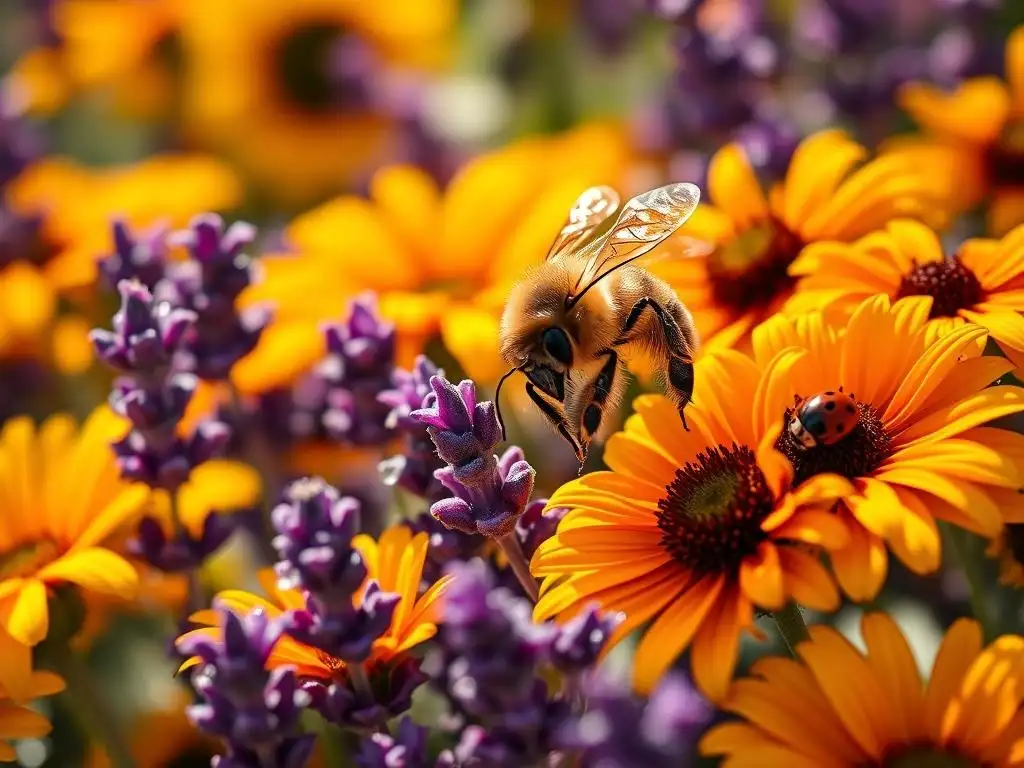
Welcome to CultivateYourFood, your guide to nurturing a thriving, sustainable garden! Are you ready to unlock the secrets to a bountiful harvest? We'll show you how to cultivate fruits, vegetables, and herbs organically, from seed to table. Discover the surprising power of natural pollination and learn how to attract bees to your garden organically, creating a vibrant ecosystem teeming with life. Dive in and explore the simple yet effective techniques that will transform your gardening experience!
- Attract Bees Garden Organically: Creating a Bee-Friendly Habitat
- Organic Bee Garden: Avoiding Harmful Pesticides and Chemicals
- Boosting Bee Populations: Supporting Local Beekeepers
- Monitoring Your Bee Population and Garden Health
- Harvesting Your Bounty: The Rewards of Bee-Friendly Gardening
-
Frequently Asked Questions
- What are the best organic ways to attract bees to my garden?
- What types of flowers are particularly attractive to bees?
- How can I create a bee-friendly habitat in my garden organically?
- When is the best time to plant bee-attracting flowers?
- Are there any organic pest control methods that won't harm bees?
- Final Reflection: A Buzzworthy Future for Our Gardens
- Unleash Your Garden's Buzz: Attract More Bees Today!
Attract Bees Garden Organically: Creating a Bee-Friendly Habitat
Attracting bees to your garden is crucial for successful pollination and a bountiful harvest. A thriving bee population translates directly into healthier plants and more fruits, vegetables, and herbs. This guide focuses on organically attracting bees, emphasizing sustainable practices that benefit both your garden and the environment.
We'll explore how to create a bee-friendly haven by selecting the right plants, providing essential resources like water and shelter, and avoiding harmful pesticides. By following these tips, you can significantly increase the bee population in your garden and reap the rewards of natural pollination, all while embracing environmentally conscious gardening techniques. Let's dive into the specifics of creating a vibrant and buzzing ecosystem in your backyard!
Selecting Bee-Attracting Plants for Your Garden
Choosing the right plants is the cornerstone of attracting bees to your garden. Bees are drawn to a variety of factors, and understanding their preferences will significantly improve your success. We'll delve into the key aspects of plant selection for optimal bee attraction.
Choosing Native Plants to Attract Local Bee Species
Prioritizing native plants is paramount. Local bee species have evolved alongside these plants, making them particularly attractive and efficient pollinators. Native plants often require less maintenance and are better adapted to your specific climate and soil conditions. Researching which plants are native to your region is the first step.
Consider consulting local nurseries or botanical gardens for expert advice on suitable native options. A diverse selection of native plants will support a wider range of bee species, creating a more robust and resilient pollinator population. For example, planting native wildflowers like coneflowers and goldenrods can dramatically increase the number of bees visiting your garden.
Incorporating a Diverse Range of Flowering Plants
Bees need a continuous supply of nectar and pollen throughout the growing season. This requires a diverse range of plants with varying bloom times. Aim for a mix of early, mid, and late-season bloomers to ensure a consistent food source for bees from spring to fall. Consider incorporating plants with different flower shapes and sizes to cater to the diverse needs of different bee species. Some bees prefer shallow flowers, while others favor deeper, tubular blooms. A well-planned selection, including both annuals and perennials, ensures a continuous feast for your buzzing visitors.
Understanding Bee Preferences: Color, Scent, and Bloom Time
Bees are attracted to specific colors, scents, and bloom times. While they can see ultraviolet light, which humans cannot, they are particularly drawn to vibrant colors like purple, blue, yellow, and white. Fragrant flowers are also highly attractive. Consider the bloom time of each plant to ensure a continuous supply of nectar and pollen. A calendar outlining the bloom times of your chosen plants will be a valuable tool to optimize bee attraction throughout the year. For instance, lavender, known for its beautiful purple blooms and strong scent, is a favorite amongst many bee species.
Providing Essential Bee Resources: Water and Shelter
Beyond food, bees require access to water and safe nesting sites. Providing these essential resources will further encourage bees to make your garden their home.
Creating a Bee Watering Station
Bees need a reliable water source, especially during dry spells. A simple bee watering station can be easily created. A shallow dish filled with water and pebbles or marbles provides a safe landing spot for bees to drink without drowning. Consider placing the watering station in a sunny location to encourage evaporation and prevent stagnation. Regularly replenish the water to ensure a constant supply for your bee visitors.
Building or Buying Bee Hotels for Nesting Sites
Many solitary bee species need nesting sites. Bee hotels provide artificial nesting cavities that mimic natural habitats. These can be purchased or easily built using materials like bamboo canes, drilled wood blocks, or hollow stems. Ensure the holes are appropriately sized for different bee species. Proper placement, away from direct sunlight and rain, is crucial for the success of a bee hotel. Regular maintenance, including cleaning out old nests, can help prevent the spread of diseases.
Utilizing Existing Structures as Natural Bee Shelters
Existing structures in your garden can also serve as natural bee shelters. Leave some areas of your garden slightly wild and unkempt to provide natural nesting sites for bees. Consider leaving hollow stems of plants, rock piles, or even undisturbed areas of soil for ground-nesting bees. These natural shelters provide a more authentic and diverse habitat for various bee species, encouraging a healthy and thriving bee population in your garden. Remember to avoid disturbing these areas unnecessarily.
Organic Bee Garden: Avoiding Harmful Pesticides and Chemicals
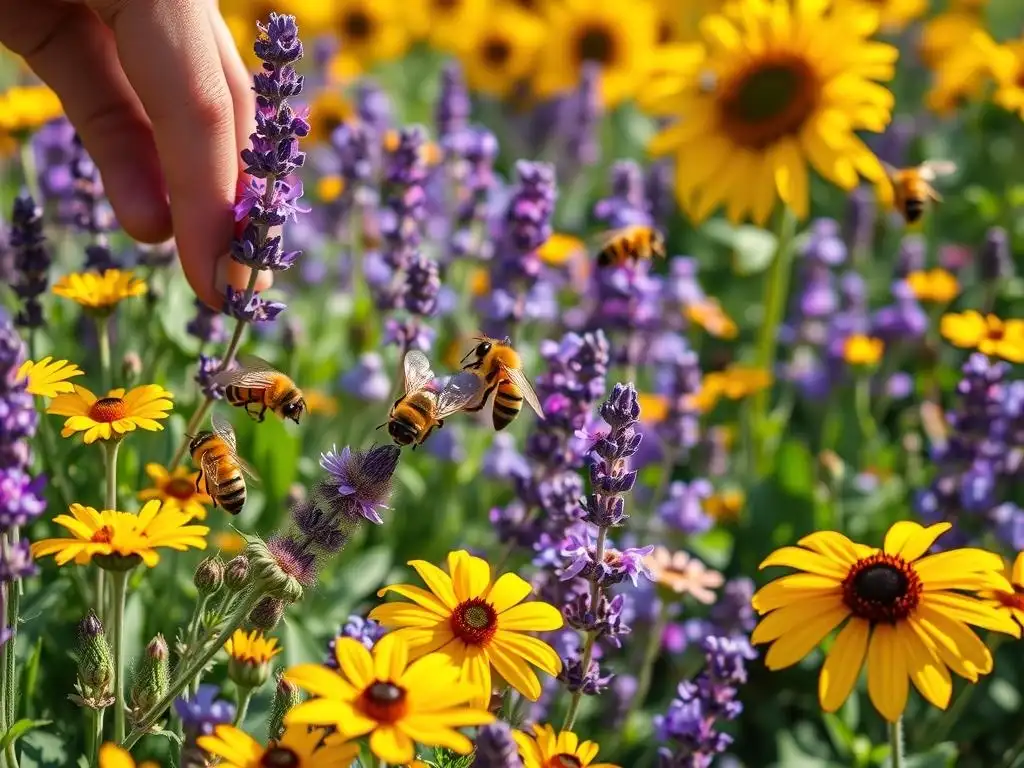
Attracting bees to your garden organically is crucial for successful pollination and a thriving ecosystem. This means actively avoiding harmful pesticides and chemicals that can decimate bee populations. Bees are incredibly sensitive to synthetic chemicals, and even low concentrations can have devastating effects on their health, navigation, and reproductive capabilities. Protecting these vital pollinators is paramount for any gardener aiming for a bountiful and sustainable harvest. Let's delve into the specifics.
Understanding the Dangers of Pesticides to Bees
Pesticides, herbicides, and fungicides designed to control pests and diseases in your garden can be highly toxic to bees. Neonicotinoids, for example, are a class of neurotoxic insecticides that are particularly harmful. These chemicals can affect bees' nervous systems, leading to disorientation, paralysis, and even death. Furthermore, sublethal doses can impair their foraging abilities, memory, and immune response, making them more vulnerable to diseases and parasites.
The impact extends beyond individual bees; colony collapse disorder (CCD) has been linked to pesticide exposure, threatening entire bee populations. Studies have shown a correlation between neonicotinoid use and declines in bee populations globally. Remember, even seemingly harmless sprays can have unintended consequences for bees, especially when applied during peak foraging hours.
The insidious nature of some pesticides lies in their residual effects. Even after application, residues can linger on flowers and foliage, poisoning bees that visit them later. This delayed toxicity makes it difficult to pinpoint the cause of bee mortality, further complicating the issue. We must prioritize preventative measures over reactive chemical applications.
Choosing Organic Pest Control Methods for Your Garden
Fortunately, there are many effective organic pest control methods that are safe for bees and beneficial insects. These methods promote a healthy balance within your garden's ecosystem, discouraging pest infestations without harming pollinators. Here are some effective strategies:
- Beneficial Insects: Introduce ladybugs, lacewings, and praying mantises to control aphids, mealybugs, and other common garden pests. These natural predators keep pest populations in check without the need for harmful chemicals.
- Companion Planting: Certain plants repel pests naturally. Marigolds, for example, are known for deterring nematodes and other soil-borne pests. Basil can help repel tomato hornworms and aphids. Strategic planting can create a pest-resistant garden ecosystem.
- Handpicking and Removal: For small infestations, handpicking pests or removing affected plant parts is a simple and effective method. This direct approach avoids any chemical use whatsoever.
- Natural Sprays: Consider using insecticidal soaps or neem oil. These organic options target specific pests without harming bees, but always apply them in the evening after bees have returned to their hives to minimize exposure.
- Diatomaceous Earth: This naturally occurring sedimentary rock can be used as a non-toxic dust to control certain insects. It works by physically abrading their exoskeletons, causing dehydration and death.
Implementing Integrated Pest Management (IPM) Strategies
Integrated Pest Management (IPM) is a holistic approach that emphasizes prevention and monitoring before resorting to any control measures. It's a crucial element in attracting bees to your garden organically. The core principles of IPM include:
- Monitoring: Regularly inspect your plants for signs of pests or diseases. Early detection allows for prompt intervention with less drastic measures.
- Prevention: Employ cultural practices to prevent pest problems. This includes maintaining healthy soil, proper plant spacing, and timely watering.
- Thresholds: Don't automatically reach for pesticides at the first sign of pests. Many pests exist in low numbers without causing significant damage. Only intervene if the pest population exceeds a certain threshold.
- Control Methods: Use the least toxic control methods first, starting with cultural practices, then biological controls (beneficial insects), and only resorting to organic pesticides as a last resort.
By diligently implementing IPM strategies, you can create a thriving bee-friendly garden that's both productive and environmentally responsible. Remember, attracting bees to your garden organically requires a commitment to sustainable and ethical gardening practices. This commitment benefits not only your garden but also the wider ecosystem, ensuring the health and survival of these vital pollinators for years to come.
Boosting Bee Populations: Supporting Local Beekeepers
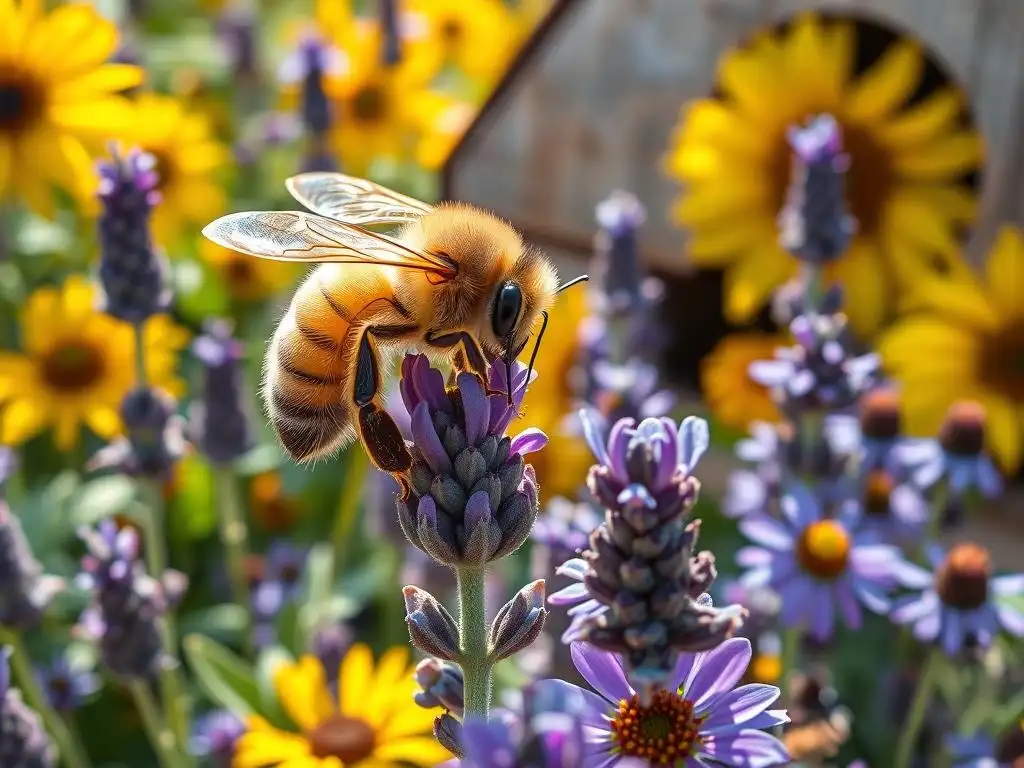
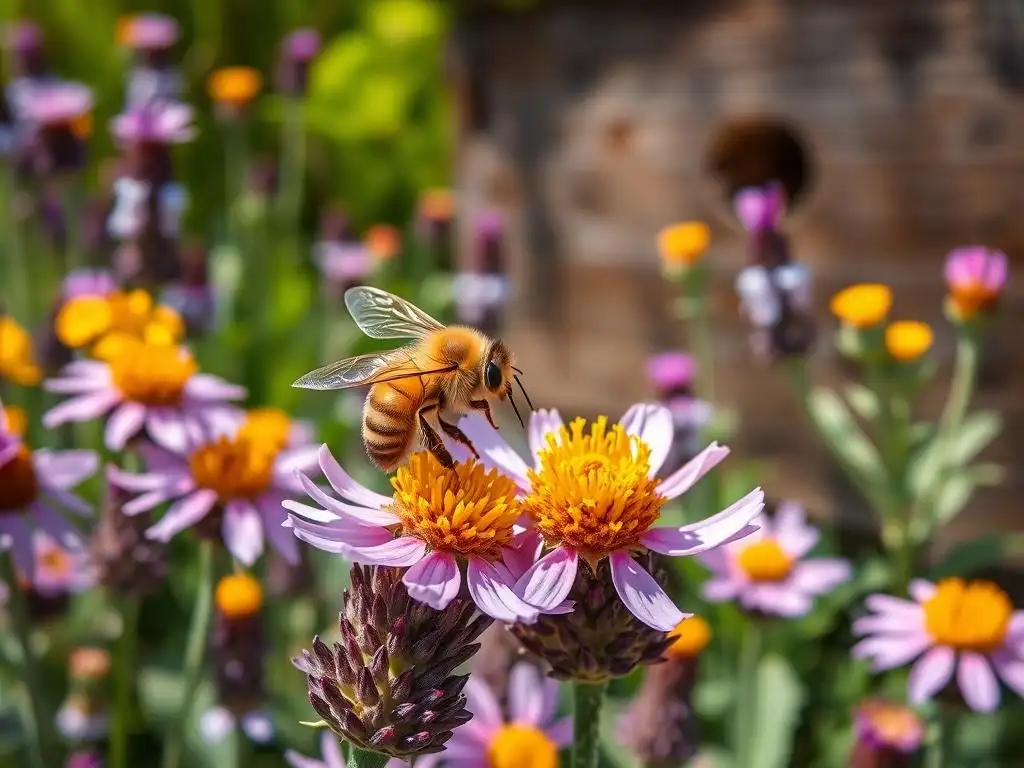
Attracting bees to your garden organically is a crucial step in ensuring healthy pollination, but supporting local beekeepers plays a vital role in boosting overall bee populations. A thriving local bee population means more bees available to pollinate your garden and surrounding areas, leading to increased yields and biodiversity. This section explores practical ways to support your local beekeeping community.
Sourcing Locally Produced Honey
One of the simplest ways to support local beekeepers is by purchasing your honey locally. Look for honey produced within a reasonable radius of your home. Buying local honey not only supports beekeepers directly but also reduces the carbon footprint associated with transporting honey over long distances. When you buy local, you're also often supporting sustainable beekeeping practices that prioritize the health of the bees and the environment.
Consider visiting farmers' markets or contacting local beekeepers directly to source your honey. Look for labels that indicate the honey's origin and any certifications related to sustainable or organic practices. Choosing raw, unfiltered honey further supports the beekeepers and provides you with a more nutrient-rich product. The flavor profiles of locally sourced honey can also be surprisingly diverse, reflecting the unique flora of your region.
Participating in Community Beekeeping Initiatives
Beyond purchasing honey, consider actively participating in community beekeeping initiatives. Many communities offer workshops, classes, or volunteer opportunities related to beekeeping and bee conservation. These initiatives often involve hands-on experience, providing valuable insight into the challenges and rewards of beekeeping.
Participating in these activities helps to raise awareness about the importance of bees and promotes a sense of community around bee conservation efforts. You could even consider joining a local beekeeping association or club, which provides opportunities for networking, mentorship, and sharing best practices for attracting bees to your garden organically. This collective action strengthens the local beekeeping community and contributes to a healthier environment for bees.
Educating Yourself and Others About Bee Conservation
Supporting local beekeepers is not just about financial contributions; it also involves educating yourself and others about the importance of bee conservation. This includes learning about the threats facing bees, such as habitat loss, pesticide use, and climate change. By understanding these threats, you can make informed choices in your own gardening practices and advocate for policies that support bee conservation. Consider sharing your knowledge with friends, family, and neighbors.
You can organize workshops, give presentations, or simply engage in conversations about the importance of bees and how to attract them organically. Educating others is a powerful way to create a wider movement towards bee conservation and ensures a healthier future for both bees and your garden. Remember, a well-informed community is a more effective force for positive change.
Monitoring Your Bee Population and Garden Health
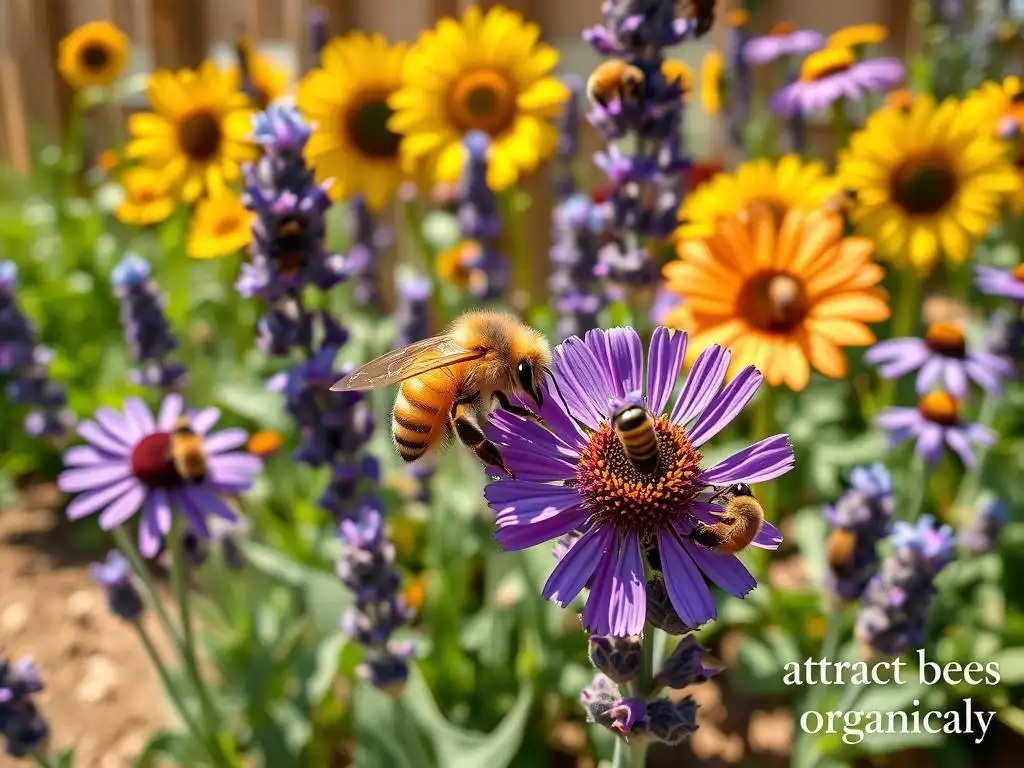
Attracting bees to your garden organically is a rewarding process, but it requires consistent monitoring to ensure your efforts are successful and your bee population thrives. This section details how to observe your bee population and adjust your gardening strategies accordingly for optimal pollination and overall garden health. Regular monitoring allows you to proactively address potential problems, maximizing the benefits of having these vital pollinators in your space.
Identifying Signs of a Healthy Bee Population
A thriving bee population is crucial for successful pollination. Several key indicators signal a healthy colony within your garden. Look for:
- High Bee Activity: Observe consistent and significant bee activity throughout the day, particularly during peak bloom times of your pollinator-friendly plants. A bustling hive indicates a strong and growing population. Aim for a noticeable, yet not overwhelming, presence of bees around your flowering plants.
- Diverse Bee Species: A healthy garden ecosystem supports a variety of bee species, not just honeybees. Observe the presence of bumblebees, mason bees, leafcutter bees, and other native pollinators. This biodiversity is a sign of a rich and supportive habitat.
- Visible Pollen Collection: Bees diligently collecting pollen, visible as yellow or orange dust clinging to their legs and bodies, is a clear sign of successful foraging and a healthy food source for the colony.
- Absence of Disease Signs: Regularly inspect your beehives (if applicable) and plants for signs of disease or pests. Look for unusual behavior (lethargic bees, unusually high mortality rates), deformities in bee bodies, or unusual discoloration of pollen. Early detection is crucial in mitigating potential problems.
- Nest Building Activity (for solitary bees): If you have nesting boxes for solitary bees, observe signs of active nest construction. This shows that these beneficial bees are successfully utilizing the provided habitat.
Recognizing Potential Threats to Your Bee Population
While attracting bees organically is ideal, several factors can negatively impact your bee population. Identifying and mitigating these threats is essential for maintaining a healthy bee community.
- Pesticide Exposure: The most significant threat to bees is pesticide exposure. Even low concentrations of certain pesticides can be lethal. Avoid using any chemical pesticides in your garden; opt for organic pest control methods instead.
- Lack of Diverse Food Sources: Monoculture planting (planting only one type of plant) can lead to food shortages for bees. A diverse range of flowering plants, providing a continuous bloom throughout the season, is essential for sustained bee nutrition.
- Habitat Loss: Bees require nesting sites. If you don't provide suitable nesting habitats (like bee hotels or undisturbed areas of soil), you may limit your bee population.
- Disease and Parasites: Bees, like other animals, are susceptible to diseases and parasites. Regular monitoring for signs of disease (as mentioned above) is vital for early intervention. Maintaining a healthy and diverse environment can help build natural resistance.
- Extreme Weather: Harsh weather conditions, such as prolonged droughts or extreme heat, can significantly stress bee populations. Providing supplemental water sources can help mitigate the impact of drought.
Adjusting Your Garden Practices Based on Observations
Your observations should guide your garden management practices. For example:
| Observation | Recommended Action |
|---|---|
| Low bee activity | Plant more diverse and abundant pollinator-friendly flowers; check for pesticide exposure. |
| Signs of disease or parasites | Consult with a beekeeper or local expert for diagnosis and treatment options. |
| Lack of nesting sites | Install bee hotels or leave patches of bare ground for ground-nesting bees. |
| Evidence of pesticide exposure | Immediately cease all pesticide use and transition to entirely organic methods. |
| Limited pollen collection | Ensure a continuous supply of diverse flowering plants throughout the growing season. |
Regular monitoring and timely adjustments ensure a healthy bee population, contributing to a thriving and productive organic garden. Remember, attracting bees organically is an ongoing process that requires attention and adaptation. The success of your efforts will directly reflect the health and biodiversity of your garden ecosystem. 🐝
Harvesting Your Bounty: The Rewards of Bee-Friendly Gardening
Attracting bees to your garden isn't just about helping the bees; it's about reaping significant rewards for your own harvest. A thriving bee population translates directly into a more productive and healthier garden, a win-win situation for both you and the environment. Let's explore the tangible benefits of cultivating a bee-friendly space.
Increased Yields and Healthier Plants
When you attract bees to your garden organically, you're essentially investing in increased yields and healthier plants. Bees are crucial pollinators, responsible for the fertilization of a vast majority of flowering plants, including many fruits, vegetables, and herbs. Studies have shown that pollinator-dependent crops experience significantly higher yields when sufficient pollinators are present. For example, a single honeybee colony can pollinate up to 300 million flowers per day!
This translates to a substantial boost in your tomato, cucumber, and berry harvests. Furthermore, proper pollination leads to healthier fruits and vegetables with improved size, shape, and overall quality. Think plump, juicy tomatoes bursting with flavor, or perfectly formed zucchini ready for harvest.
The difference is noticeable and delicious. Ignoring the crucial role of bees in pollination means accepting lower yields and potentially less nutritious produce. This is why attracting bees to your garden organically is a key strategy for maximizing your garden's potential and achieving optimal plant health.
Contributing to Biodiversity in Your Local Ecosystem
Beyond the bountiful harvest, attracting bees to your garden organically contributes significantly to the biodiversity of your local ecosystem. Bees are keystone species, meaning their presence supports the health and stability of the entire ecosystem. By providing a habitat for bees, you are not only supporting their populations but also indirectly helping other beneficial insects, birds, and animals that rely on them for food or pollination services.
A diverse ecosystem is more resilient to environmental changes and pests, benefiting your garden in the long run. Creating a bee-friendly garden involves more than just planting flowers; it's about creating a complete habitat that includes nesting sites, water sources, and diverse plant species to provide food throughout the growing season. This holistic approach to gardening enhances the overall health and balance of your garden and the surrounding environment.
The positive impact extends beyond your property line, contributing to the wider ecological well-being of your community. Attract bees to your garden organically and play your part in sustaining the delicate balance of nature.
Enjoying the Sweet Rewards of Pollination: Fruits, Vegetables, and Herbs
The most direct reward of attracting bees to your garden organically is the abundance of delicious and nutritious fruits, vegetables, and herbs you'll be able to harvest. Imagine the satisfaction of biting into a sun-ripened strawberry, knowing that its perfect sweetness is thanks to the diligent work of your buzzing friends. Or the joy of picking a basketful of vibrant zucchini, ready to be transformed into summer's best dishes.
The quality of your produce will be noticeably better, with improved flavor, size, and overall nutritional value. Many herbs, essential for culinary and medicinal uses, also depend heavily on bee pollination for optimal growth and yield. From fragrant lavender to pungent rosemary, a bee-friendly garden ensures a plentiful supply of these aromatic plants.
By creating a haven for bees, you're not just ensuring a healthy garden; you're ensuring a delicious and abundant harvest, filled with the sweet rewards of nature's hard work. This abundance is a direct result of strategically attracting bees to your garden organically, demonstrating the practical benefits of sustainable gardening practices.
Frequently Asked Questions
What are the best organic ways to attract bees to my garden?
Planting a diverse range of flowering plants, especially those that bloom at different times throughout the year, is crucial. Providing a water source, like a shallow dish of pebbles, is also beneficial. Avoid using pesticides, which harm bees.
What types of flowers are particularly attractive to bees?
Bees are drawn to brightly colored flowers with open, accessible blooms. Consider planting lavender, sunflowers, borage, and mint. Native plants are also excellent choices, as they are adapted to your local bee populations.
How can I create a bee-friendly habitat in my garden organically?
Provide nesting sites for bees by leaving some bare patches of ground or using bee hotels. Avoid disturbing existing nests. Focus on creating a diverse and healthy ecosystem with various plants to support a thriving bee population.
When is the best time to plant bee-attracting flowers?
The optimal time depends on your climate and the specific plants. However, spring and fall plantings are generally ideal, ensuring blooms throughout the growing season. Always check the planting instructions for each specific flower.
Are there any organic pest control methods that won't harm bees?
Yes, beneficial insects, such as ladybugs and lacewings, can help control pests naturally. Diatomaceous earth is also a safe and effective organic pest control option for many garden pests. Avoid using broad-spectrum insecticides.
Final Reflection: A Buzzworthy Future for Our Gardens
The health of our planet hinges on the tireless work of pollinators, and bees, in particular, are facing unprecedented challenges. Their decline directly impacts our food security and the biodiversity of our ecosystems. Understanding how to create bee-friendly habitats, even in small spaces, is no longer a niche hobby; it's a vital act of environmental stewardship.
Witnessing the transformative power of a bee-rich garden—the vibrant hum of activity, the profusion of blossoms, the promise of abundant harvests—is deeply rewarding. It's a tangible connection to the natural world, a reminder of our interconnectedness. We do not inherit the earth from our ancestors; we borrow it from our children.
This sentiment underscores the responsibility we have to nurture the environment for future generations, and supporting bee populations is a crucial part of that responsibility.
Now, consider your own garden, balcony, or even a single window box. What small changes can you make to welcome these essential creatures? Plant a diverse range of flowering plants, avoid pesticides, and provide a source of clean water. Every single action, no matter how small, contributes to a larger movement towards a healthier planet. Let's work together to create a future where the gentle buzz of bees is a constant and comforting sound in our gardens and beyond.
Unleash Your Garden's Buzz: Attract More Bees Today!
Thank you for learning how to create a bee-friendly haven! You now have the knowledge to transform your garden into a vibrant, buzzing paradise. Ready to put your new skills to the test?
- Plant a Diverse Flower Border: This is the most impactful step! Choose a variety of flowers that bloom at different times throughout the year to provide a continuous food source for bees. Consider adding herbs like lavender, mint, and thyme—they're attractive to bees and beneficial for you, too!
- Share Your Passion: Spread the word! Tell your friends and neighbors about the simple changes they can make to support local bee populations. You might even inspire them to create their own bee-friendly gardens!
- Showcase Your Success: Take photos and videos of the bees visiting your garden and share your progress on social media using #BeeFriendlyGarden and tagging CultivateYourFood.
So, which bee-friendly plants will you add to your garden first?