
Common Garden Pest Mistakes: What to Avoid

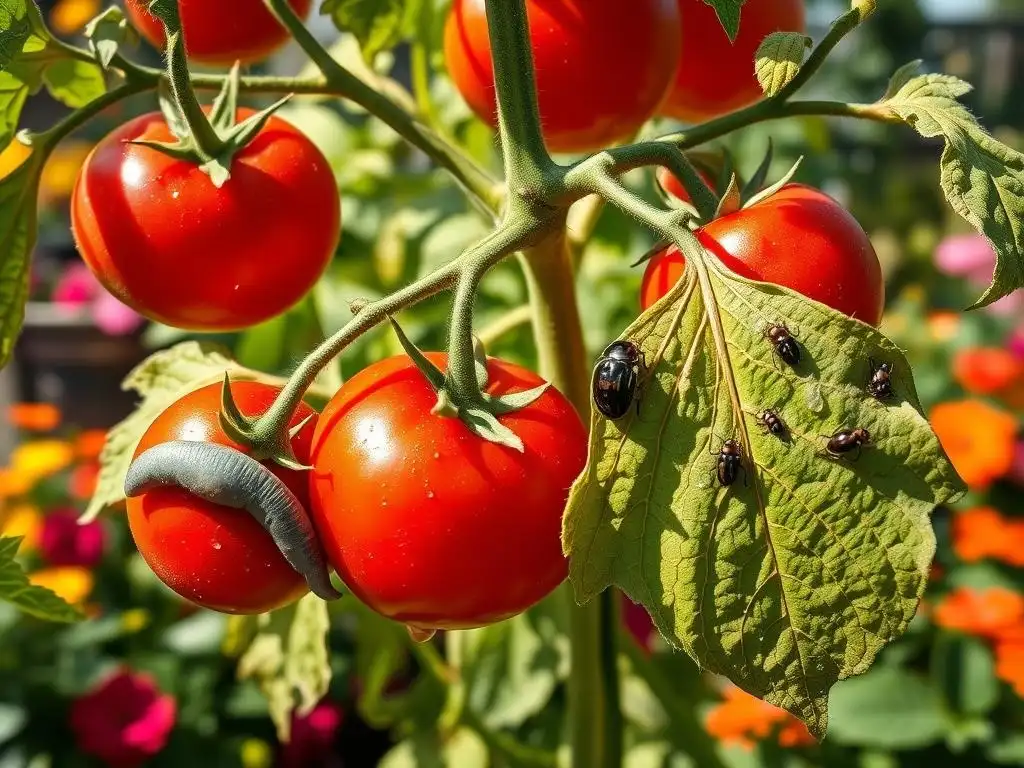
Ready to transform your backyard into a thriving, organic oasis? At CultivateYourFood, we empower you to grow your own delicious fruits, vegetables, and herbs. But even the greenest thumb can struggle with pesky garden invaders. This is why understanding how to Avoid common garden pests is crucial for a bountiful harvest. Discover the surprising mistakes many gardeners make and learn how to cultivate a truly flourishing garden – read on to unlock the secrets to pest-free success!
- Understanding Common Garden Pests and Their Habitats
- Avoiding Common Pest Control Mistakes
- Proactive Pest Prevention Strategies
- Effective Organic Pest Control Methods
- Case Study: A Successful Organic Pest Control Approach
- Frequently Asked Questions
- Final Reflection: Cultivating a Thriving Garden, Pest-Free
- Unleash Your Garden's Potential: Conquer Pests Naturally!
Understanding Common Garden Pests and Their Habitats
Cultivating a thriving garden, bursting with vibrant fruits, vegetables, and herbs, is a rewarding experience. However, the journey isn't always smooth sailing. Unwanted garden guests – pests – can significantly impact your harvest, causing damage and frustration. This article focuses on common mistakes gardeners make when dealing with pests, helping you avoid these pitfalls and cultivate a healthier, more productive garden using sustainable methods.
We'll explore effective strategies to identify common pests, understand their habitats, and recognize early signs of infestation, empowering you to proactively protect your precious plants. Successfully avoiding common garden pests requires a proactive and informed approach, and this guide will equip you with the knowledge you need to succeed. Remember, a healthy garden starts with understanding and preventing pest problems before they escalate.
Identifying Common Garden Pests
Identifying the specific pest plaguing your garden is the first crucial step in effective pest management. Many gardeners make the mistake of assuming all insects are harmful, leading to unnecessary and potentially harmful interventions. Accurate identification allows for targeted solutions, minimizing environmental impact and maximizing effectiveness. Let's look at some common culprits:
- Aphids: These tiny, soft-bodied insects often cluster on stems and leaves, sucking plant sap and causing stunted growth. They are easily identifiable by their pear-shaped bodies and range in color from green to black.
- Spider Mites: These microscopic pests are difficult to see with the naked eye but leave behind fine webbing on leaves. Their feeding causes stippling and yellowing of foliage, eventually leading to leaf drop.
- Caterpillars: These larvae of moths and butterflies can cause significant damage to leaves and stems, sometimes defoliating entire plants. Different species target specific plants, so identifying the caterpillar species is vital.
- Slugs and Snails: These mollusks leave behind silvery trails and chew holes in leaves and stems, particularly at night. They prefer moist environments.
- Whiteflies: These small, white, flying insects congregate on the undersides of leaves, sucking sap and leaving behind sticky honeydew.
Understanding Pest Habitats
Understanding where pests thrive is essential for effective control. Many gardeners overlook habitat management, focusing solely on direct pest control. By modifying your garden environment, you can make it less hospitable to pests, reducing their populations naturally.
Consider these factors:
| Factor | Impact on Pests | Mitigation Strategies |
|---|---|---|
| Moisture | Excess moisture attracts slugs, snails, and fungi. | Improve drainage, avoid overhead watering, mulch properly |
| Weed Control | Weeds provide shelter and food sources for pests. | Regular weeding, mulching |
| Plant Density | Overcrowding creates ideal conditions for pests. | Proper spacing between plants |
| Organic Matter | Insufficient organic matter weakens plants. | Regular composting and soil amendment |
Many gardeners unknowingly create ideal habitats for pests through poor garden practices. By addressing these factors, you can significantly reduce pest pressure. Remember, a healthy, balanced garden ecosystem is naturally less susceptible to pest infestations.
Recognizing Early Signs of Infestation
Early detection is key to successful pest management. Many gardeners miss early warning signs, allowing infestations to escalate before taking action. Regular monitoring is crucial for preventing significant damage.
Look out for these indicators:
- Damaged leaves: Holes, discoloration, stippling, or webbing are clear signs of insect feeding.
- Wilting plants: Sudden wilting can indicate root damage caused by pests.
- Unusual growth: Stunted growth or distorted leaves may suggest pest activity.
- Presence of pests: Direct observation of insects, eggs, or larvae is the most conclusive sign.
- Sticky residue: Honeydew, a sugary substance excreted by some insects, is a telltale sign.
Regularly inspect your plants, paying close attention to the undersides of leaves and the soil around the base of plants. Early detection allows for less invasive control methods, minimizing the need for harsh chemicals. Prevention is always better than cure, and proactive monitoring is a cornerstone of successful pest management.
Avoiding Common Pest Control Mistakes
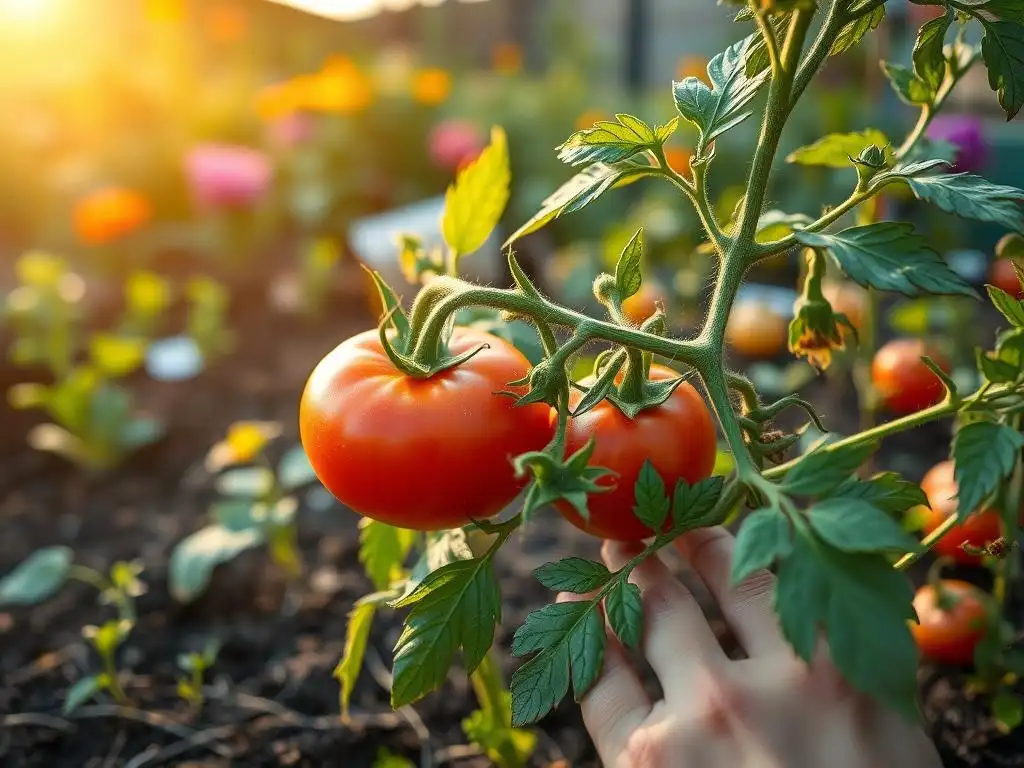
This section details crucial mistakes to avoid when managing garden pests, focusing on sustainable and organic practices to protect your fruits, vegetables, and herbs. Remember, a healthy ecosystem is key to avoiding a pest infestation in the first place. Let's delve into some common errors and how to rectify them.
Overuse of Chemical Pesticides
Over-reliance on chemical pesticides is a significant mistake many gardeners make when trying to "avoid common garden pests". While chemical pesticides might offer immediate results, they come with several drawbacks that ultimately harm your garden's long-term health and can even be detrimental to your own well-being. The indiscriminate application of these chemicals can kill beneficial insects, such as ladybugs and lacewings, that naturally prey on common garden pests.
This disruption of the natural ecosystem can lead to even larger pest problems down the line. Furthermore, chemical residues can contaminate your soil, harming beneficial microbes essential for nutrient cycling and plant health. These chemicals can also persist in your harvested produce, posing potential health risks to you and your family.
The overuse of pesticides also contributes to the development of pesticide resistance in pest populations. Repeated exposure to the same chemical can lead to pests evolving to tolerate it, rendering the pesticide ineffective and requiring stronger, potentially more harmful, chemicals in the future. This creates a vicious cycle that's difficult to break. Instead of relying on harsh chemicals, focus on preventative measures and integrated pest management (IPM) strategies.
This involves a combination of techniques, including monitoring for pests, using natural predators, and employing organic pest control methods only when absolutely necessary. Remember, prevention is always better than cure when it comes to avoiding common garden pests. Regularly inspect your plants for signs of infestation, and address minor problems promptly before they escalate into major issues requiring chemical intervention.
Ignoring Natural Predators
A critical aspect of successfully avoiding common garden pests is understanding and leveraging the power of natural predators. Many beneficial insects, birds, and even amphibians play a vital role in controlling pest populations naturally. Ignoring these natural allies is a significant mistake that can lead to an uncontrolled pest outbreak. For example, ladybugs are voracious consumers of aphids, while lacewings effectively control mealybugs and other soft-bodied insects.
Praying mantises are generalist predators, feeding on a wide range of pests. By creating a welcoming habitat for these beneficial creatures, you can significantly reduce the need for chemical interventions. This involves providing habitat features such as diverse planting, shelter, and water sources. Avoiding the use of broad-spectrum insecticides is also crucial, as these can unintentionally harm beneficial insects along with the pests.
Consider the following data: Studies have shown that gardens with a high diversity of plant species support a greater abundance and diversity of natural predators, leading to more effective pest control. 1 Creating a diverse garden landscape with flowering plants, shrubs, and trees provides food and shelter for these beneficial organisms. Even leaving some areas of your garden slightly unkempt can create valuable habitat for beneficial insects and other creatures. By actively encouraging these natural pest control mechanisms, you can create a more resilient and sustainable garden ecosystem that naturally avoids common garden pests.
Neglecting Proper Sanitation
Maintaining proper sanitation in your garden is crucial for avoiding common garden pests. Many pests overwinter in garden debris, plant refuse, and fallen leaves. Failing to remove this material allows pests to establish themselves and multiply, leading to larger infestations in the following growing season. This is a common mistake that can easily be avoided with diligent garden hygiene practices.
Proper sanitation includes several key steps:
- Removing weeds: Weeds can harbor pests and compete with your plants for resources. Regular weeding helps prevent pest buildup and keeps your garden healthy.
- Cleaning up fallen leaves and debris: Removing fallen leaves and other garden debris eliminates overwintering sites for many pests. Composting this material is a great way to dispose of it sustainably.
- Rotating crops: Crop rotation helps break pest cycles by preventing the buildup of pests that are specific to certain plants.
- Cleaning tools and equipment: Cleaning your gardening tools and equipment after each use prevents the spread of pests and diseases.
Failing to implement these seemingly minor steps can have a significant impact on your ability to avoid common garden pests. The accumulation of plant debris creates ideal breeding grounds for many insects and diseases. By meticulously maintaining a clean garden, you dramatically reduce the chances of a pest infestation, promoting a healthy and productive growing season. This proactive approach is far more effective and sustainable than relying solely on reactive pest control measures.
1 [Specific study data pending]
Improper Watering Practices
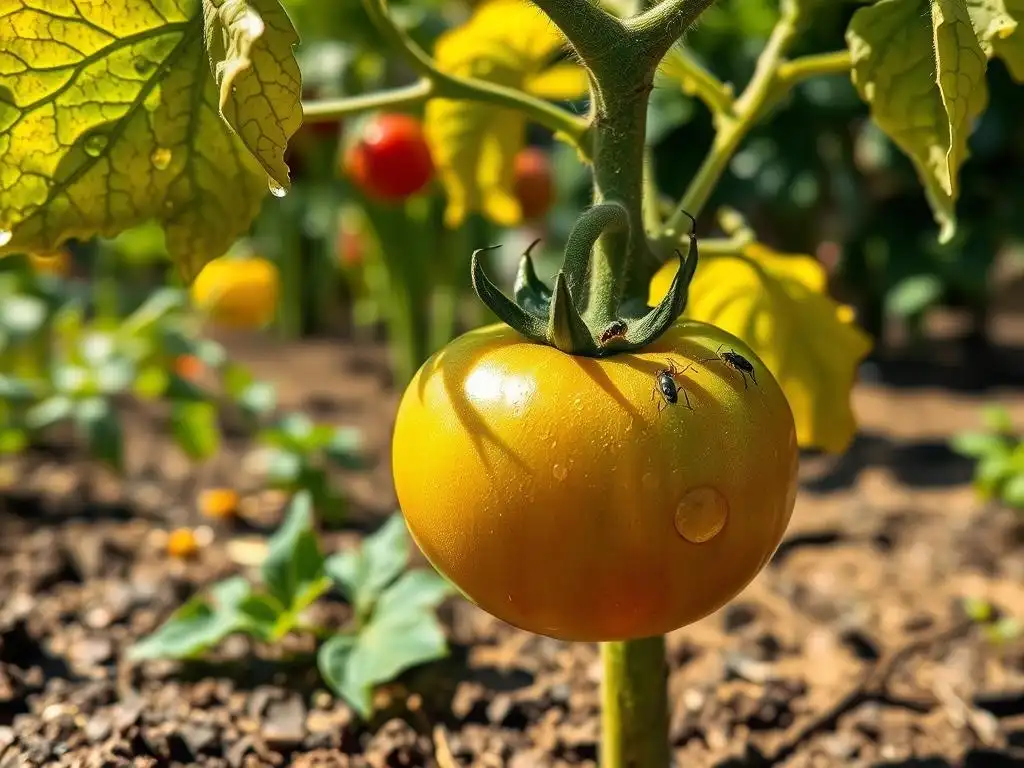
Improper watering is a surprisingly common mistake that can significantly weaken plants, making them more susceptible to pest infestations. Overwatering creates soggy soil, a breeding ground for fungal diseases that attract pests like aphids and slugs. These fungi weaken the plant's defenses, allowing pests to thrive. Conversely, underwatering stresses plants, causing them to wilt and become more vulnerable to attacks from insects seeking easy meals. Stressed plants simply don't have the energy to fight off infestations effectively.
Think of it like this: a healthy, well-hydrated plant is like a strong athlete; it can better withstand the challenges posed by pests. A poorly watered plant, on the other hand, is like an athlete suffering from dehydration – weak and easily overwhelmed. Maintaining consistent soil moisture, neither too wet nor too dry, is crucial for robust plant health and pest resistance. Consider using a moisture meter to ensure you're providing the right amount of water for your specific plants and soil conditions.
Regularly checking the soil's moisture level is essential, especially during periods of extreme heat or drought. Remember, deep, infrequent watering is often better than shallow, frequent watering, encouraging deeper root growth and better drought tolerance. This also helps avoid the creation of surface-level moisture that attracts many pests. Proper watering is a cornerstone of effective pest prevention and avoiding common garden pests.
Choosing the Wrong Plants
Selecting the wrong plants for your specific climate and soil conditions is another significant factor contributing to pest problems. Plants that are not well-suited to their environment are inherently weaker and more vulnerable to pests. For example, planting a plant that thrives in full sun in a consistently shady area will stress the plant, making it much more susceptible to pests.
Similarly, planting a plant that needs well-drained soil in a consistently wet area will lead to root rot and create an environment attractive to soil-borne pests and diseases. This vulnerability increases the likelihood of infestation and makes managing those pests much more difficult.
To avoid this, thorough research is key. Before planting, understand the specific needs of each plant – its sunlight requirements, ideal soil pH, and water needs. Choose plants that are well-adapted to your local climate and soil type. Consider selecting disease-resistant varieties, which inherently have a stronger defense against many common pests.
Local nurseries are excellent resources; they can provide valuable advice on suitable plants for your region and offer insights into local pest pressures. By carefully selecting plants that thrive in your environment, you'll significantly reduce the risk of pest problems and create a more resilient and healthier garden, effectively avoiding common garden pests from the start. This proactive approach minimizes the need for intensive pest control later in the growing season.
Proactive Pest Prevention Strategies
Effective pest management begins long before you see any unwelcome insects munching on your precious plants. A proactive approach, focused on prevention, is far more sustainable and less harmful to your garden's ecosystem than reactive measures. This means creating a garden environment that's naturally less hospitable to pests. Avoiding common garden pests starts with understanding their vulnerabilities and exploiting them. This section will detail key strategies to minimize pest infestations. Remember, a healthy garden is a pest-resistant garden.
Implementing Preventative Measures
Implementing preventative measures is the cornerstone of successful pest control. This involves a multi-pronged approach, combining various techniques to create a robust defense. Consider these steps:
- Crop Rotation: Rotating your crops annually disrupts the life cycle of many pests. For example, planting tomatoes in a different location each year prevents a buildup of soilborne pests specific to that plant.
- Companion Planting: Strategically planting certain plants together can deter pests. Marigolds, for instance, are known to repel many common garden insects, while basil can deter aphids and whiteflies. Research companion planting combinations specific to your chosen plants for optimal results.
- Healthy Soil: Healthy soil supports healthy plants, which are more resilient to pests. Regular composting and the addition of organic matter improve soil structure, nutrient availability, and microbial activity, strengthening your plants' natural defenses. Aim for a balanced soil pH appropriate for your chosen crops.
- Proper Watering: Consistent, deep watering helps plants develop strong root systems, making them less susceptible to stress and pest infestations. Avoid overhead watering, as this can spread fungal diseases and encourage pest activity. Consider using drip irrigation or soaker hoses for efficient and targeted watering.
- Cleanliness: Regularly remove weeds, dead leaves, and plant debris. These provide hiding places and breeding grounds for many pests. Dispose of this material properly, ideally by composting if it's not diseased.
Monitoring Your Garden Regularly
Regular monitoring is crucial for early pest detection. Early intervention can prevent a minor infestation from escalating into a major problem. This involves a consistent visual inspection of your plants for signs of pest activity.
- Visual Inspection: Examine your plants regularly, paying close attention to undersides of leaves, stems, and buds. Look for signs of chewing, discoloration, webbing, or the presence of insects themselves.
- Traps: Use sticky traps to monitor flying insects like whiteflies or aphids. These traps provide early warning signs of an infestation, allowing for timely intervention. Place traps strategically throughout your garden for effective monitoring.
- Record Keeping: Maintain a garden journal to track your observations. Note the date, the type of pest observed (if any), the affected plants, and the actions taken. This information is invaluable for future planning and pest management strategies. This detailed record keeping helps avoid common garden pests in subsequent seasons.
Using Organic Pest Control Methods
Once you've identified a pest problem, opting for organic pest control methods is crucial for protecting the environment and your health. These methods prioritize the use of natural substances and practices to manage pests, minimizing harm to beneficial insects and pollinators.
- Beneficial Insects: Introduce beneficial insects like ladybugs, lacewings, and praying mantises into your garden. These natural predators feed on many common garden pests, providing a biological control mechanism. Consider purchasing beneficial insects from reputable suppliers.
- Natural Pesticides: Explore natural pesticides such as neem oil, insecticidal soap, or horticultural oil. These are less toxic than synthetic pesticides and can effectively control many common garden pests. Always follow the instructions on the product label carefully.
- Diatomaceous Earth: Diatomaceous earth is a natural powder made from fossilized algae. It can be used to control a variety of crawling insects by damaging their exoskeletons. Apply it as a dust around the base of plants or directly on affected areas. Remember to wear a mask when applying diatomaceous earth to avoid inhaling the powder.
By combining these proactive strategies with careful monitoring and the use of organic pest control methods, you can significantly reduce the likelihood of significant pest problems in your garden and effectively avoid common garden pests. Remember, a healthy garden is the best defense against pests.
Maintaining Soil Health
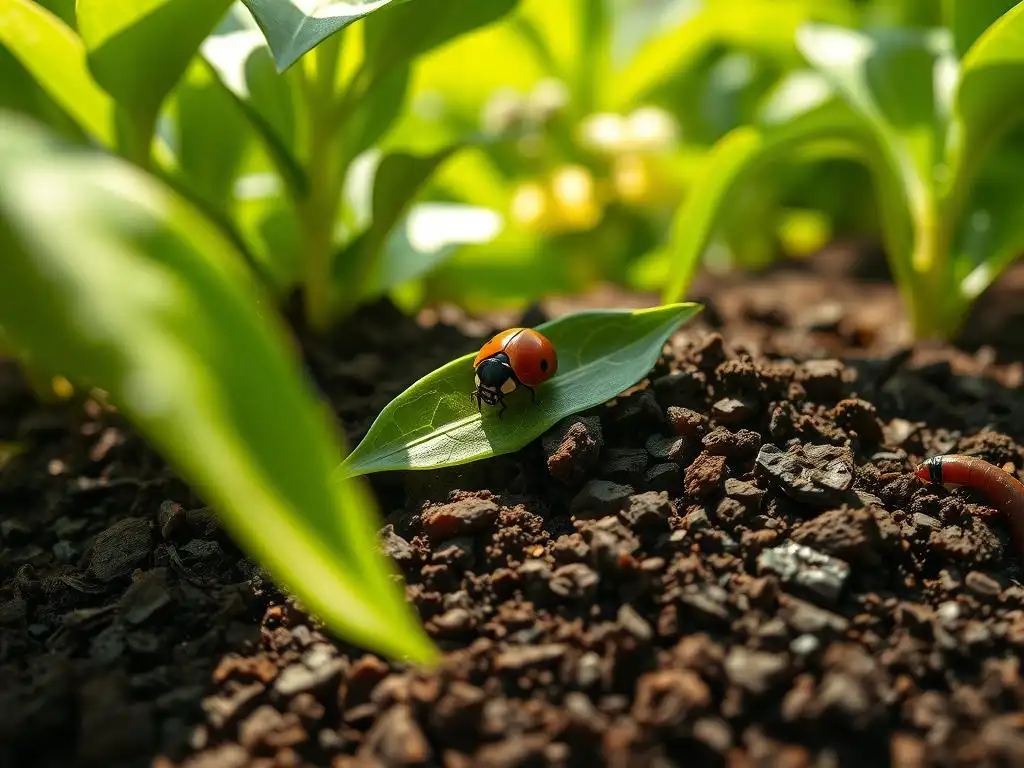
Healthy soil is the foundation of a thriving garden, and it's your first line of defense against many common garden pests. Pests often thrive in stressed environments, and poor soil quality is a major stressor for plants. Plants grown in nutrient-rich, well-drained soil are naturally more resistant to pest infestations. They are stronger, more vigorous, and better able to withstand attacks. Think of it like this: a healthy, robust plant is like a strong athlete – much more resilient to disease and pests than a weak, undernourished one.
One crucial aspect of maintaining soil health is regular soil testing. This helps you understand your soil's pH level and nutrient composition. Based on the results, you can amend your soil with compost, organic fertilizers, or other necessary materials to correct imbalances and optimize nutrient availability. For example, if your soil is too acidic, adding lime can help raise the pH, creating a more hospitable environment for beneficial microorganisms and reducing the likelihood of pest problems. Conversely, if your soil lacks essential nutrients like nitrogen, phosphorus, or potassium, supplementing with organic fertilizers can boost plant health and resilience.
Furthermore, practicing crop rotation is essential. Rotating crops annually helps prevent the buildup of pests and diseases associated with specific plants. For instance, continuously planting tomatoes in the same area can lead to an accumulation of soilborne pests and diseases specific to tomatoes. Rotating crops helps disrupt this cycle, reducing pest pressure and improving overall soil health. Remember that healthy soil is teeming with beneficial microorganisms that compete with harmful pests for resources and can even directly suppress pest populations. Avoid using harsh chemicals that can disrupt this delicate balance.
Building a Healthy Ecosystem
Creating a diverse and balanced ecosystem in your garden is key to preventing pest problems. A healthy ecosystem fosters a natural balance, where beneficial insects and other organisms help control pest populations. This approach is far more sustainable and effective than relying solely on chemical pesticides, which can harm beneficial insects and disrupt the delicate balance of your garden. Think of it as creating a mini-wildlife sanctuary within your garden space.
Attracting beneficial insects is crucial. These insects, such as ladybugs, lacewings, and praying mantises, are natural predators of many common garden pests. Providing habitat for these beneficial creatures through the inclusion of flowering plants, brush piles, and other natural elements is vital. These plants provide nectar and pollen, which are essential food sources for beneficial insects. For example, planting dill, fennel, and yarrow can attract beneficial insects that help control aphids and other pests.
Another important aspect is companion planting. Certain plant combinations can deter pests and attract beneficial insects. For example, planting basil near tomatoes can help repel tomato hornworms, while marigolds can repel nematodes and other soilborne pests.
Researching companion planting strategies specific to the plants you grow can significantly reduce your reliance on chemical interventions. By understanding the interrelationships within your garden ecosystem and fostering a balanced environment, you can significantly reduce the need for chemical pest control and create a thriving, pest-resistant garden. This holistic approach is the essence of sustainable gardening and a key strategy to avoid common garden pests.
Effective Organic Pest Control Methods
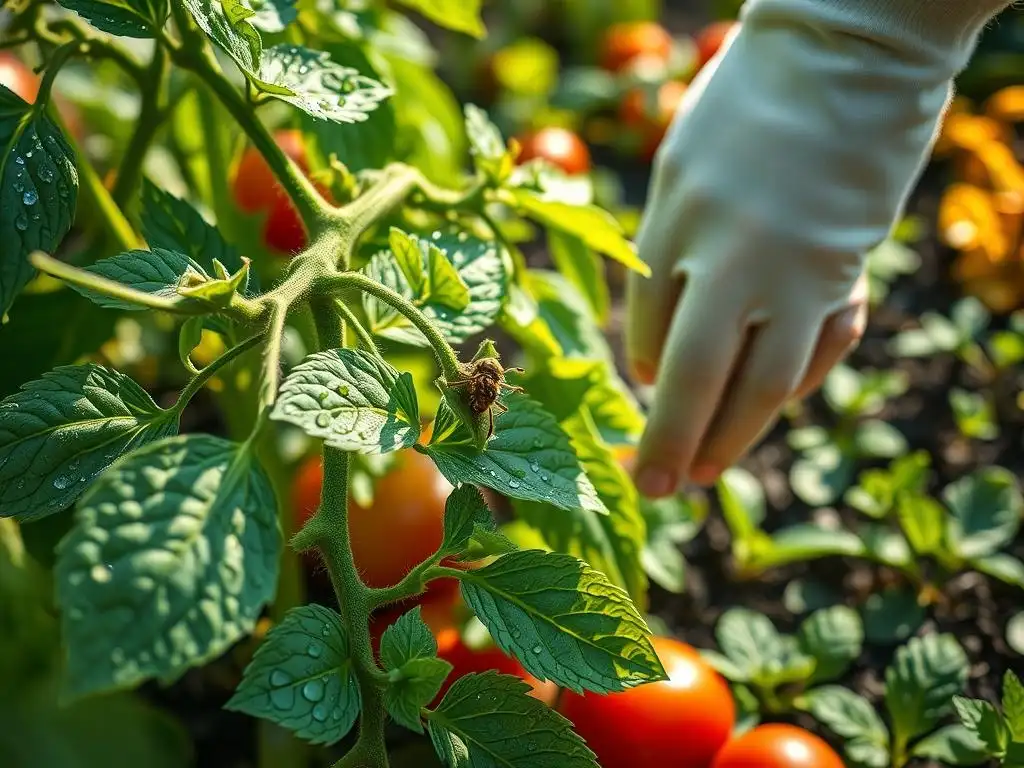
This section focuses on proactive and preventative strategies for avoiding common garden pests organically, minimizing the need for harsh chemicals and protecting beneficial insects. Remember, a healthy garden is less susceptible to pest infestations. The key to avoiding common garden pests lies in understanding their life cycles and creating an environment they find less appealing. This involves a multi-pronged approach, integrating various organic pest control methods to achieve optimal results. Let's delve into some highly effective techniques.
Homemade Pest Sprays
Many common garden pests can be deterred or eliminated using simple, homemade sprays. These are generally safer than commercial pesticides and avoid introducing harmful chemicals into your ecosystem. Remember to always test a small area first to ensure the spray doesn't damage your plants.
Several effective recipes exist, depending on the specific pest you're targeting. For instance:
- Against Aphids and other soft-bodied insects: A simple solution of water and insecticidal soap is often very effective. Mix 1-2 tablespoons of insecticidal soap per gallon of water. Thoroughly spray the affected plants, paying attention to the undersides of leaves where pests often congregate. Reapply as needed, following product instructions.
- Against fungal diseases and some pests: A solution of baking soda and water can help control fungal diseases and deter some insects. Mix 1 tablespoon of baking soda with 1 gallon of water and a half teaspoon of liquid dish soap (to help it stick to the leaves). Spray liberally on plants, focusing on the areas showing signs of infection or pest activity.
- Against many common garden pests: A strong spray of water can dislodge many soft-bodied insects like aphids, spider mites, and whiteflies. This is a particularly effective preventative measure, especially if performed regularly early in the morning.
The effectiveness of homemade sprays depends on several factors including the concentration, frequency of application, and the type of pest. Consistent application is key for optimal results. Remember to always label your spray bottles clearly and store them safely out of reach of children and pets. Regular monitoring of your plants is essential to catch infestations early, enhancing the effectiveness of your homemade remedies. Avoid common garden pests by staying proactive!
Beneficial Nematodes
Beneficial nematodes are microscopic worms that are natural predators of many common garden pests, including grubs, slugs, and other soil-dwelling insects. They are a highly effective biological control method, offering a sustainable and environmentally friendly way to manage pest populations without resorting to harmful chemicals.
Nematodes work by entering the bodies of their target pests, releasing bacteria that kill them. This process is highly specific, meaning they generally won't harm beneficial insects or other organisms in your garden.
Several factors influence the effectiveness of nematodes:
- Soil Moisture: Nematodes require moist soil to survive and thrive. Ensure the soil is adequately watered before and after application.
- Soil Temperature: Optimal soil temperatures for nematode activity typically range between 55°F and 80°F (13°C and 27°C). Avoid applying them when the soil is too hot or too cold.
- Application Method: Follow the manufacturer's instructions carefully for optimal results. This often involves mixing the nematodes with water and applying them directly to the soil.
Using beneficial nematodes is a crucial component of avoiding common garden pests in a sustainable way. They offer a safe and effective alternative to chemical pesticides, promoting a healthy and balanced garden ecosystem. They are particularly useful in controlling soil-dwelling pests that are difficult to manage with other methods.
Diatomaceous Earth
Diatomaceous earth (DE) is a naturally occurring sedimentary rock made of fossilized diatoms. When finely ground, it forms a powder that is effective in controlling a wide range of insects, including ants, slugs, and other crawling pests. DE works by physically damaging the exoskeletons of insects, causing dehydration and death.
Using DE is a relatively simple process:
- Application: Sprinkle DE around the base of plants, focusing on areas where pests are commonly found.
- Frequency: Reapply after rain or watering, as DE can be washed away.
- Safety: While generally considered safe, it's recommended to wear a mask when applying DE to avoid inhaling the dust.
Diatomaceous earth is a cost-effective and environmentally friendly option for avoiding common garden pests. It's a valuable tool in an integrated pest management strategy, complementing other organic methods to create a healthier and more productive garden. However, remember that DE is most effective against crawling insects and is less effective against flying insects. Its effectiveness can also be reduced by excessive moisture.
Companion Planting
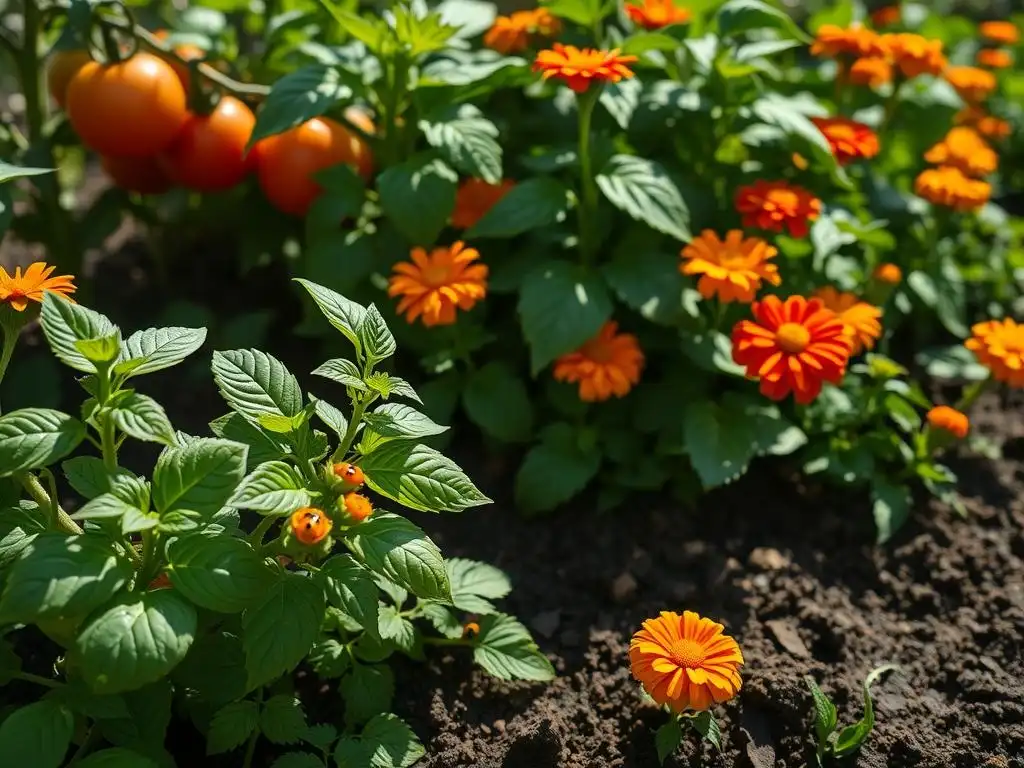
Companion planting leverages the synergistic relationships between different plant species to deter pests and enhance overall garden health. Certain plants emit scents or produce chemicals that repel specific insects, while others attract beneficial insects like ladybugs or lacewings that prey on common garden pests. For example, planting basil near tomatoes can help repel tomato hornworms, while marigolds interspersed throughout the garden can deter nematodes and other soil-borne pests. The effectiveness of companion planting varies depending on the specific plant combinations and the pest pressure in your garden.
It's crucial to research which companion plants are most effective against the particular pests affecting your crops. Success also hinges on proper spacing and ensuring that the companion plants are healthy and vigorous. Overcrowding can negate the benefits, and weak companion plants won't provide sufficient pest deterrence. Careful observation and adaptation are key; what works in one garden might not work in another due to variations in climate, soil conditions, and pest populations.
Remember, companion planting is a preventative measure, not a cure-all. It's most effective when integrated into a broader pest management strategy. This holistic approach, combining companion planting with other organic methods, contributes significantly to a thriving and pest-resistant garden. Consider using a garden planning tool to ensure optimal placement of companion plants for maximum effectiveness.
Physical Barriers
Physical barriers offer a direct and effective way to "avoid common garden pests" by preventing them from accessing your plants. These barriers create a physical separation, stopping pests in their tracks. Simple methods include using row covers, fine mesh netting, or even strategically placed mulch. Row covers, often made from lightweight fabric, protect seedlings and young plants from many insects while still allowing sunlight and water to penetrate. Fine mesh netting can be used to encase individual plants or entire sections of the garden, effectively keeping out flying insects and larger pests.
Mulching, while primarily used for soil health, can also act as a barrier, preventing some ground-dwelling insects from reaching plants. The choice of barrier depends on the specific pest you're targeting and the size and type of plants you're protecting. For example, a fine mesh is ideal for small insects like aphids, while larger netting might be necessary to deter birds or larger mammals. Proper installation is crucial; any gaps or weaknesses in the barrier will render it ineffective.
Regular inspection is also necessary to ensure the barrier remains intact and continues to serve its purpose. While physical barriers aren't a complete solution for all pest problems, they are a valuable tool in an integrated pest management strategy, particularly effective for preventing initial infestations and protecting vulnerable plants. Remember to consider the potential impact on beneficial insects and pollinators when implementing physical barriers. Careful selection and placement are key to maximizing effectiveness while minimizing unintended consequences.
Case Study: A Successful Organic Pest Control Approach
This case study details a homeowner's successful transition from conventional pest control to a fully organic approach, highlighting the challenges faced, solutions implemented, and the valuable lessons learned in avoiding common garden pests. The focus is on demonstrating how proactive organic methods can effectively manage pest populations and promote healthy plant growth, avoiding the pitfalls of relying on harmful chemicals. This example showcases how to successfully avoid common garden pests using sustainable techniques.
Initial Garden State and Pest Problems
Initially, the garden suffered from a significant aphid infestation on the rose bushes and a damaging slug problem affecting the lettuce and other leafy greens. Conventional pesticides had been used in previous years, leading to a temporary reduction in pests but also resulting in a noticeable decline in beneficial insect populations, such as ladybugs and lacewings, which are natural predators of aphids. The soil also appeared compacted and lacked the biodiversity typically associated with healthy, organic soil.
The homeowner reported feeling frustrated with the cycle of pesticide application, followed by recurring pest problems. The garden lacked the vibrancy and resilience expected from a thriving ecosystem.
The sheer number of aphids – estimated at hundreds per rose bush – was particularly concerning, and the slugs were causing significant damage, leaving slimy trails and holes in the leaves, compromising the yield. This situation clearly demonstrated the need for a more sustainable and effective approach to avoid common garden pests.
Implemented Organic Solutions
To address the pest issues organically, a multi-pronged approach was implemented. First, the soil was improved by adding compost and other organic matter to enhance its structure and fertility. This improved soil health promoted stronger plant growth, making them more resilient to pest attacks. Secondly, companion planting was introduced. Marigolds were planted near the roses to repel aphids, and herbs like rosemary and thyme were strategically placed to deter slugs.
Thirdly, beneficial insects were encouraged by planting nectar-rich flowers like lavender and borage, providing food sources for natural predators. Regularly hand-picking aphids and slugs was also practiced, especially in the initial stages of the transition. Finally, a homemade insecticidal soap spray was used to control aphid populations, targeting the pests directly without harming beneficial insects. This spray consisted of a simple mixture of water, soap, and oil, emphasizing a safe and effective method to avoid common garden pests.
| Solution | Description | Effectiveness | Notes |
|---|---|---|---|
| Compost Addition | Improved soil structure and fertility | High | Enriched soil promotes stronger, pest-resistant plants. |
| Companion Planting | Using marigolds (aphids) and rosemary/thyme (slugs) | Moderate | Requires strategic placement for optimal results. |
| Beneficial Insects | Attracting ladybugs and lacewings with nectar-rich flowers (lavender, borage) | High | Long-term solution requiring patience and consistent flower provision. |
| Hand-picking | Manually removing aphids and slugs | Moderate | Effective for small infestations, but labor-intensive for large populations. |
| Insecticidal Soap | Homemade spray using water, soap, and oil | Moderate | Safe for beneficial insects and environment, requires regular application. |
Results and Lessons Learned
The organic approach yielded significant improvements. Aphid populations were dramatically reduced within a few weeks, with the beneficial insects playing a crucial role in natural pest control. Slug damage was also considerably lessened, thanks to the combination of companion planting, hand-picking, and improved plant health.
The garden flourished, displaying a greater diversity of plant and insect life. The homeowner observed a noticeable increase in pollinators, indicating a healthier ecosystem. The key lesson learned was that a holistic, proactive approach, focusing on soil health, beneficial insects, and natural pest deterrents, is far more effective in the long run than relying on chemical pesticides to avoid common garden pests.
The initial investment of time and effort in improving soil health and attracting beneficial insects proved invaluable in achieving a sustainable and pest-resistant garden. The improved soil structure and biodiversity also contributed to a more resilient and productive garden. The experience highlights the importance of understanding the interconnectedness within the garden ecosystem and the power of nature in resolving common garden pest problems.
Frequently Asked Questions
What are some common mistakes gardeners make that attract pests?
Overwatering creates a damp environment perfect for fungal growth and pest infestations. Failing to remove weeds provides shelter and food sources for pests. Ignoring early signs of infestation allows problems to escalate.
How can I prevent pests organically without using harsh chemicals?
Employ companion planting, using plants that naturally repel pests. Introduce beneficial insects like ladybugs that prey on common garden pests. Maintain a clean and healthy garden by regularly removing debris and dead leaves.
What are some effective natural pest control methods?
Use neem oil as a natural insecticide. Make a spray from peppermint oil or garlic to deter many pests. Consider diatomaceous earth, a natural powder that dehydrates insects.
How do I identify the pest causing damage to my plants?
Carefully examine your plants for signs of damage, such as holes in leaves, wilting, or unusual discoloration. Take clear photos and research online or consult a local gardening expert for identification.
What should I do if I have a severe pest infestation?
Try to identify the pest first to better target your treatment. Consider introducing beneficial insects or using a stronger natural pesticide as a last resort. If the problem persists, seek advice from a professional.
Final Reflection: Cultivating a Thriving Garden, Pest-Free
The battle against garden pests is far from over, but understanding common mistakes is the first step towards victory. A healthy, vibrant garden isn't just about aesthetics; it's a testament to careful planning, diligent observation, and a proactive approach to pest management. Ignoring these crucial elements can lead to significant losses and frustration, highlighting the importance of the strategies discussed throughout this article.
The impact of pest infestations extends beyond the individual garden; it touches upon broader ecological concerns and the sustainability of our food systems. We abuse land because we regard it as a commodity belonging to us. When we see land as a community to which we belong, we may begin to use it with love and respect.
- Aldo Leopold. This quote underscores the interconnectedness of our actions and the health of the environment, reminding us that responsible pest management is not just about protecting our own plants, but also about contributing to a healthier ecosystem. My own experience with battling aphids taught me the importance of early intervention and holistic approaches, rather than relying solely on harsh chemicals.
Now, consider your own gardening practices. Are you proactively monitoring your plants for signs of infestation? Are you employing preventative measures, such as companion planting or attracting beneficial insects? Take the knowledge gained from this article and apply it to your own garden. By understanding and avoiding common mistakes, you can cultivate a thriving, pest-resistant haven, one that brings you joy and contributes to a more sustainable future. Let's work together to create gardens that flourish, not just for ourselves, but for generations to come.
Unleash Your Garden's Potential: Conquer Pests Naturally!
Thank you for learning about common garden pest control mistakes! We hope you feel empowered to tackle garden pests with confidence. Ready to put your new knowledge into action?
- Start with one natural pest control method from this article—choose a technique that suits your garden and see the results! This could be as simple as introducing ladybugs to control aphids or adjusting your watering schedule to prevent fungal diseases.
- Share this article with fellow gardeners—let's build a community of pest-control experts! Spread the word and help others avoid common gardening pitfalls.
- Experiment with companion planting—try planting marigolds alongside your tomatoes to repel certain pests. This simple step can significantly improve your garden's health.
What natural pest control strategy are you most excited to try?