
The Great Garden Detectives: Exploring Plant Life Cycles Together

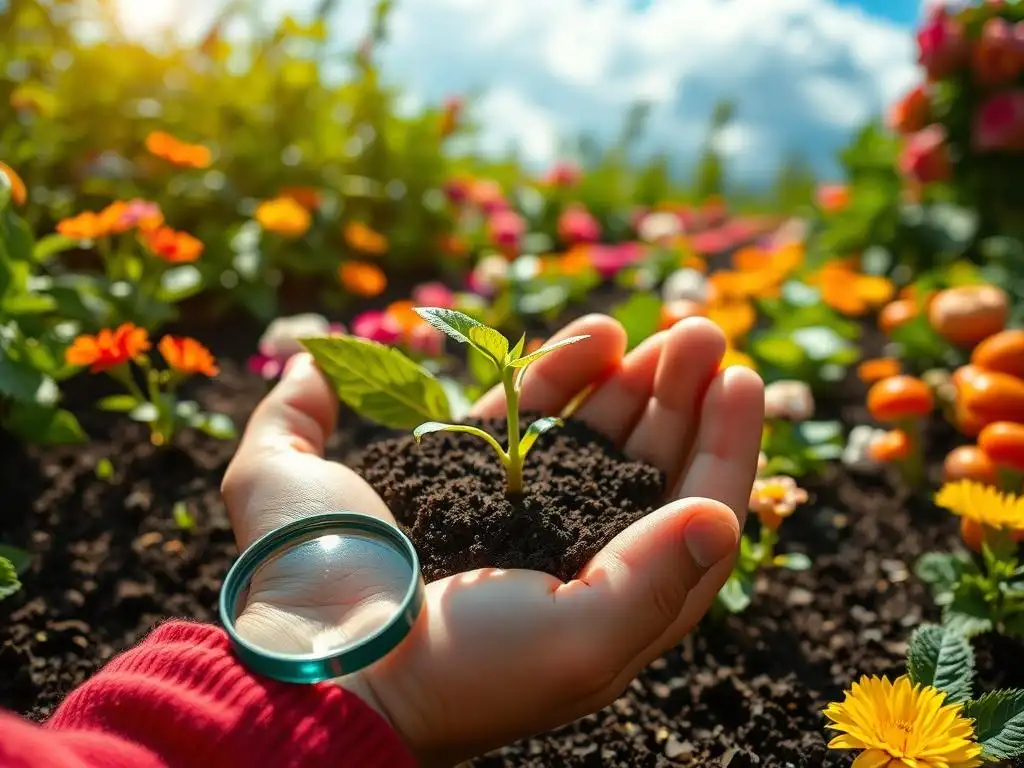
Welcome to CultivateYourFood, your guide to nurturing a thriving garden using sustainable methods! Ready to transform your backyard into a vibrant oasis? We believe everyone can experience the joy of growing their own food, and we're especially excited to share how you can cultivate that passion with your children. Discover the magic of nature with our engaging article, "Plant life cycle kids activity," and embark on a fun, educational journey that will inspire the next generation of green thumbs. Let’s get growing!
-
Understanding Plant Life Cycles for Kids: A Fun and Engaging Activity
- Introducing the Plant Life Cycle: Seeds to Harvest
- Observing Germination: The Amazing Sprout
- Stems and Leaves: Growth and Photosynthesis Explained
- Blooming and Pollination: The Beauty of Flowers
- Fruit and Seed Development: From Flower to Future Plants
- Harvesting and the Cycle Continues: Completing the Journey
- Plant Life Cycle Kids Activity: Hands-on Exploration in the Garden
- Extending the Learning: Plant Life Cycle Crafts and Games
- Resources for Further Learning: Books and Websites about Plant Life Cycles for Kids
- Frequently Asked Questions
- Final Reflection: Seeds of Wonder, Harvests of Understanding
- Uncover the Mysteries of Your Garden!
Understanding Plant Life Cycles for Kids: A Fun and Engaging Activity
Learning about plant life cycles doesn't have to be a dry, textbook experience! This article offers a dynamic and engaging approach to teaching children about the incredible journey of a plant, from a tiny seed to a bountiful harvest. We'll transform the learning process into a captivating adventure, perfect for sparking curiosity and fostering a love for nature and sustainable food practices. This activity is ideal for homeschooling, classroom settings, or simply spending quality time with your children while nurturing a deeper appreciation for the food we eat and the natural world that provides it.
We'll explore the fascinating world of plants through observation, hands-on experiments, and age-appropriate explanations, making the "Plant life cycle kids activity" both educational and enjoyable. Get ready to become "Great Garden Detectives" and uncover the amazing secrets of plant growth together! 🌱
Introducing the Plant Life Cycle: Seeds to Harvest
The plant life cycle is a beautiful circle of life, beginning with a tiny seed and culminating in the delicious fruits, vegetables, or herbs we enjoy. Let's break it down into manageable, fun-to-understand stages:
- Seed: This is the starting point! Seeds contain everything a plant needs to begin its life – a miniature plant embryo, stored food, and a protective coat. Show your children different types of seeds – big sunflower seeds, tiny poppy seeds, beans – and let them compare sizes and textures. What do they notice? 🤔
- Germination: Once a seed is planted in the right conditions (soil, water, sunlight), it absorbs water and begins to swell. The embryo wakes up and starts to grow!
- Seedling: A tiny sprout emerges from the seed, pushing its way towards the sunlight. The first leaves, called cotyledons, provide the seedling with energy until it can produce its own food.
- Growth: The plant grows taller, developing stems, leaves, roots, and flowers. This stage involves photosynthesis, where the plant uses sunlight, water, and carbon dioxide to create its own food.
- Flowering: Once the plant is mature, it produces flowers. These flowers are crucial for reproduction.
- Pollination: Pollen, the plant's male reproductive cells, must reach the female part of the flower (pistil) for fertilization to occur. This can happen through insects, wind, or even by hand! This is a great opportunity to discuss the importance of pollinators like bees 🐝.
- Fruit/Seed Development: After successful pollination, the flower develops into a fruit (or seed pod) containing seeds.
- Harvest: Finally, it's time to harvest the fruits, vegetables, or herbs! This is the rewarding culmination of the plant's life cycle. We can enjoy the fruits of our labor (literally!) and even collect seeds to start the cycle all over again.
Observing Germination: The Amazing Sprout
Let's turn our attention to the magic of germination! This is a fantastic hands-on activity to engage children. Here's how to conduct a simple germination experiment:
- Gather materials: You'll need some seeds (beans, lentils, or sunflower seeds work well), clear plastic cups or jars, soil, and water.
- Plant the seeds: Plant a few seeds in each cup, covering them with a thin layer of soil.
- Water and observe: Water the seeds regularly and place the cups in a sunny location. Encourage children to observe the seeds daily, noting any changes. Draw pictures or keep a journal to record their observations. 📝
- Discuss the process: As the seeds germinate and sprout, discuss the changes they see. What does the sprout look like? Where is it getting its energy? This hands-on experience brings the plant life cycle to life!
This simple experiment provides a tangible way for children to understand the amazing transformation from a tiny seed to a growing plant. It's a perfect example of the "Plant life cycle kids activity" in action!
Stems and Leaves: Growth and Photosynthesis Explained
The stem and leaves are vital parts of a plant, playing crucial roles in its growth and survival.
- Stems: The stem acts as the plant's support structure, holding up the leaves and flowers. It also transports water and nutrients from the roots to the rest of the plant. Explain how different plants have different types of stems – some are woody, some are soft and flexible.
- Leaves: Leaves are the plant's food factories! This is where photosynthesis takes place. Explain the process in simple terms: The plant uses sunlight, water from the roots, and carbon dioxide from the air to create its own food (sugars) and release oxygen. This is essential for the plant's growth and also for the air we breathe! ☀️
To make this engaging, you can create a simple diagram illustrating photosynthesis, using colors and arrows to show the flow of water, sunlight, and carbon dioxide. You could even make a fun song or rhyme to help children remember the process! The more interactive and playful the learning, the more effective it will be in making the "Plant life cycle kids activity" memorable and enjoyable.
Blooming and Pollination: The Beauty of Flowers
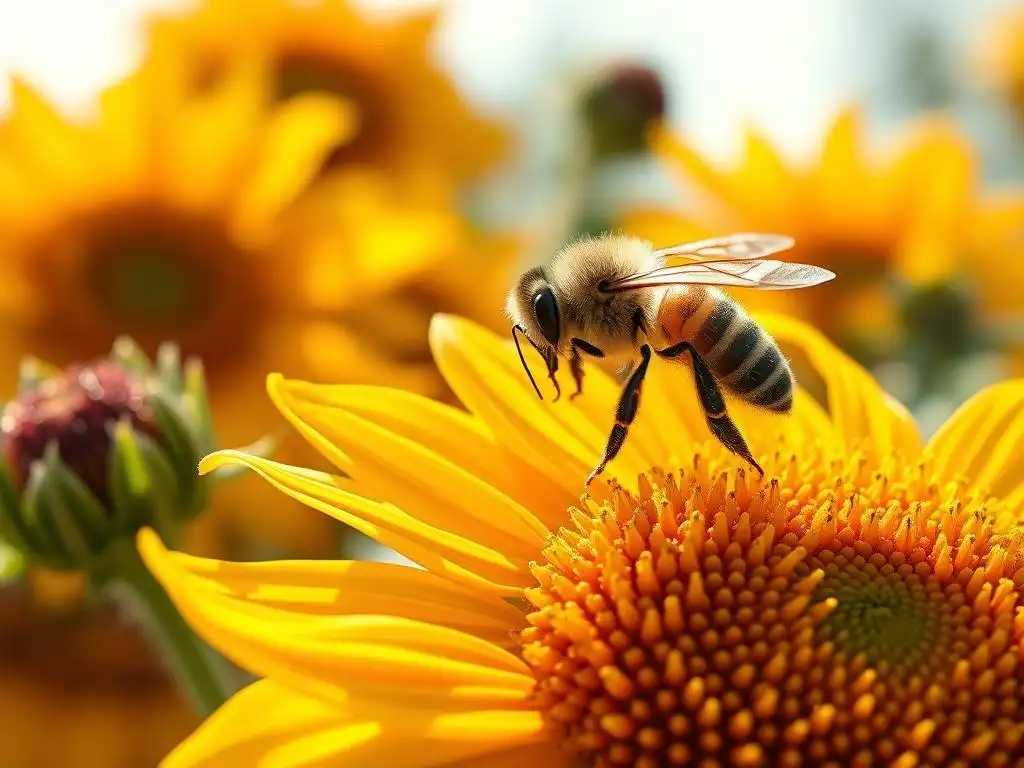
Flowers are more than just pretty faces; they're the reproductive organs of many plants! This is a crucial stage in the plant life cycle. The vibrant colors and sweet scents attract pollinators like bees, butterflies, and even some birds and bats. These pollinators carry pollen, a fine powder containing the plant's male reproductive cells, from one flower to another. Think of it as nature's delivery service for plant reproduction!
Pollination occurs when pollen lands on the stigma, the female part of the flower. This process is absolutely vital for the next stage: fruit and seed development. The intricate dance between flower and pollinator is a fascinating example of symbiotic relationships in nature, a perfect opportunity to teach kids about interdependence and the importance of biodiversity. Consider setting up a small pollinator garden with flowers that attract bees and butterflies to observe this process firsthand.
You can even track which insects visit which flowers and learn about their preferences. This hands-on experience will make the concept of pollination much more memorable for young learners. Different types of flowers have different pollination methods; some rely on the wind, others on water, while many depend on animal pollinators. Exploring these variations can make learning about plant life cycles even more engaging.
Fruit and Seed Development: From Flower to Future Plants
Once pollination is successful, the flower begins to transform. The ovary, the female part of the flower containing ovules (potential seeds), swells and develops into a fruit. The ovules inside become seeds. The fruit serves as a protective covering for the seeds and helps with their dispersal. This is a key stage in the continuation of the plant's life cycle.
Different fruits have different methods of seed dispersal. Some, like berries, are eaten by animals which then spread the seeds through their droppings. Others, like burrs, cling to animal fur, while still others rely on the wind to carry their seeds far and wide. Consider planting different types of fruits and vegetables with your children, observing how the flowers transform into fruits and seeds.
You can even dissect some fruits to examine the seeds and discuss their structure and function. This is a great opportunity to emphasize the connection between the flower and the fruit, solidifying their understanding of the plant's reproductive process. This hands-on activity not only teaches about seed development but also about plant diversity. For example, compare the seed structure of a tomato to that of a sunflower; the differences are striking and highlight the adaptability of plants.
Harvesting and the Cycle Continues: Completing the Journey
Harvesting the fruits or vegetables marks the culmination of the plant's life cycle for that particular generation. However, it's also the beginning of a new one! The seeds from the harvested plants can be saved and planted again, continuing the cycle. This is a wonderful opportunity to teach children about the importance of sustainability and responsible resource management. By saving seeds, they are directly participating in the continuation of plant life.
Encourage your children to carefully collect seeds from their harvested crops, ensuring they are properly cleaned and dried before storage. This is a valuable lesson in patience and observation. They can even create their own seed packets and label them, adding a creative element to the activity. Explain that not all plants produce seeds the same way. Some propagate through cuttings or runners.
This can lead to a discussion on the variety of plant reproduction methods and the adaptability of plant life. This final stage emphasizes the cyclical nature of plant life and the importance of human intervention in the process – from planting to harvesting and continuing the cycle. It’s a complete circle, a perfect lesson in nature's continuous renewal. The harvested produce can also be used for composting, which provides nutrients for future plants, closing the loop beautifully. 🌱
Plant Life Cycle Kids Activity: Hands-on Exploration in the Garden
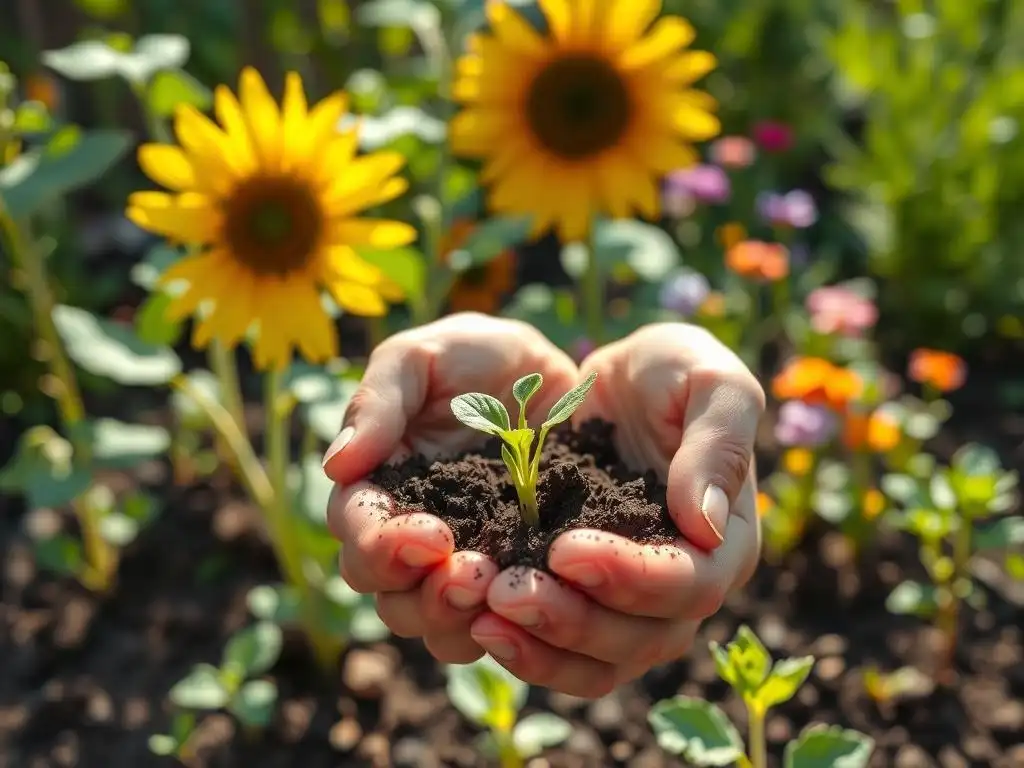
This section details engaging activities to teach children about the plant life cycle using a hands-on approach in your home garden. Understanding the plant life cycle is crucial for cultivating a successful garden, and involving children fosters a deeper appreciation for where their food comes from. These activities are designed to be fun, educational, and easily adaptable to different age groups and garden sizes.
We'll explore journaling, planting, and caring for plants, all while nurturing a love for gardening and sustainable practices. Remember to tailor the complexity of the tasks to your child's age and abilities. This activity is perfect for a "Plant life cycle kids activity" session.
Creating a Plant Journal: Documenting Growth
Creating a plant journal is a fantastic way to track the progress of your plants and engage children in observation. This isn't just about writing; it's about fostering scientific curiosity. Start with a simple notebook or even loose-leaf paper. Encourage children to draw pictures of their plants at different stages, noting the changes they observe. They can also write short descriptions, using words like "sprout," "bud," "flower," and "fruit."
Consider using a table format to help organize their observations:
| Date | Plant Name | Stage of Growth | Observations | Drawing |
|---|---|---|---|---|
| July 1st | Sunflower | Seed | Planted a sunflower seed in the garden. | [Child's drawing of a seed] |
| July 7th | Sunflower | Sprout | Tiny sprout emerged from the soil! | [Child's drawing of a sprout] |
| July 14th | Sunflower | Seedling | First leaves are visible; about 2 inches tall. | [Child's drawing of a small plant] |
| July 21st | Sunflower | Young Plant | Growing taller; more leaves developing. | [Child's drawing of a larger plant] |
| August 1st | Sunflower | Budding | A bud is forming at the top of the stem! | [Child's drawing of a plant with a bud] |
Encourage them to include details like the height of the plant, the number of leaves, and any changes in color. This hands-on approach transforms learning about a plant's life cycle into a fun and memorable experience, making it a truly engaging "Plant life cycle kids activity". Adding stickers or colored pencils can make the journal even more appealing.
Planting Seeds Together: A Step-by-Step Guide
Planting seeds is a fundamental part of understanding the plant life cycle. Choose easy-to-grow seeds like sunflowers, beans, or radishes. Involve children in each step of the process:
- Preparing the soil: Explain the importance of loose, well-drained soil. Let them help loosen the soil with a small trowel or their hands (ensure you've checked the soil for any harmful elements).
- Planting the seeds: Show them how to plant the seeds at the correct depth, usually a few times the seed's diameter. They can gently cover the seeds with soil.
- Watering: Explain the importance of watering gently to avoid washing away the seeds. Let them help water the seeds using a small watering can.
- Labeling: Use small plant markers to label each plant with its name and the planting date. This aids in observation and tracking growth.
This activity provides a tangible connection to the plant life cycle. They'll witness firsthand the transition from seed to sprout, fostering a sense of responsibility and accomplishment. The joy of nurturing a tiny seed into a thriving plant is invaluable in reinforcing the lesson. This hands-on experience enhances any "Plant life cycle kids activity".
Caring for Young Plants: Watering, Weeding, and Sunlight
Once the seeds sprout, regular care is essential. Children can participate in watering, weeding, and ensuring the plants receive adequate sunlight.
- Watering: Teach children to check the soil moisture. They should water when the soil feels dry to the touch, avoiding overwatering which can lead to root rot.
- Weeding: Explain that weeds compete with plants for nutrients and water. Show them how to gently remove weeds without disturbing the young plants.
- Sunlight: Discuss the importance of sunlight for plant growth. Ensure the plants receive adequate sunlight, adjusting their location if necessary.
This ongoing care reinforces the concept of the plant life cycle, highlighting the continuous needs of a growing plant. Observing the plants' response to care provides valuable insights and strengthens the child's understanding of the entire process, making it a successful "Plant life cycle kids activity". Remember to celebrate successes and learn from any setbacks – it's all part of the learning journey! Regular observations and journaling will help consolidate this learning experience. 🌱
Observing Changes Over Time: Charting the Progress
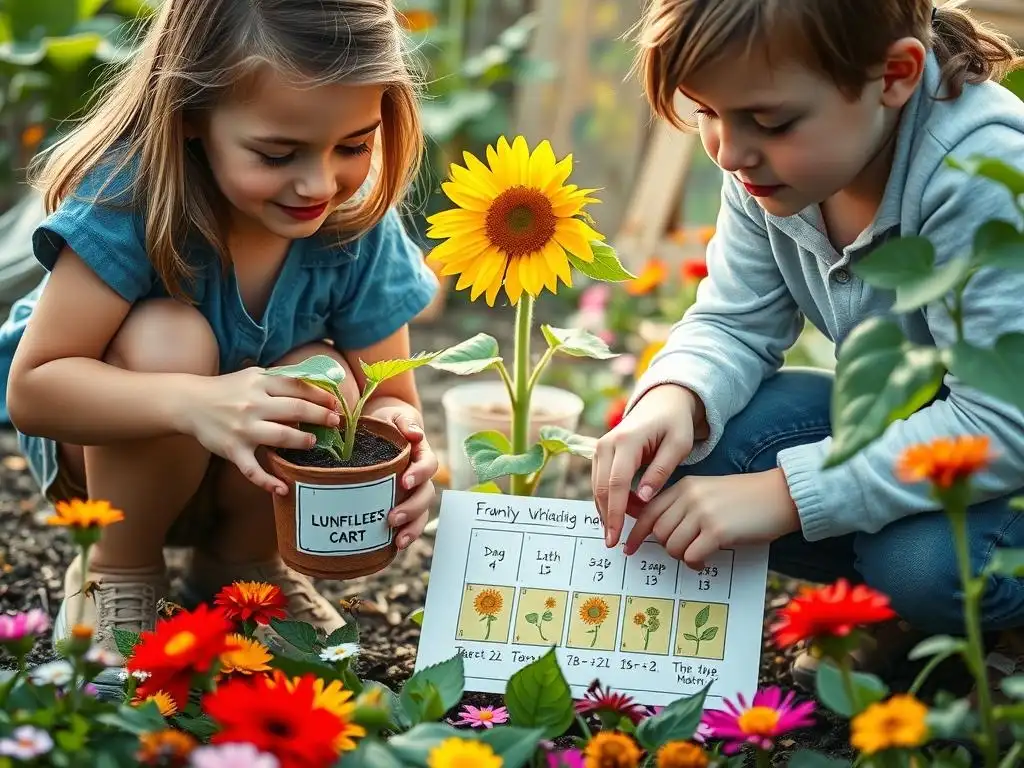
Tracking a plant's growth is a fantastic way to engage children in understanding the plant life cycle. A simple chart can transform this observation into a fun, educational activity. Start by selecting a fast-growing plant like a radish or a sunflower. Plant the seeds together, ensuring children participate in the entire process – from digging the soil to gently placing the seeds. Then, create a chart with columns for "Date," "Plant Height," "Number of Leaves," and "Observations."
You can even add a column for drawings! Encourage daily (or at least weekly) observations. Kids can measure the plant's height using a ruler, count the leaves, and record any changes they notice, such as the emergence of buds or the development of flowers. The act of recording these changes helps them visualize the plant's progress over time, reinforcing the concept of growth and development.
This hands-on approach makes learning about the plant life cycle far more engaging than simply reading about it. Don't be afraid to let creativity shine—colored pencils, stickers, or even pressed leaves can personalize the chart, making it a cherished keepsake of their gardening experience. Remember to capture photos along the way, too! These visual records can be added to the chart or compiled into a simple photo album, creating a lasting memory of the plant's journey.
This activity isn't just about recording data; it's about fostering observation skills. Children learn to pay attention to detail, noticing subtle changes that might otherwise go unnoticed. They develop patience and understanding as they wait for the plant to grow, learning that progress takes time. Furthermore, charting the plant's progress provides a tangible representation of the plant life cycle, making abstract concepts more concrete and easier for them to grasp.
For younger children, simpler charts with pictures and fewer data points might be more suitable. Older children can be encouraged to collect more detailed data, perhaps even exploring factors like sunlight exposure and watering frequency and their effects on plant growth. The possibilities are endless! 🌱
Harvesting the Rewards: Celebrating the Cycle's Completion
Once your plants have reached maturity, harvesting them marks a significant milestone in the plant life cycle journey. This isn't just about picking the fruits, vegetables, or herbs; it's about celebrating the culmination of the process. The harvest offers a wonderful opportunity to reinforce the connection between plants and food, demonstrating the direct result of careful nurturing and observation. Involving children in the harvesting process fosters a sense of accomplishment and pride in their contribution.
Let them carefully pick the ripe produce, taking care not to damage the plants. Discuss the different parts of the plant and their roles in the life cycle. For example, explain how the fruit contains seeds that can start a new cycle.
The celebration doesn't end with the harvest. Use the harvested produce to prepare a meal together. This adds another layer of engagement, connecting the plant life cycle to a tangible experience. Imagine the joy of eating a salad made with lettuce they've grown themselves, or the satisfaction of enjoying a freshly picked tomato.
This hands-on experience strengthens their understanding of where food comes from and fosters an appreciation for the effort involved in producing it. Consider making a family recipe together using the harvest, further reinforcing the connection between the garden and the kitchen. You can even take photos of the finished meal, adding another layer to the documentation of this incredible journey. This celebration of the harvest not only reinforces the plant life cycle but also promotes healthy eating habits and builds lasting memories.
The entire experience—from planting to harvest and finally, enjoying the fruits (or vegetables!) of their labor—becomes a valuable lesson in sustainability and the wonder of nature. 🧑🌾
Extending the Learning: Plant Life Cycle Crafts and Games
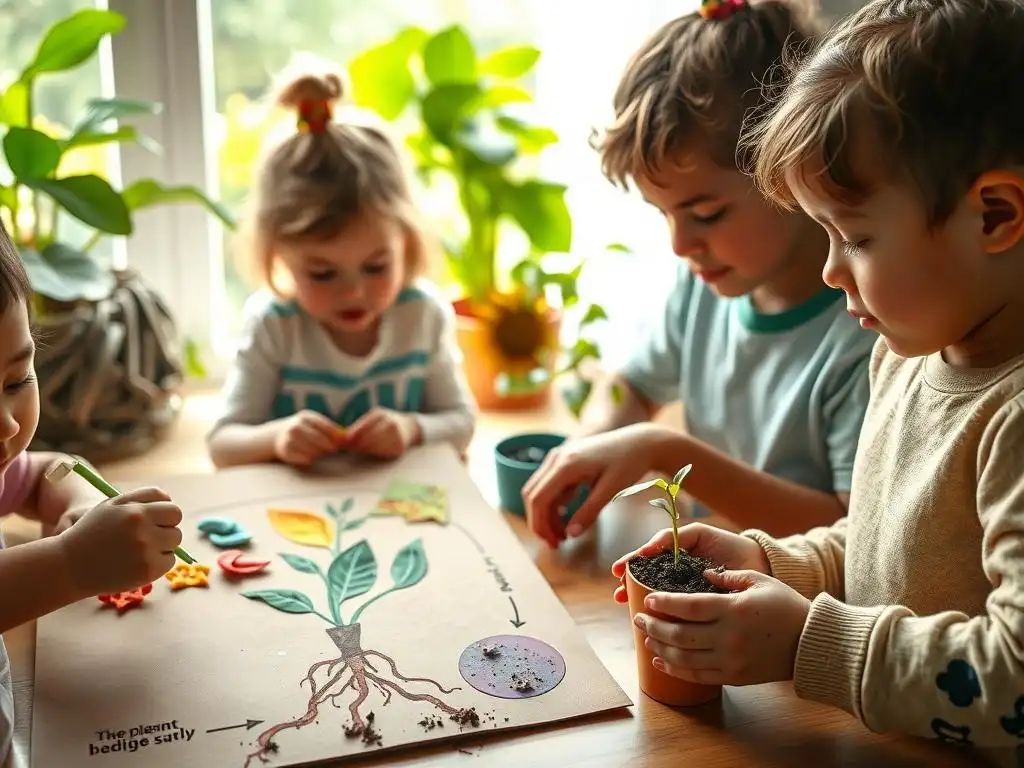
This section provides engaging activities to reinforce children's understanding of the plant life cycle, transforming learning into a fun and memorable experience. These hands-on projects are perfect for solidifying concepts learned and encouraging further exploration of plant biology. Remember to emphasize the importance of sustainability and organic practices throughout these activities.
Making Seed Bombs: A Fun and Educational Activity
Seed bombs, also known as seed balls, are a fantastic way to introduce children to the germination stage of the plant life cycle. This activity combines creativity with environmental responsibility, teaching kids about seed dispersal and the importance of nurturing new plant life.
To make seed bombs, you'll need:
- Clay soil (preferably organic)
- Compost (again, organic is best!)
- Water
- Various seeds (choose fast-growing, easy-to-germinate options like sunflowers, wildflowers, or herbs)
Instructions:
- Mix the clay soil and compost in a bowl until you achieve a moist, workable consistency – think Play-Doh! The ratio should be approximately 2 parts soil to 1 part compost.
- Add seeds, gently mixing them into the soil mixture. Avoid crushing the seeds.
- Roll the mixture into small balls, about the size of a ping-pong ball.
- Allow the seed bombs to dry completely, preferably in a shaded area. This process helps to harden the exterior, protecting the seeds within.
- Once dry, the seed bombs are ready to be scattered! Children can toss them in suitable locations in your garden or a nearby park, fostering a deeper connection with nature and the plant life cycle.
This activity provides a tangible representation of how seeds, the beginning of the plant life cycle, are dispersed and eventually germinate under the right conditions. It's a wonderful way to discuss the importance of seed selection, soil composition, and environmental factors affecting germination. The children will literally be planting the future! 🌱
Creating a Plant Life Cycle Diorama: Visualizing the Stages
A plant life cycle diorama offers a visually engaging way for children to understand the complete journey of a plant, from seed to mature plant and beyond. This activity encourages creativity and strengthens their comprehension of each stage.
Materials needed:
- A shoebox or other suitable container
- Construction paper or cardboard
- Paint, markers, or crayons
- Small plants (optional, for a more realistic representation)
- Glue
- Scissors
- Pictures or drawings depicting each stage of the plant life cycle (seed, sprout, seedling, vegetative growth, flowering, fruiting, seed dispersal)
Instructions:
- Divide the shoebox into sections, each representing a stage of the plant life cycle.
- Use construction paper or cardboard to create backgrounds and props for each section, depicting the characteristics of each stage. For example, the seed stage could show a seed in the ground, while the flowering stage could include a vibrant flower.
- Add small plants (if using) or pictures/drawings to clearly illustrate each stage. Label each stage clearly to reinforce learning.
- Encourage children to be creative and add details to their diorama, making it a unique and personalized representation of the plant life cycle.
Creating this diorama allows children to visualize the progression of the plant life cycle in a concrete manner. It's an excellent opportunity to discuss the various environmental factors that influence each stage, such as sunlight, water, and nutrients. The final product serves as a lasting reminder of their learning experience.
Playing Plant Life Cycle Bingo: A Rewarding Game
Bingo is a fun and engaging way to test children's knowledge of the plant life cycle while fostering healthy competition. This game is easily adaptable to different age groups and learning levels.
To create Plant Life Cycle Bingo cards, you'll need:
- Index cards or paper
- Markers or pens
- Images or words representing the different stages of the plant life cycle (seed, germination, seedling, vegetative growth, flowering, fruiting, seed dispersal)
Instructions:
- Create several Bingo cards, each with a unique arrangement of the plant life cycle stages. You can use images or words, or a combination of both.
- Call out the stages randomly, allowing children to mark them on their cards.
- The first child to get Bingo wins! You can offer small prizes to add extra excitement.
This game provides a stimulating review of the plant life cycle concepts. The interactive nature of Bingo makes learning enjoyable and memorable, reinforcing key vocabulary and understanding of the sequential stages involved. You can adjust the complexity of the game by using more detailed descriptions or adding challenging variations. Remember to celebrate everyone's participation and learning! 🎉
Resources for Further Learning: Books and Websites about Plant Life Cycles for Kids
This section provides a curated list of resources to further engage young minds with the fascinating world of plant life cycles. We've included both captivating children's books and interactive educational websites, designed to make learning about plant growth fun and accessible. These resources are perfect for supplementing your home gardening activities and strengthening your child's understanding of where their food comes from. Learning about the plant life cycle is a fantastic way to foster a love of nature and sustainable practices from a young age 🌱.
Recommended Children's Books on Plants and Gardening
Choosing the right book can significantly enhance a child's learning experience. Here are some titles that effectively explain plant life cycles in an age-appropriate manner, often incorporating beautiful illustrations and engaging narratives:
- "The Tiny Seed" by Eric Carle: This classic picture book follows the journey of a tiny seed from germination to blooming, using vibrant illustrations and a simple storyline perfect for preschoolers. It’s a fantastic introduction to the basic concepts of the plant life cycle.
- "From Seed to Plant" by Gail Gibbons: Gibbons' clear and concise writing style, combined with her detailed illustrations, makes this a great choice for slightly older children. It covers the entire plant life cycle in a structured and informative way, making it ideal for elementary school students.
- "The Carrot Seed" by Ruth Krauss: This heartwarming story emphasizes perseverance and the importance of patience in gardening. It subtly introduces the concept of the plant life cycle through the narrative of a small boy planting a carrot seed. The delightful illustrations will keep children engaged.
- "How a Seed Grows" by Helene J. Jordan: This book uses simple language and clear photographs to show the different stages of a plant's life cycle. It’s a great option for children who prefer learning through visual aids.
- "A Seed is Sleepy" by Dianna Hutts Aston: Aston’s lyrical prose and stunning illustrations make this book a beautiful introduction to the wonders of seeds and the process of germination. It’s a truly captivating read for all ages.
This list is not exhaustive, and many other excellent books are available. When selecting a book, consider your child's age and reading level. Look for books with engaging illustrations, clear explanations, and age-appropriate language. Remember that the best books are those that spark curiosity and a desire to learn more!
Educational Websites about Plant Life Cycles for Children
Beyond books, the internet offers a wealth of interactive resources designed specifically for children. These websites make learning about plant life cycles fun and engaging through games, animations, and virtual experiments. Here are a few examples:
- [Website Name Pending]: This website [Specific information pending] offers [Specific information pending] focusing on [Specific information pending].
- [Website Name Pending]: This site provides [Specific information pending] and is particularly useful for [Specific information pending].
- [Website Name Pending]: [Specific information pending] This website is particularly strong in [Specific information pending].
When using online resources with children, always supervise their activity and ensure the websites are safe and age-appropriate. Look for websites that offer interactive elements, clear explanations, and accurate information. Remember to check the credibility and reliability of the source before engaging with the content. A fun and educational online experience can greatly enhance your child's understanding and appreciation of the plant life cycle and sustainable gardening practices. Happy exploring! 🌎
Frequently Asked Questions
What is a plant's life cycle?
A plant's life cycle is the series of stages it goes through from seed to seedling, mature plant, flower, fruit, and finally back to seed again. This cycle repeats, ensuring the continuation of the plant species.
How can I make learning about plant life cycles fun for kids?
Turn it into a game! Try a scavenger hunt to find different stages of plant growth in your garden or use interactive activities like planting seeds together and observing their progress.
What are some simple activities to teach kids about plant life cycles?
Planting fast-growing seeds like beans or sunflowers is a great way to visualize the process. You can also create a time-lapse video or a growth chart to track the changes.
How long does a plant's life cycle typically last?
This varies greatly depending on the plant. Some plants complete their life cycle in a single season (annuals), while others live for many years (perennials). Biennials take two years to complete their cycle.
What is the importance of understanding plant life cycles?
Understanding plant life cycles helps kids appreciate the natural world and the importance of plants in our ecosystem. It also lays a foundation for future gardening skills and environmental awareness.
Final Reflection: Seeds of Wonder, Harvests of Understanding
Understanding plant life cycles isn't just about memorizing stages; it's about fostering a deeper connection with the natural world and appreciating the intricate processes that sustain life on Earth. This knowledge, crucial for environmental stewardship, is more relevant today than ever before as we face challenges like climate change and dwindling biodiversity. The simple act of planting a seed and watching it grow can ignite a lifelong passion for conservation and responsible living.
Witnessing the wonder in a child's eyes as they discover the hidden magic within a seed, the patient unfolding of a leaf, or the vibrant burst of a flower is truly inspiring. It's a reminder of the power of observation and the joy of discovery. The earth laughs in flowers.
– Ralph Waldo Emerson. This quote perfectly encapsulates the beauty and wonder inherent in the plant life cycle, a beauty that deserves to be shared and celebrated with every generation. The impact of understanding this cycle extends far beyond the classroom, shaping our perspectives on food production, environmental responsibility, and our place within the larger ecosystem.
Now, consider your own relationship with the natural world. Have you ever taken the time to truly observe the life cycle of a plant? I encourage you to plant a seed, whether it's a tiny sunflower in a pot or a vibrant herb in your garden. Document its journey, share your observations with others, and let the wonder of nature inspire you. Let's cultivate a generation of "Great Garden Detectives," armed with knowledge, curiosity, and a deep appreciation for the incredible world of plants.
Uncover the Mysteries of Your Garden!
Thank you for joining us on this journey into the fascinating world of plant life cycles! We hope you've gained a deeper appreciation for the wonders happening right in your backyard. Now it's time to put your newfound knowledge into action.
- Start a detailed plant journal: Meticulously track the growth of your favorite plant, noting daily changes in sunlight exposure, watering frequency, and overall development. This detailed record will transform you into a true garden detective!
- Share your observations: Connect with other garden enthusiasts on our CultivateYourFood forum! Let's build a thriving community of plant lovers who can support each other's gardening journeys and share exciting discoveries.
- Conduct a rewarding experiment: Try propagating a plant from a cutting or growing one from seed – this hands-on experience will solidify your understanding of plant life cycles.
What unique discoveries will your garden reveal this season? Let's discuss them in the comments below!