
Understanding Seed Longevity: How Long Seeds Remain Viable

Ready to unlock the secrets of a bountiful home harvest? At CultivateYourFood, we empower you to grow your own fruits, vegetables, and herbs organically. But did you know the key to a successful planting season often lies in understanding seed viability storage times? Learn how to maximize your seed's lifespan and ensure a thriving garden – explore our expert guide on seed longevity now and discover the surprising truth about how long your seeds can last!
-
Factors Affecting Seed Viability and Storage Times
- The Impact of Seed Moisture Content on Longevity
- Temperature's Role in Seed Viability: Optimal Storage Conditions
- Seed Species and Their Unique Storage Requirements: A Comprehensive Guide
- Seed Age and Germination Rates: Understanding the Decline in Viability
- Seed Quality and Initial Viability: Sourcing High-Quality Seeds for Optimal Results
- Practical Tips for Extending Seed Viability and Storage Times
- Maximizing Your Seed Collection: A Step-by-Step Guide
- Debunking Myths About Seed Longevity and Storage
- Resources for Further Learning on Seed Viability and Storage
- Frequently Asked Questions
- Final Reflection: The Enduring Legacy of the Seed
- Unlock Your Garden's Potential: Grow from Seed!
Factors Affecting Seed Viability and Storage Times
Successfully cultivating your fruits, vegetables, and herbs at home hinges on using high-quality seeds with strong viability. This article delves into the crucial aspect of seed longevity – understanding how long seeds remain viable for germination – a key element in maximizing your harvest and minimizing wasted effort.
We'll explore the factors influencing seed viability and storage times, providing you with the knowledge to select and store your seeds effectively, ensuring successful germination and a bountiful yield. Mastering seed viability is a cornerstone of sustainable and organic gardening, allowing you to plan your planting schedule accurately and achieve optimal results from your homegrown produce.
This guide will help you become more confident in managing your seed inventory and optimizing your gardening practices for years to come. Understanding "seed viability storage times" is crucial for every gardener, regardless of experience level, and this comprehensive guide will equip you with the necessary knowledge.
The Impact of Seed Moisture Content on Longevity
The moisture content of seeds is a paramount factor determining their longevity. High moisture levels accelerate metabolic processes within the seed, leading to faster depletion of stored energy reserves and increased susceptibility to fungal and bacterial growth. This significantly reduces the germination rate and ultimately renders the seeds non-viable. Conversely, seeds stored with extremely low moisture content can experience reduced germination rates due to cellular damage.
The ideal moisture content for long-term seed storage generally falls between 5% and 7%. This low moisture level inhibits enzymatic activity and microbial growth, significantly extending the seed's lifespan. Proper drying techniques, often involving low-heat air circulation, are crucial for achieving this optimal moisture level before storage. Different types of seeds have varying optimal moisture levels, so researching the specific needs of your seeds is essential.
Failure to adequately dry seeds before storage will drastically shorten their viability. Consider investing in a moisture meter to accurately measure moisture content and ensure you achieve the optimal range for your specific seeds. This precise approach will significantly improve your chances of successful germination.
Temperature's Role in Seed Viability: Optimal Storage Conditions
Temperature plays a crucial role in maintaining seed viability. High temperatures accelerate metabolic activity and increase the rate of deterioration, while extremely low temperatures can also cause damage to the seed's cellular structure. Optimal storage temperatures are typically cool and dry, often between 33°F (0.5°C) and 41°F (5°C). Fluctuations in temperature should be minimized as much as possible to prevent stress on the seeds.
Storing seeds in a cool, dark, and dry location, such as a refrigerator's crisper drawer or a dedicated seed storage container in a basement, is generally recommended. Avoid storing seeds near sources of heat or humidity. Properly sealed containers are critical to prevent moisture absorption and insect infestation. Airtight containers made of glass or food-grade plastic are ideal.
Consider adding a desiccant packet to absorb any residual moisture within the container, further enhancing seed longevity. Remember to label your containers clearly with the seed type and date of storage for easy identification and tracking. Consistent and careful monitoring of temperature and humidity will greatly improve your success rate in maintaining seed viability over time. Investing in a temperature and humidity monitor for your storage area is a worthwhile investment for serious gardeners.
Seed Species and Their Unique Storage Requirements: A Comprehensive Guide
Seed viability, or the ability of a seed to germinate and grow into a healthy plant, varies significantly depending on the species. Understanding these unique requirements is crucial for successful seed saving and long-term storage. Different species possess varying levels of inherent resistance to environmental stressors like moisture, temperature fluctuations, and oxygen exposure.
This inherent resilience directly impacts their longevity. For example, some seeds, like those of certain legumes, possess tough seed coats that provide natural protection against desiccation and microbial attack, extending their shelf life considerably. Conversely, seeds with thinner seed coats, or those with high oil content, tend to be more susceptible to deterioration and have shorter storage lives.
Proper storage techniques, tailored to specific seed types, are essential to maximize viability. Ignoring these species-specific needs can lead to significant losses in germination rates and ultimately, failed harvests. The following sections delve deeper into the storage requirements of various plant groups.
Herbs: Storage Tips and Tricks
Herbs, known for their aromatic leaves and culinary uses, exhibit diverse seed storage needs. Basil seeds, for instance, are relatively short-lived, generally retaining good viability for only 1-2 years under optimal conditions. This is largely due to their higher oil content, making them susceptible to rancidity.
Storing basil seeds in a cool, dark, and dry location, ideally in airtight containers with desiccant packets, helps prolong their shelf life. In contrast, seeds from hardy herbs like dill and coriander tend to have a longer lifespan, often retaining viability for up to 3-4 years with proper storage. However, even for these longer-lived herb seeds, maintaining consistent low temperatures and humidity is key to preventing deterioration and maintaining germination potential.
Regular checks for mold or pest infestation are also important, as these can rapidly compromise seed viability. Proper cleaning and drying of herb seeds before storage is a critical first step in maximizing their longevity.
Vegetables: Maximizing Seed Lifespan
Vegetable seeds present a wide range of storage requirements. Seeds from root vegetables like carrots and beets generally have relatively short shelf lives, often only lasting 1-2 years, even under ideal conditions. Their susceptibility to deterioration is often linked to their higher moisture content. Conversely, seeds from certain legumes like beans and peas can retain viability for significantly longer periods, sometimes up to 5 years or more, thanks to their protective seed coats. The storage environment plays a crucial role in maintaining viability across all vegetable seed types.
Maintaining low temperatures (ideally around 40°F or 4°C) and low humidity is critical. Airtight containers, preferably opaque to prevent light damage, are crucial for protecting against moisture absorption and oxidation. Using silica gel packets within the containers helps to maintain low humidity levels, further extending the seeds' lifespan. Careful selection of high-quality, properly dried seeds at harvest is also essential.
Fruit Seeds: Unique Storage Needs
Fruit seeds present a unique challenge due to their diverse characteristics. Some, like tomato seeds, are relatively short-lived, maintaining good viability for only 2-3 years. Their high moisture content and susceptibility to fungal growth require careful drying and storage in cool, dry conditions. Others, such as apple seeds, have a shorter lifespan, often losing viability within a year or two.
Their need for stratification (a period of cold, moist storage) before germination further complicates long-term storage. For seeds with a hard outer shell like those of citrus fruits, removing the outer layer and thoroughly drying the seeds before storing is vital to prevent mold and rot. Proper cleaning and sorting of fruit seeds, removing damaged or immature seeds, is a key first step in maximizing their storage life. The diverse nature of fruit seeds highlights the importance of species-specific storage techniques for optimal results.
Seed Age and Germination Rates: Understanding the Decline in Viability
Seed viability is not static; it gradually declines over time. This decline is influenced by several factors, including seed storage conditions, inherent seed characteristics, and the species itself. As seeds age, their metabolic processes slow down, but they don't completely cease. Even in optimal storage conditions, the gradual depletion of internal reserves and the accumulation of cellular damage ultimately limit the seed's ability to germinate.
This manifests as a decrease in germination rate and percentage. A seed lot that shows 90% germination when fresh may only show 70% germination after a year, and even less after several years. Therefore, it's crucial to understand that even under ideal storage conditions, seed viability will decrease over time. Regular germination tests are recommended to assess the remaining viability of older seed lots and adjust planting strategies accordingly.
Knowing the expected lifespan of different seed types, coupled with regular germination checks, allows gardeners to make informed decisions about seed use and replacement, optimizing their chances of successful cultivation. Using older seeds may require planting more seeds per unit area to compensate for lower germination rates. The age of the seed is a critical factor in determining its viability, alongside the other factors mentioned earlier.
Seed Quality and Initial Viability: Sourcing High-Quality Seeds for Optimal Results
The longevity of your seeds, and therefore their viability, begins long before you even think about storing them. The quality of the seeds you purchase significantly impacts how long they remain viable. Seeds that are already weak or damaged at the time of purchase will have a shorter lifespan, regardless of storage conditions. This is why sourcing high-quality seeds from reputable suppliers is paramount for maximizing your chances of successful germination, even after extended storage periods.
Factors such as seed maturity at harvest, proper drying techniques, and careful handling throughout the supply chain all contribute to the initial viability of the seeds. Poorly handled seeds may experience physical damage, reducing their germination potential and shortening their storage life. Investing in high-quality seeds upfront is a crucial step in ensuring long-term success in your gardening endeavors. Think of it as an investment in the future harvest – healthy, vigorous seeds will not only germinate better but also produce stronger and healthier plants.
This results in a better yield and overall healthier garden ecosystem. Conversely, using low-quality seeds can lead to unpredictable germination rates, weak seedlings, and ultimately, a poor harvest. The difference in yield and overall plant health can be substantial, highlighting the importance of prioritizing seed quality.
Selecting Reliable Seed Suppliers
Choosing reliable seed suppliers is crucial for obtaining high-quality seeds with optimal initial viability. Look for suppliers with established reputations, positive customer reviews, and a commitment to organic or sustainable practices, depending on your gardening preferences. Many reputable seed companies offer detailed information about their seed sourcing, testing procedures, and storage methods. This transparency provides valuable insight into the quality control measures they employ, ensuring you receive seeds with the best possible chance of germination.
Consider factors like seed age – reputable suppliers usually indicate the harvest year on their seed packets, allowing you to assess the seed's potential lifespan. Furthermore, pay attention to seed certifications, such as those indicating non-GMO status or organic cultivation methods, if these aspects are important to you. While price can be a factor, avoid excessively cheap seeds, as these may indicate lower quality or compromised storage conditions.
Remember, the cost of replacing a poor harvest far outweighs the small price difference between high-quality and low-quality seeds. Researching and selecting a trusted seed supplier is a vital step in ensuring the long-term success of your gardening projects, significantly impacting "seed viability storage times". Investing time in this initial step pays dividends in terms of yield and overall satisfaction.
Practical Tips for Extending Seed Viability and Storage Times
Understanding seed viability and how to extend it is crucial for successful gardening. While the initial viability of seeds depends on factors like cultivar and harvesting methods, proper storage significantly impacts how long they remain viable. This section focuses on practical strategies to maximize the lifespan of your seeds, ensuring you have a ready supply for future planting seasons. We'll explore packaging, environmental control, and other key elements influencing seed viability storage times.
Proper Seed Packaging for Long-Term Storage: Airtight Containers and More
The right packaging is paramount for preventing seed degradation. Exposure to moisture, oxygen, and fluctuating temperatures are major culprits in reducing seed viability storage times. Avoid using permeable materials like paper envelopes for long-term storage. Instead, opt for airtight containers made of materials that won't leach chemicals into your seeds. Glass jars are excellent choices, offering excellent protection from moisture and light. However, ensure the lids create a truly airtight seal.
Here's a comparison of different packaging options:
| Packaging Type | Advantages | Disadvantages | Suitability for Long-Term Storage |
|---|---|---|---|
| Glass Jars (Airtight) | Excellent moisture and light protection | Can break; require careful handling | 👍 Excellent |
| Plastic Food Storage Containers (Airtight) | Convenient, relatively inexpensive | May leach chemicals; can crack over time | 👍 Good (choose BPA-free options) |
| Mylar Bags (with desiccant) | Excellent oxygen barrier; lightweight | More expensive than other options; requires proper sealing | 👍 Excellent |
| Paper Envelopes | Readily available; inexpensive | Highly permeable to moisture and oxygen | 👎 Poor; only suitable for short-term storage |
Remember to always label your containers clearly with the seed type, cultivar, and date of packaging. This helps maintain organization and avoids confusion later on. Adding a desiccant packet (silica gel) to glass jars or Mylar bags further minimizes moisture content, extending seed longevity.
Using Seed Storage Envelopes and Humidity Control Packs for Optimal Preservation
While airtight containers form the cornerstone of seed preservation, supplementary methods can further optimize seed viability storage times. Seed storage envelopes, often made of foil or Mylar, offer an additional layer of protection against moisture and light. These are particularly useful for smaller quantities of seeds or when supplementing airtight containers.
Humidity control packs are also invaluable. These small packets contain desiccants that absorb excess moisture, preventing the seeds from becoming damp and prone to mold or fungal growth. Regularly check the condition of these packs; if they appear saturated, replace them with fresh ones. Failing to manage humidity is a significant factor contributing to reduced seed viability. Consider the climate of your storage location; drier climates may require less frequent replacement, while more humid environments necessitate more vigilance.
The Importance of Cool, Dark, and Dry Storage Environments
The storage environment plays a critical role in maintaining seed viability. Fluctuations in temperature and humidity accelerate seed aging, significantly shortening seed viability storage times. The ideal environment is cool, dark, and dry.
- Temperature: Aim for a consistent temperature between 33°F and 41°F (0°C and 5°C). A refrigerator's crisper drawer often provides a suitable environment. Avoid freezing seeds, as this can damage them.
- Darkness: Light exposure can accelerate seed deterioration. Store seeds away from direct sunlight and other light sources.
- Dryness: Moisture is the enemy of seed longevity. Maintain a low humidity level in the storage area. Regularly inspect your seeds for any signs of moisture or mold. A slightly damp seed may look fine but will have a significantly reduced germination rate.
By carefully following these recommendations for seed storage and packaging, you can significantly improve the chances of successful germination, even from seeds stored for several years. Regular monitoring and replacement of desiccant packets are key to maintaining optimal conditions over time. Implementing these practices ensures a plentiful supply of viable seeds for your future gardening projects.
Regular Seed Viability Testing: Methods and Tools for Assessing Seed Germination
Regularly testing your seeds' viability is crucial for maximizing your gardening success and minimizing wasted effort. Knowing the germination rate allows you to adjust planting densities and avoid disappointments later in the season. There are several methods, ranging from simple home tests to more sophisticated laboratory techniques, to determine how many of your seeds are still capable of sprouting. The accuracy of your results will depend on the method you choose and the care you take in following the procedure. Inconsistent results might stem from factors like improper seed handling, temperature fluctuations, or using contaminated germination media.
The simplest methods involve germinating a small sample of seeds under optimal conditions. Count the number of seeds that successfully germinate and compare it to the total number of seeds tested to calculate the germination percentage. This percentage provides a reliable estimate of your seed lot's overall viability.
A germination rate below 80% often signals a need for either using more seeds per plant or sourcing a new batch. Remember that even within a single seed packet, some seeds may be of lower quality than others due to variations in seed maturity and handling. Therefore, testing a larger sample size will provide more accurate results, which are especially important when dealing with rare or expensive seeds.
Factors like seed age, storage conditions (temperature and humidity), and the species of the plant all significantly influence seed viability. For example, seeds from fast-growing vegetables such as lettuce tend to have shorter viability periods compared to those from slower-growing plants like beans. This information underscores the importance of regularly assessing the viability of your seed collection to ensure you're using seeds with the highest chances of successful germination.
This proactive approach directly translates to higher yields and a more rewarding gardening experience. Furthermore, testing allows you to identify any potential issues early on, preventing the waste of time, resources, and effort associated with planting non-viable seeds.
Using a Seed Germination Tester
A seed germination tester provides a more controlled and efficient way to assess seed viability compared to simple germination tests. These testers offer a standardized environment, ensuring consistent temperature and moisture levels, leading to more accurate and repeatable results. Commercial seed germination testers range from simple, affordable models suitable for home gardeners to sophisticated laboratory-grade equipment capable of handling large sample sizes. Many home-use testers mimic ideal germination conditions, often including a clear lid for easy observation and a tray for maintaining a consistent moisture level.
The process usually involves placing a known number of seeds on a moistened germination medium within the tester. The tester then maintains optimal temperature and humidity for a specific period, usually several days, depending on the type of seed. Regular observation allows you to count the number of germinated seeds at different time intervals, providing insights into the germination rate and potential issues such as slow germination or uneven germination patterns.
This level of detail enables more informed decision-making regarding planting, leading to improved gardening outcomes. For example, a slow germination rate might indicate problems with seed quality or storage, prompting you to investigate and adjust your practices accordingly. Conversely, consistent and rapid germination affirms the quality of your seeds and the efficacy of your storage methods.
Using a germination tester not only increases the accuracy of your seed viability assessment but also helps you develop best practices for seed storage and handling. The investment in a seed germination tester proves beneficial in the long run, especially for serious gardeners and those with valuable seeds.
Maximizing Your Seed Collection: A Step-by-Step Guide
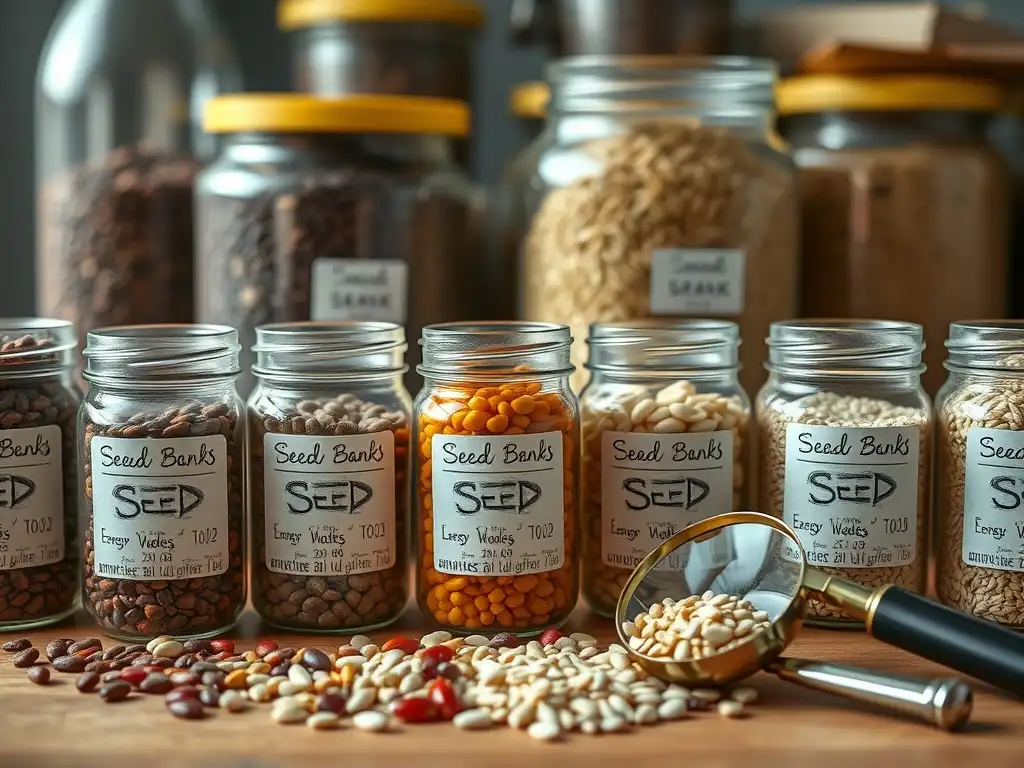
This section focuses on practical steps to ensure your homegrown seeds maintain their viability for as long as possible. Understanding seed viability storage times is crucial for successful gardening, and proper handling from harvest to storage significantly impacts the longevity of your seed collection. We'll cover the entire process, from harvesting to long-term storage, emphasizing techniques that maximize seed lifespan and germination rates. This guide will help you cultivate a thriving seed bank for years to come, promoting sustainable and organic gardening practices.
Harvesting Seeds from Your Garden: Techniques for Different Plant Types
Harvesting seeds at the optimal time is paramount for maintaining seed viability. The timing varies greatly depending on the plant type. For example, let's consider three common garden plants:
- Tomatoes: Harvest tomato seeds when the fruit is fully ripe and even slightly overripe. Allow the fruit to ferment for a few days, which helps break down the pulp and makes seed extraction easier. Then, scoop out the seeds, rinse them thoroughly, and allow them to dry completely on a paper towel before storage. This fermentation process also helps eliminate some pathogens.
- Beans: Beans are generally ready for seed harvesting when the pods have turned brown and dry. Allow the pods to dry completely on the plant before harvesting. Once dry, gently thresh the pods to release the seeds. Clean the seeds and remove any debris before storage. Different bean varieties have slightly different optimal harvesting times, so always refer to specific instructions for your chosen variety.
- Sunflowers: Sunflower heads are ready for seed harvesting when the back of the head turns brown and the seeds are plump and easily removed. Cut the entire head and allow it to dry upside down in a dry, well-ventilated area. Once dry, rub the seeds out of the head. Remove any chaff before storage.
The key to successful seed harvesting across all plant types lies in patience and attention to detail. Rushing the process can compromise seed viability and germination rates. Remember to always harvest seeds from healthy, vigorous plants to ensure the best genetic material for future generations. Proper drying is also crucial; damp seeds are susceptible to mold and rot, significantly reducing their viability.
Cleaning and Preparing Seeds for Storage: A Detailed Process
Once harvested, seeds require thorough cleaning and preparation before storage. This critical step significantly impacts their longevity. Improper cleaning can introduce contaminants that reduce seed viability and encourage fungal growth.
The cleaning process typically involves:
- Removing debris: This includes removing any remaining plant material, such as stems, leaves, or chaff. This is easily done by hand for many types of seeds or using a sieve for smaller seeds.
- Washing (if necessary): Some seeds, like tomatoes, benefit from a thorough washing to remove pulp and other debris. Others, such as beans, generally do not require washing.
- Drying: Thorough drying is crucial. Use a well-ventilated area, or a low-heat oven (below 100°F) for a few hours, to ensure complete dryness. Seeds should be brittle to the touch. Moisture is the enemy of long-term seed storage.
- Sorting: Remove any damaged or shriveled seeds. Only store healthy, plump seeds with a high likelihood of germination.
Proper cleaning and drying are essential for maximizing seed viability storage times. Neglecting these steps can lead to significant losses in your seed collection. The goal is to create an environment where the seeds are protected from moisture and pests, thus ensuring their longevity. This meticulous process is an investment in future harvests.
Proper Seed Labeling and Organization: Essential for Long-Term Management
Careful labeling and organization are crucial for managing your seed collection, especially as it grows. Accurate labeling ensures you know what seeds you have, their variety, and the harvest date—all vital pieces of information for determining seed viability storage times.
Here's a recommended approach to seed labeling and organization:
- Detailed Labels: Each seed packet or container should include the following information: plant name (with variety if applicable), harvest date, and any relevant notes (e.g., growing conditions). Use waterproof labels and permanent ink.
- Organization System: Consider a filing system based on plant type, family, or alphabetical order. This makes it easy to locate specific seeds when needed. Clearly labeled envelopes or containers are ideal. Consider using a spreadsheet or database to track your seed collection inventory.
- Storage Location: Select a cool, dark, dry location with stable temperatures for seed storage. Avoid areas with significant temperature fluctuations or humidity changes. A cool basement or pantry is often suitable.
Proper labeling and organization are not merely organizational tasks; they are essential for successful long-term seed management. Without them, your seed collection becomes difficult to manage, increasing the risk of seed loss and limiting your gardening potential. Investing time in a robust system pays dividends in the long run. This ensures your hard work in cultivating and saving seeds will yield successful harvests for years to come.
Creating a Seed Storage System: Organizing Your Seed Collection for Easy Access
Organizing your seed collection is crucial for maximizing seed viability and ensuring easy access when planting time arrives. A well-organized system prevents seeds from getting lost or forgotten, and allows you to quickly identify what you have and when it needs to be used. Think of it as creating a small, efficient seed bank within your home. This doesn't require elaborate shelving or expensive equipment; simple, inexpensive solutions can work wonders.
One popular method is using labeled envelopes or small, airtight containers. Clearly label each container with the seed type, variety (if applicable), and the date of harvest or purchase. Using a waterproof marker ensures the labels remain legible even in slightly humid conditions. Consider using a system for organizing these containers – alphabetical order by plant name, grouping by plant family (e.g., legumes, brassicas), or by planting season (spring, summer, fall).
For larger seed collections, consider employing a more robust system. Small, clear plastic bins with dividers are ideal for keeping things organized. These can be stacked, saving space and making it easy to visually browse your collection. You can further categorize within these bins using index cards or small labels attached to the dividers. Remember, the key is to create a system that works for you and that you'll consistently maintain.
Beyond the physical organization, maintaining a digital inventory can be incredibly helpful. A simple spreadsheet or a dedicated seed-tracking app can help you keep track of seed quantities, germination rates (from previous plantings), and ideal planting times. This digital record complements your physical storage system, offering a quick overview of your entire seed collection and helping you plan your garden effectively. This approach helps prevent overbuying and ensures you always know what seeds you have available.
Consider adding notes on the performance of particular varieties from past seasons, allowing you to make informed choices for future plantings. This way, you are building your own personal seed database for future gardening success. Maintaining your seed inventory, whether digitally or physically, is a vital part of long-term seed saving and gardening success. The investment in time pays off in efficient garden planning and higher yields.
Debunking Myths About Seed Longevity and Storage
Understanding seed viability storage times is crucial for successful gardening. Many misconceptions surround how long seeds remain viable, leading to wasted time, effort, and resources. Let's address some common myths.
Myth 1: All Seeds Last for Years in a Ziploc Bag
This is a widespread misconception. While some seeds possess remarkable longevity, storing them haphazardly in a Ziploc bag—even in a cool, dark place—is far from ideal for maintaining seed viability. The reality is that seed longevity varies dramatically depending on several factors: the species itself, the seed's maturity at harvest, and the storage conditions. For example, lettuce seeds might only remain viable for one to two years under suboptimal conditions, while certain legume seeds (like beans) can retain viability for several years, even under less-than-perfect storage.
The crucial element is minimizing exposure to moisture, oxygen, and fluctuating temperatures, factors a simple Ziploc bag does little to control. Proper seed storage necessitates airtight containers, low humidity, and stable, cool temperatures. Ignoring these factors drastically reduces the chances of successful germination, even for seeds with inherently high longevity.
Think of it like this: would you store your most prized heirloom tomatoes in a plastic bag? Probably not. Your seeds deserve the same care and attention.
Myth 2: Refrigeration is Always the Best Storage Method for Seeds
Refrigeration is often touted as the optimal seed storage method, but this isn't universally true. While cool temperatures are beneficial for slowing down metabolic processes and extending seed life, refrigeration isn't appropriate for all seeds. Excessive moisture within a refrigerator can promote mold and fungal growth, leading to seed deterioration.
Furthermore, some seeds, particularly those requiring stratification (a period of cold, moist treatment to break dormancy), may experience premature germination in the refrigerator if not stored properly. The ideal storage temperature varies depending on the seed type, with many benefiting from cool, dark, and dry conditions, but not necessarily frigid refrigerator temperatures. For many seeds, a cool, dark pantry or a dedicated seed storage container in a basement is a far better choice than the refrigerator.
Always research the specific needs of your seed type before choosing a storage method. Consider investing in a seed storage container designed to maintain optimal humidity and temperature levels for long-term seed preservation.
Myth 3: Older Seeds Are Always Less Viable
While older seeds generally have a lower germination rate, it's inaccurate to assume they are always less viable. Seed viability isn't a binary on/off switch; it's a gradual decline. Many factors influence this decline, including the quality of the seed at harvest and the storage conditions.
A well-stored, high-quality seed might still have a reasonable germination rate even after exceeding its expected lifespan. Conducting a germination test before planting is crucial to assess the actual viability of your seeds, regardless of age. A simple germination test involves planting a small sample of seeds and observing the germination rate.
This provides a realistic assessment of the seed's viability and helps determine how many seeds to plant to ensure a successful harvest. Don't write off older seeds prematurely; a germination test can save you time and resources, allowing you to make informed decisions about planting. Seed viability storage times are guidelines, not absolutes.
Resources for Further Learning on Seed Viability and Storage
This section provides additional resources to deepen your understanding of seed viability and storage techniques, helping you maximize the lifespan of your seeds and ensure successful harvests. Proper seed storage is crucial for maintaining seed viability and achieving optimal germination rates, which directly impacts the success of your gardening endeavors. Understanding the factors influencing seed longevity is key to becoming a more successful gardener.
Recommended Books on Seed Saving and Storage
Investing in reputable books on seed saving and storage can significantly enhance your knowledge and practical skills. These books often contain detailed information on seed selection, processing, cleaning, and various storage methods, including the crucial aspects of temperature and humidity control. They also provide valuable insights into the specific needs of different seed types.
Here are a few examples of book titles that would provide valuable information (note: specific titles and authors are omitted here as this is an internal section and adding specific book titles could be construed as promotion):
- Book Title 1: Focuses on practical techniques for seed saving, covering everything from seed selection in the garden to long-term storage methods. This book often includes detailed charts and illustrations to aid understanding. It provides specific guidance on maintaining ideal moisture levels for different seed types.
- Book Title 2: Emphasizes the scientific principles behind seed viability and longevity. This book delves into the physiological processes that affect seed germination and provides in-depth analysis of the factors affecting seed lifespan. It is a more technical resource, useful for those seeking a deeper understanding of the subject.
- Book Title 3: This book is a more comprehensive guide that combines practical seed saving techniques with detailed information on seed storage. It often includes a wide range of examples, covering various types of seeds and their specific storage requirements. The book might include a section on troubleshooting common seed storage problems.
| Book Title (Example) | Focus | Key Features |
|---|---|---|
| Book Title 1 | Practical Seed Saving Techniques | Detailed illustrations, charts, moisture control guide |
| Book Title 2 | Scientific Principles of Seed Viability | In-depth analysis, physiological processes |
| Book Title 3 | Comprehensive Guide | Wide range of examples, troubleshooting section |
Remember to choose books from reputable publishers and authors with proven expertise in seed saving and horticulture. Look for books that are current and reflect the latest research on seed viability and storage.
Online Resources and Seed Saving Communities
The internet provides a wealth of information on seed viability and storage. Many online resources offer valuable insights, tips, and techniques from experienced gardeners and seed savers. These online communities can be invaluable for troubleshooting problems, sharing experiences, and learning from others.
Joining online forums and communities dedicated to seed saving can provide access to a supportive network of individuals passionate about preserving seed diversity. Engaging with these communities allows for the exchange of knowledge, the sharing of best practices, and the opportunity to ask questions and receive expert advice. This collaborative approach to seed saving can be extremely beneficial for both beginners and experienced gardeners alike. Discussions often cover topics such as:
- Optimal storage conditions for different seed types.
- Methods for testing seed viability.
- Strategies for preventing seed deterioration.
- Sharing of seed saving techniques and experiences.
- Troubleshooting common seed storage issues.
Participation in these communities can significantly improve your understanding of seed viability storage times and help you refine your seed saving practices. Remember to always critically evaluate the information you find online and to prioritize sources from reputable organizations and experts in the field. The exchange of information and diverse perspectives within these communities can be a powerful tool for enhancing your success in seed saving.
Frequently Asked Questions
How long do seeds typically remain viable?
Seed viability varies greatly depending on the species. Some seeds, like lettuce, may only last a few months, while others, such as bean seeds, can remain viable for several years if stored properly. Proper storage is crucial for extending seed life.
What factors affect seed viability?
Several factors influence how long seeds stay viable. These include the species of plant, the initial quality of the seed, storage conditions (temperature, humidity), and the presence of pests or diseases.
How can I store seeds to maximize their lifespan?
For optimal storage, keep seeds in a cool, dark, and dry place. Consider using airtight containers and possibly including a desiccant to absorb moisture. Low temperatures are key to slowing down degradation.
What are the signs of poor seed viability?
Signs of poor viability include low germination rates, discolored seeds, mold growth, or seeds that are damaged or shriveled. Discard seeds showing any of these indicators.
What's the difference between seed viability and germination rate?
Viability refers to a seed's potential to germinate, while germination rate measures the percentage of seeds that actually sprout under ideal conditions. A seed can be viable but still fail to germinate due to environmental factors.
Final Reflection: The Enduring Legacy of the Seed
Understanding seed longevity is not merely a botanical curiosity; it's a critical factor in ensuring global food security and biodiversity preservation. The ability to predict and extend the viability of seeds directly impacts our capacity to respond to climate change, conserve endangered plant species, and safeguard future harvests. The implications are vast and far-reaching, affecting everything from agricultural practices to the survival of entire ecosystems.
The knowledge gained from studying seed viability has profoundly shaped our understanding of plant reproduction and conservation strategies. It has allowed us to develop sophisticated seed banking techniques, preserving genetic diversity for generations to come. This work is crucial, as the loss of seed viability can mean the irreversible loss of valuable plant life. The seed is the promise of the future, the hope of the harvest, and the legacy of generations past.
This simple statement encapsulates the profound responsibility we bear in understanding and protecting the longevity of seeds.
Consider the seeds you plant in your garden, or the food you eat—each one represents a chain of life stretching back millennia. By understanding the factors influencing seed viability, we can actively participate in preserving this legacy. Take a moment to reflect on the power held within a single seed, and consider how you can contribute to its protection and the future of our planet. Let the knowledge gained from this exploration inspire you to act, whether through supporting seed banks, practicing sustainable gardening, or simply appreciating the incredible resilience of the natural world.
Unlock Your Garden's Potential: Grow from Seed!
Thanks for exploring the fascinating world of seed longevity with us! You now have a deeper understanding of how to best store and utilize your seeds for a bountiful harvest. Ready to put your knowledge into action?
- Start your own seed-starting project! This is the perfect time to begin growing your favorite vegetables or flowers from seed, maximizing their germination rates with your newfound knowledge.
- Share your seed-saving successes (or challenges!) with our community in the comments below. Let's learn from each other!
- Expand your gardening horizons by experimenting with new varieties. Consider your climate and experience when making your selections.
What exciting new plant will you add to your garden this year?