
Backyard Chicken Laws: What You Need to Know

Ready to transform your backyard into a thriving ecosystem? At CultivateYourFood, we empower you to grow your own food organically and sustainably. But what about adding another layer to your homegrown harvest? Learn about the often-overlooked yet crucial topic of Backyard Chicken legal requirements – understanding the regulations is the first step towards reaping the rewards of fresh eggs and enriching your garden. Discover how to navigate local ordinances and begin your journey towards a truly integrated and productive backyard. Let's get started!
- Understanding Backyard Chicken Legal Requirements
- Permits and Licenses for Raising Chickens at Home
- Number of Chickens Allowed: Restrictions and Limitations
- Coop Requirements and Setbacks
- Noise and Odor Control Regulations
- Predatory Animal Control and Biosecurity
- Slaughter and Disposal of Chickens
- Resources and Further Information
- Frequently Asked Questions
- Final Reflection: Cultivating Community, One Hen at a Time
- Unlock Your Backyard Flock: Start Your Chicken-Keeping Journey Today!
Understanding Backyard Chicken Legal Requirements
Raising backyard chickens offers numerous benefits, from fresh, organic eggs to natural pest control in your garden. However, before you welcome feathered friends to your property, it's crucial to understand the legal landscape surrounding backyard poultry keeping. This guide navigates the complexities of backyard chicken laws, ensuring you're well-informed and compliant with local, state, and county regulations. Failing to comply can result in fines, the removal of your chickens, and even legal action.
Therefore, thorough research is essential before embarking on this rewarding yet potentially legally complex endeavor. We'll explore the key aspects of backyard chicken legality, highlighting the significant differences between local, state, and county regulations to help you successfully integrate chickens into your sustainable gardening practices. Let's delve into the specifics to ensure your backyard flock thrives legally and ethically.
Local Ordinances and Zoning Regulations: Key Differences
Navigating backyard chicken legalities often begins at the local level. Local ordinances and zoning regulations significantly impact your ability to keep chickens. These regulations can vary drastically even within a single city or town. For example, some municipalities may allow a limited number of hens but prohibit roosters due to noise concerns.
Others might restrict the size of chicken coops or mandate specific setback distances from property lines. Crucially, zoning regulations can also influence your ability to keep chickens, particularly if your property falls within a specific zoning district that restricts agricultural activities. Always check your city or town's official website for the most up-to-date ordinances and zoning maps.
Contacting your local government's planning or animal control department directly is also highly recommended to confirm current regulations and obtain any necessary permits. Failure to obtain necessary permits can lead to fines and the potential removal of your chickens. Remember to document all communication and approvals for your records.
State Laws Governing Backyard Poultry
While local ordinances often take precedence, state laws also play a significant role in regulating backyard chicken keeping. Some states have statewide regulations that either explicitly permit or prohibit backyard chickens. Other states might leave the decision to individual municipalities, creating a patchwork of regulations across different counties and cities. State laws might cover aspects such as the maximum number of chickens allowed, required coop specifications, and disease control measures.
Researching your state's agricultural department website is a vital step. Look for specific guidelines or statutes related to backyard poultry. This research will provide a foundational understanding before you delve into local regulations. Remember that state laws provide a framework; local ordinances often add more specific requirements.
County-Specific Regulations for Chicken Keeping
County regulations can add another layer of complexity to backyard chicken keeping. Even within a state that permits backyard chickens, individual counties may have their own ordinances that further restrict or modify the state's guidelines. These county-level regulations might address issues such as noise complaints, coop size limitations, and manure management. It's essential to check your county's official website or contact the county's agricultural extension office or animal control department for detailed information.
This step is critical, as county regulations often dictate the specifics that determine whether your chicken-keeping plans are compliant. Ignoring county-specific rules can result in legal issues, even if you are compliant with state and local regulations. Thorough research at all levels is crucial for successful and legal backyard chicken keeping. 🐔
Permits and Licenses for Raising Chickens at Home
Raising backyard chickens, while rewarding, often involves navigating a maze of local regulations. Understanding your area's specific backyard chicken legal requirements is crucial before you even think about buying chicks. These requirements vary significantly depending on your location – from city to county to even specific neighborhood ordinances. Failure to comply can result in fines or even the forced removal of your flock. This section details the process of obtaining the necessary permits and licenses, understanding application processes and fees, and ensuring ongoing compliance.
Obtaining Necessary Permits: A Step-by-Step Guide
Securing the proper permits for raising chickens usually involves a multi-step process. First, you need to identify the relevant governing body. This might be your city council, county agricultural department, or even a homeowner's association, depending on your residential setup. Their websites are often the best starting point for information on backyard chicken legal requirements. Look for keywords like "urban agriculture," "livestock ordinances," or "poultry permits."
Once you've identified the correct authority, carefully review their specific requirements. This might include:
- Number of chickens allowed: Many jurisdictions limit the number of hens you can keep per property. Roosters are often prohibited due to noise complaints.
- Coop size and construction: Regulations often specify minimum coop size per bird, materials allowed (e.g., no plywood), and distance requirements from property lines.
- Run size and fencing: Adequate outdoor space for your chickens is typically mandated, along with secure fencing to prevent escapes.
- Waste management plan: You'll likely need to demonstrate a plan for managing chicken manure, often involving composting.
- Noise level mitigation: Strategies to minimize noise complaints from neighbors might be required.
After gathering all necessary information, you'll typically need to complete an application form. This often involves providing details about your property, the number of chickens you intend to keep, and your waste management plan. Accurate and complete application submission is crucial for a smooth approval process. Remember to keep copies of all submitted documents for your records. Failure to provide complete information can lead to delays or rejection.
Understanding Application Processes and Fees
The application process can vary widely. Some jurisdictions may offer online applications, while others may require in-person submission. Processing times also differ, ranging from a few days to several weeks. It’s crucial to check the specific timeline provided by your local authority.
Associated fees are another important consideration. These fees can vary substantially depending on your location and the complexity of the application. Some jurisdictions may charge a one-time permit fee, while others may have annual renewal fees. It's essential to budget for these expenses upfront to avoid unexpected costs. Don't hesitate to contact the relevant authority directly to inquire about current fees and payment methods. Transparency regarding fees is essential for responsible urban farming.
Renewal Procedures and Compliance Requirements
Once your permit is granted, it's not a one-time deal. Many areas require annual or periodic renewals. This usually involves a simple process, often with a renewal fee. However, be aware that continued compliance with the initial conditions outlined in your permit is mandatory.
Regular inspections might be conducted to ensure adherence to regulations. These inspections might focus on coop maintenance, waste management practices, and the overall health and well-being of your flock. Failure to maintain compliance could result in fines, suspension, or revocation of your permit. Therefore, proactive maintenance and record-keeping are crucial. Maintain detailed records of your coop maintenance, waste management practices, and any interactions with local authorities. This documentation can prove invaluable should any compliance issues arise. Proactive compliance demonstrates responsible poultry keeping and contributes to a positive relationship with your local authorities.
Number of Chickens Allowed: Restrictions and Limitations
Raising backyard chickens offers numerous benefits, from fresh, organic eggs to natural pest control. However, before you welcome feathered friends to your property, understanding local regulations regarding the number of chickens permitted is crucial. These restrictions vary significantly depending on your location, and neglecting to research them could lead to fines or even the forced removal of your flock. This section delves into the key factors influencing chicken population limits, empowering you to navigate the legal landscape successfully.
Zoning Regulations and Density Limits
Zoning regulations are the cornerstone of backyard chicken ordinances. These regulations, established at the municipal or county level, often specify the maximum number of chickens allowed per property. Some areas may have outright bans, while others might permit a small number, perhaps four or six hens, with roosters often prohibited entirely. These limits are frequently tied to property size, but not always.
For example, a city might allow a maximum of four hens regardless of lot size, while a more rural area might base limits on a ratio of chickens per acre. It's vital to consult your local zoning department or city hall to obtain the precise regulations for your specific address. Failing to do so could result in costly violations. Remember to check for any updates or amendments to the ordinances, as these can change.
To illustrate the variability, consider these hypothetical examples: City A might allow a maximum of two hens per household, regardless of lot size, while City B, with larger lot sizes, might permit up to six hens per quarter acre. This highlights the importance of a thorough investigation before purchasing chicks.
Property Size and Chicken Population Ratios
Many jurisdictions link the permissible number of chickens to the size of the property. This approach is often considered fairer, as it takes into account the available space for the birds to roam and minimize potential nuisances for neighbors. These ratios can vary greatly, ranging from one chicken per 100 square feet to one chicken per 1,000 square feet or even higher. Some areas might use acreage as the basis for calculation. For instance, a regulation might state that no more than one chicken per 500 square feet of yard space is allowed.
Consider a 10,000 square foot lot. Under the first example (1 chicken per 100 sq ft), you could have 100 chickens. However, under the second example (1 chicken per 1000 sq ft), you would be limited to only 10 chickens. This emphasizes the critical need to carefully calculate your property's size and check your local zoning regulations to determine the maximum number of chickens allowed. Incorrect calculations could easily lead to legal issues. It's always better to err on the side of caution and have fewer chickens than the maximum permitted.
Impact on Neighbors and Community Considerations
Even if your local ordinances allow a certain number of chickens, you must still be mindful of your neighbors and the overall community. Noise complaints, odor issues, and escaped chickens are common sources of conflict. Proactive measures such as constructing a well-maintained coop and run, implementing effective odor control strategies (proper composting and cleaning), and ensuring your coop is secure can significantly mitigate these potential problems. Good communication with your neighbors before getting chickens can also go a long way in fostering positive relationships and preventing future disagreements.
Building a strong rapport with your neighbors demonstrates responsibility and helps establish a harmonious coexistence. Remember, responsible chicken ownership is essential for maintaining a positive community environment. Consider offering your neighbors fresh eggs as a gesture of goodwill – a small act that can go a long way in building positive relationships.
Coop Requirements and Setbacks
This section details the legal stipulations surrounding chicken coop construction and placement, crucial aspects of backyard chicken keeping. Understanding these requirements ensures compliance with local ordinances and promotes harmonious coexistence with neighbors. Failure to meet these standards can result in fines or even the removal of your flock. Remember, specific regulations vary significantly by location; always check your local government's website or contact your zoning department for precise details regarding backyard chicken legal requirements.
Minimum Coop Size and Construction Standards
The minimum size of your chicken coop is directly related to the number of birds you intend to keep. Overcrowding leads to stress, disease, and poor egg production – not to mention potential code violations. Many municipalities specify a minimum square footage per bird, often ranging from 2-4 square feet per hen. For example, a city might mandate at least 8 square feet for four hens. This measurement typically refers to the interior floor space of the coop, excluding roosting bars or nesting boxes.
Beyond size, construction standards often dictate materials and structural integrity. Coops must be durable enough to withstand the elements and protect your birds from predators. Common requirements include:
- Solid floors: To prevent digging and escape.
- Predator-proof construction: Secure walls and roofing materials to deter raccoons, foxes, and other animals. This might involve using wire mesh, solid wood, or other robust materials.
- Proper ventilation: To prevent ammonia buildup and maintain a healthy environment. Ventilation should be adequate but also protect from drafts and extreme weather.
- Easy cleaning: A design that allows for straightforward cleaning and sanitation to prevent disease. This often involves easily accessible droppings boards or trays.
Failure to meet these standards can lead to citations. For instance, a coop constructed with substandard materials, offering inadequate protection against predators, or lacking proper ventilation, might be deemed non-compliant. Consult your local building codes for specific details on permitted materials and construction techniques.
Setback Distances from Property Lines and Neighbors' Homes
Setback requirements dictate the minimum distance a coop must be from property lines and neighboring homes. These regulations aim to minimize potential nuisances for neighbors and maintain property aesthetics. Typical setback distances vary widely, ranging from 5 to 25 feet or more from property lines and neighboring structures. Some jurisdictions may also have restrictions on the coop's distance from streets or other public areas.
Consider these points when planning your coop placement:
- Local ordinances: Always check your local zoning ordinances for precise setback requirements. These regulations are often detailed in local building codes or zoning documents.
- Neighborly relations: Even if technically compliant, maintaining a respectful distance and open communication with neighbors can prevent future conflicts. Proactive engagement can significantly contribute to positive community relations.
- Property features: Take into account existing structures, trees, and other features on your property when determining coop placement. Careful planning minimizes potential conflicts with existing landscaping or structures.
Ignoring setback requirements can result in fines or legal action from neighbors or the local government. Accurate measurement and careful planning are essential to ensure compliance.
Run Size and Fencing Regulations
The size of your chicken run is another critical factor subject to legal regulations. Similar to coop size, the run's area per bird is often regulated to prevent overcrowding and ensure the birds' welfare. Minimum square footage per bird often complements or exceeds the coop's minimum square footage requirement. For instance, a municipality might require 8 square feet per hen in the coop and a further 10 square feet per hen in the run.
Fencing requirements are equally important, focusing on material, height, and construction. Regulations often mandate secure fencing to prevent escapes and protect the birds from predators. Common requirements include:
- Height: Sufficient height to prevent birds from flying out and predators from entering. Minimum heights are usually specified, often ranging from 4 to 6 feet.
- Materials: Durable materials such as wire mesh, strong netting, or wood are often required. The mesh size is frequently specified to prevent escapes and deter small predators.
- Secure base: The fence should have a secure base to prevent digging. This might involve burying a portion of the fencing or using hardware cloth below ground level.
Failure to provide adequate and compliant fencing can lead to penalties and compromise the safety and well-being of your flock. Consider consulting with a fencing professional to ensure compliance with local regulations and to create a safe and effective enclosure for your chickens. Remember to always prioritize the well-being of your birds and adhere to all applicable backyard chicken legal requirements.
Noise and Odor Control Regulations
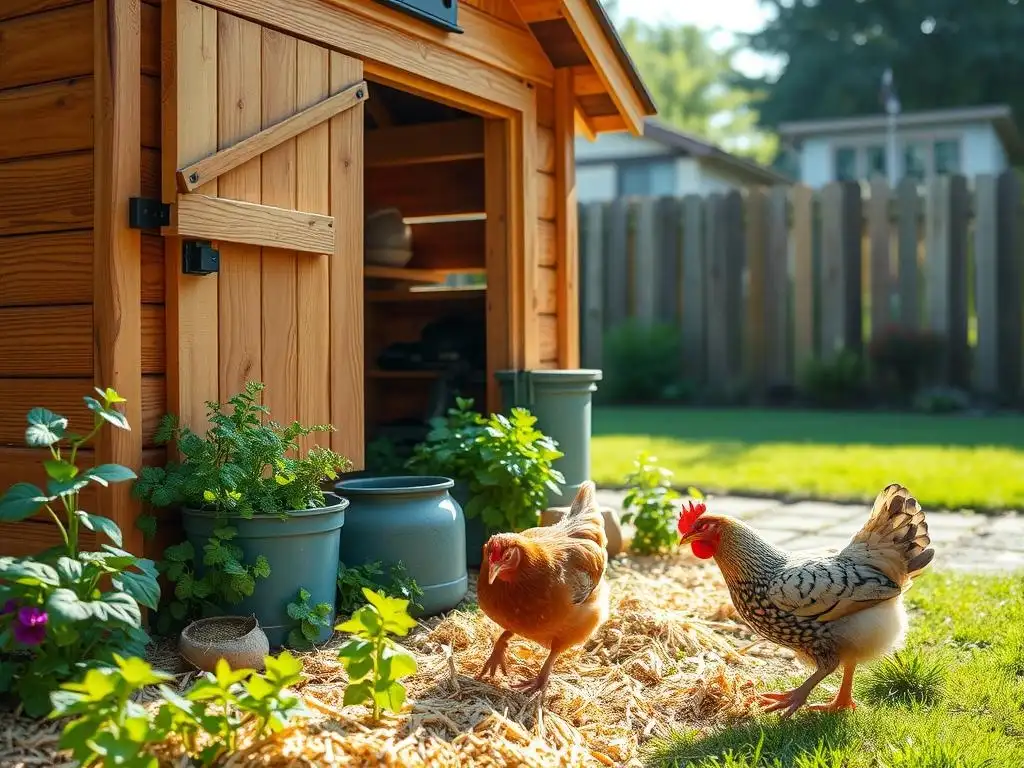
Raising backyard chickens, while offering the rewards of fresh eggs and natural pest control, necessitates careful consideration of potential nuisances like noise and odor. Many municipalities have specific regulations designed to mitigate these impacts on neighbors. Understanding and adhering to these local ordinances is crucial for responsible chicken keeping and avoiding potential conflicts. Failure to comply can result in fines, cease-and-desist orders, or even the removal of your flock.
The specific regulations vary significantly depending on your location – from city to county to even specific zoning districts within a city. Therefore, proactive research into your specific local laws regarding backyard chickens is paramount. This includes checking your city's website, contacting your local planning department, or attending a city council meeting to ask questions directly. Don't rely on hearsay or assumptions – always verify information from official sources.
This proactive approach will ensure a harmonious coexistence between your chickens and your community. This section will delve into common noise and odor regulations and provide practical strategies for compliance. The key is proactive planning and responsible chicken keeping.
Mitigation Strategies for Noise Pollution from Chickens
Chicken noise is a common concern amongst neighbors. While some clucking is unavoidable, proactive measures can significantly reduce noise levels. The key strategies revolve around coop placement, coop design, and flock management.
- Strategic Coop Placement: Positioning your coop away from neighboring properties minimizes noise transmission. Consider natural barriers like trees or fences to further dampen sound. A distance of at least 50 feet from property lines is often recommended, but check your local ordinances for specific requirements.
- Coop Design: A well-designed coop minimizes noise. Solid construction using sound-dampening materials can absorb noise. Proper ventilation is essential, but noisy vents should be avoided or modified. Using sound-absorbing materials like insulation within the walls and roof can also dramatically reduce the transmission of noise.
- Flock Management: The size of your flock directly impacts noise levels. A smaller flock generally produces less noise. The breed of chicken also plays a role; some breeds are known to be quieter than others. Regular health checks and prompt attention to any health issues can also prevent distress calls that contribute to excessive noise. Finally, providing ample space within the run allows chickens to spread out and prevents overcrowding-induced stress, a major contributor to excessive noise.
Managing Odor from Chicken Coops and Runs
Odor control is another critical aspect of responsible backyard chicken keeping. Unpleasant smells can quickly become a point of contention with neighbors. Effective odor management is achieved through diligent cleaning, proper bedding, and responsible waste disposal.
- Regular Cleaning: Regular and thorough cleaning of the coop and run is essential. Remove droppings daily to minimize ammonia buildup, a primary source of unpleasant chicken coop odors. Deep cleaning should be performed at least once a month, involving a complete removal of bedding and a thorough scrubbing of all surfaces. Using disinfectants specifically designed for livestock can help eliminate bacteria and reduce odors.
- Bedding Management: Using appropriate bedding materials is crucial for odor control. Deep litter methods, utilizing layers of wood shavings or straw, help absorb moisture and break down droppings, reducing odor. Regularly adding fresh bedding and removing soiled material maintains a dry and odor-free environment. Avoid using materials that retain moisture, such as newspaper or cardboard.
- Waste Disposal: Proper disposal of chicken manure is critical. Composting chicken manure is an excellent way to recycle waste and create valuable fertilizer for your garden, but proper composting techniques are essential to minimize odor. Turning the compost pile regularly and ensuring adequate aeration are key steps to prevent odor buildup. Alternatively, you can bag and dispose of manure according to your local waste management regulations.
Compliance with Local Noise and Odor Ordinances
Before acquiring chickens, thoroughly research and understand your local ordinances concerning noise and odor regulations for backyard chickens. These ordinances often specify maximum flock sizes, distance requirements from property lines, and noise level limits. Some municipalities may even have specific requirements for coop construction or waste management. Failure to comply with these regulations can result in fines, legal action, and the potential removal of your chickens.
Your local government's website is the best place to find these specific regulations. You can also contact your local planning or zoning department for clarification and to obtain a copy of the relevant ordinances. Keep a copy of the ordinances on hand for reference, and always strive to be a responsible and considerate chicken keeper, prioritizing good neighbor relations. Proactive compliance ensures a peaceful and productive coexistence with your feathered friends and your community.
Predatory Animal Control and Biosecurity
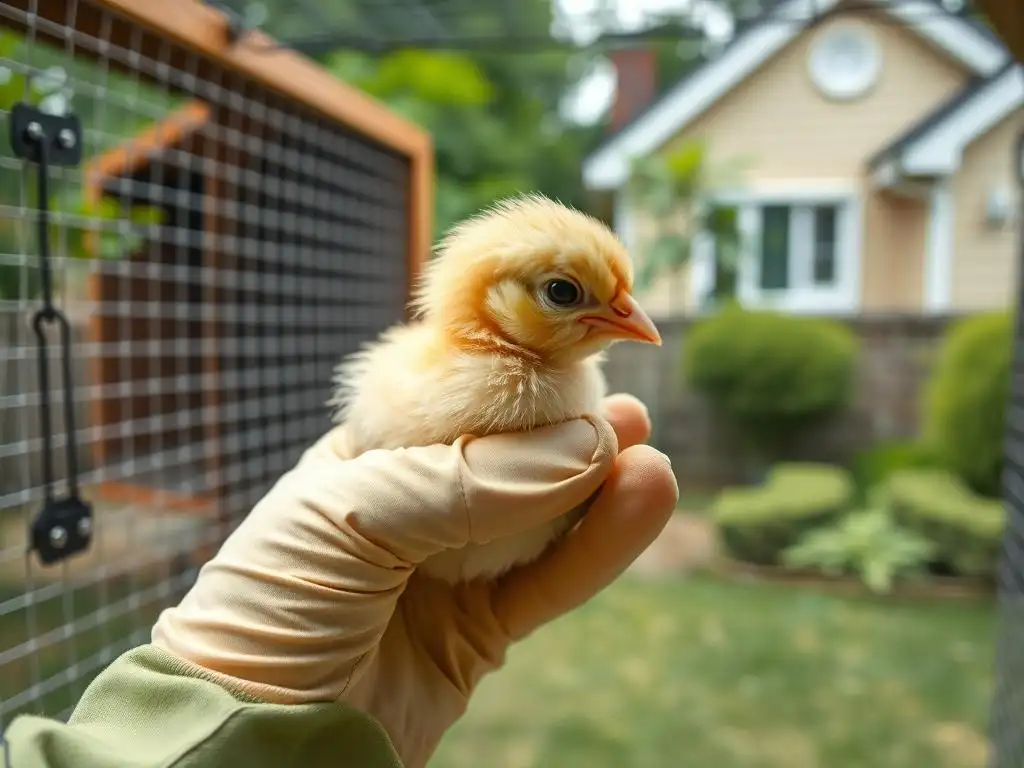
This section delves into the crucial aspects of predator control and biosecurity when keeping backyard chickens, aligning with the legal requirements often associated with "Backyard chicken legal requirements." Failing to address these issues can lead to significant losses and potential legal repercussions. Proper management is essential for both the well-being of your flock and compliance with regulations.
Regulations Regarding Predator Prevention Measures
Many jurisdictions have specific regulations regarding predator control methods. These regulations often aim to balance the needs of chicken keepers with the protection of wildlife and the prevention of cruelty to animals. For example, some areas may prohibit the use of certain traps or poisons, while others may require specific permits for using lethal control methods. Understanding these local ordinances is paramount. Check with your local animal control authorities or agricultural extension office for details on permitted and prohibited methods. Failure to comply could result in fines or even the confiscation of your birds.
The specific regulations vary widely depending on location. Some common restrictions might include:
- Prohibition of certain traps: Some jurisdictions may ban the use of inhumane or indiscriminate traps, such as snare traps.
- Restrictions on poisons: The use of rodenticides and other poisons may be highly regulated or completely prohibited due to their potential impact on non-target animals.
- Requirements for fencing: Many areas may require specific types of fencing to deter predators, including minimum heights and materials. This could be a critical aspect of your "Backyard chicken legal requirements" research.
- Permit requirements for lethal control: In some cases, you might need a permit to use lethal methods, such as shooting predators.
It's crucial to document your predator control measures and keep records of any actions taken. This documentation can be essential if you face any legal challenges related to your flock. Remember, proactive predator management is significantly more effective and humane than reactive measures.
Biosecurity Protocols to Prevent Disease Spread
Maintaining strong biosecurity protocols is not only ethically responsible but also a legal necessity in many areas. The spread of avian diseases can have severe consequences, impacting both your flock and potentially the wider poultry population. Neglecting biosecurity measures can lead to legal penalties. Understanding and implementing these protocols is crucial for the long-term health and survival of your backyard chickens and falls under the umbrella of "Backyard chicken legal requirements."
Effective biosecurity involves several key steps:
- Quarantine new birds: Newly acquired birds should always be quarantined for a period of at least 30 days before integrating them with your existing flock. This helps prevent the introduction of diseases.
- Regular cleaning and disinfection: Regularly clean and disinfect your chicken coop and run to eliminate pathogens and parasites. Use appropriate disinfectants and follow the manufacturer's instructions carefully.
- Pest control: Regularly monitor and control pests such as rodents and insects, which can carry diseases. Employ humane and environmentally friendly methods.
- Footbaths: Place footbaths containing disinfectant at the entrance to the coop to help prevent the introduction of pathogens.
- Visitor protocols: Restrict access to your coop to essential personnel and ensure that visitors follow proper hygiene practices, such as washing their hands and wearing clean clothing.
Failure to adhere to these biosecurity protocols can lead to outbreaks of disease, potentially resulting in significant losses and legal ramifications. Proactive biosecurity is far more cost-effective and less stressful than dealing with an outbreak.
Compliance with Local Animal Health Regulations
Compliance with local animal health regulations is a non-negotiable aspect of responsible backyard chicken keeping. These regulations often cover aspects such as vaccination requirements, disease reporting, and record-keeping. Understanding and adhering to these regulations is vital to avoid potential fines and legal issues. This aspect is directly related to the core search term, "Backyard chicken legal requirements."
Specific regulations vary widely depending on your location, but common requirements might include:
- Vaccination requirements: Some areas may mandate vaccinations for certain diseases.
- Disease reporting: You may be legally required to report any suspected cases of avian disease to the appropriate authorities.
- Record-keeping: Maintaining accurate records of your flock, including vaccination records and any disease outbreaks, is essential.
- Permits and licenses: In some areas, you may need permits or licenses to keep backyard chickens. These permits often include specific conditions that you must meet.
Regularly check with your local animal health authorities or agricultural extension office for updates on regulations and best practices. Proactive compliance demonstrates responsible ownership and helps prevent legal complications. Remember, ignorance of the law is not a defense. Thorough research into your local "Backyard chicken legal requirements" is crucial before you start.
Slaughter and Disposal of Chickens
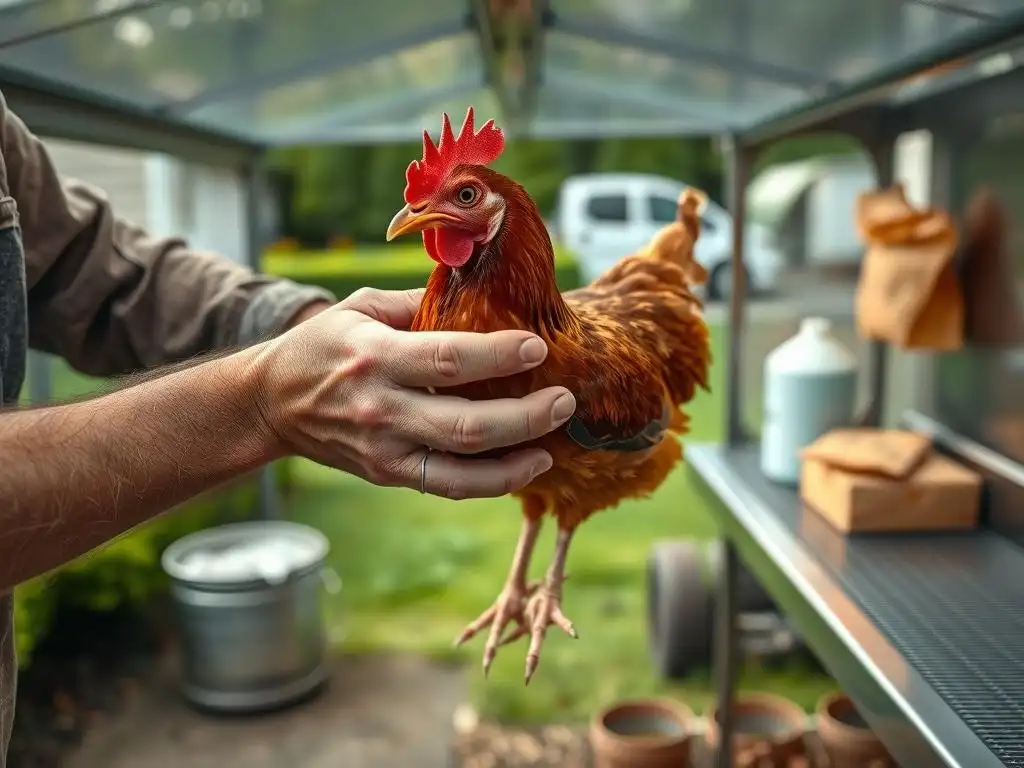
Raising backyard chickens for eggs and pest control inevitably leads to the question of what to do when a hen is no longer laying, is sick, or has reached the end of its productive life. Understanding the legal and practical aspects of chicken slaughter and disposal is crucial for responsible backyard farming. This section addresses the legal requirements and proper methods for handling this sensitive aspect of chicken keeping.
Ignoring these steps can lead to fines and environmental issues. Properly managing the end-of-life cycle for your chickens is a key component of responsible backyard chicken farming and aligns with the principles of sustainable living.
Local Regulations on On-Site Slaughter
Before even considering slaughtering a chicken on your property, you must check your local ordinances. Many municipalities have specific regulations regarding on-site slaughter of poultry. These regulations can vary significantly, depending on location, zoning, and even the size of your flock. Some areas may completely prohibit on-site slaughter, while others may allow it under specific conditions, such as requiring a licensed processor or adhering to strict sanitation guidelines. Failure to comply can result in hefty fines.
To determine your local regulations on on-site poultry slaughter, you should:
- Contact your local animal control department.
- Review your city or county's zoning ordinances.
- Check your homeowner's association rules (if applicable).
Researching these aspects is paramount; ignorance of the law is not a valid excuse for non-compliance. Understanding the specific "Backyard chicken legal requirements" in your area is essential for responsible and legal poultry keeping. Remember to document your findings for future reference.
Proper Disposal Methods for Chicken Carcasses
Once a chicken has been humanely slaughtered, proper disposal of the carcass is essential to prevent the spread of disease and attract unwanted pests. Improper disposal can lead to environmental contamination and attract vermin, negating the benefits of having chickens for pest control in the first place.
Several disposal methods exist:
- Composting: If allowed by your local regulations, composting chicken carcasses is a sustainable option. However, it requires careful management to prevent attracting pests and ensure proper decomposition. You'll need a large, well-ventilated compost bin and should bury the carcass deeply within the compost pile, mixing it thoroughly with other organic materials. The composting process should be monitored closely to prevent unpleasant odors and ensure proper breakdown.
- Burial: Burial is another option, but it needs to be done correctly. Dig a deep hole (at least 2-3 feet deep) away from water sources and bury the carcass. Cover the burial site with soil and avoid disturbing the area.
- Rendering: Some areas offer rendering services, where animal carcasses are processed for use in pet food or other products. This is a clean and efficient method, but may require transporting the carcass to a designated facility.
The best method will depend on local regulations and your personal capabilities. Always prioritize sanitation and environmental responsibility. Failure to dispose of carcasses properly can lead to health hazards and attract unwanted pests, undermining your efforts to maintain a healthy and sustainable garden environment.
Compliance with Local Waste Management Regulations
Proper disposal of chicken carcasses is not just about preventing pests and disease; it's also about complying with local waste management regulations. Many areas have specific rules regarding the disposal of animal waste, including chicken carcasses. These regulations are often designed to protect public health and the environment.
To ensure compliance, it is crucial to:
- Familiarize yourself with your local waste management regulations, including any restrictions on disposing of animal carcasses in landfills or through other waste collection services.
- If unsure about the proper disposal method, contact your local waste management department for clarification. This proactive approach avoids potential penalties and protects the environment.
- Maintain records of disposal methods used for your chickens, in case of any future inquiries from local authorities.
Understanding and adhering to these regulations is a crucial part of responsible backyard chicken keeping. It's not just about raising chickens; it's about being a responsible member of your community and preserving your local environment. By following these guidelines, you can ensure your backyard chicken operation aligns with both the spirit and the letter of the "Backyard chicken legal requirements".
Resources and Further Information
Navigating the legal landscape of backyard chicken keeping can feel overwhelming, but access to the right resources can significantly simplify the process. Understanding your local ordinances is crucial for responsible and compliant chicken ownership. This section outlines various avenues for obtaining the necessary information to ensure your backyard flock thrives within legal parameters. Remember, these regulations can vary significantly by location, so thorough research is essential. This information is vital for anyone searching for "backyard chicken legal requirements."
The most reliable source of information regarding backyard chicken legal requirements is your local government. This often involves contacting several departments:
- Your city or town hall: Start here. They will likely direct you to the relevant department dealing with animal ordinances or zoning regulations.
- County agricultural extension office: These offices frequently provide guidance on agricultural practices, including poultry keeping, and can offer insights into local regulations.
- Your local health department: Health departments are concerned with food safety and sanitation, so they may have specific regulations regarding backyard chickens, especially concerning egg production and waste disposal.
Don't hesitate to call multiple departments. It's not uncommon for responsibilities to overlap. Be prepared to provide your address to receive the most accurate information. When you contact these authorities, be polite and specific in your questions. For instance, instead of asking "Can I have chickens? ", ask, "What are the specific regulations regarding backyard chickens in my area, including coop size requirements, maximum number of birds allowed, and any zoning restrictions?" Keep detailed records of your conversations, including dates, names, and key information discussed.
Accessing Online Resources and Databases for Chicken Keeping Regulations
While contacting local authorities is vital, online resources can provide a preliminary overview of potential regulations. However, always remember that online information should be considered supplemental and never a replacement for official local guidelines. Some helpful starting points could include:
- Your state's department of agriculture website: Many state agricultural departments offer resources and links to local ordinances. They may have general guidelines on poultry keeping, which can give you a starting point for your research.
- Online legal databases: While often requiring a subscription, some legal databases may allow public access to local ordinances. These can be extremely helpful in finding specific zoning regulations related to livestock.
- Local government websites: Many cities and counties publish their ordinances online. Search their websites using keywords like "animal ordinances," "poultry," "chickens," or "zoning regulations."
Remember to always verify any information found online with your local authorities. Regulations change frequently, and online information may be outdated. The reliability of online sources can vary greatly, so it's crucial to cross-reference information from several reputable sources.
Finding Support from Local Chicken Keeping Communities
Connecting with other backyard chicken keepers in your area can be invaluable. They can share their experiences, offer advice on navigating local regulations, and provide support throughout the process. Consider these options:
- Online forums and social media groups: Search for local chicken keeping groups on Facebook, Nextdoor, or other social media platforms. These groups often provide a wealth of information on local ordinances and best practices.
- Local farmers' markets and agricultural events: These events are excellent opportunities to meet experienced chicken keepers and ask questions about their experiences.
- Local agricultural organizations: Many local organizations focus on sustainable agriculture and may have resources or connections to other chicken keepers.
Remember to approach these communities with respect and a willingness to learn. They can be an excellent source of practical advice and support, especially for navigating the complexities of "backyard chicken legal requirements." Engaging with these communities allows you to learn from the experiences of others and build a network of support within your local area. The collective knowledge within these groups can often provide invaluable insights and help you successfully navigate the legal requirements in your specific location.
Frequently Asked Questions
Are backyard chickens legal in my city?
This depends entirely on your local ordinances. Check your city's website or contact your local animal control or planning department to find out. Regulations vary widely.
What are the typical restrictions on backyard chickens?
Many cities limit the number of hens you can keep (often 4-6), prohibit roosters due to noise, and may require a certain amount of space per bird. Coop size and construction standards are also common.
Do I need a permit to keep backyard chickens?
Some cities require a permit or license before you can keep chickens. Others may not, but it's crucial to check your local regulations to avoid fines or legal issues. The application process and fees vary widely.
What about zoning regulations and my property?
Your property's zoning classification might impact whether you can keep chickens. Residential zoning often has specific rules regarding livestock. Consult your local zoning department for details.
What are the common penalties for violating backyard chicken laws?
Penalties can range from warnings and fines to the confiscation of your birds. Ignoring local ordinances can result in significant legal repercussions. Always follow local animal control regulations.
Final Reflection: Cultivating Community, One Hen at a Time
The rise of backyard chickens reflects a growing desire for self-sufficiency and a deeper connection to our food sources, yet navigating the legal landscape remains a crucial hurdle for aspiring urban farmers. This seemingly simple act of raising chickens speaks volumes about our evolving relationship with nature, community, and the very food we consume. The complexities of local ordinances highlight the need for informed engagement and proactive participation in shaping our urban environments.
The impact of backyard chicken ordinances extends far beyond individual households; they shape the character of our neighborhoods and influence community dynamics. These regulations, often debated and contested, reveal the tensions between individual freedoms and collective well-being. The very act of researching and understanding these laws fosters a sense of civic engagement and empowers individuals to advocate for their interests within their communities. The best way to find yourself is to lose yourself in the service of others,
– Mahatma Gandhi. This quote, while seemingly unrelated at first glance, speaks to the collaborative spirit needed to navigate the complexities of backyard chicken keeping and build stronger, more resilient communities.
Consider the implications of your own actions. Do you support responsible urban farming initiatives? Are you willing to advocate for changes in local ordinances that promote sustainable practices? Take the time to understand your local regulations, engage with your community, and perhaps even become a voice for those seeking to connect with nature through the simple joy of raising backyard chickens. The future of urban agriculture, and the vibrant communities it fosters, depends on our collective commitment to thoughtful action and informed participation.
Unlock Your Backyard Flock: Start Your Chicken-Keeping Journey Today!
Thank you for learning about backyard chicken regulations! You're now equipped to understand the rules and make informed decisions. Ready to enjoy fresh eggs and happy hens?
- Research your local ordinances: This is the most important step! Check your city and county websites for poultry-keeping regulations. Ensure you have the latest information.
- Share this article: Help your community avoid common mistakes by spreading this vital information.
- Design your ideal chicken coop: Consider your climate, available space, and the chicken breeds you prefer. Let your creativity shine!
What unique aspects of your local area affect chicken keeping? Let's discuss!