
CultivateYourFood's Analysis: Understanding Greenhouse UV Protection & Durability

Welcome to CultivateYourFood, your guide to nurturing a thriving home garden! Are you ready to unlock the secrets to bountiful harvests? We delve into the crucial aspects of sustainable gardening, from seed to table. But first, let's address a critical element for maximizing your yield: the lifespan of your greenhouse's UV protection. Discover how understanding its durability can significantly impact your plants' health and the longevity of your growing space. Read on to learn more about maximizing your greenhouse investment and cultivating success!
- The Importance of UV Protection in Greenhouse Longevity
- Assessing Greenhouse UV Protection: Key Features to Consider
- Maximizing Greenhouse Lifespan: Practical Tips for UV Protection
- Top-Rated Greenhouses with Superior UV Protection: CultivateYourFood's Recommendations
- Case Studies: Real-World Examples of Greenhouse UV Damage and Prevention
- Investing in Durability: The Long-Term Cost-Effectiveness of UV-Resistant Greenhouses
- Frequently Asked Questions about Greenhouse UV Protection and Lifespan
- Conclusion: Ensuring Your Greenhouse Investment Lasts
-
Frequently Asked Questions
- How long does UV protection in a greenhouse typically last?
- What are the signs of failing UV protection in my greenhouse covering?
- Does the type of greenhouse covering affect UV protection lifespan?
- How can I extend the lifespan of UV protection in my greenhouse?
- What happens if the UV protection in my greenhouse fails?
- Final Reflection: The Enduring Legacy of Greenhouse UV Protection
- Unlock Your Greenhouse's Full Potential
The Importance of UV Protection in Greenhouse Longevity
Protecting your investment and ensuring the long-term health of your plants requires a deep understanding of greenhouse UV protection and its impact on lifespan. A greenhouse, whether a small backyard structure or a more substantial gardening setup, is constantly exposed to the elements, particularly the damaging effects of ultraviolet (UV) radiation from the sun. This comprehensive analysis delves into the crucial role of UV protection in extending the lifespan of your greenhouse, examining the different materials used in construction and offering guidance on selecting the most durable and UV-resistant options.
Understanding how UV rays affect your greenhouse's structural integrity and the longevity of its covering is key to making an informed decision when purchasing or maintaining your home gardening space. We'll explore the science behind UV degradation and equip you with the knowledge to choose a greenhouse that will provide years of reliable service, protecting your precious plants from harsh weather conditions and maximizing your harvest.
The goal is to help you maximize your return on investment and ensure your greenhouse remains a productive and enjoyable part of your gardening journey for years to come. This directly impacts the overall success of your home gardening endeavors and contributes to sustainable, organic food production.
Understanding UV Degradation: How Sunlight Damages Your Greenhouse
Sunlight, while essential for plant growth, contains harmful UV rays that gradually degrade many common greenhouse materials. This degradation process manifests in several ways: UV rays break down the polymer chains in plastic materials like polyethylene and polycarbonate, leading to weakening, brittleness, and eventual cracking. The effects are cumulative, meaning that daily exposure to UV radiation steadily reduces the material's strength and transparency over time.
This weakening isn't always immediately visible; it's a slow, insidious process that can significantly shorten the lifespan of your greenhouse if not properly addressed. For example, a polyethylene greenhouse might show noticeable yellowing and embrittlement after just two or three years of continuous sun exposure, potentially requiring replacement sooner than expected. Furthermore, UV degradation can affect the greenhouse's ability to regulate temperature and humidity, impacting plant health and overall productivity.
Regular inspection for signs of UV damage, including discoloration, cracking, and weakening, is crucial for preventative maintenance. Understanding the rate of degradation for specific materials is essential for making informed purchasing decisions.
The Impact of UV Rays on Greenhouse Materials: Polycarbonate vs. Glass
Different greenhouse covering materials exhibit varying degrees of UV resistance. Glass, traditionally a popular choice, offers excellent UV protection, although it's heavier, more expensive, and can be prone to breakage. Polycarbonate, a popular alternative, provides good UV resistance, but the level varies significantly depending on the specific type and thickness of the polycarbonate sheet. Some polycarbonate sheets are specifically treated with UV inhibitors to extend their lifespan.
The thickness of the material also plays a role; thicker polycarbonate sheets generally offer better UV protection. A comparison of the UV resistance of different materials is crucial for making informed purchasing decisions. This table presents a simplified comparison (actual values may vary depending on the manufacturer and specific product):
| Material | UV Resistance | Lifespan (Years) (Approximate) | Cost | Weight |
|---|---|---|---|---|
| Glass | Excellent | 10+ | High | High |
| Polycarbonate | Good to Excellent | 5-10+ (depending on type & thickness) | Medium to High | Medium |
| Polyethylene | Poor to Fair | 2-5 | Low | Low |
This data highlights the importance of choosing a high-quality, UV-resistant material for maximum longevity. Note that these are approximate lifespans and can be affected by factors such as climate and environmental conditions.
Choosing the Right Greenhouse Covering for Maximum UV Resistance
Selecting a greenhouse covering with superior UV resistance is paramount for maximizing its lifespan and protecting your investment. Look for products specifically advertised as UV-resistant, and check the manufacturer's specifications for details on UV protection levels. When choosing between polycarbonate and glass, consider factors such as budget, desired lifespan, and the climate in your region.
In regions with intense sunlight, investing in a higher-quality, UV-resistant material might be more cost-effective in the long run, despite the higher initial cost. Regular maintenance, including cleaning and inspecting for signs of UV degradation, can significantly extend the lifespan of your greenhouse, regardless of the material used.
Furthermore, consider the overall design of the greenhouse; a well-ventilated structure can help reduce temperature fluctuations and minimize the stress on the covering material caused by thermal expansion and contraction. By carefully considering these factors and making informed choices, you can ensure your greenhouse provides years of reliable service, protecting your plants and contributing to your successful home gardening endeavors.
Assessing Greenhouse UV Protection: Key Features to Consider
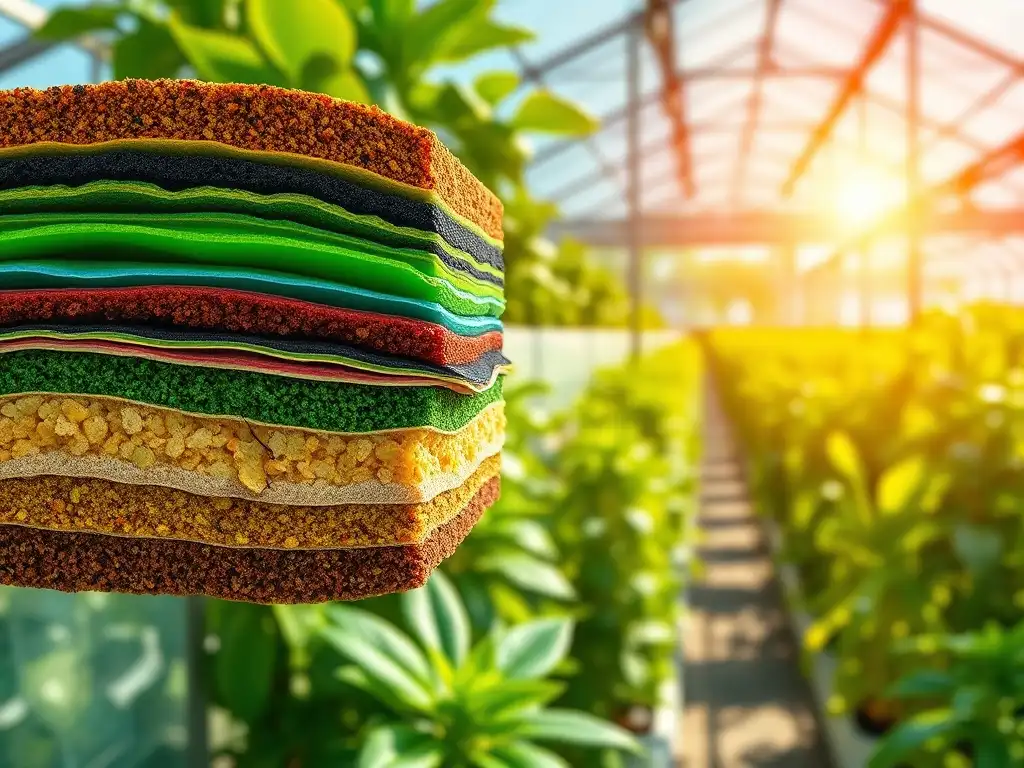
Understanding the lifespan of your greenhouse is crucial for long-term gardening success. A significant factor impacting this lifespan is its ability to withstand ultraviolet (UV) radiation from the sun. Prolonged exposure to UV rays degrades greenhouse materials, leading to brittleness, discoloration, and ultimately, structural failure. This section delves into the key features that determine a greenhouse's UV protection and longevity, focusing specifically on the relationship between UV resistance and the greenhouse's overall lifespan.
We'll explore how different materials, construction techniques, and design elements contribute to a greenhouse's ability to endure the relentless effects of solar radiation. Choosing a greenhouse with robust UV protection translates directly into a longer lifespan and a greater return on your investment. The goal is to maximize the operational period of your greenhouse, extending the time you can cultivate your fruits, vegetables, and herbs.
UV-Resistant Coatings and Their Effectiveness: A Comparative Analysis
The effectiveness of UV protection in greenhouses largely depends on the type of coating applied to the covering material. Many manufacturers utilize UV-resistant additives in their polyethylene or polycarbonate sheets. However, the concentration and quality of these additives vary significantly, impacting the level of protection offered. Let's compare some common coating types:
| Coating Type | UV Protection Rating (Arbitrary Scale 1-5, 5 being best) | Estimated Lifespan Increase (%) | Potential Drawbacks |
|---|---|---|---|
| Standard Polyethylene | 2-3 | 10-20 | Prone to tearing and degradation, shorter lifespan overall |
| UV-Stabilized Polyethylene | 4 | 30-40 | More expensive than standard polyethylene |
| Polycarbonate | 4-5 | 40-60 | Higher initial cost, can be heavier than polyethylene |
For example, a greenhouse constructed with standard polyethylene film might only last 2-3 years before significant UV degradation necessitates replacement. In contrast, a greenhouse using high-quality UV-stabilized polyethylene or polycarbonate can extend its useful lifespan by 30-60%, potentially lasting 5-7 years or even longer. This difference directly impacts the overall cost-effectiveness of the greenhouse over its lifetime. Remember to always check the manufacturer's specifications for the UV protection rating and expected lifespan of the materials used. A higher rating generally indicates better protection and longer lasting results.
Analyzing Greenhouse Material Thickness and its Correlation to UV Resistance
Material thickness plays a crucial role in UV resistance. Thicker materials inherently offer better protection against UV degradation. This is because a thicker layer of material provides more physical barrier against the penetrating UV rays. For instance, a 6mm thick polycarbonate panel will exhibit superior UV resistance compared to a 4mm panel of the same material. The increased thickness provides a greater mass to absorb and dissipate the energy of UV radiation, reducing the impact on the material's molecular structure.
This correlation is particularly important when considering the long-term performance of the greenhouse. While thinner materials might be cheaper initially, their reduced UV resistance leads to faster degradation and increased replacement costs over time. Therefore, opting for thicker materials, even at a slightly higher initial cost, often proves to be a more cost-effective solution in the long run due to extended lifespan.
The added durability also contributes to the overall structural integrity of the greenhouse, better withstanding strong winds and other environmental stressors. Consider the balance between initial cost and long-term value when selecting material thickness. A thicker material often translates to a longer “Greenhouse UV protection lifespan”.
Evaluating Ventilation Systems and Their Role in Preventing Overheating and UV Damage
Adequate ventilation is crucial not only for optimal plant growth but also for mitigating UV damage. Overheating inside the greenhouse intensifies the effects of UV radiation, accelerating material degradation. A well-designed ventilation system helps regulate the internal temperature, reducing the stress placed on the greenhouse covering. Effective ventilation systems include strategically placed vents, fans, and potentially automated climate control systems.
Proper ventilation reduces the accumulation of heat, preventing the greenhouse from becoming a “solar oven.” This, in turn, significantly reduces the intensity of UV radiation impacting the materials. Consider the size and placement of ventilation openings, ensuring sufficient airflow to maintain a comfortable temperature range for both plants and the greenhouse structure itself.
Regular maintenance of ventilation systems is also vital to ensure their continued effectiveness in protecting your greenhouse from excessive heat and UV degradation. A well-ventilated greenhouse will demonstrably extend the lifespan of its materials and enhance their resistance to UV damage, maximizing the return on your investment and the productivity of your home garden.
Maximizing Greenhouse Lifespan: Practical Tips for UV Protection
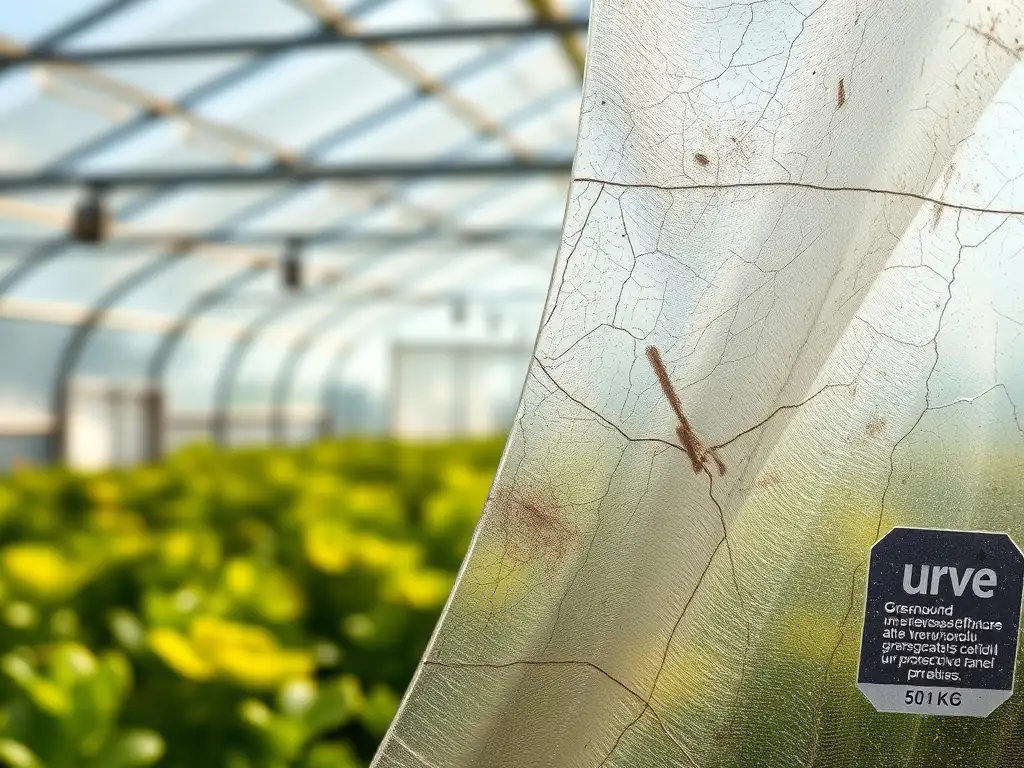
Understanding how to maximize the lifespan of your greenhouse is crucial for long-term gardening success. A significant factor impacting durability is UV protection. Prolonged exposure to ultraviolet (UV) radiation degrades the plastic sheeting or polycarbonate panels commonly used in greenhouse construction, leading to brittleness, cracking, and ultimately, failure.
This section explores practical strategies to extend the lifespan of your greenhouse investment by mitigating UV damage. We'll examine maintenance practices, strategic placement, and the use of protective accessories to significantly improve your greenhouse's longevity and UV resistance. Proper UV protection translates directly into a longer greenhouse lifespan, saving you money and ensuring years of productive gardening.
Regular Greenhouse Cleaning: Removing Dirt and Debris for Optimal UV Performance
Regular cleaning is often overlooked but plays a surprisingly significant role in extending your greenhouse's lifespan and protecting it from UV degradation. Dirt, debris, and even bird droppings can accumulate on the greenhouse covering, acting as a magnifying glass, concentrating UV rays and accelerating the deterioration process. Think of it like leaving a dark-colored object in direct sunlight – it absorbs more heat and therefore degrades faster. Similarly, a dirty greenhouse covering will experience intensified UV damage.
Cleaning should be a routine task, ideally performed every few weeks, depending on environmental conditions. For polycarbonate panels, a simple wash with soapy water and a soft sponge is usually sufficient. Avoid abrasive cleaners or scrubbing brushes that could scratch the surface, compromising its structural integrity and UV resistance. For polyethylene film, a gentle rinse with a hose might suffice, again avoiding harsh chemicals.
Regularly inspecting the covering for any signs of damage, such as tears or discoloration, is equally important for early identification and timely repairs. Addressing minor issues promptly prevents them from escalating into more significant, costly problems. This proactive approach to greenhouse maintenance ensures optimal UV performance and significantly extends the greenhouse's overall lifespan.
Strategic Greenhouse Placement: Minimizing Direct Sun Exposure
The location of your greenhouse significantly impacts its exposure to UV radiation and, consequently, its lifespan. While ample sunlight is essential for plant growth, excessive direct sun exposure, especially during peak hours, accelerates UV degradation. Strategic placement can dramatically reduce UV damage and extend the useful life of your greenhouse.
Consider orienting your greenhouse to minimize direct sun exposure during the hottest parts of the day. A north-south orientation (in the Northern Hemisphere) can reduce the intensity of direct sunlight on the plastic covering. Planting taller plants or shrubs around the greenhouse can also provide some natural shading, reducing the total UV radiation reaching the structure.
Utilizing shade cloth or other forms of shading during peak sun hours is another effective strategy. Remember, the goal is not to eliminate sunlight entirely, but to manage its intensity to balance plant needs with the need to protect the greenhouse structure. Smart placement decisions, combined with other UV protection measures, significantly improve the "Greenhouse UV protection lifespan."
Protective Greenhouse Accessories: Shade Cloth and UV-Resistant Films
Beyond strategic placement and regular cleaning, employing protective accessories can significantly bolster your greenhouse's UV protection and extend its operational lifespan. Investing in high-quality UV-resistant films or coatings can substantially increase the resistance of your greenhouse's covering to UV radiation. These specialized films are designed to filter out harmful UV rays while still allowing sufficient light transmission for optimal plant growth.
Another effective accessory is shade cloth. Shade cloth is a woven fabric that reduces the intensity of sunlight reaching your greenhouse. It's available in various densities, allowing you to choose the level of shade that best suits your needs and climate. Shade cloth can be used as a temporary or permanent solution, depending on your specific requirements.
Using shade cloth during peak sun hours can significantly reduce the accumulation of heat inside the greenhouse and reduce the overall UV exposure of the greenhouse structure, ultimately contributing to a longer greenhouse lifespan. Consider carefully weighing the costs and benefits of these accessories; the added protection they provide can far outweigh the initial investment in terms of extended greenhouse lifespan and reduced replacement costs. Choosing the right accessories, combined with other protective measures, contributes to a longer and more productive life for your greenhouse.
Top-Rated Greenhouses with Superior UV Protection: CultivateYourFood's Recommendations
This section analyzes top-performing greenhouses based on their UV protection capabilities and overall lifespan, crucial factors for maximizing your investment and protecting your plants. We'll explore various materials and construction techniques that influence a greenhouse's ability to withstand the damaging effects of prolonged sun exposure. Understanding the correlation between UV protection and greenhouse lifespan is key to making an informed purchasing decision.
Choosing a greenhouse with robust UV protection translates directly into a longer-lasting structure, saving you money and hassle in the long run. This analysis focuses on the "Greenhouse UV protection lifespan" and its impact on your gardening success.
High UV Resistance Polycarbonate Greenhouse Review - Features, Price & Durability
Polycarbonate greenhouses are increasingly popular due to their excellent UV protection properties. High-quality polycarbonate panels often boast a UV resistance rating exceeding 99%, significantly extending the greenhouse's lifespan compared to cheaper alternatives. This superior UV protection translates to a longer-lasting structure, resistant to yellowing, brittleness, and weakening caused by prolonged sun exposure. Let's examine a specific example: a premium polycarbonate greenhouse model frequently cited for its durability. This model typically features 6mm twin-wall polycarbonate panels, offering superior insulation and UV protection.
The price point for such a greenhouse is generally higher than those using less durable materials, but the investment is justified by its extended lifespan and reduced maintenance needs. The manufacturer usually provides a warranty covering UV degradation, further emphasizing the confidence in their product's UV resistance. Regular cleaning and minor maintenance are still necessary to optimize the greenhouse's lifespan and performance. However, the superior UV resistance of the polycarbonate minimizes the need for frequent replacements or repairs associated with UV damage. This model represents a strong contender in terms of balancing "Greenhouse UV protection lifespan" and cost-effectiveness.
Glass Greenhouse with Enhanced UV Protection - A Detailed Analysis
Glass greenhouses, while traditionally popular, present a unique challenge regarding UV protection. Standard glass offers some inherent UV resistance, but its level varies considerably depending on the type and thickness of the glass used. To enhance UV protection, some manufacturers incorporate specialized coatings or use specific glass formulations designed to filter out harmful UV rays. This added layer of protection significantly increases the glass greenhouse's lifespan, mitigating the risk of UV-induced damage and ensuring the longevity of your investment.
The cost associated with a high-quality glass greenhouse with enhanced UV protection is typically higher than that of a standard glass greenhouse or a polycarbonate model. However, the increased durability and extended lifespan often make it a worthwhile investment for serious gardeners. The enhanced UV protection significantly reduces the risk of premature aging and degradation of the glass, leading to fewer repairs and replacements over the greenhouse's lifetime.
Furthermore, the superior UV protection helps to protect delicate plants from the damaging effects of UV radiation, contributing to healthier plant growth and higher yields. This contributes to a better return on investment, justifying the higher initial cost.
Budget-Friendly Greenhouse with Decent UV Resistance - Pros and Cons
Budget-friendly greenhouses often compromise on UV protection to achieve a lower price point. These greenhouses typically use thinner polycarbonate panels or less robust materials with lower UV resistance ratings. While their initial cost is attractive, their lifespan might be significantly shorter due to increased susceptibility to UV degradation. This means more frequent repairs, replacements, and ultimately a higher total cost of ownership over the long term.
The trade-off between initial cost and long-term expenses is crucial when considering a budget-friendly option. While these greenhouses might be suitable for short-term use or those with limited budgets, it's important to be aware of the potential drawbacks. A shorter "Greenhouse UV protection lifespan" means you'll likely need to replace the structure sooner than expected, negating some of the initial cost savings.
Careful consideration of the expected lifespan and the cost of potential repairs is essential before making a purchase decision. It's vital to carefully evaluate the UV resistance specifications provided by the manufacturer to make an informed choice that aligns with your needs and budget. Consider the total cost of ownership, factoring in potential repairs and replacements, to make a truly informed decision.
Case Studies: Real-World Examples of Greenhouse UV Damage and Prevention
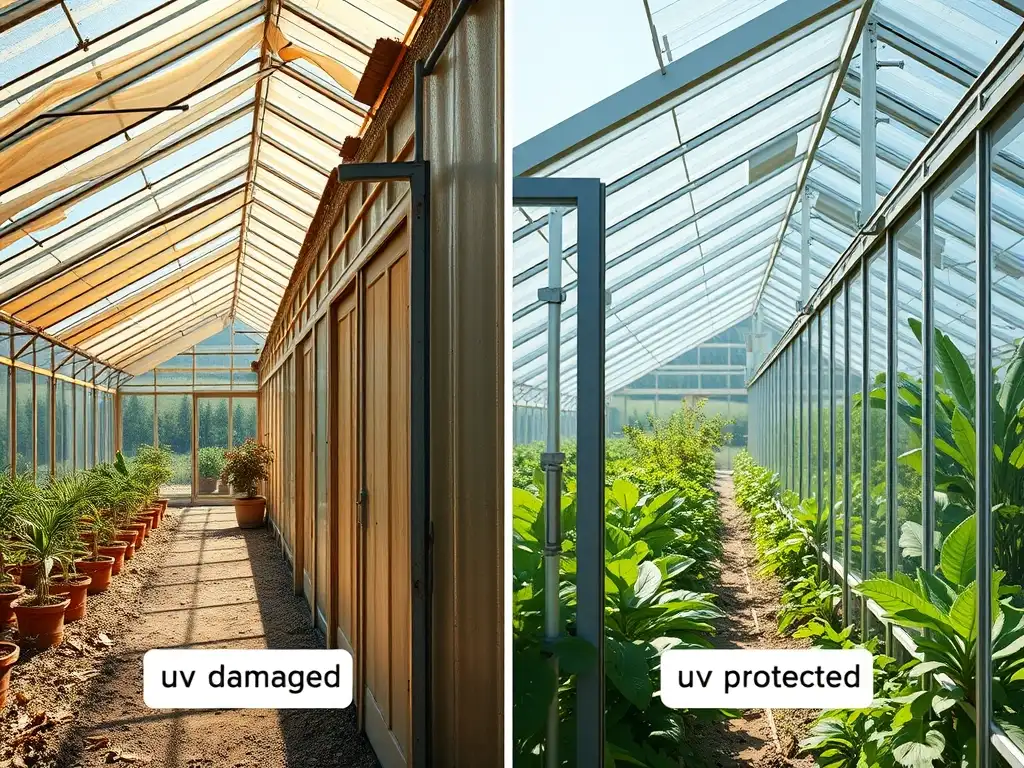
This section presents real-world examples illustrating the impact of UV radiation on greenhouse lifespan and the effectiveness of preventative measures. Understanding these case studies will help you make informed decisions when selecting and maintaining your own greenhouse, maximizing its "Greenhouse UV protection lifespan".
Case Study 1: A Greenhouse Damaged by Prolonged Sun Exposure – Lessons Learned
A local community garden utilized a budget-friendly polyethylene greenhouse for several years. Initially, the structure performed well, providing ample protection from the elements for their delicate seedlings. However, after three growing seasons of intense, direct sunlight in a southern-facing location, the gardener noticed significant deterioration.
The polyethylene covering became brittle and cracked, particularly in areas with the most prolonged sun exposure. This led to reduced light transmission, uneven temperature regulation within the greenhouse, and ultimately, compromised plant health. Furthermore, the weakened plastic became more susceptible to tearing during strong winds, requiring costly repairs. The gardener estimated a 30% reduction in yield due to the compromised growing environment. The overall "Greenhouse UV protection lifespan" of this polyethylene covering was significantly shorter than expected due to the lack of UV-stabilized material and insufficient shading.
The key takeaway from this case study is that choosing a greenhouse material with adequate UV protection is paramount. Simply put, a cheap greenhouse may not be a cost-effective solution in the long run. The initial savings are quickly offset by the need for frequent repairs and replacements, and potential crop losses. Consider factors like geographic location and the intensity of sunlight in your area when selecting a greenhouse material and its appropriate "Greenhouse UV protection lifespan".
Case Study 2: A Greenhouse with Extended Lifespan Due to Proper UV Protection Measures
In contrast, an experienced home gardener invested in a higher-quality polycarbonate greenhouse with UV-stabilized panels. This greenhouse, situated in a similarly sunny location, has been in operation for seven years without any significant degradation of the panels. Regular cleaning of the panels also helped maintain optimal light transmission and prevent dirt buildup, which can exacerbate UV damage.
The gardener implemented additional protective measures, including the use of shade cloth during the hottest parts of the day, particularly during peak summer months. This strategy helped to reduce the intensity of UV radiation reaching the greenhouse panels, further extending their lifespan. They also diligently inspected the structure for any signs of damage or wear and promptly addressed any minor issues.
This proactive approach ensured the greenhouse's structural integrity and maintained its optimal functionality. This example showcases how proactive maintenance and the selection of high-quality, UV-resistant materials can significantly extend a greenhouse's "Greenhouse UV protection lifespan", ultimately providing a better return on investment.
The following table summarizes the key differences between the two case studies:
| Feature | Case Study 1 (Polyethylene) | Case Study 2 (Polycarbonate) |
|---|---|---|
| Material | Polyethylene | Polycarbonate (UV-stabilized) |
| UV Protection | Poor | Excellent |
| Lifespan | 3 years | 7+ years |
| Maintenance | Minimal | Regular cleaning and inspection |
| Additional Protection | None | Shade cloth during peak sun |
| Overall Cost | Higher (due to replacements) | Lower (long-term) |
This comparison highlights the importance of considering the long-term costs associated with greenhouse selection and maintenance when planning your home garden. Investing in a durable greenhouse with adequate UV protection can save you money and frustration in the long run, ensuring a productive and enjoyable gardening experience. 🌱
Investing in Durability: The Long-Term Cost-Effectiveness of UV-Resistant Greenhouses
Choosing a greenhouse isn't just about the initial purchase price; it's a long-term investment impacting your gardening success and budget. A significant factor affecting the lifespan and overall cost-effectiveness of your greenhouse is its resistance to ultraviolet (UV) radiation from the sun. Prolonged exposure to UV rays degrades the plastic or polycarbonate panels, leading to brittleness, yellowing, and ultimately, failure. This section explores how investing in UV-resistant greenhouses translates to significant long-term savings.
Comparing the Initial Cost vs. Long-Term Savings of UV-Protected Greenhouses
While UV-resistant greenhouses might have a slightly higher upfront cost compared to their standard counterparts, the long-term savings are substantial. Let's consider a hypothetical scenario:
| Greenhouse Type | Initial Cost | Estimated Lifespan (Years) | Annualized Cost |
|---|---|---|---|
| Standard Greenhouse | $500 | 3 | $166.67 |
| UV-Resistant Greenhouse | $700 | 7 | $100.00 |
This table illustrates that although the initial investment in a UV-resistant greenhouse is $200 higher, its longer lifespan significantly reduces the annualized cost. Over seven years, the standard greenhouse would require replacement, incurring a total cost of $1000, while the UV-resistant greenhouse remains functional. This translates to a cost saving of $300 over the seven-year period. This difference becomes even more pronounced over longer timeframes. Furthermore, consider the time and effort saved by avoiding the hassle of dismantling, disposing of, and reinstalling a new greenhouse.
Factors Affecting Greenhouse Replacement Costs: UV Damage vs. Other Causes
UV damage is a major contributor to greenhouse degradation, but it's not the only factor. Other causes of greenhouse replacement include:
- Structural damage: Strong winds, snow loads, or accidental impacts can compromise the greenhouse's structural integrity.
- Wear and tear: Normal use and exposure to the elements can cause gradual deterioration even in UV-resistant models.
- Pest infestation: Certain pests can damage the greenhouse frame or covering.
While these factors contribute to replacement costs, UV damage often accelerates the degradation process. A greenhouse weakened by UV exposure becomes more vulnerable to other forms of damage, shortening its overall lifespan and increasing the frequency of costly replacements. Choosing a high-quality, UV-protected greenhouse minimizes the impact of UV degradation, extending the lifespan and reducing the likelihood of premature replacement due to combined stressors.
The Value Proposition of a Durable Greenhouse: Increased ROI for Home Gardeners
Investing in a durable, UV-resistant greenhouse offers a strong return on investment (ROI) for home gardeners. Beyond the direct cost savings discussed earlier, a longer-lasting greenhouse provides several additional benefits:
- Consistent growing conditions: A durable greenhouse protects your plants from harsh weather, enabling consistent growth and higher yields. This translates to more produce and potential savings on grocery bills.
- Extended growing season: A well-maintained greenhouse allows you to extend your growing season, increasing the variety and quantity of crops you can cultivate.
- Peace of mind: Knowing your greenhouse is built to last provides peace of mind and reduces the stress associated with frequent repairs or replacements.
Ultimately, the increased longevity and reliable performance of a UV-resistant greenhouse outweigh the slightly higher initial cost, making it a sound financial and practical investment for serious home gardeners seeking long-term sustainability and increased productivity. The improved "Greenhouse UV protection lifespan" directly translates to a more efficient and cost-effective gardening experience.
Frequently Asked Questions about Greenhouse UV Protection and Lifespan
This section addresses common queries regarding the lifespan of greenhouses and the critical role UV protection plays in extending their longevity. Understanding these factors is crucial for maximizing your investment and ensuring years of successful home gardening. We'll examine how UV exposure impacts greenhouse materials, signs of damage, and practical steps to prolong the life of your structure.
How long does a typical greenhouse last with proper UV protection?
The lifespan of a greenhouse significantly depends on the quality of its materials and the level of UV protection incorporated into its design. A greenhouse constructed with high-quality, UV-resistant polycarbonate panels or glass, and properly maintained, can last 15-20 years or even longer. However, greenhouses made from cheaper, less durable materials, or those lacking adequate UV protection, may only last 5-10 years before exhibiting significant signs of degradation. This degradation manifests in various ways, as discussed in the following section.
Proper UV protection isn't just about the material itself; it also involves proper installation and maintenance. Regular cleaning to remove dirt and debris that can accelerate UV damage is essential. Furthermore, ensuring the greenhouse is properly anchored to withstand strong winds and potential damage from storms is crucial to prevent premature wear and tear, indirectly extending the lifespan impacted by UV exposure. Think of it as a holistic approach; UV resistance is a component of a larger picture of greenhouse longevity.
What are the signs of UV damage in a greenhouse?
Recognizing the signs of UV damage is crucial for timely maintenance and repair, preventing more extensive and costly problems down the line. Here are some key indicators of UV degradation in your greenhouse:
- Discoloration: Look for yellowing, browning, or fading of the greenhouse covering. This is a common sign of UV degradation, particularly noticeable in polycarbonate panels. The more intense the discoloration, the more severe the UV damage.
- Brittleness and Cracking: UV radiation can weaken the structural integrity of the greenhouse materials, leading to brittleness and cracking. This is especially prevalent in older greenhouses or those exposed to intense sunlight. Inspect the panels carefully for any cracks or signs of weakening.
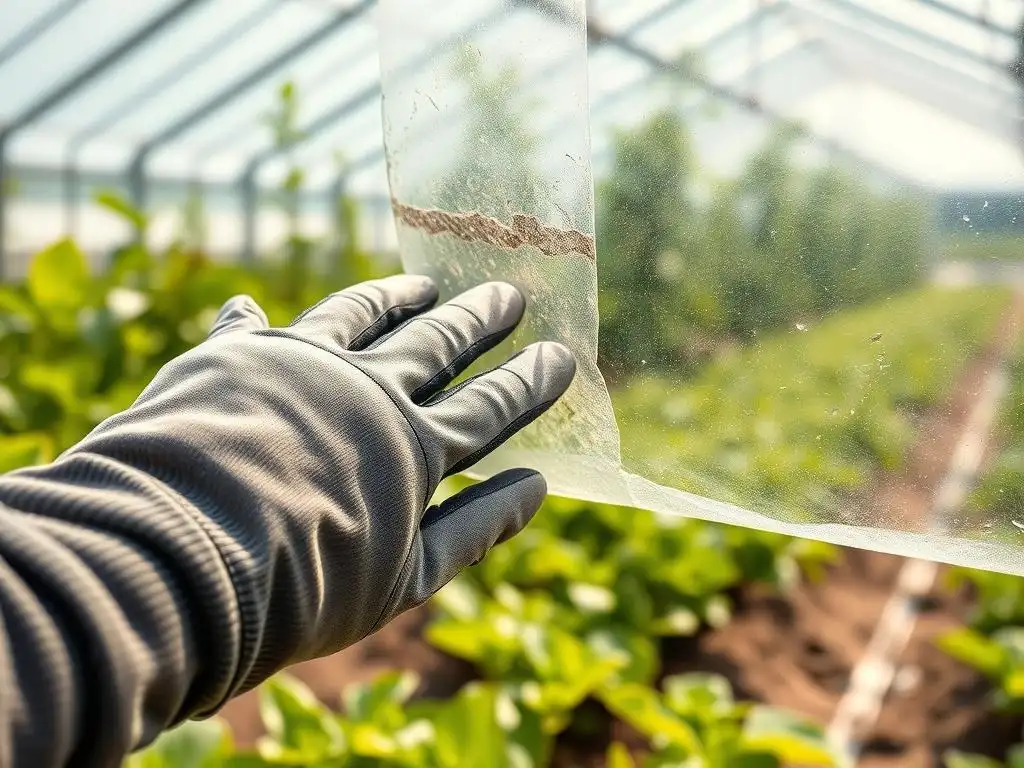
- Reduced Transparency: As the materials degrade, they may become less transparent, reducing the amount of light entering the greenhouse. This can negatively impact plant growth and overall productivity. A noticeable decrease in light transmission is a strong indicator of UV damage.
- Leaks: In some cases, UV damage can lead to leaks in the greenhouse covering, particularly around seams or joints. These leaks can compromise the greenhouse's ability to maintain a stable internal environment, harming your plants.
| Sign of UV Damage | Description | Severity Level |
|---|---|---|
| Slight Discoloration | Minimal yellowing or fading; transparency mostly unaffected. | Low |
| Noticeable Discoloration | Clear yellowing or browning; slight reduction in transparency. | Medium |
| Cracking and Brittleness | Visible cracks; panels feel brittle and prone to breaking. | High |
| Significant Transparency Loss | Substantial reduction in light transmission; significant yellowing or browning. | Very High |
| Leaks | Water leaks are present due to material degradation. | Very High |
Regular inspections, ideally every few months, are key to catching these problems early. Early detection allows for timely repairs, preventing further damage and extending the overall lifespan of your greenhouse.
How can I extend the lifespan of my existing greenhouse?
Extending the lifespan of your greenhouse involves proactive measures to mitigate UV damage and maintain its structural integrity. Here are some effective strategies:
- Regular Cleaning: Remove dirt, debris, and plant residue regularly to prevent them from accelerating UV degradation. Use a soft cloth and mild soap for cleaning.
- Shade Cloth: Consider using shade cloth during the hottest parts of the day, particularly in regions with intense sunlight. This will reduce the amount of direct UV radiation reaching the greenhouse covering.
- UV Stabilizers: Some greenhouse manufacturers offer UV stabilizers that can be applied to the covering to enhance its UV resistance. Check with your manufacturer for recommendations.
- Proper Ventilation: Adequate ventilation helps regulate the temperature inside the greenhouse, reducing the stress on the materials caused by extreme heat. Good air circulation minimizes the impact of high temperatures.
- Structural Maintenance: Regularly inspect the greenhouse's frame and supports for any signs of damage or weakening. Repair or replace any damaged components promptly.
By implementing these preventative maintenance practices, you can significantly increase the lifespan of your greenhouse and ensure many years of successful home gardening. Remember, a proactive approach to greenhouse maintenance is significantly more cost-effective than emergency repairs or premature replacement. Investing time in these steps translates directly to a longer, more productive life for your greenhouse, maximizing your return on investment and your enjoyment of homegrown produce.
Conclusion: Ensuring Your Greenhouse Investment Lasts
Investing in a greenhouse is a significant step for any home gardener aiming for year-round cultivation. The longevity of your greenhouse directly impacts your return on investment, both financially and in terms of the harvests you reap. Understanding the factors that contribute to a greenhouse's lifespan, particularly its resistance to UV degradation, is crucial for making an informed purchase.
Failing to consider UV protection can lead to premature aging, reduced structural integrity, and ultimately, a shorter productive life for your greenhouse. This translates to increased replacement costs and disruption to your gardening schedule. Therefore, prioritizing UV protection and durability during the selection process is not merely a smart financial decision but an essential element of successful and sustainable home gardening.
Recap of Key Takeaways: Choosing the Right Greenhouse for Long-Term Success
Choosing a durable greenhouse with excellent UV protection is paramount for long-term success. Here's a quick recap of the key factors we've explored:
- UV-resistant materials: Look for greenhouses constructed from UV-stabilized polycarbonate or polyethylene films. These materials are specifically designed to withstand prolonged sun exposure, minimizing degradation and maximizing the greenhouse's lifespan. Avoid cheaper alternatives that may lack this crucial protection. The difference in initial cost is often significantly outweighed by the extended lifespan and reduced replacement needs.
- Frame construction: The frame is the backbone of your greenhouse. A robust frame made of high-quality materials like galvanized steel or powder-coated aluminum will better withstand the stresses of weather and UV exposure. Pay close attention to the frame's thickness and construction details – a flimsy frame can compromise the entire structure's longevity, even with excellent UV-resistant covering.
- Proper ventilation: Adequate ventilation is crucial not only for plant health but also for the longevity of the greenhouse itself. Good ventilation helps regulate temperature and humidity, reducing stress on the structure and preventing moisture buildup that can accelerate degradation. This is especially important in hot climates where UV radiation is intense.
- Regular maintenance: Even the most durable greenhouse requires regular maintenance to maximize its lifespan. Regular cleaning, minor repairs, and timely replacement of damaged components can significantly extend the useful life of your investment. Think of it as preventative maintenance for your home – a little care goes a long way.
Final Recommendations for Choosing a UV Resistant Greenhouse for Your Home Garden
When selecting a greenhouse, prioritize these factors to ensure a long and productive lifespan:
- Read reviews: Before purchasing, thoroughly research different greenhouse models and read user reviews. Pay close attention to comments about durability and UV resistance. Real-world experiences offer invaluable insights.
- Consider your climate: The intensity of UV radiation varies significantly depending on your geographic location and climate. If you live in a region with high UV levels, investing in a greenhouse with superior UV protection is even more critical.
- Invest wisely: While cost is a factor, don't let it be the sole deciding factor. A higher upfront investment in a durable, UV-resistant greenhouse will likely save you money in the long run by avoiding premature replacement. Think of it as an investment in years of successful gardening.
- Don't underestimate maintenance: Allocate time and resources for regular maintenance. This simple step can dramatically extend the lifespan of your greenhouse and protect your investment. A well-maintained greenhouse is a testament to your commitment to sustainable home gardening. The rewards are well worth the effort! 🌱
Frequently Asked Questions
How long does UV protection in a greenhouse typically last?
The lifespan of UV protection in a greenhouse varies greatly depending on the material (polycarbonate vs. polyethylene) and the intensity of sunlight. Generally, expect 3-5 years, but it can be shorter in harsh climates.
What are the signs of failing UV protection in my greenhouse covering?
Look for yellowing, brittleness, and cracking in the plastic covering. Reduced transparency and an overall weakened appearance are also telltale signs. Regular inspection is key.
Does the type of greenhouse covering affect UV protection lifespan?
Yes, significantly. Polyethylene coverings generally offer shorter UV protection lifespans than polycarbonate coverings, which are more durable and longer-lasting.
How can I extend the lifespan of UV protection in my greenhouse?
Proper cleaning of the covering removes dirt and debris that can accelerate degradation. Using a high-quality UV-resistant covering from the outset is crucial.
What happens if the UV protection in my greenhouse fails?
Failure leads to reduced plant growth due to increased UV radiation damage. Your plants will be more susceptible to sunburn and overall stress, impacting yields. Replacement is necessary.
Final Reflection: The Enduring Legacy of Greenhouse UV Protection
The lifespan of greenhouse UV protection isn't just about plastic; it's about safeguarding the future of our food supply. The fragility of our agricultural systems in the face of increasingly intense UV radiation underscores the critical need for durable, effective greenhouse coverings. Investing in long-lasting protection isn't merely a cost; it's a strategic investment in resilience.
The impact of UV degradation on greenhouse materials is a silent crisis, slowly eroding the productivity of our farms and impacting food security worldwide. The future of food security depends on our ability to adapt to climate change, and protecting crops from harmful UV radiation is a crucial step in that process.
This quote highlights the far-reaching consequences of neglecting the importance of UV protection, extending beyond the immediate concerns of greenhouse owners to the global food system. The ongoing research and development in this field, driven by the urgent need for sustainable solutions, is a testament to the significance of this issue.
Consider the implications of this knowledge for your own practices. Are you actively assessing the UV protection of your greenhouse materials? Are you planning for replacement and maintenance based on realistic lifespan estimations? Take the time to understand the true cost of inadequate protection – not just in monetary terms, but in terms of lost yields and the broader impact on food security. By making informed choices today, you contribute to a more sustainable and resilient agricultural future.
Unlock Your Greenhouse's Full Potential
Thank you for exploring greenhouse UV protection and durability with us! We hope you now understand the vital role UV protection plays in successful gardening. Ready to put this knowledge to work?
- Choose UV-resistant materials: Research and select the best UV-resistant covering for your greenhouse. Consider factors like material type, lifespan, and cost-effectiveness.
- Inspect your greenhouse: Regularly check your greenhouse covering for UV damage. This preventative approach will save you money on repairs in the future.
- Share your knowledge: Discuss your experiences and discoveries with fellow gardeners. What UV-resistant materials have you found most effective?
What's the most important step you'll take to protect your investment and maximize your harvest this season?