
Trellis Options for Apartment Balconies: Creating Green Spaces Anywhere

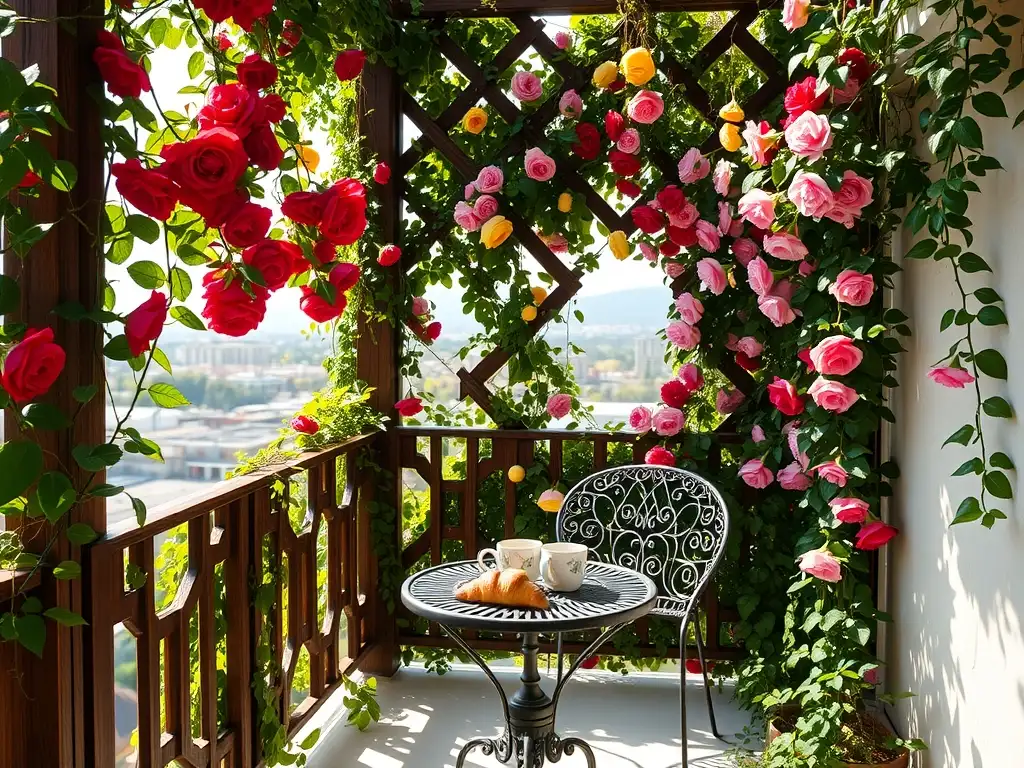
Welcome to CultivateYourFood, your guide to growing a thriving garden, no matter the space! Are you dreaming of fresh herbs and vibrant vegetables but think your apartment balcony is too small? Think again. Discover ingenious Apartment balcony trellis ideas that will transform your outdoor area into a flourishing oasis. Learn how to maximize your space and create a beautiful, productive garden with our expert advice on sustainable and organic growing techniques. Let's cultivate your food journey together!
- Maximizing Your Small Space: Choosing the Right Apartment Balcony Trellis
- Best Apartment Balcony Trellis Materials: Durability and Aesthetics
- Planting for Success: Best Climbing Plants for Apartment Balcony Trellises
- Installing Your Balcony Trellis: A Step-by-Step Guide
- Maintaining Your Trellis and Plants for Abundant Growth
- Inspiration: Stunning Apartment Balcony Trellis Designs
- Frequently Asked Questions
- Final Reflection: Weaving Green Dreams into Urban Spaces
- Unleash Your Balcony's Green Potential!
Maximizing Your Small Space: Choosing the Right Apartment Balcony Trellis
Apartment living doesn't mean sacrificing your green thumb! With a little creativity and the right support system, you can transform your balcony into a thriving oasis, even with limited square footage. This guide explores various trellis options perfectly suited for apartment balconies, helping you choose the ideal structure to support your plants and enhance your outdoor space. We'll delve into assessing your space, comparing different trellis types, and ultimately helping you cultivate a beautiful and productive balcony garden.
This article will provide you with a wealth of "Apartment balcony trellis ideas" to make your urban gardening dreams a reality. Let's get started on creating your perfect vertical garden! 🪴
Assessing Your Balcony Space and Plant Needs for Trellis Selection
Before diving into the exciting world of trellis designs, it's crucial to accurately assess your balcony's dimensions and the climbing plants you intend to grow. Consider the following factors:
- Balcony Size: Measure the length, width, and depth of your balcony. This will determine the size and type of trellis you can accommodate. A small balcony might necessitate a more compact, vertical trellis, while a larger one offers more flexibility.
- Sunlight Exposure: Note the amount of sunlight your balcony receives throughout the day. Sun-loving plants like tomatoes and cucumbers will need a trellis in a sunny spot, while shade-tolerant plants like lettuce can thrive in partial shade.
- Weight Capacity: Different trellises have varying weight capacities. Consider the mature size and weight of your plants to choose a sturdy enough structure. Heavier plants like grapevines will require a more robust trellis than lighter herbs.
- Plant Type: The type of plant you choose will significantly impact your trellis selection. Vines like cucumbers and climbing roses will need a different support structure than bushy plants like tomatoes, which might benefit from a cage-like trellis.
- Aesthetics: Consider how the trellis will integrate with the overall look of your balcony and apartment building. Choose a style and material that complements your existing décor.
Types of Trellises Ideal for Apartment Balcony Gardening: A Comparison
Several trellis types are perfect for maximizing space and aesthetic appeal on apartment balconies. Let's explore some popular options:
Vertical Trellises: Maximizing Height on Small Balconies
Vertical trellises are a fantastic choice for maximizing vertical space on small balconies. These trellises are typically tall and narrow, ideal for climbing plants that grow upwards. They're space-saving and can create a dramatic visual impact. Consider materials like wood, metal, or even repurposed materials for a unique touch. The height of the trellis should be carefully chosen to avoid blocking sunlight or obstructing the balcony's view. Regular maintenance, including tightening loose wires or replacing damaged components, is essential for longevity and plant support.
Horizontal Trellises: Expanding Growing Space
Horizontal trellises offer a different approach, expanding growing space across the width of your balcony. These are excellent for spreading plants like beans or certain types of tomatoes. They can be mounted on walls or railings and can be built using various materials, such as wood slats, PVC pipes, or even netting. The spacing between supports should be adjusted based on the plant's growth habit, ensuring adequate support and preventing overcrowding. Horizontal trellises can also be combined with vertical elements for a more complex, three-dimensional structure.
Arched Trellises: Adding Elegance and Verticality
Arched trellises add a touch of elegance and sophistication to any balcony garden. Their curved design provides support for climbing plants while creating a visually appealing focal point. Arched trellises can range in size and material, from small, delicate structures to larger, more substantial ones.
They often incorporate a blend of vertical and horizontal supports to provide maximum plant support and an aesthetically pleasing design. The placement of an arched trellis should consider the overall balcony layout, ensuring it doesn't obstruct walkways or access points. Careful plant selection is also important, choosing vines that can gracefully drape over the arch.
Best Apartment Balcony Trellis Materials: Durability and Aesthetics
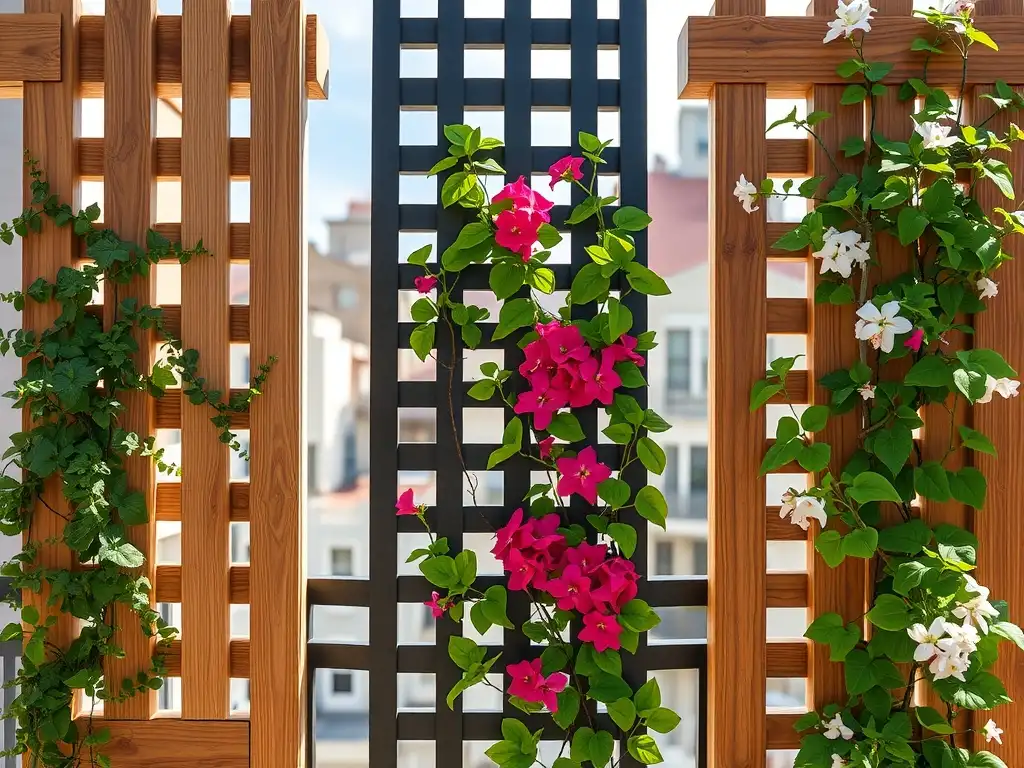
Choosing the right materials for your apartment balcony trellis is crucial for both its longevity and aesthetic appeal. The ideal material will withstand the elements, complement your balcony's design, and support the weight of your climbing plants. Let's explore some popular options, considering their pros and cons in the context of apartment balcony gardening. Remember, selecting the best material depends on your specific needs and preferences, balancing durability with your desired aesthetic.
The Longevity of Cedar and Redwood Trellises: A Sustainable Choice
Cedar and redwood are excellent choices for apartment balcony trellises due to their natural resistance to rot and insects. These durable hardwoods boast a beautiful reddish hue that adds warmth and sophistication to any outdoor space. Their inherent oils act as a natural preservative, minimizing the need for frequent treatments.
This makes them a sustainable option, reducing the environmental impact compared to treated lumber. However, cedar and redwood can be more expensive than other materials. Properly sealing the wood with a high-quality, exterior-grade sealant will extend its lifespan and protect it from harsh weather conditions, particularly in areas with heavy rainfall or intense sun exposure.
Consider the dimensions of your balcony and the size of the plants you intend to grow when choosing the thickness of the wood; thicker pieces will offer greater support for heavier vines. Regular cleaning with a mild soap solution will keep your cedar or redwood trellis looking its best for years to come. This low-maintenance nature is perfect for busy apartment dwellers.
Powder-Coated Metal Trellises: Low Maintenance and Modern Style
Powder-coated metal trellises offer a modern, sleek aesthetic and are incredibly low-maintenance. The powder coating provides exceptional protection against rust and corrosion, making them ideal for outdoor environments, even those exposed to frequent rain or humidity. Metal trellises are also exceptionally strong and durable, capable of supporting heavy climbing plants. A wide variety of colors and styles are available, ensuring you can find a trellis that perfectly complements your balcony's decor.
However, metal trellises can become quite hot in direct sunlight, potentially harming delicate plants. It's advisable to provide some shade, perhaps using shade cloth or strategically placing the trellis. While generally low-maintenance, occasional cleaning with a mild detergent and water will prevent dirt and grime buildup. The strength of metal also means they can be easily adjusted or modified if needed, making them a versatile option for apartment gardening.
Bamboo Trellises: A Natural and Eco-Friendly Option
Bamboo is a rapidly renewable resource, making bamboo trellises a highly eco-friendly choice. They offer a natural, rustic aesthetic that blends beautifully with many garden styles. Bamboo is lightweight yet surprisingly strong, providing adequate support for many climbing plants.
Furthermore, it's relatively inexpensive compared to cedar or redwood. However, bamboo's natural resistance to decay is less than that of cedar or redwood; therefore, regular treatment with a suitable sealant is recommended to extend its lifespan, particularly in humid climates. The natural variations in color and texture contribute to the unique charm of bamboo trellises, but it's important to select high-quality, treated bamboo to ensure durability.
Consider the potential for insect infestation; while less susceptible than untreated wood, regular inspections are advisable. Proper installation is crucial to ensure stability and prevent sagging under the weight of climbing plants. With appropriate care, a bamboo trellis can provide a beautiful and sustainable addition to your apartment balcony garden.
DIY Trellises: Utilizing Recycled Materials for Sustainable Gardening
Creating a trellis for your apartment balcony doesn't require a hefty budget. In fact, embracing a DIY approach using recycled materials is both cost-effective and environmentally friendly, aligning perfectly with sustainable gardening practices. This approach allows for unique designs tailored to your space and aesthetic preferences, fostering a strong sense of personal accomplishment. The possibilities are truly endless!
One popular option involves repurposing old wooden pallets. These readily available materials, often discarded as waste, can be easily disassembled and cleaned. Individual slats can then be rearranged and fastened together to create a variety of trellis designs, from simple vertical structures to more complex geometric patterns.
Remember to sand down any rough edges for safety and a smoother finish. A coat of weather-resistant paint or stain not only enhances the aesthetic appeal but also protects the wood from the elements, extending its lifespan. This method provides a robust and visually appealing trellis, perfectly suited for supporting heavier climbing plants.
Another excellent sustainable choice is repurposing PVC pipes. These readily available and inexpensive materials are incredibly durable and weather-resistant, making them ideal for outdoor use. You can cut and connect the pipes using appropriate fittings to create various trellis structures.
This approach allows for a great deal of flexibility in design, enabling you to build custom shapes and sizes to perfectly match your balcony's dimensions and the specific needs of your climbing plants. The clean, modern look of PVC pipes makes them a stylish choice for contemporary balcony gardens. Plus, their lightweight nature makes them easy to install and maneuver.
Beyond pallets and PVC pipes, consider using other recycled materials like old window frames, sturdy wire mesh, or even repurposed ladders. These materials, often destined for landfills, can be transformed into unique and functional trellises, adding a touch of rustic charm or industrial chic to your balcony garden. The key is to carefully assess the structural integrity of the materials before using them to ensure the stability and safety of your trellis. Remember to always prioritize safety when constructing your DIY trellis.
Properly secure all connections to prevent accidents and ensure the trellis can withstand the weight of your plants. A little creativity and resourcefulness can go a long way in creating a beautiful and eco-friendly trellis for your apartment balcony. The satisfaction of building something yourself, knowing you've given new life to discarded materials, adds an extra layer of enjoyment to your gardening experience.
Planting for Success: Best Climbing Plants for Apartment Balcony Trellises
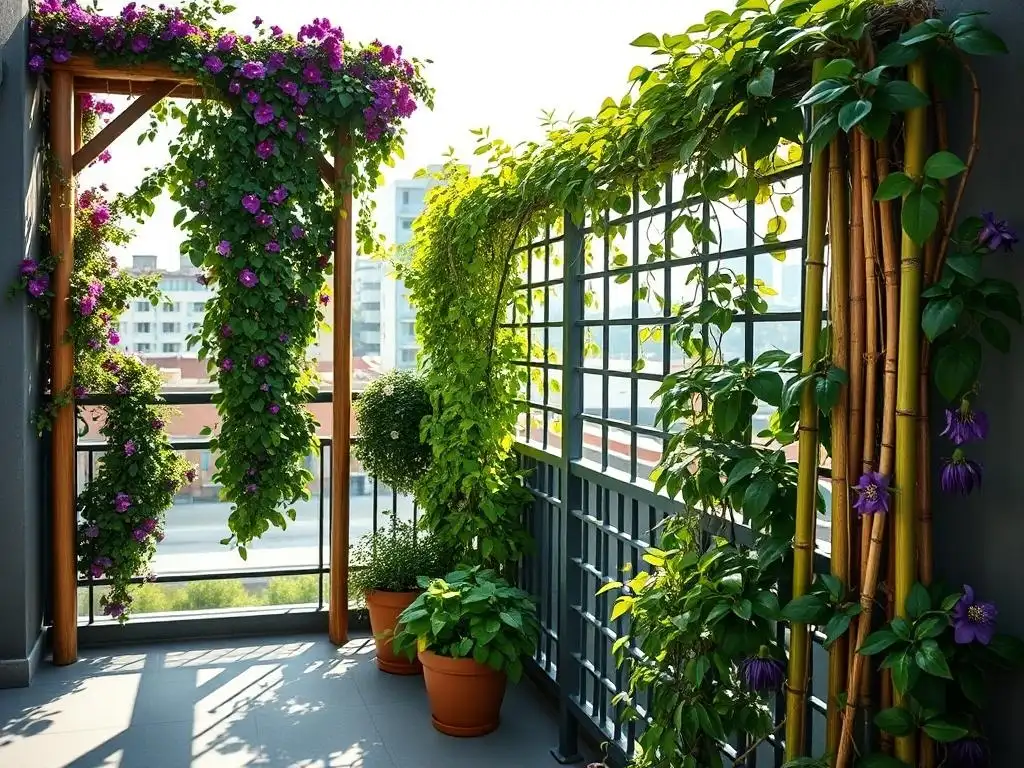
Choosing the right climbing plants is crucial for a thriving apartment balcony garden. Space is often limited, so selecting compact varieties that yield well is key. Consider the amount of sunlight your balcony receives – south-facing balconies generally get the most sun, while north-facing ones receive less. This will heavily influence your plant choices. Remember to always check the mature size of any plant before purchasing to ensure it won't overwhelm your space.
Vining Vegetables for Your Balcony Garden: Tomatoes, Cucumbers, and Beans
Many vining vegetables are perfectly suited to vertical gardening on apartment balcony trellises. Tomatoes, particularly determinate varieties (those that grow to a certain height and then stop), are excellent choices. They offer a delicious harvest and add vibrant color to your balcony. Consider cherry tomatoes or smaller varieties to maximize yield in limited space.
Smaller cucumber varieties, like space-saving bush cucumbers, thrive in containers and on trellises. They are prolific producers and surprisingly low-maintenance. Regularly harvesting cucumbers encourages further growth and prevents overcrowding.
Pole beans are another fantastic option. Their climbing nature makes them ideal for trellises, and they require minimal space compared to their bush counterparts. They add a lovely touch of green to the balcony and provide a healthy, homegrown protein source.
Support Systems for Vertical Vegetable Gardening: Trellises vs. Cages
While both trellises and cages offer vertical support, they cater to different plant needs. Trellises, offering a more structured support system, are ideal for plants with long, trailing vines like cucumbers and pole beans. The evenly distributed support prevents tangling and allows for even growth.
Cages, on the other hand, are better suited for plants with a more bushy growth habit, such as some tomato varieties. The open structure allows for good air circulation, preventing fungal diseases, a common problem in dense foliage. Choosing between a trellis and a cage depends on the specific vegetables you plan to grow.
Fragrant Herbs and Flowers for a Sensory Balcony Oasis
Beyond vegetables, consider incorporating fragrant herbs and flowers into your balcony trellis system. These add a delightful sensory dimension to your urban oasis. Climbing roses, for instance, are a beautiful and fragrant addition, though they require more regular maintenance.
Basil, mint, and climbing oregano are all excellent herb choices for trellises. Their aromatic leaves not only add a culinary touch but also attract beneficial insects, contributing to a balanced garden ecosystem. Remember to choose compact varieties to prevent overcrowding. The scent of these herbs will fill your balcony with a refreshing aroma, creating a peaceful and relaxing environment.
Training Climbing Plants Effectively on Trellises: Techniques and Tips
Training climbing plants is essential for maximizing yield and maintaining a visually appealing garden. Early training is crucial; start by gently guiding young vines to the trellis structure as they grow. Use soft ties or clips to secure them without damaging the stems.
Regular pruning is also important. Remove any dead or damaged leaves and stems to promote air circulation and prevent disease. This will also encourage bushier growth and more abundant fruiting. For vigorous climbers, consider pinching back the growing tips to encourage branching and a fuller plant. Consistent attention to training will ensure a healthy and productive climbing plant on your balcony trellis.
Maximizing Yield with Strategic Plant Placement on Your Trellis
Strategic placement of climbing plants on your apartment balcony trellis is key to maximizing yield. Think of your trellis as a three-dimensional garden, not just a flat surface. Avoid overcrowding; give each plant sufficient space to grow and thrive. Consider the mature size of your chosen plants – a sprawling cucumber plant will require significantly more space than a compact climbing bean variety. Proper spacing prevents competition for sunlight, water, and nutrients, leading to healthier plants and a larger harvest.
For example, if you're growing tomatoes and beans together, alternate their placement along the trellis. This ensures that each plant receives adequate sunlight, avoiding shading one another. Taller, faster-growing plants should generally be placed at the back or sides of the trellis, allowing smaller plants better access to sunlight at the front. Regularly inspect your plants for signs of overcrowding, such as yellowing leaves or stunted growth. If necessary, thin out less vigorous plants to improve air circulation and reduce the risk of disease.
Remember to consider the direction of sunlight. South-facing balconies generally receive the most sunlight, which is beneficial for sun-loving plants like tomatoes and peppers. However, even on a south-facing balcony, you might need to adjust plant placement depending on the time of day. Observe how the sun moves throughout the day and strategically place your plants to ensure they receive adequate sunlight throughout the growing season.
This careful planning will significantly improve your chances of a bountiful harvest from your apartment balcony garden. Don't forget to rotate your plants periodically to ensure even growth and prevent any one side from becoming overly shaded. This simple step can significantly boost your overall yield.
Installing Your Balcony Trellis: A Step-by-Step Guide
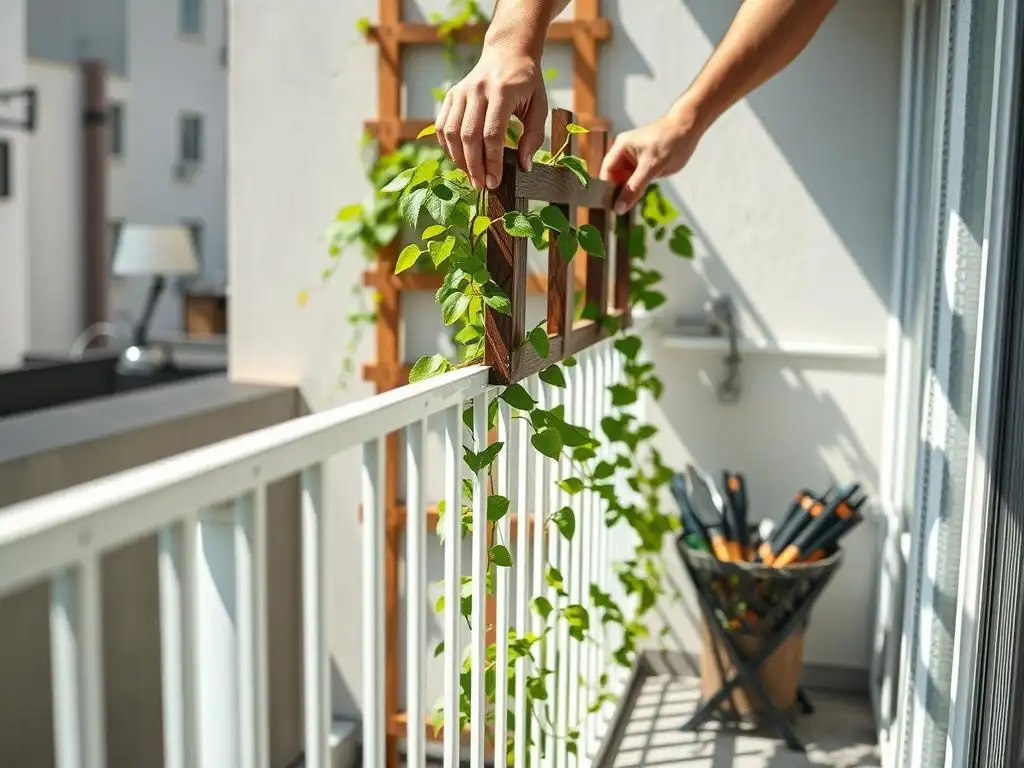
This section provides a practical guide for installing your chosen trellis on your apartment balcony, transforming your small space into a vibrant, vertical garden. Remember to always check your building's regulations before undertaking any modifications to your balcony. Safety is paramount throughout this process.
Measuring and Marking for Accurate Trellis Placement
Before you even think about hammering a nail, accurate measurement is key for a successfully installed and aesthetically pleasing trellis. This prevents crooked lines and ensures your plants have ample space to grow. Start by carefully measuring the available space on your balcony railing or wall where you plan to install your trellis. Consider the width and height of your trellis and ensure it fits comfortably within the designated area, leaving enough room for plant growth and access.
Next, use a pencil to lightly mark the points where the trellis's mounting brackets will be placed. This is crucial for precise installation. For a visually appealing result, ensure your markings are level and evenly spaced. Use a level to verify the horizontal and vertical alignment of your markings before proceeding.
This simple step significantly improves the final look and structural integrity of your trellis installation. Don't rush this stage; accuracy here saves frustration later. For particularly wide trellises, consider marking additional support points midway for increased stability, especially if you plan on growing heavier plants like tomatoes or cucumbers.
Securely Attaching Your Trellis to Your Balcony Railing or Wall
The method for attaching your trellis depends on your balcony's construction. Balcony railings often present unique challenges. For metal railings, sturdy brackets secured with appropriate screws are ideal. Always use screws designed for the material of your railing to avoid damage or weakening the structure. Pre-drilling pilot holes is recommended to prevent the metal from splitting or cracking.
For concrete or brick walls, you'll need wall anchors appropriate for the material. Consider using expansion anchors, which grip securely within the wall. Again, pre-drilling is crucial for a clean and secure installation. If you're unsure about the type of anchor to use, consult a hardware store professional; they can advise you based on your specific wall type and the weight of your trellis and plants.
Remember to check the weight capacity of your chosen mounting hardware. Overloading the trellis can lead to damage or even accidents. If you're uncertain about the load-bearing capacity of your balcony, it's always best to err on the side of caution and use more robust fasteners than necessary. A strong and secure installation is essential for the longevity of your trellis and the safety of your plants. Using a power drill can significantly speed up the process, but always exercise caution and maintain control.
Essential Tools and Materials for Trellis Installation
Before you start, gather all the necessary tools and materials. This prevents interruptions and ensures a smooth installation process. A checklist helps avoid costly trips back to the hardware store.
| Tool/Material | Description | Quantity |
|---|---|---|
| Measuring Tape | Accurate measurements are crucial for proper placement. | 1 |
| Pencil | For marking the placement of mounting brackets. | 1 |
| Level | Ensures your trellis is installed straight and level. | 1 |
| Drill (with appropriate bits) | Necessary for pre-drilling holes and securing the trellis. | 1 |
| Screws/Bolts | Choose screws or bolts appropriate for your railing or wall material. | Varies |
| Wall Anchors (if needed) | Essential for secure attachment to concrete or brick walls. | Varies |
| Mounting Brackets | These connect the trellis to your balcony railing or wall. | Varies |
| Safety Glasses | Protect your eyes from flying debris during drilling. | 1 |
| Work Gloves | Protect your hands from scratches and potential injuries. | 1 pair |
Remember to always prioritize safety. If you are uncomfortable with any aspect of the installation process, consult a professional handyman. A well-installed trellis not only enhances your balcony's aesthetics but also provides a sturdy support system for your flourishing plants. 🪴
Tips for Preventing Damage to Your Balcony Structure
Before you even think about attaching your trellis, carefully inspect your balcony's structure. Understanding the load-bearing capacity of your balcony is crucial to prevent damage and potential accidents. Many apartment balconies are not designed to support heavy loads, especially those constructed from lightweight materials like concrete slabs or metal framing. Overloading your balcony can lead to cracks, sagging, or even collapse, resulting in costly repairs and potential safety hazards.
Consider the weight of your trellis itself, plus the anticipated weight of the plants as they grow. A robust climbing rose, for example, will weigh considerably more than a small herb plant. Factor in the weight of the soil in any attached planters. If you're unsure about your balcony's capacity, consult your building's management or a structural engineer. They can provide guidance on safe weight limits and recommend appropriate installation techniques.
When choosing your attachment method, prioritize techniques that minimize stress on the balcony's structure. Avoid using heavy-duty screws or bolts that could potentially crack the concrete or damage the metal framework. Instead, opt for lightweight yet secure fastening options, such as specialized balcony-safe hooks or brackets designed for this purpose. These often utilize expanding anchors or other systems specifically engineered for various materials. Remember that distributing the weight evenly across the balcony is key. Avoid concentrating the weight in one area, which increases the risk of localized damage.
Regular inspections are paramount. After installation, and periodically throughout the growing season, carefully check the trellis and its attachments for any signs of stress or damage. Look for cracks in the concrete, bending or warping of the metal framework, or loosening of the fasteners. Address any issues promptly to prevent further damage and ensure the safety of your balcony and its occupants. Early detection of problems significantly reduces the risk of major structural damage. A proactive approach to maintenance is essential for the longevity of both your trellis and your balcony.
Maintaining Your Trellis and Plants for Abundant Growth
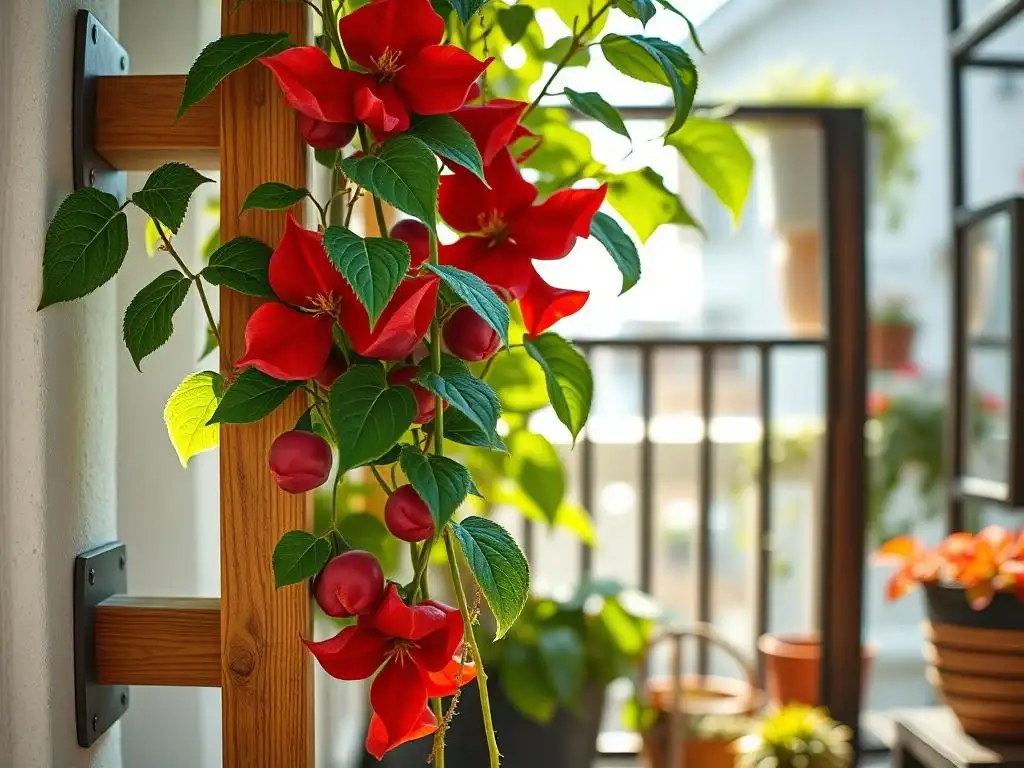
This section focuses on the crucial upkeep required to ensure your apartment balcony trellis thrives and supports healthy plant growth. Neglecting maintenance can lead to structural weakness, compromised plant health, and ultimately, a less productive and aesthetically pleasing garden. Regular attention pays dividends in the long run, fostering a flourishing vertical garden.
Regular Cleaning and Inspection of Your Trellis Structure
Regular cleaning and inspection are vital for the longevity and structural integrity of your trellis. Think of it as preventative maintenance for your miniature vertical farm! Accumulated dirt, debris, and even bird droppings can weaken the trellis material over time, especially if it's made of wood. Here's a breakdown of a good cleaning and inspection schedule:
- Monthly Inspection: Visually inspect your trellis for any loose screws, damaged wood, rust (if using metal), or signs of wear and tear. Pay close attention to the connections between support posts and crossbars. Tighten any loose fasteners and address any minor damage promptly. This proactive approach prevents small problems from escalating into major issues.
- Seasonal Deep Cleaning: At the start and end of each growing season, give your trellis a thorough cleaning. Use a soft brush and mild soapy water to remove dirt and grime. For wooden trellises, consider using a wood cleaner and sealant to protect against the elements and prevent rot. Metal trellises might benefit from a rust preventative spray. This keeps your trellis looking its best and ensures it's ready for the next growing season.
- Addressing Damage: If you find significant damage, such as broken slats or severely rusted sections, don't hesitate to repair or replace the affected parts. Ignoring significant damage could compromise the stability of the entire structure, potentially leading to plant damage or even injury. For example, a severely weakened support post could collapse under the weight of your growing plants.
Remember, a well-maintained trellis is a happy trellis, supporting abundant growth and providing a beautiful backdrop to your balcony garden.
Pest and Disease Control for Climbing Plants on Balconies
Balcony gardening presents unique challenges in pest and disease control. The close proximity of plants and the limited space can accelerate the spread of problems. Proactive measures are essential to protect your precious climbing plants.
- Regular Monitoring: Regularly inspect your plants for signs of pests (insects, mites, aphids) and diseases (fungal infections, leaf spots). Early detection is key to effective treatment. A magnifying glass can be helpful in spotting tiny pests.
- Natural Pest Control: Prioritize natural pest control methods whenever possible. Introducing beneficial insects like ladybugs can help control aphid infestations. Neem oil is a versatile and effective organic pesticide for many common pests. Consider companion planting, utilizing plants known to deter pests. For example, basil is known to repel many common garden pests.
- Disease Prevention: Ensure good air circulation around your plants to prevent fungal diseases. Avoid overhead watering, allowing foliage to dry quickly. Remove and dispose of any infected leaves or stems promptly to prevent the spread of disease. Proper sanitation of your gardening tools is also crucial in minimizing disease transmission.
- Organic Solutions: If natural methods prove insufficient, consider organic pesticides as a safer alternative to harsh chemicals. Always follow label instructions carefully. Remember, even organic pesticides can harm beneficial insects if not used appropriately.
By implementing these strategies, you can significantly reduce the risk of pest and disease infestations, ensuring your climbing plants remain healthy and productive throughout the growing season.
Overwintering Your Climbing Plants: Protecting Them from Cold Weather
Many climbing plants are not frost-hardy and require protection during the cold winter months. Failing to provide adequate winter protection can lead to plant death or significant damage. The specific method of overwintering will depend on the type of plant and your balcony's climate.
- Hardy vs. Tender Plants: Determine whether your plants are hardy (able to withstand some frost) or tender (requiring protection from freezing temperatures). This information is usually available through plant labels or online resources.
- Indoor Overwintering: For tender plants, bringing them indoors for the winter is often the best option. Choose a location with sufficient light and warmth. Prune back your plants before moving them indoors to reduce their size and make them easier to manage.
- Protecting Plants on the Balcony: For hardy plants, you might be able to leave them on the balcony with some protection. This could involve wrapping them in burlap or fleece, or using a cold frame to create a microclimate. Mulching the base of the plants can also help insulate the roots.
- Pruning and Cleaning: Before overwintering, prune away dead or damaged stems and leaves. Clean your trellis to remove any debris and prepare it for the winter months. This prevents the spread of diseases and pests over the winter.
- Monitoring and Adjustments: Regularly monitor your plants throughout the winter, making adjustments as needed. If temperatures drop unexpectedly, provide extra protection. Remember, a little extra care during the winter can make a big difference in the health and survival of your climbing plants, ensuring a bountiful harvest the following year. 🌱
Extending Your Growing Season with a Balcony Greenhouse
A balcony greenhouse, even a small one, significantly extends your growing season. By creating a microclimate, you protect your climbing plants from harsh weather conditions like frost, strong winds, and excessive sun. This allows you to start seeds earlier in the spring and keep your plants producing longer into the fall. Imagine harvesting fresh tomatoes well into November, thanks to the added protection! The key is to choose a greenhouse structure suitable for your balcony size and weight capacity.
Consider lightweight materials like polycarbonate panels or even repurposed PVC pipes for a more budget-friendly option. Remember to ensure adequate ventilation to prevent overheating and maintain healthy humidity levels. Proper ventilation is crucial for preventing fungal diseases that can thrive in humid environments. Regularly monitor temperatures inside your greenhouse, especially during heat waves, and adjust ventilation accordingly.
A simple thermometer placed inside will provide valuable data for optimizing your greenhouse environment. Furthermore, a small balcony greenhouse can also provide a protected space for starting seedlings, guaranteeing a higher success rate before transplanting them outdoors. This is particularly advantageous for delicate plants that might struggle with unpredictable spring weather. By carefully considering size, materials, and ventilation, you can transform your balcony into a year-round haven for growing your favorite climbing vegetables and herbs.
Inspiration: Stunning Apartment Balcony Trellis Designs
This section showcases inspiring examples of apartment balcony trellises, demonstrating the versatility and aesthetic appeal achievable even in limited spaces. We'll explore diverse designs, highlighting how different materials and structures can transform a small balcony into a vibrant and productive garden. The key is thoughtful planning and creative implementation of your chosen "Apartment balcony trellis ideas".
Showcase of Creative Balcony Trellis Ideas from Real Apartment Gardeners
Let's delve into some real-world examples of apartment balcony trellises, demonstrating the diverse possibilities available to urban gardeners. These examples showcase how functionality and aesthetics can coexist beautifully.
One gardener, Sarah, transformed her narrow balcony using a simple yet elegant vertical trellis made from repurposed bamboo poles. She created a stunning display of climbing roses, their vibrant blooms cascading down the trellis. This design exemplifies how minimalist structures can maximize visual impact. The bamboo's natural texture added a rustic charm, complementing the delicate flowers. Her success highlights the importance of selecting plant types suitable for the space and trellis design.
Another example comes from Mark, who opted for a more structured approach. He built a sturdy metal trellis against the balcony wall, creating distinct levels for different climbing plants. This multi-tiered system allowed him to maximize his growing space, creating a lush, layered effect. He used tomato plants, cucumbers, and herbs, ensuring a variety of textures and colors. This illustrates the benefit of planning for different plant heights and growth habits when designing your trellis.
Finally, consider the innovative approach of Lisa, who used a combination of reclaimed wood pallets and metal chains to create a unique and visually striking trellis. This upcycled project not only minimized environmental impact but also provided a strong and aesthetically pleasing structure for her climbing beans and morning glories. This highlights the possibility of incorporating sustainable and eco-friendly materials into your balcony gardening endeavors. The use of reclaimed materials is a great example of eco-conscious "Apartment balcony trellis ideas".
| Gardener | Trellis Material | Plants Grown | Style | Key Takeaway |
|---|---|---|---|---|
| Sarah | Repurposed Bamboo | Climbing Roses | Minimalist, Rustic | Simple structures can be highly effective |
| Mark | Metal | Tomatoes, Cucumbers, Herbs | Structured, Multi-Tiered | Maximize space with planned levels |
| Lisa | Reclaimed Wood & Metal Chains | Climbing Beans, Morning Glories | Upcycled, Unique | Sustainable materials add character |
This table summarizes the key features of each example, offering a quick comparison of different approaches to balcony trellis design. Remember, the best design will depend on your specific space, available resources, and personal aesthetic preferences.
Incorporating Lighting and Decor into Your Balcony Trellis Design
Beyond the functional aspect, integrating lighting and decor can enhance the aesthetic appeal and overall ambiance of your balcony garden. Strategically placed lighting can highlight the beauty of your plants, extending enjoyment into the evening hours.
Consider using solar-powered string lights woven through the trellis, creating a warm and inviting glow. This not only illuminates the plants but also adds a touch of magic to your outdoor space. The soft light enhances the visual appeal, making the space more relaxing and enjoyable.
For a more sophisticated look, incorporate subtle LED strip lights along the trellis structure itself. This provides a more focused illumination, highlighting the texture and details of the trellis and plants. Different color options can be used to create various moods and atmospheres.
Decorative elements can further personalize your balcony garden. Hanging baskets, small wind chimes, or even decorative bird feeders can complement the trellis and add a touch of individuality. These additions can enhance the overall aesthetic appeal and create a more welcoming and personalized space. Remember to choose decorations that are lightweight and won't overload the trellis structure. Selecting weather-resistant materials is crucial for longevity and maintenance. The careful consideration of lighting and decorative elements transforms a functional trellis into a beautiful and inviting feature of your "Apartment balcony trellis ideas".
Frequently Asked Questions
What are the best trellis types for small apartment balconies?
Many options exist! Consider vertical space-saving designs like wall-mounted trellises or freestanding, narrow trellises. Lightweight materials are also ideal to avoid overloading your balcony.
Can I build my own trellis for my balcony?
Absolutely! Many DIY trellis designs are available online using readily accessible materials like wood, bamboo, or even repurposed items. Consider your skill level and available space when choosing a project.
What plants grow well on apartment balcony trellises?
Climbing vegetables like cucumbers, tomatoes, and beans are excellent choices. Vining flowers such as clematis or morning glories add beauty and attract pollinators. Choose compact varieties suited for containers.
How do I attach a trellis to my balcony railing or wall?
This depends on your balcony's construction. Consult your building's regulations before drilling. Use appropriate fasteners and anchors designed for your railing or wall material to ensure stability.
What about pest control for plants on a balcony trellis?
Regular inspection is crucial. Use organic pest control methods like neem oil or insecticidal soap. Companion planting can also help deter pests naturally.
Final Reflection: Weaving Green Dreams into Urban Spaces
The desire for connection with nature transcends living situations; even a small apartment balcony can become a vibrant oasis with the right trellis. This isn't just about aesthetics; it's about reclaiming a piece of the natural world in increasingly urbanized environments, improving mental wellbeing and creating personal sanctuaries amidst the concrete jungle.
The impact of accessible green spaces, even on a small scale, is profound. We've seen how a simple trellis can transform a barren balcony into a thriving ecosystem, fostering a sense of calm and connection with the natural world. The glory of gardening: hands in the dirt, head in the sun, heart with nature. To nurture a garden is to feed not just the body, but the soul.
This quote perfectly encapsulates the transformative power of even the smallest gardening project, a power amplified by the strategic use of a trellis. The ongoing influence of urban gardening movements underscores the growing need for accessible green spaces, and trellises offer a practical and beautiful solution.
Now, consider your own space. Do you have a balcony, a patio, even a window box? What kind of green dream could you weave into your urban landscape? Imagine the joy of tending to climbing plants, the satisfaction of watching them grow, and the peace that comes from creating your own little piece of paradise. Let the ideas presented in this article inspire you to transform your space and, in doing so, transform your relationship with nature.
Unleash Your Balcony's Green Potential!
Thank you for exploring the exciting world of balcony trellises with us! We hope you're feeling inspired to transform your outdoor space into a thriving green haven. Now it's time to put that inspiration into action.
- Design your dream trellis: Sketch out your perfect trellis system. Consider the size of your balcony, the types of plants you'll grow (climbing roses, perhaps, or fragrant jasmine? ), and the overall aesthetic you're aiming for. Let your creativity flourish!
- Build or buy your trellis: Whether you're a DIY enthusiast ready for a rewarding weekend project or prefer a ready-made solution, begin sourcing materials or searching online for the perfect trellis.
- Share your vision!: Show us your progress! Tag @CultivateYourFood on your favorite social platform and share photos of your design process or completed trellis. Let's build a community of balcony gardeners!
Ready to turn your balcony dreams into a flourishing reality? What's the first plant you envision climbing your new trellis? Perhaps a vibrant morning glory or a delicate clematis?