
Mulching for Drainage: Benefits and Best Practices

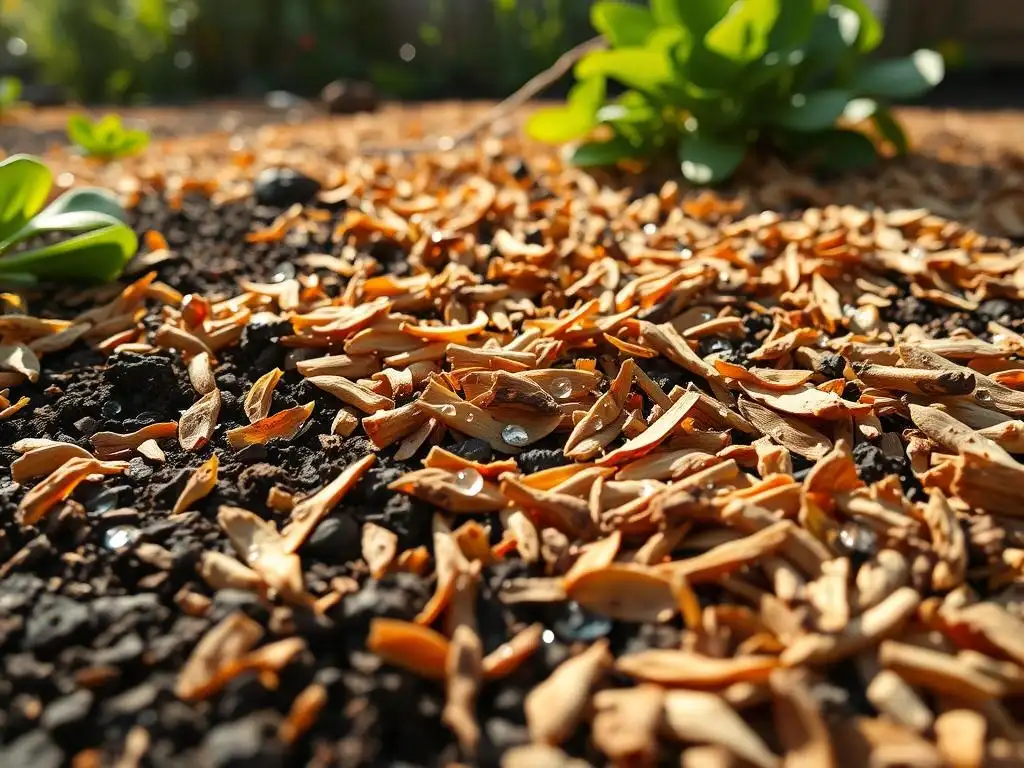
Ready to unlock the secrets to a thriving, sustainable garden? At CultivateYourFood, we're passionate about empowering you to grow your own delicious fruits, vegetables, and herbs. But what happens when Mother Nature throws a curveball? This is where our expertise comes in. Learn how to conquer drainage challenges and achieve optimal soil conditions with our comprehensive guide on the Best Mulch for Drainage, a vital step in ensuring a bountiful harvest. Dive in and discover the transformative power of proper mulching!
- Understanding the Role of Mulch in Improving Drainage
- Choosing the Best Mulch for Drainage
- Best Practices for Applying Mulch to Enhance Drainage
- Long-Term Benefits of Using Mulch for Drainage
- Troubleshooting Drainage Issues with Mulch
- Frequently Asked Questions
- Final Reflection: Cultivating Healthy Soil, One Mulch at a Time
- Unlock Your Garden's Drainage Potential
Understanding the Role of Mulch in Improving Drainage
Dealing with poor drainage in your garden can be frustrating, leading to soggy soil, root rot, and stunted plant growth. But what if we told you that a simple, sustainable solution could significantly improve your soil's drainage and overall health? This article delves into the surprising benefits of mulching for drainage, exploring how different types of mulch can enhance water percolation and create a healthier environment for your fruits, vegetables, and herbs.
We'll cover the best mulch for drainage, focusing on practical techniques and organic methods to ensure a thriving garden, even in challenging soil conditions. Choosing the right mulch is crucial; it's not just about aesthetics but about creating a soil ecosystem that promotes healthy growth and efficient water management.
We'll investigate how mulch interacts with the soil to enhance its drainage capabilities, considering the specific needs of your plants and the characteristics of your garden. Let's get started on cultivating a beautifully drained and productive garden!
How Mulch Improves Soil Structure for Better Water Drainage
Poor drainage often stems from compacted soil that prevents water from infiltrating effectively. Mulch plays a vital role in mitigating this problem. By creating a protective layer on the soil surface, mulch reduces the impact of rainfall, preventing soil compaction from foot traffic or heavy watering.
This is particularly beneficial in clay soils, which are notorious for their poor drainage. The organic matter in many mulches, such as wood chips or shredded leaves, gradually decomposes, improving soil structure by increasing porosity and creating air pockets. These air pockets allow water to penetrate more easily, reducing runoff and promoting better water infiltration.
The improved soil structure also enhances root penetration, allowing plants to access water and nutrients more efficiently. The effect is a more evenly moist soil profile, reducing the risk of both waterlogging and drought stress. Furthermore, the addition of organic mulch improves soil aeration, creating a healthier environment for beneficial soil organisms that contribute to overall soil health and drainage.
Preventing Soil Compaction: The Mulch Barrier
The protective barrier created by a layer of mulch acts as a shield against the forces that compact soil. Heavy rainfall can pack down soil particles, reducing porosity and hindering drainage. Mulch significantly reduces the impact of raindrops, preventing this compaction. Similarly, foot traffic, especially in areas with high-traffic flow, can severely compact the soil. A thick layer of mulch prevents direct contact between shoes and the soil, maintaining its structure and drainage capacity.
The type of mulch matters here; coarser materials like wood chips provide a more effective barrier than finer materials like straw. The depth of the mulch layer is also crucial; a deeper layer offers greater protection against compaction. Consider the specific needs of your garden and the level of foot traffic to determine the appropriate mulch depth and type. For areas with high traffic, a thicker layer of coarser mulch is recommended.
Mulch and Water Retention: A Balancing Act
While improving drainage is a key benefit, it's important to remember that mulch also plays a role in water retention. The mulch layer helps to moderate soil moisture levels by reducing evaporation. This is especially beneficial during dry periods, preventing the soil from drying out too quickly. However, it's crucial to strike a balance.
Too much mulch can lead to waterlogging, defeating the purpose of improving drainage. The key lies in selecting the right type and amount of mulch for your specific soil type and climate. Well-draining mulches like gravel or wood chips are ideal for clay soils prone to waterlogging.
Organic mulches, while beneficial for soil structure, should be used judiciously to avoid excessive water retention. Regular monitoring of soil moisture is essential to ensure that you're maintaining the right balance and preventing both drought stress and waterlogging. Careful observation and adjustment of your mulching strategy will lead to optimal soil moisture levels and a thriving garden.
Choosing the Best Mulch for Drainage
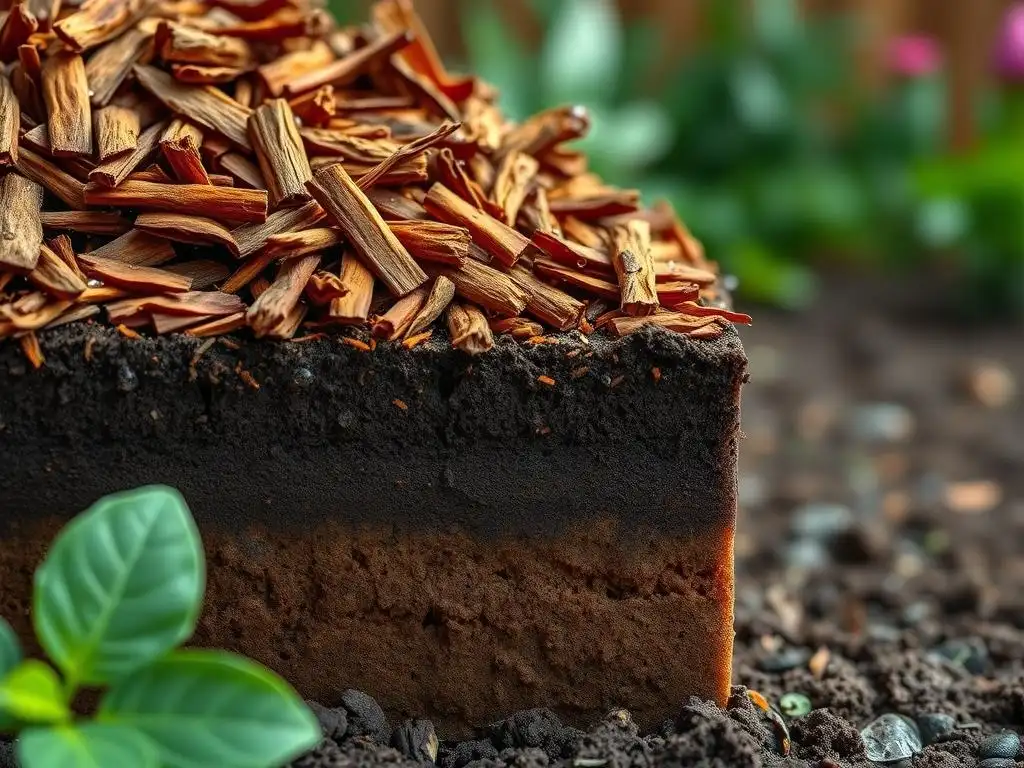
Selecting the right mulch is crucial for improving drainage in your garden beds. Poor drainage can lead to root rot and stunted plant growth, significantly impacting your harvest. The "best" mulch for drainage isn't a one-size-fits-all solution; it depends heavily on your specific soil type, climate, and the plants you're cultivating.
This section explores how to choose the best mulch to enhance water flow and prevent waterlogging, maximizing the health and yield of your fruits, vegetables, and herbs. We'll delve into various mulch types, their properties, and how to match them to your unique gardening needs. Remember, even with the best mulch, addressing underlying drainage issues like compacted soil may be necessary for optimal results.
Top Mulches for Improved Drainage: A Comparative Look
Choosing a mulch with excellent drainage properties is key to preventing waterlogged soil. Several options excel in this area. Let's compare some top contenders:
| Mulch Type | Drainage Properties | Pros | Cons | Suitability |
|---|---|---|---|---|
| Gravel | Excellent | Highly porous, doesn't decompose, long-lasting | Can be expensive, may heat up in sun, sharp edges | Ideal for very heavy clay soils, succulents |
| Wood Chips (coarse) | Good | Relatively inexpensive, improves soil structure over time | Decomposes, requires replenishing, can harbor pests if not properly sourced | Suitable for most soil types, many plant types |
| Straw | Good | Lightweight, inexpensive, good for erosion control | Decomposes quickly, needs frequent replenishment, can harbor pests | Best used as a temporary mulch, or for specific crops |
| Pine Bark Fines | Moderate | Attractive appearance, good for acid-loving plants | Can become compacted, relatively expensive | Suitable for moderate drainage needs |
| Pea Gravel | Excellent | Smooth, aesthetically pleasing, good drainage | Expensive, can be difficult to work with | Ideal for decorative purposes, and good drainage |
Remember to source your mulch responsibly. Avoid treated wood, which can leach harmful chemicals into the soil. Opt for locally sourced, untreated materials whenever possible to minimize your environmental impact and support local businesses. The decomposition rate of organic mulches also influences their long-term drainage effect; faster decomposition can lead to temporary compaction before the soil structure improves.
Evaluating Different Mulch Types: Gravel, Wood Chips, and More
Let's take a closer look at some popular mulch choices and their impact on drainage:
- Gravel: Gravel mulches, like pea gravel or larger river rock, offer superior drainage. Their large pore spaces allow water to easily penetrate the soil. However, they can be expensive and might not be aesthetically pleasing in all garden settings. They also heat up significantly in direct sunlight, which can be detrimental to some plants.
- Wood Chips: Coarse wood chips, especially those from hardwood trees, provide excellent drainage while also improving soil structure over time as they decompose. They retain some moisture, but their porous nature prevents waterlogging. Ensure the chips are relatively large to prevent compaction. Fine wood chips can actually reduce drainage if compacted.
- Straw: Straw is a lightweight and inexpensive option, especially useful for winter protection. While it improves drainage initially, it decomposes quickly, requiring frequent replenishment. It's best suited as a temporary mulch or for specific applications.
Proper application is crucial. Avoid creating a thick layer of mulch, which can hinder drainage. A layer of 2-4 inches is generally sufficient, depending on the mulch type and soil conditions.
Considering Your Soil Type When Selecting Mulch
The best mulch for drainage is highly dependent on your soil type.
- Clay Soil: Clay soils are notoriously prone to poor drainage. A highly porous mulch like gravel is ideal for breaking up compaction and improving water infiltration. Wood chips can also be beneficial, but they will need to decompose over time to have a significant long-term impact.
- Sandy Soil: Sandy soils drain quickly, sometimes too quickly. While excellent drainage is generally desirable, you might need a mulch that retains some moisture, such as aged compost mixed with coarse wood chips. This combination provides both drainage and moisture retention.
- Loamy Soil: Loamy soils usually have good drainage. You can use a variety of mulches, choosing based on aesthetic preferences and the specific needs of your plants. Wood chips or pine bark fines are often suitable choices for loamy soil.
Remember to monitor your garden regularly. If you notice signs of poor drainage, such as standing water or yellowing leaves, adjust your mulching strategy or consider other soil improvement techniques. Regular soil testing can help you understand your soil's drainage capacity and inform your mulch selection. This ensures you're selecting the best mulch for drainage tailored to your specific garden conditions.
Best Practices for Applying Mulch to Enhance Drainage
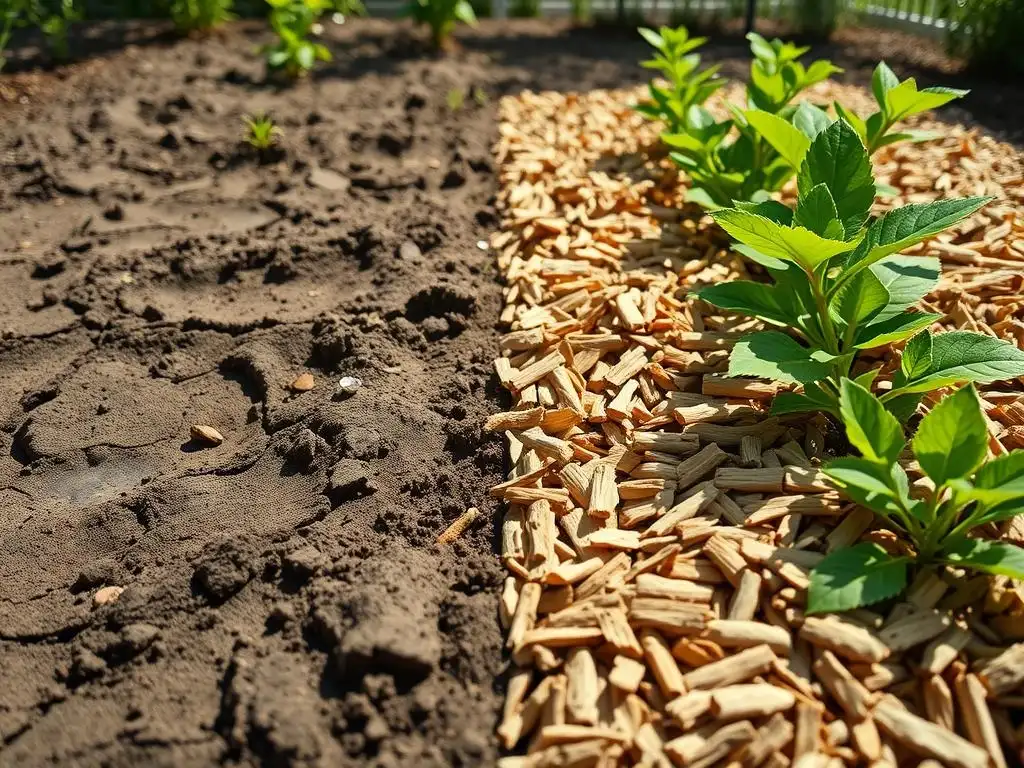
Improving drainage in your garden is crucial for healthy plant growth. While many focus on soil amendments, the strategic use of mulch plays a significant role in managing water flow and preventing waterlogging. Choosing the best mulch for drainage isn't just about the material itself; it's about the application.
This section details the best practices to ensure your mulch enhances, not hinders, drainage. We'll explore techniques that optimize water penetration and prevent the creation of a water-logged layer beneath your mulch. Remember, the goal is to create a soil environment that's well-aerated and allows for efficient water drainage, promoting healthy root systems and thriving plants.
Preparing the Soil Before Mulching for Optimal Results
Before laying down any mulch, proper soil preparation is paramount for achieving optimal drainage. Compacted soil acts like a barrier, preventing water from penetrating effectively. Therefore, before applying mulch, you need to loosen the soil to improve its structure and increase its permeability. This process involves several key steps:
- Testing Soil Drainage: Before you begin, assess your soil's drainage capabilities. A simple test involves digging a hole, filling it with water, and observing how quickly it drains. Slow drainage indicates a need for improvement.
- Tilling or Loosening the Soil: Use a garden fork or tiller to break up compacted soil to a depth of at least 6-8 inches. This allows for better water infiltration and root penetration. Avoid over-tilling, which can damage soil structure.
- Adding Organic Matter: Incorporating organic matter like compost significantly improves soil structure and drainage. Compost adds organic material and creates air pockets, which facilitates water movement. Aim for at least 2-3 inches of compost worked into the top layer of soil. This is particularly important for clay soils which are prone to poor drainage.
- Creating Raised Beds (if necessary): For areas with consistently poor drainage, consider creating raised beds. This elevates the planting area, allowing for better water drainage and preventing root rot. Raised beds can be constructed using readily available materials such as wood, stone, or even recycled plastic.
Proper Mulch Application Techniques for Drainage Improvement
The best mulch for drainage is not necessarily a single material, but rather a combination of material selection and application technique. The following techniques maximize drainage benefits:
- Choosing the Right Mulch: While many mulches help retain moisture, some are better for drainage than others. Well-draining options include:
- Wood chips: Offer excellent drainage and gradually decompose, enriching the soil.
- Gravel: A highly porous option suitable for areas with exceptionally poor drainage, especially around larger plants.
- Pea gravel: Smaller than regular gravel, it offers good drainage and a more aesthetically pleasing look in some gardens.
- Shredded bark: Provides good drainage and helps regulate soil temperature.
- Avoid Over-Mulching: A thick layer of mulch can create a barrier, preventing water from reaching the soil. Aim for a layer of 2-3 inches; anything thicker might create a problem. Remember that the decomposition process can also compact the mulch layer over time, further reducing drainage.
- Mulch Distribution: Ensure even distribution of the mulch to avoid creating pockets of compaction. Avoid piling mulch against plant stems, as this can lead to rot.
- Leave Space Around Plants: Leave a small gap between the mulch and the plant stems to allow for air circulation and prevent moisture buildup around the plant's base. This is especially important for young seedlings.
Maintaining Your Mulch Layer for Long-Term Drainage Benefits
Maintaining your mulch layer is essential for continued drainage benefits. Regular upkeep prevents compaction and ensures optimal water flow. Consider these points:
- Regular Inspection: Check your mulch layer regularly for signs of compaction or excessive buildup. Compacted mulch will restrict drainage and should be loosened or replenished.
- Top-Dressing: Add a thin layer of fresh mulch annually to replenish the layer and maintain its effectiveness. This will also add fresh organic matter to the soil, further improving drainage over time.
- Avoid Compacting the Mulch: Avoid walking on the mulch layer, especially when it's wet, as this can compact it and reduce its drainage capacity. Use stepping stones or pathways to minimize foot traffic.
- Addressing Soil Issues: If drainage problems persist despite proper mulching, it may indicate underlying soil issues that need to be addressed. Soil testing and amendments may be necessary. This could include adding gypsum to clay soils to improve their structure.
Using the right mulch and employing these practices will significantly improve the drainage in your garden, leading to healthier and more productive plants. Remember that consistent monitoring and maintenance are key to long-term success in managing drainage effectively. 🌱
Avoiding Common Mulching Mistakes that Hinder Drainage
Applying mulch incorrectly can ironically worsen drainage problems. One common mistake is using too much mulch. A thick layer, especially of a water-retentive material like shredded bark or wood chips, can create a barrier preventing water from penetrating the soil. Instead of improving drainage, this leads to waterlogging, potentially harming plant roots. The ideal mulch layer thickness is generally between 2-4 inches; exceeding this significantly increases the risk of poor drainage. Always consider your soil type; sandy soils might tolerate a slightly thicker layer than clay soils.
Another frequent error involves selecting the wrong type of mulch. While organic mulches like straw, shredded leaves, and pine needles generally improve soil structure over time, some retain more moisture than others. For example, while straw can help with drainage, heavy clay soils might benefit more from a coarser material like gravel, which allows for better water percolation. Conversely, using materials that compact easily, such as finely shredded bark in heavy clay soil, can create a dense layer that impedes water flow. The best mulch for drainage will depend heavily on your specific soil conditions and climate.
Furthermore, neglecting proper soil preparation before mulching is a significant oversight. If you apply mulch to compacted soil, the water won't be able to penetrate effectively, regardless of the mulch type. Before mulching, ensure the soil is properly loosened and aerated to allow for optimal water absorption. Consider incorporating organic matter like compost into the soil to enhance its structure and drainage capabilities. This will make the mulch more effective at improving drainage, rather than hindering it.
Finally, the placement of mulch is crucial. Avoid piling mulch directly against the stems or trunks of plants. This can create areas of moisture buildup leading to rot and fungal diseases. Maintain a small gap between the mulch and the plant base to allow for proper air circulation and prevent water from accumulating around the plant's crown. Proper spacing and mindful application will ensure that your mulch enhances, rather than hinders, drainage. Careful observation and adjustments after rainfall can help you refine your technique and ensure you’re achieving optimal drainage.
Long-Term Benefits of Using Mulch for Drainage
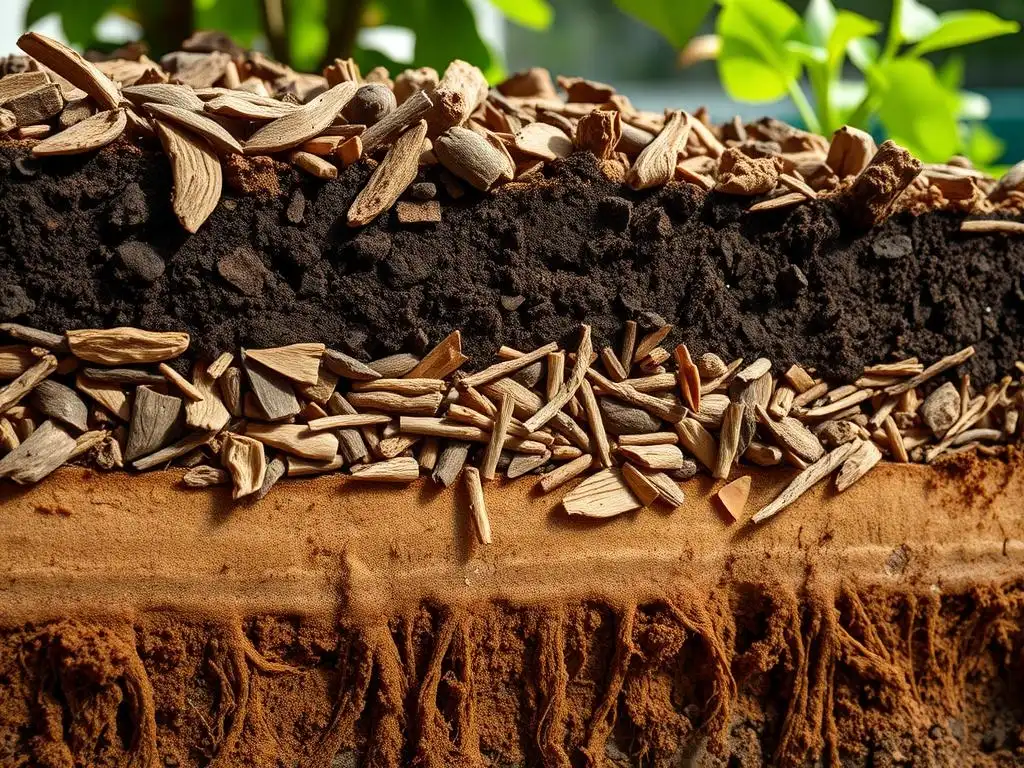
Improving drainage in your garden isn't just about fixing a temporary problem; it's about cultivating a healthier, more productive growing environment for years to come. Choosing the best mulch for drainage offers a multitude of long-term benefits that significantly impact the success of your gardening endeavors. By focusing on sustainable and organic mulching practices, you contribute to a thriving ecosystem while reaping the rewards of a bountiful harvest. Let's delve into the lasting advantages.
Healthy Root Systems: The Impact of Improved Drainage
Poor drainage leads to waterlogged soil, a breeding ground for root rot and other fungal diseases. These diseases can severely damage or even kill plants, leading to significant losses in yield and requiring extensive remediation efforts. Conversely, well-drained soil, facilitated by the right mulch, promotes healthy root development. Roots need oxygen to thrive, and proper drainage ensures adequate aeration. This leads to stronger, more extensive root systems, resulting in:
- Increased nutrient uptake: Healthy roots can more efficiently absorb water and nutrients from the soil, leading to vigorous plant growth and higher yields. This is particularly important for nutrient-dense fruits, vegetables, and herbs.
- Greater drought tolerance: Plants with robust root systems are better equipped to withstand periods of drought, as their roots can access water deeper in the soil profile. This reduces the need for frequent watering, saving you time and water resources.
- Improved plant resilience: Stronger root systems provide better anchorage, making plants less susceptible to damage from wind and heavy rain. This resilience is crucial for long-term garden health, minimizing losses from environmental stressors.
Consider this example: a tomato plant grown in poorly drained soil might produce only a few small, underdeveloped fruits, while the same plant in well-drained soil, properly mulched, could yield a plentiful harvest of large, juicy tomatoes. The difference is dramatic and highlights the importance of proper drainage for optimal plant health.
Reduced Waterlogging and Soil Erosion
Waterlogging, a direct consequence of poor drainage, creates an anaerobic environment detrimental to plant roots. This leads to root suffocation and the proliferation of harmful pathogens. By using the best mulch for drainage, you significantly reduce waterlogging, creating a more hospitable environment for your plants. Furthermore, proper mulching helps prevent soil erosion by acting as a protective barrier against the impact of rain.
The mulch cover slows down the flow of water, reducing its erosive power and preventing the topsoil from being washed away. This is especially beneficial on sloped gardens or areas prone to heavy rainfall. The long-term impact of reduced erosion is a stable, fertile soil profile that supports healthy plant growth for many years. We can quantify this benefit by considering the cost of soil replacement versus the relatively inexpensive cost of implementing a proper mulching strategy.
Enhanced Nutrient Retention in Well-Drained Soil
Well-drained soil is crucial for nutrient retention. In waterlogged soil, nutrients are often leached out, leaving plants nutrient-deficient. The best mulch for drainage helps to improve soil structure, creating a more stable environment for nutrients. The organic matter in the mulch decomposes, releasing essential nutrients into the soil gradually, providing a slow-release fertilizer effect.
This helps prevent nutrient runoff and ensures a consistent supply of nutrients for your plants throughout the growing season. This sustained nutrient release is particularly beneficial for organic gardening, where synthetic fertilizers are avoided. The improved soil structure also increases the soil's water-holding capacity, allowing it to retain more nutrients and moisture.
This translates to healthier plants, less frequent fertilization, and a more sustainable gardening approach. For instance, the addition of compost mulch can significantly boost the organic matter content of your soil, leading to a noticeable improvement in nutrient retention and overall soil health over time. This long-term investment in soil health pays dividends in terms of increased yields and reduced reliance on external inputs.
Sustainable Gardening Practices with Mulch for Drainage
Mulching for drainage isn't just about improving your soil's water management; it's a cornerstone of sustainable gardening practices. By employing the right mulch, you significantly reduce the need for chemical interventions, contributing to a healthier environment and a more robust garden ecosystem. Traditional methods often rely on heavy tilling to address drainage issues, compacting the soil and harming its delicate structure. This can lead to decreased soil fertility and increased erosion. Mulching, on the other hand, works with the natural processes of the soil, promoting its long-term health and resilience.
The reduced need for watering associated with improved drainage translates directly into water conservation. Overwatering is a common problem in poorly drained soils, leading to wasted water resources and potentially harming plants through root rot. By implementing a well-planned mulching strategy, you can optimize water use and minimize water waste, a crucial aspect of sustainable agriculture. This is particularly important in arid or semi-arid climates where water scarcity is a major concern.
Furthermore, mulching significantly reduces weed growth. Weeds compete with your desired plants for resources like water and nutrients. A proper mulch layer acts as a physical barrier, suppressing weed germination and reducing the need for herbicides. This aligns perfectly with the principles of organic gardening and helps maintain a healthy, chemical-free growing environment. Less weeding also means less labor, making your gardening practices more efficient and less demanding on your time and resources. Choosing organic mulches, such as wood chips or shredded leaves, further enhances the sustainability of your approach.
Finally, the decomposition of organic mulches enriches the soil with valuable nutrients. As the mulch breaks down, it gradually releases essential elements, improving soil structure and fertility. This natural fertilization reduces or eliminates the need for synthetic fertilizers, contributing to a healthier soil ecosystem and a more environmentally friendly garden. This continuous cycle of nutrient replenishment promotes long-term soil health and reduces reliance on external inputs, making your garden truly sustainable. The benefits extend beyond improved drainage; it’s a holistic approach to gardening that fosters a thriving and environmentally responsible space.
Troubleshooting Drainage Issues with Mulch
This section focuses on utilizing mulch effectively to improve drainage, addressing common misconceptions and highlighting best practices for achieving optimal results. Poor drainage can severely impact plant health, leading to root rot and reduced yields. Understanding how mulch interacts with soil moisture is crucial for successful gardening. The "best mulch for drainage" isn't a single product, but rather a selection based on your specific soil type and climate.
Addressing Existing Drainage Problems with Mulch Application
Applying mulch to address pre-existing drainage problems requires a strategic approach. Simply piling on mulch won't solve the issue; in fact, it could exacerbate it if done incorrectly. The key is to improve soil structure and increase its permeability.
First, assess your soil. Is it compacted clay? Is it excessively sandy and prone to rapid water loss? Different soil types require different mulching strategies. For compacted clay soils, consider incorporating organic matter before applying mulch. This could involve tilling in compost or other organic amendments to break up the clay and improve aeration. This is a crucial step often overlooked when dealing with poor drainage. The improved soil structure allows for better water infiltration.
Following soil amendment, choose the right mulch. For drainage, coarser mulches like wood chips or shredded bark are generally preferred over finer materials like peat moss or straw. These coarser materials allow for better air circulation and water penetration. Avoid using excessively thick layers of mulch, as this can create a barrier and impede drainage. A layer of 2-4 inches is typically sufficient, depending on the mulch material and soil type. Remember, the goal is to improve drainage, not to create a water-repellent layer.
Think of it this way: Imagine trying to pour water onto a solid block of clay versus pouring it onto soil with plenty of air pockets. The latter will absorb the water much more effectively. Mulch helps create those air pockets in the soil, improving its overall drainage capacity.
Recognizing Signs of Poor Drainage Despite Mulching
Even with proper mulch application, some gardens may still suffer from poor drainage. Recognizing the signs is vital for taking corrective action. Persistent signs, even after mulching, indicate a more significant underlying problem.
Here are some key indicators:
- Standing water: Puddles persisting for extended periods after rainfall or watering.
- Yellowing or wilting leaves: Despite adequate watering, plants exhibit signs of drought stress due to waterlogged roots.
- Soggy soil: Consistently damp or muddy soil, even after several days of dry weather.
- Slow plant growth: Plants are stunted and fail to thrive, even with proper fertilization.
- Root rot: Visible signs of decay on plant roots, often manifested as dark, mushy tissue.
If you observe these symptoms despite using the appropriate mulch and application techniques, further investigation is necessary. This could involve analyzing your soil composition, checking for compacted layers beneath the surface, or assessing the overall slope and grading of your garden. Remember to consider the surrounding landscape and potential runoff issues.
When to Seek Professional Help for Drainage Issues
Sometimes, DIY solutions aren't enough. Persistent poor drainage, despite your best efforts, might require professional intervention. This is especially true if the problem is extensive or involves complex geological factors.
Consider contacting a landscaping professional or soil expert if:
- You've tried various mulching techniques without success.
- You suspect underlying structural issues, such as compacted soil layers or inadequate grading.
- You have a large garden area with significant drainage challenges.
- You're dealing with unusual soil conditions or geological features.
- You lack the time or expertise to diagnose and address the problem effectively.
A professional can provide a thorough assessment, recommend appropriate solutions, and potentially implement more involved interventions like installing drainage systems or modifying the garden's topography. Don't hesitate to seek professional help; investing in expert advice can save you time, effort, and ultimately, your plants. Prevention is always better than cure, but sometimes professional intervention is the best way to ensure long-term success and a thriving garden. 🌱
Frequently Asked Questions
What is the primary benefit of using mulch for drainage?
Mulch improves drainage by increasing soil porosity. This allows water to penetrate the soil more easily, reducing runoff and preventing waterlogging. It also helps to break up compacted soil.
Which types of mulch are best for improving drainage?
Gravel, crushed stone, and wood chips are excellent choices for improving drainage. Avoid using heavy clay-based mulches which can compact the soil and hinder drainage.
How much mulch should I use to improve drainage?
The ideal amount depends on your soil type and the type of mulch used. Generally, a layer of 2-4 inches is sufficient. Too much mulch can create a barrier to water penetration.
Does mulch prevent weed growth, helping with drainage?
While mulch does suppress weeds, improving drainage is a separate benefit. The reduced waterlogging created by improved drainage indirectly helps to prevent weed growth by making the soil less hospitable.
Can I use any type of mulch for improving drainage in my vegetable garden?
No, not all mulches are created equal. While some mulches improve drainage, others can worsen it. Avoid heavy, water-retentive mulches like shredded bark in areas with poor drainage. Choose materials that allow for good air and water circulation.
Final Reflection: Cultivating Healthy Soil, One Mulch at a Time
The quest for optimal drainage isn't just about avoiding soggy lawns; it's about fostering thriving ecosystems, both in our gardens and on a larger scale. Proper water management is crucial for combating the increasingly erratic weather patterns impacting our planet, and understanding the role of mulch in this process is more vital than ever. The health of our soil directly impacts the health of our planet.
The impact of mulch extends far beyond improved drainage; it's a fundamental element in creating resilient and sustainable landscapes. It's about nurturing the very foundation of our food systems and natural environments. Choosing the right mulch isn't just a gardening choice; it's a conscious decision towards environmental stewardship. The land is what gives us our identity, and we must take care of it.
This simple truth underscores the importance of thoughtful land management practices, and the selection of appropriate mulch is a crucial step in that process.
Now, consider your own space – your garden, your yard, even a single potted plant. What kind of mulch are you using? Is it serving its purpose effectively? Take this opportunity to reassess your approach to soil health. Experiment with different mulches, observe their impact, and become a more conscious steward of the land you inhabit. Let's cultivate a future where healthy soil and thriving ecosystems are the norm, not the exception.
Unlock Your Garden's Drainage Potential
Thank you for learning about the amazing benefits of mulching for better drainage! You've gained valuable knowledge to improve your garden's health and yield. Now it's time to put this knowledge into practice.
- Tackle your wettest areas first: Begin mulching the sections of your garden that suffer most from poor drainage. Improving drainage in these areas will significantly benefit your plants' health.
- Share your mulching successes (and challenges!) with fellow gardeners on our CultivateYourFood community forum. Your experience could help others!
- Explore various mulching materials: Experiment with different materials such as shredded leaves or composted wood chips to find what works best in your garden.
What new mulching method will you try this week to improve your garden's drainage?