
Natural Pest Control: A Sustainable Approach to Gardening

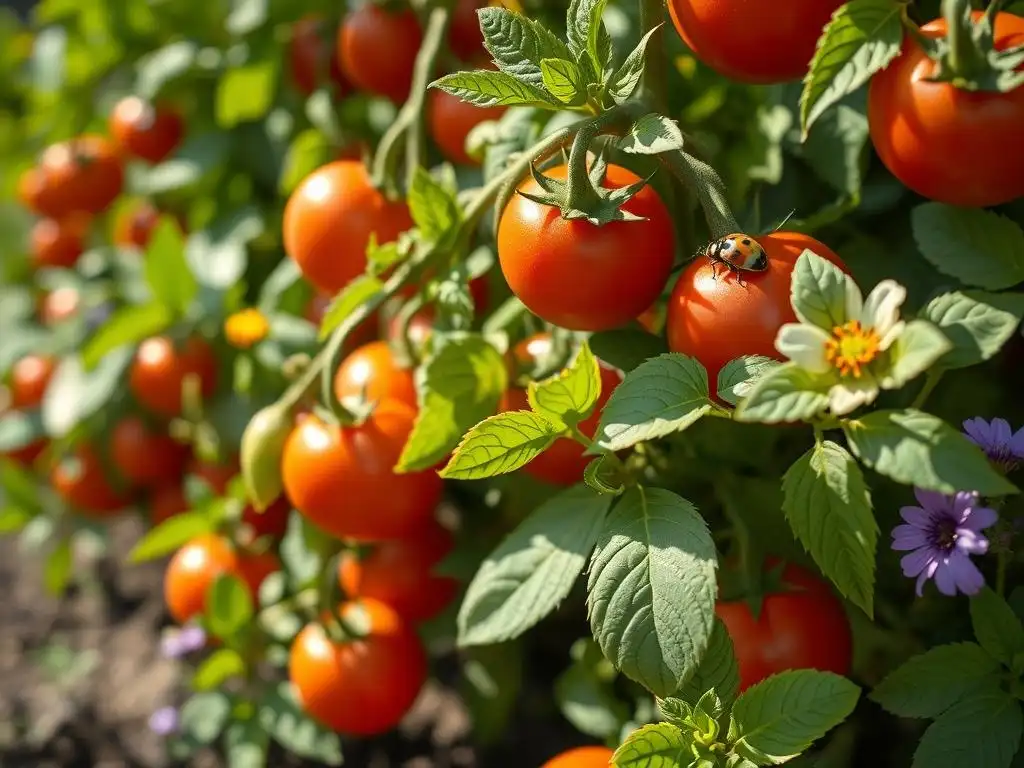
Ready to transform your garden into a thriving, organic oasis? At CultivateYourFood, we empower you to grow your own fruits, vegetables, and herbs using sustainable practices. Discover the secrets to a bountiful harvest without harmful chemicals, starting with our in-depth guide on organic pest control gardening. Learn how to protect your plants naturally and cultivate a truly healthy garden – the journey to a greener, more delicious future begins here!
- Understanding Organic Pest Control Gardening Methods
- Beneficial Insects: Nature's Pest Control Solution
- Creating a Habitat for Beneficial Insects in Your Garden
- Organic Pest Control Techniques Beyond Beneficial Insects
- Monitoring and Evaluating Your Organic Pest Control Strategy
- Maintaining a Healthy and Thriving Garden with Organic Pest Control
- Frequently Asked Questions
- Final Reflection: Nurturing a Healthier Ecosystem, One Garden at a Time
- Unleash Your Garden's Natural Defenses!
Understanding Organic Pest Control Gardening Methods
Organic pest control gardening prioritizes ecological balance and the health of your plants, soil, and the environment. Unlike conventional methods relying on synthetic pesticides, this approach leverages natural processes and beneficial organisms to manage pest populations. This holistic strategy focuses on prevention, attracting beneficial insects, and using natural deterrents to minimize pest damage while preserving biodiversity in your garden. This article will delve into the specifics of identifying pests, recognizing infestation signs, and implementing preventative measures—all crucial steps in successful organic pest control.
By understanding these principles, you can cultivate a thriving garden that's both productive and environmentally responsible. Adopting organic pest control practices contributes to a healthier ecosystem, reduces your environmental impact, and ensures the safety of your food. This approach is not only sustainable but also offers a rewarding experience for the gardener, fostering a deeper connection with nature and the growth process.
Identifying Common Garden Pests and Their Damage
Identifying garden pests accurately is the first step towards effective organic pest control. Many common pests cause characteristic damage, enabling early detection. For example:
- Aphids: These small, soft-bodied insects suck sap from plants, causing stunted growth, leaf curling, and honeydew secretion (a sticky substance attracting ants and sooty mold). Their presence is often visually noticeable, appearing as clusters on young shoots and leaves.
- Caterpillars: These larval stages of moths and butterflies can devour leaves, stems, and even fruits. The damage is often visible as holes in foliage or completely defoliated plants. Specific caterpillar species target particular plants, so identification is crucial for effective management.
- Slugs and Snails: These mollusks leave characteristic slimy trails and chew holes in leaves, often feeding at night. Their damage is most apparent during wet weather.
- Whiteflies: These tiny, winged insects cluster on the undersides of leaves, sucking plant sap and leaving behind a sticky residue.
| Pest Type | Damage Description | Signs of Infestation |
|---|---|---|
| Aphids | Stunted growth, leaf curling, honeydew secretion | Clusters of small insects on young shoots and leaves |
| Caterpillars | Holes in leaves, defoliation | Missing leaf sections, visible caterpillars |
| Slugs & Snails | Holes in leaves, slimy trails | Slimy trails, chewed leaf edges, damage most apparent at night |
| Whiteflies | Sap sucking, sticky residue | Clusters of tiny insects on undersides of leaves |
Understanding the specific damage caused by different pests allows for targeted interventions, maximizing the effectiveness of your organic pest control strategies. [Specific information pending on additional common pests and their damage in various climates].
Recognizing Signs of Infestation: Early Detection is Key
Early detection of pest infestations is paramount for successful organic pest control. The sooner you identify a problem, the easier it is to manage before the infestation becomes widespread and causes significant damage. Regular monitoring of your plants is crucial. Look for:
- Visible Pests: Direct observation is often the simplest method. Regularly inspect your plants, paying close attention to the undersides of leaves, stems, and buds.
- Damage to Plants: Look for unusual holes, discoloration, wilting, stunted growth, or distorted leaves.
- Presence of Pests' Waste Products: Check for signs like honeydew (sticky residue from aphids), frass (insect droppings), or webbing.
- Unusual Plant Behavior: Changes in plant growth, color, or overall health can also signal a pest problem.
Early detection allows for less intensive interventions. A small infestation can often be managed with simple methods, preventing the need for more drastic measures later on. Implementing a regular inspection schedule, even weekly, significantly improves your chances of early detection. Remember that proactive monitoring is a vital component of effective organic pest control. [Data pending on the effectiveness of different early detection methods].
The Importance of Prevention in Organic Pest Control
Prevention is the cornerstone of successful organic pest control. By creating a healthy and resilient garden environment, you can significantly reduce the likelihood of pest infestations. Key preventative measures include:
- Healthy Soil: Healthy soil supports strong, resilient plants better able to withstand pest attacks. Regular composting and soil amendments improve soil structure and nutrient content.
- Crop Rotation: Rotating crops annually helps disrupt pest life cycles and reduces pest buildup in the soil.
- Companion Planting: Planting certain species together can deter pests. For example, marigolds are known to repel nematodes and some other insects.
- Proper Watering and Fertilization: Providing plants with adequate water and nutrients helps them grow vigorously and resist pest damage. Avoid overwatering, which can create conditions favorable for fungal diseases and other pests.
- Sanitation: Regularly remove weeds, dead leaves, and other plant debris to eliminate potential breeding grounds for pests.
By focusing on preventative measures, you create a garden environment less hospitable to pests, minimizing the need for reactive interventions. This proactive approach is crucial for maintaining a healthy and productive garden using organic pest control methods. [Statistics pending on the effectiveness of preventative measures in reducing pest infestations].
Beneficial Insects: Nature's Pest Control Solution
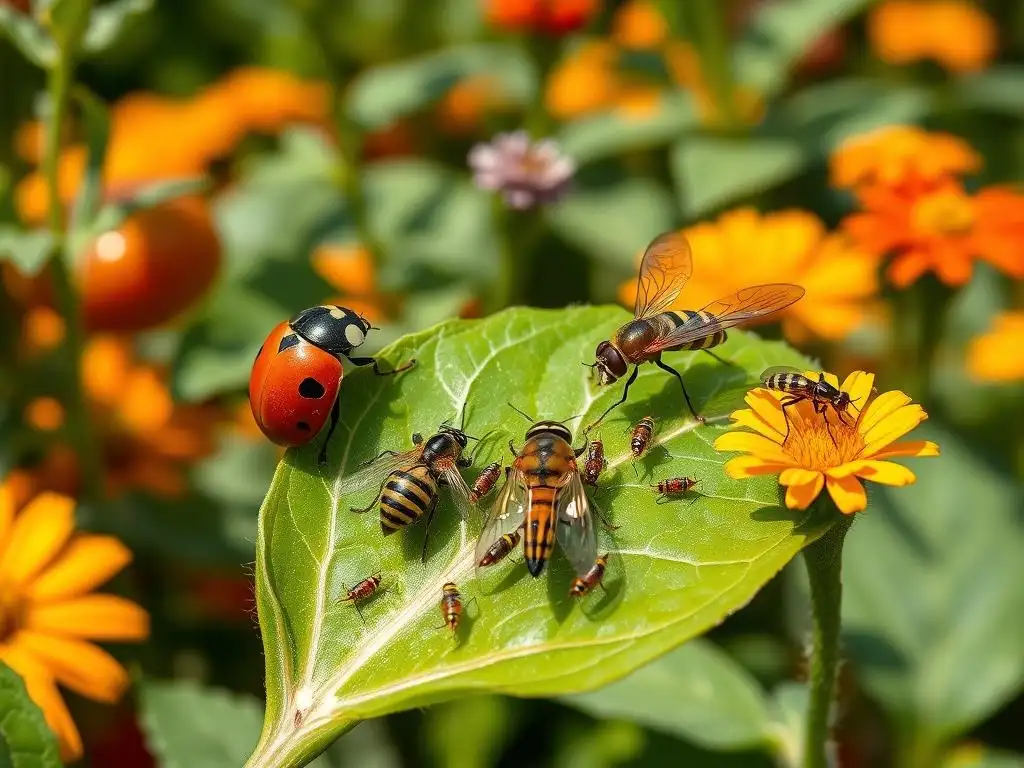
Organic pest control gardening relies heavily on harnessing the power of nature. One of the most effective and sustainable methods is attracting beneficial insects to your garden. These natural predators significantly reduce pest populations, minimizing the need for harmful chemical pesticides. By understanding their needs and creating a welcoming habitat, you can cultivate a thriving ecosystem that protects your plants naturally. This approach is not only environmentally friendly but also contributes to a healthier and more balanced garden ecosystem. This section will explore several key beneficial insects and strategies to attract them.
Attracting Ladybugs: Natural Predators for Aphids and Other Pests
Ladybugs, or ladybirds, are voracious aphid eaters. A single ladybug can consume hundreds of aphids during its lifetime, making them invaluable allies in the fight against these common garden pests. To attract ladybugs, provide them with the resources they need to thrive. This includes:
- Food sources: Plant aphid-prone plants strategically. While you don't want an aphid infestation, a small number can attract ladybugs. Dill, fennel, and yarrow are known to attract aphids, inadvertently attracting ladybugs as well.
- Shelter: Provide hiding places such as leaf litter, mulch, and rock piles. Ladybugs seek shelter during inclement weather and to overwinter.
- Water sources: A shallow dish of water with pebbles to prevent drowning will provide a vital water source, especially during dry spells.
- Avoid pesticides: Using chemical pesticides will kill ladybugs along with the pests you're trying to control. This completely undermines the effectiveness of this natural pest control method.
Consider planting flowering plants like Queen Anne's Lace and cosmos, which attract many beneficial insects, including ladybugs. Regularly inspect your plants; if you see a significant ladybug population, you're on the right track! Remember, patience is key; attracting beneficial insects takes time.
Encouraging Lacewings: Effective Control of Mealybugs and Other Soft-Bodied Insects
Lacewings are another incredibly beneficial insect for organic pest control gardening. Their larvae are particularly effective at controlling mealybugs, aphids, spider mites, and other soft-bodied insects. Adult lacewings are also beneficial pollinators. To encourage lacewings, focus on providing these essential elements:
- Nesting sites: Lacewings lay their eggs on vegetation, so maintaining a diverse range of plants is important. Avoid excessive pruning which can remove their egg-laying sites.
- Light sources: Lacewings are attracted to light, so using low-intensity outdoor lighting can help attract them to your garden. However, avoid bright, harsh lights, which can disorient them.
- Sweet nectar sources: Adult lacewings feed on nectar and pollen. Planting flowers like dill, coriander, and yarrow will provide them with a food source.
- Minimal pesticide use: As with ladybugs, using pesticides eliminates lacewings and negates their beneficial impact.
Inviting Praying Mantises: Versatile Predators for a Wide Range of Pests
Praying mantises are fearsome predators, capable of taking down a wide variety of garden pests, including aphids, caterpillars, grasshoppers, and even some larger insects. Their presence significantly reduces pest pressure, contributing to a healthier garden. To attract these beneficial insects:
- Leave some "messiness": Praying mantises prefer slightly unkempt areas. Leaving some leaf litter, tall grasses, and other natural debris provides ideal habitats for them. Avoid overly manicured gardens.
- Plant dense vegetation: Tall plants and shrubs create ideal hunting grounds for praying mantises. They ambush their prey from within the foliage.
- Provide water sources: Just like ladybugs, a shallow dish of water with pebbles is beneficial.
- Avoid insecticides: The use of any insecticide will harm or kill praying mantises, therefore negating the benefits of attracting them. Insecticides are counterproductive to the goal of organic pest control gardening.
Remember that attracting beneficial insects is a long-term strategy. By creating a welcoming habitat and consistently practicing organic gardening techniques, you can establish a thriving ecosystem that naturally controls pests and promotes a healthy, sustainable garden. The rewards of organic pest control gardening, with its minimal environmental impact and enhanced biodiversity, are well worth the effort.
Utilizing Ground Beetles: Efficient Control of Soil-Dwelling Pests
Ground beetles are unsung heroes in the organic pest control gardening world. These nocturnal predators are voracious eaters, significantly reducing populations of various soil-dwelling pests. Their broad diet includes slugs, snails, cutworms, and even the larvae of other destructive insects. This makes them a highly effective and environmentally friendly alternative to chemical pesticides. Unlike many beneficial insects that focus on specific pests, ground beetles provide a broad spectrum of pest control, acting as a natural insurance policy for your garden's health. Their presence indicates a thriving and balanced ecosystem, a key element in successful organic gardening.
One of the most significant advantages of ground beetles is their low maintenance. Unlike some beneficial insects requiring specific plants or habitats to thrive, ground beetles are relatively adaptable. They prefer moist, shaded areas with ample leaf litter and mulch. These conditions provide ideal hiding places during the day and offer plenty of hunting grounds at night. By simply maintaining a healthy layer of mulch in your garden beds, you're creating an ideal habitat to attract and support a healthy ground beetle population. Avoid using broad-spectrum insecticides, which would inadvertently harm these beneficial insects along with the pests.
The effectiveness of ground beetles is amplified by their life cycle. They go through a complete metamorphosis, starting as eggs laid in the soil, progressing through larval and pupal stages, before emerging as adults. This means that a single ground beetle contributes to pest control throughout its entire lifespan, making them a consistently reliable ally in the battle against soil-borne pests.
Furthermore, their populations tend to self-regulate, meaning that their numbers increase in response to higher pest populations, and decrease as pest numbers decline – a naturally balanced system. This natural regulation is a key aspect of their effectiveness in organic pest control gardening, ensuring a sustainable and environmentally responsible approach.
To further encourage ground beetle populations, consider planting flowering plants that attract other beneficial insects. These plants will provide a rich and diverse ecosystem, creating a more hospitable environment for ground beetles and increasing their chances of survival and reproduction. Remember, a healthy and diverse ecosystem is the cornerstone of successful organic pest control, and ground beetles are an integral part of that ecosystem. Their presence is a sign of a flourishing garden, a testament to the power of natural pest control methods.
Creating a Habitat for Beneficial Insects in Your Garden
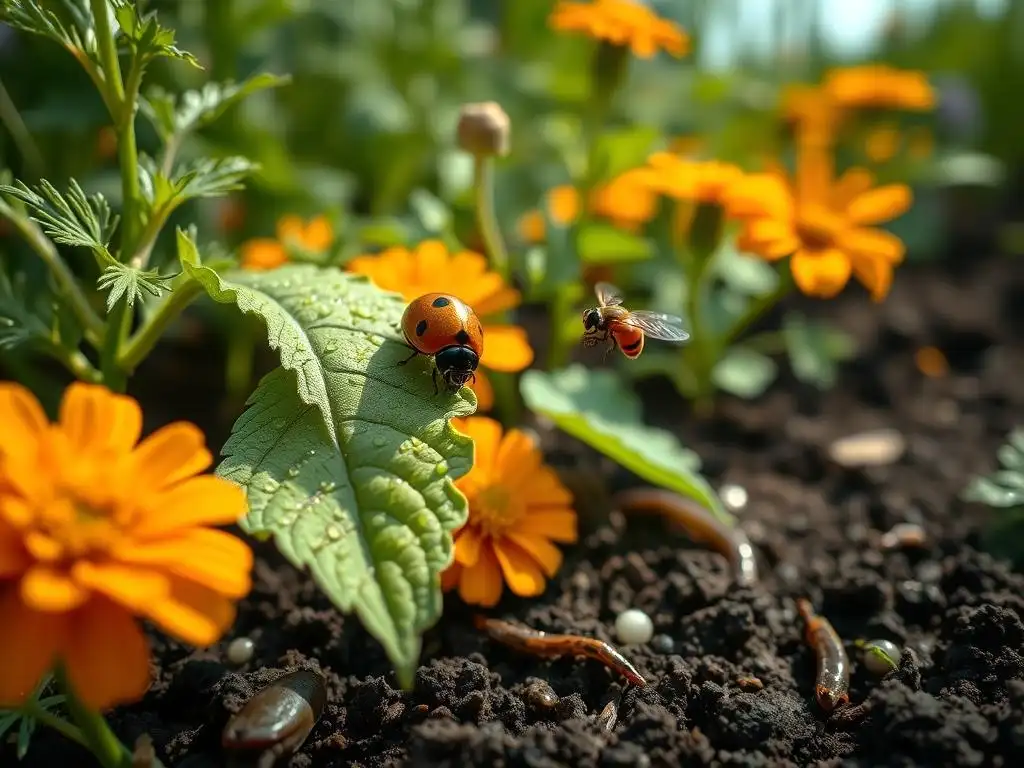
Organic pest control gardening relies heavily on attracting and supporting beneficial insects. These natural predators are far more effective and environmentally friendly than chemical pesticides. Creating a welcoming habitat is key to attracting these helpful creatures and establishing a thriving ecosystem in your garden. This involves providing essential resources like food, water, and shelter, transforming your garden into a haven for beneficial insects and reducing the need for harmful chemical interventions. This holistic approach to organic pest control gardening promotes biodiversity and contributes to a healthier environment.
Planting Nectar-Rich Flowers: Providing Food for Beneficial Insects
Beneficial insects, like ladybugs, lacewings, and hoverflies, require a consistent food source to thrive. Simply put, a hungry predator isn't an effective predator. Planting a diverse range of nectar-rich flowers is crucial for providing this sustenance. These flowers offer essential pollen and nectar, fueling the insects and encouraging them to remain in your garden. Consider incorporating plants such as:
- Calendula: Attracts hoverflies and parasitic wasps.
- Dill: Attracts beneficial insects, including lacewings and parasitic wasps.
- Yarrow: A favorite among many beneficial insects, including ladybugs and lacewings.
- Sunflower: Attracts a wide variety of pollinators and beneficial insects.
- Borage: A magnet for pollinators and beneficial insects, offering both nectar and pollen.
Remember to choose flowers that bloom at different times throughout the growing season to ensure a continuous supply of food for your beneficial insects. This consistent food source will dramatically increase their population and effectiveness in controlling pests. The timing of blooms is crucial for organic pest control gardening success.
Providing Water Sources: Essential for Insect Hydration and Survival
Just as important as food, water is essential for the survival of beneficial insects. Dehydration can significantly weaken these creatures, making them less effective at controlling pests. Providing shallow water sources is a simple yet effective way to ensure their hydration. Here are some ideas:
- Shallow dishes filled with water and pebbles: The pebbles provide a landing spot for insects to prevent drowning.
- A birdbath: While primarily for birds, beneficial insects will also utilize the shallow water.
- A dripping hose: A gently dripping hose provides a consistent source of moisture.
It's important to keep the water sources clean and refreshed regularly to prevent the breeding of mosquitoes or other unwanted insects. This simple step is critical in your organic pest control gardening strategy. The availability of clean water directly impacts the health and effectiveness of your beneficial insect population.
Building Insect Hotels: Creating Shelters for Beneficial Insects to Overwinter
Many beneficial insects require shelter for overwintering. Providing safe havens allows them to survive the cold months and return to your garden in the spring, ready to control pests. Building an insect hotel is a simple and rewarding project. These shelters can be as simple or elaborate as you like, but should incorporate a variety of materials to attract different species. Consider including:
- Hollow stems: Provide shelter for solitary bees and other insects.
- Pine cones: Offer crevices for smaller insects.
- Wood blocks with drilled holes: Ideal for solitary bees and wasps.
- Straw: Provides a nesting site for some beneficial insects.
- Bamboo canes: Excellent for providing nesting spaces for various insects.
Place your insect hotel in a sunny, sheltered location, away from strong winds and direct rain. This simple addition to your organic pest control gardening efforts will significantly contribute to the long-term success of your beneficial insect population, leading to a healthier and more productive garden. The strategic placement and diverse materials within the insect hotel are crucial for maximizing its effectiveness.
Avoiding Harmful Pesticides: Protecting Beneficial Insects and Maintaining Balance
Harmful pesticides indiscriminately eliminate beneficial insects alongside the pests you're targeting, disrupting the delicate balance of your garden ecosystem. This can lead to a resurgence of pest populations as natural predators are removed, potentially requiring even more intervention in the long run. Organic pest control gardening emphasizes a holistic approach that avoids these harmful chemicals. Instead of relying on broad-spectrum pesticides, focus on targeted methods that minimize harm to beneficial insects.
For example, consider the impact of a broad-spectrum insecticide on a ladybug population. Ladybugs are voracious aphid predators, a common garden pest. Eliminating ladybugs through pesticide use leaves your plants vulnerable to unchecked aphid infestations, potentially leading to significant crop damage and requiring more frequent, potentially more aggressive, interventions. This creates a vicious cycle where pesticide use becomes necessary to combat the overwhelming pest populations that result from the elimination of natural predators. The long-term consequences of this approach can include soil degradation and the development of pesticide-resistant pests, further complicating organic pest control efforts.
The key to successful organic pest control gardening lies in understanding the intricate relationships within your garden's ecosystem and making informed decisions to maintain balance. By protecting beneficial insects, you are essentially building a natural defense system that works with nature, rather than against it. This sustainable approach not only reduces the need for harmful pesticides but also contributes to a healthier, more vibrant garden environment. Remember, a thriving ecosystem is the best defense against pest problems. This means promoting biodiversity, providing habitat, and using preventative measures before pests become a significant issue.
Organic Pest Control Techniques Beyond Beneficial Insects
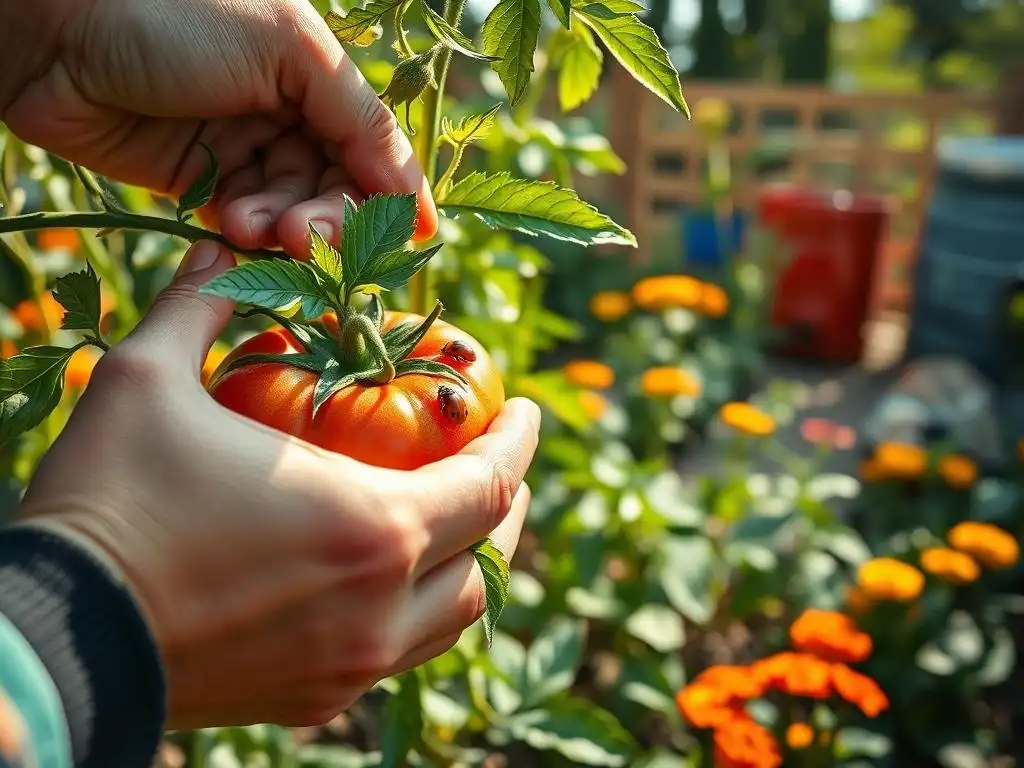
This section delves into effective organic pest control methods that extend beyond attracting beneficial insects. While beneficial insects are a cornerstone of a healthy, thriving garden ecosystem, supplementing their efforts with other natural strategies ensures comprehensive protection against pests. Remember, a multi-pronged approach is key to successful organic pest control gardening. This allows for a more resilient and sustainable garden, minimizing the need for harsh chemicals.
Using Diatomaceous Earth: A Natural Insecticide for Various Pests
Diatomaceous earth (DE) is a naturally occurring sedimentary rock composed of fossilized diatoms. Its microscopic, sharp edges act as a physical insecticide, cutting into the exoskeletons of soft-bodied insects like aphids, slugs, and caterpillars, causing dehydration and death. It's a non-toxic option for organic pest control gardening, posing minimal risk to beneficial insects, pets, and humans when used correctly.
Several factors influence DE's effectiveness. Firstly, application method is crucial. For best results, apply DE as a fine dust directly onto plants, focusing on areas where pests congregate. Avoid applying when it's wet, as this reduces its effectiveness. Secondly, particle size matters. Look for food-grade DE, which has a finer particle size and is more effective. Finally, consistent application is key, as DE washes away with rain or watering. Reapplication might be necessary after heavy rainfall or irrigation.
DE's versatility extends beyond its insecticidal properties. It can also be used as a preventative measure, creating a barrier around plants to deter pests. Sprinkling DE around the base of plants can prevent slugs and snails from reaching the foliage. Remember to always wear a mask when applying DE to avoid inhaling the dust.
Implementing Neem Oil: A Natural Insecticide and Fungicide
Neem oil, extracted from the neem tree ( Azadirachta indica), is a versatile organic solution for pest and disease management. It acts as both an insecticide and a fungicide, disrupting the life cycle of various pests, including aphids, whiteflies, mites, and certain fungal diseases. Its effectiveness stems from its active ingredient, azadirachtin, which interferes with insect feeding, mating, and development.
The application of neem oil requires careful consideration. The oil itself is not water-soluble, so it needs to be emulsified before application. Many commercial neem oil products are pre-emulsified, simplifying the process. However, it's crucial to follow the product instructions meticulously, paying attention to dilution rates. Over-dilution reduces its effectiveness, while over-concentration can damage plants. The best time to apply neem oil is during the early evening or on cloudy days to minimize the risk of sun damage to plants.
Neem oil's efficacy is influenced by factors such as temperature and humidity. Higher temperatures generally enhance its effectiveness, while rain can wash it away, necessitating reapplication. Furthermore, neem oil is not a contact killer; it takes time to work. You might not see immediate results, but consistent application will eventually suppress pest populations. It's an excellent preventative measure, especially during periods of high pest pressure.
Employing Companion Planting: Utilizing Plants to Repel Pests
Companion planting leverages the natural repellent properties of certain plants to deter pests from vulnerable crops. This strategy promotes biodiversity and reduces the reliance on external interventions, aligning perfectly with organic pest control gardening principles. The mechanism involves the release of volatile compounds by companion plants that either mask the scent of the target crop or repel pests directly.
For example, planting marigolds alongside tomatoes can deter nematodes and whiteflies. Basil's strong aroma repels many insects, including aphids and flies, making it an excellent companion for tomatoes, peppers, and eggplants. Similarly, garlic and onions repel many insects and can be planted throughout the garden. Researching specific plant pairings tailored to your garden's needs is crucial.
The success of companion planting depends on proper spacing and plant selection. Overcrowding can negate the benefits, while choosing incompatible plants can lead to competition for resources. Careful planning and observation are key to maximizing the effectiveness of this organic pest control strategy. Consider creating a diverse and well-planned garden layout to maximize the benefits of companion planting and enhance overall garden health. This approach contributes to a naturally resilient ecosystem, minimizing the need for further interventions.
Making Homemade Insecticidal Soaps: Effective and Environmentally Friendly Solutions
Homemade insecticidal soaps offer a powerful yet gentle approach to organic pest control in your garden. These soaps disrupt the cell membranes of soft-bodied insects, leading to dehydration and death. Unlike harsh chemical pesticides, they pose minimal risk to beneficial insects, pollinators, pets, and humans when used correctly. The key is to understand the proper formulation and application techniques.
Several recipes exist, but a basic insecticidal soap typically involves combining water, a mild soap (like Dr. Bronner's castile soap or a similar pure soap), and sometimes a small amount of horticultural oil. The horticultural oil helps the soap adhere better to the insect's body and enhances its effectiveness. It's crucial to avoid using dish soaps containing detergents or additives, as these can harm plants.
The exact ratios can vary depending on the specific soap and oil used, and even the type of pest you're targeting. A common starting point is a solution of 1 tablespoon of pure soap per gallon of water. For a more potent solution (especially against tougher pests), you might increase this to 2 tablespoons. Always test a small area of your plants first to ensure the solution doesn't damage the foliage. This is particularly important with delicate plants. Observe the plants for 24-48 hours after the test application before treating the entire plant.
Application is equally important. Thoroughly spray the affected plants, ensuring complete coverage of the insects. Focus on the undersides of leaves, where many pests like to hide. For best results, apply the soap in the early morning or late evening when the sun isn't too intense to avoid burning the plants. Repeat applications may be necessary, especially after rain, as the soap can wash away. Always follow the instructions carefully and observe your plants for any adverse reactions.
Remember, consistency is key. Regular applications of homemade insecticidal soap can significantly reduce pest populations and maintain a healthy garden. This method is particularly effective against aphids, spider mites, mealybugs, and whiteflies—common garden pests easily controlled with this sustainable approach to organic pest control gardening. It's a fantastic way to cultivate a thriving and healthy garden while minimizing your environmental footprint.
Monitoring and Evaluating Your Organic Pest Control Strategy
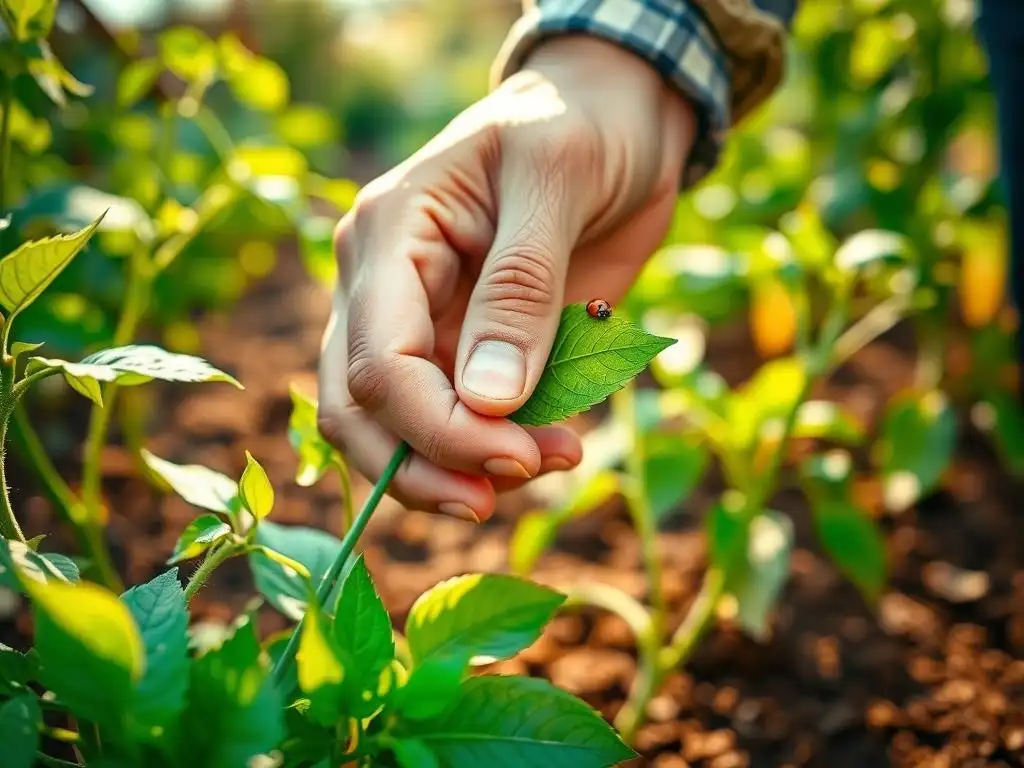
Effective organic pest control gardening isn't a set-it-and-forget-it process. Continuous monitoring and evaluation are crucial for success. Regularly assessing your garden's health and the effectiveness of your chosen methods allows for timely adjustments, leading to healthier plants and a more bountiful harvest. This proactive approach minimizes the impact of pests and maximizes the yield of your organic garden, ensuring a sustainable and productive growing season. Ignoring this crucial step can lead to significant crop losses and frustration.
Regular Garden Inspections: Early Detection of Pest Problems
Early detection is paramount in organic pest control. Regular inspections allow you to identify pest problems before they escalate into significant infestations. Aim for at least twice-weekly inspections, more frequently during periods of rapid plant growth or high pest pressure. Pay close attention to both the upper and lower surfaces of leaves, stems, buds, and fruits. Look for signs of chewing, sucking, or webbing.
Consider using a magnifying glass to better identify smaller pests or eggs. Knowing the specific pest helps you tailor your control measures effectively. For example, identifying aphids early allows you to introduce ladybugs or lacewings before the infestation overwhelms your plants. Similarly, early detection of slugs allows you to implement physical barriers or use organic slug baits before they decimate your seedlings. A systematic approach, checking each plant thoroughly, is key to effective early detection and successful organic pest control gardening.
Remember to check for signs of disease as well, as stressed plants are more vulnerable to pests. Yellowing leaves, wilting, or unusual spots can indicate disease, requiring a different approach to treatment. Keeping a detailed record of your observations will help you track pest and disease trends over time.
Assessing the Effectiveness of Your Methods: Adjustments and Refinements
Once you've implemented your organic pest control methods – whether it's attracting beneficial insects, using companion planting, or applying organic sprays – you need to evaluate their effectiveness. Simply applying a method and hoping for the best isn't sufficient. Regularly assess the pest population. Are the numbers decreasing? Are the plants showing signs of recovery? If your chosen methods aren't working, you need to adapt your strategy.
For example, if you've introduced ladybugs to control aphids but the aphid population remains high, you might need to supplement with a neem oil spray or consider other natural predators like lacewings. Similarly, if companion planting isn't deterring specific pests, you might need to relocate those plants or explore alternative companion plants known to repel that particular pest. Flexibility and a willingness to adjust your approach are key to success in organic pest control gardening. Don't be afraid to experiment with different methods and combinations to find what works best in your specific garden environment.
Documenting Your Results: Learning from Your Experiences and Improving Your Techniques
Maintaining a detailed garden journal is invaluable for improving your organic pest control strategy over time. Record your observations, the methods you used, and the results you achieved. This documentation allows you to track pest populations, the effectiveness of different control methods, and the overall health of your plants.
Use a table to organize your data:
| Date | Pest Observed | Method Used | Results | Notes |
|---|---|---|---|---|
| July 10 | Aphids | Introduced Ladybugs | Aphid population slightly reduced | Need more ladybugs or supplemental method |
| July 17 | Aphids | Neem oil spray | Significant reduction in aphid population | Ladybugs seem to be helping now |
| July 24 | Slugs | Beer traps | Slugs significantly reduced | Traps need refilling every other day |
| August 1 | Spider mites | Diatomaceous earth | No noticeable change | Consider using insecticidal soap next time |
This detailed record allows you to identify trends, refine your techniques, and anticipate future pest problems. By learning from past experiences, you can develop a more effective and sustainable organic pest control strategy for your garden, year after year. This data-driven approach is crucial for the long-term success of your organic gardening practices. Analyzing your results will allow you to optimize your organic pest control gardening techniques and build a resilient and thriving garden.
Maintaining a Healthy and Thriving Garden with Organic Pest Control
This section delves into the core principles of maintaining a vibrant garden ecosystem using organic pest control methods. We'll explore how proactive, sustainable practices contribute to long-term garden health and significantly reduce reliance on harmful chemical pesticides. Successfully implementing organic pest control gardening strategies requires understanding the interconnectedness of your plants, soil, and the beneficial insects and animals that inhabit your garden.
A balanced ecosystem naturally suppresses pest populations, leading to healthier plants and a more rewarding gardening experience. The initial investment in time and knowledge pays off handsomely in the long run, resulting in reduced costs, healthier harvests, and a greater sense of accomplishment.
The Long-Term Benefits of Sustainable Pest Management
Adopting sustainable pest management strategies offers numerous long-term advantages. Firstly, it leads to healthier plants. Plants grown without the constant stress of chemical pesticides are generally more vigorous, resilient to disease, and produce higher yields of superior quality. This translates into tastier fruits, vegetables, and herbs for you and your family.
Furthermore, the soil health significantly improves. Organic methods focus on enriching the soil with compost and other organic matter, enhancing its structure and nutrient content. This, in turn, fosters a thriving environment for beneficial microorganisms and earthworms, further promoting plant health and resilience. Finally, there's the economic benefit.
While the initial investment in organic pest control methods might seem higher, the long-term savings are substantial. You'll reduce or eliminate the ongoing costs associated with purchasing chemical pesticides, thereby saving both money and the environment. Consider this: a single application of chemical pesticides can cost [specific cost pending], while a few strategically placed beneficial insect houses can provide years of pest control. The cumulative savings over time are considerable.
Reducing Environmental Impact: Choosing Eco-Friendly Methods
Choosing eco-friendly organic pest control methods significantly minimizes the negative environmental impact associated with conventional gardening. Chemical pesticides can contaminate water sources, harm beneficial insects, and disrupt the delicate balance of the entire ecosystem. In contrast, organic methods prioritize environmental protection. Techniques like companion planting (planting certain plants together to deter pests), crop rotation, and the use of natural predators actively contribute to a healthier environment.
For instance, planting marigolds alongside tomatoes is a well-known companion planting technique that repels many common tomato pests. This approach significantly reduces or eliminates the need for chemical interventions, thus protecting beneficial pollinators like bees and butterflies, crucial for maintaining biodiversity and ensuring healthy plant reproduction. Moreover, composting organic waste reduces landfill waste and creates a valuable soil amendment, further minimizing the environmental footprint of your gardening practices. Organic pest control gardening is not just about growing food; it's about nurturing the environment.
Promoting Biodiversity: Cultivating a Balanced Ecosystem in Your Garden
A key element of successful organic pest control gardening is promoting biodiversity. A diverse garden ecosystem, teeming with various plants, insects, and other organisms, naturally regulates pest populations. Beneficial insects, such as ladybugs, lacewings, and praying mantises, are voracious predators of many common garden pests. Attracting these natural predators to your garden is crucial for effective pest control.
You can achieve this by providing habitats such as insect hotels, leaving areas of wildflowers to bloom, and avoiding the use of broad-spectrum insecticides that kill both harmful and beneficial insects. The presence of these beneficial insects significantly reduces the need for any intervention. Furthermore, a diverse range of plants offers a wider variety of food sources for beneficial insects, encouraging them to stay and thrive in your garden.
Consider planting a variety of herbs, flowers, and vegetables to create a complex and resilient ecosystem that naturally regulates pests. The more diverse your garden, the more resilient it will be to pest infestations. Remember, a healthy ecosystem is the foundation of successful and sustainable organic gardening.
Frequently Asked Questions
What is organic pest control?
Organic pest control focuses on preventative measures and the use of natural substances to manage pests, rather than synthetic pesticides. This includes methods like companion planting, beneficial insects, and natural sprays.
How effective is organic pest control compared to chemical methods?
Effectiveness depends on the pest and the scale of infestation. While it may require more consistent effort, organic methods can be highly effective in controlling many common garden pests, and are safer for the environment and your health.
What are some examples of natural pest control methods?
Several techniques exist: introducing beneficial insects like ladybugs, using natural sprays like neem oil or insecticidal soap, practicing crop rotation, and employing companion planting to deter pests.
Are organic pest control methods suitable for all gardens?
Yes, but the specific techniques will vary based on your climate, the pests you're facing, and the plants you're growing. A diverse garden often requires a multifaceted approach.
Where can I learn more about organic pest control techniques?
Explore resources like the CultivateYourFood website, which offers in-depth articles and guides on sustainable gardening practices, including organic pest control strategies, composting, and more.
Final Reflection: Nurturing a Healthier Ecosystem, One Garden at a Time
The shift towards sustainable living is no longer a niche interest; it's a necessity. The growing awareness of the environmental impact of chemical pesticides underscores the urgent need for organic pest control methods, not just in our gardens, but in our broader approach to agriculture and land management. This article has explored the multifaceted benefits of natural pest control, highlighting its crucial role in protecting biodiversity and human health.
The journey towards embracing natural pest control is a deeply rewarding one, fostering a profound connection with the natural world. It's about understanding the intricate web of life within our gardens and actively participating in its delicate balance. As the renowned naturalist, Rachel Carson, wisely stated: The more clearly we can focus our attention on the wonders and realities of the universe about us, the less taste we shall have for destruction.
This resonates deeply with the principles of organic gardening, urging us to nurture rather than eradicate.
Now, consider your own garden, your own little ecosystem. What steps can you take today to integrate natural pest control methods? Will you attract beneficial insects with specific plants? Will you explore the power of companion planting or homemade sprays? The transition may seem small, but the cumulative effect of countless individuals making conscious choices will create a ripple effect, leading to healthier gardens, healthier communities, and a healthier planet. Let's cultivate a future where sustainability is not just a trend, but a way of life.
Unleash Your Garden's Natural Defenses!
Thank you for exploring natural pest control with us! We hope you gained valuable insights into creating a thriving, pesticide-free garden. Now it's time to put your knowledge into practice.
- Craft your own natural pest repellent: Use the recipes and tips from the article to create a customized solution for your garden's specific needs. Share your successful concoctions with friends and neighbors!
- Experiment with companion planting: Introduce plants known for repelling pests into your garden beds. Observe how they interact and document your results. This will help you fine-tune your approach over time.
- Join our CultivateYourFood community forum to share your successes (and challenges!) with other gardeners. Let's build a thriving network of sustainable growing enthusiasts!
What simple step will you take today to create a healthier, more vibrant garden ecosystem?