
Clay Soil Woes: How to Improve Drainage in Heavy Soil

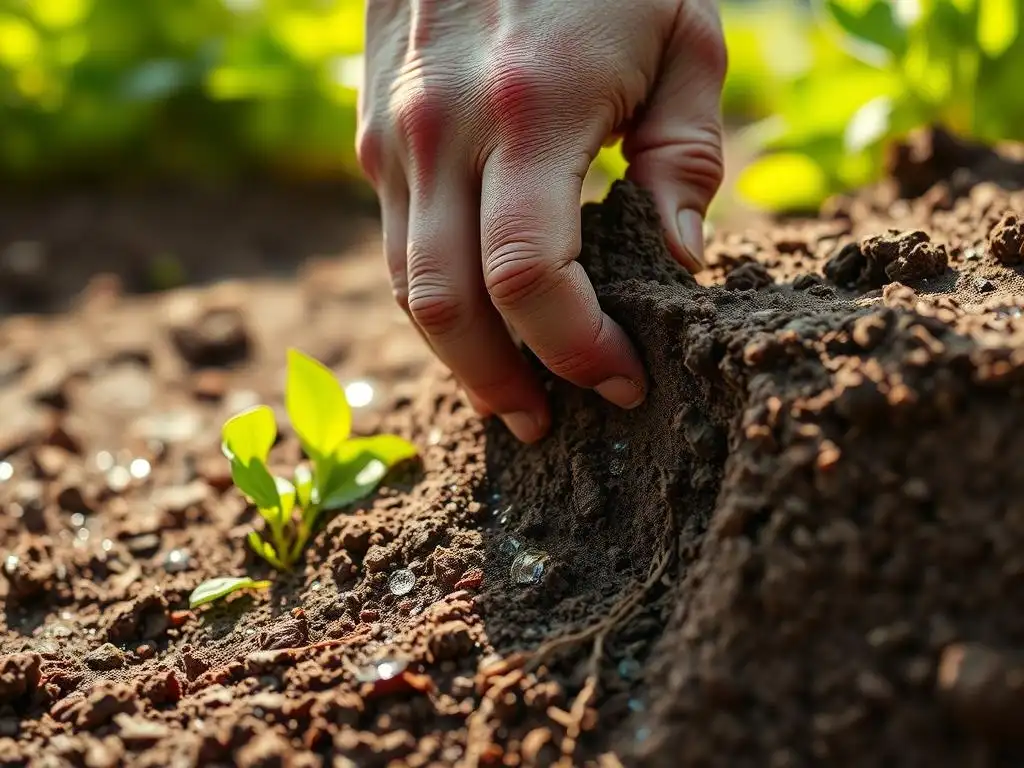
Ready to unlock the secrets of a thriving home garden, even with challenging soil? At CultivateYourFood, we're passionate about helping you grow your own delicious fruits, vegetables, and herbs using sustainable methods. Struggling with heavy clay soil? Discover how to effectively improve clay soil drainage and transform your garden into a productive oasis. Learn the simple yet powerful techniques that will unlock your soil's potential and lead to bountiful harvests. Let's get growing!
- Understanding the Challenges of Clay Soil
-
Effective Strategies to Improve Clay Soil Drainage
- Amending Clay Soil with Organic Matter: The Benefits of Compost and Mulch
- Improving Soil Structure with Organic Amendments: Specific examples of organic amendments
- The Role of Aeration in Clay Soil Improvement: Techniques and Tools
- Choosing the Right Plants for Clay Soil: Selecting Drought-Tolerant Varieties
- Advanced Techniques for Enhanced Drainage
- Maintaining Improved Drainage in Clay Soil
-
Frequently Asked Questions
- What are the main problems associated with clay soil?
- How can I improve drainage in my clay soil without major excavation?
- What organic materials are best for improving clay soil drainage?
- How often should I amend my clay soil?
- Are there any other techniques besides adding organic matter to improve clay soil drainage?
- Final Reflection: Cultivating Hope from Heavy Clay
- Unlock Your Soil's Potential: Better Drainage, Better Harvest
Understanding the Challenges of Clay Soil
Clay soil, while rich in nutrients, presents significant challenges for home gardeners aiming for thriving fruit, vegetable, and herb patches. Its dense, tightly packed structure severely restricts water drainage, leading to a host of problems that can hinder or even kill plant growth. This article will explore the characteristics of clay soil, the negative impacts of poor drainage, and, most importantly, practical solutions to improve drainage and create a more hospitable environment for your plants.
Understanding these challenges is the first step towards transforming your clay soil from a gardening nemesis into a productive and rewarding asset. Learning how to improve clay soil drainage is crucial for sustainable and organic gardening practices, ensuring healthy plant growth and bountiful harvests. We'll delve into practical, effective methods to tackle this common gardening obstacle, allowing you to cultivate a flourishing garden even in challenging soil conditions.
Identifying Clay Soil: Texture and Properties
Identifying clay soil is relatively straightforward. When wet, clay soil feels sticky and almost plastic-like; you can easily roll it into a long, thin ribbon that holds its shape. When dry, it becomes extremely hard and difficult to work with. Its fine particles pack tightly together, leaving little space for air and water to penetrate. This dense structure is the primary reason for poor drainage. The following table summarizes key characteristics to help you identify if you're dealing with clay soil:
| Characteristic | Clay Soil | Sandy Soil | Silty Soil |
|---|---|---|---|
| Texture | Sticky when wet, hard when dry | Loose and gritty | Smooth and floury |
| Water Retention | Very high | Very low | Moderate |
| Drainage | Very poor | Excellent | Good |
| Air Circulation | Poor | Excellent | Good |
| Nutrient Retention | High | Low | Moderate |
| Ease of Working | Difficult when dry, sticky when wet | Easy to work with | Relatively easy to work with |
You can perform a simple test: take a handful of moist soil and try to roll it into a ribbon. If it forms a ribbon longer than 1 inch, you likely have clay soil. The longer the ribbon, the higher the clay content.
The Impact of Poor Drainage on Plant Growth
Poor drainage in clay soil has several detrimental effects on plant health and yield:
- Root Suffocation: Waterlogged soil deprives plant roots of oxygen, leading to root rot and eventual plant death. The lack of aeration hinders the uptake of essential nutrients.
- Nutrient Leaching: Excessive water can wash away vital nutrients, leaving your plants malnourished despite the soil's inherent richness.
- Reduced Growth: Plants struggling with waterlogged roots grow slowly and produce smaller yields. They are also more susceptible to diseases.
- Pest and Disease Problems: Waterlogged conditions create an ideal breeding ground for various fungal diseases and soilborne pests.
These issues significantly impact the overall health and productivity of your garden, making addressing poor drainage a high priority for successful cultivation.
Common Problems Associated with Heavy Clay Soil
Heavy clay soil presents several recurring challenges for gardeners:
- Difficulty in Planting: The hard, compacted nature of dry clay soil makes planting seedlings and establishing new plants challenging.
- Weed Control: Weeds can thrive in clay soil, competing with your desired plants for resources.
- Erosion: Clay soil is prone to erosion, particularly on slopes, leading to loss of topsoil and nutrients.
- Compaction: Foot traffic and heavy machinery can further compact clay soil, worsening drainage problems.
- Uneven Moisture: Clay soil can hold water unevenly, leading to some areas being waterlogged while others are dry. This inconsistent moisture supply can stress plants and affect their growth.
Addressing these issues is crucial for creating a thriving garden in heavy clay soil. The following sections will provide practical solutions to improve drainage and overcome these common problems. Improving clay soil drainage is a journey, not a destination, requiring consistent effort and the right techniques. 🌱
Effective Strategies to Improve Clay Soil Drainage
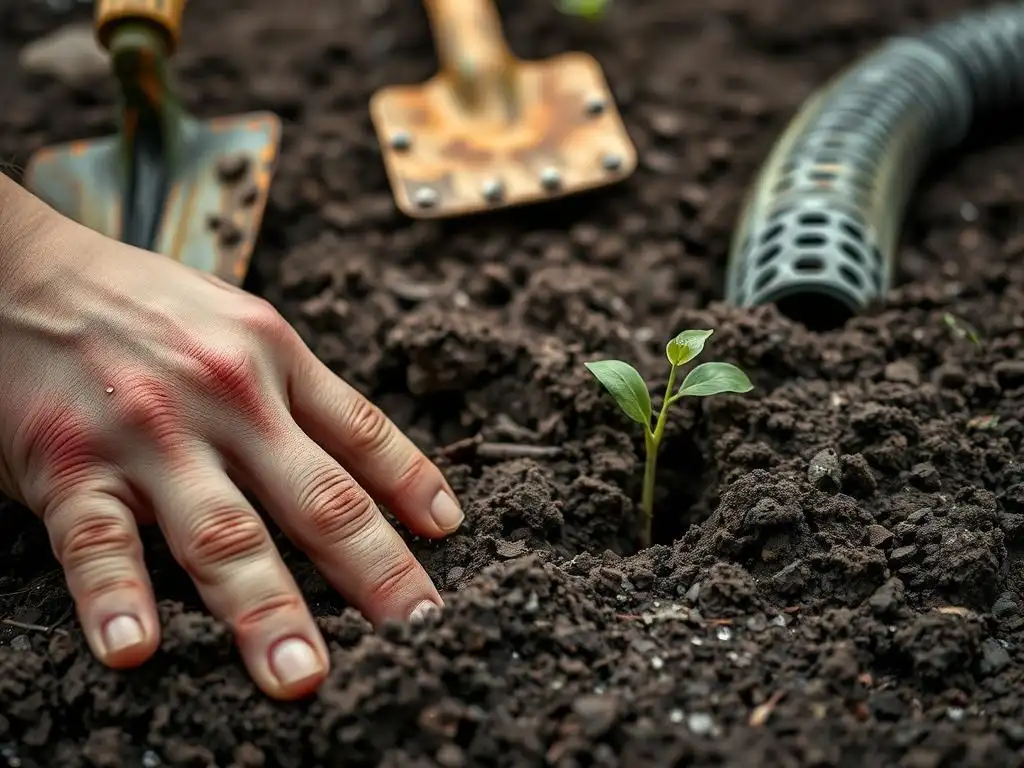
This section delves into practical and effective methods for improving drainage in clay soil, a common challenge for home gardeners aiming to cultivate thriving fruits, vegetables, and herbs. We'll explore how to enhance water percolation and aeration, leading to healthier plants and a more productive garden. Improving clay soil drainage is crucial for optimal plant growth, and the techniques discussed here are designed for sustainable and organic gardening practices.
Amending Clay Soil with Organic Matter: The Benefits of Compost and Mulch
Clay soil, characterized by its high density and poor drainage, often suffers from waterlogging, leading to root rot and stunted plant growth. One of the most effective ways to improve clay soil drainage is by incorporating organic matter. This significantly alters the soil structure, creating more space for water and air to penetrate.
Compost, a rich mixture of decomposed organic materials, is a fantastic soil amendment. It improves soil structure by binding together clay particles, creating larger aggregates. These aggregates leave spaces between them, allowing for better water infiltration and aeration. Applying a generous layer of compost (at least 2-3 inches) before planting can dramatically improve drainage.
Mulch, another valuable organic amendment, serves a dual purpose. It prevents soil compaction from rainfall, reducing surface runoff and allowing water to seep in gradually. Furthermore, as mulch decomposes, it adds organic matter to the soil, further improving its structure and drainage over time. Suitable mulches include shredded leaves, straw, wood chips, and aged manure. The type of mulch you choose will depend on your specific needs and the plants you are growing. For example, a lighter mulch might be preferable for smaller plants to avoid smothering.
The benefits extend beyond improved drainage. Organic matter also enriches the soil with essential nutrients, boosts microbial activity, and improves soil fertility, contributing to healthier and more vigorous plants. Remember consistent application is key; regular additions of compost and mulch will continuously enhance your soil's drainage capacity over time.
Improving Soil Structure with Organic Amendments: Specific examples of organic amendments
Beyond compost and mulch, several other organic amendments can effectively improve clay soil structure and drainage. Each offers unique benefits and can be incorporated into a holistic soil improvement strategy. Choosing the right amendment often depends on what's readily available and affordable in your region.
- Aged Manure: Well-rotted manure, particularly from herbivores like cows or horses, is a rich source of organic matter and nutrients. It improves soil structure and drainage while providing a slow-release fertilizer. Ensure the manure is well-composted to avoid burning your plants.
- Leaf Mold: Decomposed leaves form a light, airy material that significantly improves soil drainage and aeration. It's especially beneficial for heavy clay soils, adding bulk and improving water infiltration.
- Coco Coir: A sustainable alternative to peat moss, coco coir is a byproduct of coconut processing. It's highly absorbent, improves water retention (but also drainage when mixed with clay), and enhances soil aeration.
- Vermicompost: This worm-composted material is incredibly rich in nutrients and beneficial microbes. It helps improve soil structure, drainage, and overall soil health.
| Amendment | Key Benefits | Application Method |
|---|---|---|
| Aged Manure | Improves structure, drainage, adds nutrients | Mix into the soil or use as mulch |
| Leaf Mold | Improves aeration, drainage, lightens soil | Mix into the soil or use as mulch |
| Coco Coir | Improves water retention and drainage | Mix into the soil |
| Vermicompost | Improves structure, drainage, adds nutrients | Mix into the soil |
The key is to gradually improve your soil's structure over time. Don't expect a dramatic change overnight. Consistent application of organic amendments, along with other drainage-improving techniques, will yield the best results.
The Role of Aeration in Clay Soil Improvement: Techniques and Tools
Aeration, the process of improving air circulation within the soil, is crucial for healthy root development in clay soils. Compacted clay soil restricts air movement, leading to poor root growth and reduced plant vigor. Several techniques can effectively aerate clay soil.
- Deep Forking: Using a garden fork, deeply penetrate the soil to break up compacted layers. This creates channels for better water and air penetration. This is best done in the fall or early spring before planting.
- Aerating Tools: Specialized aeration tools, such as core aerators, remove small plugs of soil, creating air pockets. These are particularly effective for larger areas but may be less suitable for smaller garden beds.
- No-Till Gardening: Avoiding tilling altogether helps maintain soil structure and prevents further compaction. This is a long-term strategy that promotes healthy soil biology and improves drainage over time.
Remember, aeration is most effective when combined with other soil improvement techniques, such as adding organic matter. By combining these methods, you create a soil environment that supports healthy root growth and thriving plants. Regular aeration, especially in areas prone to compaction, is essential for maintaining good drainage in clay soils. The type of tool you choose will depend on the size of your garden and the level of compaction. For smaller gardens, a garden fork might suffice; for larger areas, a core aerator may be more efficient. 🌱
Choosing the Right Plants for Clay Soil: Selecting Drought-Tolerant Varieties
Improving drainage in clay soil is a significant step towards a thriving garden, but choosing the right plants is equally crucial. Clay soils retain water, which can lead to root rot and other problems for plants that prefer well-drained conditions. Therefore, selecting drought-tolerant varieties is key to success in these challenging conditions. These plants are naturally equipped to handle periods of waterlogging and compacted soil, making them ideal for clay soil gardens.
Focusing on drought-tolerant varieties doesn't mean sacrificing beauty or diversity in your garden. Many attractive and productive plants thrive in clay soil with minimal supplemental watering once established. For example, consider incorporating lavender, known for its beautiful purple flowers and fragrant leaves, which tolerates clay soil remarkably well. Similarly, many succulents, like sedum and sempervivum, are perfectly adapted to poor drainage and require little watering. These provide interesting textures and colors to your garden.
When selecting plants, look for those specifically described as tolerant of heavy clay soils or poor drainage. Nurseries and garden centers often provide this information on plant tags or in their online descriptions. Don't hesitate to ask staff for recommendations; they often possess valuable local knowledge about which plants perform best in your specific region's clay soil. Consulting online resources and gardening communities can also provide valuable insights and recommendations based on your geographical location and the type of clay you have.
Remember that even drought-tolerant plants will benefit from proper soil preparation. While they can tolerate wetter conditions, amending the soil with organic matter like compost will still improve its overall structure, allowing for better aeration and water penetration, even if drainage remains a challenge. This combination of plant selection and soil improvement will maximize your chances of a flourishing garden, even in challenging clay soil conditions. Proper mulching also helps retain moisture while preventing waterlogging.
Advanced Techniques for Enhanced Drainage
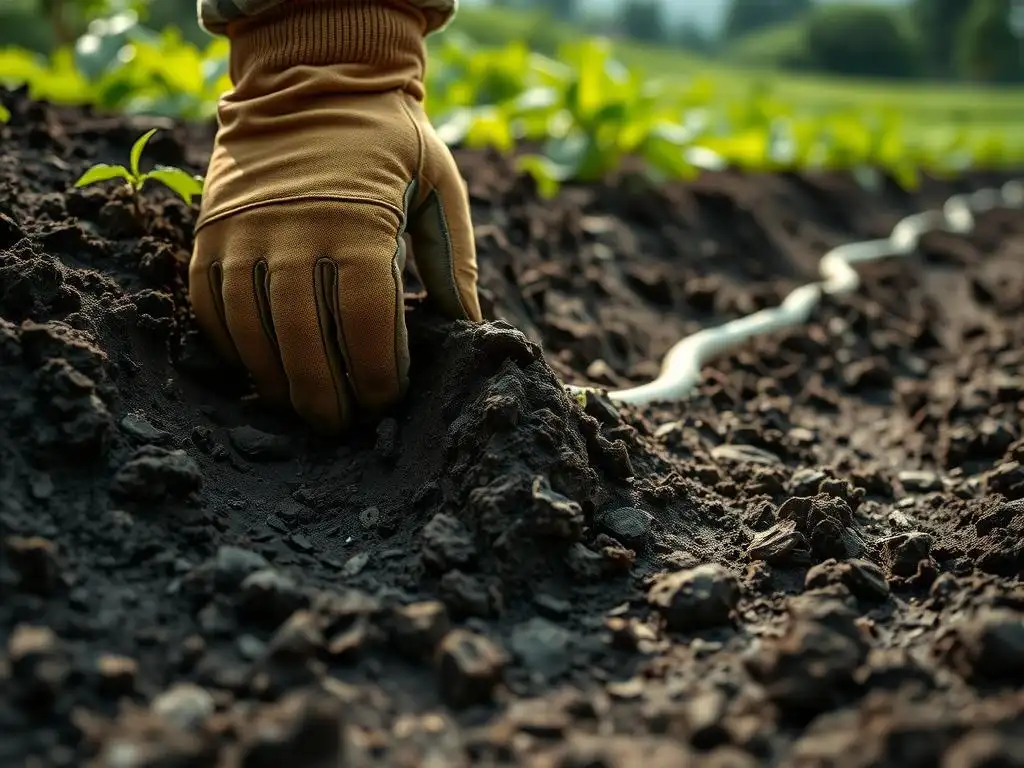
This section delves into more advanced methods for improving drainage in clay soil, moving beyond basic amendments. These techniques are particularly beneficial for larger gardens or areas with consistently poor drainage, offering long-term solutions for healthy plant growth. Successfully implementing these strategies will significantly improve your chances of cultivating thriving fruits, vegetables, and herbs, even in challenging clay soil conditions. Remember, consistent monitoring and adjustments are key to achieving optimal drainage.
Creating Raised Beds for Clay Soil Gardens
Raised beds provide an excellent solution for improving drainage in heavy clay soil gardens. By elevating the planting area, you create a space with better aeration and water percolation. The raised bed itself doesn't directly alter the underlying clay, but it effectively bypasses the drainage problem.
Constructing raised beds is relatively straightforward. You can use readily available materials such as untreated lumber, reclaimed wood pallets (ensure they are free of harmful chemicals), or even stacked stones. The height of the bed is crucial; a minimum of 12 inches is recommended, but 18-24 inches is ideal for maximizing drainage and providing ample root space.
When filling the raised bed, avoid using solely clay soil. Instead, opt for a well-draining mix. A good blend typically consists of:
- 50% Compost: Provides essential nutrients and improves soil structure.
- 30% Topsoil: Adds essential minerals and organic matter.
- 20% Coarse Sand or Perlite: Enhances drainage and aeration.
Remember to line the bottom of the bed with cardboard or landscape fabric to prevent weeds and to further aid drainage by allowing water to easily pass through. This technique is especially effective for improving drainage and is a great way to improve clay soil drainage in your garden. You'll notice a significant improvement in plant health and yield.
Installing Drainage Systems: French Drains and Other Solutions
For more severe drainage issues, installing a drainage system might be necessary. French drains are a popular and effective choice. These consist of perforated pipes laid in a trench filled with gravel. The gravel allows water to infiltrate the pipe, which then carries the excess water away from the planting area.
The installation process involves digging a trench, typically sloping gently towards a designated drainage point (e.g., a storm drain or a low-lying area). Lay the perforated pipe in the trench, surround it with gravel, and then cover it with landscape fabric before backfilling with soil. The landscape fabric prevents soil from clogging the gravel and pipe. This method is particularly useful for large areas or those with consistently waterlogged conditions.
Other drainage solutions include:
- Dry Wells: These are underground pits filled with gravel, designed to collect and absorb excess water.
- Swales: These are shallow, gently sloping ditches that divert water away from problem areas. They are especially useful on slopes.
Proper planning and execution are crucial for the success of these systems. If you're unfamiliar with these techniques, consider consulting a professional landscaper or drainage specialist for assistance. They can assess your specific needs and recommend the most appropriate solution to improve clay soil drainage effectively.
Utilizing Soil Gypsum to Improve Clay Soil Structure: Application and Results
Soil gypsum (calcium sulfate) is a common amendment used to improve the structure of clay soils. It works by improving the aggregation of clay particles, leading to better aeration and water infiltration. Gypsum doesn't directly drain the water, but rather improves the soil's ability to absorb and drain water more effectively.
Applying gypsum involves spreading it evenly over the soil surface and then incorporating it into the top few inches using a tiller or by hand. The recommended application rate varies depending on the severity of the clay content and the soil's pH. It's crucial to conduct a soil test beforehand to determine the appropriate amount. Over-application can be detrimental, so adhering to the recommended guidelines is essential.
You'll notice improvements gradually over time. The effects aren't immediate, and you might not see significant changes until after several months or even a year. Consistent application, combined with other soil improvement techniques, will yield the best results. Regular soil testing will help monitor the progress and effectiveness of the gypsum treatment. This method is a longer-term solution for improving clay soil drainage, offering sustained benefits for your garden. Careful observation and ongoing adjustments are key to achieving optimal results. 🌱
Maintaining Improved Drainage in Clay Soil
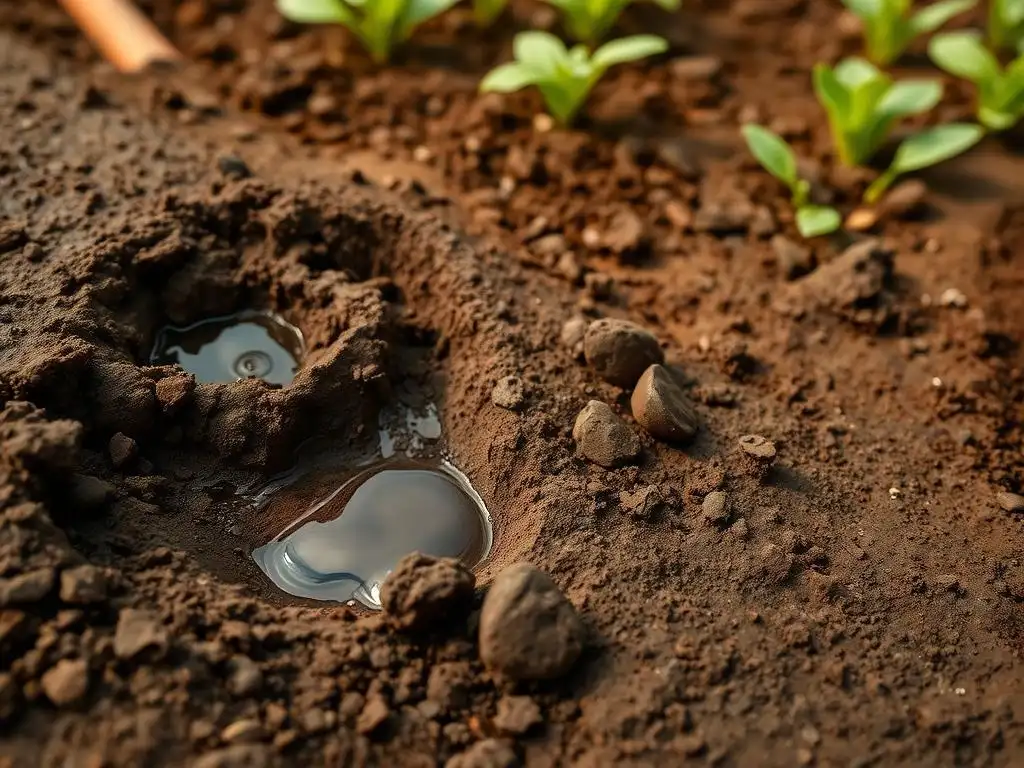
Improving clay soil drainage is a continuous process, not a one-time fix. Consistent effort is key to maintaining the improvements you've made and preventing a return to waterlogged conditions. This section focuses on the long-term strategies necessary to ensure your clay soil remains well-draining and supports healthy plant growth. We'll explore sustainable soil management practices, the importance of regular monitoring, and techniques to prevent soil compaction—all crucial aspects of successful clay soil improvement.
Long-Term Soil Management Practices for Sustainable Drainage
Sustainable drainage in clay soil requires a holistic approach that integrates various practices over time. These practices build soil health, improving its structure and water retention capabilities in a way that's environmentally friendly and beneficial for your plants. Think of it as a long-term investment in your garden's future.
One critical aspect is the consistent addition of organic matter. This can include compost, well-rotted manure, leaf mold, or other organic materials. Organic matter acts like a sponge, increasing the soil's porosity and allowing for better water infiltration. Aim for at least 2-4 inches of compost incorporated into the top layer of your soil annually. This gradual addition is far more effective than a single large application.
Another effective long-term strategy is crop rotation. Different plants have different root systems and nutrient needs. Rotating your crops helps prevent nutrient depletion and improves soil structure. Deep-rooted plants, like carrots or radishes, help break up compacted clay soil, while shallower-rooted plants benefit from the improved drainage.
Regular soil testing is also essential. This helps you monitor the soil's pH and nutrient levels, allowing you to adjust your management practices accordingly. Knowing your soil's composition allows for more targeted improvements, maximizing the effectiveness of your efforts. For example, if your soil tests show a high clay content and low organic matter, you can adjust your compost and manure additions accordingly.
Regular Monitoring and Maintenance of Drainage Systems
Even with improved drainage, regular monitoring is crucial. Pay close attention to how water drains after rainfall or irrigation. Are there any areas that remain waterlogged for extended periods? This could indicate areas where drainage needs further improvement.
If you've installed drainage systems, such as French drains or raised beds, regular maintenance is key to their effectiveness. Check for blockages, particularly from debris or roots. Clean out any accumulated material to maintain optimal drainage flow. Inspect the drainage pipes or channels for cracks or damage and make repairs as needed. This proactive maintenance prevents problems from escalating and ensures your drainage systems continue to function optimally. A simple annual inspection can prevent significant issues down the line.
Remember, even well-maintained systems can require occasional adjustment. The best approach is preventative maintenance, which is far less disruptive and costly than emergency repairs. Regular observation will make it easier to spot potential issues before they become major problems.
Preventing Soil Compaction: Best Practices for Clay Soil
Compaction is a significant enemy of good drainage in clay soil. Heavy foot traffic, the use of heavy machinery, or even improper planting techniques can lead to compaction, reducing porosity and hindering water infiltration. Preventing compaction is therefore a crucial aspect of maintaining improved drainage.
One of the best ways to prevent compaction is to minimize foot traffic in your garden, especially when the soil is wet. Use stepping stones or walkways to avoid walking directly on the soil. When working the soil, use tools that minimize compaction, such as broad forks instead of shovels. Broad forks are less likely to compact the soil because they lift and aerate rather than dig and turn.
Avoid over-watering, as this can lead to soil saturation and increased compaction. Water deeply and less frequently to encourage deeper root growth and improve soil structure. Mulching the soil surface also helps prevent compaction by protecting the soil from the impact of raindrops and reducing evaporation. A layer of organic mulch also adds organic matter to the soil over time, further improving drainage.
Consider using cover crops, such as clover or rye, to improve soil structure and prevent compaction. Cover crops have extensive root systems that help break up compacted soil and improve aeration. They also add organic matter when tilled back into the soil. The benefits of cover cropping extend beyond drainage improvement, contributing to overall soil health and fertility. The choice of cover crop will depend on your specific climate and soil conditions.
Frequently Asked Questions
What are the main problems associated with clay soil?
Clay soil's high density leads to poor drainage, resulting in waterlogged roots, reduced aeration, and hindered plant growth. This creates an environment susceptible to root rot and other diseases.
How can I improve drainage in my clay soil without major excavation?
Adding organic matter like compost is key. This improves soil structure, creating air pockets and increasing water infiltration. Consider also using raised beds or amending the soil directly in planting holes.
What organic materials are best for improving clay soil drainage?
Compost, well-rotted manure, and leaf mold are excellent choices. They break down slowly, improving soil structure over time and providing essential nutrients. Avoid fresh manure which can burn plants.
How often should I amend my clay soil?
Regular amendment is crucial. Aim for annual additions of organic matter, especially before planting. The frequency might increase depending on your soil's initial condition and the type of organic material used.
Are there any other techniques besides adding organic matter to improve clay soil drainage?
Yes, creating raised beds significantly improves drainage. You can also use no-till gardening techniques to minimize soil compaction. Proper soil preparation before planting is also essential.
Final Reflection: Cultivating Hope from Heavy Clay
The struggle with clay soil is far from a niche problem; it's a widespread challenge impacting countless gardeners and landscapers worldwide. Poor drainage in clay soil isn't just an inconvenience; it's a significant obstacle to thriving gardens and healthy plant life, threatening yields and potentially leading to significant losses. Understanding and addressing this issue is crucial for a sustainable and productive relationship with the land.
The journey of transforming heavy clay soil into a fertile and productive environment is a testament to the power of perseverance and informed action. It's a process that requires patience, observation, and a willingness to adapt strategies based on the unique characteristics of your soil. This journey mirrors our own personal growth, requiring us to learn, adapt, and overcome challenges to achieve our goals. The glory of gardening: hands in the dirt, head in the sun, heart with nature. To nurture a garden is to feed not just the body, but the soul.
– Alfred Austin. This quote beautifully encapsulates the deeper satisfaction derived from working with the earth, even when faced with the difficulties of clay soil.
You now possess the knowledge to transform your clay soil woes into a garden of abundance. Don't let the challenges of heavy clay discourage you; instead, embrace the opportunity to learn, adapt, and create a thriving landscape. Start small, experiment with the techniques discussed, and observe the results. Remember, every step you take towards improving your soil's drainage is a step towards nurturing a healthier, more vibrant garden – and a more fulfilling connection with the natural world. Begin your journey today; your garden, and your soul, will thank you for it.
Unlock Your Soil's Potential: Better Drainage, Better Harvest
Thank you for learning how to overcome clay soil drainage challenges! You now have the knowledge to transform your garden. Let's put that knowledge into action. Here's how:
- Prioritize soil improvement: This is the most impactful step towards better drainage. Start with a small, problem area to see the positive results.
- Experiment with soil amendments: Share your successes and what worked best for you in the comments below!
- Consider creating raised garden beds. This offers an immediate solution for planting while you gradually improve the surrounding soil structure.
What's one small step you can take today to improve drainage in your garden?