
The Easiest Heirloom Tomatoes to Grow

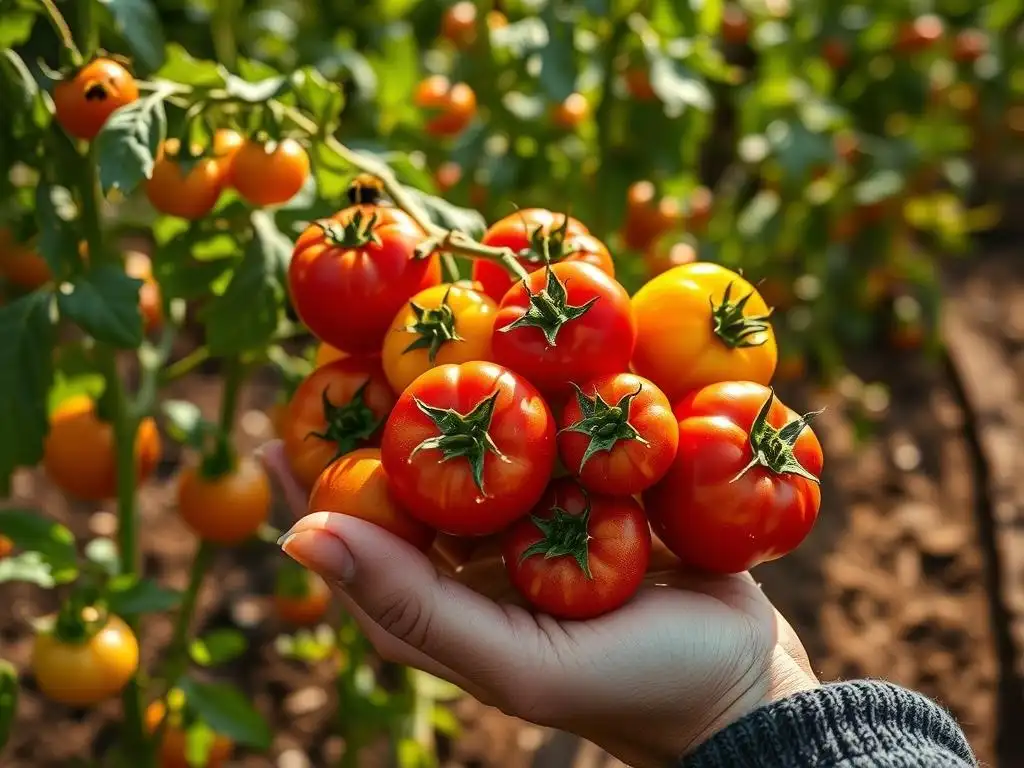
Welcome to CultivateYourFood, your guide to a thriving home garden! Ready to experience the unparalleled flavor of homegrown produce? We're diving deep into the world of sustainable gardening, and our current focus is on easy heirloom tomato varieties. Discover which varieties offer the biggest rewards with the least effort, and unlock the secrets to a bountiful harvest. Let's get started on your journey to cultivating deliciousness – read on to learn about the easiest heirloom tomatoes to grow!
- Choosing the Right Easy Heirloom Tomato for Your Garden
- Planting Your Easy Heirloom Tomatoes: A Step-by-Step Guide
- Caring for Your Easy Heirloom Tomatoes: Essential Tips
- Harvesting and Enjoying Your Easy Heirloom Tomatoes
- Troubleshooting Common Problems with Easy Heirloom Tomatoes
- Extending Your Harvest: Tips for a Longer Season
-
Frequently Asked Questions
- What are heirloom tomatoes?
- Why choose heirloom tomatoes over hybrid varieties?
- Which heirloom tomato varieties are considered the easiest to grow for beginners?
- What are the key considerations for successfully growing easy heirloom tomato varieties?
- Where can I find seeds for easy heirloom tomato varieties?
- Final Reflection: Sowing Seeds of Heritage, Harvesting Joy
- Unleash Your Inner Gardener: Grow Your Own Heirloom Tomatoes!
Choosing the Right Easy Heirloom Tomato for Your Garden
Embarking on the rewarding journey of growing heirloom tomatoes can feel daunting, especially for beginners. The sheer variety available can be overwhelming, with each boasting unique flavors, colors, and growth habits. However, not all heirloom tomatoes are created equal when it comes to ease of cultivation.
This article focuses on simplifying the process by highlighting the easiest heirloom tomato varieties to grow, even for those with limited gardening experience. We'll explore key factors to consider when selecting your seeds, ensuring a bountiful harvest of delicious, homegrown tomatoes. This guide will equip you with the knowledge to select the perfect heirloom tomato variety for your garden, regardless of your skill level or geographical location, while emphasizing sustainable and organic growing practices – the CultivateYourFood way!
We'll delve into specific varieties, discuss the importance of understanding your growing zone, and provide tips to ensure success in your heirloom tomato adventure. Get ready to experience the unparalleled flavor of homegrown heirloom tomatoes!
Selecting Heirloom Tomatoes for Beginners: Tips for Success
Choosing the right heirloom tomato variety is the first step towards a successful harvest. For beginners, selecting varieties known for their disease resistance, ease of growth, and relatively shorter growing seasons is crucial. Avoid varieties known for being finicky or requiring extensive care. Look for descriptions emphasizing traits like "determinate" growth habits (meaning they grow to a certain height and then produce fruit, making them easier to manage than indeterminate varieties which continue to grow indefinitely), and strong resistance to common tomato diseases like blight and early/late blight.
Remember, even with easy-to-grow varieties, providing adequate sunlight (at least 6-8 hours daily), well-draining soil rich in organic matter, and consistent watering are essential for optimal growth. Consider starting your seeds indoors 6-8 weeks before the last expected frost to give them a head start. This will significantly increase your chances of a successful harvest, even for those new to gardening.
Regular monitoring for pests and diseases, and prompt action if issues arise, are also key components of successful heirloom tomato cultivation. Using organic pest control methods is strongly encouraged for maintaining the integrity of your heirloom seeds and the health of your soil.
Top 5 Easy-to-Grow Heirloom Tomato Varieties
Here are five heirloom tomato varieties renowned for their ease of cultivation and delicious flavor profiles, perfect for beginner gardeners:
| Variety Name | Description | Growth Habit | Disease Resistance |
|---|---|---|---|
| Brandywine Pink | Large, pink, sweet tomatoes with a rich, complex flavor. | Indeterminate | Moderate |
| Cherokee Purple | Dark purple, intensely flavored tomatoes with a slightly sweet and tangy taste. | Indeterminate | Moderate |
| San Marzano | Classic Italian plum tomato, perfect for canning and sauces. | Indeterminate | Good |
| Stupice | Early-maturing, small, red tomatoes with a rich, acidic flavor. | Determinate | Good |
| Black Krim | Dark purplish-brown tomatoes with a sweet and earthy flavor. | Indeterminate | Moderate |
These varieties represent a good balance between ease of cultivation and exceptional flavor. Remember to always check seed packets for specific growing instructions and recommended planting times for your region. Each variety may have slightly different needs in terms of spacing and watering, so pay close attention to the details provided by the seed supplier.
Understanding Your Growing Zone and Climate
Knowing your USDA Plant Hardiness Zone is essential for selecting the right heirloom tomato variety. Different varieties have different temperature and growing season requirements. Choosing a variety suited to your specific climate significantly increases your chances of success. For example, varieties that thrive in warmer climates may struggle in shorter growing seasons.
Consult a gardening resource to identify your hardiness zone and select accordingly. Consider the length of your frost-free season—this will determine how much time your tomatoes have to mature before the first frost hits. Properly assessing your local climate is crucial for selecting the best heirloom tomato variety for your garden, and maximizing your chances of a plentiful harvest.
Planting Your Easy Heirloom Tomatoes: A Step-by-Step Guide
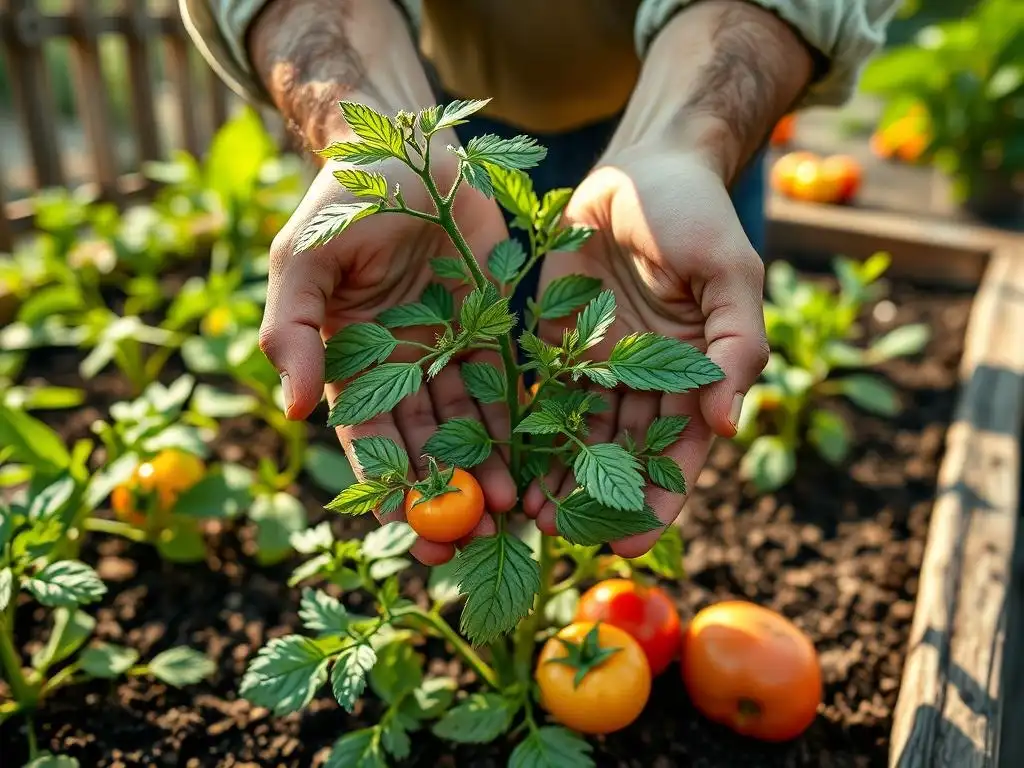

This section focuses on the practical aspects of planting your chosen easy heirloom tomato varieties, ensuring a bountiful harvest. We'll cover soil preparation, seed starting techniques, and transplanting seedlings for optimal growth. Remember, even the easiest varieties benefit from proper care!
Preparing the Soil for Optimal Growth
Heirloom tomatoes, while relatively low-maintenance compared to some other varieties, thrive in rich, well-drained soil. Preparing your soil properly is crucial for establishing strong, healthy plants that are less susceptible to disease. Before planting, conduct a soil test to determine its pH and nutrient levels. Ideally, your soil should have a slightly acidic to neutral pH (6.0-7.0). Amendments may be necessary to adjust the pH. For example, adding lime increases pH, while sulfur lowers it.
The soil should also be loose and well-aerated to allow for proper root development. Heavy clay soils benefit from the addition of organic matter, such as compost or aged manure. This improves drainage and provides essential nutrients. Aim for a soil mix that is roughly one-third organic matter. Work the organic matter into the top 12-18 inches of soil. This improves soil structure and water retention.
Consider adding a slow-release fertilizer to provide a steady supply of nutrients throughout the growing season. Avoid using fertilizers high in nitrogen, as this can lead to excessive leaf growth at the expense of fruit production. A balanced fertilizer (e.g., 10-10-10) is a good starting point. Always follow the package instructions carefully. Remember, healthy soil is the foundation for healthy plants! 🍅
Planting Seeds Indoors vs. Direct Sowing
The choice between starting seeds indoors or direct sowing depends on your climate and the specific heirloom variety. For many easy heirloom tomato varieties, starting seeds indoors 6-8 weeks before the last expected frost is recommended. This gives the plants a head start and allows them to develop a strong root system before being transplanted outdoors.
Starting seeds indoors requires seed-starting mix, small pots or seed trays, and a warm, sunny location. Sow seeds about ¼ inch deep and keep the soil consistently moist but not soggy. Germination typically takes 7-10 days. Once the seedlings have developed their first true leaves (not the cotyledons), you can transplant them into larger containers.
Direct sowing, on the other hand, involves planting seeds directly into the prepared garden bed. This method is generally suitable for warmer climates where the risk of frost is minimal. However, direct sowing can result in slower growth and a lower yield compared to starting seeds indoors. Directly sown seeds are more vulnerable to pests and environmental fluctuations. For many easy heirloom varieties, starting indoors provides a significant advantage.
Transplanting Seedlings: The Right Time and Technique
Transplanting seedlings outdoors should occur after the last frost and when the soil temperature has warmed up to at least 60°F (15°C). Choose a sunny location that receives at least six hours of direct sunlight daily. Before transplanting, harden off the seedlings gradually by exposing them to increasing amounts of sunlight and outdoor conditions over a period of a week or two. This helps them acclimate to the outdoor environment and reduces transplant shock.
When transplanting, dig holes slightly larger than the root ball of the seedlings. Gently remove the seedlings from their containers, taking care not to damage the roots. Place the seedlings in the holes, ensuring that the top of the root ball is level with the soil surface. Fill the holes with soil, gently firming it around the base of the plants.
Water thoroughly after transplanting to settle the soil and help the seedlings establish themselves. Consider using a tomato cage or stake to support the plants as they grow, especially for larger heirloom varieties. Regular watering and fertilization will help your easy heirloom tomato plants thrive and produce an abundance of delicious fruit.
Spacing for Healthy Growth and Air Circulation
Proper spacing between your heirloom tomato plants is crucial for maximizing yields and preventing disease. Cramped conditions lead to poor air circulation, creating a humid environment perfect for fungal diseases like early blight and late blight. These diseases can quickly decimate your tomato crop, leaving you with fewer fruits and potentially harming the overall health of your plants. Remember, airflow is your best defense against many common tomato ailments.
To ensure optimal spacing, consider the mature size of the specific heirloom variety you've chosen. While some compact varieties might thrive with less space, many heirloom tomatoes are vigorous growers, reaching considerable heights and widths. Check the seed packet or plant tag for recommended spacing guidelines. Generally, you should allow at least 2 to 3 feet between each plant, particularly for larger varieties. If you're growing indeterminate types (those that continue growing throughout the season), you might need even more space—up to 4 feet apart—to accommodate their expansive growth.
Think of it this way: each plant needs its own "breathing room." Sufficient space allows sunlight to penetrate all parts of the plant, promoting photosynthesis and healthy foliage. It also allows for better access for watering and harvesting, making your gardening experience more efficient and enjoyable. Neglecting proper spacing can lead to a frustrating season of battling disease and struggling to reach ripe tomatoes hidden in a dense thicket of foliage.
Proper spacing is a simple yet incredibly effective step in ensuring a bountiful harvest of delicious, homegrown heirloom tomatoes. Investing the time and space upfront will pay dividends throughout the growing season. Remember to regularly check your plants and adjust spacing if necessary, especially during periods of rapid growth.
Caring for Your Easy Heirloom Tomatoes: Essential Tips
This section focuses on the crucial care aspects that ensure your easy heirloom tomato varieties thrive, producing a bountiful harvest. We'll delve into specific techniques for watering, sunlight management, and natural pest control, maximizing your chances of success with these delicious and rewarding plants. Remember, even the easiest varieties benefit from attentive care!
Watering Your Heirloom Tomatoes Effectively
Consistent and proper watering is paramount for healthy heirloom tomato plants. Overwatering can lead to root rot, while underwatering results in stunted growth and reduced fruit production. The key is to maintain evenly moist soil, avoiding both extremes.
Here's a breakdown of effective watering strategies:
- Deep Watering: Instead of frequent shallow watering, opt for deep, infrequent watering. This encourages deep root growth, making your plants more drought-tolerant in the long run. Aim to water deeply once or twice a week, depending on weather conditions and soil type.
- Watering at the Base: Avoid overhead watering, which can promote fungal diseases. Water directly at the base of the plant, avoiding wetting the foliage. A soaker hose or drip irrigation system is ideal for this purpose.
- Monitor Soil Moisture: Regularly check the soil moisture level by inserting your finger a few inches into the soil. If the soil feels dry, it's time to water. Consider using a soil moisture meter for more precise measurements.
- Mulching: Applying a layer of organic mulch, such as straw or wood chips, around your plants helps retain soil moisture, reducing the frequency of watering and suppressing weeds.
Providing Adequate Sunlight for Abundant Yields
Sunlight is absolutely crucial for the successful cultivation of easy heirloom tomato varieties. These plants are sun-worshippers, requiring at least six to eight hours of direct sunlight daily for optimal growth and fruit production.
Insufficient sunlight leads to:
- Weak growth: Plants become leggy and spindly, struggling to support their weight and fruit.
- Reduced yields: Fewer tomatoes develop, and those that do may be small and less flavorful.
- Increased susceptibility to disease: Weak plants are more vulnerable to pests and diseases.
Therefore, careful site selection is key. Choose a location in your garden that receives ample sunlight throughout the day. Consider the position of the sun throughout the year, ensuring your plants receive consistent sunlight throughout their growing season. If necessary, prune nearby plants or shrubs to avoid shading your tomatoes.
Natural Pest Control for Heirloom Tomatoes
While heirloom tomatoes are generally quite resilient, they can still be susceptible to various pests. Adopting natural pest control methods protects your plants and ensures you harvest organically grown tomatoes.
Here are some effective strategies:
| Pest | Natural Control Methods |
|---|---|
| Aphids | Introduce ladybugs or use insecticidal soap. |
| Tomato Hornworms | Handpick and remove them; use Bacillus thuringiensis (Bt). |
| Whiteflies | Use yellow sticky traps; encourage beneficial insects. |
| Spider Mites | Increase humidity around plants; use neem oil. |
Remember to regularly inspect your plants for signs of pests. Early detection and intervention are crucial for preventing widespread infestations. Combining various natural methods often provides the most effective protection. For example, using companion planting (planting certain plants together that repel pests) alongside other strategies can create a robust defense system for your easy heirloom tomato varieties. This integrated approach ensures a healthy and productive harvest, minimizing the need for harmful chemical pesticides. 🌱
Supporting Your Tomato Plants: Caging and Staking
Heirloom tomatoes, while bursting with flavor, can be quite vigorous growers, producing heavy fruit that can overwhelm the plant. Proper support is crucial to prevent the stems from breaking under the weight of ripening tomatoes, especially for those "easy" heirloom varieties that still produce a substantial crop. This support not only protects your plants but also improves air circulation, reducing the risk of fungal diseases like blight. The two most common methods are caging and staking.
Caging involves surrounding the tomato plant with a cylindrical structure, typically made of wire or metal mesh. This provides all-around support, allowing the plant to grow freely within the cage. Choose a cage that's appropriately sized for your mature plant; a cage that's too small will restrict growth, while one that's too large won't provide sufficient support.
Remember to install the cage early, before the plant gets too large and the stems become brittle. This allows the plant to grow into the cage, rather than trying to force it in later. Consider cages with wider bases for better stability, especially in windy locations.
Staking, on the other hand, involves using a single stake (usually a sturdy wooden or bamboo pole) to support the main stem of the tomato plant. Strong twine or garden ties are then used to secure the plant to the stake as it grows. This method requires more frequent attention, as you'll need to regularly tie the stems to the stake to prevent them from flopping over.
However, staking can be a good option for smaller plants or those in more confined spaces, offering a more elegant solution than a large cage. When staking, ensure you use soft ties to avoid damaging the delicate stems. Regularly check the ties and adjust them as the plant grows to prevent girdling.
Choosing between caging and staking depends on several factors, including the size and growth habit of your specific heirloom tomato variety, the space available in your garden, and your personal preference. Some gardeners prefer the ease of caging, while others find the more hands-on approach of staking to be more rewarding. Experiment with both methods to see which works best for you and your plants. Regardless of your chosen method, providing adequate support is a vital step in ensuring a bountiful harvest of delicious heirloom tomatoes. Remember, a well-supported plant is a happy plant! 🍅
Harvesting and Enjoying Your Easy Heirloom Tomatoes
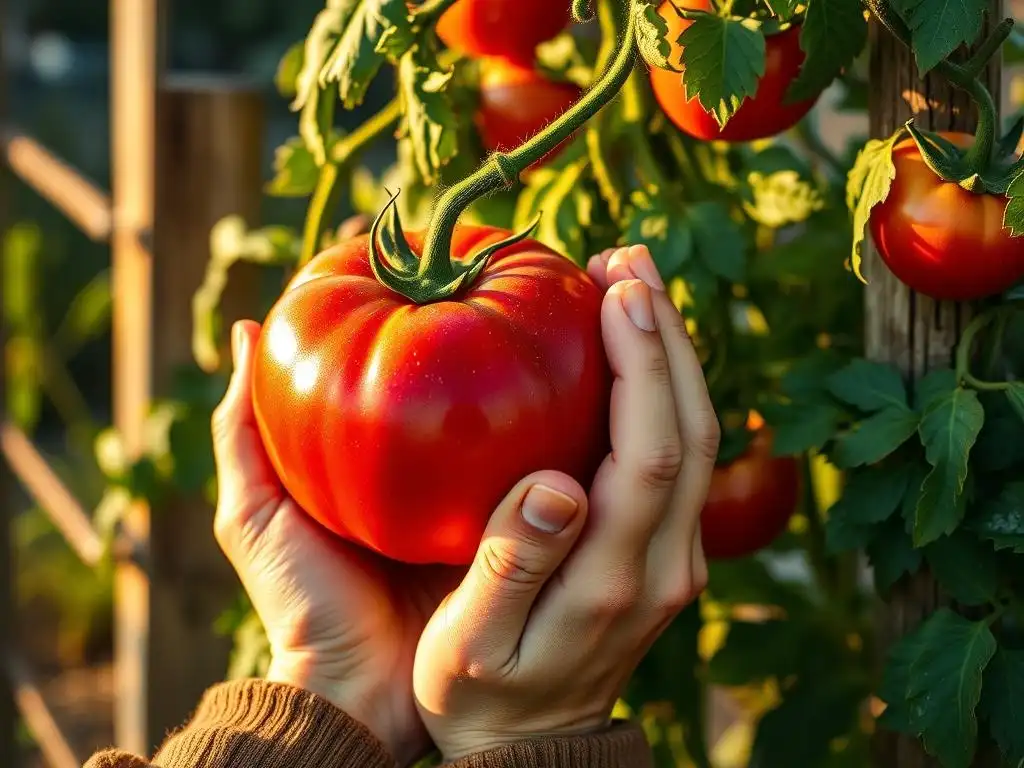
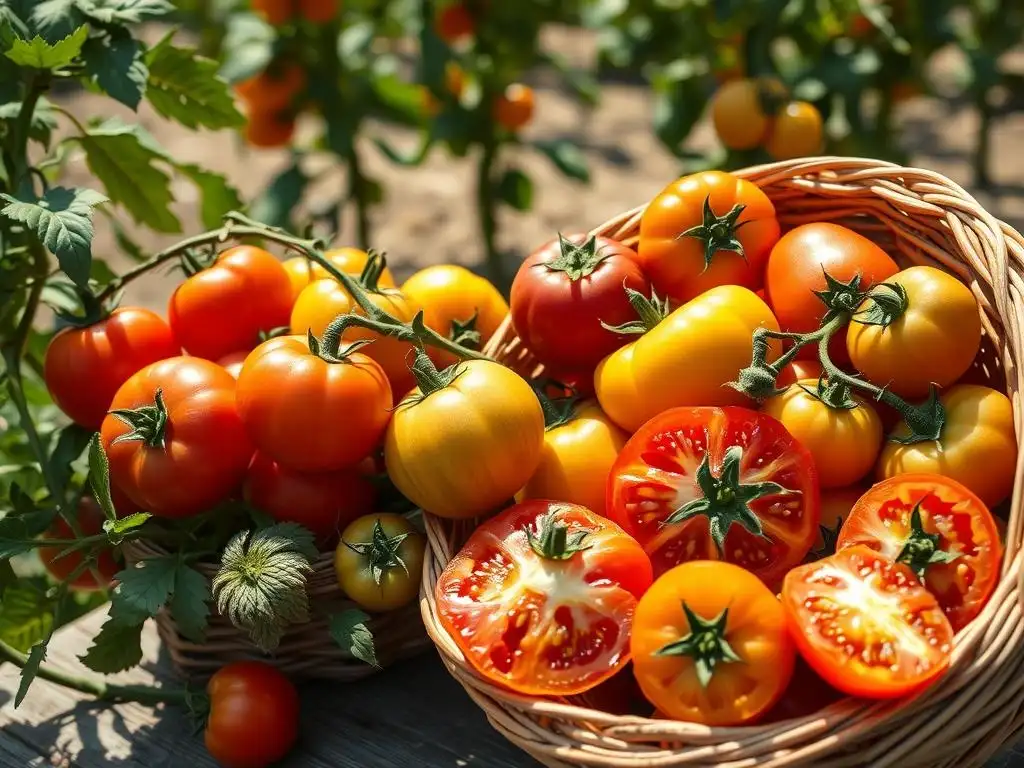
This section focuses on the crucial final steps in your heirloom tomato journey: harvesting and enjoying the fruits (or rather, vegetables!) of your labor. Successfully growing easy heirloom tomato varieties is only half the battle; knowing when and how to harvest them is vital to ensuring optimal flavor and longevity. We'll cover ripening indicators, proper harvesting techniques, and effective storage and preservation methods.
Knowing When Your Tomatoes are Ripe
Determining ripeness is key to unlocking the best flavor from your easy heirloom tomato varieties. Don't rush the process! Underripe tomatoes lack sweetness and can be mealy in texture. Overripe tomatoes, while still edible, are prone to splitting and rapid spoilage. Here's how to tell when your tomatoes are perfectly ripe:
- Color: The most obvious indicator. Look for the deep, vibrant color characteristic of the specific heirloom variety you've grown. This might be a deep red, a rich yellow, a striking pink, or even a deep purple, depending on the cultivar. A slight give to the skin indicates ripeness.
- Fragrance: A ripe heirloom tomato often possesses a sweet, earthy aroma. Sniff gently near the stem; a strong, pleasant scent is a good sign.
- Texture: Gently squeeze the tomato near the stem. A slightly soft yet firm feel suggests ripeness. Avoid tomatoes that are overly soft or have blemishes.
- Seed Development: If you cut open a tomato, the seeds should be fully developed and dark in color. This is a less convenient method but can be helpful for less visually obvious varieties.
Proper Harvesting Techniques to Preserve Quality
Once you've identified ripe tomatoes, gentle handling is crucial to prevent bruising and damage. Here are some best practices for harvesting your easy heirloom tomato varieties:
- Use a sharp knife or pruning shears: This allows for a clean cut at the stem, reducing the risk of damaging the fruit or nearby stems. Avoid pulling or twisting the tomato from the vine.
- Harvest in the morning: Morning harvesting allows the tomatoes to have absorbed more sugar and flavor overnight, and they are less likely to be damaged by the day's heat.
- Handle with care: Place harvested tomatoes gently in a basket or container lined with soft material to prevent bruising. Avoid piling tomatoes on top of each other.
- Separate damaged tomatoes: Any tomatoes with blemishes or signs of disease should be separated from the healthy ones to prevent contamination.
Storing and Preserving Your Heirloom Tomato Harvest
Proper storage and preservation extend the enjoyment of your harvest. Here are several methods:
- Refrigeration (short-term): Ripe tomatoes are best kept at room temperature for a few days. However, if you need to extend their shelf life, store them in the refrigerator. Note that refrigeration can affect the flavor and texture.
- Freezing: For longer storage, freezing is a viable option. Blanch the tomatoes briefly before freezing to retain color and texture. They can be frozen whole, diced, or pureed.
- Canning: Canning is a great way to preserve heirloom tomatoes for long-term storage. Ensure you follow proper canning procedures to avoid foodborne illness. Tomato sauce, salsa, and whole tomatoes are common canning options.
- Drying: Sun-drying or using a dehydrator is another effective preservation method. Dried tomatoes can be stored for months and used in various dishes.
Remember, the best method depends on your needs and the quantity of tomatoes harvested. Experiment with different methods to find what works best for you and your easy heirloom tomato varieties. Enjoy the delicious rewards of your sustainable gardening efforts!
Delicious Recipes Featuring Your Homegrown Heirloom Tomatoes
Once you've harvested your bounty of easy heirloom tomatoes, the real fun begins! These unique varieties, with their diverse colors and flavors, deserve to be showcased in recipes that highlight their distinct characteristics. Don't just slice them on a sandwich (though that's delicious too!). Experiment with their versatility!
The intense sweetness of some heirloom varieties, like 'Brandywine', makes them perfect for simple preparations that let the flavor shine. A classic Caprese salad, with fresh mozzarella, basil, and a drizzle of high-quality olive oil, allows the tomato's natural sweetness to take center stage. The slightly acidic notes of others, such as 'Cherokee Purple', pair beautifully with balsamic glaze, adding a delightful complexity.
For a more involved dish, consider a rustic tomato tart. The vibrant colors of a mix of heirloom tomatoes arranged on a flaky crust create a stunning visual, while the flavors blend harmoniously. The slightly tart taste of some heirloom varieties adds a nice counterpoint to the richness of the crust and the creamy filling. Remember to use a variety of heirloom tomatoes for a more interesting flavor profile and visual appeal.
Beyond salads and tarts, heirloom tomatoes are fantastic additions to sauces and salsas. Their unique flavors lend depth and complexity to these dishes. A slow-cooked tomato sauce, simmered with herbs and garlic, allows the tomatoes to break down and release their full potential. The resulting sauce is rich, flavorful, and perfect for pasta or pizza. Similarly, a fresh salsa made with a mix of heirloom tomatoes, onions, cilantro, and jalapeños creates a vibrant and flavorful condiment.
Don't forget about the simpler pleasures! A simple bruschetta, topped with roasted heirloom tomatoes, garlic, and basil, is a quick and easy appetizer that showcases the beauty and flavor of your homegrown tomatoes. The possibilities are endless – from grilled tomato and burrata skewers to tomato and corn fritters. The key is to experiment and find what works best for you and your unique heirloom tomato harvest. Enjoy the fruits (or rather, vegetables!) of your labor! 🍅
Troubleshooting Common Problems with Easy Heirloom Tomatoes
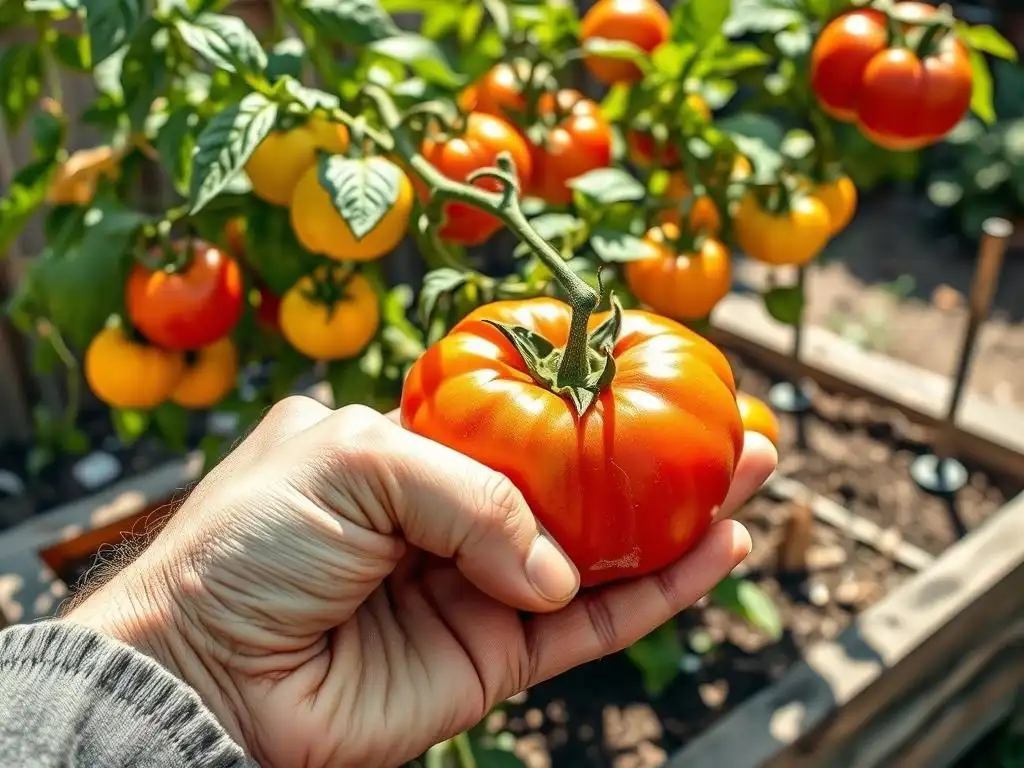
Growing heirloom tomatoes, even the "easy" varieties, can present some challenges. Understanding common issues and implementing proactive solutions is key to a bountiful harvest. This section focuses on identifying and addressing problems naturally and effectively, aligning with the CultivateYourFood ethos of sustainable and organic practices.
Identifying and Addressing Common Diseases
Heirloom tomatoes, while flavorful, can be susceptible to certain diseases. Early detection and appropriate treatment are crucial. Let's explore some common issues and their solutions:
- Early Blight: This fungal disease manifests as brown spots on leaves, often starting at the bottom of the plant. It can quickly spread, stunting growth and impacting fruit production. Prevention is key: ensure good air circulation by spacing plants appropriately, avoid overhead watering, and practice crop rotation. If you see signs of early blight, remove infected leaves immediately and consider using a copper-based fungicide (always follow label instructions carefully). Remember to dispose of infected plant material properly to prevent further spread.
- Late Blight: A more aggressive fungal disease, late blight causes dark, water-soaked spots on leaves and stems, rapidly spreading under humid conditions. It can devastate a crop quickly. Similar preventative measures as early blight apply, emphasizing good air circulation and avoiding overhead watering. Unfortunately, once late blight takes hold, treatment is often less effective. Removing infected plants immediately and destroying them is vital to prevent the disease from spreading to other plants in your garden or neighboring gardens. Consider using disease-resistant varieties in future planting seasons.
- Septoria Leaf Spot: This fungal disease presents as small, dark brown spots with light centers on leaves. It weakens the plant and reduces yields. Similar preventative measures as above are important, including good sanitation practices. Again, removing infected leaves promptly helps contain the spread. Using a fungicide might be necessary in severe cases, but always prioritize preventative measures.
| Disease | Symptoms | Prevention | Treatment |
|---|---|---|---|
| Early Blight | Brown spots on leaves, starting at bottom | Good air circulation, avoid overhead watering | Copper-based fungicide (follow label instructions) |
| Late Blight | Dark, water-soaked spots on leaves/stems | Good air circulation, avoid overhead watering | Removal of infected plants |
| Septoria Leaf Spot | Small, dark brown spots with light centers | Good air circulation, sanitation | Fungicide (in severe cases, follow label instructions) |
Remember, prompt identification and action are crucial for managing tomato diseases effectively. Regular monitoring of your plants is essential for early detection.
Dealing with Pests Naturally and Effectively
Heirloom tomatoes are also attractive to various pests. Employing natural pest control methods protects both your plants and the environment.
- Aphids: These small, soft-bodied insects suck plant sap, weakening the plant and causing leaf curling. A strong spray of water can dislodge them. Introducing ladybugs, a natural aphid predator, is another effective biological control method. Neem oil is a natural insecticide that can also be used.
- Tomato Hornworms: These large caterpillars can quickly defoliate tomato plants. Handpicking them is effective, especially in small gardens. Bacillus thuringiensis (Bt) is a naturally occurring bacterium that is toxic to hornworms but harmless to humans and beneficial insects.
- Whiteflies: These tiny, white insects cluster on the undersides of leaves, sucking sap and spreading diseases. Sticky traps can help monitor and control populations. Again, neem oil can be an effective control measure.
Using row covers can also prevent many pests from accessing your tomato plants. Regularly inspecting your plants and taking prompt action will significantly minimize pest damage.
Solving Nutrient Deficiency Issues
Nutrient deficiencies can hinder tomato growth and fruit production. Recognizing the symptoms is crucial for addressing the problem effectively.
- Nitrogen Deficiency: Leaves turn yellow, starting with the older, lower leaves. Applying a balanced, organic fertilizer rich in nitrogen can rectify this. Compost tea is an excellent organic option.
- Phosphorus Deficiency: Stunted growth and dark green leaves with purplish tints are indicative of phosphorus deficiency. Adding a phosphorus-rich fertilizer can help. Bone meal is a natural and readily available source of phosphorus.
- Potassium Deficiency: Yellowing and browning of leaf margins are common symptoms. Applying a potassium-rich fertilizer or using a potassium-rich compost can address this. Wood ash is a good source of potassium.
Regular soil testing helps to identify nutrient imbalances before they become significant problems. Amending your soil with compost improves its overall fertility and reduces the risk of nutrient deficiencies. Remember that prevention is always better than cure when it comes to growing healthy and productive tomato plants.
Extending Your Harvest: Tips for a Longer Season
Growing heirloom tomatoes successfully isn't just about planting; it's about maximizing your yield throughout the growing season. Many easy heirloom tomato varieties offer a long harvest period, but smart gardening techniques can extend that even further, ensuring you enjoy delicious homegrown tomatoes for as long as possible. This section focuses on practical strategies to prolong your tomato harvest, transforming your garden into a continuous source of ripe, juicy fruit.
Protecting Your Plants from Frost
Frost is a significant threat to tomato plants, especially heirloom varieties which can be more delicate than their hybrid counterparts. Even a light frost can severely damage or even kill your plants, ending your harvest prematurely. Protecting your plants from frost requires proactive measures, starting well before the first predicted frost.
Several strategies can safeguard your tomato crop:
- Row covers: Lightweight, breathable row covers create a microclimate around your plants, shielding them from the damaging effects of frost. These covers are readily available at most garden centers and are relatively inexpensive. Remember to remove them during the day to allow for sunlight and ventilation.
- Cold frames: Cold frames provide a more substantial layer of protection. They are essentially mini-greenhouses that can be used to extend the growing season both in spring and fall. They offer better insulation than row covers, making them particularly effective in colder climates.
- Plastic sheeting: In a pinch, you can use plastic sheeting to cover your plants, but ensure adequate ventilation to prevent condensation and potential fungal diseases. This method is less ideal than row covers or cold frames, as it can trap moisture and overheat the plants during the day.
- Location, location, location: Planting your tomatoes in a sheltered area of your garden, protected from wind and cold air pockets, can significantly reduce the risk of frost damage. Consider planting near a south-facing wall or fence for added protection.
The timing of frost protection is crucial. Consult your local weather forecast and be prepared to cover your plants when temperatures are expected to dip below freezing. Early detection and timely action can make all the difference in saving your precious heirloom tomato plants. Remember that even a slight delay can lead to significant damage.
Successive Planting for Continuous Yields
Successive planting is a key strategy for extending the heirloom tomato harvest. Instead of planting all your seedlings at once, stagger your planting schedule over several weeks or even months. This ensures a continuous supply of ripening tomatoes throughout the season. This technique is especially effective for easy heirloom tomato varieties with a shorter maturation period.
Consider these aspects when planning your successive plantings:
- Variety selection: Choose easy heirloom tomato varieties with different maturity times. This will ensure a continuous harvest, even with staggered planting. Some varieties mature faster than others, allowing for a more extended yield.
- Planting schedule: Research the average growing season in your area. Then, determine the ideal planting dates for each tomato variety, considering their maturity times. A well-planned schedule ensures that you have tomatoes ripening throughout the growing season.
- Seed starting: Starting seeds indoors several weeks before the last frost allows you to get a head start on the growing season. This extends the overall harvest period, providing more time for your plants to produce fruit.
- Spacing: Ensure adequate spacing between plants to allow for proper air circulation and sunlight penetration. Overcrowding can lead to reduced yields and increased susceptibility to disease.
By carefully planning your successive plantings and selecting the right easy heirloom tomato varieties, you can enjoy a bountiful harvest that extends far beyond a single peak season. The key is to have a continuous cycle of planting and harvesting, keeping your garden productive throughout the summer and potentially into the fall. This approach ensures a steady supply of fresh, delicious homegrown tomatoes—a true reward for your gardening efforts.
Frequently Asked Questions
What are heirloom tomatoes?
Heirloom tomatoes are open-pollinated varieties, meaning they're not hybrids. This results in seeds that will produce plants true to the parent. They often have unique flavors and colors.
Why choose heirloom tomatoes over hybrid varieties?
Many gardeners prefer heirlooms for their superior taste and unique characteristics. They also contribute to the preservation of genetic diversity.
Which heirloom tomato varieties are considered the easiest to grow for beginners?
Some of the easiest include 'Cherokee Purple', 'Brandywine', and 'Stupice'. These varieties are known for their relatively low maintenance requirements.
What are the key considerations for successfully growing easy heirloom tomato varieties?
Sunlight, well-drained soil, and consistent watering are crucial. Providing support, such as cages or stakes, is also essential.
Where can I find seeds for easy heirloom tomato varieties?
You can find seeds at many local nurseries, garden centers, and online retailers specializing in heirloom seeds. CultivateYourFood also offers resources to help you find the best seeds for your region.
Final Reflection: Sowing Seeds of Heritage, Harvesting Joy
The quest for delicious, homegrown heirloom tomatoes needn't be daunting; this article proves that cultivating these vibrant fruits can be surprisingly accessible. Even the busiest gardener can experience the unparalleled satisfaction of nurturing these unique varieties from seed to plate. The ease with which certain heirloom varieties thrive makes them a perfect gateway to the rewarding world of gardening.
The enduring appeal of heirloom tomatoes extends far beyond their exceptional taste; they represent a connection to the past, a tangible link to generations of gardeners who carefully preserved these unique seeds. They are a testament to the power of biodiversity and sustainable agriculture. The best things in life are not things.
This simple statement resonates deeply when considering the profound joy derived from nurturing a plant, watching it grow, and finally savoring the fruits of one's labor. The heirloom tomato embodies this sentiment perfectly.
Now, consider your own garden, or even a single pot on your balcony. Imagine the vibrant colors, the rich aromas, and the unforgettable taste of a homegrown heirloom tomato. This is more than just growing a plant; it's about cultivating a connection to nature, to history, and to yourself. Choose a variety from our list, sow the seeds, and experience the simple magic of bringing a piece of culinary heritage to your table. The reward is far greater than the effort.
Unleash Your Inner Gardener: Grow Your Own Heirloom Tomatoes!
Thanks for exploring the world of easy-to-grow heirloom tomatoes with us! We hope you're feeling inspired and ready to cultivate your own delicious harvest. Now it's time to put that knowledge into action.
- Start planning your tomato garden today! Consider the location carefully, ensuring your plants receive ample sunlight and well-draining soil. A simple garden plan, or even a mental note, is a great way to begin.
- Share your heirloom tomato experiences in the comments below! Let's build a supportive community of gardeners – we love hearing about your successes and challenges.
- Browse our website for more helpful gardening guides and resources. We offer articles covering everything from pest control to harvesting techniques.
Ready to taste the sweetness of homegrown heirlooms? Which variety will you choose for your first harvest?