
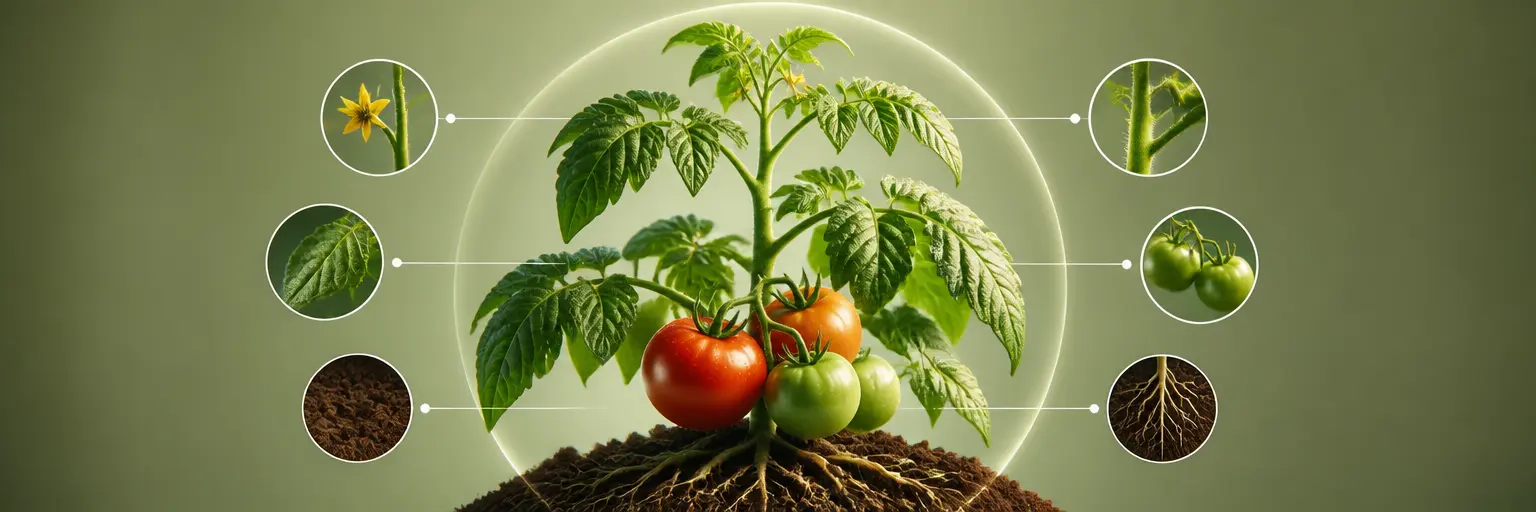
Diagnosing and Treating Common Heirloom Tomato Pests
Discover expert guidance for specific plant focus gardening 🌱 Learn how to cultivate flavorful, nutrient-rich produce at home with sustainable and organic techniques, from selecting the right varieties and preparing healthy soil to planting, watering, harvesting, composting, and natural pest control. Whether you’re growing fresh greens, vibrant tomatoes, aromatic garlic, or other garden favorites, CultivateYourFood helps you achieve a productive, healthy harvest with practical tips for every season.
38 articles
The Complete Guide to Growing Frisee Lettuce
Harvesting Garlic: Knowing When and How to Dig Up Your Bulbs
The History of Garlic Cultivation: From Ancient Times to Today
Discover the World of Exotic Salad Greens
Saving Heirloom Tomato Seeds for Next Year's Garden
Garlic Growing Myths: Debunking Common Misconceptions
How to Identify and Control Tomato Hornworms on Heirloom Plants
How to Grow Radicchio for a Bitter but Beautiful Salad
Growing Garlic in Sandy Soil: Techniques for Optimal Growth
The Science of Growing Garlic: Understanding Its Growth Cycle
The Best Soil Mix for Thriving Salad Greens
Heirloom Tomatoes for Small Spaces: Balconies and Patios
Natural Fertilizers for Bountiful Heirloom Tomato Harvests
HeatTolerant Salad Greens for Summer Gardens
The Easiest Heirloom Tomatoes to Grow
Maximize Flavor: Growing Salad Greens for Culinary Use
Companion Planting with Garlic: Enhancing Growth and Repelling Pests
LateSeason Care for Extending Your Heirloom Tomato Harvest
Specific Plant Focus is your practical guide to growing individual crops successfully at home. Explore expert advice from CultivateYourFood on organic gardening, sustainable planting, soil preparation, watering, harvesting, composting, and natural pest control. Whether you are working with a balcony container garden, raised beds, or a backyard plot, these crop-specific resources help you understand what each plant needs to thrive.
Discover detailed growing tips for nutritious salad greens, flavorful heirloom tomatoes, and healthy garlic bulbs. Each guide focuses on seed selection, planting times, soil health, sunlight, irrigation, crop care, harvesting, and troubleshooting, making it easier to grow fresh food using environmentally responsible methods.
🥬 Cultivating a Variety of Salad Greens
Learn how to grow a productive selection of salad greens, including lettuce, arugula, spinach, kale, mustard greens, and other leafy vegetables. This subcategory explains how to choose suitable varieties, prepare fertile soil, and sow seeds for a continuous harvest. Readers can expect practical guidance on succession planting, container gardening, cool-season crops, and growing salad greens in small spaces.
Discover how to keep leafy greens tender, crisp, and flavorful through proper watering, mulching, thinning, and harvesting. The guide also covers organic pest control for common problems such as aphids, slugs, and leaf miners, along with composting tips for improving soil naturally. Expect useful advice for extending the harvest and preventing bolting during warm weather.
🍅 Growing Delicious Heirloom Tomatoes
Explore the rewarding process of growing heirloom tomatoes from seedling to harvest. This section covers popular tomato varieties, planting depth, sunlight requirements, soil preparation, transplanting, staking, pruning, and feeding. Readers will learn how to create ideal conditions for large, flavorful, naturally grown tomatoes in gardens, raised beds, and containers.
Find solutions for common tomato-growing challenges, including blossom-end rot, fungal diseases, cracking, poor pollination, and tomato pests. Organic care methods such as compost enrichment, deep watering, mulching, crop rotation, and natural pest management help support strong plants without unnecessary chemicals. Harvesting guidance will also explain how to recognize peak ripeness and preserve excess tomatoes.
🧄 The Art of Growing Perfect Garlic
Master the fundamentals of growing garlic at home, from selecting high-quality cloves to preparing the planting bed. This guide explains the differences between hardneck and softneck garlic, the best planting windows, clove spacing, planting depth, sunlight, soil drainage, and winter protection. Readers can expect clear advice for producing healthy garlic bulbs with strong flavor and excellent storage potential.
Learn how to maintain garlic organically with balanced watering, weed management, compost, mulch, and natural solutions for pests and diseases. The section also explains when to stop watering, how to identify mature garlic, and how to cure and store harvested bulbs properly. These techniques support sustainable garlic cultivation while helping gardeners avoid small bulbs, rot, and premature sprouting.
❓ Frequently Asked Questions About Specific Plant Focus
🌱 Why should I use crop-specific gardening guides?
Every plant has different needs for sunlight, soil, watering, spacing, feeding, and harvesting. Crop-specific advice helps you make better decisions and improve plant health, productivity, flavor, and resilience.
🌿 Can I grow these plants organically at home?
Yes. Salad greens, heirloom tomatoes, and garlic can all be grown using organic methods such as compost, mulch, crop rotation, companion planting, and hand-picking pests. Healthy soil and consistent care are the foundation of organic gardening.
☀️ How much sunlight do these crops need?
Most salad greens prefer cool conditions and can tolerate partial shade, while tomatoes generally need at least six to eight hours of direct sunlight. Garlic grows best in a sunny location with well-drained soil and good air circulation.
🐞 What is the best natural way to control garden pests?
Start with prevention by maintaining healthy soil, removing damaged leaves, spacing plants properly, and encouraging beneficial insects. Hand-picking, physical barriers, insect netting, and gentle organic treatments can help manage pests without harming pollinators.
🧺 How can I improve harvests and avoid common growing problems?
Use quality seed or planting material, follow recommended planting times, water deeply and consistently, and harvest crops at the correct stage. Regularly inspect plants for disease, nutrient deficiencies, and pests so problems can be addressed early.