
The Importance of Regular Garden Inspections for Fungal Diseases

Welcome to CultivateYourFood, your guide to a thriving, sustainable garden! Are you ready to unlock the secrets to bountiful harvests and vibrant, healthy plants? Then let's dive in. This website is dedicated to helping you cultivate your own fruits, vegetables, and herbs organically. But first, a crucial step often overlooked: learning how to prevent fungal garden diseases. Read on to discover essential practices for safeguarding your precious crops and ensuring a successful growing season.
- Early Detection: The Key to Preventing Fungal Garden Diseases
- Implementing a Regular Inspection Schedule for Fungal Disease Prevention
- Effective Strategies for Preventing Fungal Garden Diseases Through Inspections
- Advanced Techniques for Fungal Disease Prevention Through Inspection
- The Long-Term Benefits of Proactive Fungal Disease Management
- Frequently Asked Questions
- Final Reflection: Cultivating a Healthier Garden, One Inspection at a Time
- Unveil Your Garden's Hidden Potential: Take Action Now!
Early Detection: The Key to Preventing Fungal Garden Diseases
Fungal diseases represent a significant threat to home gardens, capable of decimating harvests and undermining the health of your plants. Ignoring the problem can lead to widespread infection, necessitating more drastic (and often less sustainable) interventions. However, proactive measures, particularly regular garden inspections, are crucial for effective disease prevention.
This article will guide you through the process of identifying common fungal diseases in your garden at their earliest stages, enabling timely treatment and minimizing the impact on your crops. By learning to recognize the subtle signs of fungal infection, you can significantly improve the chances of a healthy and bountiful harvest, all while upholding your commitment to sustainable and organic gardening practices. Regular inspections are your first line of defense in the ongoing battle against fungal garden diseases – a critical step in implementing a robust "Prevent fungal garden diseases" strategy.
Identifying Common Fungal Diseases in Your Garden
Many fungal diseases manifest similarly in their early stages, making identification challenging. However, understanding the common culprits in your region will greatly assist your efforts. Some prevalent fungal diseases include:
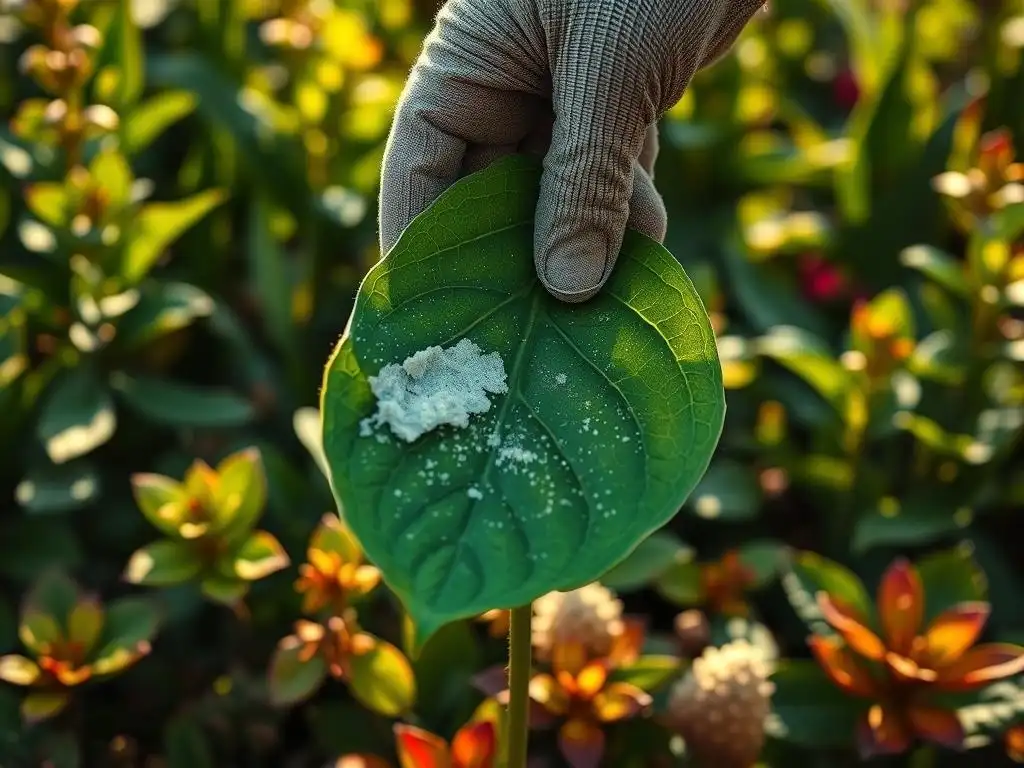
- Powdery Mildew: Characterized by a white, powdery coating on leaves and stems. This is often seen on cucurbits (squash, cucumbers, melons), roses, and many other plants. It thrives in humid conditions.
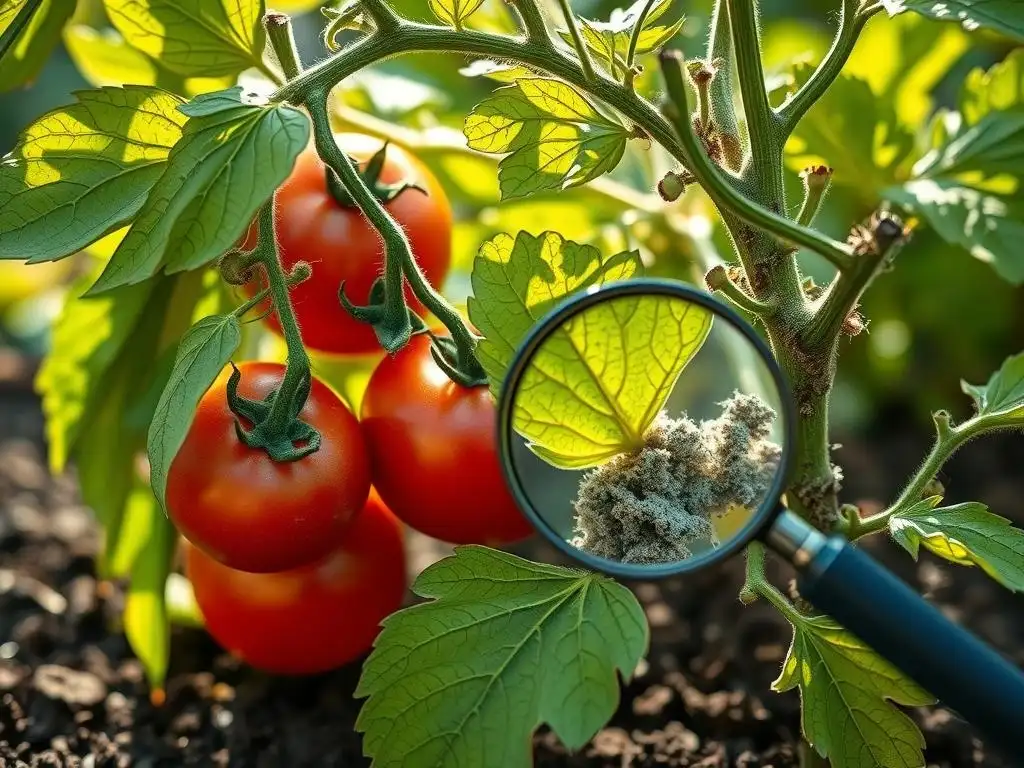
- Downy Mildew: Presents as yellow or brown spots on leaves, often with a purplish or gray fuzzy growth on the underside. This disease is particularly damaging to grapes, lettuce, and other leafy greens.
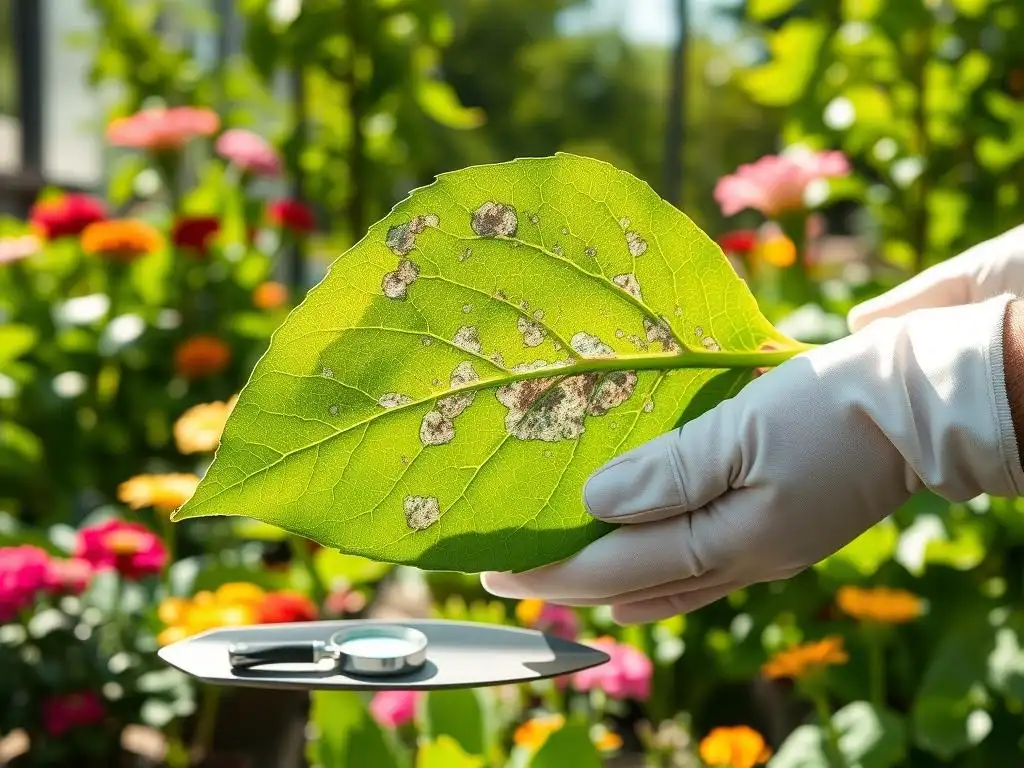
- Leaf Spot Diseases: These manifest as various-sized spots on leaves, ranging in color from brown to black, often with yellow halos around them. Many different fungi cause leaf spot diseases, affecting a wide range of plants.
- Botrytis Blight (Gray Mold): This fungus attacks flowers, fruits, and leaves, causing gray, fuzzy mold growth. It's particularly problematic in humid conditions and can affect many plants, including tomatoes, strawberries, and flowers.
- Root Rot: This often goes unnoticed until advanced stages, manifesting as wilting, yellowing, and stunted growth. Several fungi can cause root rot, often thriving in overly wet soil.
Understanding the typical fungal diseases that affect your specific plants and region is key. Keeping a detailed garden journal, noting varieties planted and any observed symptoms, greatly assists in future identification. This proactive approach is a vital component of preventing fungal garden diseases.
Recognizing Early Symptoms: Leaf Spots, Wilting, and Powdery Mildew
Early detection is paramount. Even subtle changes can signal the onset of a fungal disease. Pay close attention to:
- Leaf Spots: Small, discolored spots on leaves are often the first sign. These spots might be brown, black, yellow, or purple, and may have a distinct halo. Don't dismiss them as minor damage; they could indicate a serious infection.
- Wilting: Unexpected wilting, even in well-watered plants, can be a symptom of root rot or other fungal diseases affecting the plant's vascular system. Check the roots for discoloration or damage.
- Powdery Mildew: The characteristic white, powdery coating is easily recognizable. However, early stages might present as faint, barely noticeable patches. Regular inspections are crucial for early detection.
- Changes in Leaf Color: Yellowing, browning, or discoloration of leaves that isn't attributable to nutrient deficiencies can suggest fungal infections.
- Unusual Growth Patterns: Stunted growth or deformed leaves and fruits could be an indication of a fungal issue affecting the plant's development.
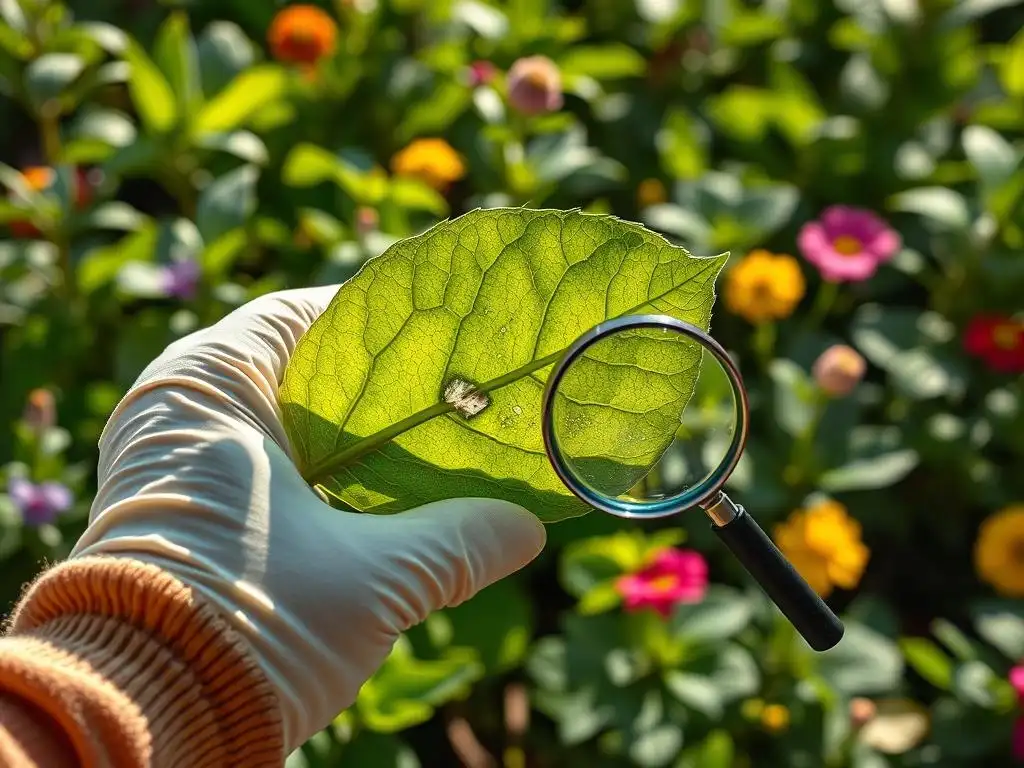
Regularly examine both the upper and lower surfaces of leaves, stems, and fruits. A magnifying glass can help in identifying minute fungal structures. Early intervention is significantly more effective than dealing with a widespread infection.
Utilizing Visual Aids and Diagnostic Tools for Accurate Identification
While visual inspection is crucial, utilizing additional resources can enhance accuracy. Consider:
- Online resources and plant disease guides: Many websites and books offer detailed images and descriptions of common fungal diseases. Compare your observations with these visual aids to narrow down the possibilities.
- Local agricultural extension offices: These offices often provide diagnostic services and expert advice on plant diseases. They can help identify the specific fungus and recommend appropriate treatment strategies.
- Diagnostic labs: For complex cases or when precise identification is necessary, sending samples to a diagnostic lab can yield definitive results.
Remember, accurate identification is essential for effective treatment. Don't hesitate to seek expert help if you are unsure about the diagnosis. This proactive approach ensures you’re taking the best steps to prevent fungal garden diseases and maintain a thriving garden.
Implementing a Regular Inspection Schedule for Fungal Disease Prevention
Preventing fungal garden diseases requires vigilance. A proactive approach, centered around regular inspections, is far more effective and less costly than reactive treatments after a full-blown infestation. The frequency of your inspections will depend on several factors, including the current weather conditions (high humidity and warm temperatures favor fungal growth), the types of plants you're growing (some are more susceptible than others), and the overall health of your garden. However, a consistent schedule is key to early detection and successful prevention. This allows for intervention before significant damage occurs, saving your plants and minimizing the spread of disease.
Creating a Weekly Inspection Routine
Establishing a weekly inspection routine is a crucial first step in preventing fungal garden diseases. This routine should be more than a casual stroll through the garden; it needs to be methodical and thorough. Consider dedicating a specific day and time each week to your inspection, making it part of your regular gardening schedule. This consistency is vital for building the habit and ensuring no week goes unchecked. During your weekly inspection, pay close attention to:
- Leaves: Look for discoloration, spots (yellow, brown, black, or purple), wilting, or unusual growth. Examine both the upper and lower surfaces of leaves carefully.
- Stems: Check for lesions, cankers, or unusual discoloration. Feel for any softening or unusual texture.
- Flowers and Fruits: Inspect for unusual spots, rot, or deformities.
- Soil: Note any unusual moisture levels or the presence of mold or mildew.
Remember to use a notebook or digital record to document your findings. Note the date, the affected plants, the symptoms observed, and any actions taken. This detailed record will help you track disease progression and identify patterns over time, contributing to more effective prevention strategies in subsequent growing seasons. This detailed record keeping is essential for preventing fungal garden diseases effectively.
Focusing on High-Risk Plants and Areas
Not all plants are equally susceptible to fungal diseases. Some are naturally more prone to infection due to their genetic makeup or growth habits. Similarly, certain areas of your garden might present higher risks due to factors like poor air circulation, excessive shade, or consistently damp soil. Prioritize these high-risk areas and plants during your inspections.
For example, plants known for their susceptibility to fungal diseases include roses (black spot), tomatoes (blight), and cucurbits (powdery mildew). Areas with dense planting, poor drainage, or overhead watering systems should also receive more thorough attention during your inspections. By concentrating your efforts on these high-risk areas, you can maximize the effectiveness of your preventative measures and allocate your time efficiently. This targeted approach is key to successful fungal disease prevention.
Utilizing Proper Lighting and Magnification Tools for Detailed Examination
Early detection is paramount in preventing fungal garden diseases. Many fungal infections start subtly, with minute symptoms easily overlooked during a cursory inspection. To enhance your observation capabilities, utilize proper lighting and magnification tools.
A bright, diffused light source, such as a portable LED lamp, can illuminate hidden symptoms. A hand lens or magnifying glass can significantly improve your ability to identify early signs of infection, such as minute fungal spores or the characteristic patterns of certain diseases. Even a simple smartphone camera with macro capabilities can be incredibly helpful in capturing close-up images for later review and comparison against online resources or with experienced gardeners. Investing in these simple tools can dramatically improve the accuracy and effectiveness of your garden inspections, contributing significantly to preventing fungal garden diseases.
Effective Strategies for Preventing Fungal Garden Diseases Through Inspections
Regular garden inspections are crucial for preventing fungal garden diseases. Early detection significantly increases the chances of successful treatment and minimizes the spread of infection throughout your garden. By proactively identifying and addressing potential issues, you can cultivate a thriving and healthy ecosystem, protecting your yield and preventing the costly consequences of widespread fungal outbreaks. This section details several practical strategies you can implement to prevent fungal issues through diligent observation and timely intervention.
Maintaining Proper Garden Hygiene: Removing Debris and Infected Plants
Maintaining impeccable garden hygiene is paramount in preventing fungal diseases. Fungal spores thrive in moist, decaying organic matter. Leaving behind fallen leaves, dead plant material, and infected plant parts provides an ideal breeding ground for pathogens. Regularly removing this debris deprives fungi of their primary food source and significantly reduces the risk of infection.
Think of it like this: imagine a house overrun with pests. If you leave food scraps and clutter everywhere, the pests will proliferate. Similarly, leaving decaying plant matter in your garden creates a haven for fungal spores.
A proactive approach involves:
- Regular weeding: Weeds compete with your plants for resources and can harbor fungal spores. Regular weeding, ideally weekly, helps to maintain a clean and healthy growing environment.
- Prompt removal of infected plants: If you identify a plant with signs of fungal disease, remove it immediately and dispose of it properly. Do not compost infected plants, as this will spread the spores. Instead, bag them securely and dispose of them in the trash.
- Sanitizing tools: Always sanitize your gardening tools after working with infected plants to prevent the spread of pathogens to healthy plants. A simple solution of bleach and water can be effective.
Implementing these simple steps dramatically reduces the chances of fungal diseases taking hold in your garden, thus helping you to effectively prevent fungal garden diseases.
Ensuring Adequate Air Circulation to Prevent Moisture Buildup
Adequate air circulation is another critical factor in preventing fungal garden diseases. Fungi thrive in humid, poorly ventilated environments. Stagnant air allows moisture to build up on plant leaves, creating the perfect conditions for spore germination and growth.
Improving air circulation can be achieved through several methods:
- Proper spacing of plants: Ensure that your plants have enough space between them to allow for adequate air movement. Overcrowding increases humidity and reduces airflow, creating a favorable environment for fungal growth. Consult plant guides for recommended spacing for each species.
- Pruning: Regular pruning helps to improve air circulation within the plant canopy. Remove any dead, dying, or overcrowded branches to promote healthy airflow.
- Strategic planting: Consider the placement of your garden in relation to prevailing winds. Choose a location with good air circulation to minimize humidity.
By optimizing air circulation, you actively discourage the development of fungal diseases, contributing significantly to disease prevention. This proactive approach forms a crucial part of a comprehensive strategy to prevent fungal garden diseases.
Watering Techniques to Minimize Fungal Growth
Watering techniques significantly impact the prevalence of fungal diseases. Overwatering creates excessively moist conditions that encourage fungal growth. Conversely, underwatering can stress plants, making them more susceptible to infection.
The key is to water deeply but infrequently, allowing the soil to dry slightly between waterings. Here's how to achieve this:
- Water at the base of the plant: Avoid overhead watering, which wets the foliage and creates a humid environment conducive to fungal growth. Instead, water directly at the base of the plant, allowing the water to penetrate the soil.
- Use soaker hoses or drip irrigation: These methods deliver water directly to the roots, minimizing moisture on the leaves.
- Monitor soil moisture: Check the soil moisture regularly before watering. Stick your finger a couple of inches into the soil; if it feels dry, it's time to water.
By employing these mindful watering practices, you significantly reduce the risk of fungal diseases, thereby contributing to a healthier and more productive garden. This approach is a vital component of preventing fungal garden diseases organically and sustainably. Remember, consistent observation and timely adjustments to your watering routine are key to success.
Implementing Organic Pest Control Methods to Reduce Disease Susceptibility
Regular garden inspections are crucial not only for early detection of fungal diseases but also for proactively preventing their occurrence. A key strategy in this preventative approach is the implementation of robust organic pest control methods. Many fungal diseases thrive in environments weakened by pest infestations. Insects can create entry points for fungal spores, leaving plants vulnerable to infection. By controlling pest populations organically, we significantly reduce the likelihood of fungal diseases taking hold.
One effective method involves introducing beneficial insects into your garden ecosystem. Ladybugs, lacewings, and praying mantises are natural predators of many common garden pests like aphids and mealybugs. These pests, if left unchecked, can stress plants, making them more susceptible to fungal pathogens. By encouraging the presence of these beneficial insects through the planting of pollinator-friendly flowers and the avoidance of broad-spectrum pesticides, you create a natural defense mechanism against both pests and subsequent fungal diseases.
Another crucial aspect of organic pest control is maintaining a healthy soil environment. Healthy soil fosters strong, resilient plants better equipped to withstand disease. Composting plays a vital role here, enriching the soil with essential nutrients and beneficial microorganisms that compete with harmful fungi.
Regular soil testing can help identify nutrient deficiencies and guide you in amending the soil with organic matter, further bolstering plant health and resilience to fungal infections. This proactive approach, coupled with regular inspections, helps prevent fungal diseases before they even emerge. For example, a healthy tomato plant, well-nourished and free of pest damage, is far less likely to succumb to early blight or late blight than a stressed, pest-ridden plant.
Furthermore, employing companion planting techniques can significantly reduce pest pressure and, consequently, fungal disease risk. Certain plant species have natural pest-repelling properties. For instance, planting marigolds near susceptible vegetables like tomatoes can deter nematodes and other soil-borne pests, indirectly reducing the risk of soil-borne fungal diseases.
Similarly, basil planted near tomatoes can help deter certain insects, again contributing to the overall health and disease resistance of the tomato plants. Strategic companion planting, combined with diligent garden inspections, forms a powerful preventative measure against a wide range of fungal diseases. This integrated approach demonstrates that preventing fungal garden diseases is not just about reacting to problems but proactively building a resilient and healthy garden ecosystem.
Advanced Techniques for Fungal Disease Prevention Through Inspection
Regular garden inspections are crucial for preventing fungal garden diseases, but proactive measures go beyond simple visual checks. This section details advanced techniques that, when combined with routine inspections, significantly bolster your garden's resilience against fungal pathogens. By understanding and implementing these strategies, you can cultivate a thriving and disease-resistant ecosystem.
Soil Testing and Amendment for Optimal Plant Health
Soil health is paramount in preventing fungal diseases. Fungal spores thrive in compacted, poorly drained soils with imbalanced pH levels. Regular soil testing provides invaluable insights into your soil's composition, allowing for targeted amendments to optimize plant health and reduce fungal susceptibility.
Testing should ideally be conducted annually, or even more frequently if you notice recurring fungal problems. A comprehensive soil test analyzes various parameters including pH, nutrient levels (nitrogen, phosphorus, potassium), organic matter content, and potential salinity. Based on the results, you can implement appropriate amendments.
For example, if your soil tests reveal a low pH (acidic conditions), you might need to add lime to raise the pH to a more neutral level, which is often ideal for many plants. Conversely, if the soil is alkaline, adding sulfur can lower the pH. Improving drainage might involve adding organic matter like compost to improve soil structure and aeration, reducing moisture buildup which encourages fungal growth. Nutrient deficiencies should be addressed by incorporating appropriate fertilizers, opting for organic options whenever possible to maintain soil health and avoid introducing harmful chemicals.
Regular soil testing, combined with informed amendments, is a cornerstone of preventative fungal disease management. This proactive approach helps create a less hospitable environment for fungal pathogens. Remember, healthy plants are naturally more resistant to diseases.
Monitoring Weather Patterns and Adjusting Practices Accordingly
Weather significantly influences fungal disease development. High humidity and prolonged periods of wetness create ideal conditions for fungal spores to germinate and spread. Regularly monitoring weather patterns allows you to proactively adjust your gardening practices to minimize fungal risk. This involves paying close attention to rainfall, temperature, and humidity forecasts.
For example, if heavy rainfall is predicted, consider covering vulnerable plants with protective covers to reduce leaf wetness. Good air circulation is also crucial; ensure adequate spacing between plants to promote airflow and rapid drying of foliage after rain or watering. Avoid overhead watering, especially in the evening, as this prolongs leaf wetness. Instead, opt for drip irrigation or soaker hoses to deliver water directly to the roots.
By understanding and responding to weather trends, you can significantly reduce the likelihood of fungal outbreaks. This proactive approach, combined with diligent garden inspections, forms a robust preventative strategy against fungal diseases. Accurate weather forecasting is your ally in preventing fungal garden diseases.
Utilizing Natural Fungicides as a Preventative Measure
While chemical fungicides exist, a sustainable approach favors natural alternatives for preventing fungal garden diseases. Several natural fungicides offer effective preventative measures, minimizing environmental impact and promoting a healthy garden ecosystem.
These natural options include baking soda solutions (a mixture of baking soda and water), neem oil (known for its antifungal and insecticidal properties), and copper fungicides (though use should be judicious due to potential environmental concerns). Each has its specific application methods and strengths. For instance, baking soda solutions are effective against powdery mildew, while neem oil combats a broader range of fungal issues. Copper fungicides are more potent but should be used sparingly and according to label instructions.
Remember to always test a small area of your plants first to ensure the chosen natural fungicide doesn't cause any adverse reactions. Regular application, as a preventative measure rather than a reactive cure, is key. Combining natural fungicides with good sanitation practices—removing infected plant debris promptly—further enhances their effectiveness. By integrating these natural fungicides into your regular garden maintenance, you proactively safeguard your plants against fungal threats, promoting a healthier and more sustainable gardening experience. This strategy is instrumental in preventing fungal garden diseases organically.
Documenting Your Findings: Creating a Garden Disease Log
Maintaining a detailed garden disease log is crucial for effective fungal disease prevention. This isn't just about recording what you see; it's about building a historical record of your garden's health, allowing you to identify patterns and trends over time. This proactive approach to record-keeping empowers you to prevent future outbreaks. Think of it as a preventative health check for your plants.
A well-maintained log helps you track the progression of diseases, noting when specific symptoms first appeared, how quickly they spread, and the effectiveness of any treatment you applied. This information is invaluable for predicting future outbreaks. For example, if you notice powdery mildew consistently appearing in late summer after a period of high humidity, you can adjust your watering practices or implement preventative measures before the problem arises. This data-driven approach to gardening shifts you from reactive to proactive disease management.
Consider using a simple notebook or a spreadsheet program to create your log. Include key details such as the date, the affected plant (species and variety), the specific disease observed (with a clear description or photograph), the severity of the infection (e.g., mild, moderate, severe), and any treatments administered (including the product name, application method, and dosage). Adding notes on environmental conditions (temperature, rainfall, humidity) at the time of observation can also prove insightful.
Don't forget to record the results of your treatment efforts – did the disease subside, persist, or worsen? This feedback loop is essential for refining your disease prevention strategies.
The cumulative data in your garden disease log will become an invaluable resource. By analyzing your records over several seasons, you'll gain a deeper understanding of the specific fungal diseases that affect your garden and the environmental factors that contribute to their spread. This knowledge will empower you to make informed decisions about planting locations, plant selection, and preventative treatments, ultimately leading to healthier and more resilient plants and a significantly reduced risk of fungal infections.
The time invested in meticulous record-keeping will pay dividends in the long run, ensuring a thriving and disease-resistant garden year after year. This proactive approach to "prevent fungal garden diseases" is invaluable.
The Long-Term Benefits of Proactive Fungal Disease Management
Proactive fungal disease management offers significant long-term advantages for your garden, extending far beyond simply preventing immediate crop losses. A preventative approach translates to healthier plants, richer harvests, and a more sustainable gardening practice overall. Ignoring early signs of fungal infections can lead to cascading problems, impacting not only the current growing season but also future ones. This section will detail the key benefits of prioritizing regular garden inspections and early intervention in preventing fungal garden diseases.
Protecting Your Harvest: Ensuring Healthy and Abundant Yields
The most immediate and obvious benefit of preventing fungal garden diseases is the protection of your harvest. Fungal infections can significantly reduce yields, causing stunted growth, deformed fruits and vegetables, and even complete crop failure. For example, late blight in tomatoes can decimate an entire crop within days, leaving you with nothing to harvest. Early detection, through regular inspections, allows for timely intervention, minimizing the impact of the disease and maximizing your yield.
A healthy plant, free from fungal pathogens, is a productive plant. This translates to a more abundant harvest, ensuring you have plenty of fresh, homegrown produce to enjoy. Consider the difference between a healthy pepper plant yielding 20 peppers versus an infected plant producing only 5, or none at all. The difference in yield, and consequently your enjoyment and food security, is substantial.
Maintaining Soil Health: Preventing Long-Term Fungal Infestations
Fungal diseases aren't just a threat to the plants themselves; they can also negatively impact the health of your soil. Many fungal pathogens persist in the soil, even after the affected plants have been removed. This means that if you don't address the underlying issue, you risk re-infection year after year. Regular inspections allow for early identification of soil-borne fungal diseases, enabling you to implement preventative measures such as crop rotation, soil solarization, or the introduction of beneficial microbes.
These proactive strategies help to prevent the build-up of fungal spores in the soil, creating a healthier and more resilient growing environment for future plantings. Investing in soil health is an investment in the long-term success of your garden and its ability to continuously produce healthy crops. Ignoring soil-borne diseases can lead to a vicious cycle of infection and low yields, impacting your garden for years to come.
Reducing the Need for Chemical Treatments: Promoting Sustainable Gardening Practices
A key aspect of preventing fungal garden diseases is the reduction in the need for chemical treatments. While chemical fungicides can be effective, they can also harm beneficial insects, pollute the environment, and leave chemical residues on your produce. By adopting a preventative approach through regular inspections and early intervention, you can minimize or even eliminate the need for these harsh chemicals.
This aligns with sustainable gardening practices, allowing you to grow food in a way that is environmentally responsible and protects both your health and the health of the planet. Think of it as a shift from reactive pest control to proactive disease prevention. The benefits extend to your family's health, the environment, and the overall sustainability of your gardening efforts.
Regular monitoring and early intervention are crucial steps towards achieving a truly sustainable and healthy garden, ensuring you can enjoy the fruits (and vegetables!) of your labor without compromising on your values.
Cost Savings: Preventing Significant Crop Losses Through Early Detection
Regular garden inspections for fungal diseases translate directly into significant cost savings. The earlier you detect a fungal infection, the less extensive the damage will be, minimizing crop losses. Imagine a scenario where powdery mildew infects your zucchini plants.
If detected early, perhaps only a few leaves are affected, and you can treat them with a natural fungicide like baking soda solution, saving the majority of your harvest. However, if left unchecked, the mildew can spread rapidly, covering entire plants and potentially leading to a complete loss of your zucchini yield. This translates to lost revenue if you're selling your produce, or simply lost food for your family.
The cost of fungicides, even organic ones, adds up. By preventing widespread infection through early detection and intervention, you reduce the overall amount of fungicide needed, saving you money in the long run. Furthermore, replacing entire crops due to severe fungal infestations represents a substantial financial burden. Consider the cost of seeds, soil amendments, and the time invested in planting and nurturing your plants.
Preventing this total loss through proactive monitoring is an incredibly cost-effective strategy. Think of it as an investment in your garden's health – a small amount of time spent inspecting yields significant returns in terms of saved resources and preserved yield. Early detection is not just about preventing crop loss; it's about protecting your investment.
The economic benefits extend beyond immediate monetary savings. A healthy, productive garden contributes to food security and self-sufficiency, reducing reliance on commercially grown produce, which can be expensive and often treated with synthetic pesticides. By preventing fungal diseases, you are investing in the long-term sustainability and profitability of your home garden. The cost of inaction far outweighs the cost of regular inspections.
Frequently Asked Questions
How often should I inspect my garden for fungal diseases?
You should inspect your garden at least once a week, paying close attention to leaves, stems, and fruits. More frequent checks are recommended during periods of high humidity and rainfall.
What are some common signs of fungal diseases in my garden?
Look for spots, blights, wilting, mold, or unusual growths on plants. Changes in leaf color, such as yellowing or browning, can also indicate a fungal problem. Early detection is crucial.
How can I prevent fungal diseases in my garden?
Good air circulation is vital; space plants appropriately. Ensure proper watering techniques – avoid overhead watering. Use disease-resistant varieties of plants whenever possible.
What should I do if I find a fungal disease in my garden?
Remove and destroy infected plant parts immediately. Avoid spreading the disease by cleaning your tools thoroughly. Consider using an organic fungicide as a last resort.
Are there organic ways to treat fungal diseases?
Yes, several organic options exist, such as neem oil, baking soda solutions, and compost tea. These methods often require consistent application for effectiveness. Consult reputable resources for proper usage.
Final Reflection: Cultivating a Healthier Garden, One Inspection at a Time
The fight against fungal diseases in our gardens is not just about aesthetics; it's about safeguarding the health of our plants and, ultimately, our food supply. The prevalence of fungal pathogens, exacerbated by climate change and increasingly intensive agricultural practices, demands a proactive and vigilant approach. Ignoring the subtle signs of infection can lead to devastating losses, impacting both home gardeners and large-scale agricultural operations.
The impact of fungal diseases extends far beyond the individual garden; it touches upon the broader ecosystem and our understanding of sustainable agriculture. The interconnectedness of plant health and environmental well-being is undeniable. The earth laughs in flowers.
– Ralph Waldo Emerson. This simple quote speaks to the profound joy and sustenance gardens provide, a joy that is easily threatened by unchecked fungal growth. My own experience battling powdery mildew on my prize-winning roses underscored the importance of early detection and consistent monitoring, teaching me a valuable lesson in patience and observation.
Now, I invite you to consider your own garden, your own approach to plant care. Are you actively inspecting your plants for signs of fungal disease? Are you prepared to take preventative measures, or are you waiting for a problem to manifest before taking action? Remember, the knowledge gained from regular inspections empowers you to protect your plants and fosters a deeper connection with the natural world. Embrace the opportunity to cultivate a healthier, more resilient garden, one mindful inspection at a time.
Thank you for learning about preventing fungal diseases in your garden! We hope you feel more confident in protecting your plants. Ready to put your knowledge into practice?
- Prioritize a thorough garden inspection this week: Carefully examine your plants for any signs of fungal growth. Early detection is crucial for effective treatment.
- Share this article with fellow gardeners – let's cultivate a thriving community of healthy plants together.
- Create a simple fungal disease prevention checklist to track your inspections and treatments. This will help you stay organized and ensure consistent care.
What steps will you take today to protect your garden from fungal threats?