
PreservationFocused Garden Design: Combining Beauty and Functionality

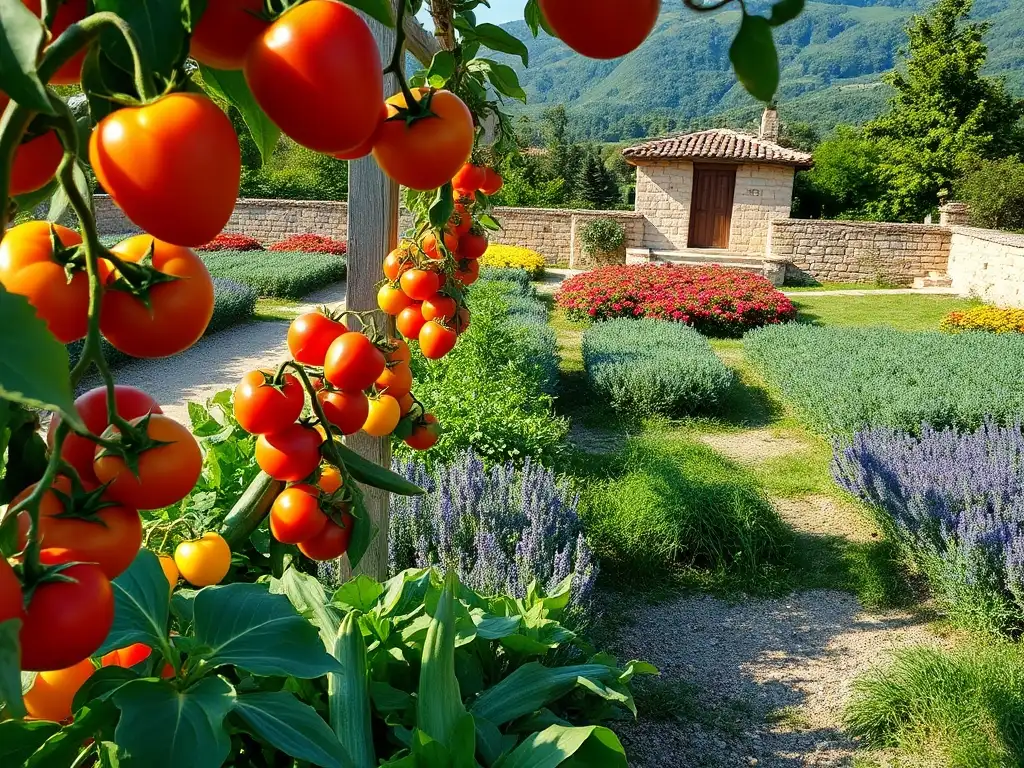
Welcome to CultivateYourFood, your guide to a thriving, sustainable home garden! Are you ready to transform your outdoor space into a bountiful haven, overflowing with fresh, organic produce? Then delve into the art of Preserving harvest garden design, a crucial element of achieving true gardening self-sufficiency. Discover how careful planning can maximize your harvest and minimize waste, ensuring you enjoy the fruits (and vegetables!) of your labor all year round. Let's explore the secrets to combining stunning aesthetics with practical, preservation-focused design.
- Planning Your Preserving Harvest Garden Layout
- Selecting High-Yield Varieties for Preservation
- Integrating Preservation Techniques into Garden Design
- Harvesting and Processing Considerations in Garden Design
- Aesthetic Considerations in a Preservation-Focused Garden
- Sustainable Practices for Preserving Harvest Garden Design
-
Frequently Asked Questions
- How can I design a garden that prioritizes preservation?
- What plants are best suited for preserving?
- How can I incorporate preservation into my existing garden layout?
- What role does composting play in a preservation-focused garden?
- Are there specific garden design elements that support preservation techniques?
- Final Reflection: Cultivating a Legacy: Beauty, Function, and the Future of Our Gardens
- Unleash Your Inner Gardener: Design a Thriving, Sustainable Space
Planning Your Preserving Harvest Garden Layout
Designing a garden solely focused on preserving your harvest requires a strategic approach that blends aesthetic appeal with practical functionality. This isn't just about growing food; it's about maximizing yield, optimizing space for efficient processing, and ensuring easy access throughout the growing season.
This guide will walk you through the key considerations for designing a preserving-focused garden, helping you create a beautiful and productive space that yields an abundance of fruits, vegetables, and herbs perfect for canning, freezing, drying, and other preservation methods. We'll explore space optimization, sun exposure, water access, and harvest accessibility, ensuring your garden is as efficient as it is visually stunning.
Successfully implementing these design principles will transform your gardening experience, providing you with a bountiful harvest ready for long-term storage and enjoyment throughout the year. Let's delve into the specifics of creating your own preserving harvest garden design, a space optimized for both beauty and the practicalities of food preservation.
Maximizing Space for High-Yield Preservation Crops
Efficient space utilization is paramount in a preserving-focused garden. You need to grow a significant quantity of produce to make preservation worthwhile. Consider these strategies for maximizing your yield:
- Vertical Gardening: Utilize vertical space with trellises, hanging baskets, and vertical planters to cultivate vining plants like tomatoes, cucumbers, and beans, significantly increasing your yield per square foot. This is especially useful for smaller gardens.
- Companion Planting: Strategic companion planting can boost yields and improve plant health. For example, planting basil near tomatoes can repel pests and improve tomato flavor. Research companion planting combinations suitable for your chosen preservation crops.
- Crop Rotation: Rotating your crops annually helps prevent soil depletion and reduces the risk of pest and disease buildup. This ensures healthy plants and higher yields year after year. A well-planned rotation schedule is crucial for long-term garden success.
- Intensive Gardening Techniques: Techniques like square foot gardening and hugelkultur can maximize yields in limited spaces. These methods focus on optimizing soil health and plant density.
- High-Yield Varieties: Select high-yielding varieties of fruits, vegetables, and herbs specifically chosen for their suitability for preservation. Research varieties known for their excellent canning, freezing, or drying qualities. Consider heirloom varieties known for their flavor and preservation potential.
Choosing the Right Location for Sun Exposure and Water Access
The location of your garden significantly impacts its productivity and your ability to successfully preserve your harvest. Consider these factors carefully:
- Sunlight: Most fruits and vegetables require at least 6-8 hours of direct sunlight daily. Choose a location with ample sunlight exposure, ideally facing south (in the Northern Hemisphere). Observe the sun's path throughout the day to ensure adequate sun exposure for your chosen plants. A south-facing location will maximize the sun's energy, promoting robust plant growth.
- Water Access: Easy access to a reliable water source is essential, especially during dry spells. Consider proximity to a water tap or the feasibility of installing a drip irrigation system to ensure efficient and convenient watering. Efficient watering is critical for maximizing yield and plant health.
- Soil Drainage: Well-drained soil is crucial for healthy plant growth. Poor drainage can lead to root rot and reduced yields. Amend heavy clay soils with organic matter to improve drainage. Test your soil to determine its drainage capabilities before planting.
Designing for Easy Access During Harvesting and Processing
Easy access to your plants during harvesting and processing is crucial for efficient preservation. This ease of access will save you time and effort during the busy harvest season.
- Wide Pathways: Ensure wide pathways (at least 3 feet) between rows to allow for easy movement, especially when carrying baskets or wheelbarrows full of harvested produce. Consider using raised beds for better accessibility.
- Ergonomic Design: Design your garden with ergonomics in mind. Avoid planting tall crops in areas that require excessive bending or stretching. Strategically place shorter crops where bending is required.
- Proximity to Processing Area: Ideally, locate your garden close to your kitchen or a designated processing area to minimize the time and effort required to transport harvested produce. This reduces the risk of spoilage and ensures timely processing.
- Organized Layout: Organize your garden in a logical manner, grouping similar plants together to streamline harvesting and processing. This makes it easier to harvest large quantities of a single crop efficiently. Think about the flow of your work during harvest and processing.
The careful planning involved in designing a preserving-focused garden will significantly impact your success in preserving your harvest. By considering these factors, you can create a beautiful and productive space that provides you with an abundance of homegrown food to enjoy throughout the year. Remember, a well-planned garden is a productive garden!
Selecting High-Yield Varieties for Preservation
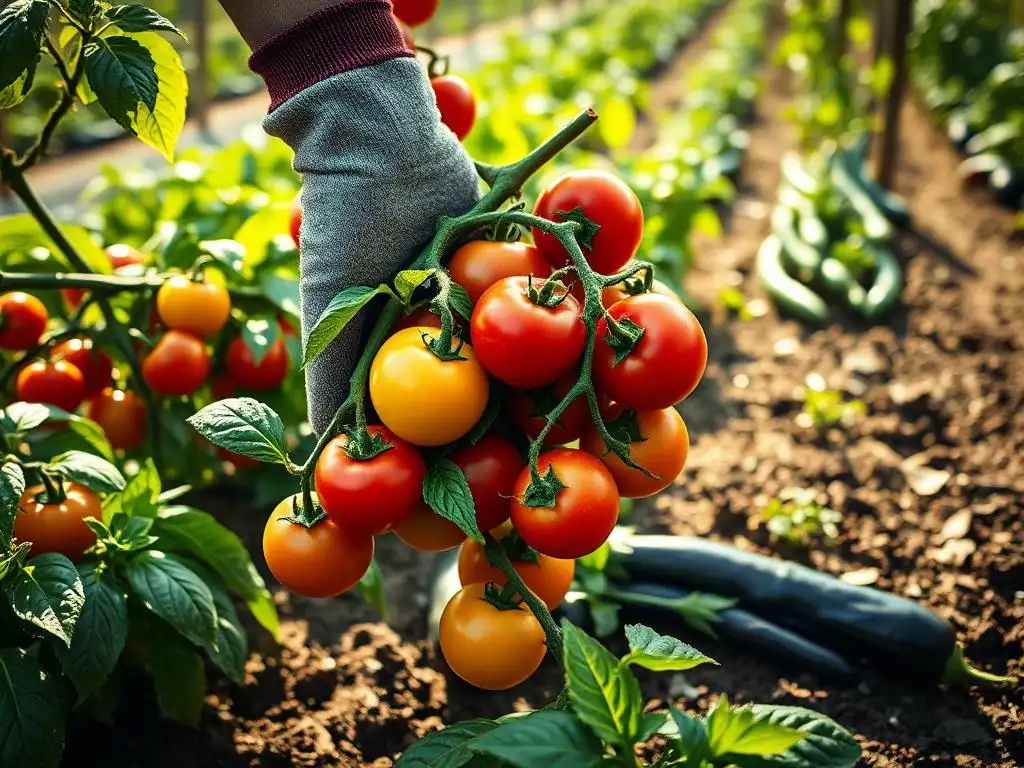
A successful preserving harvest garden design hinges on choosing plant varieties known for their high yields and suitability for specific preservation methods. Ignoring this crucial step can lead to disappointing results, leaving you with insufficient produce for canning, freezing, or drying. This section focuses on selecting varieties optimized for maximum yield and preservation-friendly characteristics. Remember that optimal yield also depends on factors like soil quality, sunlight exposure, and proper plant care, but choosing the right variety is the foundation.
Best Tomato Varieties for Canning and Freezing
When it comes to canning and freezing, you need tomatoes with firm flesh, low water content, and a good balance of acidity and sweetness. Here are some top performers:
- San Marzano: Known for its classic, elongated shape and meaty texture, San Marzano tomatoes are a canning favorite. Their low water content makes them ideal for sauces and pastes, minimizing the need for long simmering times. They are also excellent for freezing whole or diced.
- Roma: Another excellent choice for canning and freezing, Roma tomatoes boast a high yield and a similarly low water content compared to San Marzano. Their compact shape makes them easy to process.
- Cherokee Purple: While not as high-yielding as San Marzano or Roma, Cherokee Purple tomatoes offer a unique, deep purple color and rich flavor, making them desirable for preserving despite a slightly higher water content. Consider using them in smaller batches for jams or sauces.
The table below summarizes the key characteristics:
| Variety | Yield | Water Content | Acidity | Canning Suitability | Freezing Suitability |
|---|---|---|---|---|---|
| San Marzano | Very High | Low | Medium | Excellent | Excellent |
| Roma | Very High | Low | Medium | Excellent | Excellent |
| Cherokee Purple | Medium High | Medium | Medium-High | Good | Good |
Remember to consider your climate and growing season when making your selections. Always prioritize disease resistance to ensure a healthy and bountiful harvest.
Top Performing Beans for Drying and Freezing
Selecting beans for drying and freezing requires considering factors like size, shape, and drying characteristics. Some varieties are better suited for one method over the other.
- Bush Blue Lake: This classic bush bean is a high-yielder, producing abundant pods perfect for freezing. Their tender texture remains intact after freezing, making them ideal for soups, stews, and side dishes.
- Kentucky Wonder: A pole bean known for its prolific yield, Kentucky Wonder beans excel in drying. Their larger size and thicker pod walls make them suitable for drying whole or shelling before drying.
- Dragon's Tongue: This striking bean with its multicolored pods is not only visually appealing but also a high-yielder suitable for both drying and freezing. However, its unique flavor profile might be better suited for specific dishes.
Here’s a quick comparison:
| Variety | Yield | Drying Suitability | Freezing Suitability |
|---|---|---|---|
| Bush Blue Lake | Very High | Good | Excellent |
| Kentucky Wonder | Very High | Excellent | Good |
| Dragon's Tongue | High | Good | Good |
Proper preparation is key for successful bean preservation. Ensure beans are harvested at the optimal stage of maturity for your chosen preservation method.
Ideal Berries for Jam Making and Freezing
Berries are a popular choice for jams and freezing, but not all varieties are created equal. Consider these factors when selecting your berry plants:
- Highbush Blueberry: Highbush blueberries are known for their high yield and excellent flavor, making them perfect for both jams and freezing. Their firm texture holds up well during processing.
- Strawberry (e.g., 'Chandler' or 'Albion'): Choose high-yielding strawberry varieties like 'Chandler' or 'Albion' for optimal results. These varieties are known for their large size, consistent production, and good flavor.
- Raspberry (e.g., 'Autumn Bliss'): Everbearing raspberry varieties like 'Autumn Bliss' offer extended harvest periods, increasing your overall yield. They are excellent for freezing and making jams.
Choosing the right variety is only the first step. Proper care and timely harvesting are crucial to maximizing yields and ensuring high-quality preserved produce. Remember to consider pest and disease management to maintain a healthy crop throughout the growing season. 🍓🫐
Optimal Herbs for Drying and Freezing
Drying and freezing are excellent preservation methods for herbs, extending their usability far beyond the growing season. Choosing the right herbs for these techniques is crucial for maintaining flavor and aroma. Some herbs dry better than others, while others freeze exceptionally well, retaining their vibrant color and taste. Understanding these nuances allows you to maximize your harvest and enjoy fresh-tasting herbs year-round.
The best herbs for drying generally have a robust, sturdy structure that holds up well during the dehydration process. These tend to be less delicate and less prone to wilting. Examples include rosemary, thyme, oregano, and lavender.
These herbs retain their flavor profiles remarkably well after drying, making them ideal additions to soups, stews, and other culinary creations. Proper drying techniques, such as air drying in a cool, dark, and well-ventilated space, or using a dehydrator at low temperatures, are key to preventing mold and preserving the quality of the herbs. Over-drying can lead to brittle herbs that lose their essential oils and consequently, their flavor.
Freezing, on the other hand, is a fantastic method for preserving herbs that are more delicate or have a high moisture content. Basil, parsley, cilantro, and mint often benefit greatly from freezing. The key to successful herb freezing is to blanch the herbs briefly in boiling water before freezing them. This process helps to inactivate enzymes that can degrade the flavor and color of the herbs during storage.
Blanching should be followed by immediately plunging the herbs into ice water to stop the cooking process. After this, the herbs can be finely chopped and stored in freezer-safe bags or containers, ready for use throughout the year. Proper labeling with the date is vital for optimal freshness and to avoid wasting frozen herbs. Remember to use frozen herbs within a reasonable timeframe for the best results; their flavor and texture might degrade after prolonged storage.
Planning your planting schedule to align with the best freezing times for each herb is a valuable strategy for preserving your harvest. This helps maximize the quality and quantity of your preserved herbs. Careful consideration of drying versus freezing techniques, based on the specific herbs you grow, will significantly impact the success and quality of your preservation efforts.
Integrating Preservation Techniques into Garden Design
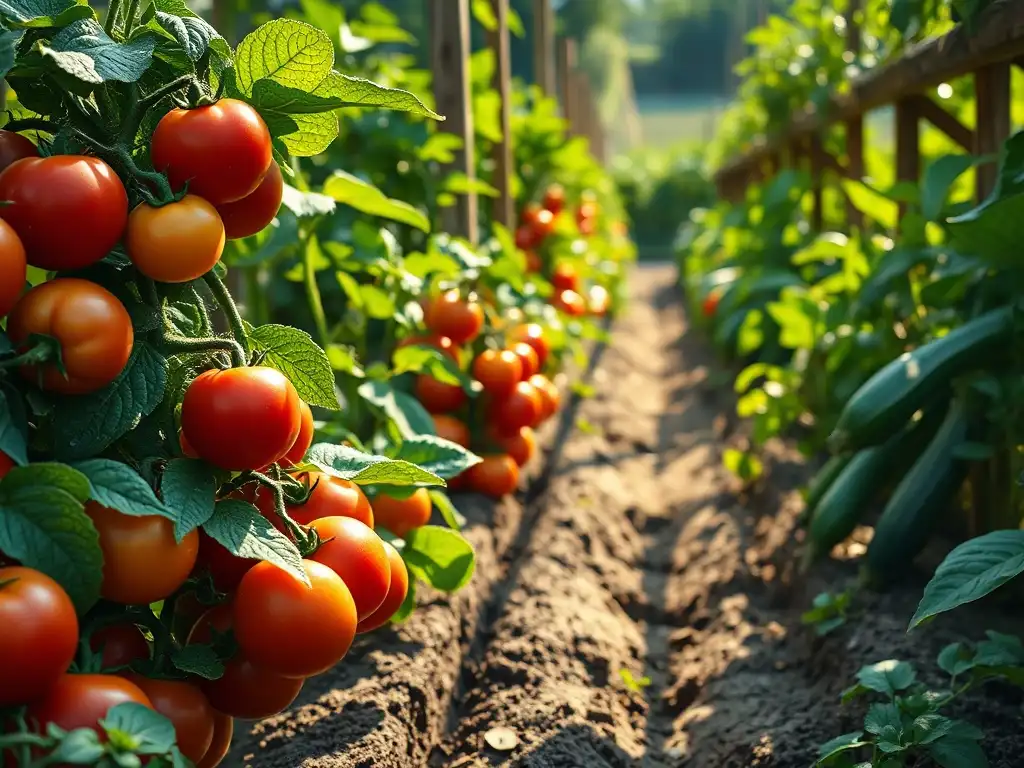
This section delves into the practical application of preservation-focused garden design, emphasizing how thoughtful planning can significantly improve your harvest and simplify the preservation process. We'll explore strategies that enhance yield, minimize pest damage, and optimize accessibility for efficient harvesting and processing. By considering these factors from the outset, you'll create a garden that is both aesthetically pleasing and highly productive, maximizing the return on your gardening efforts. This approach to preserving harvest garden design ensures a bountiful supply for canning, freezing, drying, and other preservation methods.
In-Ground vs. Raised Beds for Efficient Harvesting
The choice between in-ground and raised beds significantly impacts harvesting efficiency, a critical consideration for a preservation-focused garden. In-ground gardens, while often requiring less initial investment, can present challenges for those preserving large quantities of produce. Bending and kneeling repeatedly to harvest can become strenuous, especially with larger crops like squash or tomatoes.
Raised beds, on the other hand, offer superior ergonomics. Their elevated height reduces strain on the back and knees, making harvesting quicker and less physically demanding. This is particularly beneficial when preserving large quantities of produce, where efficient harvesting is crucial to prevent spoilage. Furthermore, raised beds often provide better drainage, reducing the risk of rot and disease, which is vital for preserving a high-quality harvest.
Consider this example: A gardener preserving 50 lbs of tomatoes might find the process significantly easier with raised beds. The ease of access reduces harvesting time, allowing for quicker processing and preservation before the tomatoes spoil. This translates to less wasted produce and more successful preservation efforts.
| Feature | In-Ground Garden | Raised Bed Garden |
|---|---|---|
| Initial Cost | Lower | Higher |
| Harvesting Ease | Less efficient, more physically demanding | More efficient, less physically demanding |
| Drainage | Potentially poor | Generally excellent |
| Soil Management | Can be challenging | Easier to amend and control |
| Accessibility | Can be difficult for those with mobility issues | Easier access for all gardeners |
Choosing the right approach depends on your physical capabilities, the scale of your preservation goals, and the specific crops you're growing. For a large-scale preservation effort, the benefits of raised beds often outweigh the higher initial cost.
Designing for Companion Planting to Maximize Yields and Pest Control
Companion planting, the strategic placement of different plant species to benefit each other, is a cornerstone of sustainable gardening and crucial for maximizing yields in a preservation-focused garden. Certain plant combinations can deter pests, attract beneficial insects, improve soil health, and even enhance the flavor of your crops.
For instance, planting basil near tomatoes is a well-known companion planting technique. Basil repels tomato hornworms, a common pest, while also improving the overall flavor of tomatoes. Similarly, marigolds planted throughout the garden repel nematodes and other soil-borne pests, benefiting numerous crops. This natural pest control reduces the need for chemical pesticides, ensuring a healthy and safe harvest suitable for preservation.
Careful planning of companion planting arrangements is essential. Understanding the specific needs and interactions of different plants is crucial for successful implementation. Researching effective companion planting combinations for your chosen crops will significantly improve your yields and reduce pest problems, ultimately enhancing your ability to preserve a larger, higher-quality harvest. This contributes to a more robust and efficient preserving harvest garden design.
Incorporating Trellises and Supports for Climbing Crops
Climbing crops like beans, cucumbers, and tomatoes require support structures to maximize their growth and yield. Proper trellising not only increases the quantity of produce but also improves air circulation, reducing the risk of fungal diseases – a significant factor in successful preservation. Good air circulation prevents moisture buildup, minimizing the chances of rot and spoilage during and after harvest.
Trellises can be as simple as stakes and twine or as elaborate as professionally built structures. The choice depends on the scale of your garden and the types of climbing crops you're growing. For a preservation-focused garden, investing in sturdy and well-designed trellises is a worthwhile investment.
The increased yield and improved crop quality directly translate into a larger quantity of produce ready for preservation. Proper support also makes harvesting easier, as the fruits and vegetables are readily accessible at a comfortable height. This contributes directly to the overall efficiency of your preserving harvest garden design, ensuring more of your hard work ends up in jars or freezers.
Harvesting and Processing Considerations in Garden Design
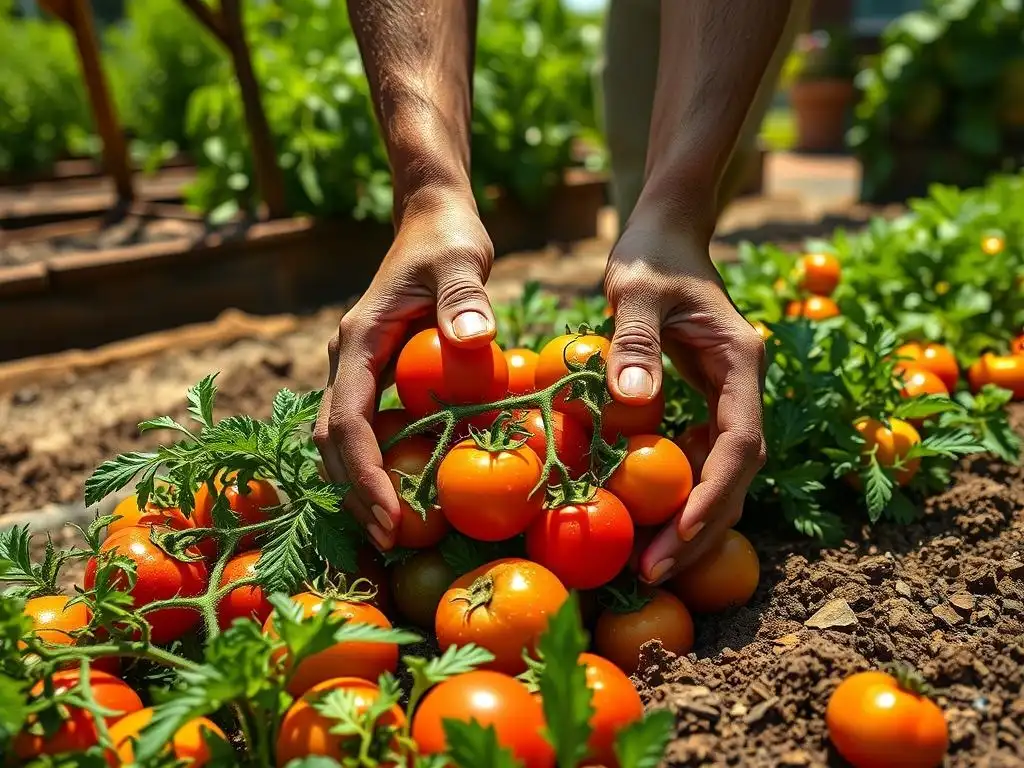
This section focuses on integrating efficient harvesting and processing directly into your "preserving harvest garden design," minimizing waste and maximizing the shelf life of your bounty. Planning for these crucial steps from the outset is key to a truly productive and sustainable garden. We'll explore how thoughtful design can streamline your workflow and improve the quality of your preserved foods.
Proximity to Processing Area for Minimizing Waste
Minimizing the time between harvesting and processing is paramount for preserving freshness and preventing spoilage, especially with delicate fruits and vegetables. Ideally, your processing area (kitchen, dedicated shed, or even a well-equipped outdoor workstation) should be in close proximity to your harvest. This significantly reduces travel time and handling, leading to less bruising, less damage, and ultimately, less waste.
Consider the layout of your garden beds. Group together plants that require similar processing techniques. For example, place your tomatoes, peppers, and herbs—all commonly used in canning—near each other and conveniently located to your processing area. Similarly, cluster berries and fruits intended for jams or freezing in a section close to your kitchen or designated processing space.
This strategic grouping streamlines your workflow and reduces the time spent transporting produce, maximizing the quality and quantity of your preserved harvest. Think of it like an assembly line for your homegrown food! Even a small reduction in travel distance can make a big difference, especially during peak harvest seasons.
Think about accessibility too. Wide, well-maintained pathways are crucial for easy access to all parts of your garden, especially when carrying baskets or containers of harvested produce. Avoid obstacles that might hinder movement and increase the risk of dropping or damaging your carefully grown crops.
Designing for Easy Cleaning and Sanitation
Maintaining a clean and sanitary environment during harvesting and processing is crucial for food safety and the longevity of your preserved goods. Your "preserving harvest garden design" should incorporate elements that facilitate easy cleaning.
Here are some key considerations:
- Hard surfaces: Opt for hard, easily cleanable surfaces for pathways and work areas near the garden. Avoid using materials that are porous or difficult to sanitize, such as untreated wood. Consider using paving stones, concrete, or sealed decking.
- Water access: Easy access to water is essential for rinsing produce and cleaning equipment. A nearby hose or outdoor sink can make a significant difference in your efficiency and sanitation practices.
- Designated cleaning area: Designate a specific area for cleaning tools and equipment. This prevents cross-contamination and makes cleanup much more straightforward.
- Waste disposal: A well-planned system for disposing of garden waste (such as damaged produce or plant debris) is vital. Composting bins or designated receptacles should be easily accessible to prevent the accumulation of waste that could attract pests or compromise sanitation. Proper waste management is a critical element of sustainable and safe food preservation.
Storage Solutions Integrated into the Garden Design
Integrating storage solutions directly into your garden design can significantly enhance its efficiency and functionality. This can minimize the need for transporting preserved goods, making the entire process smoother and more effective.
Consider these options:
| Storage Solution | Advantages | Disadvantages | Suitability |
|---|---|---|---|
| Shelving in a shed/outbuilding | Easy access, protection from elements, ample storage space | Requires initial investment, may need pest control measures | Ideal for canned goods, jars, dried herbs, and other preserves |
| Root cellar (underground) | Consistent temperature and humidity, ideal for long-term storage | Requires significant construction, not suitable for all climates | Best for root vegetables, potatoes, and other hardy produce |
| Outdoor ventilated storage | Air circulation helps prevent spoilage, accessible during harvest season | Vulnerable to weather extremes, requires careful planning | Suitable for short-term storage of some produce |
By integrating these storage solutions into your "preserving harvest garden design", you can create a truly efficient and productive system, maximizing the yield and quality of your preserved food. Remember, the key is to think holistically, considering every step from planting to storage, to create a seamless and productive food preservation system.
Aesthetic Considerations in a Preservation-Focused Garden
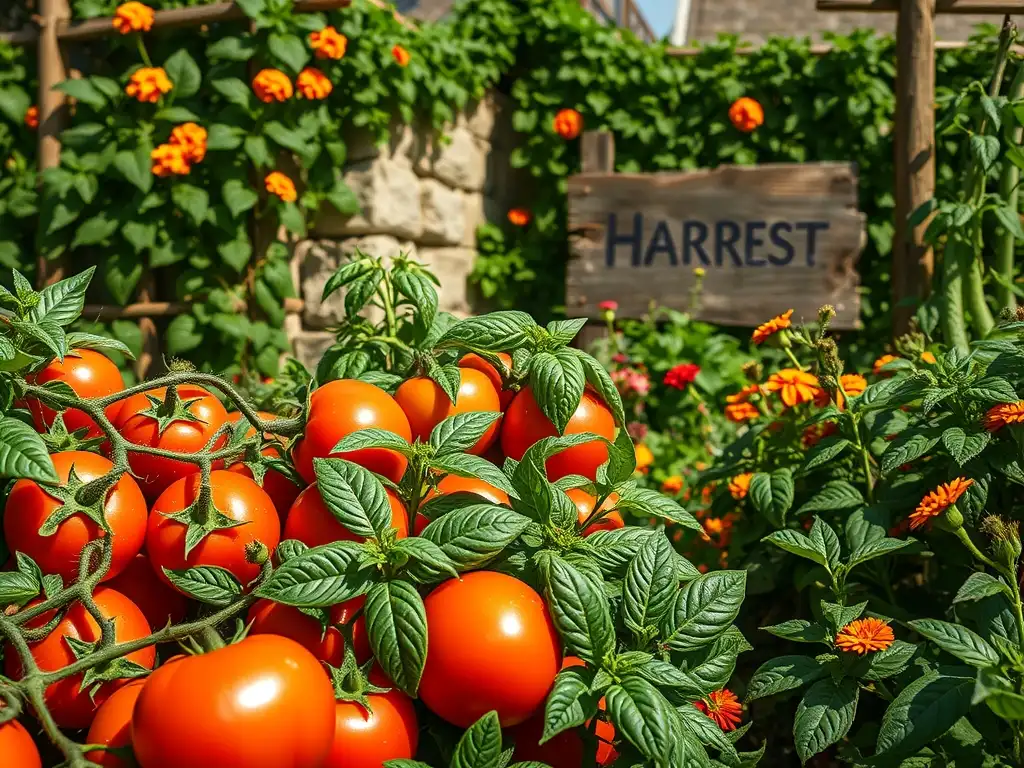
Designing a garden primarily for preserving the harvest doesn't mean sacrificing beauty. A thriving, productive garden can also be a visually stunning landscape. The key is to thoughtfully integrate practical elements with aesthetic choices, creating a space that's both functional and pleasing to the eye. This section explores strategies for enhancing the aesthetic appeal of your preserving harvest garden design, ensuring a harmonious blend of productivity and beauty. Successful "preserving harvest garden design" requires careful planning and attention to detail, maximizing both yield and visual impact.
Blending Functionality with Beauty: Choosing Ornamental Plants
Many plants offer both aesthetic value and practical uses in food preservation. Consider incorporating herbs like lavender or rosemary, which are visually appealing and also excellent for culinary uses and preserving. Their fragrant flowers add a delightful touch to the garden, while their leaves can be dried and used in various recipes or potpourri. Similarly, edible flowers like nasturtiums or calendula can brighten the landscape while their petals can be used to garnish dishes or add color to preserved foods.
Choosing varieties with attractive foliage, vibrant blooms, or interesting textures can significantly enhance the overall look of your garden. For instance, a row of brightly colored peppers not only yields a bountiful harvest but also adds a splash of color. Plan your planting to maximize visual appeal, perhaps using companion planting techniques to create visually interesting combinations.
Think about the height, color, and texture of the plants to create depth and visual interest. A well-planned palette of colors and textures will create a beautiful and productive garden. This approach is crucial to a successful preserving harvest garden design.
Creating Visual Interest with Vertical Gardening Techniques
Vertical gardening is a space-saving solution that also adds visual interest to a preserving harvest garden design. Trellises, obelisks, and vertical planters can support climbing plants like beans, tomatoes, and cucumbers, maximizing space utilization and creating a visually dynamic landscape. The vertical elements add height and texture, breaking up the monotony of rows of low-growing plants.
Furthermore, strategically placed vertical structures can help create defined areas within the garden, adding structure and organization. For example, a tall trellis adorned with climbing roses can serve as a beautiful backdrop for a section dedicated to preserving herbs. By incorporating vertical gardening techniques, you can achieve a visually appealing and efficient use of space, a key component of a successful preserving harvest garden design.
The vertical structures themselves can be decorative elements, adding aesthetic value beyond the plants they support. Consider using attractive materials like rustic wood or painted metal for your trellises and planters to further enhance the visual appeal of your garden.
Maintaining a Tidy and Organized Garden for Efficient Harvesting
A neat and organized garden is not only aesthetically pleasing but also crucial for efficient harvesting and preservation. Regular weeding, pruning, and mulching contribute to a cleaner look and also improve plant health and productivity. Well-defined pathways make navigation easy, allowing for quick and easy access to plants during harvest.
Using labels to identify plants ensures that you can easily locate specific varieties when it's time to harvest. This organization also facilitates efficient processing and preservation, which is essential in a garden designed for preserving the harvest. A tidy garden fosters a sense of calm and order, making the gardening experience more enjoyable, and also makes it easier to spot any pests or diseases early on.
This attention to detail is vital in maintaining a successful preserving harvest garden design. Consider using raised beds or containers to create clearly defined planting areas, improving both aesthetics and practicality. The visual appeal of a well-maintained garden enhances the overall experience of gardening and increases the enjoyment of your harvest.
Sustainable Practices for Preserving Harvest Garden Design
This section delves into the crucial role of sustainable practices in maximizing your harvest and ensuring the long-term health of your preserving harvest garden design. Integrating environmentally friendly methods not only benefits your yield but also contributes to a healthier planet. A sustainable approach ensures that your garden thrives year after year, providing abundant produce for preservation. We'll explore key techniques to minimize your environmental footprint while maximizing your food preservation efforts.
Water Conservation Techniques in the Garden
Efficient water management is paramount for a successful preserving harvest garden design. Water scarcity is a growing concern, and implementing water-wise techniques is vital for both environmental responsibility and long-term garden sustainability. Let's explore several effective strategies:
- Drip Irrigation: This method delivers water directly to the roots of plants, minimizing evaporation and runoff. Studies have shown that drip irrigation can reduce water consumption by up to 50% compared to traditional overhead watering. This targeted approach ensures that your plants receive the precise amount of water they need, promoting healthy growth and maximizing yields for preservation.
- Mulching: Applying a layer of organic mulch, such as straw or wood chips, around your plants helps retain soil moisture, reducing the frequency of watering. Mulch also suppresses weeds, which compete with your crops for water and nutrients. The benefits extend beyond water conservation; mulch improves soil health, regulates temperature, and enhances the overall aesthetic appeal of your garden.
- Rainwater Harvesting: Collecting rainwater through rain barrels or other systems provides a free and sustainable source of water for your garden. This reduces reliance on municipal water supplies and minimizes your environmental impact. The collected water is naturally soft and free of chemicals, ideal for nourishing your plants. Consider the size of your garden when planning your rainwater harvesting system to ensure you have sufficient capacity.
- Xeriscaping: This landscaping approach emphasizes the use of drought-tolerant plants that require minimal watering. By incorporating native or adapted species into your preserving harvest garden design, you can significantly reduce your water consumption without compromising the beauty or productivity of your garden. Research plants suitable for your region's climate to ensure success.
Composting and Soil Enrichment Strategies
Healthy soil is the foundation of a thriving preserving harvest garden design. Composting plays a vital role in enriching your soil with essential nutrients, improving its structure, and enhancing water retention. This sustainable practice reduces reliance on synthetic fertilizers and contributes to a healthier ecosystem.
- Building a Compost Pile: A simple compost pile can be constructed using readily available materials. Layer brown materials (dried leaves, twigs) with green materials (fruit and vegetable scraps, grass clippings) to create a balanced mix. Regularly turning the pile ensures proper aeration and decomposition. The resulting compost is a rich source of organic matter that significantly improves soil fertility.
- Vermicomposting: This method utilizes worms to break down organic waste, producing nutrient-rich worm castings. Worm castings are an excellent soil amendment, providing essential nutrients and improving soil structure. Vermicomposting is particularly beneficial for small gardens or those with limited space. It's a cleaner and less odorous composting method compared to traditional composting.
- Cover Cropping: Planting cover crops, such as legumes or rye, during the off-season helps improve soil health. Cover crops add organic matter, suppress weeds, and prevent soil erosion. They also fix nitrogen in the soil, reducing the need for nitrogen-based fertilizers. This practice is environmentally friendly and contributes to sustainable gardening practices.
- Soil Testing: Regularly testing your soil helps you understand its nutrient levels and pH. This information allows you to tailor your composting and fertilization strategies to meet the specific needs of your plants, ensuring optimal growth and maximizing your harvest for preservation. Soil testing kits are readily available and provide valuable insights into your soil's health.
Natural Pest Control Methods for a Healthy Harvest
A sustainable preserving harvest garden design prioritizes natural pest control methods to minimize the use of harmful chemicals. These techniques protect beneficial insects and other wildlife while safeguarding the health of your plants and the produce you intend to preserve.
- Beneficial Insects: Introducing beneficial insects, such as ladybugs or lacewings, into your garden helps control pest populations naturally. These insects prey on common garden pests, reducing the need for chemical interventions. Providing habitat for these beneficial insects, such as by planting flowering plants, encourages their presence.
- Companion Planting: Strategic planting of certain plant species together can deter pests and improve overall plant health. For example, basil planted near tomatoes can repel tomato hornworms. Research companion planting techniques specific to your chosen crops to maximize their effectiveness.
- Handpicking Pests: Regularly inspecting your plants and handpicking pests, such as aphids or caterpillars, can effectively manage infestations, especially in smaller gardens. This method is labor-intensive but avoids the use of chemicals.
- Natural Sprays: Several natural sprays, such as neem oil or insecticidal soap, can be used to control pests without harming beneficial insects or pollinators. These sprays are effective against a range of common garden pests and are a safer alternative to synthetic pesticides. Always follow the instructions carefully when using any natural spray.
By integrating these sustainable practices into your preserving harvest garden design, you create a thriving ecosystem that supports abundant harvests while respecting the environment. This holistic approach ensures the long-term health and productivity of your garden, providing plentiful produce for years of successful food preservation.
Frequently Asked Questions
How can I design a garden that prioritizes preservation?
A preservation-focused garden design integrates elements that simplify harvesting and processing. Consider proximity of plants to your processing area (kitchen or shed), easy-access pathways, and the selection of varieties suitable for preserving methods like canning or freezing.
What plants are best suited for preserving?
High-yield, easy-to-preserve varieties are ideal. Tomatoes, peppers, beans, berries, and stone fruits are excellent choices. Choose varieties known for their flavor and storage capabilities.
How can I incorporate preservation into my existing garden layout?
Even a small space can be optimized. Dedicate a section near your kitchen for herbs and quick-processing crops. Improve accessibility by adding raised beds or trellises. Prioritize pest control to minimize losses before harvest.
What role does composting play in a preservation-focused garden?
Composting is crucial for soil health and fertility, which directly impacts crop yields. Compost tea can also enhance plant vigor, leading to a more abundant harvest for preserving. Reduce waste by composting kitchen scraps from your preservation efforts.
Are there specific garden design elements that support preservation techniques?
Yes! Consider incorporating features such as a dedicated drying area (for herbs and some fruits), shelving for storing jars, and a well-organized tool shed for processing equipment. Good lighting is also important for efficient work during processing.
Final Reflection: Cultivating a Legacy: Beauty, Function, and the Future of Our Gardens
Preservation-focused garden design isn't just a trend; it's a vital necessity in a world facing increasing environmental challenges and food insecurity. The principles explored in this article—from thoughtful water management and soil health to the strategic selection of heirloom varieties—are more critical than ever before. We must move beyond simply aesthetic gardens and embrace a future where beauty and functionality are inextricably linked.
The shift towards preservation-focused gardening reflects a growing awareness of our interconnectedness with the natural world and the importance of sustainable practices. This isn't merely about growing our own food; it's about reclaiming a connection to the land, fostering biodiversity, and building resilience in the face of uncertainty. The glory of gardening: hands in the dirt, head in the sun, heart with nature. To nurture a garden is to feed not just the body, but the soul.
This quote perfectly encapsulates the profound impact that engaging with a preservation-focused garden can have on our well-being and our relationship with the environment.
Now, consider your own space. What small changes can you make to incorporate these principles? Perhaps it's starting a small herb garden, composting your kitchen scraps, or simply choosing drought-tolerant plants. Every action, no matter how small, contributes to a larger movement towards sustainability and a more beautiful, bountiful future. Let's cultivate a legacy of responsible gardening, one seed, one plant, one garden at a time.
Unleash Your Inner Gardener: Design a Thriving, Sustainable Space
Thank you for exploring the world of preservation-focused garden design! We hope you've gained valuable insights into creating a beautiful and productive garden that nourishes both your soul and your pantry. Now it's time to put your knowledge into practice.
- Prioritize your preservation goals: Start by identifying the three foods you most want to preserve this year, then design your garden layout around these key crops. Remember to consider companion planting and natural pest control strategies.
- Sketch your dream garden: Grab a pen and paper (or your favorite design app) and create a rough draft of your garden plot. Incorporate key elements like raised beds, optimal sun exposure, and convenient water access.
- Share your vision! Post a picture of your garden plan or a list of your chosen crops on social media to inspire others to cultivate their own sustainable spaces.
Ready to transform your gardening dreams into reality? What's the first step you'll take to design your preservation-focused garden?