
The Power of Seed Saving: How to Create a Resilient Home Garden

Welcome to CultivateYourFood, your guide to growing a thriving and sustainable home garden! Are you ready to unlock the secrets to a truly resilient food system, starting right in your backyard? Learn how saving seeds can transform your home garden from a hobby to a powerful source of self-sufficiency.
Discover the simple yet profound practices that will ensure a bountiful harvest year after year, and embark on a journey towards a more connected and fulfilling relationship with your food. Dive into our main article, "The Power of Seed Saving: How to Create a Resilient Home Garden," and begin cultivating your own success story.
- Understanding the Benefits of Saving Seeds for a Resilient Home Garden
- Selecting the Right Plants for Seed Saving in Your Home Garden
- Essential Techniques for Successful Seed Saving
- Seed Saving Techniques for Specific Plant Types
- Troubleshooting Common Seed Saving Challenges
- Planning for Next Season: Using Your Saved Seeds
- Resources for Further Learning on Save Seeds Home Garden Resilient
- Frequently Asked Questions
- Final Reflection: Cultivating Resilience, One Seed at a Time
- Unlock Your Garden's Potential: Start Saving Seeds Today!
Understanding the Benefits of Saving Seeds for a Resilient Home Garden
Saving seeds from your homegrown fruits, vegetables, and herbs is more than just a hobby; it's a powerful step towards creating a resilient and self-sufficient food system. In a world increasingly concerned with food security and environmental sustainability, the practice of seed saving empowers home gardeners to take control of their food source, reduce reliance on commercial seed companies, and contribute to the preservation of biodiversity. This comprehensive guide will explore the numerous advantages of seed saving, providing practical techniques and valuable insights to help you establish a thriving, resilient home garden year after year.
We'll delve into the long-term cost savings, the environmental benefits of organic practices, and the crucial role seed saving plays in building a resilient food system capable of withstanding challenges and changes. By mastering these techniques, you'll not only ensure a bountiful harvest but also contribute to a more sustainable and secure future for your family and community.
Let's begin our journey towards a more resilient home garden, one seed at a time! 🌱
Why Save Seeds? Long-Term Cost Savings and Garden Independence
Saving seeds offers significant long-term cost savings. While the initial investment in seeds might seem comparable, the cumulative cost of purchasing seeds annually far surpasses the one-time effort of learning to save them. Consider the average cost of seed packets for a typical vegetable garden; the savings accumulate rapidly over multiple growing seasons. Furthermore, seed saving fosters garden independence.
You are no longer reliant on the availability of specific varieties from commercial sources, especially heirloom or open-pollinated varieties that may be discontinued or difficult to find. This independence becomes particularly crucial during times of seed shortages or supply chain disruptions. This translates to greater control over your garden's genetic diversity and the ability to cultivate varieties perfectly suited to your local climate and growing conditions. The satisfaction of nurturing a plant from seed to harvest, then collecting and saving its seeds for the next generation, is unparalleled.
Seed Saving: A Path to Sustainable and Organic Gardening Practices
Seed saving is intrinsically linked to sustainable and organic gardening. By saving seeds from your organically grown plants, you perpetuate healthy, resilient varieties adapted to your specific environment. This reduces your reliance on chemically treated commercial seeds and minimizes the environmental impact associated with large-scale seed production and distribution. Saving seeds also promotes biodiversity.
Unlike hybrid seeds, open-pollinated seeds produce offspring that are true to type, meaning they maintain the desirable characteristics of the parent plant. This contributes to the preservation of valuable genetic diversity within your garden and the wider community. Moreover, the practice of seed saving inherently encourages mindful observation and a deeper connection with the natural world. It necessitates careful attention to plant health, pollination, and harvesting techniques, fostering a more holistic and sustainable approach to gardening.
Building a Resilient Food System Through Seed Saving
In an increasingly unpredictable world, building a resilient food system is paramount. Seed saving plays a vital role in this endeavor. By saving seeds, you create a backup of your food supply, reducing vulnerability to external factors such as climate change, economic instability, or seed supply disruptions.
A diverse collection of saved seeds ensures a wider range of crops, increasing the likelihood of success even in challenging conditions. This resilience extends beyond your personal garden; sharing seeds with neighbors and community members fosters a network of food security and strengthens local food systems. Seed saving contributes to the preservation of heirloom varieties, unique and locally adapted plants that hold cultural and historical significance.
These varieties often possess superior disease resistance and adaptability, further enhancing the resilience of your food system. In essence, seed saving is an act of empowerment, enabling individuals to actively participate in building a more sustainable and secure future for themselves and their communities. It's a powerful tool in creating a truly resilient home garden and a more secure food future.
Selecting the Right Plants for Seed Saving in Your Home Garden
Saving seeds from your home garden is a rewarding way to build resilience and ensure a bountiful harvest year after year. However, not all plants are equally suitable for seed saving. Careful selection is crucial for success. This section focuses on choosing the right plants to maximize your seed-saving efforts and contribute to a more resilient home garden. We'll explore how to select high-yielding varieties, consider climate suitability, and understand the importance of heirloom varieties. The key to building a truly Save seeds home garden resilient system lies in informed plant selection.
Choosing High-Yielding and Open-Pollinated Varieties for Seed Saving
High-yielding varieties naturally produce more seeds, giving you a larger quantity to save for the next season. Open-pollinated varieties, unlike hybrids, will produce seeds that are true to type—meaning the offspring will closely resemble the parent plant. This is crucial for maintaining desirable traits over generations. Hybrids, on the other hand, often produce unpredictable offspring.
Consider these examples: A high-yielding open-pollinated tomato variety like 'Brandywine' will provide a substantial amount of seeds that will grow into plants very similar to the parent. In contrast, a hybrid tomato like 'Super Sweet 100' may produce fewer seeds, and those seeds will not guarantee the same characteristics in the next generation. Focusing on open-pollinated varieties is a cornerstone of building a Save seeds home garden resilient strategy.
Identifying Plants Suitable for Your Climate and Growing Conditions
Selecting plants that thrive in your specific climate and soil conditions is essential for successful seed saving. If a plant struggles to survive, it's unlikely to produce many seeds, or seeds of high quality. Consider your local hardiness zone, average rainfall, and soil type. Choosing varieties adapted to your environment ensures healthier plants and a higher seed yield.
For instance, if you live in a region with short, cool summers, you'll want to select fast-maturing varieties of vegetables like lettuce or beans. Conversely, in warmer climates, you might choose heat-tolerant varieties of peppers or tomatoes. Ignoring these factors can lead to poor seed production and ultimately hinder your efforts to create a Save seeds home garden resilient system.
Careful observation of your garden's microclimates will further enhance your selection process. Observe which areas receive the most sun, the best drainage, and the least wind exposure. This knowledge will help you choose the best locations for the plants you intend to save seeds from.
Seed Saving from Heirloom Varieties: Preserving Genetic Diversity
Heirloom varieties are open-pollinated varieties that have been passed down through generations. They often possess unique flavors, disease resistance, and adaptability. Saving seeds from heirloom plants helps preserve genetic diversity, which is vital for the long-term health and resilience of your garden. Maintaining diverse genetics makes your garden less vulnerable to pests and diseases, enhancing its overall resilience.
Saving heirloom seeds is a way to connect with gardening traditions and contribute to the preservation of plant biodiversity. Many heirloom varieties have been cultivated over decades, adapting to local conditions and developing specific characteristics. By saving their seeds, you actively participate in their continued cultivation and contribute to a more vibrant and Save seeds home garden resilient ecosystem.
This practice also supports a more sustainable approach to gardening, reducing reliance on commercially produced seeds and promoting self-sufficiency. The process of saving seeds from heirloom varieties becomes a vital component of a broader strategy to build a Save seeds home garden resilient and biodiverse garden.
Essential Techniques for Successful Seed Saving
This section delves into the crucial techniques that ensure the viability and longevity of your saved seeds, contributing to a resilient home garden year after year. Mastering these methods is key to maximizing your seed-saving efforts and building a self-sufficient food system. Saving seeds for your home garden is a rewarding practice that contributes to biodiversity and reduces reliance on commercially produced seeds, fostering a more resilient and sustainable food source. Let's explore the key steps involved.
Harvesting Seeds at Optimal Maturity: A Guide for Different Plant Types
Harvesting seeds at the perfect moment is paramount for high germination rates. This timing varies significantly depending on the plant type. Waiting too long can lead to seed shattering or deterioration, while harvesting too early results in immature, non-viable seeds.
Here's a breakdown of optimal harvesting times for different plant categories:
- Leafy Greens (Lettuce, Spinach): These generally don't produce seeds readily suitable for saving unless specifically chosen varieties known for seed production. Focus on choosing seed-saving varieties of these plants for best results.
- Root Vegetables (Carrots, Beets): Allow the foliage to fully mature and dry on the plant before harvesting the seed heads. Look for the seed heads to turn brown and dry.
- Legumes (Beans, Peas): Harvest bean and pea pods when they are fully dry and the pods begin to rattle. Allow the pods to completely dry before extracting the seeds.
- Tomatoes: Allow tomatoes to fully ripen on the vine. Once ripe, carefully remove the seeds from the tomato pulp. Fermenting the pulp for a few days can help remove the seed coat inhibitors.
- Squash and Cucurbits: Allow the fruits to mature completely on the vine, often until the rind hardens. Scoop out the seeds, clean them, and dry them thoroughly before storing.
Accurate observation is crucial. Look for visual cues such as seed head color changes (from green to brown or black), seed pod dryness, and overall plant senescence. Remember that even within a plant type, variations exist based on cultivar and growing conditions.
Proper Seed Cleaning and Drying Methods for Long-Term Storage
Once harvested, seeds require meticulous cleaning and drying to prevent mold and rot, ensuring their viability for future planting. Improper handling at this stage can significantly impact germination rates.
Cleaning Methods:
- Winnowing: This age-old technique involves using wind or a fan to separate lighter chaff from heavier seeds. Effective for many types of seeds.
- Floating: Submerging seeds in water separates viable seeds (which sink) from lighter, less viable seeds (which float).
- Hand Picking: For smaller seed batches or seeds with unique characteristics, hand-picking is often necessary to remove debris and unwanted material.
Drying Methods:
- Air Drying: Spread seeds thinly on a screen or tray in a well-ventilated, dry area. Avoid direct sunlight, which can damage seeds.
- Low-Heat Dehydration: A low-heat food dehydrator can help speed up the drying process, especially in humid climates. Keep temperatures below 104°F (40°C) to avoid damaging seeds.
Proper drying is essential for preventing mold and fungal growth. Seeds should be completely dry to the touch before storage, typically reaching a moisture content of around 5-8%.
Storing Seeds for Optimal Germination Rates: Tips for Long-Term Preservation
Proper storage significantly impacts seed longevity and germination rates. Maintaining a cool, dark, and dry environment is vital for preserving seed viability.
Storage Containers:
- Paper Envelopes: Ideal for small quantities of seeds. Clearly label each envelope with the seed type, variety, and harvest date.
- Glass Jars: Provide excellent protection against moisture and pests. Ensure jars are tightly sealed.
- Airtight Containers: These containers, like mason jars with airtight lids, are effective at preventing moisture from entering.
Storage Conditions:
- Cool Temperatures: The ideal temperature range is between 32°F and 41°F (0°C and 5°C). A refrigerator is an excellent option.
- Low Humidity: High humidity promotes mold and fungal growth, reducing seed viability. Use desiccant packs if necessary to absorb excess moisture.
- Darkness: Avoid exposure to light, which can negatively affect seed germination.
Regularly check your stored seeds for signs of damage or infestation. Discard any seeds showing signs of mold or pest activity. By following these steps, you can significantly increase your chances of successful germination and build a resilient seed bank for your home garden, ensuring a bountiful harvest for years to come. 🌱
Seed Saving Techniques for Specific Plant Types
This section delves into the specifics of seed saving for various popular home garden plants, focusing on techniques that maximize yield and viability for future harvests. Successfully saving seeds contributes significantly to building a resilient home garden, allowing you to cultivate your favorite varieties year after year, reducing reliance on external seed sources and strengthening your self-sufficiency. We'll explore the nuances of saving seeds from tomatoes, peppers, and herbs, highlighting crucial steps for success.
Saving Seeds from Tomatoes: A Step-by-Step Guide
Saving seeds from tomatoes is a rewarding process that allows you to preserve the unique characteristics of your favorite heirloom or hybrid varieties. The key is selecting the right fruit and employing a careful fermentation process to improve germination rates.
First, choose ripe, healthy tomatoes showing no signs of disease or pest damage. Avoid using tomatoes from the grocery store; these are often hybrids and may not produce viable seeds, or the seeds may be treated to prevent germination. Select at least 3-5 tomatoes from different plants to enhance genetic diversity.
- Fruit Preparation: Cut the tomatoes open and scoop out the seeds and pulp into a container.
- Fermentation: Add a small amount of water (around 1/4 cup per cup of seeds and pulp) and stir gently. Cover loosely and allow the mixture to ferment for 2-5 days at room temperature. The fermentation process helps break down the pulp and removes inhibitors that can prevent germination. You'll notice a noticeable change in smell and consistency. The fermentation period is crucial for breaking down the surrounding pulp, improving seed viability. The optimal fermentation time depends on temperature and the consistency of your tomato pulp, so monitor the mixture carefully.
- Seed Cleaning: After fermentation, rinse the mixture thoroughly with water through a fine mesh sieve until the water runs clear. This removes the remaining pulp and unwanted debris.
- Drying: Spread the cleaned seeds on a paper towel or screen in a well-ventilated area away from direct sunlight. Allow them to dry completely for 2-3 weeks, stirring occasionally to prevent mold.
- Storage: Once thoroughly dry, store your tomato seeds in airtight containers in a cool, dark, and dry place. Proper storage is essential for maintaining seed viability; ideally, store the seeds in a location with a stable temperature and low humidity. Seed packets labeled with the variety and harvest date are helpful for future reference. Proper labeling and organization are vital for maintaining a well-organized seed collection.
Seed Saving from Peppers: Techniques for Success
Saving pepper seeds requires a similar process to tomatoes, with a few important adjustments. Peppers are generally easier to work with due to their drier pulp, resulting in a shorter fermentation time.
- Selection: Choose ripe, healthy peppers of your preferred variety. Again, avoid using store-bought peppers.
- Seed Extraction: Cut the peppers open and scrape out the seeds and pulp. Peppers often have a drier pulp than tomatoes, requiring less water during the fermentation process.
- Fermentation (Optional): While fermentation isn't always strictly necessary for peppers, a short 1-2 day fermentation can help remove inhibitors and improve germination rates. Monitor the mixture carefully.
- Cleaning and Drying: Rinse the seeds thoroughly to remove pulp. Dry the seeds on a screen or paper towel in a well-ventilated area away from direct sunlight. Complete drying takes approximately 2-3 weeks.
- Storage: Store dried pepper seeds in airtight containers in a cool, dark, and dry place. Proper storage is vital for long-term seed viability. Labeling the containers with the variety name and harvest date is essential for future identification.
Preserving Seeds from Herbs: Basil, Cilantro, and More
Saving seeds from herbs like basil and cilantro presents a slightly different challenge. These plants often produce smaller seeds that require careful handling.
- Allowing for Full Ripening: Allow the herb plants to flower and produce seeds until they are completely dry and brown. This is crucial for ensuring seed viability.
- Harvesting: Gently rub the seed heads between your hands to release the seeds. Collect the seeds on a sheet of paper or a tray.
- Cleaning: Winnowing (using the wind to separate lighter chaff from heavier seeds) is an effective method for cleaning herb seeds. Alternatively, you can use a fine mesh sieve to remove unwanted debris.
- Drying: Spread the cleaned seeds thinly on a paper towel or screen in a well-ventilated area to dry completely. This drying process is crucial for preventing mold and maintaining seed quality.
- Storage: Store the dried herb seeds in airtight containers in a cool, dark, and dry place, ensuring proper labeling for future identification and use. Proper storage contributes significantly to the longevity and viability of the seeds. Consider using silica gel packets to absorb excess moisture and prevent mold growth.
Saving seeds at home is a rewarding practice that strengthens the resilience of your home garden, fostering self-sufficiency and connecting you more deeply with the growing process. By following these techniques, you can successfully save seeds from a variety of plants and enjoy the fruits (and vegetables!) of your labor for seasons to come. Remember, consistent observation and attention to detail are key to success in seed saving. 🌱
Saving Seeds from Flowers: Attracting Pollinators and Extending Beauty
Saving seeds from flowers offers a delightful way to extend the beauty of your garden and ensure a vibrant display for years to come. Many flowers produce seeds readily, providing a bountiful harvest for future plantings. However, successful seed saving from flowers often hinges on attracting pollinators, crucial for successful fertilization and robust seed development. This process is not merely about collecting seeds; it's about nurturing a thriving ecosystem within your garden.
To maximize seed production, consider planting a diverse range of flowers known for attracting pollinators like bees, butterflies, and hummingbirds. These beneficial insects are essential for transferring pollen between flowers, leading to successful fertilization and ultimately, plentiful seeds. For example, planting sunflowers alongside lavender and coneflowers creates a vibrant pollinator haven, increasing the chances of successful seed collection from all three species. The more diverse your flower patch, the more resilient your ecosystem becomes, reducing reliance on external pollinators and promoting biodiversity.
The timing of seed collection is crucial. Wait until the flower heads have fully matured and dried, often exhibiting a change in color and texture. For instance, the seed heads of zinnias will turn brown and papery, signaling readiness for harvest. Premature harvesting can result in seeds that are not viable, reducing your chances of success in the next growing season. Observe your specific flower varieties carefully to determine the optimal harvest time. Each species has its unique cues indicating seed maturity.
Once harvested, allow the seeds to dry further in a cool, dry, and well-ventilated area. This drying process prevents mold and ensures that the seeds are properly cured for storage. A paper bag or a well-ventilated container is ideal. Proper drying is essential for maintaining seed viability and preventing spoilage, maximizing the chances of germination in the following season. Remember to label your seeds clearly with the plant's name and the date of collection for easy identification and tracking.
Saving seeds from flowers is more than just a gardening technique; it’s a rewarding journey that connects you more deeply with the natural world. By attracting pollinators and understanding the life cycle of your flowers, you're not only creating a resilient seed bank for your garden but also contributing to a healthier, more vibrant ecosystem. This practice is a testament to the cyclical nature of gardening and the sustainable practices that can ensure a beautiful and bountiful garden for years to come.
The vibrant colors and diverse textures of your homegrown flowers will be a constant reminder of the rewards of seed saving. 🌻
Troubleshooting Common Seed Saving Challenges
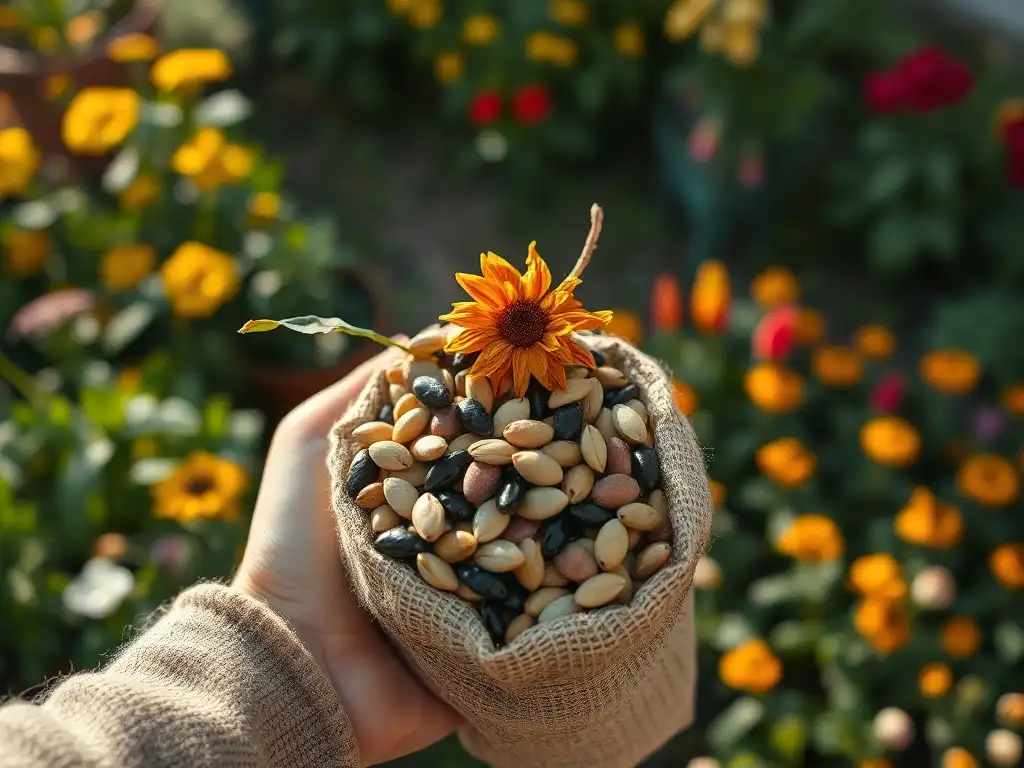
Saving seeds at home can be incredibly rewarding, contributing to a more resilient and self-sufficient garden year after year. However, it's not always smooth sailing. Understanding and addressing common challenges is crucial for success in seed saving for your home garden. This section will equip you with the knowledge to overcome these hurdles and maximize your seed saving efforts, building a robust seed bank for future harvests. This will help you save seeds for your home garden and foster resilience.
Dealing with Seed Diseases and Pests During Seed Saving
Seed-borne diseases and pests can significantly impact the viability and health of your saved seeds. Careful observation and proactive measures are essential. For example, fungal diseases like Alternaria or Fusarium can infect seeds, reducing germination rates or leading to diseased seedlings. Insect pests, such as seed weevils or aphids, can directly consume seeds or contaminate them with their waste products.
To minimize these risks, begin with healthy, disease-free parent plants. Practice crop rotation to break pest and disease cycles. Ensure proper spacing between plants to improve airflow and reduce humidity, which can promote fungal growth. Harvest seeds only from healthy, mature plants, carefully inspecting them for any signs of disease or infestation. Thoroughly clean and dry seeds before storage.
Consider using organic fungicides or insecticidal soaps as a preventative measure, following label instructions carefully. Proper storage conditions, including a cool, dry, and dark environment, will also help prevent further contamination. Regularly inspect your stored seeds for any signs of damage or infestation. Discard any seeds showing signs of disease or pest activity. The goal is to save seeds for your home garden that are viable and healthy.
Preventing Cross-Pollination in Your Home Garden
Cross-pollination, the transfer of pollen between different varieties or species of the same plant family, can compromise the genetic purity of your saved seeds. This is particularly important for open-pollinated varieties. If you're aiming to save seeds from specific heirloom varieties, preventing cross-pollination is paramount to maintaining their unique characteristics. This is crucial for maintaining the resilience of your home garden's seed supply.
For plants that are self-pollinating (like many beans and peas), the risk of cross-pollination is minimal. However, for plants that rely on insect or wind pollination (like many squash, melons, and tomatoes), physical separation is key. Aim for a distance of at least 1000 feet between different varieties of the same species. For smaller gardens, consider using physical barriers like row covers or netting to prevent insect pollination between plants.
Planting different varieties at different times can also minimize the risk of cross-pollination. Furthermore, carefully select and monitor your plants to identify any potential cross-pollination occurrences. Be diligent about removing any rogue plants or flowers that may have been cross-pollinated. Careful planning and observation are essential for successful seed saving in your home garden, ensuring the preservation of desirable traits for future generations.
Improving Germination Rates: Addressing Common Problems
Low germination rates can be frustrating, undermining your seed saving efforts. Several factors can contribute to this issue: seed age, improper storage conditions, damage during harvest or processing, and genetic factors. Understanding these factors allows you to take steps to improve germination success. This contributes to a more resilient and productive home garden.
Seed age plays a significant role. Most seeds have a limited lifespan, with germination rates declining over time. Proper storage is vital. Seeds should be stored in a cool, dark, and dry place in airtight containers. Damage during harvest or processing can also reduce viability. Handle seeds gently, avoiding crushing or bruising.
Clean seeds thoroughly, removing any debris that may inhibit germination. Finally, genetic factors can influence germination rates. Choose parent plants that consistently produce high-quality seeds. Consider performing a germination test on a small sample of your saved seeds before planting to assess their viability. This allows you to adjust your planting strategy accordingly, optimizing your seed use and maximizing your harvest. This method helps preserve seeds for your home garden and enhances the resilience of your efforts.
Remember, consistent attention to detail throughout the seed saving process – from plant selection to storage – is critical for success. By proactively addressing these common challenges, you'll significantly improve your chances of building a thriving and resilient seed bank for your home garden. This contributes to a more sustainable and self-sufficient gardening practice.
Planning for Next Season: Using Your Saved Seeds
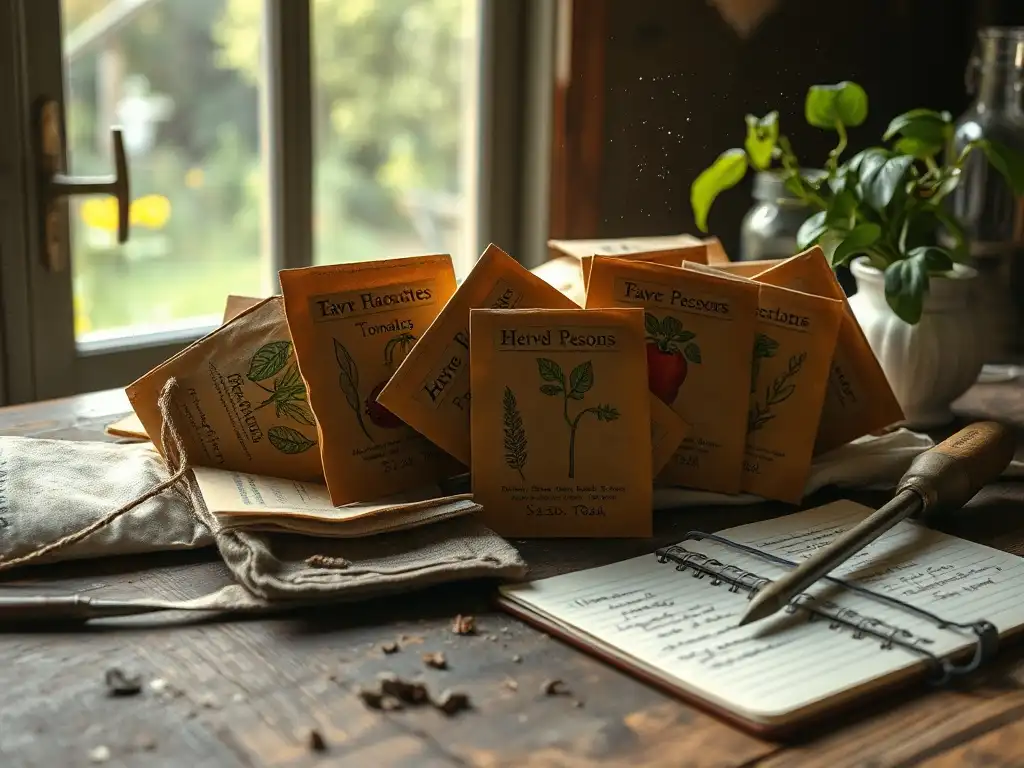
Saving seeds from your home garden isn't just about saving money; it's about building resilience. A resilient garden is one that can adapt and thrive even in the face of changing conditions, whether it's a fluctuating climate, pest outbreaks, or seed shortages. By saving your own seeds, you're actively participating in the creation of a more robust and self-sufficient food system, one seed packet at a time. This section focuses on strategically planning your seed saving efforts to ensure a bountiful harvest next year. Careful planning is key to maximizing the success of your seed-saving endeavors.
Seed Starting Indoors: A Guide to Early Spring Gardening
Starting seeds indoors allows you to get a head start on the growing season, extending your harvest and increasing your overall yield. This is especially beneficial for longer-season crops that require a longer growing period to reach maturity. For example, peppers and tomatoes benefit immensely from early indoor starting. Successful indoor seed starting involves several key steps:
- Selecting the Right Seeds: Choose seeds from your healthiest, most productive plants. Look for seeds that are plump, well-formed, and free from blemishes or disease. Avoid using seeds from plants that showed signs of disease or poor growth. Label your saved seeds clearly with the plant variety and the harvest date.
- Preparing the Seed Starting Mix: A well-draining seed starting mix is crucial. Avoid using garden soil, as it can harbor diseases and pests. A commercial seed starting mix or a homemade blend of peat moss, vermiculite, and perlite works well.
- Providing Adequate Light: Seedlings require ample light to grow strong and healthy. Place your seed trays in a sunny location, or supplement with grow lights. 12-16 hours of light per day is ideal. Insufficient light leads to weak, leggy seedlings. Consider using a grow light specifically designed for seedlings to maximize light penetration.
- Maintaining Proper Temperature and Moisture: Most seeds germinate best at temperatures between 65-75°F (18-24°C). Maintain consistent moisture levels without overwatering. Overwatering can lead to damping off, a fungal disease that can kill seedlings. Consistent moisture is vital for healthy growth.
- Hardening Off Seedlings: Before transplanting seedlings outdoors, gradually acclimate them to outdoor conditions. This process, known as "hardening off," protects them from shock and increases their survival rate. Gradually increase exposure to sunlight and wind over a period of 7-10 days.
Direct Sowing from Saved Seeds: Techniques for Success
Direct sowing, the process of planting seeds directly into the garden bed, is a simple and effective method for many vegetables and herbs. However, it requires careful timing and consideration of the specific needs of each plant. Success with direct sowing from saved seeds hinges on proper timing and soil preparation.
- Timing is Everything: Plant seeds only after the danger of frost has passed and the soil has warmed sufficiently. Consult a planting calendar for your specific region to determine the optimal planting time for your chosen varieties. Late frosts can devastate young seedlings.
- Soil Preparation: Prepare the soil by loosening it and removing any weeds or debris. Ensure the soil is well-drained and amended with compost to provide essential nutrients. Proper soil preparation significantly improves germination rates.
- Planting Depth: Plant seeds at the appropriate depth, as indicated on the seed packet or in a seed-saving guide. Planting too shallow or too deep can negatively impact germination. Accurate depth is crucial for successful germination.
- Spacing: Space seeds appropriately to allow for adequate growth. Overcrowding can lead to competition for resources and reduced yields. Proper spacing improves plant health and yield.
- Watering: Water gently after sowing to ensure good seed-to-soil contact. Maintain consistent moisture levels throughout the germination period. Consistent moisture is vital for successful germination.
Integrating Seed Saving into Your Annual Garden Plan: A Year-Round Approach
Integrating seed saving into your annual garden plan requires a year-round approach. It's not just about collecting seeds in the fall; it's about planning ahead and making conscious decisions throughout the growing season. This holistic approach ensures a continuous cycle of seed saving and garden cultivation, building resilience year after year.
- Plant Selection: Choose varieties known for their open-pollinated nature, meaning they don't require cross-pollination to produce viable seeds. Hybrid varieties often produce infertile seeds. Open-pollinated varieties are crucial for successful seed saving.
- Isolation: If you're growing multiple varieties of the same species (e.g., different types of tomatoes), ensure sufficient spatial separation to prevent cross-pollination. Cross-pollination can result in unpredictable seed traits. Appropriate isolation distance varies depending on the plant species.
- Record Keeping: Maintain detailed records of your seed saving efforts, including variety names, planting dates, harvest dates, and any observations regarding plant health and yield. Detailed records are valuable for future planning and improvement.
- Seed Storage: Proper seed storage is crucial for maintaining seed viability. Store seeds in a cool, dry, dark place in airtight containers. Optimal storage conditions prolong seed viability. Label and date each container clearly.
- Continuous Learning: Seed saving is a continuous learning process. Each year you'll gain valuable experience and refine your techniques. Embrace continuous learning and improvement. Stay updated on best practices and adapt your approach as needed.
Resources for Further Learning on Save Seeds Home Garden Resilient
This section provides valuable resources to deepen your understanding of seed saving and build a more resilient home garden. We'll explore recommended books and websites, as well as highlight the importance of connecting with local seed saving communities. By utilizing these resources, you can further enhance your seed saving skills and contribute to the preservation of biodiversity in your own backyard. Remember, saving seeds is not only a cost-effective gardening practice but also a crucial step towards creating a more sustainable and food-secure future. Learning from experts and fellow gardeners is key to mastering this valuable skill.
Recommended Books and Websites on Seed Saving Techniques
Investing in reputable resources is crucial for successful seed saving. Many books and websites offer detailed guides and practical advice, catering to different skill levels and specific plant types. Choosing the right resources can significantly impact your seed saving journey. Below are some examples, though this is not an exhaustive list; research based on your specific needs is always recommended.
- Books: Look for books with titles focusing on "seed saving," "heirloom seeds," or "organic gardening." Pay attention to the author's credentials and the book's publication date to ensure you're accessing up-to-date and reliable information. Some authors specialize in specific plant families, offering in-depth knowledge on saving seeds for particular vegetables or flowers. For example, a book focusing on saving tomato seeds will have different techniques than one dedicated to saving pepper seeds.
- Websites: Many websites provide valuable information on seed saving. Look for those affiliated with universities, botanical gardens, or established gardening organizations. These sources often provide scientific backing for their methods and offer reliable, research-based guidance. Always cross-reference information from multiple sources to ensure accuracy. Be cautious of websites with unsubstantiated claims or those promoting specific products without scientific evidence.
| Resource Type | Example Focus Areas | Benefits | Considerations |
|---|---|---|---|
| Books | Heirloom varieties, specific plant types, seed storage | Detailed instructions, in-depth explanations, visual aids | May require more initial investment, less readily updated |
| Websites | Regional seed saving guides, seed cleaning techniques, pest control | Accessible information, updated frequently, often free resources | Can be less comprehensive, requires critical evaluation of sources |
Remember to always check the credibility of any source before implementing its advice in your garden. The success of seed saving relies heavily on accurate information and meticulous techniques.
Local Seed Saving Groups and Communities
Connecting with local seed saving groups and communities offers invaluable benefits beyond acquiring knowledge. These groups provide a platform for sharing experiences, exchanging seeds, and learning from fellow gardeners. Participating in these communities fosters a sense of shared responsibility for preserving plant diversity and building a more resilient food system.
- Networking and Collaboration: Sharing knowledge and experiences with others can accelerate your learning curve. You can learn about local varieties that thrive in your specific climate and soil conditions, and discover innovative techniques from experienced seed savers. This collaborative approach is crucial for adapting seed saving practices to your unique environment.
- Access to Diverse Seed Varieties: Local groups often facilitate seed exchanges, enabling you to access a wider range of heirloom and open-pollinated seeds that might not be readily available commercially. This diversity is essential for building resilience in your garden and safeguarding against crop failures.
- Building Community: Participating in these groups is a great way to connect with like-minded individuals who share your passion for sustainable gardening. This shared interest creates a supportive environment for learning and growth.
Finding a local group can be as simple as searching online for "[your city/region] seed saving group" or contacting your local agricultural extension office. Active participation in these communities is an investment in both your gardening success and the future of sustainable food production. Consider attending workshops, sharing your own seeds, and contributing to the collective knowledge. The benefits of building a strong network of fellow seed savers are immense.
Frequently Asked Questions
What are the benefits of saving seeds from my home garden?
Saving seeds allows you to grow plants specifically adapted to your local climate and soil conditions. It also promotes genetic diversity and reduces reliance on commercially produced seeds, contributing to a more resilient garden.
How do I choose which seeds to save?
Select seeds from your healthiest and most productive plants. Focus on plants that exhibit desirable traits, like disease resistance or high yield, and avoid saving seeds from hybrids.
What's the best way to clean and dry seeds for storage?
After harvesting, allow seeds to air dry thoroughly in a cool, dry place. Clean them by removing any debris and then store them in a cool, dark, and dry location in airtight containers.
How long can I store saved seeds before planting?
Seed viability varies depending on the species. Many seeds remain viable for one to three years, though some can last much longer. Always check germination rates before planting older seeds.
How does saving seeds contribute to a more resilient home garden?
Saving seeds from your own plants helps build a genetically diverse garden, making it more resistant to pests, diseases, and climate change. This ensures a sustainable and productive food source year after year.
Final Reflection: Cultivating Resilience, One Seed at a Time
The ability to save seeds is not merely a gardening skill; it's a vital act of self-sufficiency and a powerful statement about our relationship with the natural world. In a time of increasing climate instability and concerns about food security, the knowledge and practice of seed saving offer a tangible path towards resilience, empowering individuals to take control of their food sources and contribute to a more sustainable future.
The profound impact of seed saving extends far beyond the individual garden. It connects us to ancient traditions, fostering a deeper appreciation for biodiversity and the interconnectedness of life. The seeds we plant today are the harvests of tomorrow.
This simple truth underscores the responsibility we bear in preserving genetic diversity and ensuring the continued health of our ecosystems. By actively participating in seed saving, we become custodians of a legacy, passing on valuable knowledge and resources to future generations.
Consider the seeds you plant, not just as the beginnings of a harvest, but as symbols of hope and agency. Think about the tangible connection you create with the food you eat, the satisfaction of nurturing life from a tiny seed, and the contribution you make to a more resilient and sustainable world. This is your opportunity to become a steward of biodiversity, a guardian of your food security, and a participant in a global movement towards a more resilient future. Start saving seeds today.
Unlock Your Garden's Potential: Start Saving Seeds Today!
Thank you for exploring the rewarding world of seed saving! You've learned how to create a more resilient and self-sufficient garden. Ready to put your knowledge into practice?
- Start saving seeds from your most productive plants this season. This is the first step towards building a unique and thriving garden year after year.
- Share your seed-saving experiences—both successes and challenges—with our community in the comments below. Let's learn from one another!
- Experiment with different seed-saving techniques mentioned in the article to discover the methods that work best for you.
What new varieties will you grow and save next year, and how will this enhance your garden's future?