
HeatTolerant Salad Greens for Summer Gardens

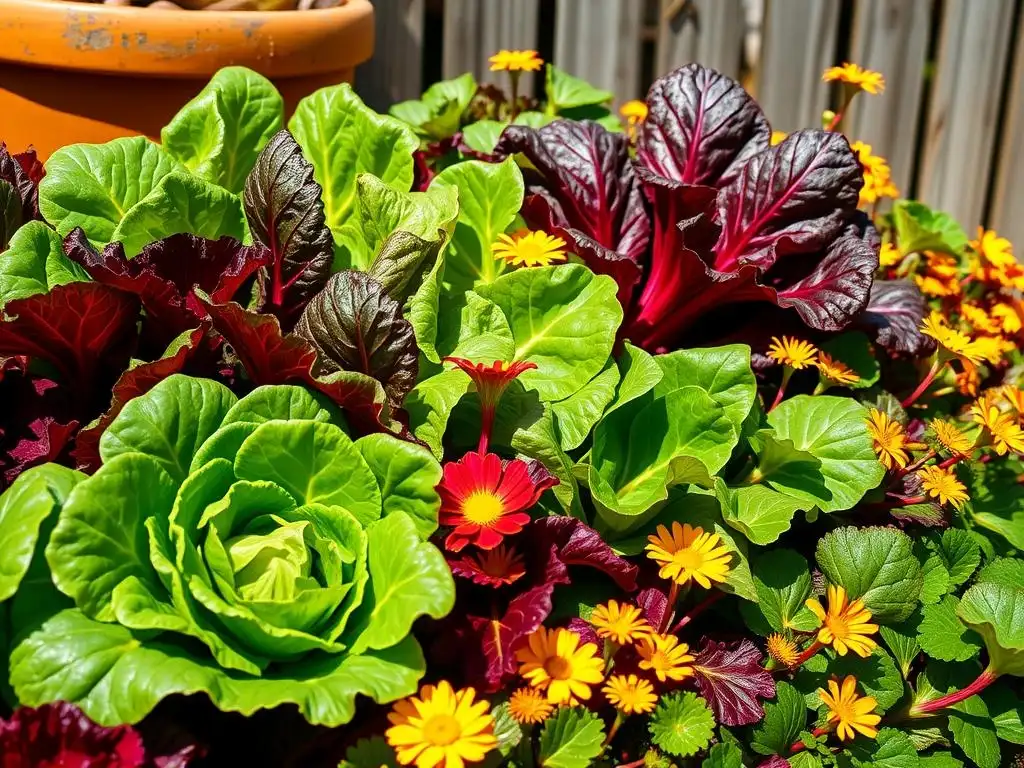
Ready to enjoy fresh, vibrant salads even during the hottest months? At CultivateYourFood, we're passionate about helping you grow your own food organically. This summer, beat the heat and discover the best heat-tolerant salad greens that will thrive in your garden, no matter how high the mercury climbs. Learn which varieties will flourish under intense sun and what techniques ensure a bountiful harvest, even in the most challenging conditions. Let's get growing!
- Choosing the Best Heat-Tolerant Salad Greens for Your Summer Garden
- Planting Heat-Tolerant Salad Greens: A Step-by-Step Guide
- Maintaining Your Heat-Tolerant Salad Garden: Pest and Disease Management
- Harvesting and Enjoying Your Summer Salad Greens
- Extending Your Harvest: Strategies for Continuous Production
- Frequently Asked Questions
- Final Reflection: Cultivating Resilience in the Face of a Changing Climate
- Unlock Your Summer Salad Success!
Choosing the Best Heat-Tolerant Salad Greens for Your Summer Garden
Summer's scorching temperatures don't have to mean sacrificing your fresh, homegrown salad! Many salad greens possess surprising resilience to heat, allowing you to enjoy crisp, flavorful leaves even during the hottest months. This guide explores the best heat-tolerant salad greens, helping you select varieties that thrive in high temperatures and providing essential tips for successful cultivation.
We'll delve into specific varieties, explain the science behind heat tolerance, and discuss crucial environmental factors influencing their survival and yield, ensuring your summer garden continues to produce abundant, delicious harvests. Choosing the right varieties is key to enjoying a bountiful supply of fresh, nutritious salad greens throughout the summer, even when the mercury rises.
This guide focuses on providing you with the knowledge and strategies to cultivate a thriving summer salad garden, maximizing your yield and minimizing stress on your plants. Let's dive in and discover the secrets to a successful summer salad patch!
Top Picks for Hot Climates: Best Heat Tolerant Salad Greens Varieties
Selecting the right heat-tolerant salad greens is the first step towards a successful summer harvest. Several varieties excel in warmer conditions, offering delicious and nutritious leaves even when temperatures soar. Here are some top contenders:
- Red Sails Lettuce: Known for its heat tolerance and attractive reddish-purple leaves, Red Sails provides a vibrant addition to any summer salad. It's relatively quick to mature, offering a faster turnaround for continuous harvests.
- Black Seeded Simpson Lettuce: This loose-leaf lettuce variety is prized for its resistance to bolting (premature flowering) in warmer weather, ensuring a longer harvest period. Its mild flavor makes it a versatile choice for salads and other dishes.
- Heatwave Lettuce: As the name suggests, Heatwave lettuce is specifically bred for hot and humid conditions. It offers excellent heat tolerance and consistently produces flavorful leaves, even in challenging environments.
- Summer Crisp Lettuce: A reliable performer in summer gardens, Summer Crisp provides a refreshing crunch and mild flavor. Its heat resistance makes it an ideal choice for regions with extended periods of high temperatures.
- Oakleaf Lettuce: This variety boasts a slightly more robust structure than some other lettuces, providing better resistance to heat stress. Its distinctive oak-like leaves offer a unique texture and flavor.
Beyond these specific varieties, consider exploring other heat-tolerant options like certain types of mustard greens, mizuna, and komatsuna. These Asian greens often demonstrate impressive heat tolerance and offer unique flavors and textures to add diversity to your summer salads. Remember to check seed packets or plant descriptions for specific heat tolerance ratings to make the best choice for your climate.
Understanding Heat Tolerance in Lettuce and Other Greens
The ability of lettuce and other salad greens to withstand high temperatures is a complex interplay of genetic factors and environmental influences. Some varieties possess inherent genetic traits that enable them to better cope with heat stress. These traits might include:
- Faster maturation: Quick-growing varieties can complete their life cycle before the most intense heat arrives, minimizing exposure to stressful conditions.
- Improved water retention: Certain varieties have a better ability to retain moisture in their leaves, reducing the impact of dehydration caused by high temperatures.
- Enhanced antioxidant production: Some greens produce higher levels of antioxidants under stress, helping them protect themselves from damage.
Understanding these mechanisms helps us appreciate the importance of choosing varieties specifically bred for heat tolerance. It's crucial to remember that even the most heat-tolerant varieties will perform better with proper care and management techniques.
Factors Affecting Heat Tolerance in Salad Greens: Soil, Sun Exposure, and Watering
While selecting the right variety is crucial, several environmental factors significantly impact the heat tolerance of your salad greens. Optimizing these factors can make a considerable difference in the success of your summer garden:
- Soil: Well-draining soil is essential. Waterlogged soil can increase the risk of fungal diseases and root rot, further stressing plants already struggling with heat. Amend heavy clay soils with organic matter to improve drainage.
- Sun Exposure: While salad greens need sunlight, excessive midday sun can cause heat stress. Consider providing afternoon shade, especially during the hottest part of the day. This can be achieved through shade cloth or strategically planting taller crops nearby.
- Watering: Consistent and adequate watering is vital. Avoid letting the soil dry out completely, especially during hot periods. Early morning watering is preferable, minimizing water loss through evaporation. Consider using mulch to retain soil moisture and reduce evaporation.
By carefully considering these factors and choosing the right heat-tolerant varieties, you can ensure a vibrant and productive summer salad garden, regardless of the temperature. Remember, consistent observation and attention to your plants' needs are key to success. Enjoy your summer harvest!
Planting Heat-Tolerant Salad Greens: A Step-by-Step Guide
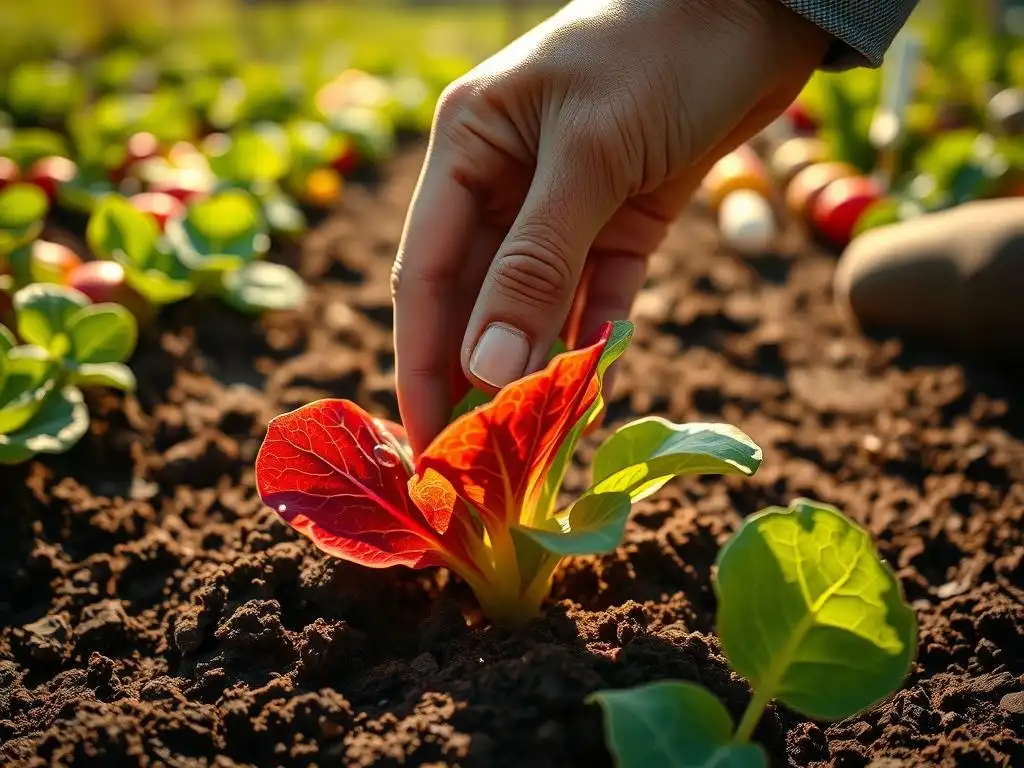
This section provides a detailed, step-by-step guide to successfully planting heat-tolerant salad greens, ensuring a bountiful harvest even during the hottest summer months. We'll explore optimal soil preparation, efficient sowing or transplanting techniques, and crucial watering strategies to combat heat stress. Choosing the best heat-tolerant salad greens for your region is key to success.
Preparing Your Soil for Summer Greens: Soil Amendments and Enrichment
Summer heat can quickly dry out soil, impacting the growth of even the most resilient salad greens. Therefore, soil preparation is paramount for success. Before planting, enrich your soil with organic matter to improve water retention and nutrient availability. This will help your plants withstand periods of high temperatures and maintain consistent growth.
Consider these soil amendments:
- Compost: Adding a generous layer of well-rotted compost improves soil structure, drainage, and fertility. Aim for at least 2-3 inches of compost incorporated into the top layer of your soil.
- Aged Manure: Another excellent source of organic matter, aged manure provides essential nutrients. Ensure it's fully composted to avoid burning your delicate seedlings.
- Vermiculite: This lightweight mineral improves soil aeration and water retention, crucial for heat-stressed plants. Mix a small amount into your planting mix.
The ideal soil pH for most salad greens is slightly acidic to neutral (6.0-7.0). You can test your soil's pH using a home testing kit and adjust accordingly with lime (to raise pH) or sulfur (to lower pH). Regular soil testing, especially during summer, is recommended to monitor nutrient levels and pH. Remember, healthy soil is the foundation for thriving, heat-tolerant salad greens. Proper soil preparation is vital for achieving the best results when growing your best heat-tolerant salad greens.
Sowing Seeds or Transplanting Seedlings: Timing and Techniques
Timing is crucial when planting heat-tolerant salad greens. Direct sowing seeds is ideal for many varieties, allowing them to adapt to the soil conditions. However, starting seeds indoors 4-6 weeks before the last expected frost and then transplanting seedlings can offer a head start, especially in regions with particularly hot summers.
Direct Sowing:
- Choose a location with partial shade during the hottest part of the day.
- Sow seeds according to package directions, usually about 1/2 inch deep and spaced appropriately.
- Keep the soil consistently moist until germination.
Transplanting Seedlings:
- Harden off seedlings gradually before transplanting to avoid shock. This involves slowly acclimating them to outdoor conditions over several days.
- Choose a slightly cooler time of day for transplanting, such as early morning or late evening, to minimize heat stress.
- Water thoroughly after transplanting.
Regardless of your chosen method, proper spacing is essential to allow for adequate airflow and prevent overcrowding, which can lead to disease and heat stress. Remember to choose varieties known for their heat tolerance – research the best heat-tolerant salad greens specific to your area. Successful planting, whether by direct sowing or transplanting, contributes significantly to a successful summer harvest.
Watering Strategies for Heat-Stressed Salad Greens: Maintaining Soil Moisture
Consistent soil moisture is vital for heat-tolerant salad greens, even those bred to withstand high temperatures. However, overwatering can lead to root rot, so a balanced approach is key.
- Watering Depth: Water deeply and infrequently rather than shallowly and frequently. Deep watering encourages deeper root growth, making plants more drought-tolerant.
- Watering Time: Water early in the morning to allow foliage to dry before nightfall, reducing the risk of fungal diseases.
- Mulching: Applying a layer of mulch (such as straw or shredded leaves) helps retain soil moisture, suppress weeds, and regulate soil temperature.
- Drip Irrigation: Consider using drip irrigation for efficient and targeted watering, minimizing water waste and ensuring even moisture distribution.
Monitoring soil moisture regularly is crucial. Stick your finger a few inches into the soil; if it feels dry, it's time to water. During extended heat waves, you may need to water more frequently. Proper watering techniques are essential for maximizing the yield of your best heat-tolerant salad greens and ensuring a continuous supply of fresh, delicious greens throughout the summer. Remember, consistent moisture management is vital to counter the challenges of summer heat.
Maintaining Your Heat-Tolerant Salad Garden: Pest and Disease Management
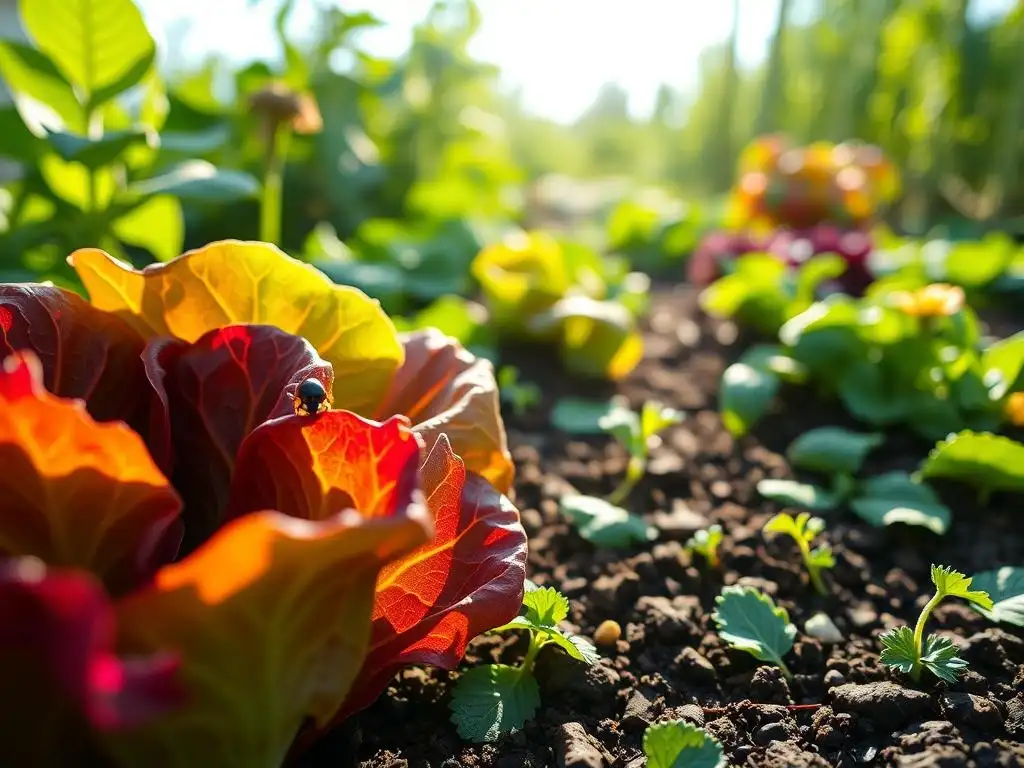
Summer's heat can stress your salad greens, making them more vulnerable to pests and diseases. Proactive management is key to a bountiful harvest of delicious, healthy leaves. This section focuses on identifying common threats, implementing preventative measures, and employing organic solutions to keep your heat-tolerant salad greens thriving throughout the summer months. Choosing the best heat-tolerant salad greens is only half the battle; proper care is crucial for success.
Common Pests Affecting Summer Salad Greens: Identification and Prevention
Several pests find summer salad greens particularly appealing. Early identification and prevention are crucial for minimizing damage. Here's a breakdown of some common culprits:
- Aphids: These tiny, soft-bodied insects suck sap from leaves, causing curling, yellowing, and stunted growth. Regularly inspect your plants, especially the undersides of leaves. Strong water sprays can dislodge them. Introducing beneficial insects like ladybugs can also help control aphid populations.
- Leaf Miners: These larvae tunnel within leaves, creating unsightly serpentine trails. While not always fatal, leaf miners can significantly reduce the aesthetic appeal and marketability of your greens. Handpicking affected leaves is an effective, albeit time-consuming, control method for small infestations.
- Whiteflies: These small, white, flying insects cluster on the undersides of leaves, sucking sap and leaving behind honeydew, which can lead to sooty mold. Yellow sticky traps can be effective in monitoring and trapping whiteflies.
- Slugs and Snails: These mollusks are notorious for munching on salad greens, leaving behind characteristic slime trails. Physical barriers like copper tape or diatomaceous earth can deter them. Handpicking at night is also effective.
| Pest | Identification | Prevention | Organic Control |
|---|---|---|---|
| Aphids | Tiny, soft-bodied insects; leaf curling | Regular inspection; strong water sprays | Ladybugs; insecticidal soap |
| Leaf Miners | Serpentine trails within leaves | Careful plant selection; remove affected leaves | Handpicking; Bacillus thuringiensis (Bt) (if severe) |
| Whiteflies | Small, white, flying insects; honeydew | Yellow sticky traps; netting | Neem oil; insecticidal soap |
| Slugs & Snails | Slime trails; leaf damage | Copper tape; diatomaceous earth | Beer traps; handpicking |
Remember to regularly monitor your plants for signs of infestation. Early detection significantly improves the chances of successful pest management. Choosing resistant varieties of the best heat-tolerant salad greens can also contribute to reduced pest problems.
Organic Pest Control for Heat-Tolerant Greens: Natural Solutions
Organic pest control prioritizes the health of your plants and the environment. Several natural methods can effectively manage common pests without resorting to harmful chemicals.
- Insecticidal Soap: This soap solution disrupts the cell membranes of soft-bodied insects like aphids and whiteflies. Apply according to package directions, ensuring thorough coverage.
- Neem Oil: Derived from the neem tree, this oil acts as a natural insecticide and fungicide. It disrupts the life cycle of many pests and can prevent fungal diseases. Apply as directed, avoiding direct sunlight.
- Beneficial Insects: Introducing natural predators like ladybugs, lacewings, and praying mantises can significantly reduce pest populations. These insects feed on aphids, mites, and other common garden pests.
- Companion Planting: Certain plants, such as basil, marigolds, and nasturtiums, repel pests and attract beneficial insects. Planting these alongside your salad greens can create a more pest-resistant environment. Strategic companion planting is a key element in cultivating the best heat-tolerant salad greens organically.
Choosing organic methods helps maintain a healthy soil ecosystem, contributing to the overall vigor and resilience of your plants. Remember to always follow label instructions when using organic pest control products.
Diseases in Hot Weather: Prevention and Treatment Strategies
High temperatures and humidity can increase the risk of fungal diseases in your salad greens. Prevention is vital, but knowing how to address problems organically is also crucial.
- Downy Mildew: This fungal disease causes yellowing and browning of leaves, often accompanied by a fuzzy, white growth on the undersides. Ensure good air circulation by spacing plants appropriately and avoiding overhead watering.
- Leaf Spot: Various fungal and bacterial pathogens can cause leaf spots, characterized by small, discolored spots on leaves. Removing affected leaves promptly and providing adequate spacing can help prevent the spread of leaf spot.
- Botrytis (Gray Mold): This fungal disease thrives in humid conditions, causing gray mold to develop on leaves and stems. Good air circulation and avoiding overhead watering are crucial for prevention.
Organic Disease Management Strategies
Organic solutions for disease management include using copper fungicides (follow label instructions carefully), ensuring proper plant spacing for good air circulation, and removing infected plant material promptly. Composting diseased plants is generally not recommended; instead, dispose of them properly to avoid spreading the disease.
Regular monitoring, preventative measures, and timely organic intervention are key to a successful and healthy summer salad garden. By understanding the challenges and employing these strategies, you can enjoy a continuous harvest of delicious, homegrown greens, even in the heat.
Harvesting and Enjoying Your Summer Salad Greens
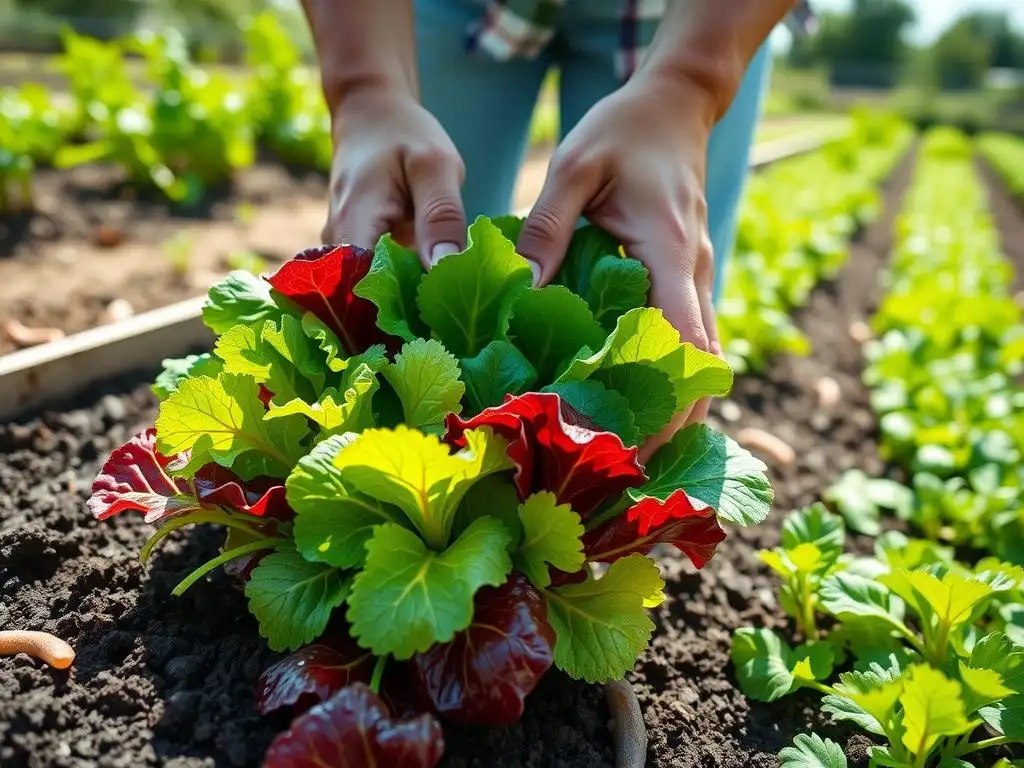
This section focuses on maximizing the yield and quality of your heat-tolerant salad greens harvest. Proper harvesting techniques ensure you get the most delicious and nutritious leaves from your summer garden, while also encouraging continued growth. Remember, the "best heat-tolerant salad greens" are those that thrive in your specific conditions and are harvested at their peak.
Knowing When to Harvest: Recognizing Maturity in Different Varieties
Harvesting your salad greens at the optimal time is crucial for flavor and texture. Different varieties reach maturity at different rates. Generally, you'll want to harvest leaf lettuce when the leaves are fully developed but still tender. This usually means about 6-8 weeks after planting, depending on the specific cultivar and growing conditions. Look for vibrant colors and firm leaves. Avoid letting them bolt (flower), as this will make the leaves bitter and tough.
For heat-tolerant varieties like heat-resistant romaine lettuce or red leaf lettuce, you can often harvest leaves selectively, picking the outer leaves while leaving the inner ones to continue growing. This "cut-and-come-again" method extends your harvest period. This strategy is particularly effective for the best heat-tolerant salad greens as it allows them to continue producing even in challenging summer temperatures.
Here's a helpful table summarizing ideal harvest times for some popular heat-tolerant salad greens:
| Variety | Harvest Time (Weeks after Planting) | Maturity Indicators |
|---|---|---|
| Heat-resistant Romaine Lettuce | 6-8 | Firm, dark green leaves; avoid bolting |
| Red Leaf Lettuce | 5-7 | Deep red color; tender, non-woody leaves |
| Black Seeded Simpson Lettuce | 6-8 | Dark green leaves; full-sized, but still tender |
| Heat-tolerant Oakleaf Lettuce | 7-9 | Frilly leaves, fully expanded but not overly mature |
Remember to check the seed packet or plant tag for specific information about your chosen variety, as harvest times can vary. Observing your plants closely and harvesting when they look their best is key to enjoying the finest summer salads.
Post-Harvest Handling: Tips for Maintaining Freshness
Proper post-harvest handling is just as important as knowing when to harvest. The goal is to preserve the freshness, crispness, and nutritional value of your delicious salad greens. Here are some key tips:
- Harvest in the morning: Harvesting after the morning dew has evaporated but before the heat of the day sets in helps maintain crispness.
- Wash gently: Rinse your greens gently in cool water to remove any dirt or insects. Avoid soaking them, which can cause wilting.
- Dry thoroughly: Use a salad spinner or gently pat the leaves dry with a clean towel. Excess moisture can lead to spoilage.
- Store properly: Store your harvested greens in a perforated plastic bag or container in the refrigerator. This allows for air circulation and prevents condensation. For longer storage, consider blanching and freezing your greens.
- Use quickly: Enjoy your freshly harvested salad greens as soon as possible for the best flavor and texture. The best heat-tolerant salad greens still need to be used promptly to avoid wilting.
Creative Recipes for Heat-Tolerant Greens
Heat-tolerant salad greens are incredibly versatile and can be used in a wide array of dishes. Beyond the classic salad, explore these ideas to maximize their flavor and nutritional benefits:
- Summer Rolls: Use your greens as wrappers for fresh summer rolls filled with herbs, rice noodles, and grilled shrimp or tofu.
- Smoothies: Add a handful of greens to your favorite smoothie for a boost of nutrients and a vibrant green color.
- Pestos: Create a vibrant green pesto using your harvested greens instead of basil, adding a unique flavor profile to your pasta dishes.
- Sautéed Greens: Quickly sauté your greens with garlic and a touch of olive oil for a simple yet delicious side dish.
- Grilled Greens: Grill your greens for a smoky flavor, perfect for topping pizzas or adding to salads.
Experiment with different flavors and combinations to discover your favorite ways to enjoy the bounty of your summer garden. Remember, even the best heat-tolerant salad greens need creative preparation to truly shine!
Extending Your Harvest: Strategies for Continuous Production
This section focuses on maximizing your summer salad green harvest despite the heat. The key to success lies in smart planning and employing techniques that mitigate the negative impacts of high temperatures. By implementing these strategies, you can enjoy a continuous supply of fresh, delicious greens throughout the summer months, even in the hottest climates. The best heat-tolerant salad greens will still benefit from these practices.
Succession Planting: Ensuring a Consistent Supply of Greens
Succession planting is a crucial technique for maintaining a steady flow of salad greens. Instead of planting all your seeds at once, stagger your plantings every two to three weeks. This ensures that you have young, tender greens ready for harvest as older plants bolt or become less palatable in the heat. For example, if you plant a batch of lettuce on June 1st, plant another batch on June 15th, and a third on June 30th.
This staggered approach offers a continuous harvest. Consider using fast-maturing varieties for quicker turnover. Careful planning of your planting schedule is essential for maximizing your yield of the best heat-tolerant salad greens. Here's a sample planting schedule for a small garden:
| Planting Date | Variety | Harvest Date (Estimate) | Notes |
|---|---|---|---|
| June 1st | Black Seeded Simpson Lettuce | July 1st | Fast-maturing variety |
| June 15th | Red Sails Lettuce | July 25th | Heat-tolerant, good color |
| June 30th | Oakleaf Lettuce | August 10th | Heat-tolerant, unique leaf shape |
| July 15th | Summer Crisp Lettuce | August 25th | Specifically bred for summer conditions |
Remember to adjust your planting schedule based on your specific climate and the growth rates of the best heat-tolerant salad greens you choose.
Using Shade Cloths or Other Protection: Mitigation of Extreme Heat
Even the most heat-tolerant salad greens benefit from some protection during the hottest parts of the day. Using shade cloth, row covers, or even strategically placed shade plants can significantly reduce the stress on your plants, preventing bolting and maintaining leaf quality. Shade cloth, typically made of a lightweight, breathable material, allows for sufficient airflow while reducing direct sunlight. Aim for a shade cloth that provides around 50% shade during the peak sun hours.
This simple technique can make a huge difference in the overall health and yield of your summer greens. Proper watering is still crucial, even with shade cloth. Remember to monitor your plants closely and adjust your protection strategy as needed based on weather conditions. Experiment to find the best level of shade for your specific microclimate and chosen varieties of the best heat-tolerant salad greens.
Choosing the Right Location in Your Garden: Optimal Sun Exposure for Summer Greens
While salad greens need sunlight, excessive sun exposure during the hottest months can be detrimental. The best heat-tolerant salad greens still perform better with some afternoon shade. Choose a location in your garden that receives morning sun (which is generally less intense) and afternoon shade, either naturally provided by trees or structures, or created artificially with shade cloth or other coverings. Observe your garden throughout the day to identify areas with the most consistent and ideal sunlight for salad greens during the summer.
East-facing locations are often a good choice as they receive morning sun but are shaded in the afternoon. Consider the orientation of your garden and the prevailing sun patterns to make an informed decision on placement. By selecting the right spot, you can significantly enhance the chances of a successful summer harvest of the best heat-tolerant salad greens, minimizing stress and maximizing yield.
Frequently Asked Questions
What are the best heat-tolerant salad greens for summer gardens?
Several varieties excel in hot weather. Lettuce varieties like 'Black Seeded Simpson' and 'Red Sails', along with heat-tolerant mustards and spinach, are excellent choices. Consider also mesclun mixes specifically bred for summer heat.
How do I ensure my heat-tolerant greens thrive in summer's heat?
Consistent watering is crucial, especially during dry spells. Provide afternoon shade if possible and ensure good soil drainage to prevent root rot. Use mulch to retain soil moisture.
What are the signs of heat stress in salad greens?
Wilting, bolting (premature flowering), and stunted growth are common indicators. Leaves may also become smaller and less flavorful.
Can I grow heat-tolerant salad greens in containers?
Yes! Containers offer greater control over watering and sun exposure. Choose containers that retain moisture well and place them in a location that receives morning sun and afternoon shade.
How can I extend the harvest of my heat-tolerant salad greens?
Regular harvesting encourages new leaf growth. Consider successive sowing to ensure a continuous supply throughout the summer. Protecting plants from intense afternoon sun will also help extend their productivity.
Final Reflection: Cultivating Resilience in the Face of a Changing Climate
The quest for heat-tolerant salad greens is not merely a gardening pursuit; it's a vital adaptation to our increasingly volatile climate. The ability to grow fresh, nutritious food even during the hottest months is no longer a luxury, but a crucial step towards food security and sustainable living. The information presented in this article highlights the importance of proactive choices in the face of environmental challenges.
The shift towards heat-tolerant varieties reflects a broader cultural change – a growing awareness of the impact of climate change on our food systems. We are moving beyond simply accepting seasonal limitations and embracing innovative solutions. This conscious effort to adapt our gardening practices resonates deeply with me, highlighting the power of individual action in the face of a global challenge. The best time to plant a tree was 20 years ago. The second best time is today.
This proverb perfectly encapsulates the urgency and importance of adopting heat-tolerant varieties now, to ensure a sustainable future for our gardens and our planet.
Consider the implications of this information for your own garden. What small changes can you make today to increase the resilience of your food production? Experiment with the varieties mentioned, share your experiences with others, and become part of a growing movement towards sustainable and climate-resilient gardening practices. The future of our food supply depends on our collective commitment to adapting and innovating. Let's cultivate a future where fresh, healthy salads are a year-round possibility, even in the face of rising temperatures.
Unlock Your Summer Salad Success!
Thanks for joining us on this journey into the world of heat-tolerant salad greens! We hope you've gained valuable insights to help your garden thrive, even during the hottest summer months. Now it's time to put that knowledge into action.
- Plant your heat-tolerant greens today! Choose from the varieties we discussed and get those seeds in the ground or transplant your seedlings. This is the most crucial step to enjoying a summer full of fresh salads.
- Share your gardening experiences (both successes and challenges!) on our CultivateYourFood community forum. Connect with fellow gardeners, exchange tips, and inspire one another.
- Consider experimenting with companion planting—perhaps adding herbs or flowers to your salad patch to improve its resilience and overall health.
What heat-tolerant lettuce variety are you most excited to try this summer? Let's discuss!