
How Weather Conditions Impact Plant Disease

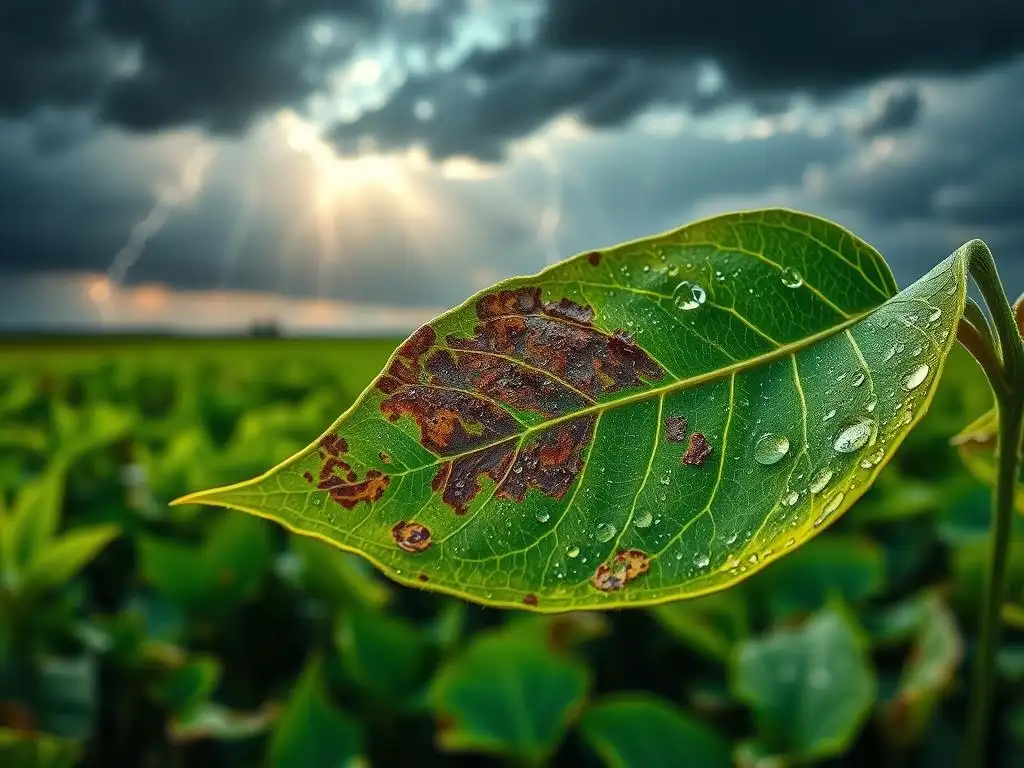
Welcome to CultivateYourFood, your guide to growing a thriving, organic garden! Ready to unlock the secrets to a bountiful harvest? We'll help you nurture your plants from seed to table, using sustainable methods. But first, have you considered the often-overlooked factor that can significantly impact your plant's health? Discover how weather impact plant diseases in our latest article on pest and disease control – and learn how to protect your precious crops. Let's get growing!
- Understanding the Complex Relationship Between Weather and Plant Disease
- Specific Weather Events and Their Impact on Plant Health
- Managing Plant Diseases in Varying Weather Conditions
- Identifying Weather Patterns to Predict Disease Outbreaks
- Organic Disease Control Methods in Response to Weather Conditions
- Frequently Asked Questions
- Final Reflection: The Unseen Hand of Weather in Plant Health
- Unlock Your Garden's Potential: Protect Your Plants Now!
Understanding the Complex Relationship Between Weather and Plant Disease
Weather plays a pivotal role in the development and spread of plant diseases. Understanding this intricate relationship is crucial for successful home gardening, especially when employing sustainable and organic practices. This article delves into the specific ways various weather conditions—temperature and moisture, primarily—influence the prevalence and severity of common plant diseases.
By recognizing these patterns, home cultivators can better anticipate potential problems and implement preventative measures to protect their crops. This knowledge empowers gardeners to make informed decisions regarding planting times, cultivar selection, and disease management strategies, ultimately leading to healthier and more bountiful harvests. Ignoring the influence of weather on plant health can lead to significant crop losses and frustration, so let's explore the key weather factors that impact plant diseases and how you can mitigate their effects.
Temperature's Role in Disease Development
Temperature is a critical factor influencing the life cycle of plant pathogens. Many fungal, bacterial, and viral diseases thrive within specific temperature ranges, while extreme temperatures can either inhibit pathogen growth or weaken the plant's defenses, making it more susceptible to infection.
Optimal Temperatures for Pathogen Growth
Most plant pathogens have an optimal temperature range for growth and reproduction. For example, many fungal diseases, like powdery mildew, flourish in warm, humid conditions (ideally between 60°F and 80°F or 15°C and 27°C), while other pathogens prefer cooler temperatures. Knowing the optimal temperature range for common diseases in your region allows for strategic planting and preventative measures. For instance, if you know a specific fungal disease thrives in the early spring's cool, damp conditions, you could adjust your planting schedule or choose disease-resistant varieties.
Temperature Extremes and Plant Susceptibility
Extreme temperatures, both hot and cold, can stress plants, reducing their vigor and making them more vulnerable to disease. Heat stress can damage plant tissues, creating entry points for pathogens. Similarly, freezing temperatures can cause physical damage, leaving plants susceptible to infection. Understanding your region's temperature extremes helps you select plant varieties tolerant of these conditions and provides a basis for implementing protective measures during periods of extreme weather.
Impact of Temperature Fluctuations on Disease Progression
Rapid and significant temperature fluctuations can disrupt the normal development of pathogens, slowing their growth or even killing them. However, these fluctuations can also stress plants, potentially increasing their susceptibility to opportunistic pathogens. Consistent monitoring of temperature changes and their potential impact on both the plants and the pathogens is essential for effective disease management. This highlights the importance of carefully observing your plants for signs of stress in conjunction with weather forecasts.
Moisture's Influence on Plant Pathogens
Moisture, in the form of rain, humidity, dew, and soil moisture, plays a crucial role in the development and spread of many plant diseases. High moisture levels create ideal conditions for spore germination, growth, and dispersal.
Rainfall and Humidity: Ideal Conditions for Spore Germination
Rainfall and high humidity provide the necessary moisture for the germination of fungal spores and the spread of many bacterial diseases. Prolonged periods of wet weather can lead to widespread outbreaks of diseases like leaf spots, blights, and rots. Effective drainage and air circulation around plants can help reduce the risk of these moisture-related problems.
Dew and Fog: Promoting Disease Spread
Dew and fog create a film of moisture on plant surfaces, providing an ideal environment for spore germination and infection. These conditions often lead to increased incidence of diseases like downy mildew and other fungal infections. Proper spacing of plants to ensure good air circulation can minimize the duration of dew on leaf surfaces.
Soil Moisture and Root Diseases
Excessive soil moisture can lead to the development of root rot and other soilborne diseases. Well-drained soil and proper watering techniques are critical in preventing these problems. Overwatering is a common cause of root rot, so monitoring soil moisture levels and providing only the necessary amount of water is essential. The use of raised beds or containers can also improve soil drainage.
The information provided here offers a starting point to understanding how weather conditions impact plant diseases. Further research into specific diseases affecting your region and plant types will enable even more precise disease management. Remember, proactive measures and a keen eye for early signs of disease are key to successful organic gardening. 🌱
Wind's Effect on Disease Transmission
Wind plays a significant role in the spread of plant diseases, acting as a primary vector for many pathogens. Understanding how wind influences disease transmission is crucial for effective disease management strategies. The impact isn't simply about moving pathogens from one location to another; it's a complex interplay of factors that influence both the speed and efficiency of disease spread.
For example, strong winds can accelerate the dispersal of spores over long distances, leading to widespread outbreaks in previously unaffected areas. This is particularly true for fungal diseases, where microscopic spores are easily carried on air currents. Conversely, calm conditions can limit the spread of airborne pathogens, creating localized disease outbreaks rather than widespread epidemics.
The impact of wind on disease transmission is further complicated by other environmental factors such as humidity and temperature, which influence spore viability and germination. In essence, wind acts as a catalyst, amplifying the effects of other environmental stressors and contributing to the overall disease dynamics. Effective disease management often requires careful consideration of prevailing wind patterns and their potential impact on the spread of specific pathogens.
Wind as a Vector for Spore Dispersion
Spore dispersal by wind is a key mechanism in the epidemiology of many plant diseases. Fungal pathogens, in particular, rely heavily on wind to transport their spores to new host plants. The size and shape of the spores influence how effectively they are carried by the wind.
Smaller, lighter spores are easily lifted and carried over long distances, while larger, heavier spores may only travel short distances. The concentration of spores in the air, influenced by factors such as the density of infected plants and environmental conditions, also plays a crucial role in the likelihood of infection in new plants. For example, a high concentration of spores in the air during periods of strong winds can increase the probability of disease spread significantly.
Understanding the specific dispersal mechanisms of different pathogens is critical for implementing targeted disease management strategies. This includes considering factors such as spore release patterns, wind speeds, and environmental conditions to predict the potential for disease spread and develop effective control measures. Accurate forecasting models that integrate these factors are increasingly important for proactive disease management.
Wind Damage and Increased Plant Vulnerability
While wind directly transmits diseases, it also indirectly increases plant vulnerability to infection. Physical damage caused by strong winds, such as broken branches, leaves, or stems, creates entry points for pathogens. These wounds provide easy access for fungal spores, bacteria, and viruses to invade the plant tissue.
Furthermore, wind damage can weaken plants, reducing their overall vigor and making them more susceptible to disease. Stressed plants are less able to defend themselves against pathogens, increasing their likelihood of infection. The combination of physical damage and physiological stress significantly increases the vulnerability of plants to disease.
This is particularly relevant during severe weather events, where high winds can cause widespread damage and subsequently lead to significant disease outbreaks. Understanding the relationship between wind damage and increased disease susceptibility is crucial for implementing appropriate preventative measures, such as strengthening plants through proper cultivation practices and providing physical protection during periods of high winds.
Regional Wind Patterns and Disease Prevalence
Regional wind patterns significantly influence the distribution and prevalence of plant diseases. Areas with consistently strong winds from a particular direction may experience increased disease incidence in downwind regions. Conversely, areas sheltered from prevailing winds may have lower levels of disease.
Understanding these regional wind patterns is crucial for predicting disease outbreaks and implementing targeted management strategies. For instance, regions prone to strong, persistent winds may require more frequent disease monitoring and more aggressive control measures compared to regions with calmer wind conditions. Furthermore, the interaction between wind patterns and other environmental factors, such as rainfall and temperature, can create microclimates that favor the development and spread of specific diseases.
This complex interplay highlights the need for a holistic approach to disease management that considers the influence of regional wind patterns alongside other environmental variables. Detailed knowledge of local weather patterns, including wind speeds and direction, is vital for effective and proactive disease control.
Specific Weather Events and Their Impact on Plant Health
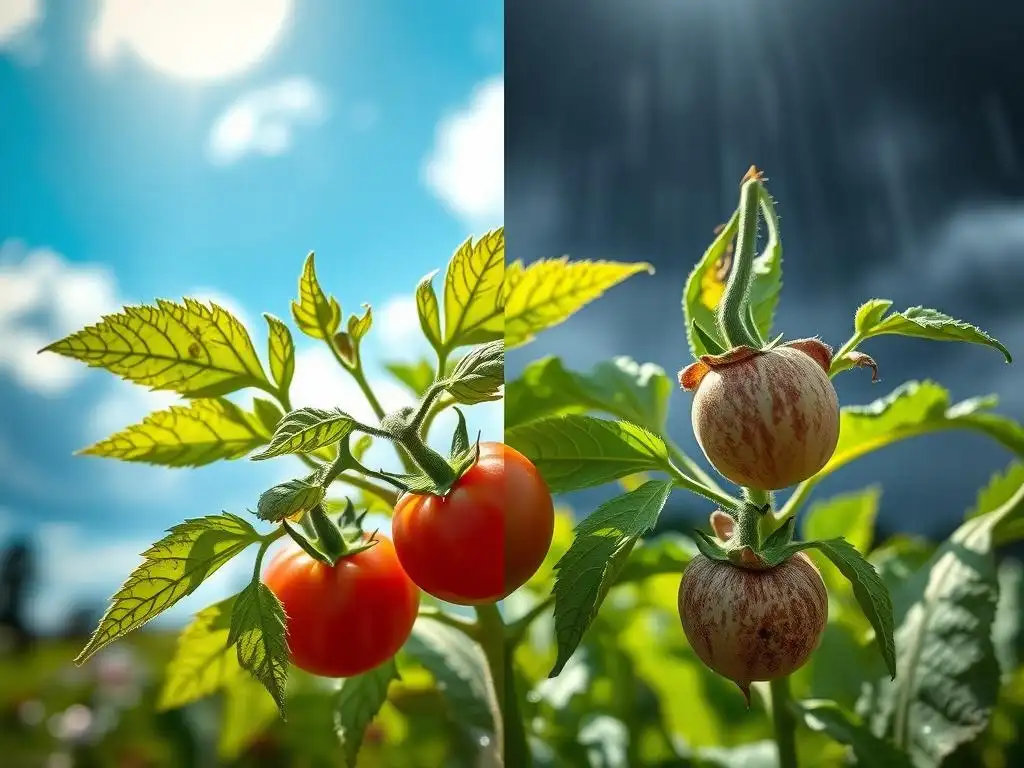
This section delves into the specific ways various weather events directly influence the prevalence and severity of plant diseases. Understanding these relationships is crucial for effective disease management and maximizing your harvest, especially when practicing sustainable and organic cultivation. The interplay between weather and plant pathogens is complex, but recognizing key patterns can significantly improve your gardening success. We'll explore drought, heat waves, and freezing temperatures, examining how they impact plant health and susceptibility to disease. Effective pest and disease control hinges on this understanding.
Impact of Drought on Plant Disease
Drought stress weakens plants, making them significantly more vulnerable to various diseases. The mechanisms are multifaceted. Firstly, drought causes physiological changes within the plant. Water scarcity leads to reduced turgor pressure, meaning the plant cells become less rigid and more susceptible to pathogen entry. Secondly, drought often results in stunted growth, affecting the plant's natural defenses. A smaller, weaker plant simply lacks the resources to fight off infection as effectively as a healthy, well-hydrated one.
Furthermore, drought can alter the plant's microbiome. Beneficial microbes, which typically help suppress pathogens, may struggle to survive under drought conditions. This disruption of the delicate balance within the plant's ecosystem leaves it more open to opportunistic pathogens. For example, Fusarium wilt, a common fungal disease affecting many crops, thrives in dry, stressed conditions. The weakened plant struggles to transport water and nutrients, providing an ideal environment for the fungus to spread and colonize the vascular system. Implementing effective irrigation strategies, including drip irrigation or soaker hoses, can mitigate the impact of drought and improve plant resilience against diseases.
The Role of Heat Waves in Disease Development
High temperatures associated with heat waves can accelerate the development of many plant diseases. Increased temperatures can speed up the life cycle of pathogens, leading to quicker disease progression and more severe symptoms. For instance, powdery mildew, a common fungal disease, proliferates in hot, dry conditions. The spores germinate and spread rapidly in warm temperatures, leading to extensive white powdery coatings on leaves, hindering photosynthesis and overall plant health. Heat stress also directly weakens plants, making them more susceptible to infection, mirroring the effects of drought.
Heat waves can also indirectly influence disease development by altering the behavior of insect vectors. Many plant diseases are spread by insects, and high temperatures can influence their activity levels and reproductive rates. Warmer temperatures can increase the population of insect vectors, thus increasing the spread of diseases. For example, aphids, which transmit various viral diseases, thrive in warm weather. Monitoring insect populations during heat waves is therefore crucial for preventing disease outbreaks. The implementation of pest control measures, like introducing beneficial insects or using organic pesticides, becomes especially important during these periods.
How Freezing Temperatures Affect Plant Disease Susceptibility
Freezing temperatures, while not directly causing many diseases, can significantly weaken plants and increase their vulnerability to infections in the following growing season. The damage caused by frost can create entry points for pathogens. Frozen tissues are more susceptible to rupture and decay, providing easy access for bacteria and fungi. This predisposes the plants to diseases that might otherwise be easily resisted. For instance, frost damage can weaken the bark of trees, making them susceptible to canker diseases.
Moreover, freezing temperatures can impact the plant's immune system. The extreme cold can disrupt the plant's ability to produce defensive compounds, leaving it less capable of fighting off infection once the weather warms up. The prolonged cold stress can also affect the soil microbiome, potentially reducing the presence of beneficial microorganisms that help protect the plant.
Therefore, providing winter protection to vulnerable plants, such as covering them with mulch or providing windbreaks, can help prevent frost damage and reduce the risk of subsequent disease outbreaks. Careful monitoring of plant health in the spring, following a period of freezing temperatures, is crucial for early detection and management of potential diseases.
Excessive Rainfall and its Effect on Plant Diseases
Excessive rainfall creates a perfect breeding ground for many plant diseases. The constant moisture saturates the soil, leading to root rot in numerous plant species. This is because waterlogged soil lacks sufficient oxygen, suffocating the roots and making them vulnerable to fungal pathogens like Phytophthora and Pythium. These fungi thrive in wet conditions, easily penetrating weakened roots and causing extensive damage.
The visible symptoms often include wilting, yellowing leaves, and eventually, plant death. The severity of root rot depends on the plant species, the duration of waterlogging, and the specific pathogen involved. For example, tomatoes are particularly susceptible to Phytophthora root rot, exhibiting characteristic brown lesions on the roots and stems.
Furthermore, excessive rain promotes the spread of foliar diseases. Many fungal pathogens, such as those causing powdery mildew and downy mildew, require free water on the leaf surface for spore germination and infection. Prolonged periods of rainfall provide ample opportunity for these spores to land on leaves and initiate infection. The resulting diseases manifest as unsightly spots, lesions, or powdery coatings on leaves, stems, and even fruits.
This can significantly reduce yields and impact the quality of the harvest. Effective drainage and preventative measures, such as applying fungicides, are crucial in managing foliar diseases exacerbated by excessive rainfall. Consider rotating crops to break disease cycles and avoid planting susceptible species in areas prone to waterlogging.
Beyond direct infection, excessive rainfall can indirectly impact plant health and increase susceptibility to disease. The constant moisture weakens plant tissues, making them more vulnerable to opportunistic pathogens. Additionally, heavy rainfall can damage plant structures, causing physical wounds that serve as entry points for various diseases. These wounds provide easy access for bacteria and fungi, leading to secondary infections that can further compromise plant health.
Therefore, careful monitoring of plants after periods of heavy rain is crucial for early detection and intervention. Regular inspection for signs of disease and prompt treatment can help minimize losses and maintain healthy plant growth. Remember to prune away any damaged plant parts to prevent the spread of infection.
Managing Plant Diseases in Varying Weather Conditions
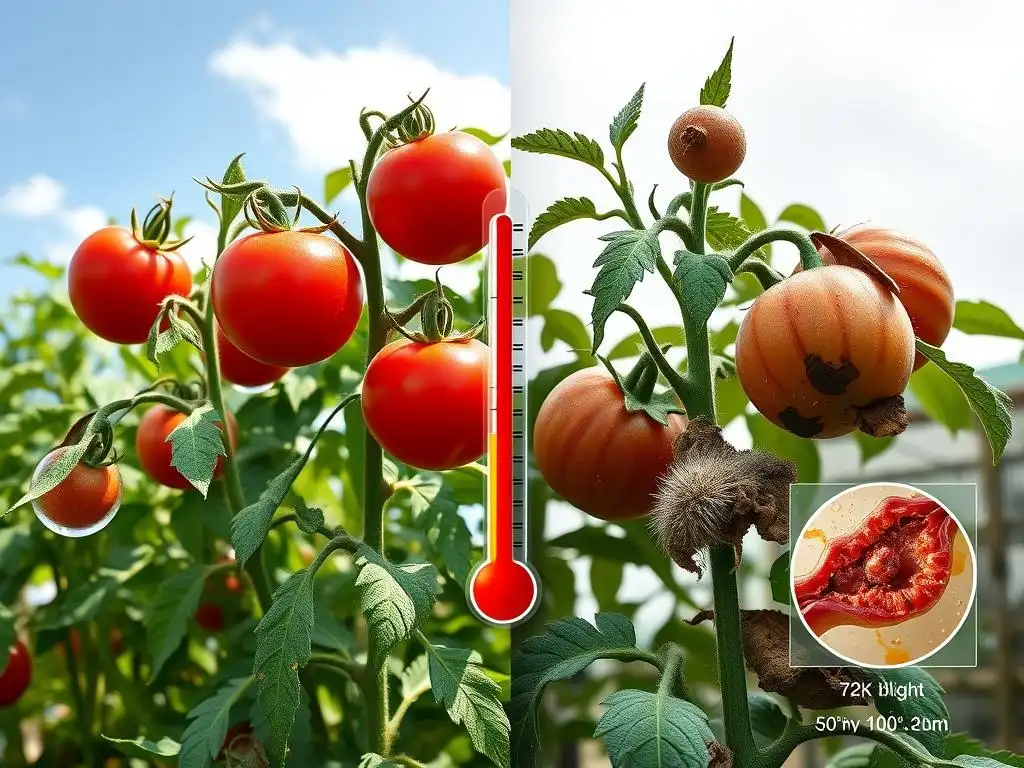
Weather significantly impacts the prevalence and severity of plant diseases. Understanding these impacts is crucial for effective disease management and maximizing your harvest. The relationship between weather and plant disease is complex, influenced by factors like temperature, humidity, rainfall, and wind. This section explores how to manage plant diseases effectively across different weather patterns, focusing on proactive strategies and reactive measures. The goal is to minimize losses and maintain healthy, thriving plants, regardless of the weather challenges. Successful cultivation hinges on adapting your practices to the prevailing conditions. This understanding is key to successful organic gardening.
Disease Prevention Strategies for Hot and Dry Conditions
Hot, dry weather can stress plants, making them more susceptible to certain diseases. Fungal diseases, which thrive in moist environments, are generally less prevalent during droughts. However, other pathogens can take advantage of the stress. For example, Verticillium wilt can become more aggressive under drought conditions as the plant struggles to take up water. Prevention is key.
- Proper Watering: Deep, infrequent watering encourages strong root systems that can better withstand drought stress. Avoid overhead watering, which can promote fungal growth even in dry conditions.
- Mulching: Applying a layer of organic mulch helps retain soil moisture, regulate soil temperature, and suppress weeds that can compete with your plants for resources.
- Resistant Varieties: Selecting drought-tolerant and disease-resistant plant varieties is crucial. Research varieties suited to your region's climate and known for their resilience to common diseases. This proactive step minimizes the risk of disease significantly.
- Soil Health: Healthy soil with good drainage and adequate organic matter is essential for plant resilience. Adding compost improves soil structure and water retention.
Disease Management Techniques for Wet and Humid Environments
High humidity and frequent rainfall create ideal conditions for many fungal and bacterial diseases. These conditions lead to increased spore germination and spread, resulting in rapid disease development. Effective management requires a multi-pronged approach.
- Improved Air Circulation: Ensure adequate spacing between plants to promote airflow and reduce humidity around foliage. Pruning to open up the plant canopy is also beneficial.
- Fungicides (Organic Options): Consider using organic fungicides like copper sprays or neem oil as preventative measures or for early disease control. Always follow label instructions carefully. The timing of application is critical for effectiveness.
- Sanitation: Remove and destroy infected plant debris promptly to prevent the spread of pathogens. This simple practice significantly reduces the inoculum available for infection.
- Crop Rotation: Rotating crops annually helps break the disease cycle by preventing the buildup of pathogens in the soil. Different plant families have varying susceptibility to diseases.
| Disease Type | Common Symptoms | Management Strategies |
|---|---|---|
| Leaf Spot (Fungal) | Small, brown spots on leaves; leaf drop | Improve air circulation, remove infected leaves, use organic fungicide |
| Downy Mildew | White, fuzzy growth on leaves; leaf distortion | Improve air circulation, use organic fungicide, avoid overhead watering |
| Bacterial Blight | Water-soaked spots on leaves; wilting | Remove infected plants, avoid overhead watering, use appropriate antibiotics (if allowed in organic practices) |
Protecting Plants During Extreme Weather Events
Extreme weather events such as hailstorms, strong winds, and floods can cause significant damage to plants, making them vulnerable to diseases. The physical injury provides entry points for pathogens.
- Protective Structures: Consider using row covers or other protective structures to shield plants from hail and strong winds. This preventative measure reduces the risk of physical damage that can lead to disease.
- Post-Storm Assessment: After a storm, carefully inspect your plants for damage. Remove any severely damaged parts promptly to prevent further infection.
- Wound Care: Treat any wounds with a suitable organic wound sealant to prevent pathogen entry. This is crucial for larger wounds that might be more susceptible to infection.
- Monitoring: Increased vigilance is necessary after extreme weather. Regularly inspect plants for signs of disease and take appropriate action promptly. Early detection is essential for effective management.
The successful cultivation of healthy plants requires a comprehensive understanding of how weather impacts plant diseases. By employing proactive preventative measures and implementing appropriate management techniques, you can significantly reduce disease incidence and improve your harvest yields, even in challenging weather conditions. Remember that consistent monitoring and adaptation are vital for success in organic gardening.
Adapting Cultivating Practices Based on Weather Forecasts
Accurately predicting and adapting to weather patterns is crucial in mitigating the impact of weather on plant diseases. Regularly checking weather forecasts allows for proactive adjustments to cultivation practices, minimizing potential outbreaks. For example, a forecast predicting heavy rainfall and high humidity for several days might prompt a grower to reduce plant density to improve air circulation and prevent fungal diseases like powdery mildew or gray mold.
These diseases thrive in humid, stagnant air. Conversely, a forecast of prolonged periods of intense sunlight and heat could lead to adjustments in irrigation schedules to prevent sunscald and stress-related diseases that weaken plants and make them more susceptible to infection.
Knowing the specific diseases prevalent in your region and their susceptibility to specific weather conditions is paramount. For example, early blight in tomatoes is exacerbated by periods of warm, humid weather followed by cool nights. A farmer aware of this could adjust their planting schedule, opting for disease-resistant tomato varieties or employing preventative measures like crop rotation to minimize the disease's impact. Furthermore, the forecast can inform decisions regarding protective measures such as using row covers to shield plants from excessive rain or intense sunlight. This preventative approach is far more effective than reactive treatments after an outbreak.
The integration of weather forecasting into cultivation planning extends beyond immediate responses. Long-term weather patterns, such as unusually wet or dry seasons, should influence the selection of plant varieties. Choosing disease-resistant cultivars adapted to the predicted conditions is a vital aspect of sustainable and resilient agriculture.
This proactive approach minimizes losses and reduces the need for chemical interventions, aligning with the principles of organic and sustainable gardening. Careful analysis of historical weather data alongside current forecasts paints a complete picture, enabling informed decisions about planting times, crop selection, and disease management strategies. The use of smart weather monitoring tools, such as automated sensors that track humidity and temperature, can further enhance the precision and effectiveness of these adjustments.
Identifying Weather Patterns to Predict Disease Outbreaks
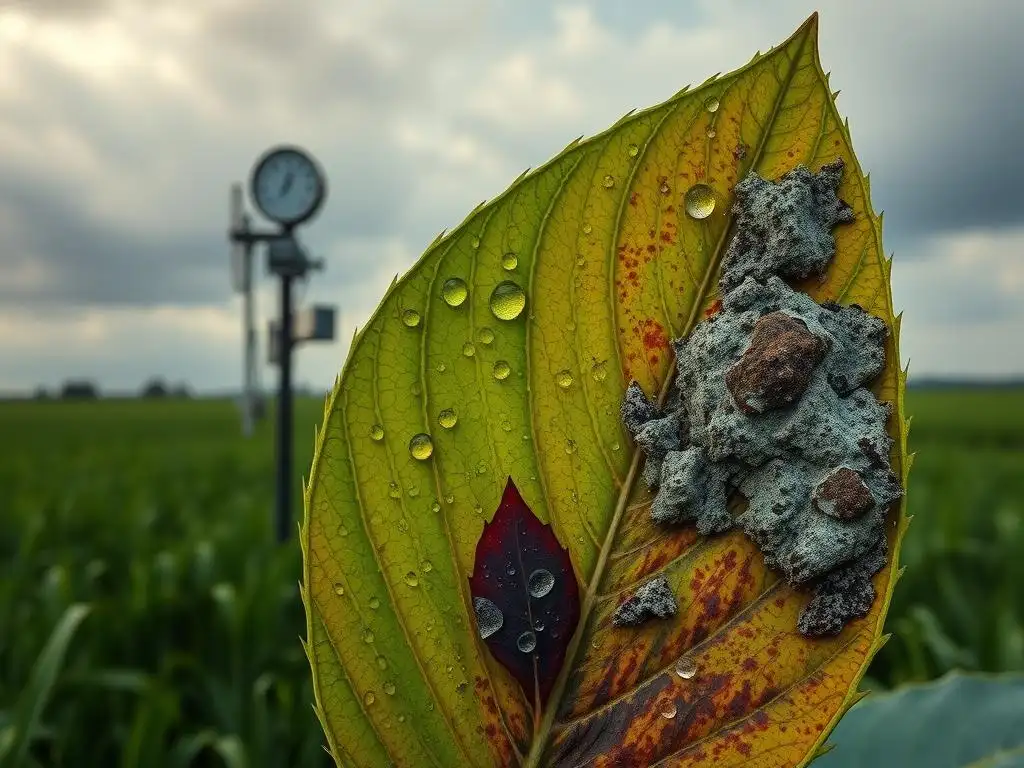
Understanding the relationship between weather and plant disease is crucial for proactive disease management. Certain weather patterns strongly correlate with increased disease incidence. This section focuses on recognizing these patterns to better anticipate and mitigate outbreaks, ultimately improving your harvest and minimizing the need for chemical interventions. By carefully observing weather trends, you can employ preventative measures and significantly reduce the impact of plant diseases on your garden. This allows for a more sustainable and environmentally friendly approach to cultivating your food.
Utilizing Weather Data for Early Disease Detection
Access to real-time weather data, readily available through many online sources and weather apps, is invaluable. Specifically, monitoring temperature, humidity, rainfall, and wind speed is key. For example, prolonged periods of high humidity (above 80%) coupled with warm temperatures (above 75°F or 24°C) create ideal conditions for fungal diseases like powdery mildew and gray mold. Conversely, sudden drops in temperature following rain can increase the risk of bacterial infections.
Detailed records, including daily highs and lows, precipitation amounts, and humidity levels, allow you to identify patterns and potentially predict outbreaks before visible symptoms appear. This early warning system enables timely interventions, such as adjusting watering schedules or applying preventative organic fungicides. The proactive approach minimizes disease spread and protects your valuable plants.
Monitoring Local Weather Forecasts for Disease Risk Assessment
Local weather forecasts provide short-term predictions, enabling immediate adjustments to your gardening practices. Pay close attention to predicted rainfall, temperature fluctuations, and humidity levels. For instance, if a forecast predicts several days of heavy rain followed by warm, humid weather, you should increase vigilance for fungal diseases. Consider preventative measures like improving air circulation around plants by pruning or spacing them adequately.
Also, avoid overhead watering during such periods to minimize leaf wetness, a crucial factor in many fungal disease developments. Regularly checking your local forecast allows for a dynamic response to changing weather conditions, minimizing the risk of significant disease outbreaks. This empowers you to make informed decisions to protect your crops.
Employing Long-Term Weather Trends for Disease Prediction
Analyzing long-term weather patterns over several years provides valuable insights into the typical disease cycles in your specific geographic location. This historical data, often available from local agricultural extension services or meteorological websites, helps anticipate potential outbreaks based on past occurrences. For example, if your area experienced a severe outbreak of late blight in years with unusually wet and cool summers, you can anticipate a higher risk in similar weather conditions.
Understanding these long-term trends enables you to adjust your planting schedules, select disease-resistant varieties, and implement preventative strategies more effectively. This long-term perspective offers a strategic advantage in managing plant diseases sustainably. By combining short-term forecasts with historical data, you gain a comprehensive understanding of the weather impact on plant diseases in your garden, maximizing your chances of a successful and healthy harvest.
Organic Disease Control Methods in Response to Weather Conditions
This section explores organic approaches to managing plant diseases exacerbated by specific weather patterns. Understanding how weather influences disease development is crucial for effective and sustainable pest control. The focus here is on preventative measures and reactive strategies that minimize the need for harsh chemicals, aligning with the CultivateYourFood ethos of organic gardening. We'll examine several key disease categories and the organic solutions tailored to address them. The goal is to foster resilient crops capable of withstanding weather-related challenges. The impact of weather on plant diseases is multifaceted, requiring a holistic approach to disease management.
Many plant diseases thrive under specific weather conditions. For instance, fungal diseases, such as powdery mildew and downy mildew, flourish in humid, warm environments with prolonged periods of leaf wetness. These conditions are common after heavy rainfall or during periods of high humidity. Organic solutions offer effective alternatives to chemical treatments in combating these weather-induced outbreaks.
One effective strategy is the use of biofungicides. These are naturally occurring microorganisms that inhibit the growth of plant pathogens. Examples include Bacillus subtilis and Trichoderma harzianum, which can be applied as foliar sprays or soil amendments. Their efficacy varies depending on the specific pathogen and environmental conditions, but they represent a valuable tool in integrated pest management (IPM) strategies. Further research is needed to determine the precise effectiveness of different biofungicides against various fungal diseases under diverse weather conditions [specific information pending].
Another powerful organic approach involves strengthening the plant's natural defenses. This can be achieved through practices like soil amendment with compost and other organic matter. A healthy soil ecosystem promotes robust root systems, leading to plants that are more resistant to disease. Furthermore, applying foliar sprays of seaweed extract or neem oil can boost the plant's immune system, providing an additional layer of protection against pathogens.
These natural remedies offer sustainable and environmentally friendly ways to reduce the impact of weather on plant health. Regular monitoring and early intervention are key to success. The timely application of these organic solutions can significantly minimize losses due to weather-related diseases. Proper timing is critical, as some remedies are more effective at preventing disease than curing it.
Sustainable Practices to Minimize Weather Impact on Crops
Minimizing the impact of adverse weather on plant diseases requires a proactive, preventative approach. Sustainable practices play a vital role in creating a resilient cropping system. These techniques help reduce the susceptibility of plants to disease while enhancing their overall health and vigor.
Crop rotation is a fundamental sustainable practice. Rotating crops helps to break the disease cycle by disrupting the life cycle of pathogens that may have accumulated in the soil. This is particularly important for soilborne diseases that are often exacerbated by excessive rainfall or poorly drained soil. Careful selection of disease-resistant plant varieties is another crucial step. Many plant breeders develop cultivars that exhibit increased resistance to specific diseases, thus reducing the reliance on disease control measures. This approach is especially relevant when facing predictable weather patterns that favor specific diseases.
Furthermore, proper spacing and air circulation around plants are crucial. Overcrowding can create a humid microclimate that fosters fungal diseases. Adequate spacing allows for better air flow, reducing humidity and minimizing the risk of disease outbreaks, particularly during periods of high rainfall or humidity. The use of raised beds or other drainage systems can further improve soil drainage, reducing the risk of waterlogged conditions that favor many soilborne pathogens.
These sustainable practices, when integrated into a comprehensive IPM strategy, contribute to healthier plants, reducing the need for chemical interventions and promoting long-term sustainability. The combination of these strategies creates a robust and resilient system that minimizes the impact of weather on plant diseases. This approach prioritizes prevention, minimizing both the environmental impact and the risk of crop loss.
Frequently Asked Questions
How does temperature affect plant diseases?
Temperature plays a crucial role. Optimal temperatures promote fungal growth, while extreme heat or cold can weaken plants, making them more susceptible to disease. Rapid temperature fluctuations can also stress plants.
What is the impact of rainfall on plant diseases?
High rainfall creates humid conditions, ideal for fungal spores to germinate and spread. Excessive moisture on plant leaves encourages the development of many diseases. Proper drainage is crucial for disease prevention.
How does humidity influence plant disease development?
High humidity is a major factor in the development of many plant diseases. Fungal pathogens thrive in humid environments, while low humidity can help control disease spread. Good air circulation is key.
Does wind affect the spread of plant diseases?
Yes, wind significantly impacts disease spread. Wind can carry spores and bacteria over long distances, infecting healthy plants. Windbreaks can help mitigate this effect.
Choosing disease-resistant varieties, ensuring good air circulation, and practicing proper sanitation are crucial. Monitoring weather patterns allows for preventative measures like applying protective sprays.
Final Reflection: The Unseen Hand of Weather in Plant Health
The intricate dance between weather patterns and plant disease is not merely an academic curiosity; it's a critical factor shaping global food security and ecological balance. Understanding this relationship is no longer a matter of scientific interest alone, but a vital necessity for navigating the challenges of a changing climate and ensuring the health of our planet's ecosystems. The increasing frequency and intensity of extreme weather events underscore the urgency of this understanding.
The impact of weather on plant disease is a pervasive force, subtly shaping agricultural practices, influencing biodiversity, and even impacting the very landscapes we inhabit. The vulnerability of our food systems to unpredictable weather patterns is a stark reality, forcing us to reconsider our approach to agriculture and conservation. The earth laughs in flowers.
This beautiful sentiment, however, masks the fragility of this laughter in the face of unpredictable weather and the diseases it fosters. We must strive to understand and protect this delicate balance.
Consider the information presented within this article, and reflect on its implications for your own life. Whether you're a seasoned gardener, a concerned citizen, or simply curious about the natural world, understanding the impact of weather on plant disease empowers you to make informed choices. From supporting sustainable agricultural practices to advocating for climate-conscious policies, your actions can contribute to a healthier, more resilient future for both plants and people. Let us work together to cultivate a world where the laughter of the earth is not easily silenced.
Unlock Your Garden's Potential: Protect Your Plants Now!
Thank you for exploring the world of plant health with us! You've gained valuable knowledge about how weather impacts plant diseases. Now let's put that knowledge into practice.
- Prioritize proactive plant care: Based on your local forecast, take immediate steps to protect your plants from predicted conditions. This could involve adjusting your watering schedule, providing shade, or applying preventative treatments. This is key to a thriving garden!
- Share your experiences: Tell us – what weather-related challenges have you faced with your plants, and which solutions did you find most effective? Let's build a supportive community of resilient gardeners!
- Learn more: Discover further insights into plant disease management by exploring other articles on CultivateYourFood.org.
What preventative measures will you take in your garden today, based on the weather forecast?