
Natural Fertilizers for Bountiful Heirloom Tomato Harvests

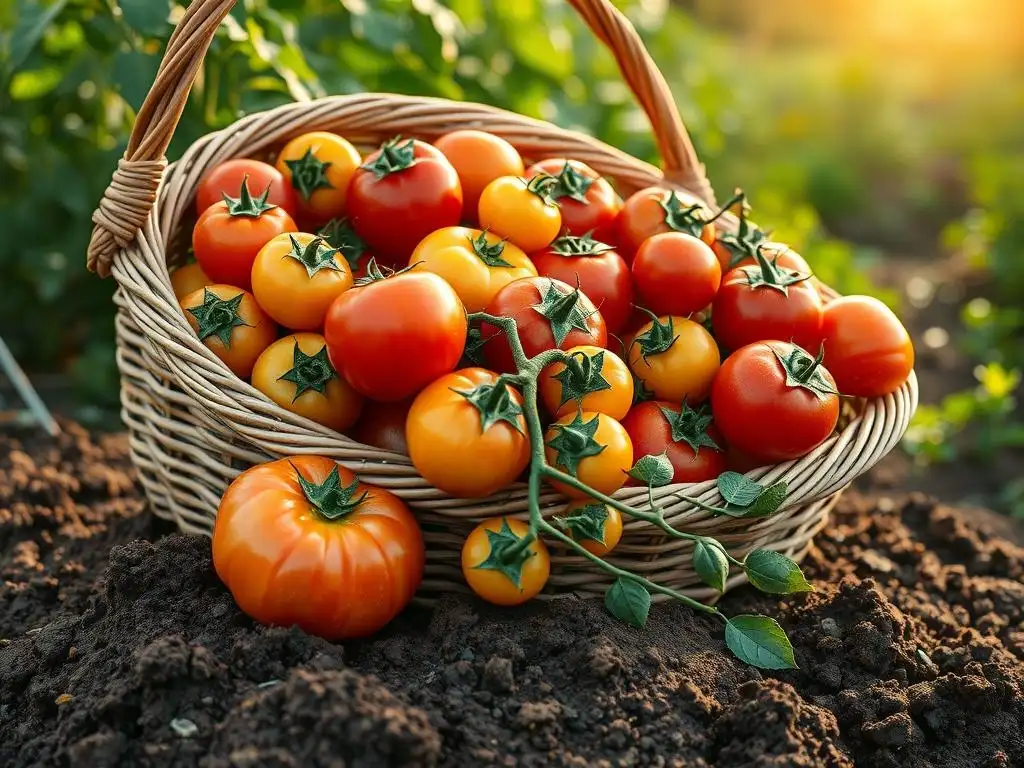
Welcome to CultivateYourFood, your guide to nurturing a thriving garden using sustainable, organic methods! Are you ready to unlock the secrets to cultivating exceptional heirloom tomatoes? Our focus on organic heirloom tomato fertilizer will equip you with the knowledge and techniques to grow bountiful harvests bursting with flavor. Discover the simple yet powerful strategies we'll share to transform your garden into a vibrant ecosystem teeming with life. Let's get started on your journey to a truly rewarding homegrown experience!
- Understanding Heirloom Tomato Nutrient Needs
- Choosing the Right Organic Heirloom Tomato Fertilizer
- Applying Organic Heirloom Tomato Fertilizer Effectively
- Maintaining Soil Health for Sustainable Heirloom Tomato Production
- Troubleshooting Common Heirloom Tomato Nutrient Issues
-
Frequently Asked Questions
- What is the best fertilizer for organic heirloom tomatoes?
- How often should I fertilize my heirloom tomatoes?
- Can I use store-bought organic fertilizers for my heirloom tomatoes?
- What are the signs of nutrient deficiency in my heirloom tomatoes?
- Are there any natural pest control methods compatible with organic heirloom tomato fertilization?
- Final Reflection: Nurturing the Legacy of Flavor
- Unlock Your Tomato's Full Potential: A Bountiful Harvest Awaits!
Understanding Heirloom Tomato Nutrient Needs
Heirloom tomatoes, prized for their unique flavors and vibrant colors, demand specific nutrient care to thrive and produce bountiful harvests. Unlike their hybrid counterparts, heirloom varieties often possess a more delicate constitution and may require a more nuanced approach to fertilization. This article delves into the world of organic heirloom tomato fertilizer, exploring the essential macronutrients and micronutrients these plants need to flourish, and how to recognize signs of nutrient deficiencies.
By understanding these fundamental needs and employing sustainable fertilization techniques, you can cultivate healthy, robust plants yielding a plethora of delicious, homegrown tomatoes. We will explore natural, organic methods to ensure your heirloom tomatoes receive the optimal nutrition they require for a successful growing season, avoiding harmful chemicals and promoting soil health. This approach not only benefits your plants but also contributes to a more sustainable and environmentally friendly gardening practice.
The rewards? Juicy, flavorful tomatoes bursting with the taste of homegrown goodness!
Essential Macronutrients for Organic Heirloom Tomato Growth
Heirloom tomatoes, like all plants, require a balanced supply of macronutrients – nitrogen (N), phosphorus (P), and potassium (K) – to grow strong and produce fruit. These elements play vital roles in various plant processes:
- Nitrogen (N): Crucial for leafy growth and overall plant vigor. Nitrogen deficiency manifests as pale green or yellow leaves, stunted growth, and reduced fruit production. Organic sources of nitrogen include composted manure, cover crops (like legumes), and blood meal. It's important to avoid over-fertilizing with nitrogen, as this can lead to excessive foliage at the expense of fruit development.
- Phosphorus (P): Essential for root development, flowering, and fruit set. Phosphorus deficiency shows up as stunted growth, dark green or purplish leaves, and poor fruit development. Good organic sources of phosphorus include bone meal, rock phosphate, and bat guano.
- Potassium (K): Vital for overall plant health, disease resistance, and fruit quality. Potassium deficiency symptoms include yellowing and browning of leaf margins, weak stems, and poor fruit development. Organic potassium sources include wood ash, kelp meal, and greensand.
The ideal NPK ratio for heirloom tomatoes varies depending on the soil, but a balanced ratio like 5-10-10 or 4-8-8 is a good starting point. Remember to always conduct a soil test to determine your soil's specific nutrient levels before applying any fertilizer. This ensures you provide only what your plants need, preventing nutrient imbalances and environmental pollution. Using a balanced organic fertilizer ensures a steady supply of these essential elements throughout the growing season.
Micronutrients Crucial for Heirloom Tomato Health and Yield
While macronutrients are needed in larger quantities, micronutrients are equally crucial for healthy heirloom tomato growth, even though they are required in smaller amounts. These include:
- Calcium (Ca): Important for cell wall structure and fruit development. Deficiency leads to blossom-end rot (a condition where the bottom of the tomato rots).
- Magnesium (Mg): Essential for chlorophyll production and photosynthesis. Deficiency results in yellowing between leaf veins (interveinal chlorosis).
- Iron (Fe): Critical for chlorophyll production. Deficiency causes yellowing of young leaves.
- Manganese (Mn): Involved in photosynthesis and enzyme activation. Deficiency leads to yellowing and spotting of leaves.
- Zinc (Zn): Essential for enzyme activity and growth hormones. Deficiency results in stunted growth and distorted leaves.
- Boron (B): Essential for cell wall development and pollen production. Deficiency leads to blossom-end rot and poor fruit set.
- Copper (Cu): Involved in photosynthesis and enzyme activity. Deficiency causes wilting and dieback.
- Molybdenum (Mo): Essential for nitrogen metabolism. Deficiency causes leaf curling and yellowing.
Many organic fertilizers contain a blend of micronutrients. However, if you suspect a specific micronutrient deficiency, you can use targeted organic supplements like seaweed extracts or chelated minerals. Remember that over-application of micronutrients can also be harmful, so it is always best to follow product instructions carefully. A healthy soil teeming with beneficial microbes naturally supplies many of these micronutrients.
Recognizing Nutrient Deficiencies in Heirloom Tomatoes
Identifying nutrient deficiencies early is key to preventing significant yield loss. Pay close attention to the following symptoms:
| Nutrient Deficiency | Symptoms |
|---|---|
| Nitrogen | Pale green or yellow leaves, stunted growth |
| Phosphorus | Stunted growth, dark green or purplish leaves |
| Potassium | Yellowing and browning of leaf margins |
| Calcium | Blossom-end rot |
| Magnesium | Yellowing between leaf veins (interveinal chlorosis) |
| Iron | Yellowing of young leaves |
Careful observation of your plants, combined with regular soil testing, will help you diagnose and address nutrient deficiencies promptly. Remember that proper soil preparation, including adding compost and other organic matter, is crucial for providing a rich and balanced nutrient supply for your heirloom tomatoes. This proactive approach will contribute to healthy, vigorous plants, resulting in a bountiful harvest of delicious, homegrown tomatoes. 🍅
Choosing the Right Organic Heirloom Tomato Fertilizer
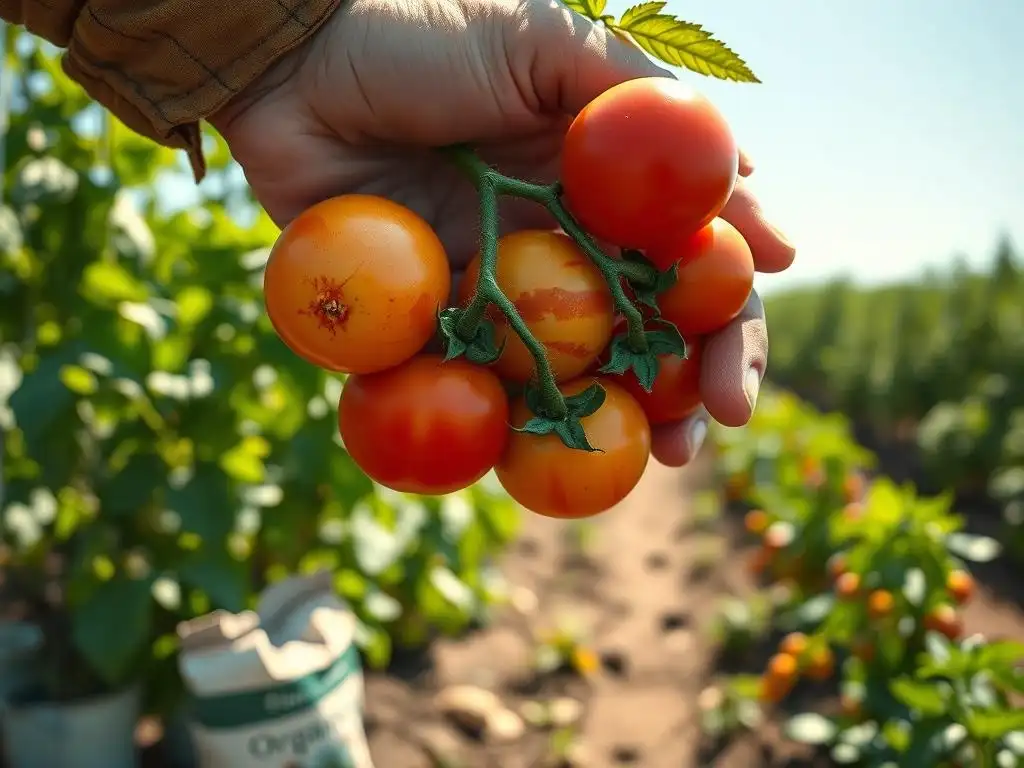
Selecting the perfect organic fertilizer for your heirloom tomatoes is crucial for a bountiful harvest. The best choice depends on several factors, including your soil's existing nutrient levels, the specific needs of your heirloom tomato variety (some are heavier feeders than others), and your personal composting capabilities. Remember, the goal is to provide a balanced supply of essential nutrients – nitrogen (N), phosphorus (P), and potassium (K) – without harming the delicate ecosystem of your garden. Avoid fertilizers with high levels of salt, as these can damage tomato roots.
Always check the NPK ratio on the fertilizer packaging; a balanced ratio, like 5-5-5 or 4-4-4, is generally a good starting point for tomatoes. However, soil testing can provide a precise analysis of your soil's composition, guiding you towards a more tailored fertilizer selection. This ensures you're not over-fertilizing, which can lead to excessive foliage growth at the expense of fruit production, or under-fertilizing, which can result in smaller yields and weaker plants. Consider the following options: commercially available organic fertilizers, homemade compost, and worm castings.
Each offers unique benefits and requires a slightly different approach. The key is to understand your soil and your plants' needs to make an informed decision. Ultimately, the "best" organic heirloom tomato fertilizer is the one that best suits your specific gardening conditions and practices.
Composting for Heirloom Tomatoes: A Step-by-Step Guide
Composting is a fantastic way to create a nutrient-rich, organic fertilizer specifically tailored to your heirloom tomatoes' needs. It's a sustainable practice that reduces waste and improves soil health. Here's a step-by-step guide:
- Gather Materials: Collect kitchen scraps (fruit and vegetable peels, coffee grounds, eggshells), yard waste (grass clippings, leaves), and brown materials (shredded paper, cardboard). Avoid meat, dairy, and oily foods.
- Create Layers: Build your compost pile in layers, alternating green (nitrogen-rich) and brown (carbon-rich) materials. Maintain a roughly equal ratio for optimal decomposition.
- Maintain Moisture: Keep the compost pile consistently moist, like a wrung-out sponge. Regularly turn the pile to introduce oxygen and speed up decomposition.
- Monitor Temperature: The pile should generate heat during decomposition. A consistently warm pile indicates active decomposition.
- Harvest and Use: Once the compost is dark, crumbly, and earthy-smelling (usually after several months), it's ready to use. Incorporate it into your garden soil before planting or as a side dressing around your tomato plants.
Worm Castings: Nature's Gold for Organic Heirloom Tomato Fertilizer
Worm castings, the excrement of earthworms, are a highly effective organic heirloom tomato fertilizer. They're packed with beneficial microorganisms and essential nutrients, making them a superior choice for boosting plant growth and yield. Worm castings are rich in nitrogen, phosphorus, and potassium, but also contain a wide array of micronutrients essential for healthy plant development.
Unlike some other fertilizers, worm castings improve soil structure, enhancing drainage and aeration. This creates a healthier root environment for your heirloom tomatoes to thrive in. They also promote beneficial microbial activity in the soil, further enhancing nutrient uptake.
Applying worm castings is simple: you can mix them into your soil before planting or use them as a top dressing around your plants. The application rate depends on the type of soil and the concentration of the worm castings, but a light scattering around the base of the plants is usually sufficient. Remember that less is often more; over-application can lead to nutrient burn.
Using Aged Manure as an Organic Heirloom Tomato Fertilizer
Aged manure, particularly from herbivores like cows or horses, provides a slow-release source of nutrients for your heirloom tomatoes. It's crucial to use aged manure, as fresh manure can contain harmful pathogens that can damage your plants. Aged manure has undergone decomposition, reducing the risk of burning your plants and making the nutrients more readily available. The decomposition process also neutralizes any harmful substances present in fresh manure.
When using aged manure, incorporate it into the soil several weeks before planting your heirloom tomatoes. This allows the nutrients to break down further and become readily available to your plants. The application rate depends on the type of manure and your soil's nutrient levels. A general guideline is to mix a few inches of aged manure into the top layer of soil.
Avoid placing manure directly against the stems of your tomato plants, as this can lead to rot. Remember to always wear gloves when handling manure to prevent exposure to harmful bacteria. Aged manure, when used correctly, provides a natural and sustainable way to enrich your soil and support healthy heirloom tomato growth.
Seaweed Extract: A Natural Boost for Heirloom Tomato Growth
Seaweed extract, derived from various types of seaweed, is a fantastic organic fertilizer for heirloom tomatoes. It's a rich source of micronutrients, including potassium, nitrogen, and phosphorus – all essential for robust tomato growth and fruit production. Unlike synthetic fertilizers that can burn plants or disrupt soil ecosystems, seaweed extract offers a gentle, balanced approach to plant nutrition.
Its natural components are easily absorbed by the roots, promoting healthy root development and overall plant vigor. This leads to stronger plants that are better equipped to withstand stress, disease, and pest infestations. Furthermore, seaweed extract contains beneficial compounds like cytokinins and auxins, plant hormones that stimulate cell division and growth, leading to larger, healthier fruits.
The application of seaweed extract is straightforward. It can be used as a foliar spray, directly applied to the leaves, or as a soil drench, applied to the soil around the base of the plant. Foliar sprays are particularly effective during periods of stress, like heat waves or drought, as the nutrients are directly absorbed by the leaves.
Soil drenching, on the other hand, provides a longer-lasting supply of nutrients to the roots. The frequency of application depends on the specific product and the needs of the plant, but generally, weekly or bi-weekly applications during the growing season are recommended. Always follow the instructions on the product label for proper dilution and application rates.
Using seaweed extract as part of your organic heirloom tomato fertilizer strategy can significantly increase yields and improve the overall quality of your tomatoes. You'll notice healthier foliage, stronger stems, and larger, more flavorful fruits. The natural components of seaweed extract also contribute to improved soil health, creating a fertile environment for future harvests.
Many gardeners have reported a considerable increase in their heirloom tomato yields after incorporating seaweed extract into their fertilization routine, showcasing its effectiveness as a sustainable and natural solution for boosting plant growth. The sustainable aspect is also crucial for environmentally conscious gardeners, as seaweed farming is generally considered a sustainable practice with minimal environmental impact.
Applying Organic Heirloom Tomato Fertilizer Effectively
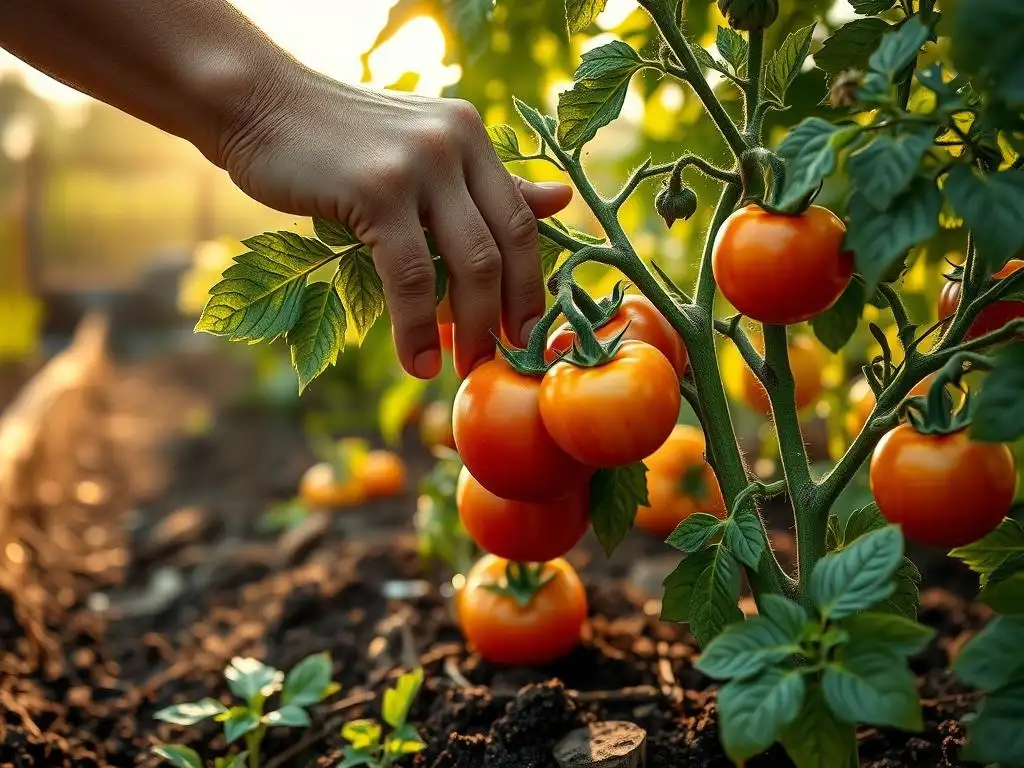
This section delves into the practical application of organic fertilizers to maximize your heirloom tomato yield. We'll explore the optimal timing, various application methods, and the crucial aspect of avoiding over-fertilization, all crucial elements for cultivating healthy and productive heirloom tomato plants. Remember, the key to successful organic gardening is understanding the needs of your plants and responding accordingly. Using the right organic heirloom tomato fertilizer is just one piece of the puzzle.
Timing Fertilizer Application for Optimal Results
The timing of fertilizer application significantly impacts the success of your heirloom tomato crop. Heirloom tomatoes are heavy feeders, requiring consistent nutrition throughout their growing cycle. However, applying fertilizer at the wrong time can be detrimental.
Early in the growing season (seedling stage), your focus should be on promoting strong root development. A light application of a balanced, organic fertilizer is sufficient. This could involve a diluted compost tea or a sprinkle of aged compost around the base of the plant. Avoid high-nitrogen fertilizers at this stage, as they can promote excessive leaf growth at the expense of fruit production.
As the plants begin to flower and set fruit (typically around 6-8 weeks after transplanting), increase the frequency and amount of fertilizer. This is the period of highest nutrient demand. A side-dressing of a well-rotted manure or a liquid feed of seaweed extract can be highly beneficial. Regular feeding during this phase will support abundant fruit development and prevent blossom-end rot, a common problem in tomatoes lacking sufficient calcium.
Once the fruits begin to ripen, reduce the frequency of fertilization. Excessive nitrogen late in the season can negatively impact fruit quality and flavor. Instead, focus on maintaining soil moisture and providing support for the heavy tomato plants to prevent breakage.
Think of it like this: early on, you're building a strong foundation; during flowering and fruiting, you're fueling the engine; and towards the end, you're ensuring a smooth finish. This phased approach to fertilization is essential for optimal results with your organic heirloom tomato fertilizer.
Methods of Applying Organic Heirloom Tomato Fertilizer (e.g., top dressing, side dressing, liquid feed)
Several effective methods exist for applying organic heirloom tomato fertilizer. Each method offers unique advantages, allowing you to tailor your approach to your specific needs and gardening style.
- Top Dressing: This involves spreading a dry organic fertilizer, such as composted manure or bone meal, over the soil surface around the plant. This method is simple and effective, gradually releasing nutrients as they decompose. It's ideal for slow-release fertilizers.
- Side Dressing: This entails applying fertilizer in a band along the side of the plant, a few inches away from the stem. This method is particularly useful for larger plants where top dressing might smother the base. It's effective for both dry and liquid fertilizers.
- Liquid Feed: Liquid fertilizers, such as compost tea or diluted seaweed extract, are applied directly to the soil or foliage. This method provides a rapid supply of nutrients and is particularly beneficial during periods of high demand, like flowering and fruiting. However, avoid overwatering, which can lead to root rot.
| Method | Description | Advantages | Disadvantages |
|---|---|---|---|
| Top Dressing | Spreading dry fertilizer over the soil surface. | Simple, gradual nutrient release. | Can be messy, may attract pests. |
| Side Dressing | Applying fertilizer in a band along the side of the plant. | Effective for larger plants, minimizes contact with stem. | Requires more precise application. |
| Liquid Feeding | Applying diluted fertilizer directly to soil or foliage. | Rapid nutrient uptake, beneficial during periods of high demand. | Requires more frequent application, risk of overwatering and root rot. |
Choosing the right method depends on your preference and the type of fertilizer you're using. Experiment to find what works best for your garden and your organic heirloom tomato fertilizer.
Avoiding Over-fertilizing Heirloom Tomatoes
Over-fertilizing, particularly with nitrogen-rich fertilizers, can be detrimental to heirloom tomatoes. Excessive nitrogen leads to lush foliage at the expense of fruit production, resulting in fewer, smaller tomatoes with reduced flavor. Furthermore, it can make plants more susceptible to diseases.
Signs of over-fertilization include:
- Excessive leaf growth: The plant becomes overly leafy with minimal fruit development.
- Dark green, lush foliage: The leaves are unusually dark and vibrant.
- Delayed or reduced fruiting: The plant produces fewer tomatoes than expected.
- Weak stems: The stems become weak and prone to breakage under the weight of the fruit.
To avoid over-fertilizing, follow the recommended application rates on the fertilizer packaging. Start with lower amounts and gradually increase if necessary, closely monitoring the plant's growth and fruit production. Remember, less is often more when it comes to organic heirloom tomato fertilizer. Healthy soil is the foundation for healthy plants, and a balanced approach to fertilization is key to achieving bountiful harvests.
Pay close attention to your plants and adjust your fertilization strategy as needed. Observe your plants carefully for any signs of distress and adjust accordingly. This mindful approach will ensure your heirloom tomatoes thrive and produce a delicious harvest.
Maintaining Soil Health for Sustainable Heirloom Tomato Production
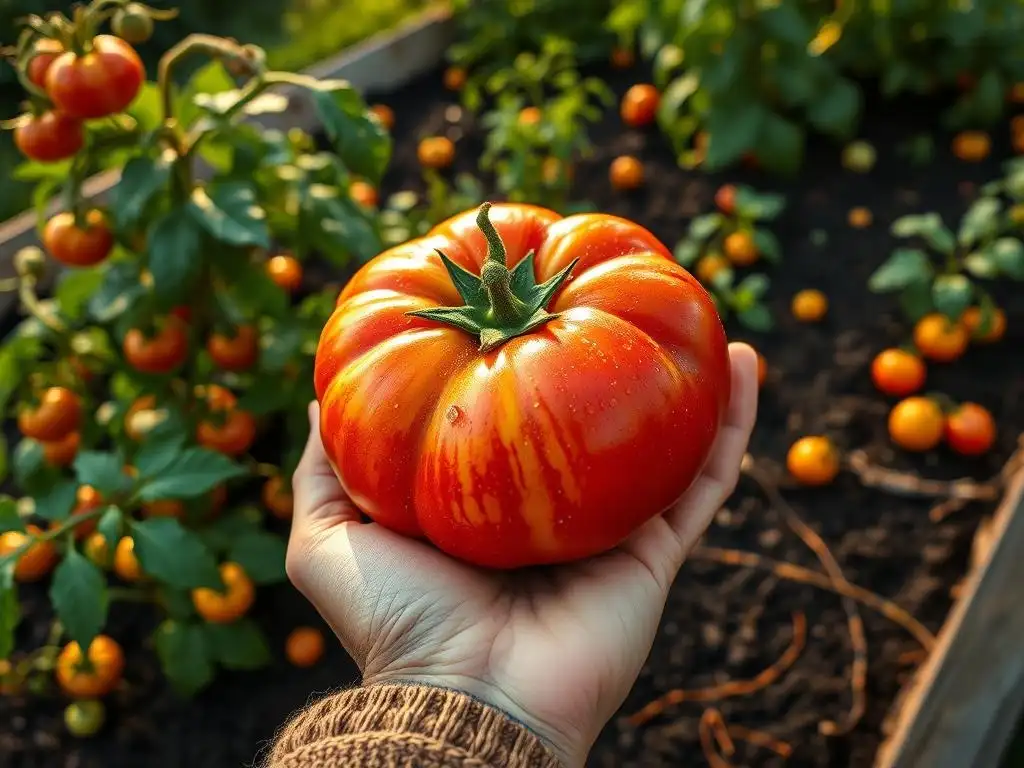
Heirloom tomatoes, prized for their unique flavors and vibrant colors, demand fertile and healthy soil to thrive. Achieving bountiful harvests relies heavily on understanding and maintaining the soil's health, a cornerstone of organic heirloom tomato fertilizer strategies. Neglecting soil health can lead to reduced yields, susceptibility to diseases, and ultimately, disappointing harvests.
This section explores key practices to ensure your heirloom tomato plants receive the optimal nutrients they need for robust growth and fruit production. We'll delve into soil testing, structural improvements, and mulching techniques – all crucial elements in building a thriving ecosystem for your prized plants. Remember, healthy soil equals healthy plants, leading to those juicy, flavorful heirloom tomatoes you've been dreaming of.
Soil Testing for Nutrient Levels in Heirloom Tomato Beds
Before embarking on any fertilization plan, understanding your soil's existing nutrient profile is paramount. A soil test provides invaluable insights into the levels of essential macronutrients (nitrogen, phosphorus, and potassium) and micronutrients (iron, zinc, manganese, etc.) present in your heirloom tomato beds. This information is crucial for tailoring your organic heirloom tomato fertilizer strategy. A deficiency in a specific nutrient can manifest in various ways, including stunted growth, yellowing leaves (chlorosis), or poor fruit development. A comprehensive soil test will identify these deficiencies, enabling you to address them effectively with targeted amendments.
For instance, a test revealing low phosphorus levels might indicate a need for incorporating bone meal or rock phosphate into the soil. Similarly, a potassium deficiency might necessitate the addition of wood ash or kelp meal. Remember, the results of your soil test will be unique to your specific growing conditions and soil type.
Don't rely on general recommendations; rather, tailor your approach based on the specific data obtained from your test. The investment in a professional soil test is a small price to pay for the potential for significantly increased yields and healthier plants. Regular soil testing, ideally annually, allows for proactive management and prevents nutrient imbalances from developing.
Improving Soil Structure for Better Nutrient Uptake
Optimal soil structure is crucial for healthy heirloom tomato growth. A well-structured soil allows for efficient water drainage, aeration, and nutrient uptake. Compacted soil, on the other hand, hinders root development and limits access to essential nutrients, even if they are present. Improving soil structure involves incorporating organic matter, such as compost, aged manure, or leaf mold. These materials enhance soil porosity, creating spaces for air and water to circulate freely. This improved aeration is particularly beneficial to the roots of your heirloom tomato plants, promoting healthy growth and maximizing nutrient absorption.
Consider the following practical steps: Before planting, till the soil to a depth of at least 12 inches, incorporating a generous amount of compost. This process breaks up compacted areas, creating a more hospitable environment for roots. Regularly adding organic matter throughout the growing season, such as by side-dressing with compost tea, further improves soil structure and provides a continuous supply of nutrients.
The addition of organic matter also improves the soil's water retention capacity, reducing the frequency of watering and minimizing water stress on your plants. Remember, a healthy soil structure is a key component of any successful organic heirloom tomato fertilizer program.
Mulching Techniques to Enhance Soil Health and Retain Moisture
Mulching is a powerful technique to enhance soil health and improve the overall growing conditions for your heirloom tomatoes. A layer of mulch, applied around the base of your plants, offers several benefits. Firstly, it helps retain soil moisture, reducing the need for frequent watering and minimizing water stress, especially during hot and dry periods. This is particularly crucial for heirloom tomatoes, which require consistent moisture for optimal fruit development. Secondly, mulch suppresses weed growth, reducing competition for nutrients and water. This directly benefits your heirloom tomato plants, ensuring they receive the maximum resources available.
Furthermore, organic mulches such as straw, shredded leaves, or wood chips decompose slowly, adding organic matter to the soil over time. This improves soil structure, increases nutrient availability, and supports a healthy soil ecosystem. The decomposition process also releases beneficial microorganisms that enhance nutrient cycling and contribute to overall soil health.
The use of mulch provides a more stable soil temperature, protecting the roots from extreme temperature fluctuations, which can negatively impact plant health. Finally, mulch helps prevent soil erosion, particularly beneficial on sloped areas or during periods of heavy rainfall. Incorporating mulching into your organic heirloom tomato fertilizer strategy is a simple yet highly effective way to promote healthy plant growth and maximize your harvest.
Troubleshooting Common Heirloom Tomato Nutrient Issues
Heirloom tomatoes, prized for their unique flavors and vibrant colors, require specific nutrients for optimal growth and fruit production. While organic heirloom tomato fertilizer is key, understanding and addressing nutrient deficiencies is crucial for a bountiful harvest. This section details common problems and their organic solutions, ensuring your plants thrive. Ignoring these issues can lead to reduced yields and compromised fruit quality. Let's delve into the most frequent challenges faced by heirloom tomato growers.
Addressing Blossom-End Rot in Heirloom Tomatoes
Blossom-end rot, characterized by a dark, leathery spot at the blossom end of the tomato fruit, is a prevalent issue stemming from inconsistent calcium uptake. This isn't necessarily a lack of calcium in the soil, but rather an inability of the plant to absorb it efficiently. Several factors contribute to this:
- Irregular Watering: Fluctuations in soil moisture stress the plant, hindering calcium absorption. Consistent watering, avoiding both overwatering and underwatering, is crucial. Aim for evenly moist soil, checking regularly and adjusting watering based on weather conditions.
- Soil pH Imbalance: A soil pH that's too high (alkaline) can reduce calcium availability. Testing your soil's pH is recommended. Amendments like elemental sulfur can lower pH if necessary.
- High Salt Concentration: Excessive salts in the soil can interfere with nutrient uptake, including calcium. Avoid over-fertilizing, especially with fertilizers high in sodium or chloride.
- Nutrient Imbalances: An imbalance of other nutrients, particularly potassium, can also interfere with calcium uptake. Maintaining a balanced nutrient profile is essential.
Solutions:
- Consistent Watering: Maintain even soil moisture. Mulching helps regulate soil moisture and temperature.
- Soil pH Adjustment: Amend the soil with sulfur if the pH is too high.
- Calcium Supplements: Apply a calcium-rich organic fertilizer, such as bone meal or eggshells (crushed and composted). Foliar sprays of calcium chloride can provide a quick fix, but address the root cause as well.
- Balanced Fertilization: Use a balanced organic fertilizer appropriate for tomatoes.
Yellowing Leaves and Nutrient Deficiency in Heirloom Tomatoes
Yellowing leaves are a common symptom indicating various nutrient deficiencies. The pattern and location of yellowing can often pinpoint the specific nutrient lacking. For instance:
- Nitrogen Deficiency: Yellowing generally starts on older, lower leaves, progressing upwards. Leaves may become pale green or yellow, and growth may be stunted.
- Potassium Deficiency: Yellowing may appear between leaf veins, with leaf margins becoming brown and scorched.
- Magnesium Deficiency: Yellowing often appears between leaf veins, primarily on older leaves, with the veins remaining green.
- Iron Deficiency: Yellowing appears on newer leaves, with veins remaining green (chlorosis). This can be exacerbated by high soil pH.
Solutions:
| Nutrient Deficiency | Symptoms | Organic Solutions |
|---|---|---|
| Nitrogen | Yellowing of older leaves | Compost tea, aged manure, cover crops |
| Potassium | Yellowing between leaf veins, leaf scorch | Wood ash (use sparingly), kelp meal |
| Magnesium | Yellowing between leaf veins | Epsom salts (diluted solution), dolomite lime |
| Iron | Yellowing of new leaves | Chelated iron (ensure it's organic/naturally derived) |
Remember to always follow product instructions when applying any fertilizer or soil amendment. Over-application can be detrimental to your plants.
Preventing and Treating Common Heirloom Tomato Diseases with Organic Methods
Preventing and treating diseases organically is crucial for maintaining healthy heirloom tomato plants. Several methods can help:
- Crop Rotation: Rotating your tomato crops annually helps prevent the buildup of soilborne pathogens.
- Disease-Resistant Varieties: Choosing disease-resistant heirloom tomato varieties can significantly reduce the risk of infection.
- Good Sanitation: Removing infected plant debris promptly prevents the spread of diseases. Proper sanitation includes removing fallen leaves and fruits.
- Proper Spacing: Ensuring adequate spacing between plants promotes good air circulation, reducing the humidity that favors fungal diseases.
- Organic Fungicides: For existing infections, consider organic fungicides like copper sprays or neem oil, following label instructions carefully. These can help control fungal diseases, but prevention is always better than cure. Consider using compost tea as a preventative measure, strengthening the plant's immune system.
Using organic methods is not only environmentally friendly but also helps to maintain the soil's health and biodiversity, leading to healthier and more productive tomato plants. Regular observation and prompt action are key to preventing serious issues. 🌱
Frequently Asked Questions
What is the best fertilizer for organic heirloom tomatoes?
A balanced organic fertilizer, like compost tea or a mixture of compost, worm castings, and bone meal, provides the essential nutrients for healthy heirloom tomato growth. Avoid fertilizers high in nitrogen, which can lead to excessive foliage and fewer tomatoes.
How often should I fertilize my heirloom tomatoes?
Fertilize your heirloom tomatoes every 2-3 weeks during the growing season, starting after the initial transplant. Adjust frequency based on your soil's nutrient levels and plant's growth.
Can I use store-bought organic fertilizers for my heirloom tomatoes?
Yes, many store-bought organic fertilizers are suitable for heirloom tomatoes. Look for options specifically formulated for vegetables or tomatoes, and always follow the package instructions carefully.
What are the signs of nutrient deficiency in my heirloom tomatoes?
Signs include yellowing leaves, stunted growth, or poor fruit production. These could indicate a need for additional fertilizer or soil amendment. Consult a soil test for a precise diagnosis.
Are there any natural pest control methods compatible with organic heirloom tomato fertilization?
Yes! Companion planting (e.g., basil, marigolds) can deter pests. Other natural methods include introducing beneficial insects and using neem oil for pest control. Avoid harsh chemicals to maintain organic practices.
Final Reflection: Nurturing the Legacy of Flavor
The resurgence of heirloom tomatoes, coupled with a growing awareness of sustainable practices, highlights the critical importance of natural fertilization. We are not simply growing food; we are cultivating a connection to the past and a responsible future for our planet. The methods discussed in this article are not just about bigger tomatoes; they are about building healthier soil, supporting biodiversity, and ensuring the continued enjoyment of these flavorful treasures for generations to come.
The shift towards organic gardening is more than a trend; it's a fundamental shift in our relationship with the land. It's a recognition that the health of our soil directly impacts the health of our food and, ultimately, our own well-being. The glory of gardening: hands in the dirt, head in the sun, heart with nature. To nurture a garden is to feed not just the body, but the soul.
This quote perfectly encapsulates the profound satisfaction derived from nurturing heirloom tomatoes with natural fertilizers, a process that connects us to a deeper, more meaningful relationship with the earth.
Consider the legacy you want to leave behind. Will it be one of depleted soil and chemically-laden produce, or one of vibrant gardens teeming with life and bursting with flavor? You have the power to choose. By embracing the principles of organic gardening, by selecting natural fertilizers, and by nurturing your heirloom tomatoes with care, you are not only cultivating a bountiful harvest, but also cultivating a healthier future for yourself, your community, and the planet. Start small, experiment, and enjoy the journey of growing your own delicious, organically-grown heirloom tomatoes.
Unlock Your Tomato's Full Potential: A Bountiful Harvest Awaits!
Thank you for learning about nurturing your heirloom tomatoes with natural fertilizers! We hope you've gained valuable insights into creating the perfect growing environment for an exceptional harvest. Now it's time to put your knowledge into practice.
- Start enriching your soil today! Begin preparing your garden beds with a natural fertilizer blend, ensuring your tomatoes receive optimal nutrients for vibrant growth and delicious fruit. A balanced blend of compost, aged manure, and bone meal is a great starting point.
- Share your gardening journey! Post a picture of your thriving tomato plants on social media using #CultivateYourFood and #HeirloomTomatoes – let's inspire each other!
- Experiment with different natural fertilizer combinations to discover what works best for your soil and climate. What unique blend will you create for next year's harvest? Perhaps a blend tailored to your specific soil's pH level would yield impressive results.
Ready to witness the magic of nature's bounty? What's the first step you'll take to cultivate healthier, happier heirloom tomatoes?