
Using Sticky Traps: An Organic Method for Monitoring Pests

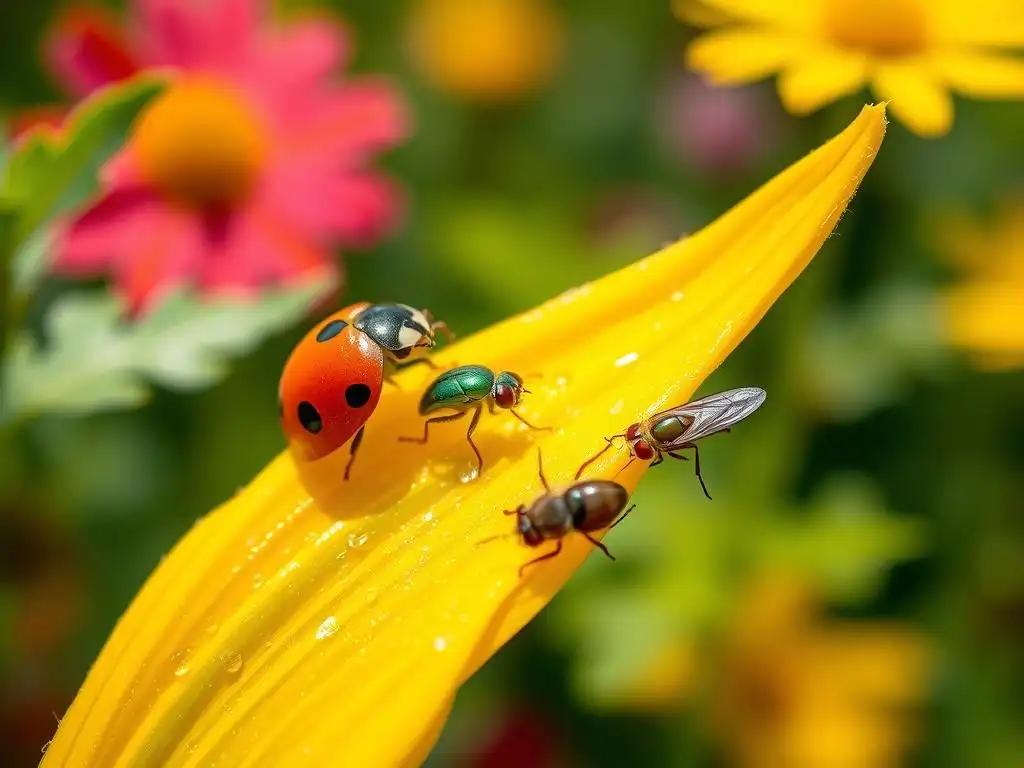
Ready to transform your backyard into a thriving, organic oasis? At CultivateYourFood, we empower you to grow your own fruits, vegetables, and herbs sustainably. Discover the secrets to a bountiful harvest, starting with our in-depth guide on organic pest monitoring sticky traps – a simple yet effective method for protecting your precious plants. Learn how to identify and manage pests naturally, ensuring healthy growth from seed to harvest. Let's cultivate a greener future, together!
- Understanding Organic Pest Monitoring with Sticky Traps
- Setting Up and Using Sticky Traps Effectively
- Interpreting Sticky Trap Results and Taking Action
- Beyond Sticky Traps: Complementary Organic Pest Control Strategies
- Case Study: Monitoring Aphids with Sticky Traps in a Home Vegetable Garden
- Frequently Asked Questions
- Final Reflection: The Enduring Power of Observation in Organic Pest Management
- Unveil Your Garden's Secret Guests: Take Action Now!
Understanding Organic Pest Monitoring with Sticky Traps
Protecting your homegrown fruits, vegetables, and herbs from pests is crucial for a successful and sustainable harvest. While chemical pesticides offer a quick fix, they often harm beneficial insects, contaminate the soil, and ultimately, your produce. This article delves into a powerful, environmentally friendly, and highly effective organic pest control method: sticky traps.
We'll explore how these simple yet ingenious tools can help you monitor pest populations, allowing for early intervention and preventing widespread infestations, aligning perfectly with the principles of organic gardening and the goal of cultivating healthy, pesticide-free food. Learning to effectively utilize sticky traps is a cornerstone of proactive organic pest management, enabling you to cultivate a thriving garden without resorting to harmful chemicals.
This method allows for precise monitoring, identifying the specific pests affecting your plants, and guiding your pest control strategy accordingly. Let's discover how sticky traps can become your invaluable allies in the quest for a bountiful and healthy organic harvest.
What are Sticky Traps and How Do They Work?
Sticky traps are passive monitoring tools used in organic gardening to detect and capture small insects. They typically consist of a sticky surface, often a coated cardboard or plastic sheet, strategically placed within or near plants. These traps attract insects through various mechanisms, including visual cues (bright colors), pheromones (insect attractants), or the natural attraction to certain plants. Once an insect lands on the sticky surface, it becomes trapped, allowing you to identify the pest and assess the severity of the infestation.
This information is crucial for making informed decisions about your pest management strategy. The simplicity of their design and application makes sticky traps an accessible and convenient method for even novice gardeners. Moreover, their use requires minimal disruption to the delicate ecosystem within your garden.
The effectiveness of sticky traps depends on several factors, including:
- Placement: Strategically positioning the traps near vulnerable plants or areas where pests are known to congregate is essential.
- Type of Trap: Different traps are designed to attract specific pests, so selecting the appropriate type is crucial.
- Regular Monitoring: Regularly checking and replacing traps is vital to accurately assess pest populations and prevent saturation.
Regularly inspecting these traps allows you to:
- Identify the specific pests affecting your plants.
- Determine the severity of the infestation.
- Track the effectiveness of your pest management strategies.
Benefits of Using Sticky Traps for Pest Monitoring in Your Garden
Using sticky traps for pest monitoring offers several significant advantages within an organic gardening framework:
- Early Detection: Sticky traps provide early warning signs of potential infestations, enabling timely intervention before significant damage occurs. This proactive approach minimizes crop losses and reduces the need for more aggressive control measures.
- Targeted Approach: By identifying the specific pests present, you can tailor your pest management strategy, avoiding unnecessary interventions that might harm beneficial insects.
- Reduced Chemical Use: Sticky traps are a completely organic method, eliminating the need for harmful chemical pesticides and preserving the health of your soil and plants. This contributes to a more sustainable and environmentally friendly gardening practice.
- Cost-Effective: Sticky traps are relatively inexpensive and readily available, making them an accessible and economical solution for organic pest control.
- Easy to Use: Their simple design and application make sticky traps user-friendly, even for beginners. No special skills or equipment are required.
- Non-Invasive Monitoring: Sticky traps offer a non-invasive way to monitor pest populations, avoiding the disturbance and potential harm associated with other methods.
Types of Sticky Traps for Different Pests (Fruit Flies, Aphids, Whiteflies etc.)
Sticky traps are available in various designs and formulations, each tailored to attract specific pests. For example:
| Pest Type | Trap Type | Attracting Method |
|---|---|---|
| Fruit Flies | Yellow sticky traps with fruit lure | Visual attractant (yellow color), pheromones |
| Aphids | Green or yellow sticky traps near plants | Visual attractant (green/yellow), plant proximity |
| Whiteflies | Yellow sticky traps | Visual attractant (yellow color) |
| Thrips | Blue sticky traps | Visual attractant (blue color) |
The choice of trap depends on the specific pest you're targeting. Some traps utilize visual attractants (bright colors), while others incorporate pheromones or other attractants to lure the insects. It is important to select the appropriate trap type for optimal effectiveness. Remember to always check and replace your sticky traps regularly to maintain their effectiveness and accurately monitor pest populations. This consistent monitoring is key to successfully implementing this organic pest control strategy.
Choosing the Right Sticky Trap for Your Needs
Selecting the appropriate sticky trap is crucial for effective organic pest monitoring. The wrong trap can lead to inaccurate data and ineffective pest management. Several factors influence your choice, including the target pest, the size and shape of the trap, and the adhesive used.
For instance, smaller traps are ideal for monitoring smaller insects like aphids or whiteflies. Their compact size allows for placement in dense foliage where these pests often congregate. Larger traps, conversely, are better suited for larger insects or flying pests such as moths or leafhoppers.
Consider the typical size of the pests you expect to find in your garden to make an informed decision. The shape also matters; some traps are designed to attract specific insects based on their flight patterns or preferred landing sites. For example, a triangular trap might be more effective for certain types of moths compared to a rectangular one.
The adhesive is another critical aspect. While many traps use a non-toxic, sticky substance, the quality and longevity of this adhesive vary significantly. Some adhesives are more durable and weather-resistant, making them suitable for outdoor use, even in rainy conditions. Others might dry out quickly or lose their effectiveness in extreme temperatures.
Look for traps with a long-lasting, strong adhesive to ensure consistent monitoring throughout the growing season. Furthermore, consider the color of the trap. Certain colors are more attractive to certain pests. Yellow sticky traps, for instance, are particularly effective at attracting aphids and whiteflies.
Blue traps, on the other hand, can be useful for monitoring other insects like thrips. Experimentation might be necessary to determine which color works best for your specific pest problems. Don't forget to also consider the material of the trap itself; some are made from biodegradable materials, fitting in better with your organic gardening goals.
Choosing the right sticky trap isn't just about the physical attributes; it's also about considering your specific needs and the challenges your garden faces. Regularly assessing your trap's effectiveness and making adjustments as needed is key to successfully monitoring your garden's health organically.
Setting Up and Using Sticky Traps Effectively
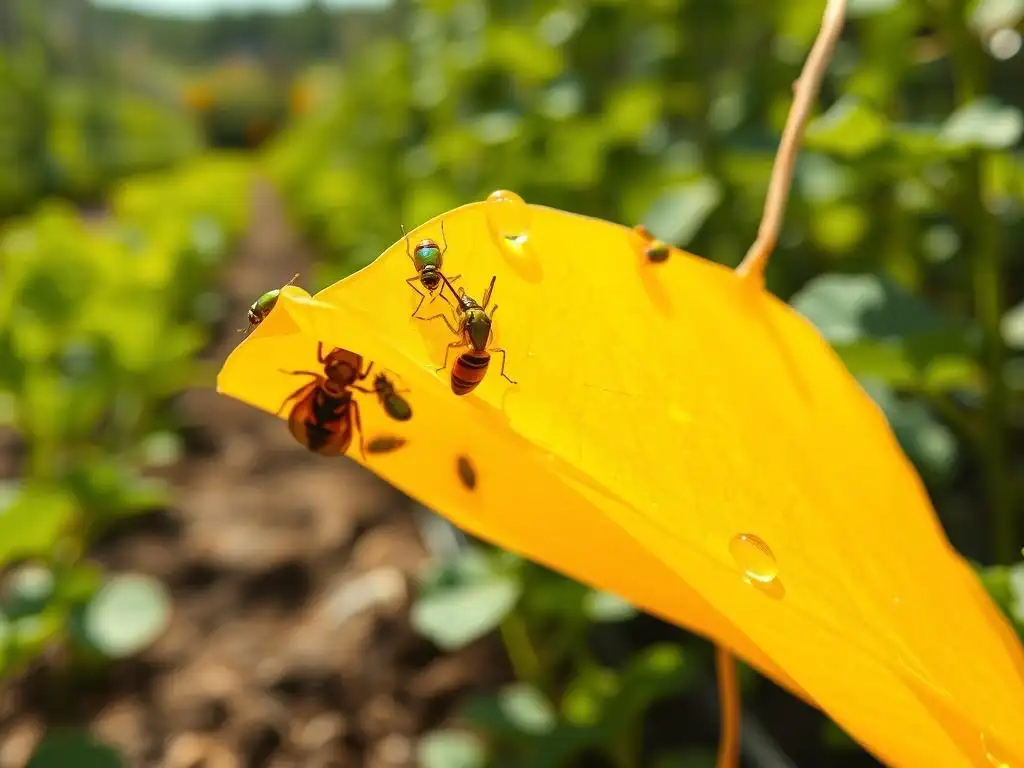
This section details the practical application of sticky traps for effective organic pest monitoring. Understanding proper setup and data interpretation is crucial for maximizing their usefulness in your garden. Remember, sticky traps are a valuable tool for organic pest monitoring, allowing early detection and minimizing the need for harsh chemical interventions. Let's delve into the specifics.
Selecting the Optimal Location for Trap Placement
Strategic placement significantly impacts the effectiveness of sticky traps. You need to consider the target pest's behavior and typical habitat within your garden. For example, flying insects like aphids and whiteflies will be most effectively caught in traps placed near the tops of plants or in areas with high plant density. Crawling insects, such as slugs and caterpillars, are better monitored using traps placed lower down, perhaps near the base of plants or on the ground.
Consider these factors when choosing locations:
- Pest Behavior: Observe your plants for signs of pest activity. Where are the pests congregating? Are they primarily on the leaves, stems, or fruit? Place traps strategically in these areas.
- Plant Density: In dense plantings, multiple traps may be necessary to adequately monitor pest populations. Space them evenly to ensure comprehensive coverage.
- Wind and Weather: Avoid placing traps in areas exposed to strong winds, as this can reduce their effectiveness and even damage them. Consider sheltered locations.
- Accessibility: Choose locations that are easily accessible for regular monitoring and trap replacement.
Remember, the goal is to intercept pests before they cause significant damage. Strategic placement is key to achieving this.
Preparing the Sticky Traps for Deployment
Before deploying your sticky traps, a little preparation goes a long way. While many commercially available traps come ready-to-use, some may require assembly or additional preparation to optimize their effectiveness.
Here's a step-by-step guide:
- Inspect the Trap: Carefully check the trap for any damage or defects before use. Ensure the adhesive is intact and not dried out.
- Choose the Right Trap: Select a trap appropriate for the size and type of pest you are monitoring. Different traps are designed for different pest sizes and behaviors. For example, a trap designed for small flying insects won't be as effective against larger crawling insects.
- Secure Placement: Use the provided mounting mechanisms to securely attach the trap to the plant or support structure. Ensure it's firmly in place and won't easily fall off. Consider using zip ties or twine for extra security, especially in windy conditions.
- Avoid Overcrowding: If using multiple traps, ensure they are spaced appropriately to avoid interfering with each other's effectiveness. Overcrowding can also make monitoring more difficult.
- Consider Lures (Optional): Some sticky traps can be enhanced with pheromone lures or other attractants to increase their effectiveness. These lures are specifically designed to attract particular pests, improving the accuracy of your monitoring.
Monitoring and Interpreting Trap Data: Identifying Pest Pressure
Regular monitoring is crucial for interpreting the data provided by your sticky traps. This allows for early detection of pest infestations and informs your decision-making regarding pest management strategies.
Here's how to effectively monitor and interpret your findings:
- Frequency of Checks: Check your traps regularly, ideally once a week, or more frequently if necessary, depending on the pest pressure and the type of pest you're monitoring. More frequent checks are needed during periods of high pest activity.
- Record Keeping: Keep a detailed record of the number of pests caught on each trap, the date, and the location of the trap. This data will help you track pest populations over time and identify any trends. Use a simple spreadsheet or notebook to record your observations.
- Pest Identification: Identify the caught pests to understand the specific types of insects or other organisms present in your garden. This is essential for implementing targeted control measures. Use a field guide or online resources for identification.
- Interpreting Results: A high number of pests caught indicates a potential problem. This data, combined with visual inspections of your plants, will help you determine the severity of the infestation and inform your organic pest management plan. Low numbers indicate a low pest pressure and your proactive monitoring is effective.
By diligently monitoring your sticky traps and meticulously recording your observations, you can effectively manage pest populations in your garden using organic pest monitoring sticky traps. This proactive approach minimizes the need for aggressive interventions and helps maintain a healthy and thriving garden ecosystem.
Replacing and Maintaining Sticky Traps for Continuous Monitoring
Regular replacement and maintenance of your sticky traps are crucial for effective organic pest monitoring. Failing to do so can lead to inaccurate data and a compromised understanding of your garden's pest population. Sticky traps, while effective, aren't a permanent solution; their adhesive power diminishes over time, and they become less effective at capturing insects. Furthermore, a trap saturated with insects can hinder the capture of new pests, providing a misleading picture of the infestation's severity.
The frequency of replacement depends largely on several factors. The climate plays a significant role; humid conditions can cause the adhesive to lose its stickiness faster than in drier climates. The type of pest also influences the replacement schedule. For example, smaller insects like aphids might accumulate quickly, requiring more frequent changes than traps targeting larger, less numerous pests like beetles. Finally, the density of the pest population within your garden will determine how rapidly the traps fill. In areas with high pest pressure, more frequent replacement is necessary.
A good rule of thumb is to inspect your sticky traps at least once a week. Look for signs of reduced adhesiveness – insects failing to stick properly or easily detaching – or traps that are completely full. For smaller gardens with fewer traps, a weekly visual check might suffice.
Larger gardens or those with known high pest pressure might benefit from more frequent, perhaps even daily, inspections, especially during peak pest seasons. When replacing, always dispose of the old traps responsibly, following local guidelines for waste disposal of sticky materials. This prevents accidental harm to beneficial insects or wildlife.
Remember, consistent monitoring is key to implementing effective organic pest control strategies. The data gleaned from your sticky traps allows you to make informed decisions about the necessity and timing of other organic pest control measures. Don't underestimate the value of consistent trap maintenance in your overall organic pest management plan; it is an integral part of successfully cultivating a thriving and healthy garden.
Interpreting Sticky Trap Results and Taking Action
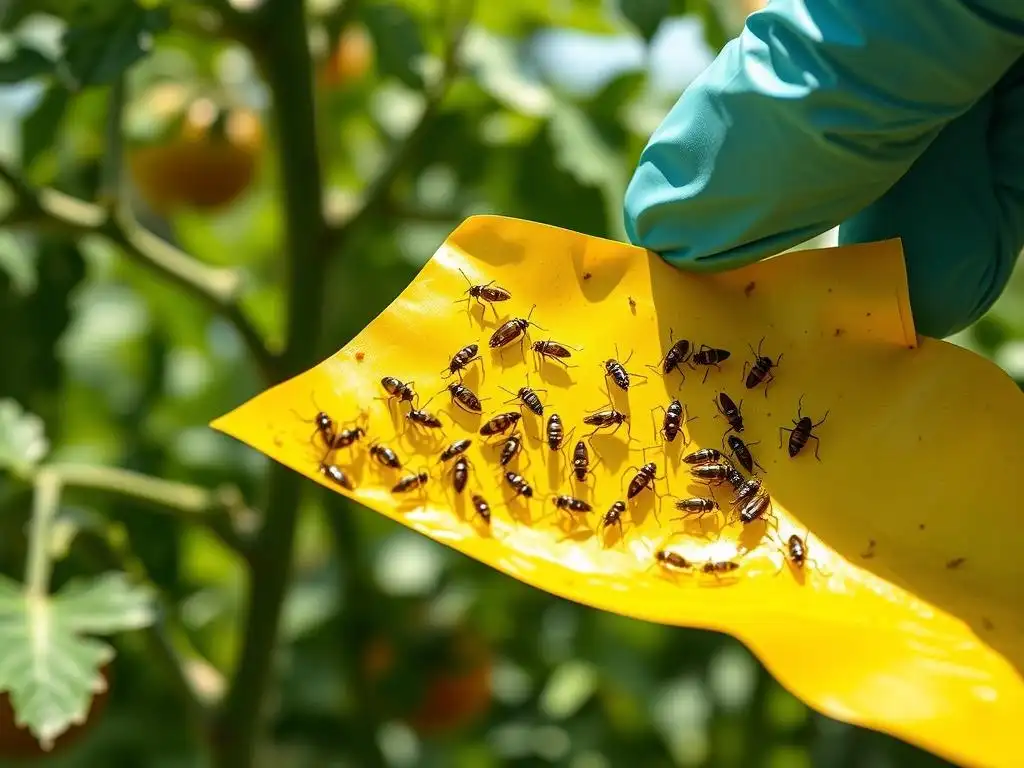
Sticky traps, a cornerstone of organic pest monitoring, provide invaluable data for effective pest management. However, simply placing the traps isn't enough; understanding the information they reveal is crucial for successful pest control. This section will guide you through interpreting your sticky trap results and translating that data into actionable steps for protecting your garden. Accurate interpretation of your "organic pest monitoring sticky traps" is key to successful organic gardening.
Identifying Pests Caught in Sticky Traps: A Visual Guide
Identifying the specific pests captured is the first step. This requires a keen eye and potentially some reference materials. Many common garden pests have distinct characteristics visible even on a sticky trap.
Consider using a magnifying glass for closer inspection, especially for smaller insects. A good field guide or online resources with high-quality images can be invaluable. Note the following characteristics when identifying your captured pests:
- Size and Shape: Measure the insect (or at least estimate its size) and note its overall body shape (elongated, rounded, etc. ).
- Color and Markings: Record the insect's color(s) and any distinctive markings, such as stripes, spots, or patterns.
- Number of Legs and Wings: Count the number of legs and wings to help with identification. This is particularly helpful in distinguishing between insects and other arthropods.
- Antennae Shape: The shape and length of the antennae can be a significant identifying feature.
Here's a simplified example:
| Characteristic | Pest A (Aphid) | Pest B (Whitefly) |
|---|---|---|
| Size | Tiny (1-3mm) | Small (1-2mm) |
| Shape | Pear-shaped | Oval-shaped |
| Color | Green, yellow, or black | White |
| Wings | Some species have wings; others are wingless | Two pairs of small, white wings |
| Antennae | Relatively short and thick | Long and thread-like |
Remember, accurate identification is paramount for choosing the most effective and targeted control measures. If you are unsure about a pest's identity, consider seeking advice from experienced gardeners or local agricultural extension services.
Determining Pest Population Levels Based on Trap Data
Simply identifying the pests is only half the battle. Analyzing the number of pests caught provides crucial information about population levels and the potential threat to your crops. Regular monitoring with your "organic pest monitoring sticky traps" allows you to track population trends over time.
Consider these points when assessing population levels:
- Trap Placement: The number of pests caught will vary depending on trap placement. Traps placed near known pest hotspots will naturally catch more insects.
- Trap Type: Different trap designs have varying levels of effectiveness.
- Environmental Factors: Weather conditions (temperature, humidity, rainfall) can significantly influence pest activity and trap efficacy.
- Time of Year: Pest populations fluctuate throughout the growing season.
To gain a clearer picture, consider using multiple traps strategically placed throughout your garden. Keep detailed records of the number of pests caught per trap per day or week, noting the date and any relevant environmental factors. This data will help you track population trends and anticipate potential outbreaks. A sharp increase in the number of pests caught could signal the need for immediate action. Conversely, consistently low numbers might indicate that your current pest management strategies are effective.
Implementing Integrated Pest Management (IPM) Strategies Based on Findings
Once you've identified the pests and assessed their population levels, you can develop a targeted integrated pest management (IPM) strategy. IPM emphasizes a holistic approach, prioritizing prevention and minimizing the use of pesticides. Your "organic pest monitoring sticky traps" data is the foundation of this approach.
Based on your trap data, consider these IPM strategies:
- Cultural Controls: If pest numbers are low, cultural controls might suffice. This could involve adjusting planting times, improving soil health, or practicing crop rotation.
- Biological Controls: Introduce beneficial insects (ladybugs, lacewings) that prey on the target pest. This is particularly effective for smaller infestations.
- Mechanical Controls: For larger infestations, you might need to handpick pests or use barriers to prevent access to plants.
- Organic Pesticides: As a last resort, consider using organic pesticides, but only if absolutely necessary and after careful consideration of their impact on beneficial insects and the environment.
Remember, proactive monitoring using sticky traps is essential for early detection and timely intervention. Regularly checking your traps and adapting your IPM strategy based on the data will ensure the long-term health and productivity of your garden. Consistent use of "organic pest monitoring sticky traps" empowers you to make informed decisions, leading to a thriving and sustainable garden.
Organic Pest Control Methods After Sticky Trap Monitoring
Sticky traps provide invaluable data on pest populations, but they don't eradicate the problem. Understanding the information gleaned from your traps is only the first step in effective organic pest control. The next crucial phase involves implementing appropriate, sustainable solutions based on your findings. This might involve a multi-pronged approach, combining several organic strategies for maximum impact.
For instance, if your sticky traps reveal a significant aphid infestation on your roses, simply removing the trapped aphids won't solve the problem. Instead, you'll need to consider a range of organic control methods. This could include introducing beneficial insects like ladybugs, which are voracious aphid predators. Releasing a batch of ladybugs near the affected roses can significantly reduce the aphid population naturally.
You could also use a strong spray of water to dislodge aphids from the plants, followed by a neem oil application. Neem oil acts as a natural insecticide, disrupting the aphids' life cycle. Remember to always follow the instructions on the neem oil packaging carefully.
Another example: Let's say your traps consistently catch whiteflies on your tomato plants. This indicates a need for more comprehensive measures beyond simply removing the trapped insects. Introducing beneficial nematodes to the soil is a great organic strategy. These microscopic worms target the whitefly larvae in the soil, preventing future generations from emerging. Additionally, regularly inspecting the undersides of the leaves (where whiteflies tend to congregate) and manually removing them can help keep populations in check. Combining these techniques — beneficial nematodes and manual removal — offers a more robust organic pest control strategy than either method alone.
The key to successful organic pest management is a proactive approach. Regular monitoring using sticky traps, coupled with strategic implementation of organic control methods, is crucial. Don't wait for a massive infestation before acting. Early detection and timely intervention will minimize the damage and maintain the health of your plants.
Remember to always carefully consider the specific pest identified and the unique needs of your plants when choosing an organic control method. Effective organic pest control requires observation, planning, and a flexible approach to ensure the ongoing health and vitality of your garden. The information from your sticky traps is your roadmap to a thriving, pest-resistant garden.
Beyond Sticky Traps: Complementary Organic Pest Control Strategies
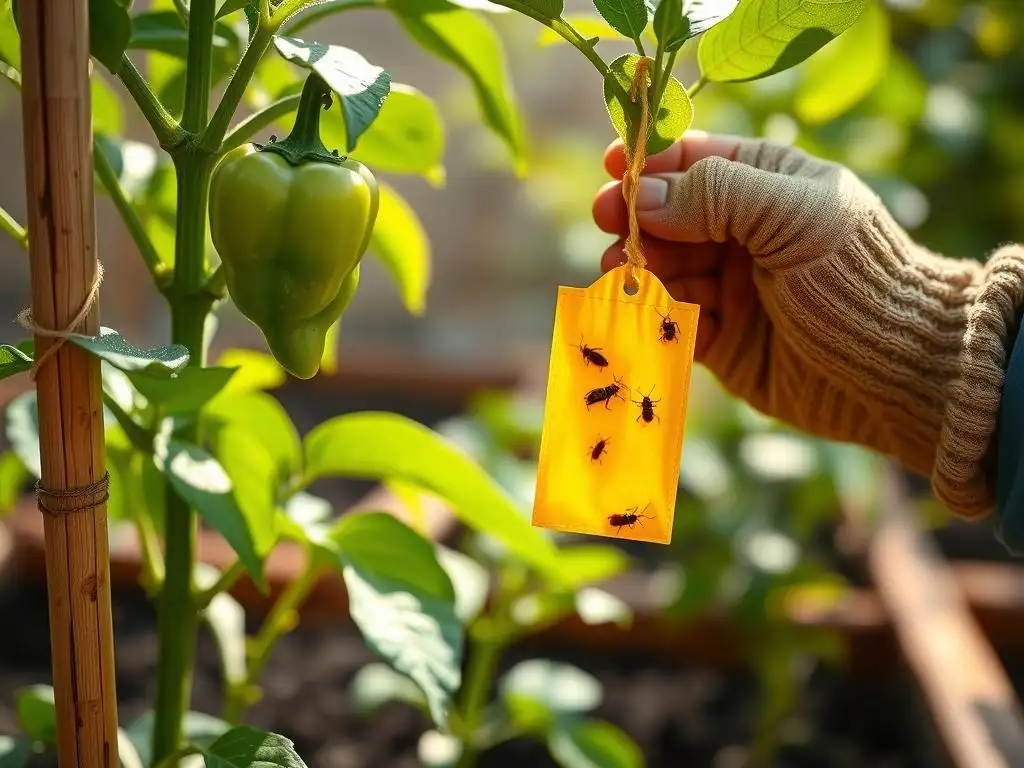
Sticky traps offer a valuable tool for organic pest monitoring, providing early warning signs of infestations. However, relying solely on them isn't a comprehensive pest management strategy. Effective organic pest control requires a multi-pronged approach that combines monitoring with proactive preventative measures and targeted interventions. Think of sticky traps as part of a larger ecosystem of pest management, not the whole solution. This section explores complementary strategies to enhance your organic pest control efforts.
Natural Predators and Beneficial Insects for Pest Control
Introducing beneficial insects into your garden can significantly reduce pest populations naturally. These natural predators act as a biological control, keeping pest numbers in check without resorting to harmful chemicals. For example, ladybugs are voracious aphid eaters, while lacewings effectively control mealybugs and other soft-bodied insects. Praying mantises are generalist predators, feeding on a wide range of pests.
The success of this method hinges on creating a habitat attractive to these beneficial insects. Planting flowering plants that provide nectar and pollen is crucial. Dill, fennel, and yarrow are excellent choices, providing food and shelter for many beneficial insects. Avoid using broad-spectrum insecticides, as these can harm beneficial insects along with pests. Strategic placement of shelter, such as small piles of rocks or leaf litter, can also encourage beneficial insect colonization.
Careful observation is key; monitor your garden regularly to assess the effectiveness of your beneficial insect population. If pest numbers remain high despite the presence of predators, consider supplementary control methods. Remember, a balanced ecosystem is your best defense against pests. This approach is a cornerstone of effective organic pest monitoring and control.
Organic Sprays and Homemade Pest Repellents
While sticky traps help monitor pest activity, organic pest monitoring also involves proactively deterring pests. Organic sprays and homemade repellents offer a safe and effective way to manage minor infestations and prevent larger outbreaks. These options avoid harsh chemicals, protecting beneficial insects and your family.
Several readily available ingredients can be used to create effective pest repellents. For instance, a simple solution of water and neem oil can deter many common garden pests. Garlic spray, made by steeping crushed garlic in water, is another effective repellent. Peppermint oil, diluted in water, is also known to repel certain insects.
These homemade remedies offer a sustainable and affordable alternative to commercial pesticides. Remember to always test a small area before applying any spray to the entire plant to ensure it doesn't damage the foliage. Accurate record-keeping of your spray applications, along with observations of pest numbers, is a crucial part of organic pest monitoring. This data will inform future pest management decisions.
Cultural Practices for Pest Prevention in Your Garden
Implementing proper cultural practices is fundamental for pest prevention. These practices create an environment less hospitable to pests, reducing the need for more intensive control measures. Healthy plants are better equipped to withstand pest attacks.
- Crop rotation: Rotating crops annually helps disrupt pest life cycles and reduces the buildup of pest-specific diseases in the soil.
- Companion planting: Planting certain plants together can deter pests. For example, marigolds are known to repel nematodes and other soil-borne pests.
- Proper spacing: Adequate spacing between plants improves air circulation, reducing the humidity that favors fungal diseases and some pests.
- Weed control: Weeds can harbor pests and compete with your crops for resources. Regular weeding helps maintain a healthy garden environment.
- Soil health: Healthy soil, rich in organic matter, supports strong plant growth, making them more resilient to pests. Composting is vital in this regard.
By implementing these cultural practices, you create a proactive defense against pests, minimizing the need for other control methods. This integrated approach, combined with organic pest monitoring using sticky traps, creates a holistic and sustainable pest management system. Regular observation and meticulous record-keeping are crucial to understanding the effectiveness of these preventative measures and adapting your strategies as needed. The goal is to create a thriving, pest-resistant garden using environmentally friendly methods.
Crop Rotation and Companion Planting Techniques
Crop rotation is a cornerstone of sustainable gardening, significantly impacting pest populations. By rotating your crops annually, you disrupt the life cycle of many pests that thrive on specific plants. For example, repeatedly planting tomatoes in the same location can build up populations of tomato hornworms. Rotating to a non-solanaceous crop, like beans or brassicas, the following year drastically reduces the hornworm's food source, thus lowering their numbers.
Effective crop rotation involves careful planning, considering the families of plants you're growing and their susceptibility to common pests. A well-designed rotation plan can dramatically reduce the need for any pest control measures, including sticky traps, by proactively minimizing pest populations. This approach is particularly effective against soilborne pests and diseases.
Consider maintaining detailed records of your crop rotation schedule to optimize its effectiveness over time. This detailed record-keeping allows you to identify patterns and adjust your strategy as needed, promoting long-term soil health and pest management. Remember that successful crop rotation requires commitment and planning, but the rewards in terms of reduced pest pressure and improved soil fertility are substantial.
Companion planting leverages the synergistic relationships between different plant species to deter pests naturally. Certain plants, when grown together, repel or attract beneficial insects that prey on common garden pests. For instance, planting basil near tomatoes is a classic example; the basil's strong aroma repels tomato hornworms and whiteflies.
Marigolds are known for repelling nematodes and other soilborne pests, making them excellent companion plants for many vegetables. Careful planning is crucial for companion planting, as some plant combinations can be detrimental. Thorough research into companion planting pairings is essential to ensure you're using this strategy effectively.
Understanding the specific needs and interactions of each plant is key to success; for example, while some plants benefit from shade provided by others, others may require full sun and could be negatively affected by shading. Effective companion planting reduces the reliance on chemical pest control and contributes to a healthier, more balanced garden ecosystem, minimizing the need for organic pest monitoring sticky traps in the long run. This strategy is an integral component of an integrated pest management (IPM) approach.
Case Study: Monitoring Aphids with Sticky Traps in a Home Vegetable Garden
This case study details the effective use of organic pest monitoring sticky traps to manage an aphid infestation in a home vegetable garden. We'll examine the process from initial observation to data interpretation, highlighting the benefits of this sustainable pest control method for "organic pest monitoring sticky traps."
Initial Observation and Problem Identification (Aphid Infestation)
On July 15th, a significant aphid infestation was observed on a homegrown pepper plant. Approximately 20-30 aphids were visibly present on the undersides of leaves, with evidence of honeydew excretion (sticky residue) and leaf curling. These aphids, identified as Myzus persicae (green peach aphids), were sucking the sap from the plant, leading to stunted growth and potential yield reduction.
Visual inspection also revealed a small number of aphids on nearby tomato and eggplant plants, suggesting a potential spread. This initial observation triggered the need for a non-toxic monitoring and control strategy. The gardener, concerned about the potential impact on beneficial insects and the overall health of the garden ecosystem, decided against using chemical pesticides, opting instead for a more environmentally conscious approach using organic pest monitoring sticky traps.
Implementation of Sticky Traps and Monitoring Protocol
Two yellow sticky traps were strategically placed: one near the base of the infested pepper plant and another near the base of a nearby tomato plant (a potential secondary infestation site). These traps were chosen for their effectiveness in attracting aphids, and their yellow color is known to be particularly alluring to these pests. A clear monitoring protocol was established:
- Trap Placement: Traps were placed at the base of the plants to intercept aphids crawling upwards.
- Monitoring Frequency: Traps were checked and replaced every three days.
- Data Recording: The number of aphids captured on each trap was meticulously recorded in a small notebook, along with the date and any other relevant observations (e.g., presence of other insects).
- Trap Replacement: New sticky traps were used for each monitoring period to ensure consistent capture efficiency.
The use of sticky traps allowed for passive monitoring, minimizing disturbance to the plants and the surrounding environment. This contrasts with more intrusive methods, such as physically counting aphids on the plants themselves. The passive nature is crucial for organic pest control, because it avoids harming beneficial insects.
Results and Interpretation of Sticky Trap Data
The data collected over a two-week period (six monitoring cycles) revealed a clear trend:
| Date | Trap 1 (Pepper Plant) | Trap 2 (Tomato Plant) | Total Aphids |
|---|---|---|---|
| July 15th | 12 | 3 | 15 |
| July 18th | 18 | 7 | 25 |
| July 21st | 25 | 10 | 35 |
| July 24th | 20 | 5 | 25 |
| July 27th | 15 | 2 | 17 |
| July 29th | 8 | 1 | 9 |
The initial high number of aphids captured indicated the severity of the infestation. The subsequent decline in captured aphids suggests the effectiveness of the sticky traps in reducing the aphid population. The data shows a peak around July 21st, followed by a steady decrease.
This decline is likely due to a combination of factors, including the removal of many aphids by the traps and potentially natural predator activity (although this wasn't directly monitored in this study). The minimal number of aphids caught on the tomato plant suggests that the infestation was primarily localized to the pepper plant.
This data clearly demonstrates the usefulness of organic pest monitoring sticky traps for effective and sustainable aphid management in a home garden, providing valuable insights into population dynamics and the efficacy of this organic pest control method. Further research could involve incorporating other organic pest control measures, such as introducing ladybugs (natural aphid predators), to enhance the control strategy.
Subsequent Organic Control Measures and Outcome
Following the initial aphid monitoring with sticky traps, we implemented a multi-pronged organic pest control strategy. This involved several key steps, all geared towards minimizing the aphid population while preserving the health of the vegetable garden and avoiding harmful chemicals. The first step was a thorough inspection of the plants, focusing on the undersides of leaves where aphids tend to congregate. We manually removed any visible aphids, a time-consuming but effective method for small infestations.
This was followed by the introduction of beneficial insects, specifically ladybugs, known for their voracious aphid appetite. We purchased a small quantity of ladybugs from a reputable supplier and released them near the affected plants. The ladybugs, along with other naturally occurring predators already present in the garden, significantly contributed to aphid population reduction.
In addition to manual removal and the introduction of beneficial insects, we also adjusted our watering practices. Aphids thrive in humid conditions, so we reduced the frequency of watering and ensured that the plants received water at the base rather than overhead, minimizing leaf wetness. We also implemented a regular foliar spray of diluted neem oil, a natural insecticide derived from the neem tree.
Neem oil disrupts the aphid life cycle and acts as a deterrent, further reducing their numbers. Finally, we monitored the sticky traps regularly, noting the decline in aphid captures as our organic control measures took effect.
The overall outcome was very positive. Within two weeks of implementing these combined strategies, the aphid population had drastically decreased. The sticky traps continued to catch a few aphids, indicating some residual presence, but the number was insignificant compared to the initial infestation. The plants showed a marked improvement, with new growth emerging and overall health significantly enhanced. The success of this approach underscores the effectiveness of integrated pest management strategies, combining monitoring with targeted organic control measures for sustainable and effective pest management. This case study highlights the value of organic pest monitoring sticky traps as a vital first step in a comprehensive organic pest control plan, allowing for early detection and targeted intervention before significant crop damage occurs. The combined approach resulted in a healthy harvest, demonstrating the viability of organic methods in protecting home vegetable gardens.
Frequently Asked Questions
What are organic pest monitoring sticky traps?
Organic pest monitoring sticky traps are non-toxic traps used to detect and monitor the presence of insect pests in your garden. They help you identify infestations early, allowing for timely intervention with organic pest control methods.
How do sticky traps work for pest monitoring?
Sticky traps use a viscous adhesive to catch insects. By placing them strategically in your garden, you can monitor insect populations and determine the effectiveness of your pest management strategies. The captured insects can help identify the specific pest.
What types of pests can sticky traps catch?
Sticky traps are effective at catching a wide range of flying and crawling insects, including aphids, whiteflies, thrips, and fungus gnats. The type of trap and its placement will influence which pests are caught.
Are sticky traps harmful to beneficial insects?
While sticky traps are designed to catch pests, there's a small chance of catching beneficial insects. To minimize this, use traps strategically, focusing on areas with known pest problems. Consider using yellow sticky traps to attract fewer beneficial insects.
Where can I buy organic pest monitoring sticky traps?
You can purchase organic pest monitoring sticky traps online from various retailers or at your local garden center. Look for traps made with environmentally friendly materials and adhesives.
Final Reflection: The Enduring Power of Observation in Organic Pest Management
The simple act of observing insect populations, using tools as readily available as sticky traps, offers a powerful and sustainable approach to pest management in today's increasingly fragile ecosystems. This method, far from being a relic of the past, is gaining renewed importance as we grapple with the long-term consequences of chemical pesticides and the urgent need for environmentally conscious solutions.
The shift towards organic practices is not merely a trend; it's a fundamental re-evaluation of our relationship with the natural world. Sticky traps, in their quiet efficiency, embody this shift. They allow us to understand the intricacies of our gardens and farms without resorting to harmful chemicals. The best way to find out what's happening is to look at what's happening.
This simple truth, often overlooked in the rush for quick fixes, is at the heart of effective organic pest monitoring. The data gathered from these traps provides invaluable insights, allowing for targeted interventions and a more holistic approach to pest control.
Consider the information you've gained today. You now understand the power of proactive monitoring and the potential of simple, organic methods. Don't just passively accept pest infestations; actively engage with your environment. Start small, set up a few sticky traps, and observe. The knowledge you gain will not only protect your plants but will also deepen your connection with the natural world, empowering you to make informed decisions that benefit both your garden and the planet.
Unveil Your Garden's Secret Guests: Take Action Now!
Discover the power of organic pest control! You've learned a powerful, eco-friendly method for monitoring garden pests. Ready to put your knowledge into practice?
- Create your own sticky traps today! Gather your materials and begin monitoring your plants. Observe which insects are attracted to them and plan your next steps for pest management.
- Share your experiences—both successes and challenges— with fellow gardeners in the comments below. Let's learn from each other!
- Experiment with different trap locations and attractants to optimize your monitoring strategy.
What unexpected pests have you discovered using sticky traps? Let's discuss your findings in the comments!