
Heirloom Tomatoes for Small Spaces: Balconies and Patios

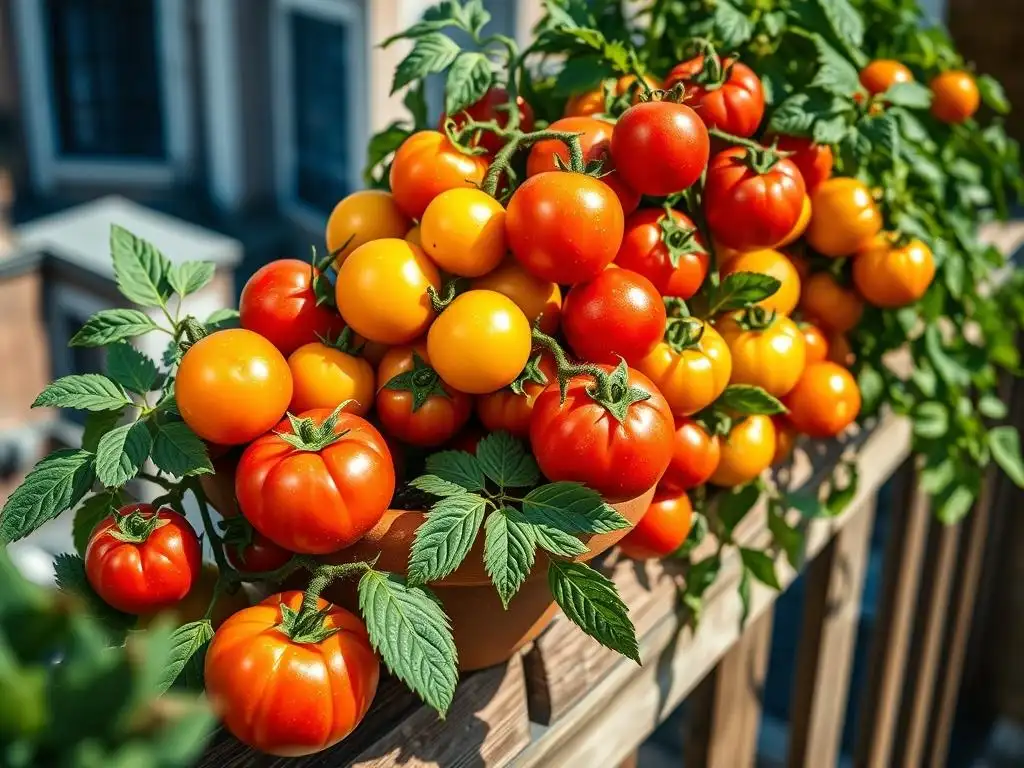
Welcome to CultivateYourFood, your guide to a greener, more flavorful life! Are you dreaming of juicy, sun-ripened heirloom tomatoes, but think your space is too small? Think again! Discover how you can successfully grow heirloom tomatoes even in the most compact balconies and patios, using sustainable and organic methods. This is just the beginning of your journey towards a bountiful harvest; explore our expert advice on planting, harvesting, composting, and pest control to unlock the secrets of homegrown goodness. Let's cultivate your food, together!
- Choosing the Right Heirloom Tomato Variety for Small Spaces
-
Growing Heirloom Tomatoes in Containers: A Step-by-Step Guide
- Selecting the Perfect Container: Size and Material Considerations
- Preparing the Soil Mix: Essential Nutrients for Heirloom Tomatoes
- Planting Your Heirloom Tomato Seedlings: A Detailed Guide
- Providing Adequate Support: Cages, Stakes, and Trellises for Small Spaces
- Watering and Fertilizing Your Heirloom Tomatoes: A Balanced Approach
- Protecting Your Plants from Pests and Diseases: Organic Pest Control Methods for Small Spaces
- Maximizing Sunlight and Air Circulation for Balcony and Patio Gardens
- Harvesting and Enjoying Your Homegrown Heirloom Tomatoes
- Troubleshooting Common Problems in Small Space Tomato Cultivation
- Recipes and Ideas: Using Your Homegrown Heirloom Tomatoes
- Frequently Asked Questions
- Final Reflection: The Bountiful Harvest of Small Spaces
- Unleash Your Inner Gardener: Grow Heirloom Tomatoes This Year!
Choosing the Right Heirloom Tomato Variety for Small Spaces
Growing heirloom tomatoes in small spaces like balconies and patios might seem challenging, but with careful planning and selection, it's entirely achievable. This guide focuses on successfully cultivating these flavorful, unique tomatoes in limited areas, maximizing yield while respecting the constraints of your space. We'll explore the best heirloom tomato varieties suitable for containers, discuss space planning considerations, and help you harvest a bountiful crop even with limited square footage. This article is your comprehensive resource for successfully growing heirloom tomatoes, even if you only have a small balcony or patio.
The key is selecting the right variety and understanding the mature size of your plants. Let's dive in! 🍅
Compact and Determinate Tomato Varieties: Ideal Choices for Containers
Determinate tomato varieties are known for their compact growth habit and defined growing season. They produce a concentrated crop within a shorter timeframe, making them perfect for container gardening in small spaces. Several heirloom determinate varieties are exceptionally well-suited for balconies and patios. These varieties typically reach a manageable height of 2-4 feet, making them easy to support in pots. Their bushy nature also means they don't require as much space to spread out as their indeterminate counterparts.
Here are some characteristics to look for when choosing compact determinate heirloom varieties:
- Bushy Growth Habit: Look for descriptions emphasizing a compact and bushy growth pattern.
- Defined Maturity: Determinate varieties set fruit all at once, making harvesting easier and more concentrated.
- Disease Resistance: Choosing disease-resistant varieties minimizes the risk of problems in a confined space.
- Fruit Size: Consider the size of the fruit in relation to the size of your container. Smaller fruit varieties are often better suited for smaller pots.
Remember to check the seed packet or plant tag for specific growth information. Accurate information on mature plant size and expected yield is crucial for success.
Indeterminate Tomatoes: Careful Consideration for Limited Space
Indeterminate heirloom tomatoes, while offering a longer harvest season and potentially higher yields, require significantly more space. Their vines can grow quite tall (6-8 feet or more! ), making them less ideal for small spaces without careful planning and support. However, with the right approach, you can successfully grow some indeterminate varieties in containers.
For small spaces, you'll need to consider:
- Vertical Trellising: This is essential for indeterminate tomatoes to maximize vertical space and prevent sprawling.
- Container Size: Larger containers (at least 15 gallons) are needed to accommodate their extensive root systems.
- Regular Pruning and Training: Regular pruning helps maintain a manageable size and improves air circulation to prevent disease.
- Variety Selection: Choose smaller indeterminate varieties or those known for compact growth habits within their indeterminate category.
Growing indeterminate heirloom tomatoes in small spaces requires more attention and effort, but the reward of a prolonged harvest season can be worth it. Careful planning and consistent maintenance are key to success.
Understanding Tomato Plant Size at Maturity: Space Planning
Before planting any heirloom tomato variety, meticulous space planning is crucial for success. Carefully examine the seed packet or plant tag for information on the expected mature size of the plant, including height and width. This information is vital for selecting appropriate containers and determining the spacing between plants.
Consider these factors when planning your space:
- Container Size: The size of the container directly impacts the plant's growth potential. Larger containers generally support larger plants, but remember that even large containers have limitations.
- Spacing: Allow sufficient space between plants to ensure adequate air circulation and sunlight penetration. Crowding can lead to disease and reduced yields.
- Support Structures: Plan for appropriate support structures, such as cages, stakes, or trellises, based on the selected variety's growth habit.
- Sun Exposure: Heirloom tomatoes need at least 6-8 hours of direct sunlight daily. Ensure your chosen location receives ample sunlight.
By carefully considering these factors and selecting the right heirloom tomato varieties, you can successfully cultivate a bountiful harvest, even in the most compact of spaces. Happy gardening! ☀️
Growing Heirloom Tomatoes in Containers: A Step-by-Step Guide
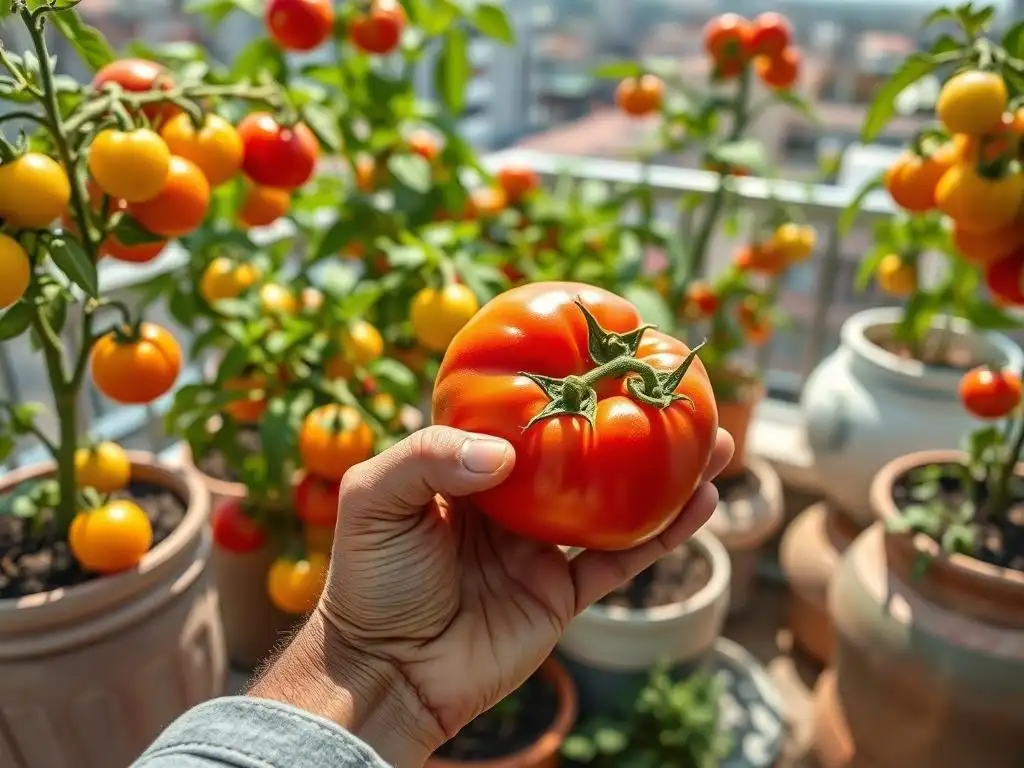
This section provides a detailed, practical guide for successfully growing heirloom tomatoes in containers, even in the most limited spaces. We'll cover everything from choosing the right container to harvesting your delicious, homegrown bounty. Remember, growing heirloom tomatoes in small spaces requires careful planning and attention to detail, but the rewards are well worth the effort! This guide focuses on optimizing your yield and maximizing the health of your plants while minimizing space requirements. The key to success lies in selecting the right tools and techniques.
Selecting the Perfect Container: Size and Material Considerations
Choosing the right container is crucial for successful heirloom tomato cultivation in small spaces. Heirloom varieties, known for their unique flavors and often larger fruit, require ample space for root development and overall plant growth. Insufficient space translates directly to reduced yields and potentially stunted growth.
Consider these factors when selecting your containers:
- Size: A minimum of 5 gallons is recommended for a single tomato plant. Larger containers (10-15 gallons) are even better, especially for vigorous heirloom varieties. The larger the container, the more soil it holds, providing better moisture retention and nutrient availability. Think about the mature size of the specific heirloom variety you are planting; some grow much larger than others.
- Material: While plastic containers are inexpensive and readily available, they can overheat in direct sunlight, stressing your plants. Consider using:
- Terracotta pots: These offer excellent drainage but require more frequent watering.
- Wooden containers: These look great but require proper sealing to prevent water leakage and rot.
- Fabric pots: These provide excellent aeration and drainage, promoting healthy root growth. Just be aware that they dry out faster than other options.
- Drainage: Adequate drainage is paramount. Ensure your chosen container has drainage holes to prevent root rot, a common problem for container-grown tomatoes. Without proper drainage, waterlogging can occur, leading to fungal diseases and ultimately killing your plants.
Preparing the Soil Mix: Essential Nutrients for Heirloom Tomatoes
The soil you use is just as important as the container itself. Heirloom tomatoes are heavy feeders, requiring a rich, well-draining soil mix to thrive. Using poor quality soil will result in smaller yields and weaker plants.
Here's a recommended soil mix recipe:
| Component | Percentage | Notes |
|---|---|---|
| Potting Mix | 50% | Choose a high-quality, peat-free potting mix for best results. |
| Compost | 30% | Adds essential nutrients and improves soil structure. |
| Perlite or Vermiculite | 20% | Improves drainage and aeration. |
Avoid using garden soil directly from your yard, as it may contain pathogens or compacted soil that will hinder root development. Instead, opt for a sterile, nutrient-rich potting mix specifically designed for tomatoes or vegetables. Consider adding a slow-release fertilizer at planting time to ensure your plants have a constant supply of nutrients throughout the growing season. Regular feeding with liquid fertilizer every 2-3 weeks will further boost growth and fruit production.
Planting Your Heirloom Tomato Seedlings: A Detailed Guide
Once you've selected your containers and prepared your soil mix, it's time to plant your heirloom tomato seedlings. Starting with healthy seedlings significantly increases your chances of success.
- Choose healthy seedlings: Select seedlings that are strong, vibrant, and free of disease. Avoid leggy or weak-looking plants.
- Prepare the planting hole: Dig a hole slightly larger than the seedling's root ball.
- Gently remove the seedling: Carefully remove the seedling from its container, avoiding damaging the roots.
- Plant the seedling: Place the seedling in the hole, ensuring the top of the root ball is level with the soil surface.
- Fill the hole: Gently fill the hole with the prepared soil mix, firmly pressing around the base of the plant to eliminate air pockets.
- Water thoroughly: Water deeply after planting to settle the soil and help the roots establish themselves.
- Staking or caging: Heirloom tomatoes often grow quite tall and may require staking or caging to support the weight of the fruit. Use strong stakes or cages appropriate for the size of your chosen variety. This prevents the plants from flopping over, especially when bearing heavy fruit. Regular pruning, by removing suckers (small shoots that grow between the main stem and branches), also encourages better air circulation and fruit production. Pruning should be done carefully to avoid damaging the plant.
Remember to monitor your plants regularly for pests and diseases, and adjust your watering and fertilizing schedule as needed. With proper care and attention, you'll be enjoying delicious, homegrown heirloom tomatoes in no time! 🍅
Providing Adequate Support: Cages, Stakes, and Trellises for Small Spaces
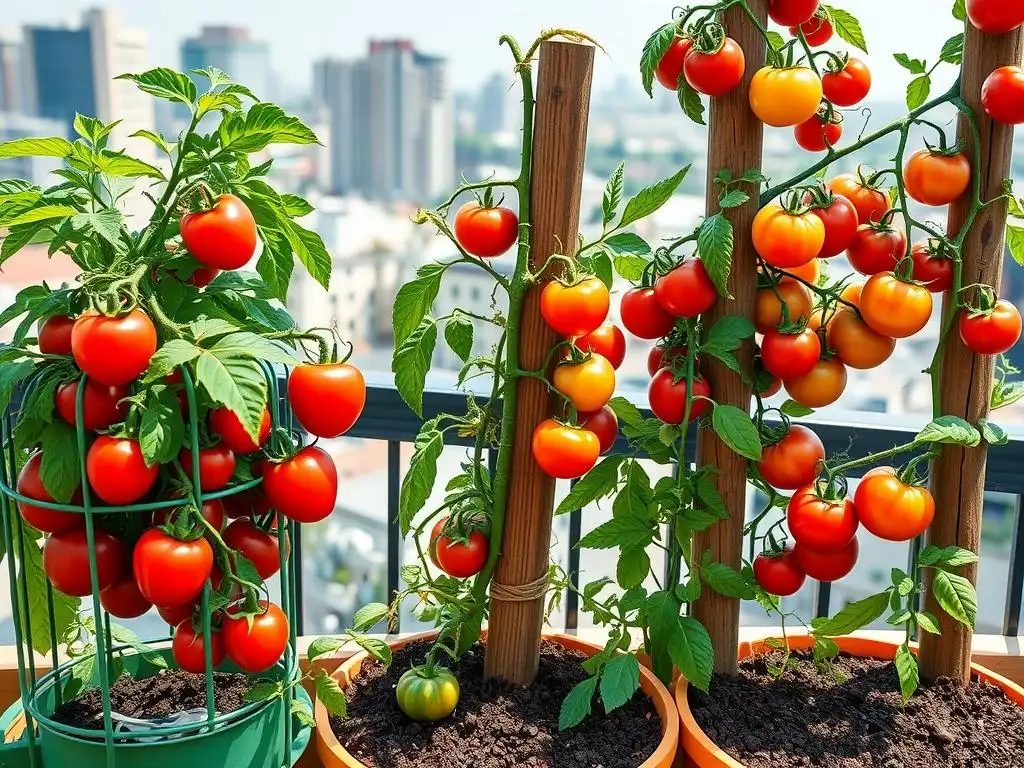
Heirloom tomatoes, known for their diverse shapes and sizes, often produce heavy yields. This makes proper support crucial, especially when growing them in limited spaces like balconies and patios. Without adequate support, the weight of the fruit can cause branches to break, leading to reduced yields and potentially damaged plants. Choosing the right support system is key to maximizing your harvest.
For small spaces, compact cages are often the best option. These cages, typically made of wire or plastic, provide a contained structure that supports the plant's growth without taking up excessive space. Look for cages specifically designed for indeterminate tomato varieties, as these grow taller and bushier than determinate varieties.
Ensure the cage is tall enough to accommodate the expected mature height of your chosen heirloom tomato variety; you can find this information on seed packets or plant tags. Remember to choose a sturdy cage that can withstand the weight of the fruit. A flimsy cage will collapse under the weight, negating its purpose.
Alternatively, you can use stakes, which are less space-consuming than cages, but require more hands-on management. Drive sturdy stakes into the ground next to your tomato plant, ensuring they are deep enough to provide adequate support. Gently tie the main stem of the plant to the stake as it grows, using soft garden twine or fabric strips to avoid damaging the stem. This method requires regular monitoring and tying, as the plant grows and produces more fruit. Regularly check the ties to make sure they are not cutting into the stem.
Trellises can also work well, especially if you have a wall or fence available. Choose a trellis that is strong enough to support the weight of the plant and its fruit. You can train the tomato plants to grow vertically along the trellis, maximizing vertical space and keeping the plant off the ground, improving air circulation and reducing the risk of fungal diseases.
Watering and Fertilizing Your Heirloom Tomatoes: A Balanced Approach
Proper watering and fertilization are essential for healthy heirloom tomato growth, especially in containers where resources are limited. Overwatering can lead to root rot, while underwatering will stunt growth and reduce fruit production. Finding the right balance is crucial for a bountiful harvest.
Consistent watering is key. Aim to keep the soil consistently moist but not soggy. Check the soil moisture regularly, especially during hot and dry periods. Water deeply and less frequently rather than shallowly and often to encourage deep root growth. Consider using a moisture meter to help determine when your plants need watering. The frequency will depend on factors like weather conditions, container size, and type of potting mix. Observe your plants closely; drooping leaves indicate a need for watering.
Fertilizing provides the necessary nutrients for robust growth and abundant fruit production. Use a balanced, organic fertilizer specifically formulated for tomatoes. Follow the instructions on the fertilizer packaging carefully, as over-fertilizing can harm your plants. A slow-release fertilizer can provide a consistent supply of nutrients throughout the growing season, reducing the need for frequent applications.
Consider liquid feeding during periods of rapid growth or fruiting, using a diluted solution to avoid burning the roots. Regularly check your plants for signs of nutrient deficiencies, such as yellowing leaves or stunted growth. Adjust your fertilizing schedule accordingly. Compost tea is a great natural supplement.
Remember that the type of container you choose will also influence your watering and fertilizing schedule. Larger containers retain moisture longer than smaller ones.
Protecting Your Plants from Pests and Diseases: Organic Pest Control Methods for Small Spaces
Growing heirloom tomatoes in small spaces increases the risk of pest infestations and diseases due to proximity and limited air circulation. Implementing proactive organic pest control methods is crucial for protecting your plants and ensuring a healthy harvest.
Regularly inspect your plants for signs of pests and diseases. Early detection is crucial for effective control. Common tomato pests include aphids, whiteflies, and tomato hornworms. Diseases like blight and early blight can also affect your plants. Look for unusual spots, discoloration, or insect activity.
Employ preventative measures. Maintain good air circulation around your plants by spacing them appropriately and ensuring adequate ventilation. Remove any weeds or debris around your plants to reduce pest hiding places. Mulching can also help deter some pests and maintain soil moisture.
Use organic pest control methods. Introduce beneficial insects like ladybugs or lacewings to control pests naturally. Neem oil is a safe and effective organic insecticide that can control a wide range of pests. Consider using insecticidal soap for soft-bodied insects. For fungal diseases, ensure good air circulation and avoid overhead watering.
Copper fungicides can also be used, but always follow the instructions carefully. Crop rotation can help prevent the buildup of soilborne diseases. Consider companion planting with basil or marigolds, which are known to repel some pests. Regularly remove any affected leaves or fruits to prevent the spread of disease.
Maximizing Sunlight and Air Circulation for Balcony and Patio Gardens
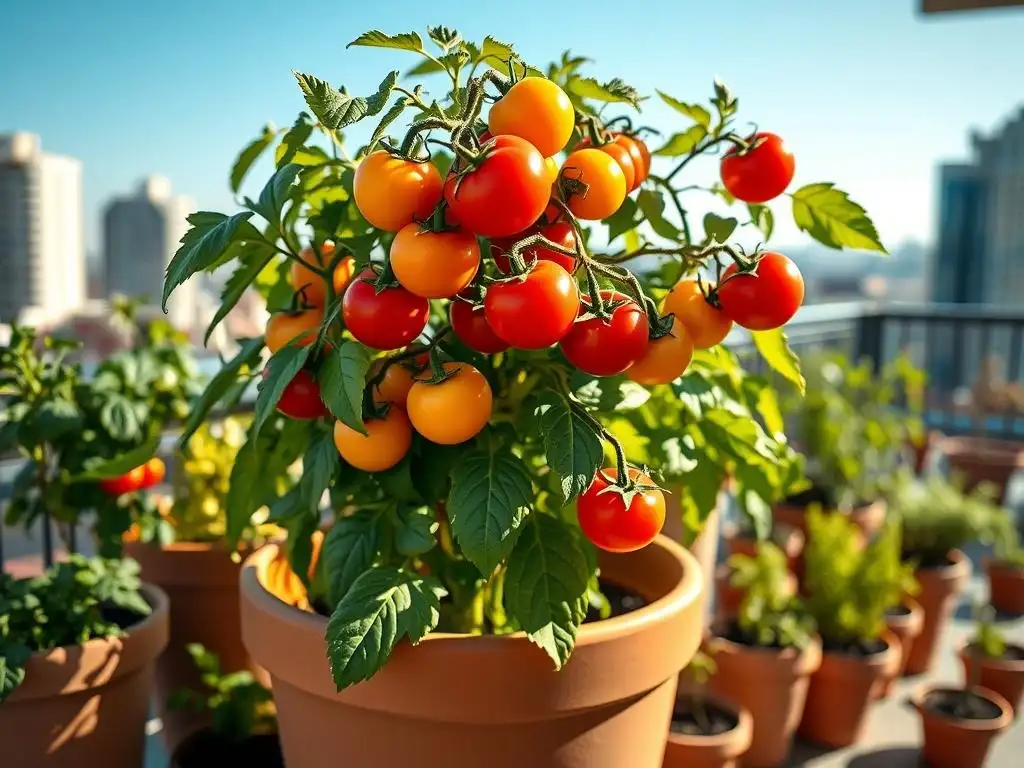
Growing heirloom tomatoes successfully in small spaces hinges on two crucial factors: maximizing sunlight and ensuring adequate air circulation. Neglecting either can lead to stunted growth, reduced yields, and increased susceptibility to diseases. This section details practical strategies to optimize both, helping you cultivate healthy and productive tomato plants even in confined areas. Remember, even small improvements in sun exposure and airflow can significantly impact your harvest. This is especially important when you grow heirloom tomatoes small spaces.
Optimizing Sunlight Exposure: Placement and Sun Tracking
Heirloom tomatoes are sun-worshippers. They need at least six to eight hours of direct sunlight daily to thrive. In small spaces like balconies and patios, strategic placement is paramount. Before planting, carefully observe your balcony or patio throughout the day to identify the sunniest spot. Consider using a sun tracking app or simply noting the sun's path over several days to pinpoint the area receiving the most direct sunlight.
The orientation of your balcony or patio also matters. South-facing locations (in the Northern Hemisphere) generally receive the most sunlight. If your space doesn't offer a perfect south-facing exposure, don't despair. Even slightly less direct sunlight can still yield a decent harvest, particularly if you supplement with grow lights, especially during early spring and late fall.
Here's a table summarizing ideal sunlight exposure for different tomato varieties: Note that this is a general guideline, and specific needs may vary depending on your climate and microclimate.
| Tomato Variety | Minimum Sunlight Hours | Ideal Sunlight Hours | Notes |
|---|---|---|---|
| Early Girl | 6 | 8 | Performs well even with slightly less sun |
| Brandywine | 8 | 10 | Needs ample sun for optimal flavor and size |
| Cherokee Purple | 7 | 9 | Tolerates some shade but prefers full sun |
| San Marzano | 6 | 8 | Best for consistent sun throughout the day |
Consider using reflective surfaces, such as white walls or aluminum foil, to bounce additional sunlight onto your plants, particularly during periods of low sun angle. This simple technique can significantly boost light intensity, especially in partially shaded areas.
Ensuring Proper Air Circulation: Preventing Diseases
Poor air circulation is a breeding ground for fungal diseases like blight and early blight, which can decimate a tomato crop. In small spaces, air can become stagnant, creating ideal conditions for pathogens. Therefore, ensuring good airflow is crucial for preventing disease and promoting healthy growth when you grow heirloom tomatoes small spaces.
Here are some effective strategies to improve air circulation:
- Spacing: Avoid overcrowding your plants. Give each tomato plant ample space to grow and breathe. This allows for better air movement around the foliage, reducing humidity and preventing fungal spores from settling.
- Plant Selection: Choose compact or determinate tomato varieties specifically bred for containers and small spaces. These varieties generally stay smaller and bushier, requiring less space and promoting better air circulation.
- Pruning: Regularly prune your tomato plants to remove suckers (small shoots that grow between the main stem and branches). Suckers compete with the main plant for resources and can create dense foliage that traps humidity and restricts airflow.
- Fans: Consider using small fans to gently circulate air around your plants, especially on humid or still days. This can help to dissipate moisture and prevent the build-up of fungal spores.
- Trellising: Use a trellis or cage system to support your tomato plants and keep their foliage off the ground. This improves air circulation at the base of the plants and prevents the spread of soil-borne diseases. This is especially important for larger indeterminate varieties.
By implementing these strategies, you can create a healthier environment for your heirloom tomatoes, significantly reducing the risk of disease and ensuring a bountiful harvest, even in the confines of a balcony or patio. Remember to regularly inspect your plants for signs of disease and take prompt action if necessary. Early detection and intervention are key to successful tomato cultivation.
Harvesting and Enjoying Your Homegrown Heirloom Tomatoes
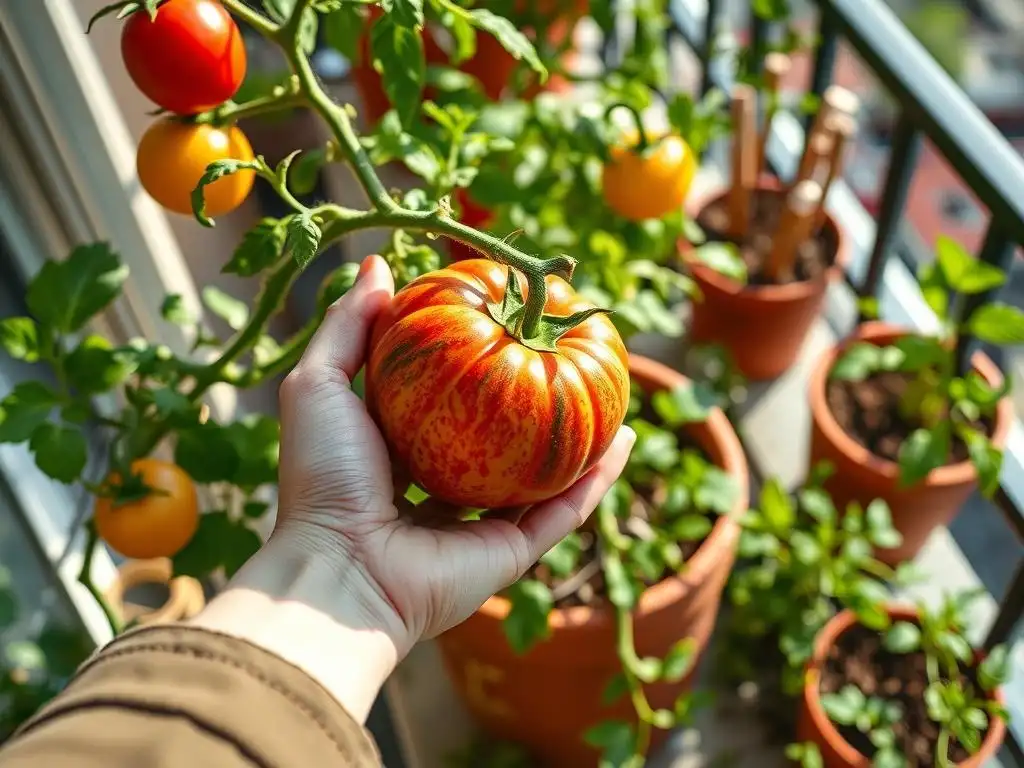
This section focuses on the crucial final steps in your heirloom tomato journey: harvesting and preserving your delicious bounty. Successfully growing heirloom tomatoes in small spaces is rewarding, but maximizing their flavor and longevity requires careful attention to detail during harvest and storage. We'll cover identifying ripeness, proper harvesting techniques, and effective storage and preservation methods to ensure you enjoy your homegrown tomatoes for as long as possible. Remember, patience and gentle handling are key to reaping the rewards of your hard work.
Identifying Ripe Heirloom Tomatoes: Color and Texture Indicators
Knowing when to pick your heirloom tomatoes is crucial for optimal flavor and texture. Unlike uniform hybrid varieties, heirloom tomatoes exhibit a wide range of colors and shapes, making ripeness assessment slightly more nuanced. However, some consistent indicators will help you determine harvest readiness.
First, color is a primary indicator. While some heirlooms may turn a deep, vibrant red, others may ripen to yellow, orange, green, or even purple-black, depending on the variety. Look for the characteristic color fully developed for that specific type of tomato. A uniformly colored tomato, free from green shoulders or patches, is generally a good sign.
Secondly, consider the texture. A ripe heirloom tomato will feel slightly soft to the touch, yielding gently to gentle pressure. Avoid tomatoes that are rock-hard, as these are likely underripe. Conversely, avoid those that are overly soft or squishy, indicating over-ripeness.
Finally, the aroma can provide a subtle clue. A ripe heirloom tomato will often have a sweet, slightly fruity fragrance. This is a less reliable indicator than color and texture, but it can be helpful in conjunction with the others.
Harvesting Techniques: Gentle Handling for Optimal Quality
Once you’ve identified ripe heirloom tomatoes, the next step is harvesting them with care. Rough handling can bruise the delicate fruit, reducing its shelf life and impacting its flavor.
Here's a step-by-step guide to gentle harvesting:
- Use sharp pruning shears or a small knife: This ensures a clean cut, preventing damage to the vine and the tomato itself. Avoid pulling or twisting the tomatoes off the vine.
- Harvest in the morning: The cooler morning temperatures reduce the risk of bruising and help maintain the tomatoes' firmness.
- Gently twist and pull: After making a clean cut, gently twist the tomato slightly before pulling it away from the vine.
- Place tomatoes carefully in a container: Avoid piling tomatoes on top of each other to prevent bruising. Use a shallow container lined with a soft cloth or paper towels.
- Handle with care during transport: Avoid shaking or jarring the container during transport to your home.
Following these gentle harvesting techniques will significantly improve the quality and longevity of your heirloom tomatoes.
Storing and Preserving Your Harvest: Extending the Life of Your Tomatoes
Even with careful harvesting, your heirloom tomatoes won't last forever. Proper storage and preservation methods are key to extending their shelf life and preventing spoilage.
Here are some effective strategies:
- Room temperature storage: For tomatoes that you plan to eat within a few days, store them at room temperature, away from direct sunlight and heat.
- Refrigerator storage: While refrigeration can slow down ripening, it can also affect the flavor and texture of some heirloom varieties. Store them in the crisper drawer, ideally on a single layer to prevent bruising.
- Preservation methods: For longer storage, consider preserving your harvest through canning, freezing, or making sauces or jams. These methods allow you to enjoy the fruits of your labor throughout the year. Remember to follow established guidelines for safe food preservation.
By implementing these storage and preservation techniques, you can significantly extend the enjoyment of your homegrown heirloom tomatoes, savoring their unique flavors long after the harvest season ends. Enjoy the fruits of your labor! 🍅
Troubleshooting Common Problems in Small Space Tomato Cultivation
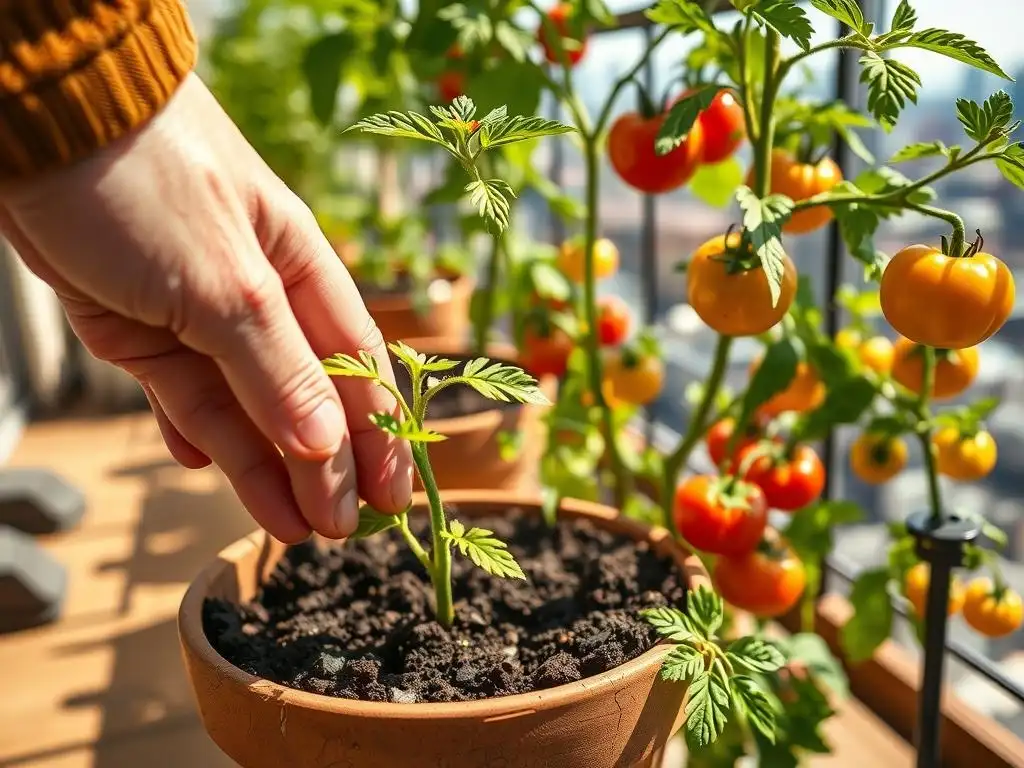
Growing heirloom tomatoes in small spaces offers unique rewards, but it also presents specific challenges. Successfully cultivating these delicious fruits requires vigilance and proactive problem-solving. This section focuses on identifying and addressing common issues encountered when growing heirloom tomatoes in containers on balconies and patios, ensuring a bountiful harvest despite space limitations. Understanding these potential problems and implementing preventative measures will significantly increase your chances of success in your small-space gardening project. The key is to be observant and react quickly to any signs of distress in your plants.
Dealing with Common Tomato Diseases in Containers
Container-grown tomatoes are particularly susceptible to certain diseases due to the limited space and potential for moisture retention. Early detection is crucial. Let's examine some common culprits and effective organic solutions:
- Early Blight: This fungal disease manifests as brown spots on leaves, progressing to leaf death. Good air circulation is key to prevention. Ensure your plants aren't overcrowded and provide adequate spacing between them. Remove and destroy infected leaves promptly. Consider using a copper-based fungicide as a last resort, following label instructions carefully.
- Late Blight: More aggressive than early blight, late blight appears as dark, water-soaked spots on leaves and fruits. It thrives in cool, wet conditions. Again, good air circulation is vital. Remove and destroy infected plant parts immediately. Organic solutions include using a preventative spray of compost tea, which can help bolster plant health and resilience. In severe cases, unfortunately, the entire plant may need to be removed and destroyed to prevent further spread.
- Verticillium Wilt and Fusarium Wilt: These soilborne fungal diseases cause wilting and yellowing of leaves. Unfortunately, there's no cure once the plant is infected. Prevention is paramount. Use disease-free soil and rotate your crops yearly to break the disease cycle. Choosing resistant heirloom tomato varieties can also significantly reduce the risk of these devastating wilts.
Managing Pests in Small-Space Gardens: Organic Solutions
Small spaces often mean increased vulnerability to pests. Here are some common tomato pests and effective organic pest control strategies:
| Pest | Description | Organic Control Methods |
|---|---|---|
| Aphids | Small, soft-bodied insects that suck sap from leaves. | Insecticidal soap, neem oil, strong water spray. Encourage beneficial insects like ladybugs. |
| Whiteflies | Tiny white insects that cluster on the undersides of leaves. | Yellow sticky traps, neem oil. |
| Tomato Hornworms | Large green caterpillars that devour leaves and fruits. | Handpicking, Bacillus thuringiensis (Bt) – a naturally occurring bacterium toxic to hornworms. |
| Spider Mites | Tiny mites that cause stippling and webbing on leaves. | Neem oil, insecticidal soap. Increase humidity around plants to discourage mites. |
Remember to always monitor your plants regularly for any signs of pest infestation. Early detection and intervention are crucial for effective organic pest management. Regularly inspect the undersides of leaves, as many pests prefer to hide there.
Addressing Nutrient Deficiencies: Signs and Solutions
Nutrient deficiencies can significantly impact the health and yield of your heirloom tomatoes. Recognizing the signs of deficiency is the first step towards correcting the problem.
- Nitrogen Deficiency: Leaves turn yellow, starting from the older leaves. Growth is stunted. Use a balanced organic fertilizer rich in nitrogen. Compost tea can also provide a boost of nitrogen.
- Phosphorus Deficiency: Leaves become dark green or purplish, with stunted growth. Apply a phosphorus-rich fertilizer. Bone meal is a good organic source of phosphorus.
- Potassium Deficiency: Leaf margins turn brown and curl. Fruit production may be reduced. Use a potassium-rich fertilizer or wood ash (use cautiously and in moderation).
Regular soil testing can help identify potential nutrient imbalances before they become severe. Using a high-quality organic potting mix initially can help provide a good foundation of essential nutrients. Remember to choose a potting mix specifically formulated for tomatoes or vegetables. Supplementation with organic fertilizers should be done according to package instructions, to avoid over-fertilizing which can also harm your plants. 🌱
Recipes and Ideas: Using Your Homegrown Heirloom Tomatoes
This section celebrates the delicious bounty of your hard work! Growing heirloom tomatoes in small spaces is rewarding, but the real joy comes from savoring the fruits (or should we say, vegetables 😉) of your labor. Here are some simple yet elegant recipes to showcase the unique flavors of your homegrown heirloom tomatoes. Remember, the best recipes often highlight the natural sweetness and acidity of the tomatoes themselves, requiring minimal additional ingredients. These recipes are perfect for using your smaller harvest yield, even from a container garden!
Simple Heirloom Tomato Salad Recipe
This salad celebrates the vibrant colors and flavors of heirloom tomatoes. The key is to use a variety of heirloom varieties for a stunning visual and diverse taste experience. Think of it as a painting on a plate!
This recipe is incredibly versatile. Feel free to adjust the quantities based on your harvest and personal preferences.
- Ingredients:
- 250g assorted heirloom tomatoes, sliced
- 50g fresh basil leaves, roughly chopped
- 25g red onion, thinly sliced
- 2 tablespoons extra virgin olive oil
- 1 tablespoon balsamic vinegar
- Salt and freshly ground black pepper to taste
- Optional: 25g crumbled feta cheese
- Instructions:
- Gently toss the sliced tomatoes, basil, and red onion in a large bowl.
- Drizzle with olive oil and balsamic vinegar.
- Season with salt and pepper to taste.
- If using, gently fold in the crumbled feta cheese.
- Serve immediately or chill for later. This salad is best enjoyed fresh!
This simple salad is a testament to the quality of homegrown heirloom tomatoes. The sweetness of the tomatoes is beautifully complemented by the peppery basil and tangy balsamic vinegar. The optional feta adds a salty, creamy counterpoint. Enjoy!
Heirloom Tomato Bruschetta Recipe
Bruschetta is a perfect way to showcase the intense flavor of individual heirloom tomato varieties. Its simplicity allows the tomato's unique character to shine. This recipe is easily adaptable to whatever tomatoes you have on hand.
- Ingredients:
- 1 baguette, sliced into 1-inch thick rounds
- 2 cloves garlic, halved
- 2 tablespoons extra virgin olive oil
- 250g assorted heirloom tomatoes, diced
- 25g fresh basil, chopped
- Salt and freshly ground black pepper to taste
- Optional: A sprinkle of red pepper flakes for a touch of heat
- Instructions:
- Preheat your oven to 375°F (190°C).
- Brush baguette slices with olive oil and toast in the oven for 5-7 minutes, until lightly golden.
- While the bread is toasting, rub the cut sides of the garlic cloves over the toasted bread slices.
- In a bowl, gently toss the diced tomatoes and basil. Season with salt, pepper, and optional red pepper flakes.
- Spoon the tomato mixture onto the toasted bread slices.
- Serve immediately.
This bruschetta recipe is a quick and easy appetizer or light lunch. The combination of warm, garlicky bread and juicy, flavorful tomatoes is irresistible. The variations in color and taste among different heirloom varieties make each bite a unique experience.
Heirloom Tomato Sauce Recipe
This recipe focuses on creating a rich and flavorful sauce that captures the essence of your heirloom tomatoes. It's perfect for pasta, pizza, or simply spooned over grilled chicken or fish. Remember to taste and adjust seasoning as you go; this is where your culinary creativity shines!
- Ingredients:
- 1kg assorted heirloom tomatoes, roughly chopped
- 1 small onion, finely chopped
- 2 cloves garlic, minced
- 2 tablespoons olive oil
- 1 teaspoon dried oregano
- 1/2 teaspoon dried basil
- Salt and freshly ground black pepper to taste
- Optional: A pinch of red pepper flakes for a touch of heat
- Optional: A splash of red wine for added depth of flavor
- Instructions:
- Heat the olive oil in a large saucepan over medium heat.
- Add the onion and cook until softened, about 5 minutes.
- Add the garlic and cook for another minute, until fragrant.
- Add the chopped tomatoes, oregano, basil, salt, pepper, and optional red pepper flakes and red wine.
- Bring to a simmer and cook for at least 30 minutes, or until the sauce has thickened. Stir occasionally to prevent sticking.
- Taste and adjust seasoning as needed.
This heirloom tomato sauce is a blank canvas for your culinary creativity. The rich, complex flavor profile of the heirloom tomatoes forms the base of a sauce that can be easily customized. Experiment with different herbs and spices to create your signature heirloom tomato sauce. Enjoy!
Frequently Asked Questions
Can I really grow heirloom tomatoes in a small space?
Yes! Many compact heirloom tomato varieties are perfect for containers on balconies and patios. Choose determinate varieties for best results in limited space.
What size container do I need for heirloom tomatoes?
A minimum of 5 gallons is recommended, but larger containers (10-15 gallons) will yield better results. Ensure your container has adequate drainage.
Which heirloom tomato varieties are best for small spaces?
Look for determinate or semi-determinate varieties specifically bred for containers. Check seed catalogs or garden centers for recommendations labeled as "patio" or "dwarf" tomatoes.
How much sunlight do heirloom tomatoes need?
Heirloom tomatoes require at least 6-8 hours of direct sunlight daily. Choose a location in your small space that receives ample sun.
What is the best way to care for heirloom tomatoes in containers?
Regular watering is crucial, especially during hot weather. Use a balanced fertilizer and monitor for pests and diseases. Consider using trellises or cages for support.
Final Reflection: The Bountiful Harvest of Small Spaces
The vibrant taste of a homegrown heirloom tomato, once a luxury confined to sprawling gardens, is now within reach for even the smallest urban spaces. This article has explored the surprising ease and immense reward of cultivating these flavorful jewels on balconies and patios, proving that a green thumb isn't limited by square footage. The desire for fresh, locally-sourced food, coupled with the increasing popularity of urban gardening, makes this accessible method of heirloom tomato cultivation more relevant than ever.
The journey of nurturing a tiny seedling into a prolific plant, laden with juicy, sun-ripened fruit, is a deeply rewarding experience. It's a connection to nature, a testament to patience and care, and a source of immense pride. The glory of gardening: hands in the dirt, head in the sun, heart with nature. To nurture a garden is to feed not just the body, but the soul.
This quote perfectly captures the transformative power of growing your own food, regardless of the size of your growing space. The impact extends beyond the simple act of cultivation; it fosters a deeper appreciation for the origins of our food and strengthens our connection to the natural world.
Now, consider your own space. Do you have a sunny balcony, a small patio, or even a windowsill that could be transformed into a miniature garden? I invite you to embrace the challenge, to sow a seed of possibility, and to experience the joy of harvesting your own heirloom tomatoes. The rewards extend far beyond the delicious taste; they nourish the soul and connect us to a richer, more fulfilling life. Let the bounty of your small space blossom.
Unleash Your Inner Gardener: Grow Heirloom Tomatoes This Year!
Thanks for joining us on this journey into the world of heirloom tomatoes! We hope you've discovered the joy and rewards of growing these delicious fruits, even in small spaces. Ready to get started?
- Start your own heirloom tomato seedlings today! It's easier than you think.
- Share your gardening experiences with our community in the comments below. Let's learn from each other!
- Explore our website for more tips and tricks on gardening in small spaces—we have many resources to help you succeed!
What heirloom variety will you grow this year? Let us know in the comments below!