
From Sprout to StirFry: Cooking with Kids Using Homegrown Produce

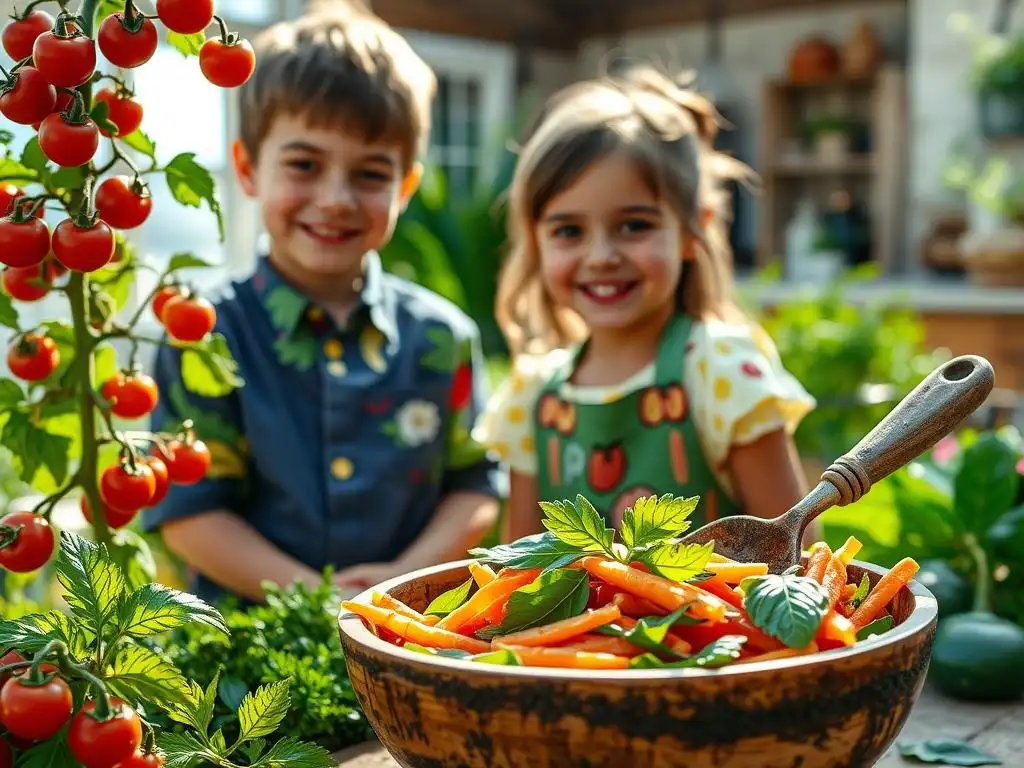
Welcome to CultivateYourFood, your guide to growing a thriving, sustainable garden! Ready to transform your backyard into a vibrant source of fresh, organic produce? We believe everyone can cultivate their own food, and we're here to show you how. Discover the joy of homegrown goodness with our latest article, a delicious Kids Gardening Stirfry Recipe that blends the fun of gardening with the satisfaction of cooking with your children. Learn how to cultivate your own ingredients and create unforgettable family meals – let the adventure begin!
- Getting Started: Planning Your Kid-Friendly Garden
- Harvesting Your Homegrown Bounty: A Kid's Guide
- Kids Gardening Stirfry Recipe: A Fun and Delicious Culinary Adventure
- Expanding Culinary Horizons: Beyond the Stir-Fry
- The Educational Benefits: Teaching Kids About Food and Nutrition
- Tips for Success: Making it Fun and Engaging
- Frequently Asked Questions
- Final Reflection: Harvesting the Seeds of Connection Through Cooking
- Unleash Your Little Chefs: Grow & Cook Together!
Getting Started: Planning Your Kid-Friendly Garden
Cultivating a love for fresh, healthy food starts with getting kids involved in the growing process! This article guides you through creating a fun and engaging gardening experience that culminates in a delicious stir-fry made with your homegrown produce. We'll cover selecting child-friendly vegetables, assigning age-appropriate tasks, and designing a garden space that sparks their curiosity and encourages participation.
Learning where food comes from fosters a deeper appreciation for healthy eating habits and sustainable practices, making mealtimes more meaningful and enjoyable. From planting the seeds to savoring the final dish, this journey will transform your family's relationship with food and nature. This guide focuses on making the "Kids gardening stirfry recipe" experience both educational and delicious.
Choosing Easy-to-Grow Vegetables for Kids
Choosing the right vegetables is crucial for keeping young gardeners engaged. Opt for fast-growing and visually appealing options that offer quick rewards. Here are some excellent choices:
- Radishes: These root vegetables mature quickly (around 3-4 weeks) and are easy to pull from the ground, providing immediate gratification for young gardeners. Their vibrant colors also add excitement to the process.
- Lettuce: Various types of lettuce, such as loose-leaf and butterhead, are relatively low-maintenance and grow rapidly. Kids can easily see the progress as the leaves unfurl.
- Snap peas: These sweet and tender peas are fun to harvest and offer a satisfying crunch. Their climbing habit can also be a fascinating observation point for children.
- Cherry tomatoes: The abundance of small, colorful tomatoes is a huge motivator. Kids love picking ripe cherry tomatoes straight from the vine.
- Zucchini: This prolific producer provides ample opportunities for harvesting and experimenting with different recipes. The rapid growth rate is incredibly satisfying for young gardeners.
Remember to select vegetable varieties known for their disease resistance and adaptability to your local climate. Consider starting with seeds or seedlings, depending on your children's age and patience level. Seedlings offer a quicker path to harvesting.
Age-Appropriate Gardening Tasks for Young Helpers
Assigning age-appropriate tasks ensures that everyone feels involved and successful. Here's a breakdown of tasks based on age groups:
| Age Group | Suitable Tasks |
|---|---|
| Toddlers (1-3) | Watering plants (with supervision), collecting fallen leaves, exploring soil textures |
| Preschool (3-5) | Planting seeds in small containers, weeding (with supervision), helping to water |
| Early School (5-8) | Planting seedlings, weeding, watering, harvesting smaller vegetables |
| Older Kids (8+) | Planning the garden layout, preparing the soil, more complex harvesting tasks |
Remember to always supervise young children while they're gardening to ensure their safety. Make it a fun and collaborative experience, celebrating their contributions and acknowledging their efforts.
Setting up a Kid-Friendly Gardening Space
Creating a dedicated gardening space tailored to children's needs is key to maximizing their engagement. Consider these elements:
- Accessibility: The garden bed should be easily accessible for little ones, ideally at a height that allows them to comfortably reach the plants. Raised beds are excellent for this purpose.
- Visual Appeal: Add colorful elements like brightly painted tools or whimsical garden markers to make the space more inviting.
- Sensory Stimulation: Include plants with diverse textures, scents, and colors to engage multiple senses. Consider adding herbs with fragrant leaves or colorful flowers.
- Safety: Ensure the space is free of hazards like sharp objects or toxic chemicals. Use child-safe tools and supervise children closely.
- Engagement: Include a small seating area or a chalkboard where kids can record their observations and track the growth of their plants. A small water feature can also add charm and fun. Consider adding a bird feeder or bug hotel to encourage biodiversity.
By creating a fun, safe, and engaging gardening space, you'll cultivate a lasting love for gardening and healthy eating in your children. The anticipation of using their homegrown produce in a delicious stir-fry will add an extra layer of excitement to the whole experience! 🎉
Harvesting Your Homegrown Bounty: A Kid's Guide
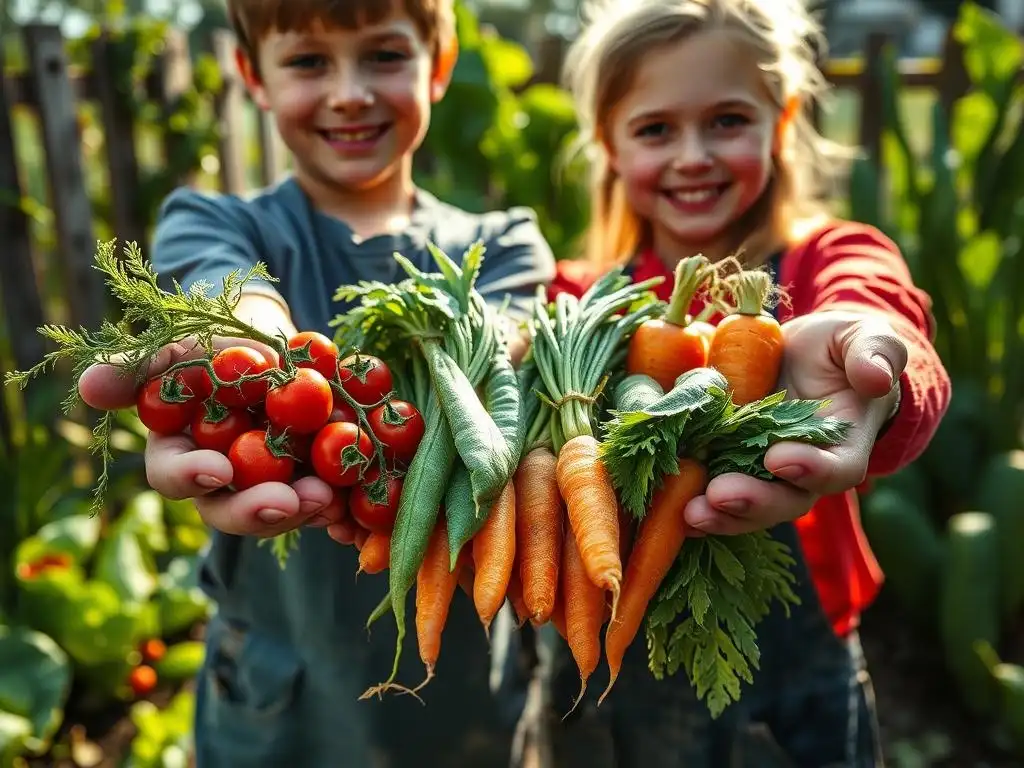
This section focuses on empowering children to participate in the rewarding process of harvesting homegrown vegetables, making the experience both educational and enjoyable. We'll cover identifying ripeness, safe harvesting methods, and preparing the produce for cooking. This is crucial for instilling a deep appreciation for the food cycle and fostering healthy eating habits. The goal is to transform the "Kids gardening stirfry recipe" into a genuinely hands-on experience.
Recognizing When Vegetables are Ready to Harvest
Knowing when vegetables are ready for picking is a vital skill. Overripe vegetables can be less flavorful and more prone to pests, while harvesting too early results in poor yield and less satisfying taste. Here's a guide to help young gardeners:
- Tomatoes: Look for tomatoes that are fully colored, slightly soft to the touch, and have a pleasant aroma. Avoid green tomatoes unless you're planning to use them for specific recipes that call for their unique flavor. 🍅
- Lettuce & Leafy Greens: Harvest outer leaves first, leaving the inner leaves to continue growing. Look for vibrant green leaves that are firm and not wilted or showing signs of pests.
- Carrots & Radishes: These root vegetables are usually ready for harvest when they reach the desired size, as indicated in your seed packet. Gently pull them from the ground, avoiding damage to the roots.
- Peppers: Peppers are ready when they've reached their full size and color, as specified on the seed packet or plant tag. They should feel firm and plump.🌶️
- Beans: Snap beans (green beans) are ready when they are plump and tender, but not overly large and fibrous. Bush beans can be harvested as needed, while pole beans may require more selective picking.
Safe Harvesting Techniques for Little Hands
Safety is paramount when children are involved in gardening. Here are some tips to ensure a fun and accident-free harvesting experience:
- Supervision: Always supervise young children while they are harvesting vegetables. This prevents accidents and allows you to guide them on proper techniques.
- Appropriate Tools: Use child-sized tools like small trowels and hand rakes. Avoid sharp tools unless under close adult supervision.
- Gentle Handling: Teach children to handle plants and vegetables gently to avoid damaging them or injuring themselves.
- Protective Gear: Consider using gardening gloves to protect little hands from thorns or dirt. Long sleeves and pants are also recommended to avoid scratches.
- Pest Awareness: Teach children to identify common garden pests and to avoid touching them. If pests are present, use appropriate organic pest control methods.
Washing and Preparing Produce for Cooking
Before incorporating your homegrown bounty into a delicious kids gardening stirfry recipe, proper washing and preparation are essential. This step removes any dirt, insects, or other contaminants.
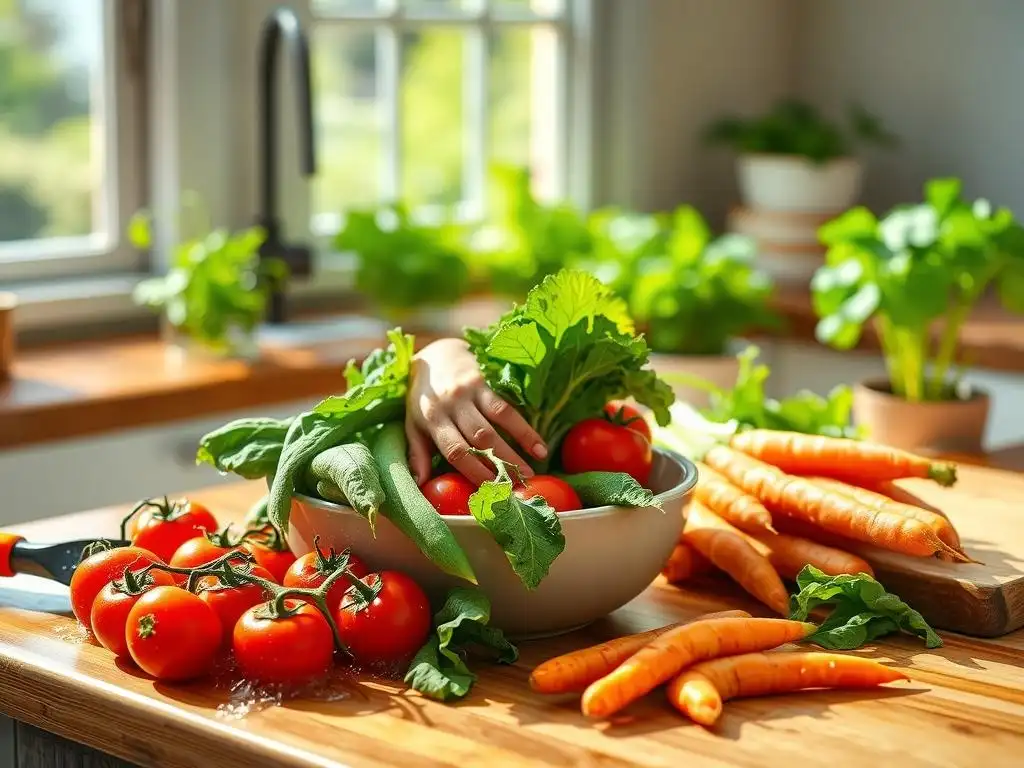
- Thorough Washing: Rinse all vegetables under cool, running water. For leafy greens, consider soaking them in a bowl of water for a few minutes to remove any hidden dirt or debris.
- Inspect for Damage: Carefully inspect each vegetable for any signs of damage, disease, or pests. Discard any damaged or questionable pieces.
- Cutting and Chopping: Depending on your recipe (like the kids gardening stirfry recipe you're making! ), you may need to cut or chop the vegetables into bite-sized pieces. Let children participate in this step under supervision, using child-safe knives or cutting boards.
- Drying: After washing and chopping, pat the vegetables dry with a clean towel or paper towels to prevent excess moisture in your stirfry. This helps achieve better browning and prevents a soggy dish.
This detailed approach ensures that children not only harvest their vegetables but understand the entire process, from planting to preparation, cultivating a deeper appreciation for food and healthy eating habits. Remember, the goal is to make the "Kids gardening stirfry recipe" a memorable and educational experience.
Kids Gardening Stirfry Recipe: A Fun and Delicious Culinary Adventure
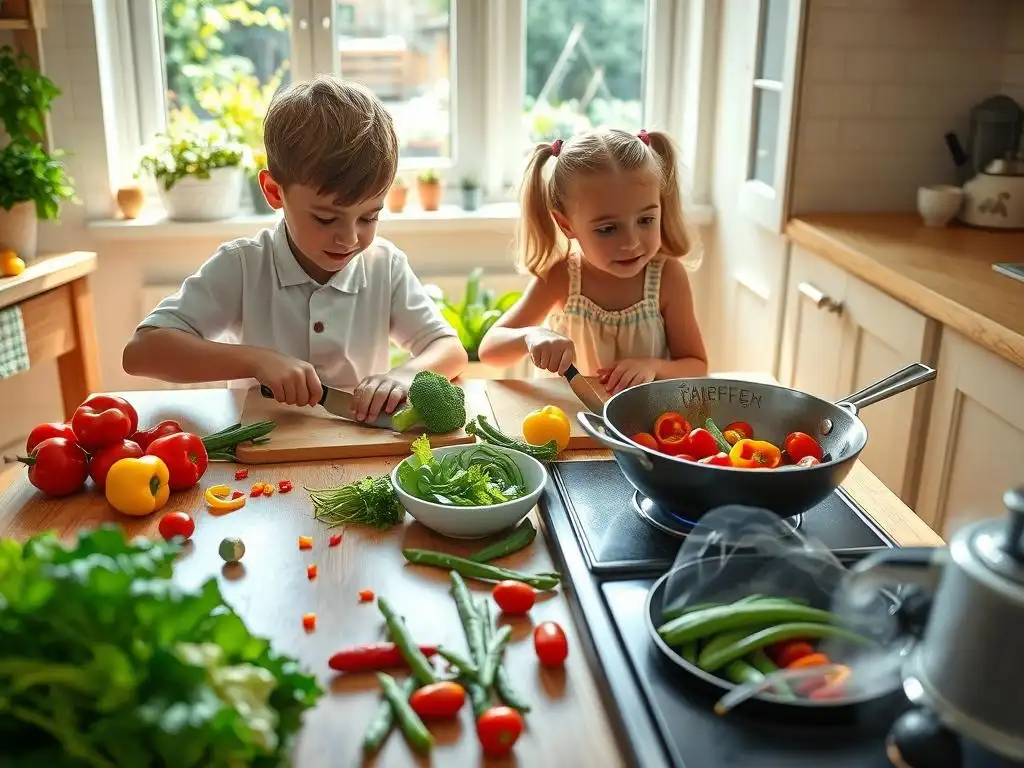
This section dives into the practical aspects of creating a delicious stir-fry with your children, using homegrown vegetables from your garden. We'll cover ingredient selection, simple cooking techniques suitable for young chefs, and how to adapt the recipe based on your garden's bounty. This is a fantastic way to connect kids with their food, fostering appreciation for healthy eating and sustainable practices. Let's get cooking!
Selecting Ingredients from Your Garden
The beauty of a garden-to-table stir-fry lies in its adaptability. What you harvest dictates what goes into the dish! Encourage your kids to participate in the selection process. This is a great opportunity to teach them about different vegetables, their textures, and flavors. For a kid-friendly stir-fry, aim for brightly colored, easily digestible vegetables.
Here's a sample shopping list from your garden (adjust based on availability):
- Broccoli florets: Easy to handle and cook quickly. Choose small, tender florets for younger children.
- Snap peas: Sweet and crunchy, perfect for adding a delightful textural element. They require minimal preparation.
- Carrots: Slice them thinly or use a julienne peeler for easier handling and faster cooking. Baby carrots work great too!
- Bell peppers (various colors): Add vibrant color and a slightly sweet flavor. Cut them into bite-sized pieces.
- Zucchini: A versatile vegetable that adds moisture and a mild flavor. Slice it thinly or into half-moons.
Remember to thoroughly wash all vegetables before use. Involving children in this step teaches them about food hygiene and preparation. This hands-on experience is invaluable in promoting healthy eating habits. Consider adding herbs like basil or cilantro, if available, for an extra layer of flavor.
Simple Stir-Fry Techniques for Kids
Stir-frying is a relatively quick and easy cooking method, perfect for engaging younger children. Supervision is essential, especially when using the stovetop. Here's a simplified approach:
- Prep the Vegetables: Have your kids help wash, peel, and chop the vegetables (with appropriate supervision and age-appropriate tools, of course!). This step teaches valuable life skills and makes them feel more invested in the cooking process.
- Heat the Wok or Pan: Use a wok or large skillet over medium-high heat. Add a small amount of oil (e.g., coconut oil or olive oil) and let it heat up.
- Stir-Fry the Vegetables: Add the harder vegetables (like carrots) first, followed by softer ones (like zucchini and snap peas). Stir-fry for 2-3 minutes, until slightly tender-crisp. Involving kids in this stage is engaging; they can help stir the vegetables, understanding the cooking process.
- Add Sauce: Whisk together a simple sauce using soy sauce (or tamari for gluten-free), honey or maple syrup, and a touch of rice vinegar. Pour the sauce over the vegetables and stir-fry for another minute until everything is coated and heated through.
- Serve: Serve immediately over rice or noodles. Garnish with sesame seeds for added flavor and visual appeal. 🎉
This simplified approach ensures the process is manageable for kids, while still producing a delicious and healthy meal.
Adapting the Recipe to Different Vegetables
The beauty of this recipe lies in its flexibility. Feel free to substitute vegetables based on what's growing in your garden. Here are some ideas:
| Vegetable | Preparation Tips | Notes |
|---|---|---|
| Green beans | Trim the ends and snap into smaller pieces. | Add them towards the end to prevent overcooking. |
| Mushrooms | Slice them thinly. | Add them with the harder vegetables. |
| Asparagus | Snap off the tough ends and cut into smaller pieces. | Cook for a shorter time to maintain crispness. |
| Spinach | Add it at the very end to wilt slightly. | It cooks very quickly. |
| Summer Squash | Slice or dice into bite-sized pieces. | Similar cooking time to zucchini. |
Remember to adjust cooking times based on the vegetable's density and tenderness. Older children can even help measure ingredients and follow the recipe, developing their culinary skills and confidence along the way. This hands-on experience connects them with the food they eat, fostering a lifelong appreciation for healthy eating and gardening. Enjoy your delicious and homegrown stir-fry! 🥕🥦🫑
Expanding Culinary Horizons: Beyond the Stir-Fry
This section explores ways to broaden children's culinary experiences using homegrown produce beyond the basic stir-fry. While stir-fries are a fantastic introduction to cooking with garden-fresh ingredients, we can significantly expand a child's palate and cooking skills with a little creativity. The key is to keep it fun, engaging, and age-appropriate. Remember, the goal isn't culinary perfection; it's fostering a love for fresh food and the satisfaction of creating something delicious from their own hard work.
Other Kid-Friendly Recipes Using Homegrown Produce
Expanding beyond stir-fries opens up a world of possibilities! Consider these kid-friendly recipes, easily adaptable based on what's thriving in your garden:
- Simple Salads: Let kids choose their favorite garden vegetables – cherry tomatoes, cucumbers, lettuce, carrots – and create their own unique salad combinations. A simple vinaigrette (oil, vinegar, honey) can be made together, teaching basic measurements and mixing techniques. Adding some crumbled feta or grilled chicken can boost the protein content.
- Homemade Pizza: Making pizza from scratch is a fantastically fun activity. Use homemade or store-bought dough, and let kids spread the sauce (tomato or pesto, depending on the garden bounty! ), add their favorite cheeses, and arrange homegrown vegetables like peppers, onions, and mushrooms. The possibilities are endless!
- Vegetable Fritters/Pancakes: Grate zucchini, carrots, or other garden vegetables and mix them into a simple pancake or fritter batter. Kids can help measure ingredients, mix the batter, and even flip the fritters on the stove (with supervision, of course!). Serve with a dollop of yogurt or sour cream.
- Smoothies: Blend up a refreshing smoothie using homegrown fruits like berries, bananas (if you've got a banana plant! ), and leafy greens. This is a great way to sneak in extra nutrients and encourage kids to try new flavors. Adding a touch of honey or maple syrup can enhance the sweetness.
- Fruit skewers: These are incredibly simple to make and visually appealing. Let the kids choose their favorite fruits from the garden (strawberries, blueberries, grapes, melon), thread them onto skewers, and enjoy a healthy and refreshing snack or dessert.
The table below summarizes the approximate preparation time and difficulty level for each recipe:
| Recipe | Preparation Time (approx.) | Difficulty Level | Suitable Age Range |
|---|---|---|---|
| Simple Salad | 10-15 minutes | Easy | 5+ |
| Homemade Pizza | 20-30 minutes | Medium | 7+ |
| Vegetable Fritters/Pancakes | 15-20 minutes | Easy | 6+ |
| Smoothies | 5-10 minutes | Easy | 4+ |
| Fruit Skewers | 5 minutes | Easy | 3+ |
Remember to always supervise young children in the kitchen and adjust the tasks based on their age and abilities. The key is to make it a fun and collaborative experience. 👩🍳👨🍳
Involving Kids in the Entire Process: From Seed to Table
The true magic of cooking with homegrown produce lies in the complete experience—from planting the seeds to enjoying the final dish. Involving children in every step fosters a deeper appreciation for food and where it comes from. This process also teaches valuable life skills, including patience, responsibility, and problem-solving.
Here's a breakdown of how to maximize kids' involvement:
- Planting: Let kids help plant seeds or seedlings. They can dig small holes, gently place the plants, and water them. This hands-on experience connects them directly to the growing process.
- Weeding and Watering: Regular garden maintenance is crucial. Assign age-appropriate tasks like weeding or watering, teaching responsibility and the importance of consistent care.
- Pest Control (with supervision): Introduce kids to natural pest control methods, such as using ladybugs to combat aphids. This teaches them about ecological balance and sustainable gardening practices.
- Harvesting: The most exciting part! Let kids help harvest the produce, carefully picking ripe vegetables and fruits. This reinforces the connection between their effort and the delicious reward.
- Preparing the Food: Involve them in age-appropriate kitchen tasks, such as washing vegetables, chopping (with supervision! ), and measuring ingredients. This builds confidence and culinary skills.
By actively participating in each stage, children develop a profound understanding of the journey from seed to table. This isn't just about cooking; it's about fostering a lifelong appreciation for fresh, healthy food and the satisfaction of growing and creating something delicious with their own hands. This hands-on approach is key to creating lasting memories and a genuine love for gardening and healthy eating. 🌱🍅🥕
The Educational Benefits: Teaching Kids About Food and Nutrition
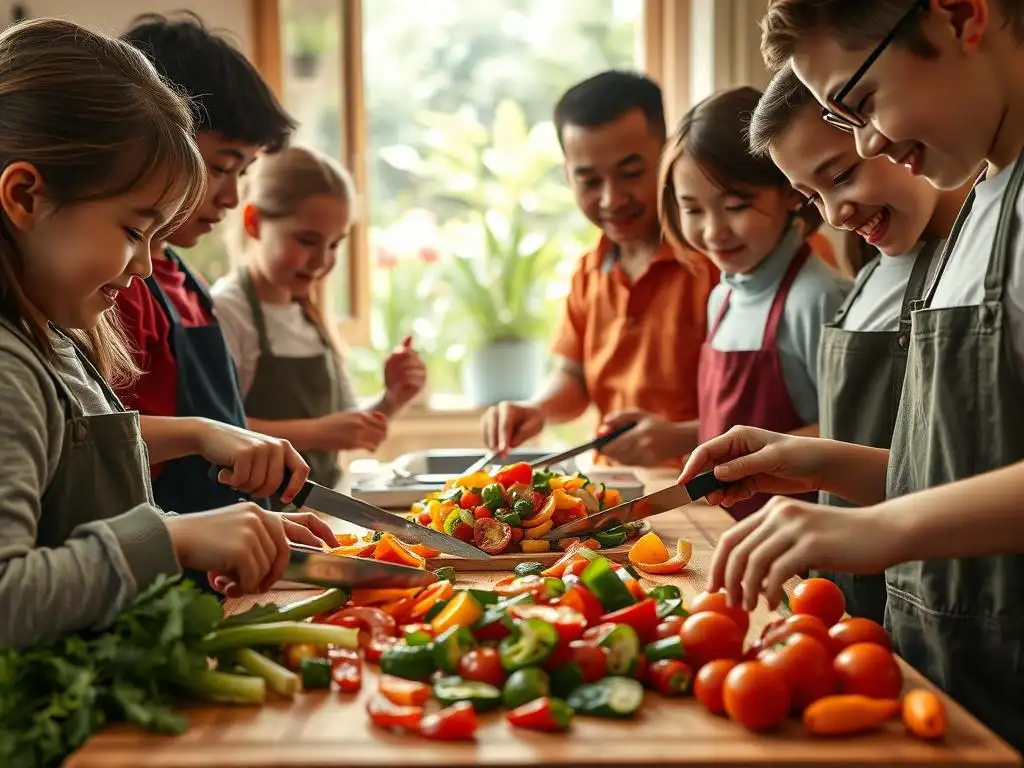
This section explores the significant educational advantages of involving children in the process of growing their own food and subsequently using it in the kitchen. It's not just about planting seeds and harvesting vegetables; it's about fostering a deeper understanding of where food comes from, its nutritional value, and the importance of healthy eating habits. The experience provides a holistic education that extends beyond the typical classroom setting.
Connecting Kids to Nature and Healthy Eating Habits
Engaging children in gardening fosters a profound connection with nature. They witness firsthand the life cycle of plants, from tiny seed to mature harvest, learning about the importance of sunlight, water, and soil nutrients. This hands-on experience builds appreciation for the natural world and promotes environmental awareness. Moreover, participating in the entire process, from planting to cooking, encourages children to eat more fruits and vegetables.
Studies show that children who are involved in growing their food are significantly more likely to consume it, leading to improved dietary habits and reduced reliance on processed foods. This creates a positive feedback loop: the more they participate, the more they appreciate and consume healthy foods. For example, a child who helped plant and care for a pepper plant will be far more likely to try the peppers in the stir-fry than a child who only sees peppers in the supermarket.
This connection to the source significantly impacts their food choices. The experience isn't just about learning; it’s about cultivating a lifelong love for healthy, sustainable eating. This translates into healthier habits and a greater understanding of the importance of nourishing their bodies.
Building Confidence and Life Skills Through Gardening and Cooking
Gardening and cooking together are exceptional opportunities for children to develop essential life skills. Planting seeds, weeding, and harvesting require patience, responsibility, and perseverance. The children experience the rewards of their efforts when they see their plants thrive and produce edible crops. This fosters a sense of accomplishment and boosts their self-esteem. Furthermore, preparing a meal with homegrown ingredients teaches valuable kitchen skills: measuring, chopping, stirring, and following recipes.
These are practical skills that will serve them well throughout their lives. The entire process, from seed to stir-fry, becomes a lesson in planning, organization, and problem-solving. For instance, if a plant isn't doing well, they learn to troubleshoot potential issues—perhaps it needs more water or less sun. This teaches them valuable adaptability and critical thinking skills. The experience empowers children, building their confidence and equipping them with life skills that go far beyond the kitchen garden.
This holistic approach to learning fosters well-rounded individuals prepared for the challenges and opportunities of life. The sense of accomplishment from nurturing a plant to fruition and then creating a delicious meal from the harvest is invaluable for a child's development. It's about nurturing their minds and bodies simultaneously. 🥕🌱👨🍳
Tips for Success: Making it Fun and Engaging
Growing your own food with kids isn't just about harvesting vegetables; it's about fostering a love for nature and healthy eating. To make the experience truly enjoyable and educational, focus on fun and engagement. Remember, the goal is to create positive associations with gardening, not pressure young ones into meticulous work.
Overcoming Common Challenges in Kids' Gardening
Kids, especially younger ones, can face several hurdles in the gardening process. Impatience is a common issue. They might plant seeds and expect instant results. Addressing this requires patience and clear explanations. Use visual aids, like a growth chart showing the stages of a plant's life cycle, to illustrate the time involved.
Explain that just like them, plants need time to grow and develop. Another challenge is maintaining consistent care. Kids can forget to water plants, leading to wilting and disappointment. To combat this, create a simple watering schedule with visual cues, like a colorful chart or stickers. Involving them in creating the schedule gives them a sense of ownership and responsibility.
Finally, dealing with pests and diseases can be upsetting. Instead of hiding the problem, use it as a teaching moment. Explain the importance of natural pest control methods and show them how to gently remove pests or identify signs of disease. Remember to emphasize that even experienced gardeners face these challenges, making it a shared learning experience. This fosters resilience and problem-solving skills.
Celebrating Successes and Encouraging Continued Participation
Celebrating milestones is crucial for maintaining engagement. Every small achievement, from sprouting seeds to harvesting the first radish, deserves recognition. Consider creating a "harvest journal" where kids can document their gardening journey, including pictures and descriptions of their experiences. This reinforces their efforts and provides a tangible record of their accomplishments. Another engaging method is to incorporate the harvested produce into fun, kid-friendly recipes.
A simple stir-fry, for example, is a perfect way to showcase their hard work and introduce them to healthy eating habits. This connects the gardening process to the final product, creating a satisfying and rewarding cycle. The "Kids gardening stirfry recipe" below shows how to easily incorporate homegrown vegetables. Finally, consider extending the learning beyond the garden by involving kids in related activities, such as making compost or learning about different types of soil.
This creates a holistic approach to gardening and encourages continued participation. The more connected they feel to the entire process, the more likely they are to continue gardening in the future. Turning gardening into a family activity, with shared responsibilities and celebrations, is key to making it a long-term success. This approach nurtures a love for nature, healthy eating habits, and a sense of accomplishment that will last a lifetime.
Frequently Asked Questions
What kind of vegetables are best for kids to grow?
Easy-to-grow vegetables like radishes, lettuce, and peas are perfect for young gardeners. They have quick growing times and offer satisfying results. Choose varieties appropriate for your climate.
How can I make gardening fun for children?
Involve them in every step, from planting seeds to harvesting the crops. Let them choose what to grow and make it a family project. Consider adding playful elements like decorating pots.
What is a simple stir-fry recipe using homegrown vegetables?
A basic stir-fry can include homegrown veggies like broccoli, carrots, and peppers. Sauté them with some soy sauce, garlic, and ginger for a quick and healthy meal. Add cooked noodles or rice for a complete dish.
How do I ensure my kids’ homegrown produce is safe to eat?
Wash all produce thoroughly before eating. Avoid using harmful pesticides and opt for organic methods of pest control. Teach children about safe food handling practices.
Where can I find more kid-friendly gardening and cooking resources?
Visit websites like CultivateYourFood for information on sustainable gardening practices and recipes. Many books and online resources offer age-appropriate gardening and cooking projects for kids.
Final Reflection: Harvesting the Seeds of Connection Through Cooking
The joy of nurturing a tiny seed into a vibrant vegetable, then transforming that harvest into a delicious family meal, is a powerful experience that transcends mere sustenance. It's a lesson in patience, responsibility, and the profound connection between our actions and the food we eat – a connection increasingly vital in our fast-paced world. This connection is more important than ever as we strive to teach children about healthy eating and environmental stewardship.
The impact of shared gardening and cooking experiences extends far beyond the dinner table. It fosters a deeper appreciation for nature's bounty, cultivates a sense of accomplishment, and strengthens family bonds. As the renowned chef Alice Waters so eloquently stated, Food is a powerful agent of change. It can transform lives, communities, and the world.
This rings especially true when children are actively involved in the entire process, from planting the seeds to savoring the final dish. The pride they feel in contributing to a meal, knowing they helped grow the ingredients, is immeasurable.
Now, consider your own kitchen garden, even if it's just a small pot of herbs on a windowsill. What seeds of connection can you plant? Imagine the possibilities: a simple tomato plant yielding a summer salad, a vibrant patch of peppers adding spice to a family meal, or even a small herb garden enriching your everyday cooking.
Embrace the opportunity to share this experience with your children, fostering a love for healthy eating, environmental awareness, and the enduring power of shared family time. Let the journey from sprout to stir-fry be a testament to the rich rewards of connecting with nature and each other.
Unleash Your Little Chefs: Grow & Cook Together!
Thank you for joining us on this journey from seed to supper! We hope you've gained inspiration and practical tips for growing delicious food with your children. Now it's time to put your knowledge into practice.
- Start your own small garden: Even a window box herb garden is a great place to begin. Involve your children in every step, from planting seeds to harvesting the herbs.
- Share your culinary creations: Take a photo of your family's homegrown meal and share it on social media—don't forget to tag us! Let's build a vibrant community of families cooking with their homegrown produce.
- Explore new recipes: Challenge yourselves to find a fun, kid-friendly recipe that highlights your homegrown ingredients. You might be surprised by the delicious results!
What delicious dish will your family create using your homegrown ingredients? Let us know in the comments!