
Top Vegetables for Drying: Extending Your Harvest with These Varieties

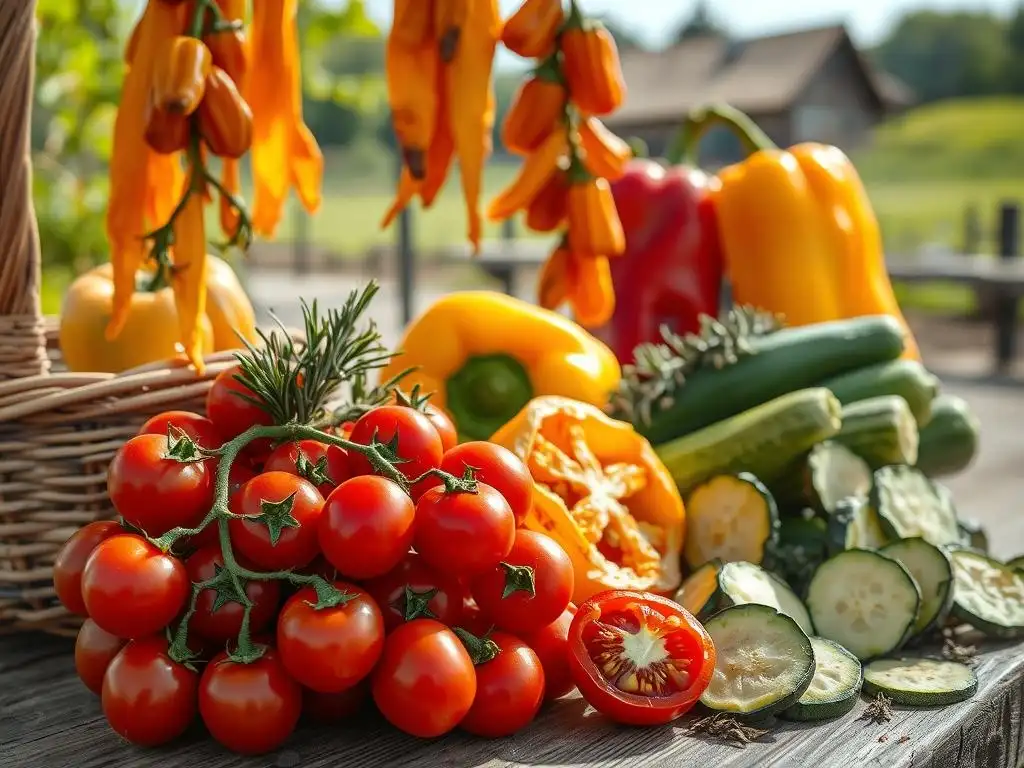
Ready to transform your garden bounty into delicious, long-lasting treats? CultivateYourFood is your guide to sustainable and organic home gardening. Discover the secrets to a thriving garden, from seed to harvest, and beyond! Learn which vegetables are best suited for drying—we’re revealing the best vegetables for drying in our latest article, ensuring your harvest extends far beyond the growing season. Dive in and unlock the potential of your homegrown produce!
- Best Vegetables for Drying: A Guide to Choosing the Right Crops
-
Top Choices for Dehydrated Vegetable Gardens: The Best Vegetables to Dry
- Tomatoes: Sun-Dried Tomatoes and Beyond - Drying Techniques and Uses
- Peppers: From Sweet to Spicy, Drying Peppers for Flavor and Versatility
- Onions and Garlic: Preserving Flavor and Aroma Through Dehydration
- Carrots and Other Root Vegetables: Drying for Long-Term Storage and Culinary Use
- Zucchini and Summer Squash: Drying Delicate Vegetables Successfully
- Greens and Leafy Vegetables: Drying Herbs and Leafy Greens for Culinary Use
- Drying Vegetables at Home: Essential Tips and Techniques for Success
- Creative Culinary Uses for Dried Vegetables: Recipes and Inspiration
- Extend Your Harvest: The Benefits of Drying Vegetables
- Frequently Asked Questions
- Final Reflection: Harvesting the Bounty, Preserving the Memories
- Unlock the Flavors of Fall: Dry Your Own Delicious Vegetables!
Best Vegetables for Drying: A Guide to Choosing the Right Crops
Drying vegetables is a fantastic way to extend your harvest and enjoy the bounty of your garden year-round. This process, often referred to as dehydration, removes moisture from vegetables, inhibiting microbial growth and preventing spoilage. The result? Delicious, shelf-stable vegetables ready to be rehydrated and incorporated into soups, stews, sauces, or enjoyed as a crunchy snack. This guide will explore the best vegetables for drying, focusing on varieties that retain their flavor, texture, and nutritional value after the dehydration process.
We'll delve into the characteristics that make certain vegetables ideal candidates for drying, and we'll also examine the various drying methods available to achieve optimal results. Understanding these factors will empower you to successfully preserve your harvest and enjoy the fruits (and vegetables!) of your labor long after the growing season ends. Let's get started on your journey to becoming a vegetable-drying expert! 🥕
Selecting Vegetables with Optimal Drying Characteristics: Moisture Content and Texture
Choosing the right vegetables is crucial for successful drying. Not all vegetables are created equal when it comes to dehydration. The best candidates possess characteristics that lend themselves to the process. Primarily, we need to consider moisture content and texture. Vegetables with naturally lower moisture content tend to dry more quickly and evenly, reducing the risk of spoilage during the process. Similarly, the texture of the vegetable plays a significant role. Firm, dense vegetables generally hold their shape better during drying, resulting in a more appealing final product.
Here's a breakdown of factors to consider:
- Moisture Content: Look for vegetables with naturally lower water content. High-moisture vegetables might take a longer time to dry and may be more prone to mold.
- Texture: Firm vegetables, like peppers and tomatoes, generally dry better than softer vegetables like cucumbers. The ideal texture should hold its shape even after dehydration.
- Flavor: Some vegetables, like onions and garlic, intensify in flavor after drying. Consider this when selecting your vegetables.
Let's look at some specific examples: Tomatoes, for instance, are a fantastic choice due to their relatively low moisture content and firm flesh when ripe. Onions and garlic are also excellent choices, as their strong flavors become even more concentrated after drying. However, leafy greens like spinach and lettuce are generally less suitable for drying due to their high water content and tendency to become brittle.
Understanding the Drying Process: Dehydration Methods for Vegetables
Once you've selected your vegetables, understanding the drying process is key to achieving optimal results. Several methods exist, each with its own advantages and disadvantages. The key is to remove moisture slowly and evenly to prevent spoilage and maintain the quality of the vegetables.
Here are some common methods:
- Air Drying: This traditional method involves spreading vegetables thinly on trays and allowing them to dry naturally in a well-ventilated, dry area. This method is the slowest but often yields the best results in terms of flavor and texture. It requires patience and careful monitoring to prevent spoilage.
- Dehydrator: Electric dehydrators provide a controlled environment for drying vegetables, offering precise temperature and airflow control. This method is faster and more consistent than air drying, minimizing the risk of spoilage.
- Oven Drying: Using a low oven temperature with the door slightly ajar can also dry vegetables. This method requires careful monitoring to prevent burning.
Regardless of the method you choose, proper preparation is essential. Cleaning, slicing, and blanching (briefly boiling) your vegetables before drying can help remove excess moisture and improve the drying process. Proper storage after drying is also crucial to maintain quality and prevent spoilage. Using airtight containers in a cool, dark, and dry place is recommended. By following these guidelines, you can enjoy your homegrown vegetables for months to come!
Top Choices for Dehydrated Vegetable Gardens: The Best Vegetables to Dry
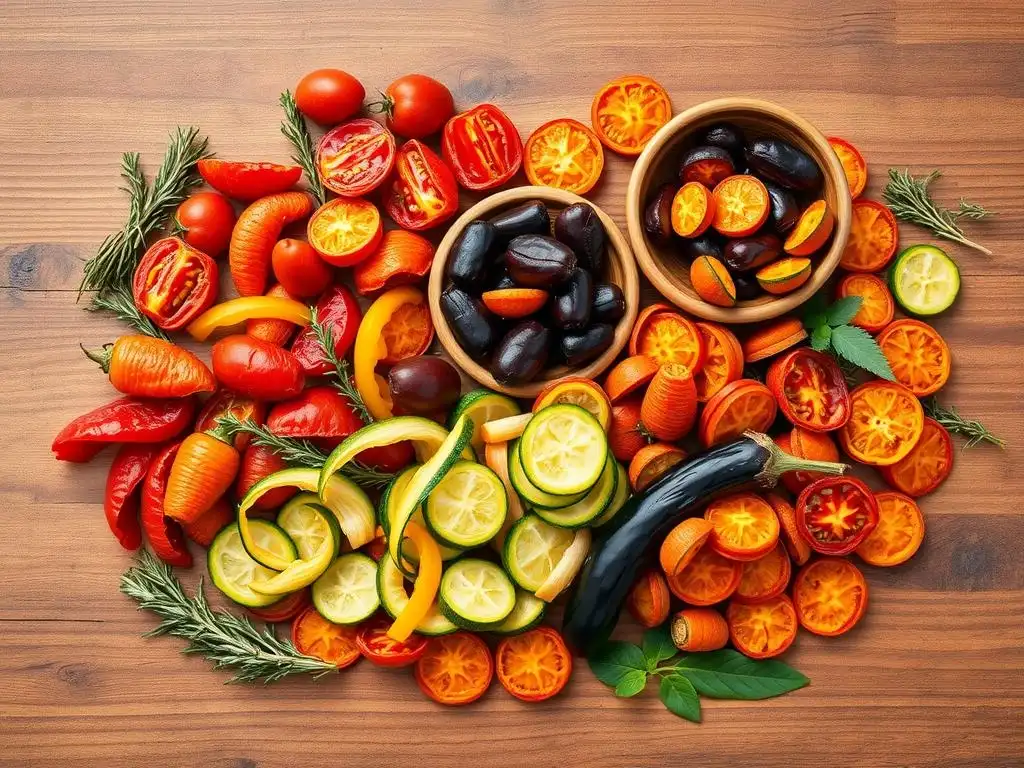
This section explores the best vegetables for drying, focusing on varieties that retain their flavor, texture, and nutritional value after dehydration. Choosing the right vegetables is crucial for maximizing the benefits of drying and ensuring a successful harvest preservation strategy. We'll delve into specific varieties and techniques, providing you with the knowledge to cultivate and dry your own delicious, long-lasting vegetables. This guide will help you achieve optimal results when searching for the best vegetables for drying, ensuring a bountiful and flavorful harvest throughout the year.
Tomatoes: Sun-Dried Tomatoes and Beyond - Drying Techniques and Uses
Tomatoes are a popular choice for drying, offering a concentrated burst of flavor in their dehydrated form. Sun-dried tomatoes, in particular, are a culinary staple, prized for their intense sweetness and chewy texture. However, not all tomato varieties are created equal when it comes to drying.
For optimal results, select meaty, low-moisture varieties like Roma, San Marzano, or heirloom varieties known for their thick flesh. Avoid watery tomatoes, as they'll take longer to dry and may become mushy.
There are several drying methods for tomatoes:
- Sun Drying: This traditional method requires sunny, dry weather and good air circulation. Halve or quarter the tomatoes, removing seeds and excess moisture. Place them cut-side up on drying racks or trays, ensuring adequate spacing for airflow. This method delivers the most intense flavor.
- Dehydrator Drying: A food dehydrator offers more control over the drying process, ensuring even drying and reducing the risk of spoilage. Follow the manufacturer's instructions for temperature and drying time.
- Oven Drying: This method is less ideal, as it can easily over-dry the tomatoes, resulting in a leathery texture. However, if done carefully with low heat and proper ventilation, it can be a viable option.
Once dried, tomatoes can be stored in airtight containers in a cool, dark place for several months. They are incredibly versatile, adding depth of flavor to pasta sauces, pizzas, salads, and pesto. They can also be packed in oil for longer storage. Experiment with different herbs and spices during the drying process to create unique flavor profiles. For example, adding oregano or basil while sun-drying can infuse the tomatoes with an aromatic complexity.
Peppers: From Sweet to Spicy, Drying Peppers for Flavor and Versatility
Peppers, both sweet and spicy, are excellent candidates for drying. Their vibrant colors and intense flavors are preserved beautifully through dehydration, adding a punch to your culinary creations.
The best peppers for drying are those with thick walls and low moisture content. Examples include:
- Sweet Peppers: Bell peppers (various colors), banana peppers, and cubanelle peppers are all great choices.
- Spicy Peppers: Jalapeños, serranos, and even milder varieties like poblanos dry well, retaining their heat. However, be mindful of handling spicy peppers—wear gloves to avoid skin irritation!
Drying techniques for peppers mirror those for tomatoes: sun drying, dehydrator drying, and oven drying are all viable options. Remember to remove stems and seeds before drying to prevent mold and ensure even dehydration.
Dried peppers can be ground into flakes or powders, adding a flavorful kick to sauces, stews, chili, and rubs for meats. They can also be reconstituted in water or broth and used in various dishes. The intense flavor of dried peppers makes a small amount go a long way. Consider labeling your dried peppers with their heat level for future reference! This helps in meal planning and prevents accidental culinary explosions! 🔥
Onions and Garlic: Preserving Flavor and Aroma Through Dehydration
Onions and garlic, the cornerstones of many cuisines, dry exceptionally well, retaining their pungent aromas and flavors. Drying these alliums allows you to enjoy their unique taste year-round.
For drying, choose firm, mature onions and garlic bulbs with no signs of damage or sprouting. You can dry them whole, sliced, or chopped, depending on your preference and intended use.
- Onions: Slicing onions thinly allows for faster drying. Consider using a mandoline slicer for even, consistent slices.
- Garlic: Separate garlic cloves and remove the papery skin before drying. You can dry whole cloves or slice them thinly.
Similar to tomatoes and peppers, sun drying, dehydrator drying, and oven drying are all suitable methods. Proper ventilation is crucial to prevent mold growth. Once dried, store onions and garlic in airtight containers in a cool, dark, and dry place.
Dried onions and garlic add a concentrated flavor to soups, stews, sauces, and spice blends. They can also be crushed or powdered for use as seasoning. The strong flavors of these dried alliums will enhance any recipe. Consider adding them to homemade spice mixes for a unique flavor profile. Remember to always handle dried garlic and onions with clean, dry hands to prevent contamination and maintain quality.
Carrots and Other Root Vegetables: Drying for Long-Term Storage and Culinary Use
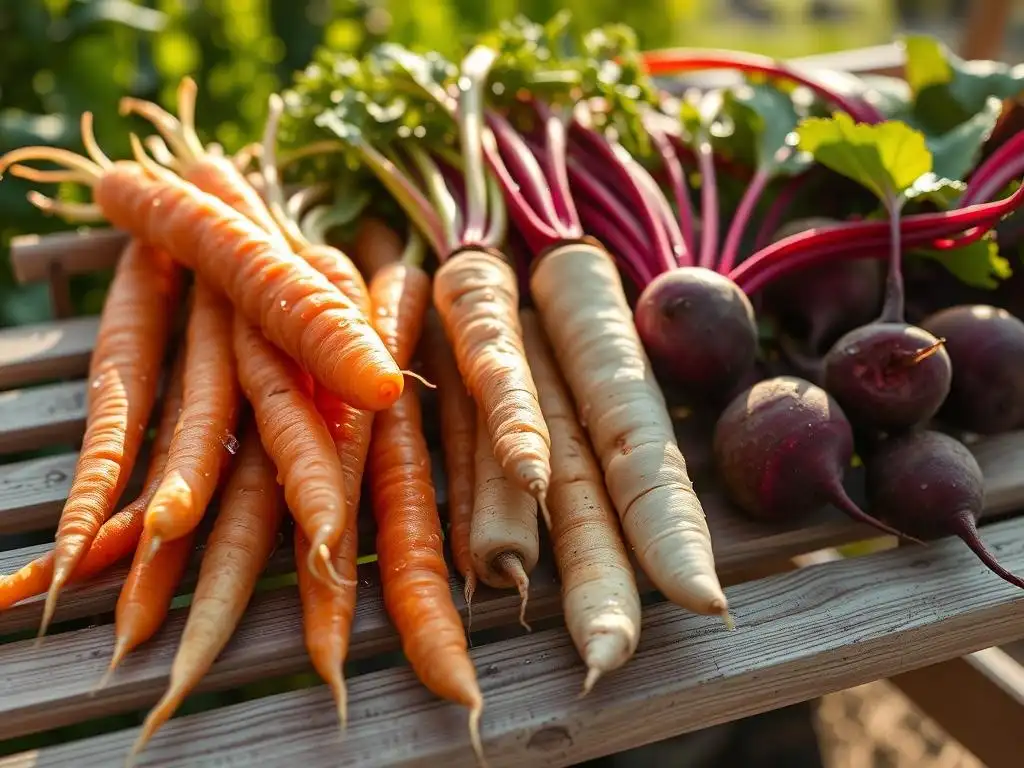
Carrots are an excellent choice for drying, offering a convenient way to preserve their sweetness and nutritional value throughout the year. Their high sugar content contributes to a successful drying process, resulting in a chewy texture perfect for soups, stews, and as a snack. Before drying, thoroughly clean and scrub the carrots, removing any dirt or debris. Peeling is optional; some prefer leaving the skin on for added nutrients and a slightly more robust flavor.
Thickly sliced carrots dry more evenly than thinly sliced ones, minimizing the risk of burning or uneven dehydration. Consider using a dehydrator set to a low temperature (around 135°F or 57°C) for optimal results. Properly dried carrots should be leathery and pliable, not brittle or crumbly. They store well in airtight containers in a cool, dark, and dry place for up to a year.
Other root vegetables suitable for drying include parsnips, beets, and sweet potatoes. Parsnips, similar to carrots, benefit from thicker slicing and low-temperature drying. Beets, however, require a slightly different approach. They should be cooked briefly before slicing and drying to reduce drying time and enhance their flavor. Sweet potatoes, known for their vibrant color and sweetness, are best dried after being peeled and thinly sliced. Remember to monitor the drying process closely, as different root vegetables may require varying drying times depending on their size and thickness. Proper storage is crucial for maintaining the quality and preventing spoilage.
The versatility of dried root vegetables extends beyond simple storage. They are a fantastic addition to homemade spice blends, adding a unique depth of flavor and sweetness. They can also be rehydrated and incorporated into various dishes, from hearty soups and stews to flavorful side dishes. The intense flavor concentration in dried root vegetables makes them a potent ingredient, allowing you to use a smaller quantity to achieve the desired taste. Experiment with different combinations to discover your favorite flavor profiles.
Zucchini and Summer Squash: Drying Delicate Vegetables Successfully
Drying zucchini and summer squash presents a unique challenge due to their high water content and delicate texture. These vegetables require careful preparation and a gentle drying method to prevent them from becoming mushy or sticking together during the process. Choosing the right stage of ripeness is crucial; slightly underripe zucchini and summer squash offer a firmer texture that holds up better during drying. Avoid overripe specimens, as they tend to be watery and less likely to dry successfully. Thinly slicing these vegetables is essential for even drying. A mandoline slicer can be helpful for achieving consistent, thin slices.
Before drying, it's beneficial to blanch the zucchini and summer squash briefly in boiling water for about one to two minutes. This process helps inactivate enzymes that can cause discoloration and deterioration during drying, retaining the vibrant green color. Immediately after blanching, plunge the slices into ice water to stop the cooking process and preserve their texture and nutrients. Drying should be done at a low temperature (around 135°F or 57°C) in a dehydrator or a low oven with the door slightly ajar. Properly dried zucchini and summer squash will be leathery and slightly pliable.
While not as widely used as dried carrots or herbs, dried zucchini and summer squash offer a unique culinary advantage. They can be rehydrated and used as an ingredient in bread, muffins, or as a substitute for breadcrumbs. The subtle flavor and light texture make them a versatile addition to various recipes, providing a nutrient-rich component without overwhelming the overall taste of the dish.
Experiment with adding them to soups, stews, or even as a crispy topping for baked goods. The key is to use them sparingly, as their flavor is more delicate than other dried vegetables. Proper storage, in an airtight container in a cool, dry place, is essential to maintain quality.
Greens and Leafy Vegetables: Drying Herbs and Leafy Greens for Culinary Use
Drying herbs and leafy greens offers a fantastic way to preserve their vibrant flavors and nutritional benefits. Basil, parsley, thyme, oregano, and spinach are excellent candidates for drying. Before drying, thoroughly wash and dry the greens to remove any dirt or debris. Larger leaves should be roughly chopped or torn into smaller pieces to ensure even drying. For optimal results, dry the greens in a single layer to allow for proper airflow. Overcrowding can lead to clumping and uneven drying, potentially resulting in mold or spoilage.
Several methods can be used to dry herbs and leafy greens. Air drying is a simple method that involves hanging bunches of herbs upside down in a cool, dark, and well-ventilated area. This process takes longer, often several days to a week, but requires minimal equipment. Dehydrators offer a faster and more controlled drying method, ensuring even dehydration and minimizing the risk of spoilage. A low oven with the door slightly ajar can also be used, but requires careful monitoring to prevent burning. Regardless of the method chosen, the goal is to achieve a crisp, brittle texture.
Properly dried herbs and leafy greens should be stored in airtight containers in a cool, dark, and dry place. They retain their flavor and aroma for several months, sometimes even up to a year depending on the herb and storage conditions. Dried herbs and leafy greens are a convenient way to add flavor and nutrients to soups, stews, sauces, and other dishes throughout the year.
They can also be used to create homemade spice blends and seasonings. Their concentrated flavor makes them a powerful ingredient, requiring less to achieve the desired taste compared to fresh herbs. Remember to experiment with different combinations to discover your preferred flavor profiles, adding a unique touch to your culinary creations.
Drying Vegetables at Home: Essential Tips and Techniques for Success
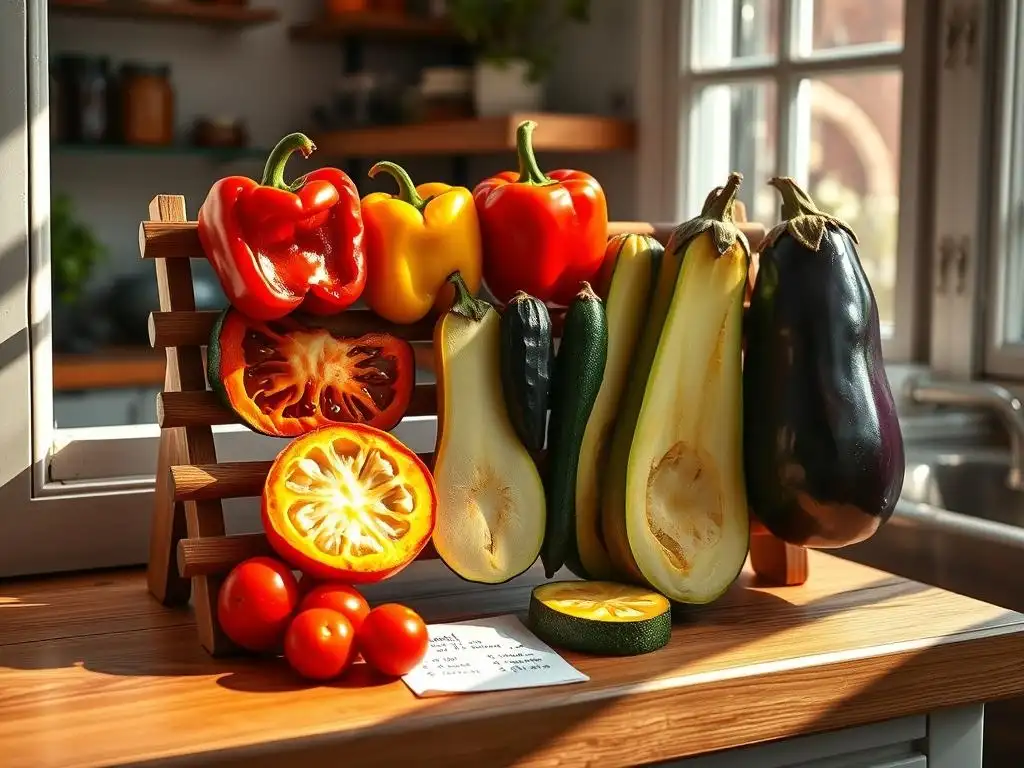
This section focuses on the practical aspects of drying vegetables at home, ensuring you achieve optimal results and preserve the flavor and nutrients of your harvest. Successful vegetable drying hinges on careful preparation and the right techniques, regardless of whether you're using the sun, air, or a food dehydrator. Understanding these processes will significantly improve the quality and longevity of your dried vegetables.
We'll explore the best practices to make your home-dried vegetables a delicious and nutritious addition to your pantry. Remember, consistent monitoring and attention to detail are key to achieving the best results when drying vegetables. The best vegetables for drying are those that are naturally low in moisture content and hold their shape well during the drying process.
Preparing Vegetables for Drying: Cleaning, Slicing, and Blanching
Proper preparation is crucial for successful vegetable drying. Begin by thoroughly washing your vegetables to remove any dirt, debris, or pesticide residue. This step is essential to prevent contamination and ensure food safety. After washing, carefully inspect each vegetable for any blemishes or damaged parts, removing these before proceeding. Uniform slicing is key for even drying. Thinner slices will dry faster, but thicker slices may retain more nutrients. A general guideline is to aim for slices between ⅛ and ¼ inch thick. Experiment to find the best thickness for your chosen vegetables and dehydrator.
Some vegetables, particularly those high in moisture content or prone to enzymatic browning (like leafy greens or potatoes), benefit from blanching before drying. Blanching involves briefly boiling or steaming the vegetables to inactivate enzymes that cause discoloration and loss of nutrients. This process also helps to reduce drying time and maintain vibrant color. For blanching, bring a pot of water to a rolling boil, add the vegetables, and cook for the recommended time (typically 1-2 minutes).
Immediately plunge the vegetables into an ice bath to stop the cooking process. Thoroughly drain the blanched vegetables before proceeding to the drying stage. Remember to always follow recommended blanching times to avoid overcooking. The best vegetables for drying often don't require blanching, but it significantly improves the quality of others.
Natural Drying Methods: Sun Drying and Air Drying Vegetables
Natural drying methods, utilizing the sun and air, offer a cost-effective way to dry vegetables. However, they are more dependent on weather conditions and require more time and attention. Sun drying is ideal in regions with consistently warm, dry weather. Choose a location with ample sunlight and good air circulation, ideally protected from insects and animals.
Arrange the prepared vegetables on clean trays or screens, ensuring good spacing for airflow. Cover the trays with cheesecloth or netting to protect the vegetables from insects and dust. Regularly check the vegetables and turn them to ensure even drying. Sun drying can take several days to a week, depending on weather conditions and the thickness of the vegetable slices.
Air drying is a slower process that can be used even in less sunny conditions. It involves placing the prepared vegetables in a well-ventilated area, away from direct sunlight and moisture. Similar to sun drying, use screens or trays and ensure good spacing between the vegetable slices.
Air drying can take significantly longer than sun drying, potentially lasting several weeks. This method is best suited for vegetables that are less susceptible to spoilage and require a slower drying process to preserve their quality. Air drying is a good option for those lacking ample sunshine but still wishing to utilize natural drying methods.
Using a Food Dehydrator: Optimizing the Dehydration Process
A food dehydrator offers the most consistent and controlled method for drying vegetables. It provides a constant temperature and airflow, ensuring even drying and minimizing the risk of spoilage. Follow the manufacturer's instructions for your specific model. Generally, you'll arrange the prepared vegetables in a single layer on the dehydrator trays, ensuring there's sufficient space between slices for optimal airflow.
Set the dehydrator to the recommended temperature (usually between 125-145°F or 52-63°C). The drying time will vary depending on the type of vegetable, thickness of slices, and the dehydrator's power. Regularly check the vegetables during the drying process and rotate the trays if necessary to ensure even drying. The vegetables are completely dry when they are brittle and easily crumble.
Properly dried vegetables should be stored in airtight containers in a cool, dark, and dry place to maintain their quality and prevent spoilage. Using a food dehydrator allows for a greater control over the drying process, yielding consistently high-quality dried vegetables. This method is often preferred for its speed, consistency, and ease of use.
Storing Dried Vegetables: Ensuring Long-Term Quality and Preventing Spoilage
Proper storage is crucial for maintaining the quality and extending the shelf life of your dried vegetables. Improper storage can lead to spoilage, pest infestation, and a significant loss of flavor and nutrients. The key is to keep your dried vegetables in a cool, dark, and dry environment. Think of it like this: you want to mimic the conditions that would naturally preserve the vegetables, minimizing exposure to moisture and light.
Airtight containers are your best friend. Glass jars with tight-fitting lids are ideal, offering excellent protection against moisture and pests. Avoid using plastic containers unless they are specifically designed for food storage and are airtight. Plastic can sometimes absorb odors and impart them to your dried vegetables, compromising their taste. Furthermore, some plastics may release chemicals over time, affecting the quality of your produce.
Before storing, ensure your dried vegetables are completely cool and dry. Any residual moisture can promote mold growth, significantly reducing their shelf life. You might consider using a food dehydrator with a low-heat setting for a final hour or two to eliminate any remaining moisture. However, avoid over-drying, as this can lead to brittleness and a loss of flavor.
Consider using desiccant packs within your storage containers. These small packets absorb excess moisture, helping to create an even drier environment. You can often find these in shoe boxes or with electronics; however, for food storage, it's recommended to use desiccant packs specifically designed for food preservation. These packs are usually silica gel based and are non-toxic for food storage.
Label your containers clearly with the type of vegetable and the date of drying. This simple step will help you easily identify and rotate your stock, ensuring you use the oldest vegetables first. This practice, known as "First In, First Out" (FIFO), is critical in preventing spoilage and maximizing the enjoyment of your homegrown produce. Proper labeling also aids in inventory management, allowing you to know what you have and plan accordingly for future harvests.
Remember, even with the best storage practices, dried vegetables have a limited shelf life. Most will last for 6-12 months under ideal conditions, but some may degrade sooner depending on the type of vegetable and the storage conditions. Regularly inspect your stored vegetables for any signs of spoilage, such as mold growth or unusual odors.
If you notice any problems, discard the affected vegetables immediately. This prevents contamination of other batches and ensures food safety. By following these simple steps, you can significantly extend the enjoyment of your hard work and savor the flavors of your homegrown vegetables throughout the year.
Creative Culinary Uses for Dried Vegetables: Recipes and Inspiration
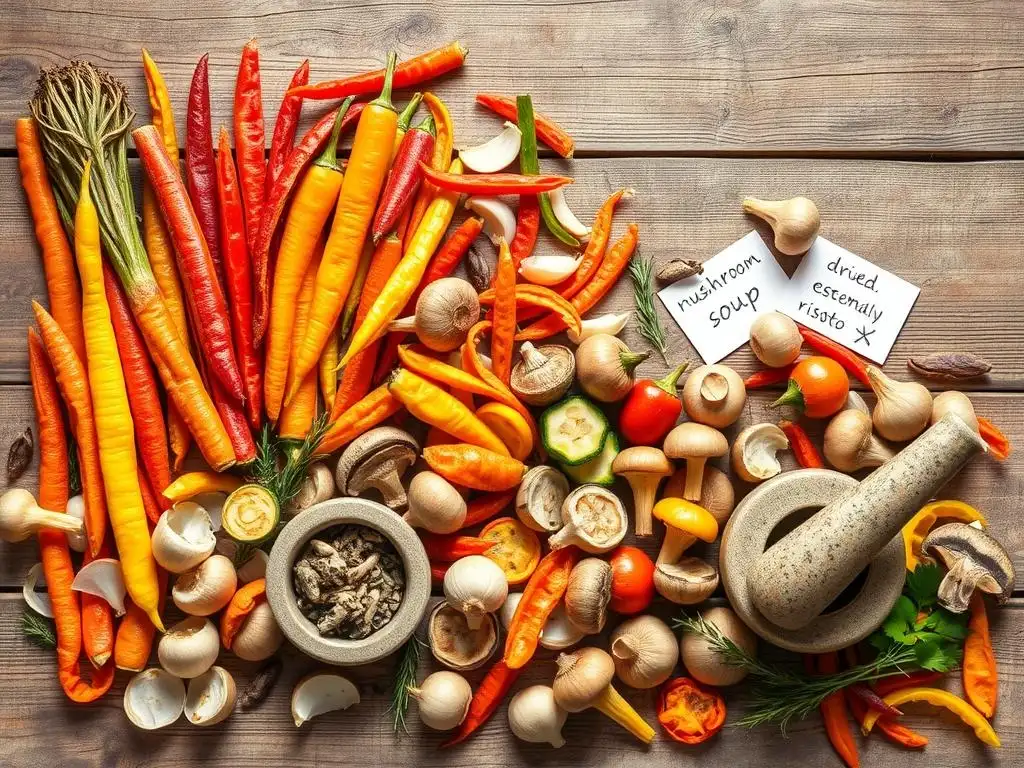
Drying vegetables isn't just about preservation; it's about unlocking a world of culinary creativity. The process intensifies flavors, creating unique textures and possibilities for innovative dishes. The best vegetables for drying often lend themselves to surprising applications, far beyond the simple rehydration and addition to a dish. Let's explore some exciting options.
Incorporating Dried Vegetables into Soups, Stews, and Sauces
Dried vegetables add depth and complexity to soups, stews, and sauces. Think of the rich, earthy notes of dried mushrooms in a creamy mushroom soup, or the vibrant color and intense flavor of sun-dried tomatoes in a pasta sauce. The key is to rehydrate them properly before adding them to your recipe. For example, dried tomatoes can be rehydrated simply by soaking them in warm water for 15-20 minutes, while heartier vegetables like carrots or zucchini may require a longer soak or even simmering in the cooking liquid.
The advantage of using dried vegetables in soups and stews is twofold: firstly, it adds a concentrated burst of flavor that fresh vegetables might lack; secondly, it provides a convenient way to utilize excess produce from your garden, extending the life of your harvest. Consider adding a tablespoon or two of finely chopped dried vegetables to your favorite recipes — experiment with different combinations to discover your perfect blend. For instance, a hearty beef stew could benefit from the addition of dried carrots, celery, and onions, adding a depth of flavor that’s hard to replicate with fresh ingredients alone.
The texture of the dried vegetables will soften during the long simmering process, seamlessly integrating into the stew. Adding them early in the cooking process ensures they are fully rehydrated and contribute their full flavor potential.
Using Dried Vegetables in Seasonings and Spice Blends
Dried vegetables offer an unexpected twist to seasoning blends. Finely ground dried vegetables, such as onions, garlic, peppers, or herbs, can add a depth of flavor to rubs for meats, marinades, and even spice blends for baking. The drying process concentrates the flavors, making them incredibly potent in small quantities. Imagine the punch of a chili powder enhanced with finely ground dried chilis, adding a layer of complexity beyond the standard blend.
Creating your own custom blends is easy and rewarding. Experiment with different combinations of dried vegetables and herbs to create unique flavor profiles. For example, a simple blend of dried onion, garlic, and oregano creates a flavorful base for many dishes. You can further enhance the blend with other spices, such as cumin, paprika, or cayenne pepper, to tailor it to your taste.
Remember to store your custom blends in airtight containers in a cool, dark place to preserve their freshness and flavor. This method is particularly useful for preserving the harvest of herbs that might otherwise wilt before you can use them all. The concentrated flavor of dried herbs will elevate your cooking to a new level. Consider creating several blends for different cuisines – Italian, Mexican, or even Asian inspired blends.
Dried Vegetable Powders: Creating Your Own Custom Blends
Taking the concept of dried vegetables a step further, creating your own powdered vegetable blends offers unparalleled versatility. This involves grinding the dried vegetables into a fine powder using a spice grinder or blender. This process further intensifies the flavor and allows for easy incorporation into a wide range of dishes. The resulting powders can be used as a flavor enhancer in soups, stews, sauces, or even sprinkled directly onto finished dishes as a garnish.
The possibilities are endless. Consider creating a custom blend of powdered carrots, celery, and onion for a savory base in many dishes. Or, for a more vibrant flavor profile, experiment with a blend of powdered tomatoes, peppers, and garlic. The key is to experiment and discover the combinations that suit your taste. Remember to label your containers clearly with the contents and date of creation to ensure easy identification and optimal freshness.
Proper storage is key to maintaining the quality of your powdered vegetable blends. Airtight containers, stored in a cool, dark, and dry place, are recommended for long-term preservation. The potential applications of these custom blends are vast and waiting to be explored. This is a fantastic method to preserve the essence of your harvest, extending its use throughout the year. 🎉
Extend Your Harvest: The Benefits of Drying Vegetables
Drying vegetables is a fantastic way to extend your harvest and reap the rewards of your gardening efforts long after the growing season ends. This preservation method offers numerous advantages, making it a valuable skill for any home gardener aiming for sustainability and minimizing food waste. By drying your vegetables, you effectively transform abundant summer harvests into delicious and nutritious ingredients available throughout the year.
This process not only reduces waste but also maximizes the nutritional value of your produce, ensuring that you can enjoy the fruits (or rather, vegetables!) of your labor for months to come. The best vegetables for drying are those with a low moisture content and a sturdy texture that can withstand the drying process without becoming mushy or overly brittle.
Reducing Food Waste: Preserving Excess Produce from Your Garden
One of the most significant benefits of drying vegetables is its ability to drastically reduce food waste. Many home gardeners experience a glut of produce during peak seasons, leaving them with more vegetables than they can consume fresh. Drying provides a solution to this common problem.
Instead of letting excess zucchini, peppers, or beans spoil, you can preserve them for later use. Consider this: a single prolific tomato plant can yield far more tomatoes than a family can eat fresh in a single season. Drying these tomatoes into sun-dried tomatoes or tomato powder transforms them into a versatile ingredient for sauces, soups, and other culinary creations, preventing waste and maximizing your harvest.
By embracing drying techniques, you directly contribute to a more sustainable approach to food production and consumption. The environmental impact of reducing food waste is significant, and drying vegetables offers a simple yet effective method to achieve this goal. This is particularly relevant for those aiming to minimize their carbon footprint and adopt eco-friendly gardening practices.
Year-Round Access to Fresh Flavors: Enjoying Homegrown Vegetables All Year
Drying allows you to savor the taste of your homegrown vegetables even during the colder months when fresh produce may be scarce or less flavorful. The process locks in much of the original flavor, creating a concentrated taste experience. Imagine enjoying the vibrant flavor of your homegrown basil in a winter pasta dish or adding the sun-kissed sweetness of dried tomatoes to a hearty stew. This is the magic of drying – preserving the essence of summer for winter's enjoyment.
The best vegetables for drying often retain their characteristic flavors exceptionally well. For example, herbs like rosemary, thyme, and oregano are easily dried and maintain their aromatic qualities, becoming valuable additions to winter cooking. Dried vegetables provide a convenient and flavorful way to add nutrients and depth to your meals all year round, even when your garden is resting.
Nutritional Value Retention: Maximizing the Health Benefits of Dried Vegetables
While some nutrient loss is inevitable during any preservation process, drying vegetables retains a surprisingly high percentage of their nutritional value. Many vitamins and minerals are well-preserved through the drying process, particularly when proper techniques are employed. For instance, dried tomatoes are a good source of lycopene, an antioxidant linked to various health benefits.
However, it's important to note that the concentration of certain nutrients increases in dried vegetables due to the reduction in water content. This means that while the overall amount of a specific vitamin might be less than in its fresh counterpart, the concentration per serving could be higher. This makes dried vegetables a valuable component of a healthy diet.
Proper storage is crucial to maintaining the nutritional value of dried vegetables; airtight containers in a cool, dark, and dry place are recommended to prevent spoilage and nutrient degradation. The preservation of essential nutrients through drying extends the health benefits of your homegrown vegetables far beyond the growing season.
Frequently Asked Questions
What are the best vegetables for drying?
Many vegetables are ideal for drying! High-moisture content vegetables like tomatoes, peppers, and onions are excellent choices. Others include zucchini, green beans, and mushrooms.
How do I prepare vegetables before drying?
Proper preparation is key. Clean and slice your vegetables thinly and evenly for consistent drying. Blanching some vegetables (like green beans) helps retain color and nutrients.
What are the different methods for drying vegetables?
You can use several methods: sun drying, dehydrator drying, and oven drying are all popular choices. Each method has its advantages and disadvantages.
How do I store dried vegetables properly?
Store your dried vegetables in airtight containers in a cool, dark, and dry place. This will help maintain their quality and prevent spoilage. Proper storage extends the shelf life.
How long do dried vegetables last?
Dried vegetables can last for several months or even a year if stored correctly. Always check for any signs of spoilage before using them. Proper storage is crucial for longevity.
Final Reflection: Harvesting the Bounty, Preserving the Memories
The art of drying vegetables, once a necessity for survival, remains a powerful tool for extending the harvest and connecting with the rhythms of nature. In a world increasingly focused on instant gratification, the deliberate act of preserving food offers a profound counterpoint, a tangible link to the past and a sustainable practice for the future. This simple act of drying transforms seasonal abundance into year-round enjoyment, reducing food waste and fostering a deeper appreciation for the food we consume.
The impact of preserving food extends far beyond the practical; it's a cultural legacy woven into the fabric of our history. From sun-dried tomatoes gracing Italian pasta dishes to the crisp crunch of dehydrated onions adding depth to winter stews, these techniques have shaped culinary traditions across the globe. The process itself becomes a meditative practice, a mindful connection to the land and the bounty it provides. We must not forget that the earth is our mother, and we must treat her with respect.
This sentiment, though not directly about food preservation, speaks to the underlying principle of sustainable living and respecting the resources we are given.
Consider the vegetables you've grown or purchased this season. Imagine the vibrant colors and flavors preserved, ready to be reintroduced into your meals months later. This isn't just about extending the shelf life of your produce; it's about extending the joy and nourishment it brings. Take the time to experiment with drying different vegetables, to discover new textures and tastes. Embrace the process, learn from your experiences, and share your harvest with others. The rewards are far greater than a well-stocked pantry; they are a testament to your connection with nature and a legacy of mindful living.
Unlock the Flavors of Fall: Dry Your Own Delicious Vegetables!
Thanks for exploring the wonderful world of vegetable drying with us! You've learned how to extend your harvest and enjoy fresh flavors all year round. Ready to put your new knowledge into practice?
- Start drying your favorite vegetables today! Choose from a wide variety—you'll be amazed at how easy it is. For example, try drying tomatoes for pasta sauces, or bell peppers for flavorful powders.
- Share your drying success (and any delicious recipes you create!) on social media using #CultivateYourFood. Let's inspire each other!
- Explore other preservation techniques on CultivateYourFood.org; discover even more ways to savor your harvest long after the growing season ends.
What's the first vegetable you're going to dry? Let us know in the comments below!