
Feeding a Family on a Budget: Maximizing Your Garden's Output

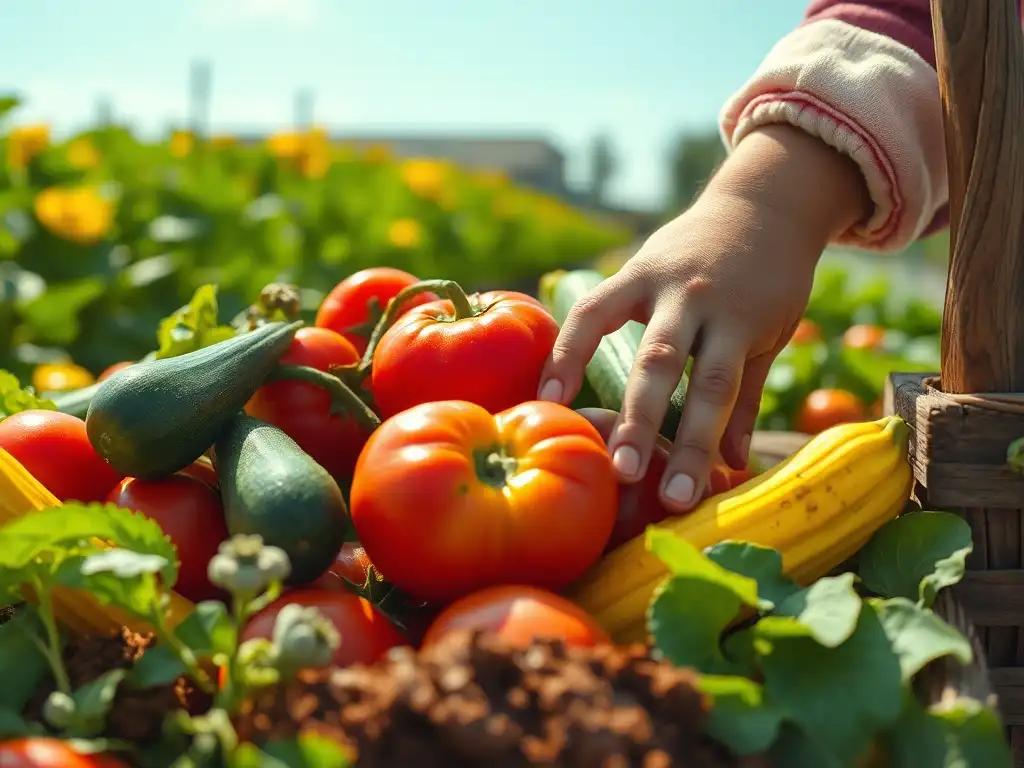
Welcome to CultivateYourFood, your guide to a thriving, sustainable garden! Are you dreaming of fresh, organic produce without breaking the bank? Our focus on cheap organic vegetable gardening will show you how to maximize your yield and feed your family delicious, healthy food, all while embracing environmentally friendly practices. Discover the secrets to a bountiful harvest and embark on your journey towards self-sufficiency – let's get growing!
- Planning Your Cheap Organic Vegetable Garden for Maximum Yield
- Planting Techniques for Cheap Organic Vegetable Gardening
- Sustainable Gardening Practices for Cheap Organic Food Production
- Harvesting and Preserving Your Bountiful Harvest
- Budget-Friendly Tools and Resources for Cheap Organic Vegetable Gardening
- Long-Term Strategies for Sustainable Cheap Organic Vegetable Gardening
-
Frequently Asked Questions
- How can I start an organic vegetable garden without spending a lot of money?
- What are some low-cost organic pest control methods?
- Which vegetables are the most cost-effective to grow at home?
- How can I maximize my garden's output to feed my family on a budget?
- Where can I find free or low-cost resources for organic gardening?
- Final Reflection: Harvesting Abundance, Sowing Hope
- Unlock Your Garden's Bounty: Grow More, Spend Less!
Planning Your Cheap Organic Vegetable Garden for Maximum Yield
Feeding your family healthy, organic produce doesn't have to break the bank. This guide will walk you through planning a thriving, high-yield vegetable garden that minimizes costs while maximizing your harvest. We'll explore strategies for assessing your family's needs, selecting cost-effective and productive vegetable varieties, and designing a space-efficient garden layout – all while adhering to sustainable and organic principles. By following these steps, you can significantly reduce your grocery bill and enjoy the satisfaction of growing your own nutritious food, making "cheap organic vegetable gardening" a reality. Let's cultivate abundance together! 🥕
Assessing Your Family's Needs: Vegetable Consumption Analysis
Before you even think about planting a single seed, it's crucial to understand your family's vegetable consumption habits. This seemingly simple step is the foundation of a successful, budget-friendly garden. Avoid wasting valuable space and resources on vegetables you rarely eat.
To conduct a thorough analysis, consider the following:
- Keep a Food Diary: For a week or two, meticulously record every vegetable your family consumes. Note the quantity, type, and frequency of consumption. This data will provide a realistic picture of your actual needs.
- Seasonal Preferences: Consider seasonal variations in vegetable consumption. Do you eat more salads in the summer and hearty stews in the winter? This will influence your planting schedule and variety selection.
- Family Preferences: Don't plant vegetables your family dislikes just because they're high-yield. Focus on varieties everyone enjoys to maximize consumption and minimize waste.
- Preservation Methods: Plan for preserving your harvest. Will you can, freeze, or pickle excess produce? This will influence how much of each vegetable you need to grow.
Example: Let's say your family consumes approximately 2 pounds of tomatoes per week. This translates to roughly 104 pounds of tomatoes per year. Knowing this, you can plan your tomato planting accordingly, ensuring you have enough plants to meet this demand. This detailed approach helps avoid overplanting or underplanting, saving both money and space.
Selecting High-Yield, Budget-Friendly Vegetables
Choosing the right vegetables is paramount for a cost-effective garden. Prioritize high-yielding varieties that are relatively easy to grow and require minimal inputs. Here are some excellent options known for their productivity and affordability:
- Leafy Greens: Lettuce, spinach, kale, and chard are relatively quick to mature and can be harvested repeatedly throughout the growing season. They are also nutrient-dense and versatile in the kitchen.
- Root Vegetables: Potatoes, carrots, beets, and turnips are excellent storage crops, extending your harvest well into the winter months. They are also relatively low-maintenance.
- Legumes: Beans (bush beans, pole beans) and peas are nitrogen-fixing plants, enriching your soil and reducing the need for expensive fertilizers. They are also packed with protein.
- Squash: Summer and winter squash varieties are prolific producers, providing a bounty of nutritious food. They are also relatively pest-resistant.
Remember to choose open-pollinated or heirloom varieties whenever possible to save money on seeds in subsequent years. These varieties can be saved and replanted, unlike hybrid varieties. This long-term investment pays off handsomely over time.
Creating a Space-Efficient Garden Layout: Maximizing Square Footage
Maximize your garden's output by utilizing space efficiently. A well-planned layout can significantly increase your yield per square foot.
Consider these strategies:
- Vertical Gardening: Utilize trellises, stakes, or hanging baskets to grow vining plants like beans, cucumbers, and tomatoes vertically, saving valuable ground space.
- Companion Planting: Plant vegetables that benefit each other, such as basil and tomatoes (basil repels insects that can harm tomatoes). This optimizes space and enhances plant health.
- Succession Planting: Plant fast-maturing crops like lettuce or radishes between slower-growing plants like peppers or tomatoes. This allows you to harvest multiple crops from the same space throughout the growing season.
- Square Foot Gardening: Divide your garden into one-foot squares and plant the appropriate number of seedlings per square. This method is particularly efficient for small gardens and allows for precise spacing.
Careful planning and efficient use of space are crucial for maximizing the yield of your cheap organic vegetable garden. By implementing these strategies, you can grow a significant amount of food in a relatively small area. Remember that even a small garden, meticulously planned, can provide a substantial contribution to your family's nutritional needs and your budget.
Soil Preparation for Abundant Growth: Nutrient-Rich Soil on a Budget
Creating nutrient-rich soil is fundamental to cheap organic vegetable gardening, as healthy soil directly translates to healthy, abundant harvests. Investing in high-quality soil amendments upfront significantly reduces the need for expensive fertilizers later on. Instead of buying expensive bagged soil, consider these budget-friendly options for enriching your garden beds:
Composting is king 👑 when it comes to cheap organic soil improvement. Start a compost bin using kitchen scraps, yard waste, and even shredded newspaper. This process transforms organic matter into "black gold," a nutrient-rich amendment that improves soil structure, drainage, and water retention. A well-maintained compost bin can significantly reduce the need for purchased fertilizers, saving you money in the long run. Remember, the more diverse your compost ingredients, the richer your soil will be!
Another excellent way to improve soil fertility inexpensively is through cover cropping. Planting nitrogen-fixing cover crops like clover or alfalfa before planting your vegetables adds essential nutrients to the soil. These plants naturally enrich the soil, reducing the reliance on artificial fertilizers. Simply till the cover crops into the soil before planting your vegetables to release their nutrients. This method not only improves soil health but also helps suppress weeds and prevent soil erosion.
Don't underestimate the power of readily available materials. Aged manure from herbivores (avoid using fresh manure, as it can burn plants) is a fantastic soil amendment, rich in nutrients and beneficial microorganisms. If you know any local farmers or horse owners, ask if they'd be willing to share some aged manure—it's often free for the asking! Adding this to your garden beds will provide a slow-release source of nutrients, benefiting your plants throughout the growing season.
Finally, consider the importance of soil testing. While not strictly a budget-friendly action, understanding your soil's composition through a simple home test or a low-cost lab test can guide your soil amendment strategy. Knowing your soil's pH and nutrient levels helps you target your efforts and avoid wasting money on unnecessary amendments. This small investment can pay off big in the long run by ensuring your soil is optimally prepared for abundant growth. A soil test might reveal you only need a small amount of a specific nutrient, rather than purchasing a large bag of a general-purpose fertilizer.
Planting Techniques for Cheap Organic Vegetable Gardening
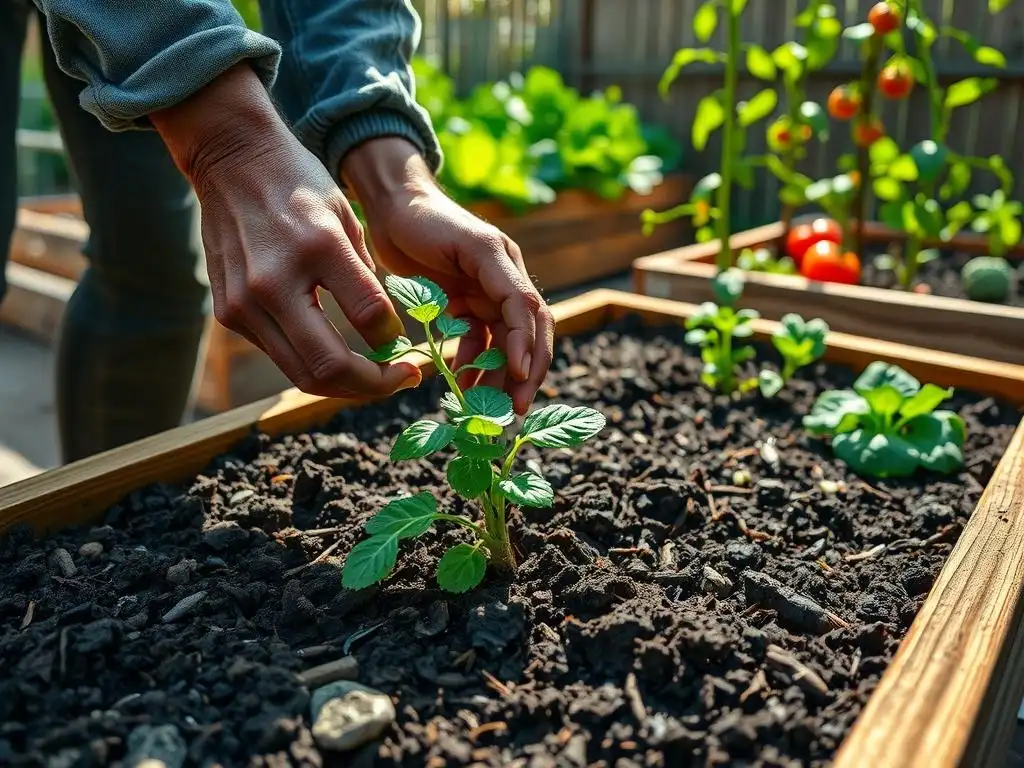
This section delves into practical planting strategies to maximize your garden's yield while minimizing costs, aligning perfectly with the principles of cheap organic vegetable gardening. We'll explore efficient methods that reduce expenses and enhance the overall productivity of your homegrown food. Remember, the goal is to cultivate a thriving garden that provides abundant, healthy food for your family without breaking the bank.
Starting Seeds Indoors vs. Direct Sowing: Cost and Time Comparison
The decision to start seeds indoors versus direct sowing significantly impacts both the cost and timeline of your cheap organic vegetable gardening project. Let's analyze the trade-offs:
Starting seeds indoors requires an initial investment in seed trays, seed starting mix, and potentially grow lights. However, this method offers several advantages:
- Earlier harvest: You can get a head start on the growing season, resulting in an earlier harvest and potentially a longer growing season overall. This translates to more food produced in the same timeframe.
- Higher germination rates: Controlled indoor environments often lead to higher germination rates compared to direct sowing, where seeds might be vulnerable to unpredictable weather conditions like frost or heavy rain. This means less wasted seed and ultimately lower costs per plant.
- Protection from pests: Young seedlings are particularly vulnerable to pests and diseases. Starting indoors offers a safe, controlled environment to nurture them until they are strong enough to withstand outdoor challenges.
Direct sowing, on the other hand, eliminates the upfront cost of seed trays and grow lights. However:
- Slower growth: Plants take longer to mature, leading to a later harvest.
- Lower germination rates: Seeds sown directly into the ground are more susceptible to environmental factors that can hinder germination.
- Increased risk of pest damage: Young seedlings are vulnerable to pests and diseases.
| Method | Upfront Costs | Time to Harvest | Germination Rate | Pest Vulnerability |
|---|---|---|---|---|
| Starting Indoors | Higher (seed trays, mix, potentially grow lights) | Shorter | Higher | Lower |
| Direct Sowing | Lower | Longer | Lower | Higher |
To make an informed decision, consider your climate, the specific vegetables you're planting, and your budget. For example, frost-sensitive crops like tomatoes and peppers are better suited to indoor starting, while hardy vegetables like lettuce and radishes can be successfully direct-sown. Careful planning and research are crucial for successful cheap organic vegetable gardening.
Seed Saving for Long-Term Cost Reduction
Seed saving is a cornerstone of cheap organic vegetable gardening, dramatically reducing long-term expenses. By saving seeds from your healthiest and most productive plants, you eliminate the need to purchase seeds year after year. However, success requires understanding the basics of seed saving techniques:
- Select the right plants: Choose plants that are open-pollinated (not hybrids) to ensure the seeds produce plants true to type. Look for healthy, vigorous plants with desirable traits.
- Proper timing: Harvest seeds at their optimal maturity. This varies depending on the type of plant. Overripe or underripe seeds will have lower germination rates.
- Cleaning and drying: Clean the seeds thoroughly to remove any pulp or debris. Proper drying is crucial to prevent mold and ensure long-term viability. Seeds should be stored in a cool, dry place in airtight containers.
- Labeling and storage: Clearly label each seed variety with the year harvested. Store seeds in a cool, dry, dark place to maintain their viability for future planting seasons.
Seed saving not only reduces costs but also fosters a deeper connection with your garden and your food. It's a rewarding practice that contributes to the sustainability of your cheap organic vegetable gardening efforts. Learning the specifics for different plants is essential – research the best methods for your chosen vegetables.
Companion Planting for Natural Pest Control and Increased Yields
Companion planting leverages the beneficial relationships between different plant species to enhance your garden's overall health and productivity, fitting perfectly within the principles of cheap organic vegetable gardening. By strategically placing certain plants together, you can:
- Repel pests: Some plants naturally repel common garden pests. For example, basil is known to deter aphids and tomatoes benefit from the presence of marigolds.
- Attract beneficial insects: Certain plants attract pollinators and beneficial insects that prey on pests, reducing the need for harmful pesticides.
- Improve soil health: Some plants improve soil fertility and structure, providing a healthier environment for other plants to thrive.
- Increase yields: Certain plant combinations can enhance the growth and yield of neighboring plants.
Here's a simple example: Planting carrots and onions together. Onions deter the carrot rust fly, a common pest of carrots, while the carrots help to suppress onion weeds. This mutually beneficial relationship minimizes pest problems and boosts yields, all without the use of expensive chemical interventions. Thorough research into companion planting combinations is crucial for success. Experimentation and observation are key to discovering which combinations work best in your specific garden environment and climate. This natural approach contributes significantly to the efficiency and cost-effectiveness of your cheap organic vegetable gardening.
Optimizing Planting Density for Maximum Harvest
Optimizing planting density is crucial for maximizing your harvest in cheap organic vegetable gardening. Planting too close together leads to competition for resources like sunlight, water, and nutrients, resulting in smaller, less productive plants. Conversely, planting too far apart wastes valuable garden space. The sweet spot lies in finding the ideal spacing that allows each plant to thrive without overcrowding.
This ideal spacing varies significantly depending on the type of vegetable. For instance, sprawling plants like squash or pumpkins require considerably more space than compact varieties like lettuce or spinach. Consult seed packets or reliable gardening resources for specific spacing recommendations for each plant you intend to grow. Many resources provide detailed planting guides, often organized by plant family or growth habit. Understanding the mature size of your plants is essential; you need to account for their full grown dimensions, including foliage spread, not just the initial seedling size.
Consider also the growth habit of the plant. Determinate tomatoes, for example, grow to a certain size and then stop, while indeterminate varieties continue growing throughout the season. This significantly impacts the required spacing. Indeterminate tomatoes need more space to accommodate their continuous growth, whereas determinate varieties can be planted more closely together. Similarly, vining plants like cucumbers or beans often require support structures like trellises to maximize space utilization and prevent overcrowding at ground level.
Careful planning and observation are key. Regularly inspect your plants for signs of overcrowding, such as stunted growth, yellowing leaves, or an overall lack of vigor. If you notice these signs, you might need to thin out some plants to give the remaining ones more room to grow.
Remember, a few healthy plants yielding a bountiful harvest are far better than many overcrowded, struggling plants producing little to nothing. This thinning process, while seemingly counterintuitive, is a crucial aspect of maximizing yield in cheap organic vegetable gardening. It ensures that the resources available are focused on the healthiest, most productive plants.
Sustainable Gardening Practices for Cheap Organic Food Production
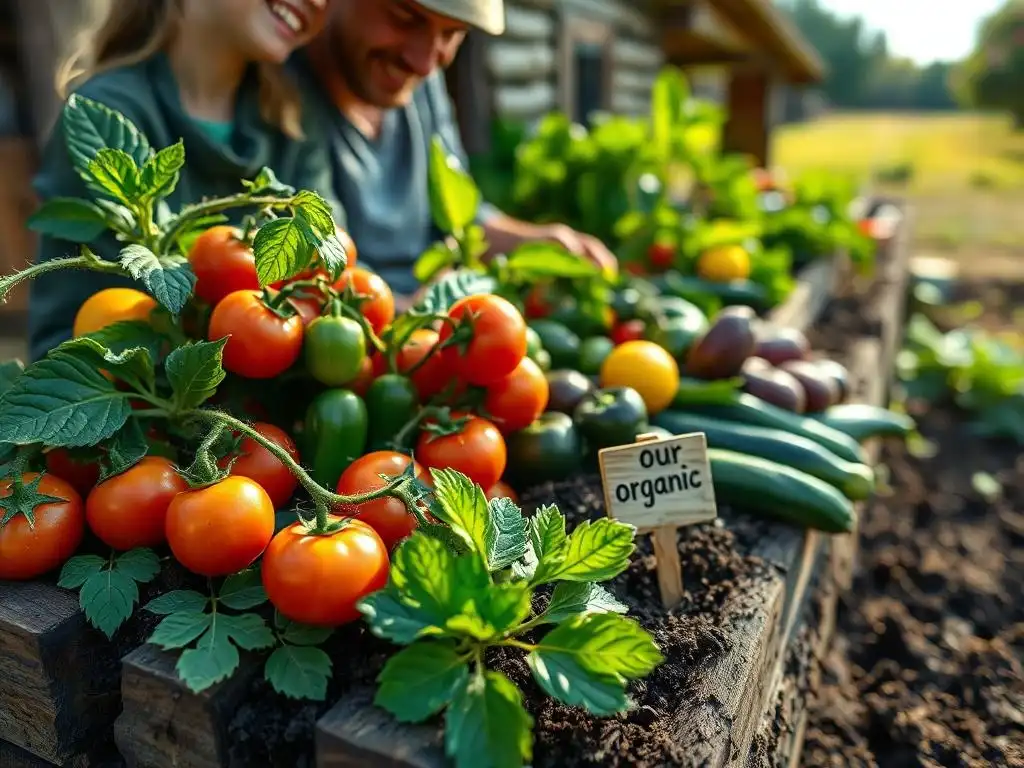
This section delves into practical, sustainable methods to significantly reduce the cost of producing organic vegetables while maximizing yield. We'll explore techniques that minimize expenses without compromising the quality or health of your produce. Remember, "cheap organic vegetable gardening" isn't about sacrificing quality; it's about smart resource management.
Water Conservation Techniques: Efficient Irrigation Methods
Water is a precious resource, and inefficient irrigation can significantly inflate your gardening budget. Implementing water-wise techniques is crucial for cost-effective and sustainable organic vegetable gardening. Let's examine some efficient irrigation methods:
- Drip Irrigation: This method delivers water directly to the roots of plants, minimizing evaporation and runoff. A simple drip irrigation system can be constructed using readily available materials, significantly reducing water waste compared to overhead sprinklers. Studies show that drip irrigation can save up to 50% of water compared to traditional methods. 1 This translates directly to lower water bills and a smaller environmental footprint.
- Soaker Hoses: These porous hoses slowly release water along their length, providing consistent moisture to the root zone. They are particularly effective for rows of vegetables and are more affordable than complex drip systems. While not as precise as drip irrigation, they still offer substantial water savings.
- Rainwater Harvesting: Collecting rainwater is a fantastic way to reduce reliance on municipal water supplies. Constructing a simple rain barrel system is relatively inexpensive and can provide a substantial amount of free water for your garden, especially during dry spells. This aligns perfectly with the principles of cheap organic vegetable gardening, minimizing external costs.
- Mulching: Applying a layer of mulch (straw, wood chips, or shredded leaves) around plants helps retain soil moisture, reducing the frequency of watering. Mulching also suppresses weeds, further conserving water and reducing the need for herbicides—a significant cost savings in the long run.
Natural Pest and Disease Control: Organic Solutions on a Budget
Preventing pest and disease problems organically is essential for successful and affordable organic gardening. Expensive chemical pesticides are not only harmful to the environment but also significantly increase your gardening costs. Here are some budget-friendly organic pest control strategies:
- Companion Planting: Certain plant combinations deter pests. For instance, planting basil near tomatoes helps repel tomato hornworms. Researching companion planting combinations specific to your chosen vegetables can dramatically reduce pest pressure and eliminate the need for chemical interventions.
- Beneficial Insects: Introducing beneficial insects like ladybugs and lacewings into your garden can help control pest populations naturally. These insects prey on common garden pests, providing a cost-effective and environmentally friendly solution. Many online retailers offer beneficial insect packages at reasonable prices.
- Homemade Insecticidal Soaps: Simple insecticidal soaps can be made at home using readily available ingredients like dish soap and water. These solutions effectively control many soft-bodied insects, offering a cheap and safe alternative to commercial pesticides.
- Crop Rotation: Rotating your crops annually helps break pest and disease cycles, preventing infestations from building up in the soil. This simple practice is crucial for long-term garden health and minimizes the need for reactive pest control measures.
Composting and Soil Enrichment: Creating Nutrient-Rich Soil Naturally
Building healthy, nutrient-rich soil is fundamental to cheap organic vegetable gardening. Healthy soil requires less fertilizer, leading to significant cost savings. Composting is an excellent way to achieve this:
- Home Composting: Creating a compost bin from readily available materials (e.g., pallets, wire mesh) allows you to recycle kitchen scraps and yard waste into nutrient-rich compost. This eliminates the need for expensive commercial fertilizers, reducing your gardening budget and minimizing waste. The process is environmentally friendly and creates a valuable resource for your garden.
- Vermicomposting: Using worms to compost kitchen scraps is another effective and space-saving method. Worms break down organic matter quickly, producing nutrient-rich castings that are excellent for enriching your garden soil. While requiring a small initial investment, the long-term savings in fertilizer costs make it a worthwhile endeavor.
- Cover Cropping: Planting cover crops (like legumes or rye) during fallow periods improves soil structure, fertility, and water retention. These plants add organic matter to the soil, reducing the need for external amendments and improving the overall health of your garden. Many cover crop seeds are inexpensive and readily available.
1 This statistic represents a general average and may vary depending on specific conditions and irrigation techniques. Further research may be needed for more precise data relevant to your specific location and climate.
Utilizing Green Manure for Soil Improvement and Weed Suppression
Green manure, the unsung hero of cheap organic vegetable gardening, offers a powerful one-two punch: soil improvement and weed suppression. Instead of relying on expensive chemical fertilizers, you can cultivate specific plants, then incorporate them back into the soil to enrich it naturally. This process significantly reduces the need for store-bought fertilizers, a major cost saver for the budget-conscious gardener.
The benefits extend beyond cost savings. Leguminous green manures, such as clover, alfalfa, and beans, are nitrogen-fixing plants. This means they pull nitrogen from the atmosphere and store it in their roots. When these plants are tilled into the soil, this nitrogen becomes readily available to your vegetable crops, promoting vigorous growth and reducing the need for nitrogen-based fertilizers. This natural nitrogen boost is crucial for healthy, high-yielding plants, which directly translates to more food for your family.
Beyond nitrogen fixation, green manure also improves soil structure. The roots of these plants create channels in the soil, improving aeration and drainage. This is particularly beneficial in heavy clay soils which can become compacted and waterlogged, hindering plant growth. Improved soil structure leads to better water retention, reducing the need for frequent watering, another significant cost-saving factor, especially during dry spells.
Furthermore, a dense cover of green manure acts as a natural weed suppressor. By blanketing the soil, it prevents weed seeds from germinating and competing with your crops for sunlight, water, and nutrients. This reduces the need for time-consuming and potentially costly weed control methods, such as herbicides or manual weeding. This is especially helpful for those with limited time or physical ability, making the practice more accessible to a wider range of gardeners.
Choosing the right green manure for your climate and soil type is crucial for optimal results. Research local varieties suitable for your growing season and soil conditions. Consider planting a mix of different green manure species to maximize the benefits and diversify your soil's nutrient profile.
Experimentation is key to finding the perfect combination for your garden. The initial investment in green manure seeds is minimal, representing a small price to pay for the long-term benefits they provide. The payoff in terms of healthier soil, reduced costs, and increased yields makes green manuring an essential practice for anyone committed to cheap organic vegetable gardening.
Harvesting and Preserving Your Bountiful Harvest
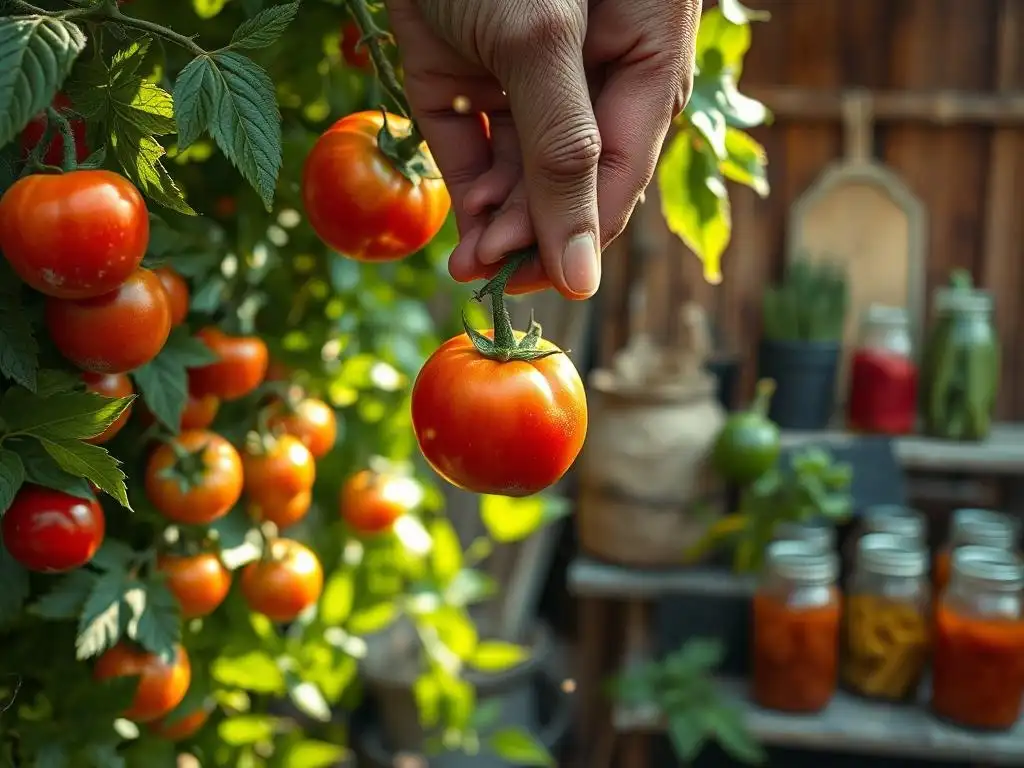
This section focuses on maximizing the yield from your cheap organic vegetable garden by harvesting at the peak of ripeness and employing effective preservation methods. Efficient harvesting and preservation are crucial for truly realizing the cost savings and abundance of homegrown produce. Learning these techniques transforms your garden from a seasonal source of food into a year-round contributor to your family's nutritional needs and budget.
Timing Your Harvest for Optimal Flavor and Nutrition
The timing of your harvest significantly impacts both the flavor and nutritional content of your vegetables. Harvesting too early results in bland, underdeveloped produce, while harvesting too late can lead to tough, fibrous vegetables that have lost their peak nutritional value. Understanding the ideal maturity stage for each vegetable is key to maximizing your harvest.
For example, tomatoes should be harvested when they are fully colored and slightly soft to the touch. Early harvesting prevents the development of full flavor and essential nutrients. Conversely, leaving them on the vine too long risks splitting or becoming mealy. Similarly, leafy greens like spinach and lettuce should be harvested before they bolt (flower), as bolting leads to a bitter taste and a reduction in nutritional value.
Here's a simplified guide for optimal harvesting times for common vegetables:
| Vegetable | Optimal Harvest Time | Signs of Ripeness |
|---|---|---|
| Tomatoes | When fully colored and slightly soft to the touch | Deep color, slight give when gently squeezed |
| Lettuce/Spinach | Before bolting (flowering) | Vibrant green leaves, crisp texture |
| Beans (green) | When pods are plump and firm, but not yet dry | Bright green color, firm pods |
| Peppers | When fully colored and firm | Deep color, smooth skin, firm to the touch |
| Carrots | When the roots are fully developed and firm | Deep orange color, smooth skin, firm to the touch |
| Cucumbers | When fully grown and firm | Dark green color, firm skin, no visible blemishes |
Regular monitoring and careful observation are crucial. Consider keeping a garden journal to note the planting dates, growth stages, and optimal harvest times for your specific conditions and varieties. This data will become increasingly valuable as you gain experience with cheap organic vegetable gardening.
Preserving Your Produce: Canning, Freezing, and Drying Techniques for Year-Round Availability
Preserving your harvest extends its usability far beyond the growing season, ensuring you can enjoy the fruits (and vegetables!) of your labor throughout the year. Several methods exist, each with its advantages and disadvantages.
- Canning: Canning is ideal for high-acid foods like tomatoes, pickles, and jams. It involves sterilizing jars, packing them with produce and a preserving solution (often involving vinegar or sugar), and processing them in a boiling water bath or pressure canner to destroy harmful bacteria. Proper canning techniques are essential to prevent spoilage and potential foodborne illnesses. Improper canning can lead to botulism, a serious and potentially fatal illness, so careful adherence to safety guidelines is paramount.
- Freezing: Freezing is a simple and effective method for preserving many vegetables, particularly leafy greens and beans. Blanching (briefly boiling) the vegetables before freezing helps to retain their color, texture, and nutritional value. Freezing is a great option for cheap organic vegetable gardening as it allows you to preserve produce quickly and efficiently.
- Drying: Drying is a traditional method that works well for herbs, beans, and some fruits. Air drying, dehydrators, or even sun-drying can be used, depending on climate and available resources. Proper drying is essential to prevent mold growth. Dried herbs and beans store well for extended periods, contributing to a continuous supply of ingredients. This technique significantly reduces storage space compared to canning or freezing.
Choosing the right preservation method depends on the type of produce, your available resources, and your personal preferences. Experimenting with different techniques allows you to find what works best for your specific needs and gardening style.
Reducing Food Waste: Creative Uses for Excess Produce
Even with careful planning, you might find yourself with an abundance of certain vegetables. Don't let this excess go to waste! There are countless creative ways to use up extra produce, minimizing food waste and maximizing the value of your cheap organic vegetable gardening efforts.
- Freezing: Excess produce can be frozen for later use in soups, stews, or sauces. Freezing is particularly useful for vegetables that don't store well for extended periods.
- Composting: Vegetable scraps, including peels, cores, and leaves, can be composted to enrich your soil for future gardening seasons, closing the loop of your sustainable gardening practices. Composting reduces waste and provides valuable nutrients for your garden.
- Preserves and Jams: An abundance of fruits or vegetables can be transformed into delicious preserves, jams, or chutneys. These add variety to your diet and extend the life of your harvest.
- Sharing: Don't hesitate to share your bounty with friends, neighbors, or family. This fosters community and reduces the pressure of having to consume everything yourself.
By employing these strategies, you can ensure that your hard work in the garden translates into a year-round supply of nutritious, homegrown food, effectively reducing your grocery bill and maximizing the value of your cheap organic vegetable gardening investment. The satisfaction of feeding your family with your own homegrown produce is immeasurable!
Budget-Friendly Tools and Resources for Cheap Organic Vegetable Gardening
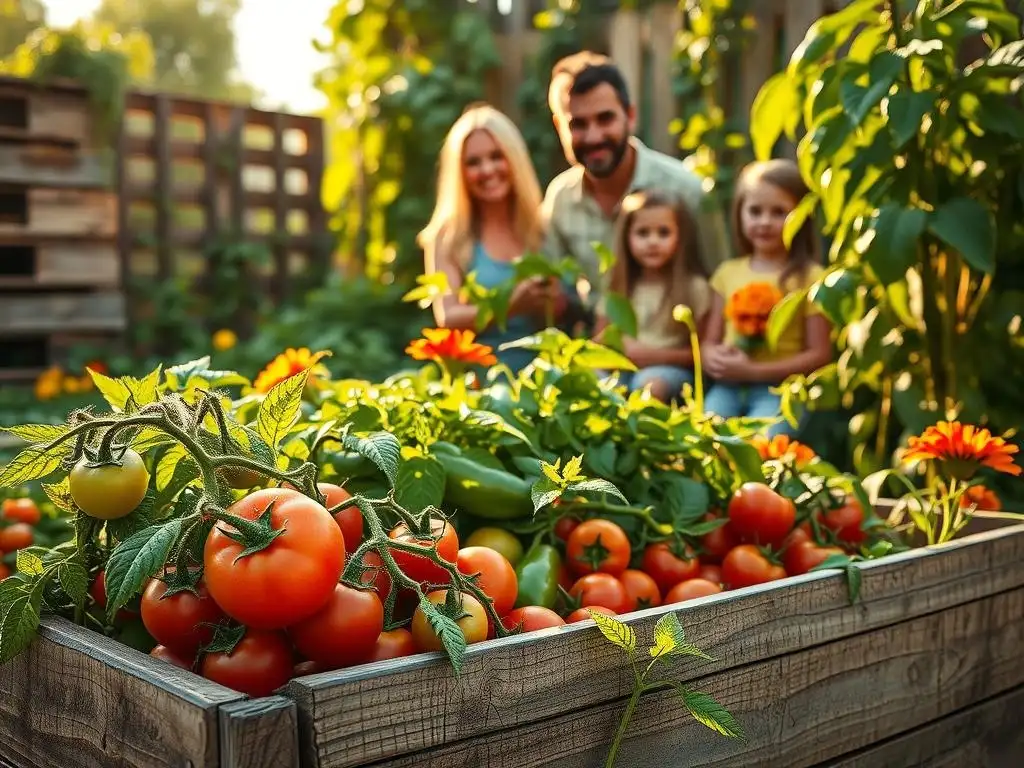
Growing your own organic vegetables doesn't have to break the bank. With a little creativity and resourcefulness, you can establish a thriving garden while sticking to a tight budget. This section focuses on practical strategies and cost-effective solutions for achieving a bountiful, organic harvest without compromising quality. The key to "cheap organic vegetable gardening" lies in smart planning and utilizing readily available, affordable resources.
Sourcing Affordable Seeds and Plants: Local Nurseries and Seed Exchanges
One of the biggest expenses in gardening can be seeds and seedlings. However, there are numerous ways to significantly reduce these costs. Local nurseries often have sales, particularly at the beginning and end of the growing season. Keep an eye out for clearance events where you can snag healthy plants at heavily discounted prices. Consider starting some seeds yourself from inexpensive seed packets – a small investment that yields substantial long-term savings.
Furthermore, joining or participating in seed exchanges within your community is a fantastic way to acquire seeds for free or at minimal cost. These exchanges foster a sense of community while providing access to a diverse range of heirloom and open-pollinated varieties. You can often trade seeds you’ve saved from previous harvests, thereby ensuring a continuous supply of free seeds year after year. This practice aligns perfectly with sustainable and organic gardening principles. The exchange of knowledge and experience among gardeners is an added benefit.
Building or Repurposing Gardening Tools: Cost-Effective Solutions
Investing in high-quality gardening tools can be expensive. However, many tools can be easily built or repurposed from readily available materials. For example, you can create effective raised garden beds using reclaimed pallets, old tires, or even repurposed containers. These materials are often free or very inexpensive, reducing your initial investment considerably.
Instead of purchasing expensive trowels and hand rakes, consider using sturdy, repurposed kitchen utensils. Old spoons and forks can serve as excellent tools for transplanting seedlings, and a sturdy metal spatula can easily replace a small hand rake. This approach not only saves money but also reduces waste, further aligning with the principles of sustainable gardening. Remember to thoroughly clean and sanitize any repurposed tools before use.
| Tool | Repurposed Item | Cost Savings |
|---|---|---|
| Hand Rake | Sturdy Metal Spatula | Significant |
| Transplanting Tool | Old Spoon or Fork | Minimal to Significant |
| Watering Can | Repurposed Plastic Bottle | Minimal to Significant |
Community gardens offer a fantastic opportunity for aspiring gardeners to access land and resources without significant financial outlay. Many communities provide plots at little to no cost, allowing individuals to cultivate their own vegetables in a shared environment. This collaborative approach also fosters a sense of community and allows for knowledge sharing among fellow gardeners.
Beyond community gardens, explore other shared resources. Ask neighbors if they are willing to share compost, seeds, or even tools. Bartering skills or services for gardening supplies is another effective way to acquire necessary materials without spending money. For example, you could offer to help with a neighbor's yard work in exchange for access to their compost pile. This type of resource sharing is crucial for practicing "cheap organic vegetable gardening" effectively. Remember to always communicate respectfully and clearly when requesting assistance or resources from others. Building strong relationships with fellow gardeners is a valuable asset.
Long-Term Strategies for Sustainable Cheap Organic Vegetable Gardening
This section delves into long-term planning for maximizing your garden's yield while minimizing costs and adhering to organic principles. Successful "cheap organic vegetable gardening" isn't just about this year's harvest; it's about building a resilient and productive system that thrives year after year. We'll explore strategies that reduce reliance on expensive inputs and enhance the natural fertility of your soil.
Crop Rotation for Soil Health and Pest Management
Crop rotation is a cornerstone of sustainable and cheap organic vegetable gardening. By strategically changing the location of plant families each year, you improve soil health and reduce pest and disease pressure. Different plant families have different nutrient needs and vulnerabilities to pests. For example, heavy feeders like tomatoes and peppers deplete certain nutrients, while legumes (beans, peas) actually add nitrogen to the soil. Rotating these helps prevent nutrient depletion and soil degradation.
Consider a four-year rotation plan:
| Year | Plant Family Examples | Nutrient Impact | Pest/Disease Considerations |
|---|---|---|---|
| 1 | Legumes (beans, peas, clover) | Nitrogen-fixing | Relatively low pest pressure |
| 2 | Brassicas (broccoli, cabbage, kale) | Moderate nutrient use | susceptible to cabbage worms, aphids |
| 3 | Solanaceae (tomatoes, peppers, potatoes) | Heavy nutrient use | susceptible to blight, other fungal diseases |
| 4 | Root vegetables (carrots, beets, radishes) | Moderate nutrient use | relatively low pest pressure, focus on weed control |
This is just a sample; your specific plan will depend on your climate, soil type, and preferred crops. Careful planning minimizes the need for expensive fertilizers and pesticides, contributing to cheap organic vegetable gardening. Remember to keep detailed records of your rotations to track success and make adjustments. Observing your plants closely for signs of pests or diseases is crucial for effective management.
Planning for Successive Planting: Extending the Growing Season
Successive planting is a key technique for maximizing your garden's output throughout the growing season. Instead of planting everything at once, you stagger plantings of the same crop at intervals, ensuring a continuous harvest. This is particularly important for quick-growing crops like lettuce, spinach, and radishes, which can be planted several times throughout the year. For example, you could plant a batch of lettuce seeds every three weeks for a constant supply.
This strategy combats the problem of having a glut of produce all at once, followed by a period of scarcity. It also allows you to take advantage of cooler or warmer periods within the growing season, increasing your overall yield and extending your harvest. Planning a planting calendar, considering the days to maturity for each crop, is essential for effective successive planting. This careful planning is vital for efficient resource utilization in cheap organic vegetable gardening. Consider using a simple spreadsheet or garden planner to organize your planting schedule.
Learning from Your Experiences: Adapting Your Approach for Future Success
Successful cheap organic vegetable gardening is an iterative process. Each growing season provides valuable learning opportunities. Keep detailed records of your successes and failures. Note down which varieties thrived, which struggled, and what pest or disease problems you encountered. Analyze your planting schedule; did you plant too densely? Was your soil well-prepared? Did you water adequately?
This reflective practice is crucial for continual improvement. By analyzing past performance, you can fine-tune your strategies for the following year. Perhaps you’ll discover a new crop that thrives in your garden, or identify a more efficient planting technique. This continuous learning and adaptation are fundamental to achieving long-term success in cheap organic vegetable gardening. Embrace experimentation and don't be afraid to adjust your approach based on your experiences. The journey to a thriving, productive, and affordable organic garden is a rewarding one, filled with continuous learning and adaptation.
Frequently Asked Questions
How can I start an organic vegetable garden without spending a lot of money?
Starting a cheap organic vegetable garden involves repurposing materials like containers and using compost from kitchen scraps. Focus on easy-to-grow vegetables and start small to avoid overwhelming yourself.
What are some low-cost organic pest control methods?
Employ natural pest control strategies such as companion planting, introducing beneficial insects like ladybugs, and using homemade sprays with ingredients like neem oil or soapy water. Avoid expensive chemical pesticides.
Which vegetables are the most cost-effective to grow at home?
Leafy greens like lettuce and spinach, root vegetables such as carrots and radishes, and beans are high-yield and relatively inexpensive to grow from seed. These vegetables will quickly increase your return on investment.
How can I maximize my garden's output to feed my family on a budget?
Vertical gardening, succession planting, and intercropping are all excellent techniques to increase yield in a small space. Proper soil preparation and consistent watering are also crucial for success.
Where can I find free or low-cost resources for organic gardening?
Check your local library for books and resources. Many community gardens offer workshops and advice. Online resources like CultivateYourFood provide valuable information on sustainable and organic gardening practices.
Final Reflection: Harvesting Abundance, Sowing Hope
The rising cost of groceries is impacting families across the globe, making access to fresh, healthy food a growing concern. This reality underscores the vital importance of exploring alternative, sustainable methods of food production, like home gardening. The ability to cultivate your own organic vegetables isn't just about saving money; it's about reclaiming control over your family's nutrition and fostering a deeper connection with the natural world.
The journey of growing your own food is deeply rewarding, extending far beyond the simple act of harvesting. It's about nurturing life, witnessing the miracle of growth, and sharing the bounty with loved ones. The glory of gardening: hands in the dirt, head in the sun, heart with nature. To nurture a garden is to feed not just the body, but the soul.
This quote perfectly encapsulates the transformative power of gardening, a power that transcends mere sustenance and touches upon our emotional and spiritual well-being. The skills learned – from seed starting to pest control – become valuable assets, passed down through generations and contributing to a more resilient and self-sufficient future.
Now, consider your own space, your own family's needs. What small step can you take today to cultivate a more abundant and sustainable future? Perhaps it's starting a single herb pot on your windowsill, or dedicating a small patch of land to a few easy-to-grow vegetables. Don't underestimate the impact of even the smallest garden; every seed you plant is a step towards a healthier, more connected, and more hopeful tomorrow. Embrace the challenge, embrace the earth, and embrace the incredible rewards of growing your own food.
Unlock Your Garden's Bounty: Grow More, Spend Less!
Thank you for joining us on this journey to maximizing your garden's potential! We hope you've gained valuable insights into saving money while enjoying fresh, homegrown produce. Now it's time to put that knowledge into practice.
- Start planning your fall garden now: Choose vegetables that grow quickly and produce abundantly, considering your local climate and the space available. This is crucial for a successful harvest.
- Share your favorite money-saving gardening tips on our social media channels – let's build a thriving community of resourceful gardeners!
- Consider trying a new companion planting technique next season—you might be amazed at the results!
Ready to transform your garden into a productive and affordable food source? What's your biggest gardening challenge, and how will you overcome it this season?