
The Best Soil Mix for Thriving Salad Greens

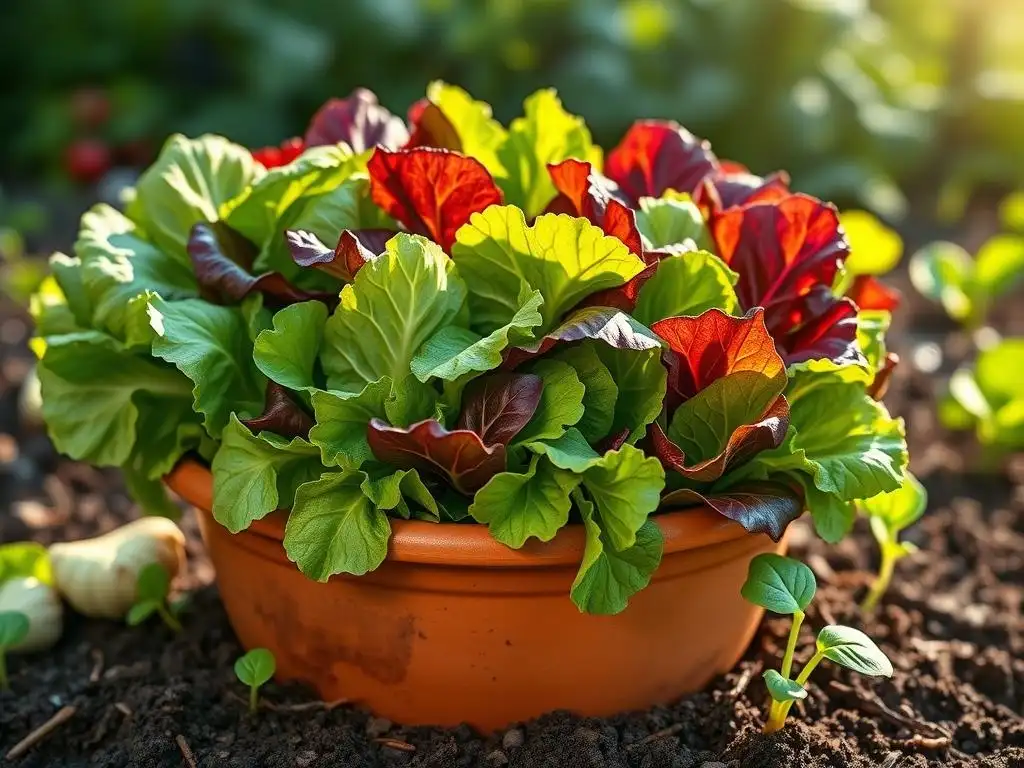
Ready to transform your backyard into a vibrant, organic oasis? At CultivateYourFood, we empower you to grow your own delicious fruits, vegetables, and herbs. But first, let's get to the heart of the matter: achieving exceptional results starts with the soil. Discover the secrets to cultivating the best soil mix for salad greens, unlocking the potential for a bountiful harvest bursting with flavor. Dive in and learn how to nurture your greens from seed to plate!
- Understanding the Ideal Soil Composition for Salad Greens
- Crafting the Perfect Soil Mix for Your Salad Garden
- Troubleshooting Common Soil Issues and Their Solutions
- Beyond the Soil Mix: Other Factors for Salad Green Success
- Maintaining Your Soil for Ongoing Success
- Frequently Asked Questions
- Final Reflection: Cultivating a Greener Future, One Salad at a Time
- Unlock Your Salad Garden's Potential!
Understanding the Ideal Soil Composition for Salad Greens
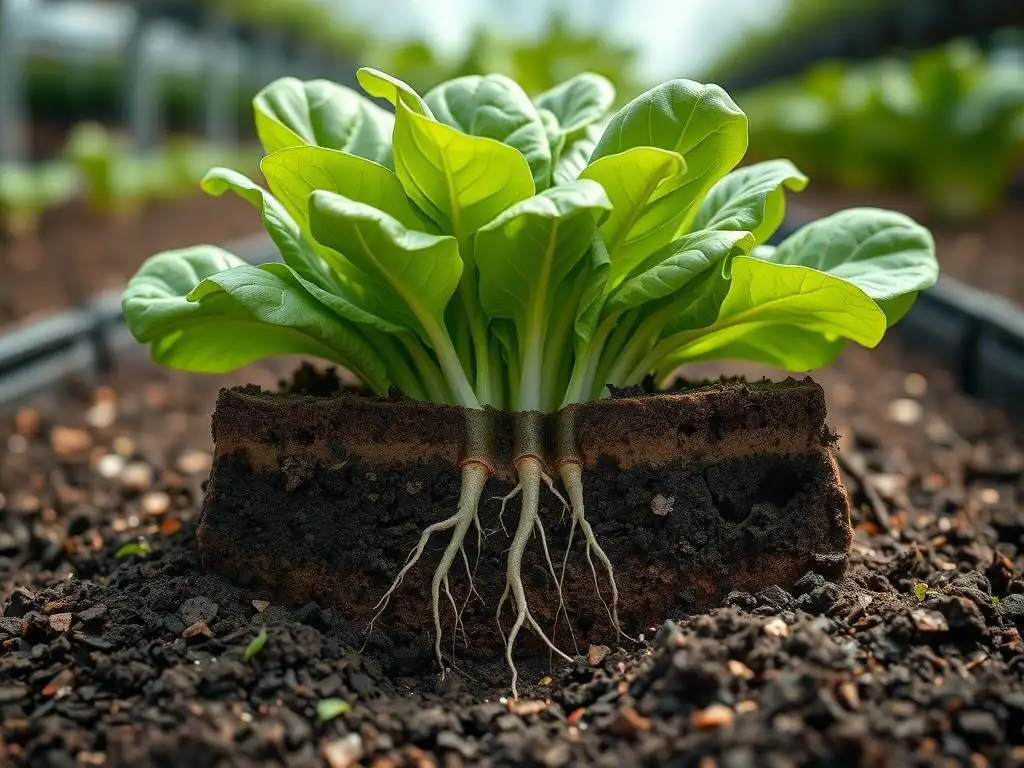
Growing vibrant, delicious salad greens at home hinges on providing them with the perfect soil environment. This article delves into the crucial components of a soil mix specifically designed to nurture the growth of leafy greens, ensuring a bountiful and healthy harvest. We'll explore the essential nutrients, ideal pH levels, and the importance of proper drainage and aeration to create the best soil mix for your salad greens, helping you achieve optimal results using sustainable and organic practices.
Mastering soil composition is a cornerstone of successful home gardening, and this guide provides the knowledge to cultivate flourishing salad greens year after year. Choosing the right soil mix is key to maximizing your yield and ensuring the health and flavor of your greens. Let's dive into the specifics!
Essential Nutrients for Leafy Greens
Leafy greens, like lettuce, spinach, and kale, are heavy feeders, requiring a consistent supply of essential nutrients for robust growth. The best soil mix for salad greens will be rich in:
- Nitrogen (N): Crucial for vibrant green foliage and rapid growth. A deficiency leads to stunted growth and pale leaves. Too much nitrogen, however, can result in excessive leaf growth at the expense of flavor.
- Phosphorus (P): Essential for root development and overall plant vigor. Strong roots are vital for nutrient uptake and disease resistance. Phosphorus deficiency manifests as poor root growth and delayed maturity.
- Potassium (K): Promotes strong stems, disease resistance, and overall plant health. Potassium deficiency can lead to weak stems and susceptibility to diseases.
- Magnesium (Mg): A key component of chlorophyll, crucial for photosynthesis and vibrant green color. Magnesium deficiency presents as yellowing between leaf veins (chlorosis).
- Calcium (Ca): Important for cell wall development and disease resistance. Calcium deficiency can cause blossom-end rot in some plants, although less common in leafy greens.
A balanced nutrient profile is key. Compost, well-rotted manure, and other organic amendments provide a slow-release source of nutrients, mimicking nature's approach to soil fertility. Consider using a soil test to determine existing nutrient levels and adjust your soil mix accordingly. This ensures you are providing the precise amounts needed, avoiding nutrient excesses or deficiencies.
Optimal Soil pH for Salad Growth
The pH of your soil, representing its acidity or alkalinity, significantly impacts nutrient availability. Most salad greens thrive in a slightly acidic to neutral pH range, ideally between 6.0 and 7.0. At lower pH levels (more acidic), certain nutrients become less accessible to the plants. Conversely, at higher pH levels (more alkaline), other essential nutrients can become unavailable.
Maintaining the optimal pH range ensures that your salad greens can efficiently absorb all the necessary nutrients from the soil. Regular soil testing is recommended to monitor pH levels and make adjustments as needed. Amendments like lime (to raise pH) or elemental sulfur (to lower pH) can be used to adjust the pH if necessary. Remember to always follow product instructions carefully when making such adjustments. Using organic methods for pH adjustments is preferred for sustainable gardening practices.
The Importance of Drainage and Aeration in Salad Green Soil
Well-drained and aerated soil is critical for healthy salad green growth. Compacted soil restricts root growth, limits oxygen uptake, and can lead to root rot and other diseases. The ideal soil mix should provide ample space for air circulation around the roots, allowing for optimal respiration and nutrient uptake.
To improve drainage and aeration, incorporate organic matter like compost, peat moss, or coco coir into your soil mix. These materials enhance soil structure, improving porosity and water retention while preventing waterlogging. Avoid heavy clay soils, which tend to compact easily and retain too much water. A well-balanced soil mix ensures that water doesn't pool around the roots, potentially leading to fungal diseases. Proper drainage prevents the roots from becoming waterlogged, which is crucial for the health and vigor of your salad greens. This is especially important during periods of high rainfall or overwatering.
Crafting the Perfect Soil Mix for Your Salad Garden
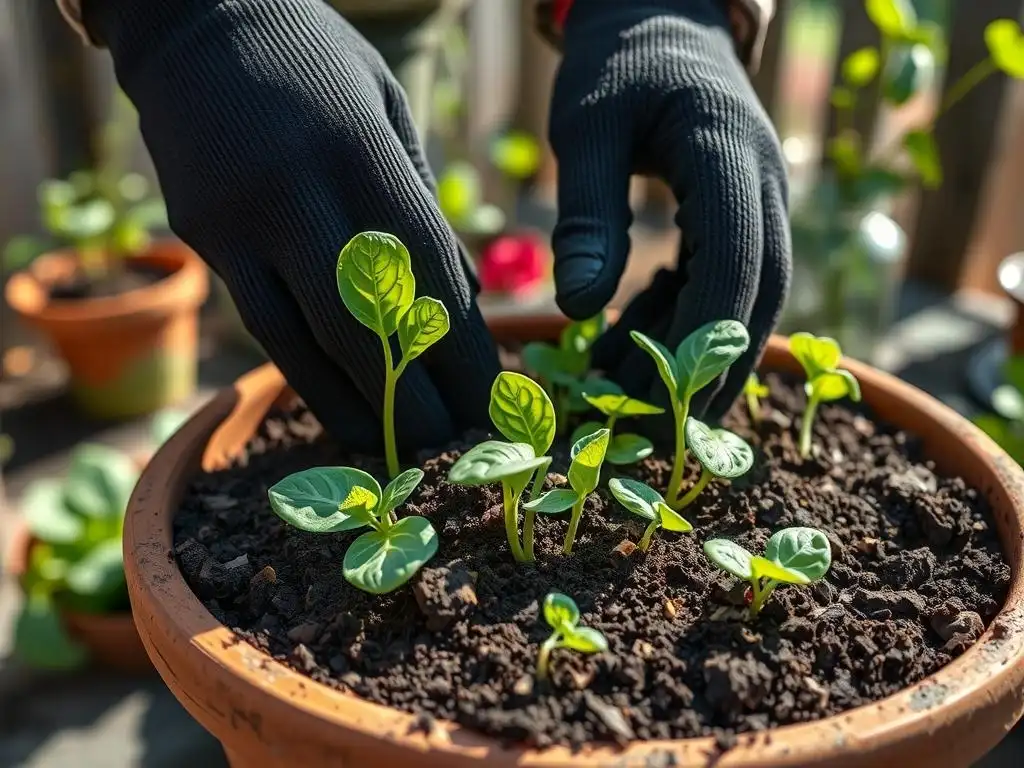
This section delves into the specifics of creating the ideal soil blend for cultivating vibrant and healthy salad greens at home. Achieving optimal growth requires a nuanced understanding of soil composition, balancing essential nutrients with proper drainage and aeration. Finding the best soil mix for salad greens hinges on this careful consideration. We'll explore the key components and their roles in fostering a thriving salad garden.
Choosing the Right Base: Compost, Peat Moss, or Coco Coir?
The foundation of your soil mix significantly impacts the overall health and productivity of your salad greens. Three popular options—compost, peat moss, and coco coir—each offer unique benefits and drawbacks.
Compost, a readily available and sustainable option, provides a rich source of organic matter, improving soil structure and nutrient retention. Its high humus content encourages beneficial microbial activity, crucial for healthy root development. However, compost's nutrient profile can vary significantly depending on the source materials, requiring careful monitoring and potential supplementation.
Peat moss, while offering excellent water retention and aeration, raises environmental concerns due to its unsustainable harvesting practices. It's an acidic medium, which can be beneficial for some plants but may require pH adjustment for optimal salad green growth. Furthermore, peat moss lacks inherent nutrients and necessitates the addition of fertilizers.
Coco coir, derived from coconut husks, presents a sustainable and environmentally friendly alternative. It boasts exceptional water retention capacity, good aeration, and a neutral pH, making it a versatile base for various salad greens. However, coco coir can be slightly salty when initially sourced, requiring thorough rinsing before use. Like peat moss, it also requires nutrient supplementation.
| Base Material | Pros | Cons | Sustainability |
|---|---|---|---|
| Compost | Rich in organic matter, improves structure | Nutrient profile varies, may need supplementation | Excellent |
| Peat Moss | Excellent water retention and aeration | Unsustainable harvesting, acidic, needs fertilizer | Poor |
| Coco Coir | Sustainable, good water retention, neutral pH | Can be salty initially, needs nutrient addition | Excellent |
Choosing the right base depends on your priorities. For a sustainable and versatile option, coco coir stands out. However, readily available compost offers a readily accessible and nutrient-rich alternative, provided you monitor its nutrient content closely.
Incorporating Essential Minerals: Adding Fertilizer and Soil Amendments
Once you've chosen your base, enriching the soil with essential minerals is crucial for robust salad green growth. This involves adding fertilizers and soil amendments to provide the necessary nutrients for optimal development. Salad greens are relatively heavy feeders, requiring a balanced supply of nitrogen (N), phosphorus (P), and potassium (K), along with micronutrients like magnesium, calcium, and iron.
A balanced slow-release fertilizer, formulated for leafy greens, is a good starting point. However, conducting a soil test before fertilizing is highly recommended to determine specific nutrient deficiencies. This avoids over-fertilizing, which can harm plants and contaminate groundwater.
Beyond fertilizers, soil amendments enhance soil structure and nutrient availability. Adding vermicompost (worm castings) significantly improves soil fertility and microbial activity. Adding aged manure, if available and properly composted, further enhances the soil's organic matter content and nutrient richness. Remember to avoid fresh manure due to its potential for burning plants.
The best approach is a combination of balanced fertilization and the incorporation of organic amendments. This holistic approach ensures your salad greens receive the complete nutrient package they require for healthy and vigorous growth.
Enhancing Drainage and Aeration: Perlite, Vermiculite, or Sand?
Proper drainage and aeration are vital for preventing root rot and ensuring healthy root development in your salad greens. Poorly drained soil leads to waterlogged conditions, suffocating roots and creating an environment conducive to fungal diseases.
Perlite, a volcanic glass, is a popular choice for improving drainage and aeration. Its lightweight and porous nature allows for optimal air circulation around the roots. However, perlite is inert, meaning it doesn't contribute nutrients to the soil.
Vermiculite, a mica mineral, also provides excellent drainage and water retention. Unlike perlite, vermiculite can retain some nutrients and slowly release them to the plants.
Sand, while improving drainage, can be problematic. Fine sand can compact over time, reducing aeration, while coarse sand can create overly dry conditions. It's generally less effective than perlite or vermiculite for improving soil structure in the context of growing salad greens.
The ideal proportion of these amendments depends on your base soil and its existing drainage characteristics. A good starting point is to incorporate 10-20% of perlite or vermiculite into your soil mix. Always monitor soil moisture levels closely to adjust watering practices accordingly. Remember, creating the best soil mix for salad greens is an iterative process. Observing your plants' growth and making adjustments as needed will lead to the best results. 🌱
Creating a Custom Blend: Recipes for Different Salad Greens Varieties
Different salad greens have slightly different needs, and tailoring your soil mix can significantly impact their growth and flavor. While a general-purpose mix works well for many, crafting a custom blend can elevate your harvest. This involves understanding the specific requirements of each variety. For instance, lettuces, with their shallow root systems, generally prefer a lighter, well-draining mix, while heartier greens like kale or spinach might benefit from a slightly denser mix with more organic matter to retain moisture.
Consider these examples of custom blends:
Recipe 1: Lightweight Mix for Delicate Lettuces (Butterhead, Loose-Leaf)
- 50% Coco coir: Provides excellent drainage and aeration, crucial for preventing root rot in delicate lettuces.
- 30% Perlite: Further enhances drainage and prevents compaction.
- 20% Compost: Adds essential nutrients and improves soil structure.
This blend ensures a consistently moist but not soggy environment, ideal for the shallow roots of butterhead and loose-leaf lettuces. The airy texture promotes healthy root development and prevents diseases. Remember to adjust the compost percentage based on your soil's existing nutrient levels. A soil test can be invaluable here.
Recipe 2: Richer Mix for Hearty Greens (Kale, Spinach, Chard)
- 40% Compost: Provides a rich source of nutrients crucial for the robust growth of these nutrient-hungry greens. Aged compost is best, as it's less likely to contain weed seeds or harmful pathogens.
- 30% Garden soil: Adds beneficial microbes and improves soil structure. Ensure your garden soil is free of pests and diseases.
- 20% Coco coir: Improves drainage and aeration, preventing waterlogging.
- 10% Vermiculite: Retains moisture and provides additional aeration.
This mix offers a balance between nutrient richness and good drainage. The higher compost content supplies the ample nutrients needed for the vigorous growth of kale, spinach, and chard. The addition of coco coir and vermiculite prevents overly dense conditions that can hinder root development.
Recipe 3: Adapting for Specific Needs
Remember that these are just starting points. You may need to adjust the ratios based on your specific climate, the existing nutrient levels in your soil, and the particular variety of salad greens you're growing. For example, if you're growing in a particularly hot and dry climate, you might increase the percentage of coco coir to improve drainage and water retention. Conversely, in a consistently wet climate, you might reduce the compost percentage to prevent overly moist conditions.
Observing your plants and adjusting the mix as needed is key to success. Don't be afraid to experiment and find what works best in your garden! The best soil mix for salad greens is the one that consistently delivers healthy and delicious harvests. 🌱
Troubleshooting Common Soil Issues and Their Solutions
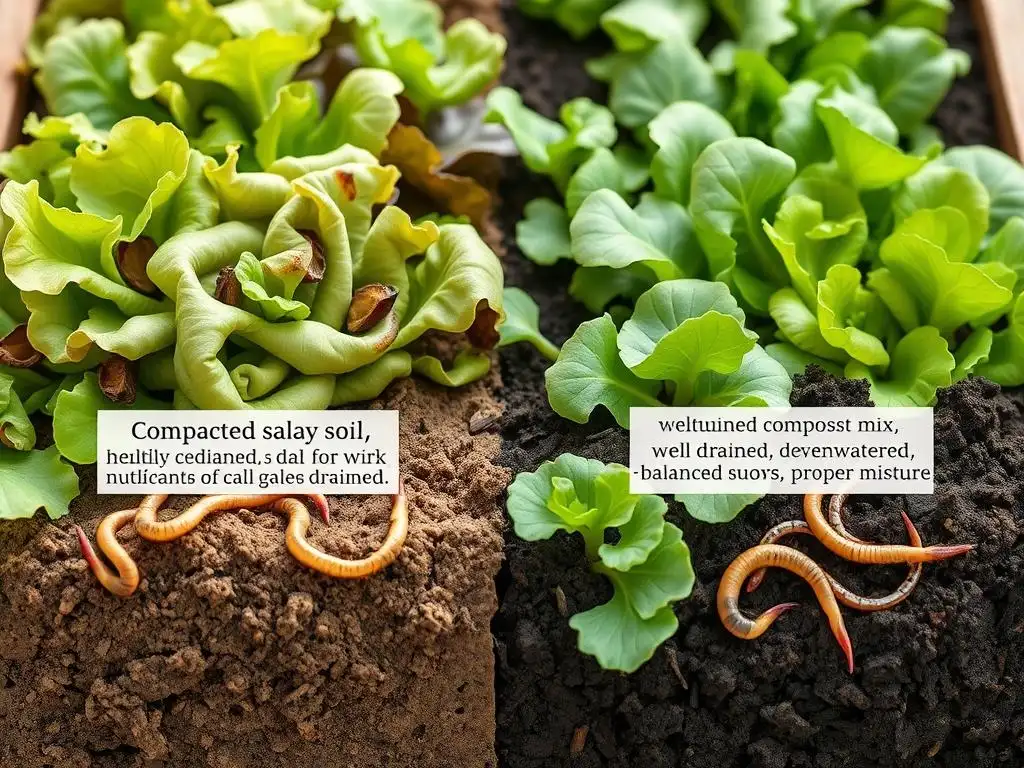
Growing vibrant salad greens hinges on providing them with the ideal soil environment. While selecting the best soil mix for salad greens is a crucial first step, understanding how to troubleshoot common soil problems is equally important for a bountiful harvest. This section focuses on identifying and resolving some frequently encountered challenges, ensuring your greens thrive. The right soil mix is only part of the equation; proactive management is key.
Dealing with Compact Soil and Poor Drainage
Compact soil, often characterized by its dense texture and inability to absorb water effectively, severely restricts root growth and oxygen uptake for your salad greens. This leads to stunted growth, yellowing leaves, and increased susceptibility to diseases. Poor drainage exacerbates the problem, creating waterlogged conditions that suffocate roots.
Addressing this requires improving soil structure and drainage. One effective method is incorporating organic matter, such as composted manure or leaf mold. These amendments enhance soil aeration and water retention capabilities. The amount needed depends on the soil's initial condition; a heavy clay soil might require a significantly larger volume than a loamy soil. Aim for a 25-50% increase in organic matter content.
Furthermore, consider adding perlite or vermiculite to the soil mix. These inorganic materials improve drainage and aeration without significantly altering the soil's pH. For severely compacted soil, deep tilling (if possible without damaging existing roots) before planting can also be beneficial. However, always avoid over-tilling, as this can damage soil structure in the long run. Regularly loosening the top few inches of soil around your plants can also help prevent compaction.
Addressing Nutrient Deficiencies in Salad Greens
Salad greens are relatively light feeders, but nutrient deficiencies can still significantly impact their growth and quality. Identifying these deficiencies requires careful observation. For instance, yellowing leaves often indicate a lack of nitrogen, while purplish-red discoloration can signify phosphorus deficiency. Magnesium deficiency manifests as yellowing between leaf veins, while iron deficiency results in yellowing of new growth.
To prevent nutrient deficiencies, begin with a soil test to determine your soil's nutrient levels. This provides a baseline for targeted fertilization. Organic fertilizers, such as compost tea or well-rotted manure, provide a slow-release source of nutrients and improve soil health. Alternatively, balanced liquid fertilizers can provide immediate nutrients, but should be used sparingly and according to the manufacturer's instructions. Over-fertilizing can be just as detrimental as under-fertilizing, potentially burning the roots and harming your plants. Remember, prevention is always better than cure – a properly balanced soil mix from the outset minimizes the risk of nutrient deficiencies.
Preventing and Treating Soil-Borne Diseases in Your Salad Garden
Soil-borne diseases, caused by fungi, bacteria, or nematodes, can devastate a salad garden. These pathogens thrive in moist, poorly drained soils and can persist in the soil for extended periods. Symptoms vary depending on the pathogen, but often include wilting, leaf spots, root rot, and stunted growth.
Prevention is paramount. Practicing crop rotation is crucial, as it helps break disease cycles. Rotating your salad greens with other non-susceptible plants helps to reduce the pathogen population in the soil. Solarization, a technique involving covering the soil with clear plastic during the hottest part of the summer, can also kill many soil-borne pathogens. Furthermore, ensuring good soil drainage and avoiding overwatering minimizes the favorable conditions for these pathogens to thrive.
Sterilizing your gardening tools between uses can also help prevent the spread of disease. If a disease is detected, removing and destroying infected plants is essential to prevent its spread. In severe cases, soil fumigation might be necessary, but this is generally a last resort due to its potential environmental impacts. The best approach is always preventative measures to maintain healthy soil and vigorous plants.
Maintaining Soil Health for Continuous Salad Production
Maintaining healthy soil is paramount for continuous, bountiful harvests of salad greens. Ignoring soil health leads to nutrient deficiencies, pest infestations, and ultimately, poor yields. The best soil mix for salad greens, initially, is only the first step. Long-term success hinges on proactive soil management. This involves a multi-pronged approach focusing on several key areas.
One crucial aspect is regular soil testing. This helps determine the precise nutrient levels present in your soil. Kits are readily available from most garden centers and online retailers, providing a detailed analysis of pH levels, macronutrients (nitrogen, phosphorus, and potassium), and micronutrients. Knowing these values allows you to amend the soil appropriately, preventing imbalances that can stunt growth or make your greens susceptible to disease. For example, a soil test might reveal a low potassium level, hindering the development of strong stems and leafy growth. Addressing this with a potassium-rich fertilizer will significantly improve plant health.
Another vital practice is composting. Composting kitchen scraps and yard waste creates nutrient-rich organic matter which improves soil structure, aeration, and water retention. This is especially beneficial for salad greens, which thrive in well-drained, yet moisture-retentive soil. The addition of compost also introduces beneficial microorganisms, further enhancing soil health and suppressing harmful pathogens. Aim for a compost layer of at least 2-3 inches annually, mixing it gently into the top layer of your soil.
Beyond composting, crop rotation is a powerful tool. Rotating the types of plants you grow in a particular area prevents the depletion of specific nutrients and reduces the risk of soilborne diseases. For instance, planting legumes (like beans or peas) before your salad greens can enrich the soil with nitrogen, a vital nutrient for leafy growth.
This natural fertilization reduces the need for synthetic nitrogen-based fertilizers, promoting a more sustainable and environmentally friendly approach. Plan your crop rotation to include a variety of plants with different nutrient needs, ensuring a balanced and healthy soil ecosystem over time. A well-planned rotation schedule can also help to control pest and disease build-up in the soil.
Finally, avoid over-tilling. Excessive tilling can damage soil structure, leading to compaction and reduced aeration. This is particularly detrimental to the delicate root systems of salad greens. Instead, opt for gentle cultivation methods such as hand weeding or using a broadfork, which minimizes soil disturbance while effectively managing weeds and improving soil structure. Gentle soil management techniques help preserve the beneficial soil organisms and improve the long-term health of your growing medium. Remember, healthy soil is the foundation for thriving salad greens, and continuous monitoring and nurturing are essential for long-term success.
Beyond the Soil Mix: Other Factors for Salad Green Success
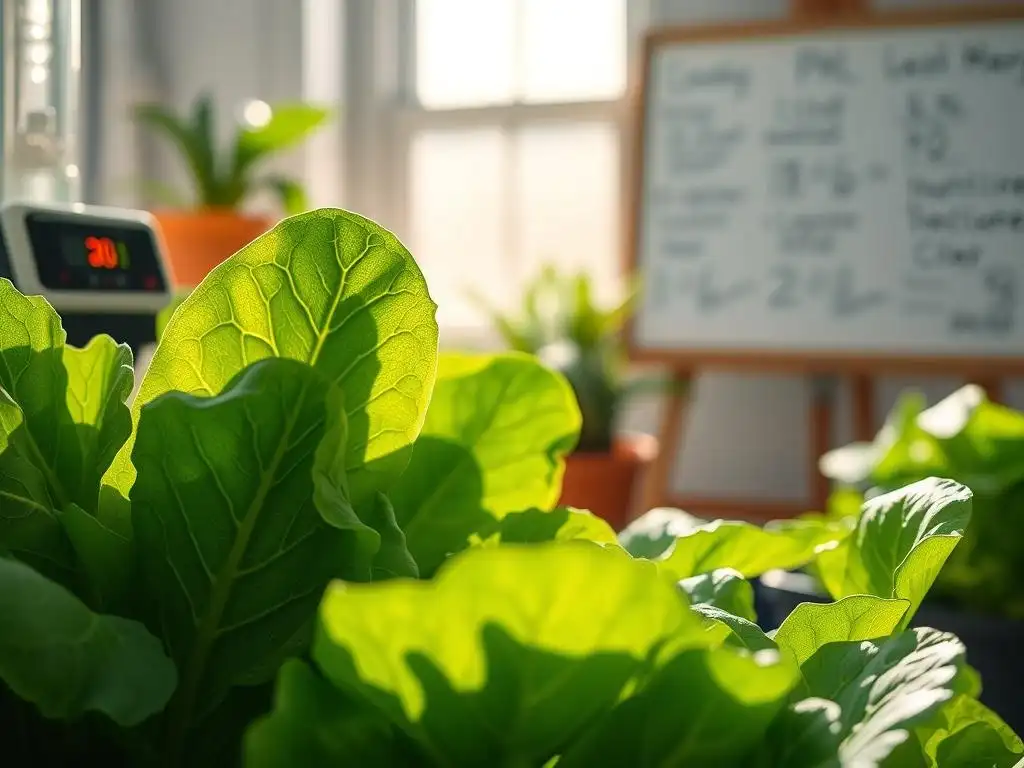
The perfect soil mix is only one piece of the puzzle when it comes to cultivating thriving salad greens. Even the best soil mix for salad greens will struggle if other crucial factors are neglected. This section delves into the equally important aspects of sunlight, water management, and pest control to ensure a bountiful harvest. Mastering these elements, in conjunction with your soil selection, will unlock the full potential of your salad garden.
The Role of Sunlight and Watering in Salad Growth
Salad greens, while generally adaptable, thrive under specific sunlight and watering conditions. Insufficient sunlight leads to leggy, weak plants with poor flavor, while excessive sun scorches the leaves and stunts growth. The ideal amount of sunlight varies depending on the specific type of salad green; some prefer partial shade, while others need at least six hours of direct sunlight daily. Understanding these light requirements is crucial for choosing the right location in your garden or selecting appropriate containers for your plants.
Watering is equally critical. Consistent moisture is essential for healthy growth, but overwatering can lead to root rot and fungal diseases. The best approach is to water deeply but infrequently, allowing the soil to dry slightly between waterings. Observe the soil moisture; if the top inch feels dry to the touch, it's time to water.
Consider using a drip irrigation system or soaker hoses for even moisture distribution, minimizing water waste and preventing leaf diseases. Avoid overhead watering, especially in the evening, to prevent fungal growth. The frequency of watering will depend on factors like temperature, humidity, and the type of soil you're using. For instance, a well-draining soil mix like the one we previously discussed will require more frequent watering than a heavier clay-based soil.
Protecting Your Salad Greens from Pests and Diseases
Even with the perfect soil mix and ideal sunlight and watering, your salad greens are susceptible to pests and diseases. Prevention is key. Regularly inspect your plants for signs of infestation or disease. Common pests include aphids, slugs, and caterpillars. Diseases such as downy mildew and various fungal blights can also significantly impact your harvest.
Implementing preventative measures is crucial. This includes practicing crop rotation, removing weeds that can harbor pests, and maintaining good garden hygiene. Consider using natural pest control methods such as introducing beneficial insects like ladybugs or using insecticidal soap. For disease prevention, ensure good air circulation around your plants by spacing them appropriately and avoiding overhead watering. Early detection and prompt action are crucial to minimizing the impact of pests and diseases. A healthy, well-maintained garden is less susceptible to these problems. Think of it as building a strong immune system for your plants.
Harvesting and Maintaining Your Salad Garden for Optimal Yields
Harvesting salad greens at the right time maximizes their flavor and nutritional value. Most salad greens are ready for harvest when they reach a certain size, typically indicated on the seed packet. "Cut-and-come-again" varieties allow for multiple harvests from a single plant, extending the life of your garden. Regular harvesting also encourages new growth, leading to a continuous supply of fresh greens.
Maintaining your salad garden involves regular weeding, fertilizing (with a balanced organic fertilizer), and monitoring for pests and diseases. Composting kitchen scraps and yard waste provides valuable nutrients, enhancing soil health and promoting vigorous growth. Mulching helps retain moisture, suppress weeds, and regulate soil temperature. By consistently applying these maintenance practices, you'll ensure a healthy and productive salad garden throughout the growing season. Remember, a little preventative care goes a long way in ensuring a bountiful harvest. The satisfaction of enjoying fresh, homegrown salad greens is a reward in itself!
Maintaining Your Soil for Ongoing Success
Maintaining the ideal soil mix for thriving salad greens isn't a one-time task; it's an ongoing process. Consistent monitoring and thoughtful replenishment are crucial for ensuring your plants receive the nutrients they need throughout their growing cycle. Neglecting soil health can lead to stunted growth, reduced yields, and increased susceptibility to pests and diseases.
This section focuses on practical strategies for long-term soil management, ensuring your salad greens flourish season after season. We'll explore natural soil enrichment techniques and the importance of regular monitoring to maintain optimal growing conditions. Remember, healthy soil equals healthy plants, and healthy plants equal delicious, nutritious salad greens!
Compost Tea: A Natural Soil Booster for Salad Greens
Compost tea, a liquid extract brewed from compost, offers a fantastic way to naturally boost the nutrient content and microbial activity in your soil. It's a potent source of beneficial microorganisms that improve soil structure, enhance nutrient uptake, and help suppress plant diseases. The process is surprisingly simple: Steep a portion of your finished compost in water for 24-48 hours, aerating regularly. The resulting tea is rich in beneficial bacteria, fungi, and other microorganisms essential for healthy plant growth.
Think of it as a natural probiotic for your soil! These microbes not only directly nourish your salad greens, but they also improve the soil's overall health by breaking down organic matter and making nutrients more readily available to plant roots. Applying compost tea every 2-3 weeks, especially during the growing season, can significantly enhance the vigor and yield of your salad greens. You'll notice healthier, more vibrant plants with improved resistance to common salad green pests and diseases.
The difference in plant health and yield is truly remarkable. For best results, avoid using chlorinated water and ensure proper aeration during brewing. This simple, natural method is a cornerstone of sustainable gardening practices, offering a powerful, eco-friendly boost to your salad greens.
Regular Soil Testing and Adjustments
Regular soil testing is paramount in maintaining the ideal environment for your salad greens. Soil conditions can change over time due to various factors, including nutrient depletion, weather patterns, and the plants themselves. Ignoring these shifts can lead to nutrient deficiencies or imbalances, hindering growth and potentially compromising the quality of your harvest. A simple soil test kit can provide valuable insights into your soil's pH level and nutrient composition.
Testing should be conducted at least once a year, ideally before planting and again mid-season. This allows you to proactively address any imbalances. For instance, if your test reveals a low nitrogen level, you can amend your soil with an organic nitrogen source like composted manure or blood meal. Similarly, if your soil is too acidic or alkaline, you can adjust the pH using lime or sulfur, respectively.
Remember, the "best" soil mix is not static; it's a dynamic system that requires ongoing monitoring and adjustments to ensure optimal conditions for your salad greens. Regular testing empowers you to make informed decisions, leading to consistently healthy and productive plants. 🍎🌱
Sustainable Practices for Healthy Soil
Sustainable soil management practices are essential for long-term success in cultivating thriving salad greens. These practices not only ensure healthy plant growth but also minimize environmental impact. Avoid the use of synthetic fertilizers and pesticides, opting instead for natural alternatives like compost, cover crops, and beneficial insects. Synthetic chemicals can disrupt the delicate balance of soil microorganisms, harming beneficial bacteria and fungi essential for healthy soil structure and nutrient cycling.
- Cover Cropping: Planting cover crops like clover or rye between growing seasons helps prevent soil erosion, improve soil structure, and add organic matter. They act as a natural fertilizer, enriching the soil with nutrients.
- Crop Rotation: Rotating your salad greens with other crops helps prevent the buildup of pests and diseases specific to lettuces and other leafy greens. It also helps maintain soil nutrient levels.
- Mulching: Applying a layer of organic mulch, such as straw or wood chips, helps retain soil moisture, suppress weeds, and regulate soil temperature. This creates a more stable and favorable environment for your plants.
By adopting these sustainable practices, you’re not just improving the health of your soil and plants; you’re also contributing to a healthier environment. These methods ensure long-term soil fertility and minimize the need for external inputs, creating a self-sustaining ecosystem in your garden. This approach is key to cultivating healthy, vibrant salad greens year after year, while also reducing your environmental footprint. ♻️🌎
Frequently Asked Questions
What is the best soil mix for salad greens?
A well-draining mix is key! A blend of high-quality potting soil, compost, and perlite or vermiculite provides excellent aeration and drainage, crucial for preventing root rot in salad greens. Avoid heavy clay soils.
How often should I water my salad greens?
Keep the soil consistently moist, but not soggy. Water regularly, checking the moisture level before watering again. Overwatering can lead to root rot, while underwatering will stunt growth.
What nutrients do salad greens need?
Salad greens are light feeders, but benefit from a balanced fertilizer. A liquid organic fertilizer diluted to half strength can be applied every two weeks during the growing season. Avoid over-fertilizing.
Can I grow salad greens in containers?
Absolutely! Containers are perfect for salad greens. Choose containers at least 6 inches deep with drainage holes. Ensure your soil mix is appropriate for containers, possibly with added perlite for drainage.
What are the best organic pest control methods for salad greens?
Beneficial insects like ladybugs can help control pests. Row covers protect against pests like aphids. Hand-picking pests is also an effective, organic method. Avoid harmful chemical pesticides.
Final Reflection: Cultivating a Greener Future, One Salad at a Time
The quest for the perfect soil mix for salad greens isn't just about plump, delicious leaves; it's about understanding the intricate relationship between soil health and food quality. A thriving garden, whether large or small, reflects a commitment to sustainable practices and a deeper connection with the food we consume. This understanding is more crucial now than ever, as we face increasing concerns about food security and environmental sustainability.
The journey of discovering the ideal soil blend has been a personal one, revealing the profound impact even small changes can have on the environment and our own well-being. The process of nurturing life from seed to harvest is deeply rewarding, a testament to the power of nature and human ingenuity working in harmony. The glory of gardening: hands in the dirt, head in the sun, heart with nature. To nurture a garden is to feed not just the body, but the soul.
This quote perfectly encapsulates the transformative experience of growing your own food, an experience far richer than simply buying pre-packaged greens.
Now, consider your own garden, balcony planter, or even a single pot on a windowsill. What steps can you take to improve the soil you use? Will you experiment with different blends, focusing on organic matter and balanced nutrients? Embrace the challenge of cultivating your own salad greens; it's a journey of discovery, a commitment to healthier eating, and a small but significant step towards a more sustainable future. The rewards – both in taste and in personal fulfillment – are well worth the effort.
Unlock Your Salad Garden's Potential!
Thank you for learning about creating the perfect soil mix for your salad greens! We hope you feel confident in growing a bountiful harvest. Ready to put your knowledge into practice?
- Craft your ideal soil blend: Gather the ingredients discussed and create a small test batch in a pot. Observe the results!
- Share your experience: Post a photo of your thriving (or even struggling!) greens on social media and tag #CultivateYourFood – let's learn together!
- Experiment with soil amendments: Next time, try adding compost tea or worm castings to see how they affect your plants’ growth.
What will you add to your next soil mix to enhance your salad greens?