
HeatTolerant Heirloom Plants: Sourcing Seeds for Hot Climates

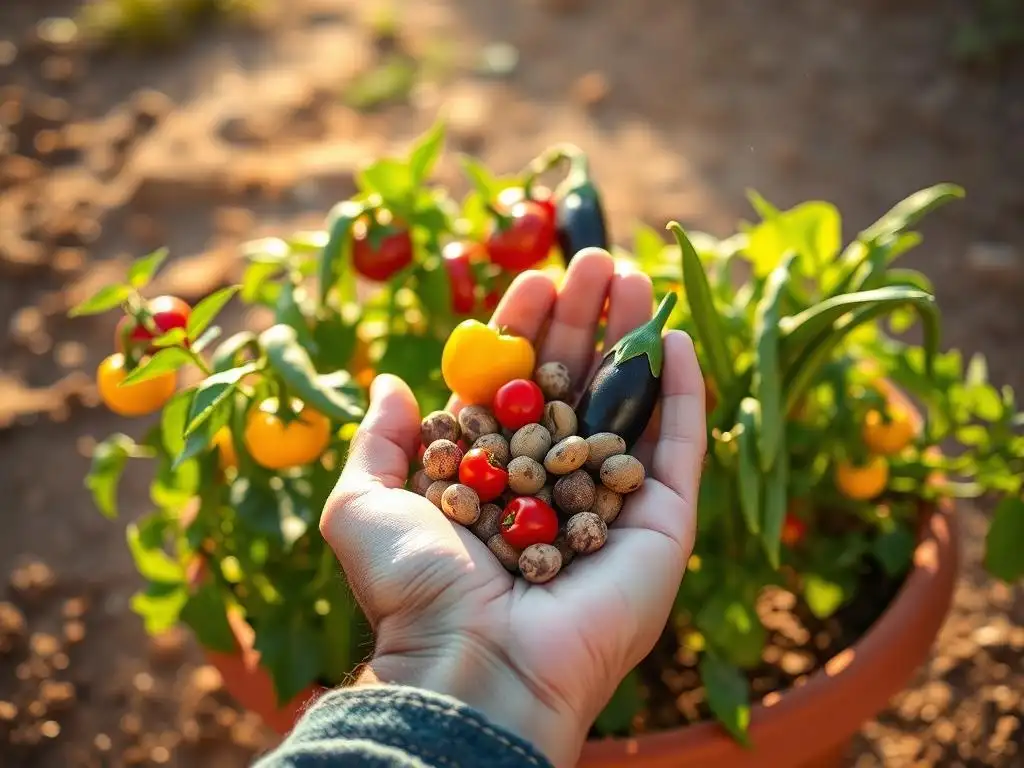
Welcome to CultivateYourFood, your guide to thriving home gardens! Are you ready to unlock the secrets to growing vibrant fruits, vegetables, and herbs, even in the hottest climates? We're diving deep into the world of Heirloom seeds hot climates, exploring resilient varieties perfectly suited for sunny conditions. Discover sustainable practices, from planting to pest control, and transform your outdoor space into a bountiful oasis. Let's cultivate a greener future, together.
- Understanding Heirloom Seeds for Hot Climates
- Sourcing Heirloom Seeds: Where to Find the Best Options
- Top Heat-Tolerant Heirloom Plant Varieties for Your Garden
- Optimizing Your Garden for Heat-Tolerant Heirlooms
- Case Studies: Successful Hot-Climate Heirloom Gardens
- Resources for Further Learning about Heat-Tolerant Heirlooms
-
Frequently Asked Questions
- What are heirloom seeds, and why are they good for hot climates?
- Where can I source heirloom seeds suitable for hot climates?
- How do I choose the best heirloom varieties for my hot climate garden?
- What are some specific heirloom vegetables that do well in hot weather?
- Do heirloom seeds require special care in hot climates?
- Final Reflection: Cultivating Resilience in a Changing Climate
- Unlock Your Garden's Potential: Grow Thriving Heirlooms in the Heat!
Understanding Heirloom Seeds for Hot Climates
Cultivating a thriving garden in hot climates presents unique challenges. Traditional hybrid varieties, often bred for uniformity and high yields, can struggle under intense heat and sun. This is where the resilience of heirloom seeds shines.
Heirloom varieties, passed down through generations, often possess superior adaptability and heat tolerance, making them ideal for gardeners in warmer regions. This article explores the benefits of choosing heirloom seeds specifically suited for hot climates, guiding you through the process of sourcing these valuable seeds and selecting the best varieties for your specific needs. We'll delve into defining heat tolerance, identifying heat-tolerant heirloom fruits and vegetables, and choosing the right herbs to thrive in hot, dry conditions.
This guide aims to empower you to build a bountiful and sustainable garden, even in the most challenging climates, using the power of heirloom seeds. The selection of the right heirloom seeds is crucial for success in hot climates; let's explore how to make informed choices to maximize your harvest.
Defining Heat Tolerance in Heirloom Vegetables
Heat tolerance in heirloom vegetables isn't a simple on/off switch. It's a complex interplay of several factors. Some varieties exhibit exceptional heat tolerance, maintaining vigorous growth and high yields even under scorching temperatures. Others might tolerate heat reasonably well but exhibit reduced productivity or altered fruit characteristics under extreme conditions. The level of heat tolerance is often influenced by factors such as:
- Specific Variety: Even within a single heirloom species (e.g., tomatoes), significant variations in heat tolerance exist between different cultivars. Some heirloom tomato varieties, like 'Brandywine', are known for their delicious flavor but are less heat-tolerant than others. Conversely, varieties like 'San Marzano' are often more suited to hotter climates.
- Soil Conditions: Well-drained soil that retains moisture but avoids waterlogging is crucial for heat tolerance. Proper soil preparation and amendment can significantly improve a plant's ability to withstand heat stress.
- Watering Practices: Consistent and adequate watering, especially during the hottest parts of the day, is essential. However, avoid overwatering, which can lead to root rot and other issues.
- Sunlight Exposure: While many heat-tolerant plants need ample sunlight, excessive exposure can lead to sunscald. Consider providing some shade during the peak sun hours, especially for young seedlings.
Understanding these nuances is key to selecting the right heirloom vegetable varieties for your hot climate garden. Careful observation and research into specific cultivar characteristics will greatly increase your chances of success. Remember to consider your specific microclimate and soil conditions when making your selections.
Identifying Heat-Tolerant Heirloom Fruit Varieties
Heirloom fruits, like vegetables, display varying degrees of heat tolerance. Some varieties are remarkably resilient, while others struggle in intense heat. When selecting heirloom fruits for hot climates, prioritize varieties known for their ability to withstand high temperatures and maintain fruit quality. For example:
| Fruit Type | Heat-Tolerant Heirloom Variety | Key Characteristics |
|---|---|---|
| Tomatoes | 'Cherokee Purple', 'San Marzano' | Flavorful, productive even in high heat. |
| Peppers | 'Hungarian Wax', 'Anaheim' | Robust plants, withstand high temperatures well. |
| Melons | 'Watermelon', 'Cantaloupe' | Requires ample sunlight and well-drained soil. |
| Figs | Various varieties | Generally heat-tolerant, require well-drained soil. |
Choosing the right rootstock can also enhance heat tolerance in some fruit varieties. Always check the specific needs of each variety before planting. Consider the size and maturity time of the fruit as well.
Choosing the Right Heirloom Herbs for Hot, Dry Conditions
Many heirloom herbs are naturally adapted to hot, dry conditions. These resilient plants not only add flavor to your dishes but also attract beneficial insects and improve soil health. When selecting herbs for your hot climate garden, look for varieties known for their drought tolerance and ability to withstand high temperatures. Some excellent choices include:
- Rosemary: A classic Mediterranean herb, rosemary thrives in full sun and well-drained soil. It is remarkably drought-tolerant.
- Lavender: Another sun-loving herb, lavender prefers dry conditions and is known for its fragrant flowers.
- Thyme: Thyme is a low-growing, heat-tolerant herb that requires minimal watering once established.
- Oregano: Oregano is a hardy herb that thrives in hot, dry climates and tolerates poor soil conditions.
These are just a few examples; many other heirloom herbs flourish in hot, dry environments. Remember to research specific varieties to ensure they are well-suited to your particular microclimate and soil conditions. Proper spacing and mulching can further enhance their heat tolerance. Careful consideration of these factors will contribute to a successful and flavorful herb garden, even under challenging conditions.
Sourcing Heirloom Seeds: Where to Find the Best Options
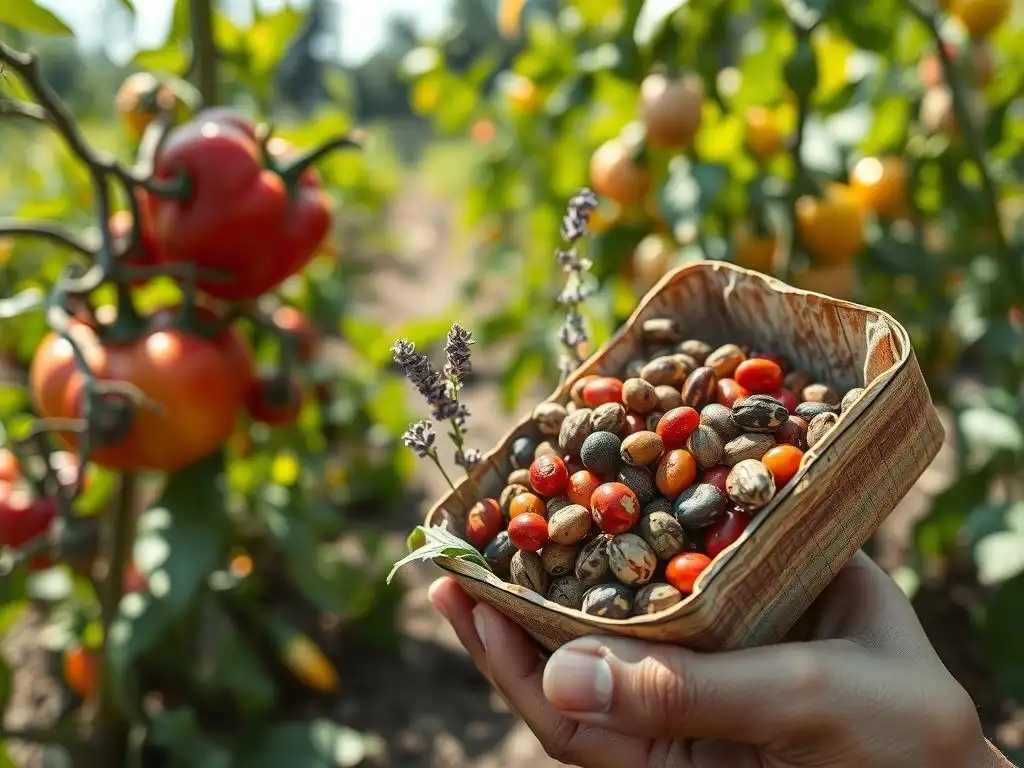
Finding high-quality heirloom seeds specifically adapted to hot climates requires a strategic approach. Many sources offer these valuable seeds, but discerning the best options requires careful consideration of factors like seed viability, genetic purity, and customer service. Successfully cultivating heirloom varieties in hot climates hinges on obtaining seeds from reputable sources. The quest for "Heirloom seeds hot climates" leads many gardeners down various paths, and understanding these options is crucial for success.
Reliable Online Seed Suppliers for Heirloom Varieties
Numerous online seed companies specialize in heirloom varieties, many boasting extensive catalogs dedicated to heat-tolerant plants. These suppliers often provide detailed descriptions, including information on the plant's heat tolerance, days to maturity, and growing requirements. This detailed information is crucial for selecting varieties suited to your specific climate and growing conditions. Before ordering, check customer reviews to gauge the supplier's reliability and seed germination rates.
Look for companies that clearly state their seed sourcing practices and guarantee seed viability. Some suppliers even offer germination guarantees, providing replacements if your seeds fail to sprout. Choosing a reputable online supplier significantly increases your chances of a successful harvest. Consider factors like shipping costs and times, especially if you live in a remote area.
Choosing the right online retailer is key to successful gardening. Look for sites that clearly label seeds as "open-pollinated" or "heirloom," as this ensures genetic diversity and the ability to save seeds from your harvest for future plantings. Pay attention to seed descriptions, looking for terms like “heat-tolerant,” “drought-resistant,” and “vigorous grower” to find varieties that thrive in hot climates. Remember to check the company's return policy in case of damaged or non-viable seeds.
A good online supplier will stand behind their product. For example, a company specializing in heirloom tomatoes might offer a wide range of varieties adapted to different levels of heat and sun exposure. This allows you to select the perfect tomato for your specific microclimate.
Local Seed Swaps and Community Gardens: Finding Rare Heirloom Seeds
Connecting with your local gardening community offers a unique opportunity to discover rare and unusual heirloom varieties often unavailable through commercial channels. Local seed swaps and community gardens are excellent resources for finding heirloom seeds adapted to your specific region's climate. These events often feature gardeners who have successfully grown particular heirloom varieties in your area, providing valuable firsthand knowledge and advice.
Participating in these events not only provides access to diverse seeds but also allows you to build relationships with other passionate gardeners, fostering a supportive network. This exchange of knowledge and seeds contributes to the preservation of heirloom diversity within your local community.
The benefit of acquiring seeds locally extends beyond mere access; it offers invaluable insights into successful cultivation strategies within your region. For instance, a seasoned gardener might share their techniques for growing a particular heirloom pepper variety known for its heat tolerance in your local climate. Such information transcends simple seed acquisition; it's a transfer of practical expertise that significantly enhances your gardening success. Moreover, participating in these events promotes a sense of community and shared learning, enriching the entire gardening experience. Don’t underestimate the power of local knowledge when it comes to cultivating heirloom plants in hot climates.
Seed Saving for Future Hot-Climate Gardens: Preserving Heirloom Diversity
Saving seeds from your successful heirloom harvests is a crucial step in preserving genetic diversity and ensuring a continued supply of seeds adapted to your local conditions. This practice, while demanding some understanding of plant genetics and seed saving techniques, contributes to the long-term sustainability of heirloom gardening. Properly saved seeds maintain the characteristics of the parent plant, allowing you to cultivate the same varieties year after year, tailored to your specific hot climate. This reduces reliance on commercial seed suppliers and contributes to the preservation of heirloom plant varieties.
Successfully saving seeds requires attention to detail. Begin by selecting healthy, mature plants free from disease. Allow the fruits or seeds to fully ripen on the plant before harvesting. Properly cleaning and drying the seeds is also crucial to prevent mold and maintain viability. Store seeds in a cool, dry, and dark place to ensure their longevity.
Accurate labeling with the variety name, harvest date, and any relevant notes (e.g., growing conditions) is essential for maintaining an organized seed collection. Remember that not all heirloom varieties produce viable seeds easily. Some require specific techniques or may have lower seed yields than commercially produced hybrids. Research the specific needs of your chosen variety before undertaking seed saving. The rewards of preserving your own heirloom seeds, however, are substantial, offering a unique sense of accomplishment and self-sufficiency.
Comparing Seed Quality and Germination Rates Across Suppliers
Choosing the right supplier for your heirloom seeds is crucial for a successful harvest, especially in hot climates where germination rates can be more challenging. Seed quality varies significantly between suppliers, impacting germination rates and overall plant vigor. Factors such as seed storage conditions, seed age, and handling practices all play a role in the final product you receive.
A supplier who prioritizes proper seed storage – maintaining optimal temperature and humidity levels – will offer seeds with higher viability and better germination rates. Conversely, seeds improperly stored or handled may exhibit lower germination rates and weaker seedlings, potentially leading to crop failure.
To compare seed quality, look beyond just the photos and descriptions on a supplier's website. Many reputable suppliers provide germination rate information directly on their seed packets or product listings. This percentage indicates the likelihood of a seed sprouting under ideal conditions. While a high germination rate doesn't guarantee success (soil conditions, watering, and temperature also play significant roles), it's a good indicator of seed quality. Look for germination rates above 85% for optimal results with heat-tolerant heirloom varieties. If a supplier doesn't provide this information, it might be a red flag.
Beyond germination rates, consider reading reviews from other gardeners, particularly those in similar climates. Their experiences can provide valuable insights into a supplier's seed quality and customer service. Online forums and gardening communities are excellent resources for this type of feedback. Pay attention to comments about seedling vigor, plant health, and overall yield.
These details can paint a clearer picture of the supplier's seed quality and reliability than just a single germination rate. Remember, investing in high-quality heirloom seeds is an investment in your entire growing season. Choosing a supplier known for excellent seed quality will significantly improve your chances of a bountiful harvest, even in the heat. The initial cost difference might seem minor, but the potential losses from poor-quality seeds far outweigh the savings.
Top Heat-Tolerant Heirloom Plant Varieties for Your Garden
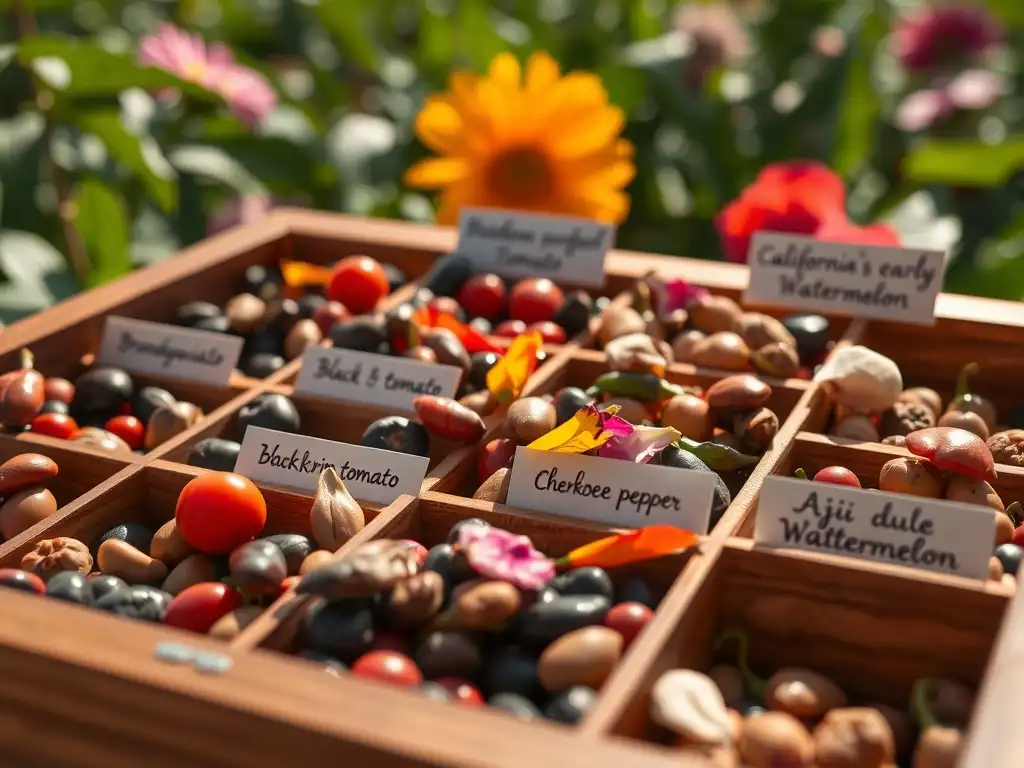
This section explores some of the best heirloom plant varieties known for their resilience in hot climates. Choosing the right heirloom seeds is crucial for successful gardening, especially when dealing with high temperatures and potential water scarcity. Successfully cultivating these plants often hinges on selecting varieties specifically bred or naturally adapted to withstand heat stress. Remember, even heat-tolerant varieties benefit from proper watering and shade during the hottest parts of the day. Let's delve into some specific examples:
Heirloom Tomatoes Thriving in High Temperatures
Heirloom tomatoes, prized for their unique flavors and often open-pollinated genetics, can be a rewarding but challenging crop in hot climates. However, certain varieties are exceptionally well-suited to high temperatures. Careful selection is key to avoiding blossom-end rot and other heat-related issues.
Several heirloom tomato varieties consistently demonstrate excellent heat tolerance. 'Brandywine' is a classic example, known for its large, pink fruits and rich flavor. While it requires consistent watering, its robust nature allows it to withstand significant heat. Another strong contender is 'Cherokee Purple,' a dark-colored tomato with a complex, smoky flavor profile, showing considerable resilience in hot and humid conditions. Finally, 'San Marzano' tomatoes, with their elongated shape and intense flavor, are a reliable choice for hot climates, particularly well-suited for canning and processing.
Consider these factors when choosing heat-tolerant heirloom tomato varieties: the plant's overall vigor, its fruit-setting ability under heat stress, and its resistance to common tomato diseases. Remember to provide adequate spacing for good air circulation to prevent fungal diseases that can thrive in humid conditions. Consistent watering, especially during fruit development, is also crucial, even for heat-tolerant varieties.
Heat-Loving Heirloom Peppers
Heirloom peppers offer a vibrant array of colors, shapes, and heat levels, many of which thrive in hot weather. Their tolerance to heat often surpasses that of many other garden vegetables. However, even heat-loving peppers benefit from some afternoon shade in extremely high temperatures.
Among the most heat-tolerant heirloom peppers are the various Capsicum annuum varieties. 'Hungarian Wax' peppers, with their distinctive long, yellow pods, are known for their ability to produce consistently even in intense heat. 'Anaheim' peppers, a mild variety often used in chilis, also display excellent heat tolerance. For those seeking heat, 'Cayenne' peppers, a staple in many cuisines, are remarkably resilient to high temperatures and provide a consistent harvest even under challenging conditions.
When planting heirloom peppers, ensure well-drained soil and consistent watering, particularly during the flowering and fruiting stages. Proper spacing is crucial for air circulation, helping to prevent fungal diseases. Mulching can also help maintain soil moisture and regulate soil temperature, reducing stress on the plants during periods of intense heat. Remember to consider the specific heat requirements of each variety when planning your garden layout and providing shade as necessary.
Drought-Resistant Heirloom Greens
While many leafy greens prefer cooler temperatures, some heirloom varieties demonstrate remarkable drought tolerance, making them suitable for hot, dry climates. These varieties often have deeper root systems, allowing them to access water deeper in the soil. However, even these varieties will benefit from occasional watering during prolonged dry spells.
Heirloom varieties like 'Red Russian' kale and certain types of Swiss chard are known for their resilience to drought conditions. Their ability to withstand periods of low moisture makes them valuable additions to hot-climate gardens. 'Dinosaur kale', with its distinctive curled leaves, also exhibits good drought tolerance. These varieties often maintain their productivity even with less frequent watering compared to other leafy greens.
The key to success with drought-resistant heirloom greens lies in selecting well-drained soil and preparing the soil properly before planting. Mulching helps conserve moisture, reducing the frequency of watering required. Planting during cooler parts of the day can also reduce transplant shock and improve establishment. Careful monitoring of soil moisture is important, even for drought-tolerant varieties, ensuring that they receive sufficient water during critical growth stages. Consider using drip irrigation or soaker hoses for efficient water delivery, minimizing water waste.
Heirloom Beans That Withstand Summer Heat
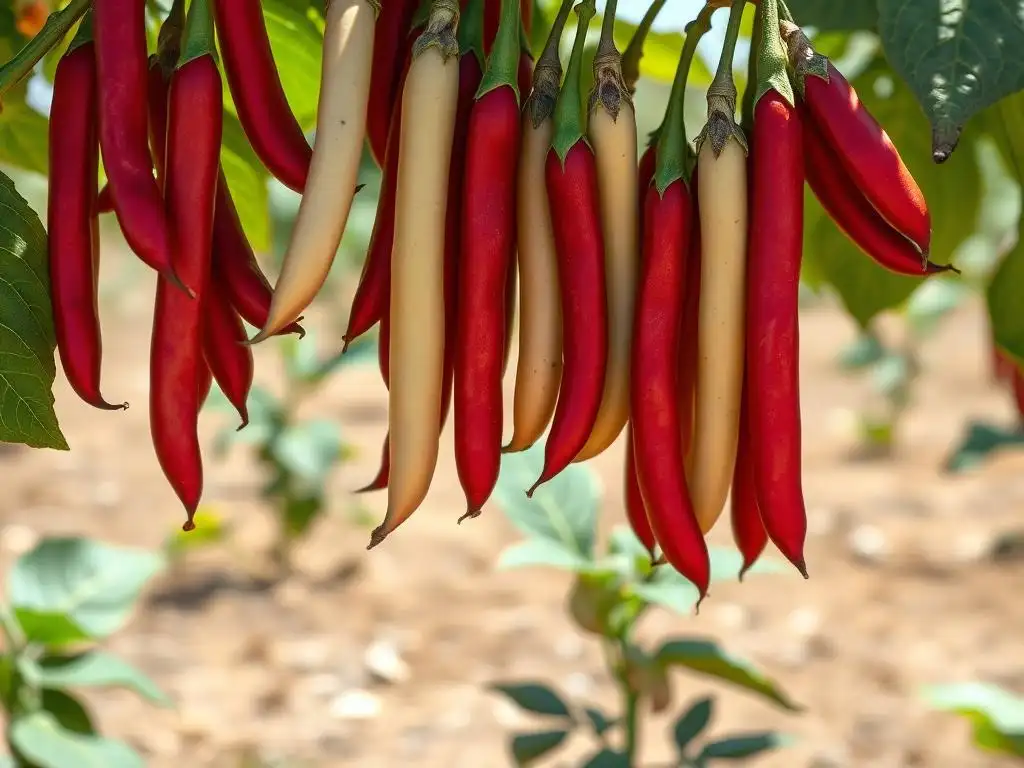
Heirloom beans offer a delightful diversity of flavors and colors, but not all varieties thrive in scorching summer temperatures. Choosing heat-tolerant heirloom bean varieties is crucial for a successful harvest in hot climates. Some excellent choices include the classic 'Kentucky Wonder' pole bean, known for its prolific yield even in intense heat. Its long vines require sturdy support, but the reward is abundant, delicious beans. Another strong contender is the 'Blue Lake' bush bean, a favorite for its tender pods and ease of cultivation.
'Blue Lake' requires less space than pole beans, making it ideal for smaller gardens. For a unique culinary experience, consider the 'Jacob's Cattle' bean, a striking heirloom with speckled pods and flavorful beans. While it tolerates heat well, it might benefit from some afternoon shade during the hottest parts of the day in particularly arid regions. Remember that proper soil moisture is key for all bean varieties, even those boasting heat tolerance.
Regular watering, especially during prolonged dry spells, is vital to prevent stress and ensure a bountiful harvest. Mulching around the plants helps retain soil moisture and regulate temperature fluctuations, further improving their resilience to heat. Careful observation of your plants will also help you identify potential issues early on, enabling timely intervention. For example, wilting leaves might indicate a need for more frequent watering or a need to adjust the shade.
Exceptional Heirloom Cucurbits for Hot Climates
Heirloom cucurbits—including melons, squash, and cucumbers—add a burst of flavor and color to any garden. However, many varieties struggle in extreme heat. Selecting heat-tolerant heirlooms is essential for success in hot climates. 'Blacktail Mountain Watermelon' is a superb choice, renowned for its sweet, juicy flesh and ability to thrive in high temperatures. Its relatively short growing season also makes it suitable for regions with shorter summers. For squash lovers, the 'Early Prolific Straightneck' yellow squash is a dependable performer, producing abundant harvests even under intense sun.
Its compact size makes it suitable for smaller garden spaces. If you prefer zucchini, the 'Costata Genovese' heirloom is a visually striking option, boasting a ribbed, dark green skin. This variety also exhibits excellent heat tolerance. When growing cucurbits in hot climates, providing adequate shade during the peak sun hours can significantly improve their yield and quality. Using shade cloth or strategically planting taller plants nearby can help mitigate the effects of intense solar radiation. Proper soil preparation is also crucial.
Well-drained soil enriched with compost provides the ideal environment for these plants to flourish. Furthermore, consistent watering is vital, especially during fruiting, to prevent blossom-end rot and ensure optimal fruit development. Regular monitoring for pests and diseases is also essential. Early detection and treatment can prevent significant crop losses, ensuring a plentiful harvest of delicious heirloom cucurbits. Remember to rotate your crops yearly to prevent soilborne diseases and maintain soil health.
Optimizing Your Garden for Heat-Tolerant Heirlooms
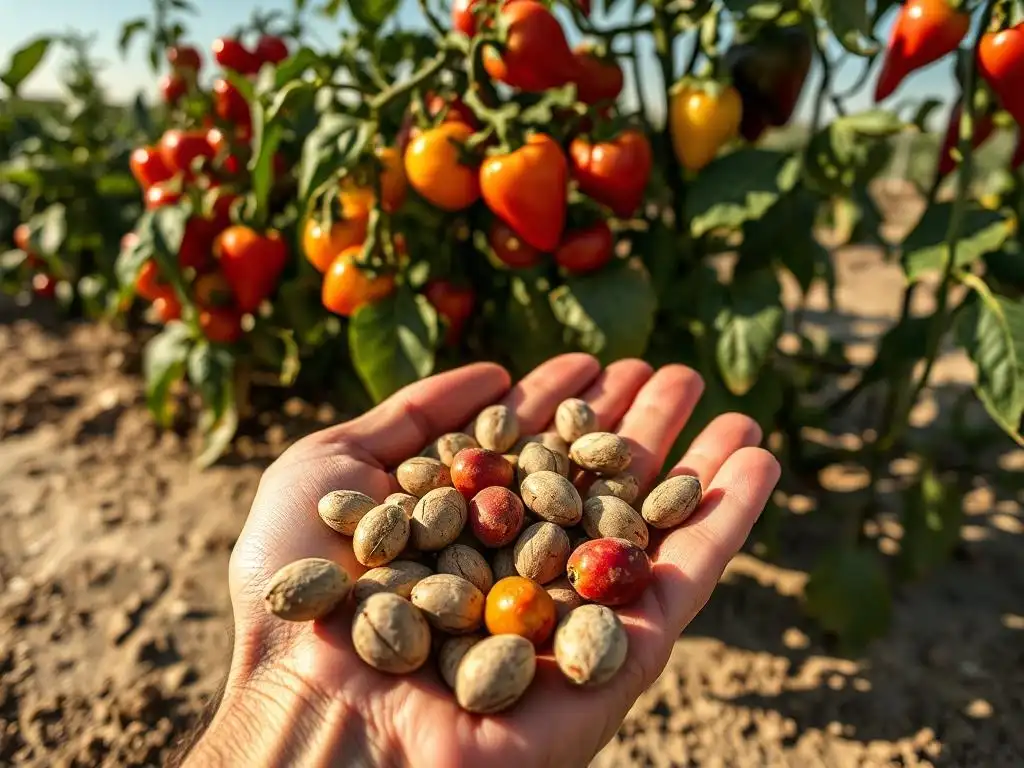
This section focuses on preparing your garden space to thrive with heirloom seeds in hot climates. Successfully cultivating heat-tolerant heirloom varieties requires understanding their specific needs and adapting your gardening practices accordingly. Ignoring these crucial steps can significantly impact yield and plant health, even with the most resilient heirloom seeds. Remember, even heat-tolerant plants have limits, and proper preparation is key to maximizing their potential.
Soil Preparation for Heat-Tolerant Plants: Improving Drainage and Fertility
Heat-tolerant heirloom plants, while resilient, still require well-draining soil rich in organic matter. Poor drainage leads to root rot, a common problem in hot, humid climates. Improving soil structure is paramount. This involves amending heavy clay soils with organic materials like compost, well-rotted manure, and coco coir. These additions increase aeration, allowing for better water penetration and root development. Sandy soils, on the other hand, benefit from the addition of organic matter to retain moisture.
A soil test can provide valuable insights into your soil's pH and nutrient levels. Many heirloom varieties prefer a slightly acidic to neutral pH (6.0-7.0). Adjusting the pH using lime (to raise it) or sulfur (to lower it) is crucial for optimal nutrient uptake. Furthermore, incorporating a balanced, slow-release fertilizer before planting provides sustained nourishment throughout the growing season. Consider using organic fertilizers like bone meal, blood meal, or composted chicken manure to further enhance soil fertility and support healthy growth of your heirloom seeds in hot climates. Remember, healthy soil is the foundation for thriving heirloom plants.
Watering Techniques for Heirlooms in Hot Climates: Drip Irrigation and Mulching
Efficient watering is critical for heirloom plants in hot climates. Overwatering can lead to fungal diseases, while underwatering stresses plants, reducing yields. Drip irrigation is a highly effective method, delivering water directly to the roots, minimizing evaporation and water waste. This targeted approach ensures consistent moisture without wetting the foliage, which can encourage fungal growth. Install a drip irrigation system with emitters spaced appropriately for your specific plants, ensuring even water distribution.
Mulching plays a crucial role in moisture retention and temperature regulation. A layer of organic mulch, such as straw, wood chips, or shredded leaves, helps retain soil moisture, reducing the frequency of watering. Additionally, mulch suppresses weeds, which compete with your plants for water and nutrients. The mulch also helps moderate soil temperature, protecting roots from extreme heat. Apply a 2-4 inch layer of mulch around your plants, ensuring it doesn't touch the stems to prevent rot. Careful selection and application of mulch significantly aids in the successful cultivation of heirloom seeds in hot climates.
Protecting Your Plants from Extreme Heat: Shade Cloth and Other Solutions
Even heat-tolerant heirloom varieties can suffer from extreme heat stress. Protecting your plants during the hottest parts of the day can significantly improve their health and productivity. Shade cloth is an excellent solution, providing partial shade while still allowing adequate sunlight for photosynthesis. Choose a shade cloth with the appropriate percentage of shade (e.g., 30% or 50%), depending on the intensity of the sun and the specific needs of your plants. Install the shade cloth over raised beds or individual plants, providing relief during the peak sun hours.
Other strategies for heat protection include planting in locations that receive afternoon shade naturally, using reflective mulches (like aluminum foil) to reduce soil temperature, and grouping plants together to provide some mutual shade. Regular monitoring of your plants for signs of heat stress (wilting, leaf scorch) is crucial. If you observe such symptoms, increase watering frequency, provide additional shade, or move plants to a cooler location if possible. Proactive measures are vital to safeguard your heirloom seeds in hot climates and ensure a bountiful harvest.
Pest and Disease Management for Heat-Stressed Heirlooms
Heat stress weakens plants, making them more susceptible to pests and diseases. Heirloom varieties, while often boasting robust genetics, aren't immune. Proactive pest and disease management is crucial for successful cultivation in hot climates. This involves a multi-pronged approach focusing on prevention and timely intervention.
One key strategy is selecting disease-resistant heirloom varieties whenever possible. Researching the specific heirloom you're planting – be it tomatoes, peppers, or beans – and understanding its inherent resilience to common regional pests and diseases is paramount. Many seed catalogs and online resources provide this information. For example, some heirloom tomato varieties are naturally more resistant to blight than others. Knowing this allows you to make informed choices from the start, minimizing potential problems.
Beyond varietal selection, cultural practices play a significant role. Proper spacing allows for better air circulation, reducing humidity and the risk of fungal diseases. Regular watering, ideally in the early morning to minimize evaporation and leaf burn, keeps plants vigorous and better able to fight off invaders. Avoid overhead watering, which can spread diseases. Instead, opt for drip irrigation or soaker hoses to deliver water directly to the roots.
Monitoring your plants regularly is essential. Early detection of pest infestations or disease outbreaks allows for prompt action, preventing widespread damage. Look for signs like wilting, discoloration, unusual spots, or the presence of insects. A magnifying glass can be helpful in identifying smaller pests. For instance, regularly inspecting the undersides of leaves can reveal aphid infestations early on.
Organic pest and disease control methods are preferred for heirloom gardening. These include introducing beneficial insects like ladybugs to control aphids, using insecticidal soap for soft-bodied pests, and employing natural fungicides like neem oil or copper spray for fungal diseases. Always follow the instructions carefully and consider rotating your control methods to prevent pest resistance. Remember to always thoroughly research any organic pest control method to ensure it's safe for your plants and the environment.
Improper application or selection of organic pesticides can also damage your plants. Furthermore, composting and maintaining healthy soil are fundamental for building plant resilience. Healthy soil harbors beneficial microbes that help plants resist diseases.
Implementing these strategies minimizes the risk of pest and disease problems, helping your heat-tolerant heirloom plants thrive even in the most challenging conditions. Remember that prevention is always better than cure, and a proactive approach to pest and disease management is key to successful heirloom gardening in hot climates. Careful observation and timely intervention are crucial for maintaining a healthy and productive garden.
Case Studies: Successful Hot-Climate Heirloom Gardens
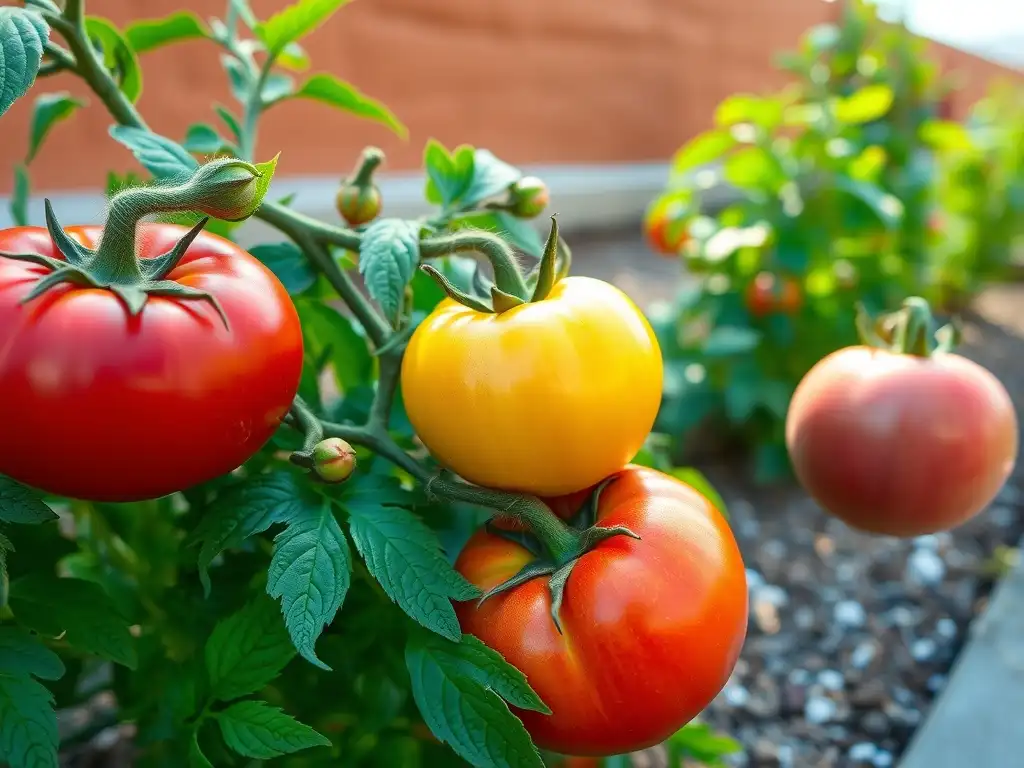
This section showcases real-world examples of thriving heirloom gardens in hot climates, demonstrating the resilience and productivity of carefully selected varieties. These case studies highlight the importance of choosing the right heirloom seeds for your specific region and microclimate, emphasizing the potential for abundant harvests even in challenging conditions. Understanding these successes can inspire your own gardening journey and provide practical insights for maximizing your yield. Remember, successful heirloom gardening in hot climates is achievable with proper planning and execution.
A Southwest Gardener's Success with Heat-Tolerant Heirloom Tomatoes
One gardener in the scorching Arizona desert achieved remarkable success growing heirloom tomatoes. He focused on varieties known for their heat tolerance, such as 'Brandywine' (a classic, though requiring careful sun management), 'Cherokee Purple', and 'San Marzano'. His strategy involved several key elements:
- Strategic Planting: He planted his tomatoes in raised beds to improve drainage and soil warming, crucial for early growth in cooler mornings.
- Watering Techniques: He employed drip irrigation to deliver water directly to the roots, minimizing water loss through evaporation in the intense heat. This technique is vital for avoiding fungal diseases that thrive in consistently moist leaves.
- Mulching: A thick layer of mulch (straw or wood chips) helped retain soil moisture, suppress weeds, and regulate soil temperature. This reduced the stress on the plants during the hottest parts of the day.
- Shade Cloth: During the peak heat of the afternoon, he utilized shade cloth to protect the plants from the most intense sun. This prevented sunscald and wilting, ensuring optimal photosynthesis.
- Variety Selection: Choosing the correct variety is paramount. He carefully researched heirloom tomato varieties specifically bred or known to thrive in hot, arid climates.
His harvest was plentiful, yielding large, flavorful tomatoes throughout the summer, demonstrating that with careful planning, even heat-sensitive heirloom plants can flourish in extreme conditions. He specifically noted the importance of monitoring soil moisture levels regularly and adjusting watering accordingly. Overwatering, he found, was more damaging than underwatering in his high-heat environment.
Growing Heirloom Peppers in the Mediterranean Climate: Tips and Tricks
A gardener in southern Spain cultivated a diverse collection of heirloom peppers, including 'Aji Dulce', 'Padrón', and 'Espelette', in a hot, dry Mediterranean climate. Her success stemmed from adapting her techniques to the unique challenges of the environment.
- Soil Preparation: She focused on improving soil drainage and fertility, incorporating plenty of compost and organic matter to create a rich growing medium capable of retaining moisture without becoming waterlogged. This is crucial for peppers which are susceptible to root rot.
- Sun Protection: She utilized trellises to support her pepper plants, allowing for better air circulation and preventing the plants from becoming overcrowded and shaded. This aided in reducing fungal diseases and improved fruit set.
- Water Management: She implemented a regular watering schedule, providing consistent moisture without overwatering. She monitored soil moisture closely, adjusting her watering based on the weather conditions and the plants' needs.
- Pest Control: She employed natural pest control methods, using companion planting and insecticidal soaps to deter pests without resorting to harmful chemicals. This minimized environmental impact and ensured the organic integrity of her harvest.
- Harvesting: She harvested peppers at their peak ripeness, ensuring maximum flavor and quality. Regular harvesting also encouraged continued fruit production.
The results were impressive: a bountiful harvest of flavorful heirloom peppers, showcasing the adaptability of these varieties to hot, dry conditions. She emphasized the importance of choosing varieties suited to the specific microclimate, paying close attention to the heat tolerance and water requirements of each pepper type. She also noted that proper pruning techniques were key to maintaining air circulation and preventing disease.
A Successful Hot-Climate Heirloom Garden in Southern California
A Southern Californian gardener successfully cultivated a variety of heirloom vegetables, including zucchini, beans, and squash, in a climate characterized by long, hot summers. Their success centered around strategic planning and adaptation.
| Vegetable | Variety | Key Success Factors |
|---|---|---|
| Zucchini | 'Costata Genovese' | Early planting, regular watering, shade cloth during peak heat |
| Bush Beans | 'Kentucky Wonder' | Well-drained soil, trellising to improve air circulation |
| Summer Squash | 'Black Beauty' | Consistent watering, mulching to retain moisture |
| Heirloom Tomatoes | 'San Marzano' and 'Roma' | Raised beds, drip irrigation, afternoon shade |
This gardener highlighted the importance of:
- Early Planting: Taking advantage of cooler morning temperatures to get a head start on the growing season.
- Soil Amendment: Enriching the soil with compost and other organic matter to improve drainage and fertility.
- Water Conservation: Utilizing efficient irrigation methods and mulch to minimize water loss.
- Pest Management: Employing integrated pest management techniques to prevent pest infestations.
- Variety Selection: Choosing heirloom varieties known for their heat tolerance and adaptability.
Their garden flourished, producing an abundance of fresh, flavorful heirloom vegetables, showcasing the possibilities of cultivating a thriving garden even in the challenging conditions of a hot Southern California summer. Careful observation of the plants, adjusting practices as needed, proved crucial for their success. The gardener emphasized the importance of learning from each growing season and adapting their techniques as needed to achieve optimal results.
Resources for Further Learning about Heat-Tolerant Heirlooms
This section provides valuable resources to deepen your understanding of cultivating heirloom plants in hot climates. Finding reliable information is key to success, so we've compiled a list of books, online communities, and university resources to aid your gardening journey. Remember, selecting the right heirloom seeds for your specific hot climate is crucial for a bountiful harvest.
Books on Growing Heirloom Vegetables in Hot Climates
Choosing the right book can significantly improve your gardening skills. Many excellent resources provide in-depth information on heirloom varieties suited for warm weather. Look for books that specifically address your region's climate and soil conditions. This specificity is vital for success with heat-tolerant heirloom seeds.
Here are some key features to look for when selecting a book:
- Regional Focus: Prioritize books that detail growing heirloom vegetables in similar climates to your own. A book focused on the Southwest US will be far more relevant than one covering the Pacific Northwest.
- Variety Descriptions: A comprehensive book will offer detailed descriptions of various heirloom varieties, including their heat tolerance levels, growth habits, and harvest times.
- Practical Growing Advice: Look for books that go beyond simple planting instructions and offer practical advice on pest control, watering techniques, and soil management specific to hot climates. This will help you avoid common pitfalls.
- Seed Sourcing Information: Some books may include lists of reputable seed suppliers specializing in heirloom varieties, making it easier to find what you need.
While specific book titles will vary depending on your location and availability, keywords to search for include: "Heirloom gardening hot climates," "Heat-tolerant vegetables," "Southern heirloom gardening," and similar phrases tailored to your region. Don't hesitate to browse reviews to ensure the book's quality and relevance to your needs.
Online Communities and Forums for Heirloom Gardening Enthusiasts
The internet provides a wealth of information and a supportive community for heirloom gardeners. Engaging with online forums and groups can be incredibly beneficial for sharing experiences, troubleshooting problems, and learning from others' successes and failures.
Connecting with other gardeners allows you to:
- Access Diverse Perspectives: Hear from gardeners across various regions and climates, broadening your understanding of growing heirloom varieties in diverse conditions.
- Share Experiences: Discuss your own challenges and successes, receiving valuable feedback and advice from experienced gardeners.
- Discover New Heirloom Varieties: Learn about lesser-known heirloom varieties suitable for your climate, expanding your gardening options.
- Find Seed Sources: Discover reputable seed suppliers and exchange information on where to find specific heirloom seeds.
Remember to be discerning when seeking advice online. Always cross-reference information from multiple sources to ensure accuracy and reliability. Look for forums and groups with active members and a history of providing helpful and accurate information. Search for keywords like "heirloom gardening forums," "hot climate gardening groups," and "rare seed exchange" to find relevant online communities.
Relevant University Extension Service Resources
University Extension Services offer a wealth of reliable, research-based information on gardening practices, including growing heirloom vegetables in specific climates. These services often provide region-specific guides and recommendations tailored to local conditions. They are a fantastic resource for finding accurate and up-to-date information.
Benefits of using University Extension Services include:
- Credible Information: The information provided is typically backed by scientific research and years of experience.
- Region-Specific Advice: They often provide resources tailored to your specific geographic location and climate.
- Expert Consultation: Many services offer opportunities to consult with horticultural experts who can answer your questions.
- Workshops and Courses: Some services offer workshops and courses on various gardening topics, providing hands-on learning opportunities.
To find relevant resources, search online for "[Your State/Region] University Extension Service Gardening," replacing "[Your State/Region]" with your location. Look for publications or websites focusing on vegetable gardening, heirloom varieties, and hot climate gardening. These resources will provide you with valuable insights to ensure your success in growing heat-tolerant heirloom seeds.
Frequently Asked Questions
What are heirloom seeds, and why are they good for hot climates?
Heirloom seeds are open-pollinated varieties that have been passed down through generations. Many possess natural resilience and adaptability, making them well-suited to survive and thrive in hot climates. They often exhibit superior flavor compared to hybrid counterparts.
Where can I source heirloom seeds suitable for hot climates?
Several online retailers specialize in heirloom seeds, often categorizing them by climate suitability. Local farmers' markets and nurseries may also carry varieties adapted to your region's hot conditions. Always check for specific heat tolerance information.
How do I choose the best heirloom varieties for my hot climate garden?
Look for descriptions emphasizing heat tolerance, drought resistance, and suitability for your specific region's climate zone. Consider the plant's maturity time, ensuring it has enough time to produce a harvest before the hottest part of the season.
What are some specific heirloom vegetables that do well in hot weather?
Many heat-loving heirloom varieties exist! Consider tomatoes like 'Brandywine' or 'Cherokee Purple', peppers like 'Cayenne' or 'Ancho', and beans like 'Kentucky Wonder' or 'Blue Lake'. Research varieties well-suited to your particular climate.
Do heirloom seeds require special care in hot climates?
While generally hardy, heirloom plants still need adequate watering, particularly during establishment and hot, dry spells. Proper soil drainage is crucial to prevent root rot. Providing shade during the hottest parts of the day can also be beneficial for some varieties.
Final Reflection: Cultivating Resilience in a Changing Climate
The quest for heat-tolerant heirloom seeds is not merely a gardening pursuit; it's a vital strategy for ensuring food security in a world grappling with increasingly extreme temperatures. The implications of climate change are undeniable, and access to seeds capable of thriving in hotter conditions is becoming increasingly crucial for both individual gardeners and larger-scale agricultural operations. This shift necessitates a renewed focus on preserving and propagating these resilient plant varieties.
The journey through the world of heat-tolerant heirloom seeds has underscored the profound connection between our food systems and the environment. These seeds represent more than just a genetic legacy; they are a testament to human ingenuity and adaptation across generations. Their survival and propagation are intrinsically linked to our own. The future of food security depends on our ability to adapt to a changing climate, and heirloom seeds offer a powerful tool in that arsenal.
This quote encapsulates the urgency and importance of preserving and utilizing these invaluable resources.
Consider the seeds you plant, not just as a means to grow food, but as a symbol of hope and resilience. You are actively participating in a global effort to build a more sustainable and food-secure future. Explore the rich diversity of heat-tolerant heirloom varieties, experiment in your own garden, and share your knowledge with others. Let us cultivate a future where resilience and biodiversity thrive, ensuring a bountiful harvest for generations to come.
Unlock Your Garden's Potential: Grow Thriving Heirlooms in the Heat!
Thank you for exploring the world of heat-tolerant heirloom plants! We hope you've discovered valuable information about selecting seeds that will thrive even in the hottest climates. Now it's time to put that knowledge into practice.
Here's how to proceed:
- Begin collecting your seeds today! Research local seed suppliers or browse online catalogs to find the perfect heat-loving heirloom varieties for your garden. Don't delay—order your seeds now!
- Share your favorite heat-tolerant heirloom varieties with our community in the comments below! Let's create a valuable resource for gardeners everywhere.
- Starting seeds indoors a few weeks before the last expected frost will give your plants a head start.
Ready to transform your garden into a vibrant oasis, even during scorching heat? Which heirloom variety are you most excited to grow this year?