
Growing Chamomile for Tea: A Soothing Addition to Your Garden


Welcome to CultivateYourFood, your guide to a thriving, sustainable garden! Ready to transform your backyard into a haven of fresh, organic produce? We'll show you how. Discover the secrets to creating your own organic chamomile tea garden, a soothing and rewarding addition to your homegrown harvest. Learn the techniques for planting, nurturing, and harvesting this fragrant herb – and much more. Let's begin your journey towards a healthier, more fulfilling relationship with nature.
-
Planning Your Organic Chamomile Tea Garden
- Selecting the Right Chamomile Variety for Tea
- Site Selection: Sunlight and Soil Requirements for Optimal Growth
- Preparing the Soil: Organic Amendments for a Thriving Chamomile Patch
- Starting Chamomile from Seed: A Step-by-Step Guide
- Propagating Chamomile Through Division: Expanding Your Chamomile Patch
- Cultivating Your Organic Chamomile Plants
- Harvesting and Processing Your Chamomile for Tea
- Brewing the Perfect Cup of Organic Chamomile Tea
- Beyond the Cup: Other Uses for Your Homegrown Chamomile
-
Frequently Asked Questions
- What are the benefits of growing organic chamomile in my garden?
- How much space does an organic chamomile tea garden require?
- When is the best time to plant chamomile for tea?
- How do I harvest chamomile for tea?
- What are some common pests or diseases that affect chamomile, and how can I manage them organically?
- Final Reflection: The Enduring Power of a Simple Bloom
- Unleash the Soothing Power of Your Own Chamomile!
Planning Your Organic Chamomile Tea Garden
Growing your own organic chamomile for tea offers a rewarding experience, connecting you directly with the soothing beverage you enjoy. This guide provides a comprehensive approach to cultivating a thriving chamomile patch in your garden, focusing on sustainable and organic practices to ensure the highest quality and flavor in your homemade tea. From selecting the right variety to harvesting and drying, we'll cover all the essential steps to successfully integrate this beautiful and beneficial herb into your home garden, contributing to a healthier lifestyle and a more sustainable approach to your daily rituals.
This detailed plan will help you establish a productive and aesthetically pleasing organic chamomile tea garden, maximizing your yield while minimizing environmental impact. We'll explore the best organic methods for soil preparation, pest control, and harvesting, ensuring you produce a truly exceptional organic chamomile tea.
Selecting the Right Chamomile Variety for Tea
Choosing the appropriate chamomile variety is crucial for optimal tea production. While several chamomile types exist, Matricaria chamomilla (German chamomile) and Chamaemelum nobile (Roman chamomile) are the most popular for tea. German chamomile boasts a more intense, slightly fruity aroma and flavor, often preferred for its potent medicinal properties. Roman chamomile, on the other hand, offers a milder, sweeter taste, making it a good choice for those who prefer a less assertive flavor profile.
Consider these factors when making your selection:
- Flavor Profile: Do you prefer a stronger, more pungent taste (German) or a milder, sweeter flavor (Roman)?
- Medicinal Properties: German chamomile is generally considered to have stronger medicinal properties than Roman chamomile.
- Growth Habit: German chamomile is an annual, needing to be replanted each year, while Roman chamomile is a perennial, returning year after year. This impacts the long-term planning of your garden.
- Availability: Check with local nurseries or seed suppliers to determine which varieties are readily available in your region.
Site Selection: Sunlight and Soil Requirements for Optimal Growth
Chamomile thrives in sunny locations, requiring at least 6 hours of direct sunlight per day for optimal growth. However, it can tolerate some partial shade, especially in hotter climates. The soil should be well-drained to prevent root rot, a common issue for chamomile. Avoid areas with poor drainage or standing water.
Ideal soil pH is slightly acidic to neutral (6.0-7.0). Observe your garden carefully to identify areas that meet these requirements. Note the prevailing sun patterns throughout the day to ensure sufficient sunlight exposure. Poor drainage can significantly impact your chamomile's growth and health, leading to reduced yields and a lower-quality tea.
Remember to carefully assess your garden for areas that consistently receive adequate sunlight and offer excellent drainage. This diligent site selection is a crucial first step towards a successful organic chamomile tea garden.
Preparing the Soil: Organic Amendments for a Thriving Chamomile Patch
Preparing the soil appropriately is essential for cultivating healthy and productive chamomile plants. Begin by conducting a soil test to determine its nutrient content and pH level. Amend the soil with organic matter, such as well-rotted compost or aged manure, to improve drainage, fertility, and soil structure. This will provide essential nutrients for optimal chamomile growth. The addition of organic matter also helps retain moisture, reducing the need for frequent watering. Avoid using chemical fertilizers, as these can negatively impact the quality of your organic chamomile tea.
A rich, well-drained soil is crucial for healthy root development and robust growth. Consider incorporating other organic amendments, such as worm castings, to further enhance soil fertility and promote beneficial microbial activity. This holistic approach to soil preparation ensures the production of high-quality organic chamomile for your tea. 🌱
Starting Chamomile from Seed: A Step-by-Step Guide
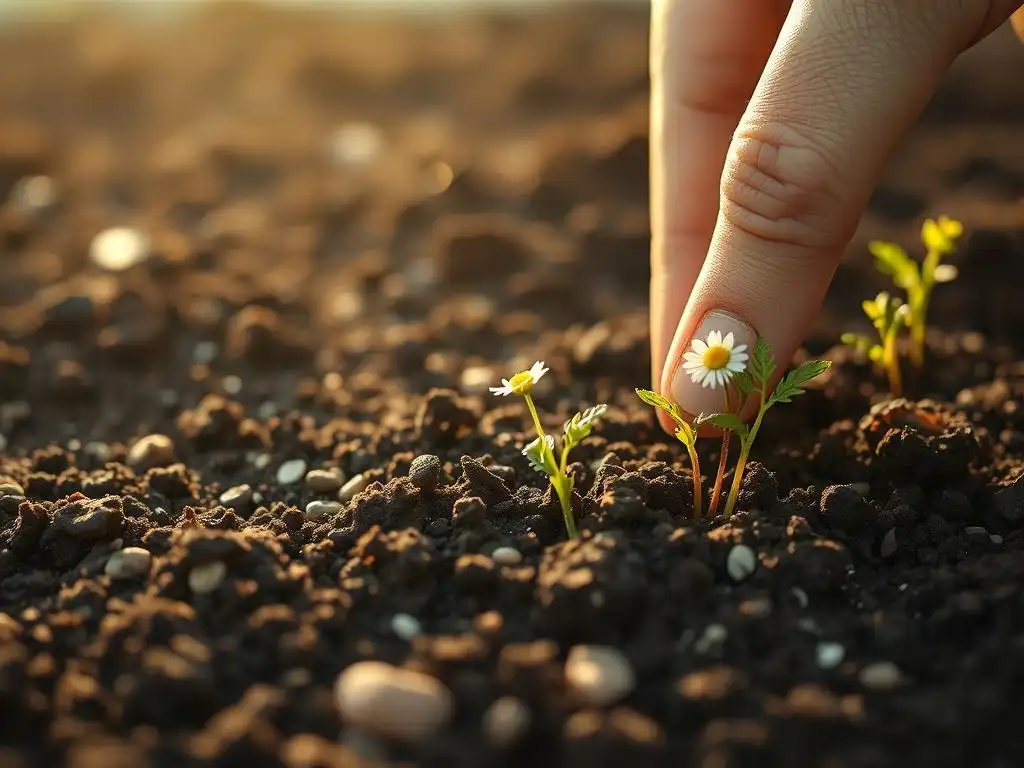
Growing chamomile from seed offers a rewarding experience, allowing you to cultivate a vibrant patch of this soothing herb from scratch. However, chamomile seeds are tiny and require careful handling. Success hinges on proper preparation and consistent care. Let's delve into a step-by-step guide:
First, choose the right time. Chamomile thrives in warm weather, so aim for sowing seeds outdoors after the last frost, typically in spring or early summer. The soil temperature should ideally be above 60°F (15°C). Direct sowing is generally preferred, as chamomile doesn't transplant well.
Next, prepare your soil. Chamomile prefers well-drained, sunny locations with slightly acidic to neutral soil (pH 6.0-7.0). Amend heavy clay soils with compost to improve drainage and aeration. Loosen the soil to a depth of about 6 inches, removing any weeds or rocks. For an organic chamomile tea garden, this step is crucial; using compost ensures nutrient-rich soil without harmful chemicals.
Now, sow the seeds. Scatter the tiny seeds thinly over the prepared soil surface. Don't bury them deeply; a light covering of soil or just pressing them gently into the soil is sufficient. Maintain consistent moisture by gently watering the area using a fine mist spray to avoid washing away the seeds. This prevents the soil from crusting over and hindering germination.
Finally, maintain consistent moisture and patience. Keep the soil consistently moist but not waterlogged until germination occurs, which usually takes 1-3 weeks. Once seedlings emerge, thin them to about 6 inches apart to allow for proper growth and air circulation. Regular weeding is essential to prevent competition for nutrients and water. Remember, consistent care is key to a successful organic chamomile harvest for your tea.
Propagating Chamomile Through Division: Expanding Your Chamomile Patch
If you already have an established chamomile patch, propagation through division provides a rapid and efficient method to expand your organic chamomile tea garden. This technique involves separating mature plants into smaller sections, each capable of growing into a new plant. This method is particularly useful for preserving desirable traits and quickly increasing your chamomile yield.
The ideal time for division is during spring or autumn, when the plant is actively growing but not under intense heat stress. Begin by carefully digging up the mature chamomile plant, ensuring you disturb the root system as little as possible. Use a sharp spade or garden fork to gently lift the entire plant.
Next, divide the plant. Inspect the root system for natural divisions or clusters of stems. Use a sharp, clean knife or spade to separate the plant into smaller sections, each containing several stems and a healthy portion of roots. Aim for divisions with at least 3-4 stems for optimal success. Ensure each division has a good root system to support its growth.
Now, replant the divisions. Prepare new planting holes slightly larger than the root ball of each division. Gently place the divisions into the holes, ensuring the roots are spread out and not tangled. Backfill the holes with soil, gently firming it around the base of the plants. Water thoroughly after planting to settle the soil and aid in root establishment.
Finally, provide aftercare. Water regularly, especially during dry periods, to keep the soil consistently moist. Mulching around the newly planted divisions will help retain moisture and suppress weeds. With proper care, your newly divided chamomile plants will quickly establish themselves and reward you with a bountiful harvest for your homemade organic chamomile tea. This is a far more efficient method than starting from seeds for a larger scale operation!
Cultivating Your Organic Chamomile Plants
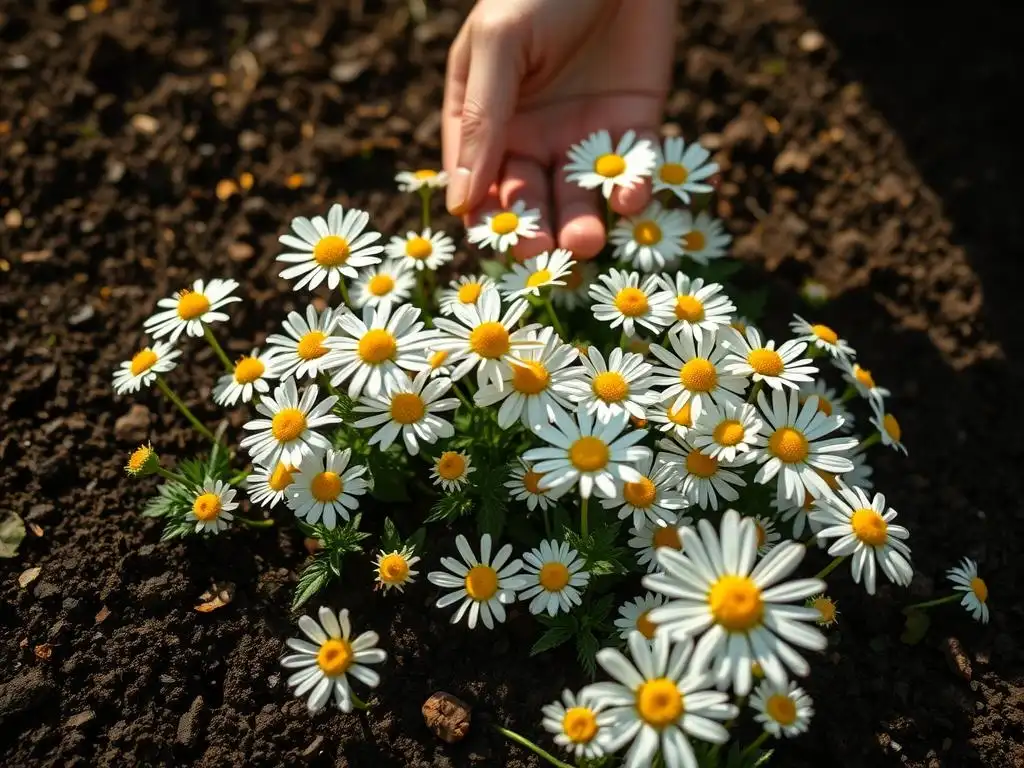
This section delves into the specific practices for cultivating thriving chamomile plants in your organic tea garden, focusing on key aspects that ensure a bountiful harvest for your homemade chamomile tea. We'll explore watering techniques, organic fertilization methods, and sustainable weed control strategies, all crucial for maintaining a healthy and productive chamomile patch. Remember, the goal is to create an environment where your chamomile plants flourish, yielding high-quality flowers for your delicious and soothing organic chamomile tea.
Watering Your Chamomile: Maintaining Consistent Moisture Levels
Chamomile, like most herbs, prefers consistently moist but not waterlogged soil. Overwatering can lead to root rot, while underwatering results in stunted growth and reduced flowering. The ideal soil moisture level is one that feels slightly damp to the touch, about an inch or two below the surface.
To achieve this, consider the following:
- Frequency: Water deeply but less frequently, allowing the soil to dry slightly between waterings. The frequency will depend on your climate, soil type, and the time of year. In hot, dry weather, you might need to water daily, while in cooler, more humid conditions, watering every other day or even less often might suffice.
- Method: Use a drip irrigation system or a gentle watering can to avoid damaging the delicate chamomile plants. Avoid overhead watering, as this can promote fungal diseases. Watering in the morning allows the foliage to dry before nightfall, reducing the risk of fungal growth.
- Soil Type: Sandy soils drain quickly and require more frequent watering than clay soils, which retain moisture longer. Amend sandy soils with organic matter like compost to improve water retention.
- Mulching: Applying a layer of organic mulch, such as straw or shredded leaves, around your chamomile plants helps retain soil moisture, reducing the frequency of watering and suppressing weeds.
Fertilizing Chamomile Organically: Nutrient Needs and Best Practices
Chamomile isn't a heavy feeder, but providing it with essential nutrients through organic methods ensures healthy growth and abundant flowering. Avoid using synthetic fertilizers, as they can disrupt the delicate balance of your organic chamomile tea garden and potentially contaminate your tea.
Here's how to organically fertilize your chamomile:
- Compost Tea: Brewing a compost tea and applying it around the base of your plants provides a rich source of nutrients. This method is gentle and effective, delivering a slow release of nutrients.
- Aged Manure: Well-rotted manure, such as cow or horse manure, adds organic matter and nutrients to the soil. Ensure the manure is well-composted to avoid burning the plants.
- Cover Cropping: Planting cover crops like clover or vetch in the off-season improves soil fertility and structure. These plants add nitrogen to the soil, benefiting your chamomile plants when they are planted the following season.
- Avoid Over-Fertilizing: Too much fertilizer can lead to excessive vegetative growth at the expense of flowering. A balanced approach is crucial for optimal chamomile production. Observe your plants; if they appear lush and green but not flowering profusely, you might be over-fertilizing.
Weed Control in Your Organic Chamomile Garden: Sustainable Methods
Weed control is essential in maintaining a healthy and productive organic chamomile tea garden. Weeds compete with your chamomile plants for water, nutrients, and sunlight, reducing yields and potentially introducing pests or diseases. Opt for sustainable weed control methods to keep your chamomile garden thriving organically.
Here are some effective strategies:
- Mulching: As mentioned previously, mulching helps suppress weed growth by blocking sunlight. A thick layer of organic mulch can significantly reduce the need for weeding.
- Hand Weeding: Regular hand weeding is the most effective way to remove weeds before they become established. Be careful not to damage the roots of your chamomile plants during weeding.
- Cultivation: Shallow cultivation between rows can help control weeds, but be mindful not to disturb the roots of your chamomile plants.
- Crop Rotation: Rotating crops can help control weeds by disrupting their life cycle. This is particularly useful for persistent weeds.
- Beneficial Insects: Introducing beneficial insects that prey on common weed seeds can help control weeds naturally and sustainably.
Remember, consistent attention to these details will greatly contribute to the success of your organic chamomile tea garden, ensuring a plentiful and flavorful harvest for years to come. Happy gardening! 🌱
Pest and Disease Management for Organic Chamomile
Growing organic chamomile means prioritizing natural pest and disease control methods. Chemical pesticides are not only harmful to beneficial insects and pollinators but can also contaminate your tea. Fortunately, chamomile is relatively resilient, but vigilance is key. Regular inspection of your plants is crucial for early detection of any problems. Look for signs of insect infestations, such as chewed leaves, wilting, or the presence of insects themselves. Similarly, watch for fungal diseases, which might manifest as discoloration, spots, or powdery mildew on the leaves.
One common pest to watch out for is aphids. These small, sap-sucking insects can weaken plants and cause stunted growth. A strong spray of water can often dislodge aphids, while introducing beneficial insects like ladybugs can provide natural control. These predatory insects feed on aphids and other pests, helping to maintain a balanced ecosystem in your garden. You can attract ladybugs by planting flowers they find attractive, such as dill or yarrow.
Fungal diseases, particularly powdery mildew, can be a problem in humid conditions. Good air circulation is essential to prevent this. Spacing your chamomile plants appropriately allows for better airflow, reducing the risk of fungal growth. In case of a minor infestation, you can try removing affected leaves and improving air circulation.
For more severe cases, a diluted solution of baking soda and water can be applied as a natural fungicide. Always test a small area first to ensure it doesn't harm your plants. Remember that prevention is key; maintaining healthy plants through proper watering and soil conditions makes them more resistant to diseases. Avoid overhead watering, which can promote fungal growth.
Another approach to organic pest management is companion planting. Certain plants repel pests and can protect your chamomile. For instance, planting marigolds nearby can deter various insects. This integrated pest management strategy utilizes the natural interactions between plants to reduce the need for external interventions.
By understanding the potential pests and diseases and employing these preventative and natural control methods, you can successfully cultivate a thriving and healthy organic chamomile patch for your delicious and soothing tea. Remember to always research specific pests and diseases prevalent in your region for the most effective organic control strategies. This will help you maintain the integrity of your "organic chamomile tea garden" and ensure the highest quality of your harvest.
Harvesting and Processing Your Chamomile for Tea

This section details the crucial steps in harvesting and processing your organically grown chamomile for a superior cup of tea. Proper harvesting maximizes the plant's essential oils, resulting in a more flavorful and aromatic brew. Remember, timing and technique are key when aiming for an exceptional organic chamomile tea garden harvest.
Knowing When to Harvest Chamomile for Peak Flavor and Aroma
The optimal time to harvest chamomile for tea is when the flower heads are fully open, displaying their characteristic yellow disc florets surrounded by white ray florets. This typically occurs in the late morning after the dew has dried, allowing the flowers to be at their driest and most fragrant. Harvesting at this stage ensures the highest concentration of essential oils, responsible for chamomile's distinctive aroma and therapeutic properties.
Premature harvesting results in a weaker flavor and aroma, while harvesting too late can lead to the flowers becoming brittle and losing their potency. To determine optimal harvest time, observe your chamomile plants closely. Look for the majority of the flower heads to be fully open and exhibiting a vibrant, sunny yellow color.
Avoid harvesting on rainy days or immediately after watering, as moisture can promote mold growth during the drying process. Careful observation and selection are crucial for a successful organic chamomile tea garden. Consider using a small sample of flowers to test for optimal aroma and flavor before proceeding with a full harvest.
Harvesting Techniques: Cutting and Drying Chamomile Flowers
There are two primary methods for harvesting chamomile: cutting and picking. Cutting is ideal for larger chamomile patches, offering efficiency. Use sharp shears or pruning scissors to cut the flower stems about 6 inches (15 cm) below the flower heads. This method allows you to gather a substantial amount of flowers quickly. However, be mindful not to cut too close to the base of the plant, allowing the plant to continue growing and producing more flowers.
Picking individual flower heads is more time-consuming but allows for greater selectivity. This approach ensures you only gather the mature, fully opened flowers, resulting in a higher-quality yield. Gently twist or snip each flower head from the stem, taking care not to damage the rest of the plant. This technique is best for smaller patches or when you prefer a more hands-on approach to harvesting. Regardless of the chosen method, always prioritize gentle handling to avoid bruising the delicate flowers, preserving their quality for your organic chamomile tea garden.
Drying Chamomile for Tea: Methods for Preserving Quality and Aroma
Proper drying is essential for preserving the aroma and flavor of your harvested chamomile. Improper drying can lead to mold growth and a significant loss of essential oils. Here are two effective methods:
- Air Drying: This traditional method is simple and requires minimal equipment. Gather your harvested chamomile flowers and loosely bunch them together, securing them with rubber bands. Hang the bunches upside down in a well-ventilated, dark, and dry area. Avoid direct sunlight, as it can fade the color and diminish the aroma. Allow the flowers to dry for 1-2 weeks, or until they are completely brittle and crumble easily when touched.
- Oven Drying: A faster method, oven drying requires careful monitoring to prevent burning. Spread the flowers in a single layer on a baking sheet lined with parchment paper. Dry in a low-temperature oven (around 170°F or 77°C) with the door slightly ajar to allow moisture to escape. Check frequently and rotate the flowers to ensure even drying. This method typically takes 2-4 hours, depending on your oven and the amount of chamomile.
Regardless of the chosen method, once the chamomile is completely dry, store it in airtight containers in a cool, dark, and dry place. This will help maintain its aroma and potency for up to a year. Proper drying and storage are paramount for creating a truly exceptional organic chamomile tea garden and ensuring the longevity of your harvest. Remember to label your containers with the harvest date for optimal quality control.
Storing Dried Chamomile for Long-Term Use: Tips for Maintaining Freshness
Proper storage is crucial for preserving the flavor and aroma of your homegrown organic chamomile tea. Improper storage can lead to the loss of volatile oils responsible for chamomile's characteristic scent and therapeutic benefits, resulting in a less potent and flavorful tea. Think of it like this: you've put in the hard work to cultivate your organic chamomile, now let's ensure that effort translates into a delicious and effective cup of tea for months to come.
Several factors influence the longevity and quality of stored chamomile. Air exposure is a primary culprit. Oxygen reacts with the aromatic compounds in chamomile, causing oxidation and degradation over time. This leads to a loss of flavor and potency, and can even result in a musty or stale smell. Therefore, airtight containers are essential. Glass jars with airtight lids are ideal, but food-grade plastic containers with tight-fitting lids also work well. Avoid using metal containers, as they can react with the chamomile, affecting both its flavor and potential health benefits.
Moisture is another enemy of dried chamomile. High humidity can encourage mold growth and spoil your precious harvest. Before storing your chamomile, ensure it's completely dry. Any residual moisture can lead to clumping, molding, and a significant reduction in the shelf life of your chamomile.
Store your chamomile in a cool, dark, and dry place – a pantry or cupboard away from direct sunlight and heat sources is perfect. A cool, dark environment helps to slow down the degradation process, preserving the chamomile's essential oils and overall quality. Avoid storing it in the refrigerator or freezer, as fluctuating temperatures and moisture levels can negatively impact the chamomile's flavor and aroma.
Finally, consider using desiccant packs. These small packets absorb moisture from the air, creating a drier environment within the storage container. This is particularly helpful in humid climates or if you're storing your chamomile for an extended period.
By following these simple yet effective storage techniques, you can enjoy your homegrown organic chamomile tea for several months, savoring the fruits of your labor and the soothing benefits of your organic chamomile tea garden. Remember, the key is airtight containers, a cool dry location, and minimizing exposure to air and moisture. This ensures your organic chamomile remains potent and flavorful, ready to be brewed into a calming cup of tea whenever you desire.
Brewing the Perfect Cup of Organic Chamomile Tea

This section focuses on transforming your homegrown organic chamomile into a soothing and flavorful beverage. The quality of your tea is directly tied to the quality of your harvest and the brewing process. Let's explore the best methods for unlocking the full potential of your organic chamomile tea garden.
Preparing Chamomile Tea: Simple Brewing Methods
There are several ways to prepare chamomile tea, each offering a slightly different flavor profile and strength. The most common methods include:
- Traditional Steep: This involves placing 1-2 teaspoons of dried chamomile flowers in a cup or teapot. Pour freshly boiled water over the flowers, cover, and steep for 5-7 minutes. The longer you steep, the stronger the flavor will be. Remember, using freshly harvested chamomile from your organic chamomile tea garden will yield a superior taste.
- Cold Brew: For a milder, less bitter chamomile tea, try the cold brew method. Place the chamomile flowers in a jar, add cold water, and refrigerate for at least 4 hours, or preferably overnight. This method extracts less of the bitter compounds, resulting in a smoother, sweeter tea. This is a great way to use slightly older chamomile from your organic chamomile tea garden that might be losing its potency.
- French Press: Using a French press allows for a more full-bodied tea experience. Add the chamomile flowers to the French press, add hot water, and steep for 4-5 minutes. Slowly press the plunger down, and pour immediately to avoid over-steeping. This method is ideal if you prefer a richer, more concentrated brew from your organic chamomile tea garden.
Experiment with different steeping times and methods to find your preferred taste. Consider using a thermometer to ensure your water is at the optimal temperature (around 212°F/100°C for traditional methods, and room temperature for cold brew). Remember to always use fresh, clean water for the best results. The difference between using water from a well-maintained water filtration system versus tap water can be surprisingly noticeable!
Tips for Enhancing the Flavor of Your Homemade Chamomile Tea
Even with the finest organically grown chamomile from your garden, there are ways to elevate the flavor of your tea. Here are some simple techniques:
- Adding Sweetener: A touch of honey, maple syrup, or a natural sweetener can complement the delicate floral notes of chamomile. Avoid refined sugar, which can clash with the subtle flavors.
- Blending with Other Herbs: Experiment with blending your chamomile with other herbs, such as lemon balm, lavender, or mint, to create unique and flavorful combinations. This is a fun way to explore the versatility of your organic chamomile tea garden’s bounty.
- Adding Citrus: A slice of lemon or orange can brighten the flavor and add a refreshing zing to your chamomile tea. The citrus notes can help balance the slightly bitter notes of the chamomile, especially if you’ve harvested on a less-than-perfect day.
- Using Fresh Flowers: If you have access to fresh chamomile flowers from your garden, try using them in your tea for a more intense flavor and aroma. Simply add a handful of fresh flowers to your brewing method of choice.
- Proper Storage: Store your dried chamomile in an airtight container in a cool, dark, and dry place to preserve its flavor and aroma. Improper storage can lead to a loss of flavor and the development of off-flavors.
Enjoying the Benefits of Your Homegrown Organic Chamomile Tea
Your homegrown organic chamomile tea garden provides more than just a delicious beverage; it offers a wealth of potential health benefits. Chamomile tea is widely known for its calming properties and is often used to promote relaxation and sleep. However, individual experiences can vary.
Remember that while chamomile tea is generally considered safe, it's always a good idea to consult with a healthcare professional before using it as a treatment for any medical condition. Always prioritize safety and consult reliable sources for information about the potential health benefits of herbal teas. Enjoy your delicious and potentially beneficial brew from your organic chamomile tea garden! ☕
Beyond the Cup: Other Uses for Your Homegrown Chamomile
Growing your own organic chamomile for tea offers a rewarding experience, but the benefits extend far beyond a soothing cup. This fragrant herb boasts a surprising versatility, finding applications in various aspects of natural living. Let's explore some alternative uses for your bountiful chamomile harvest, transforming your organic chamomile tea garden into a multi-purpose resource.
Chamomile's Medicinal Properties and Uses
Chamomile's reputation as a calming agent is well-deserved, stemming from its rich composition of bioactive compounds. Beyond its relaxing tea properties, chamomile possesses several medicinal uses, traditionally employed for centuries. Its anti-inflammatory and antiseptic properties make it effective in treating minor skin irritations. A chamomile compress, made by steeping a handful of flowers in hot water and applying the cooled liquid to affected areas, can soothe burns, rashes, and even insect bites. This practice aligns perfectly with the sustainable and organic ethos of our organic chamomile tea garden.
Furthermore, chamomile's anti-inflammatory properties can be beneficial for digestive issues. While not a replacement for medical advice, some individuals find relief from indigestion and bloating through chamomile infusions. However, it's crucial to remember that these are traditional uses, and consulting a healthcare professional before using chamomile for medicinal purposes is always recommended, especially if you have pre-existing conditions or are taking other medications. The potency of the chamomile from your organic chamomile tea garden might vary based on growing conditions and soil composition.
Using Chamomile in Other Recipes and Crafts
The culinary applications of chamomile extend beyond tea. Its delicate, slightly fruity flavor adds a unique touch to various dishes. Consider incorporating dried chamomile flowers into baked goods like muffins or scones for a subtle floral aroma and taste. A pinch of chamomile can also enhance the flavor of jams and jellies, particularly those made with fruits like apples or berries.
Experiment with adding fresh chamomile flowers to salads for a visual and flavorful appeal. Remember to use fresh, organically grown chamomile from your organic chamomile tea garden for the best results. The flavor profile can differ significantly depending on the harvesting time and drying methods.
Beyond the kitchen, chamomile finds its place in natural beauty products. The flowers can be infused into oils for hair rinses, promoting shine and potentially reducing scalp irritation. Chamomile-infused bath salts offer a relaxing and aromatic experience, perfect for unwinding after a long day. These DIY projects further enhance the value of your organic chamomile tea garden, offering a sustainable and personalized approach to self-care.
Additional Uses of Chamomile
The versatility of chamomile extends even further. Its flowers can be used as a natural insect repellent, though its effectiveness might vary depending on the specific insect species and environmental conditions. Some gardeners place bunches of dried chamomile among their other plants as a natural pest deterrent. Additionally, chamomile can be used as a natural dye, producing a pale yellow hue suitable for coloring fabrics or yarns. This adds another layer to the sustainable aspects of your organic chamomile tea garden, minimizing the need for chemically-produced dyes.
Finally, consider the aesthetic appeal of chamomile. Its delicate white and yellow flowers add beauty to any garden. Its low-maintenance nature makes it an excellent addition to borders or as a ground cover. Therefore, your organic chamomile tea garden is not only a source of therapeutic tea but also a visually appealing element of your outdoor space, enhancing both the functionality and aesthetics of your garden. The potential uses of your homegrown chamomile are truly abundant and varied.
Frequently Asked Questions
What are the benefits of growing organic chamomile in my garden?
Growing organic chamomile offers numerous benefits, including a sustainable and pesticide-free source of calming tea, attracting beneficial pollinators to your garden, and enriching your soil.
How much space does an organic chamomile tea garden require?
The space needed depends on your desired yield. A small patch of just a few plants will suffice for personal use, while a larger dedicated area is necessary for a more substantial harvest. Consider your needs when planning your garden layout.
When is the best time to plant chamomile for tea?
Chamomile thrives in full sun to partial shade. The ideal time to plant is in spring or fall, depending on your climate. Ensure the soil is well-drained and amend it with compost for optimal growth.
How do I harvest chamomile for tea?
Harvest chamomile flowers when they are fully open and the petals are bright white or yellow. Cut the flowering tops, leaving about 4 inches of stem. Then, dry the flowers in a cool, dark, and well-ventilated area.
What are some common pests or diseases that affect chamomile, and how can I manage them organically?
Chamomile is relatively pest-resistant. However, aphids and powdery mildew can sometimes be issues. Organic pest control methods such as neem oil and insecticidal soap are effective against aphids, while good air circulation can prevent powdery mildew.
Final Reflection: The Enduring Power of a Simple Bloom
Growing your own organic chamomile tea is more than just a hobby; it's a connection to a rich history of healing and self-sufficiency. In a world increasingly reliant on mass-produced goods, the act of nurturing a chamomile plant from seed to cup offers a tangible counterpoint, a reminder of the power we hold to cultivate both physical and emotional well-being. This simple act fosters a deeper appreciation for the natural world and the profound impact it has on our lives.
The influence of chamomile, extending far beyond its calming tea, resonates deeply within our cultural landscape. Its gentle nature mirrors a growing desire for sustainable living and mindful consumption. We are increasingly seeking solace in natural remedies and simpler ways of life, a trend reflected in the rising popularity of herbalism and home gardening. The earth laughs in flowers.
– Ralph Waldo Emerson. This quote beautifully encapsulates the joy and restorative power inherent in cultivating our own chamomile, a small act with far-reaching implications for our well-being and connection to the natural world.
Now, consider your own garden, your own cup of tea. Imagine the potential for tranquility and self-reliance that awaits you. Will you embrace the opportunity to cultivate your own chamomile, to nurture a small patch of earth and reap the rewards of a soothing brew? The journey begins with a single seed, a small step towards a more mindful and connected existence. Let the gentle sway of the chamomile plant remind you of the power of simplicity and the enduring beauty of nature's gifts.
Unleash the Soothing Power of Your Own Chamomile!
Thank you for exploring the world of homegrown chamomile! We hope you're inspired to create your own calming tea garden. Now, let's turn that inspiration into action.
- Plant your chamomile seeds today! Even a small patch can yield a bountiful harvest of soothing blooms. Remember to choose a sunny location with well-drained soil.
- Share your chamomile journey! Tell us about your experience—which variety did you choose? What are your plans for using your harvest? Let's connect and share tips in the comments below!
- Experiment with companion planting. Discover which herbs thrive alongside chamomile for a truly flourishing garden.
Ready to experience the joy of harvesting your own calming tea? How do you enjoy chamomile best—in a cup of tea, a relaxing bath, or perhaps in a delicious recipe?