
How to Store Stone Fruits: Peaches, Plums, and Cherries

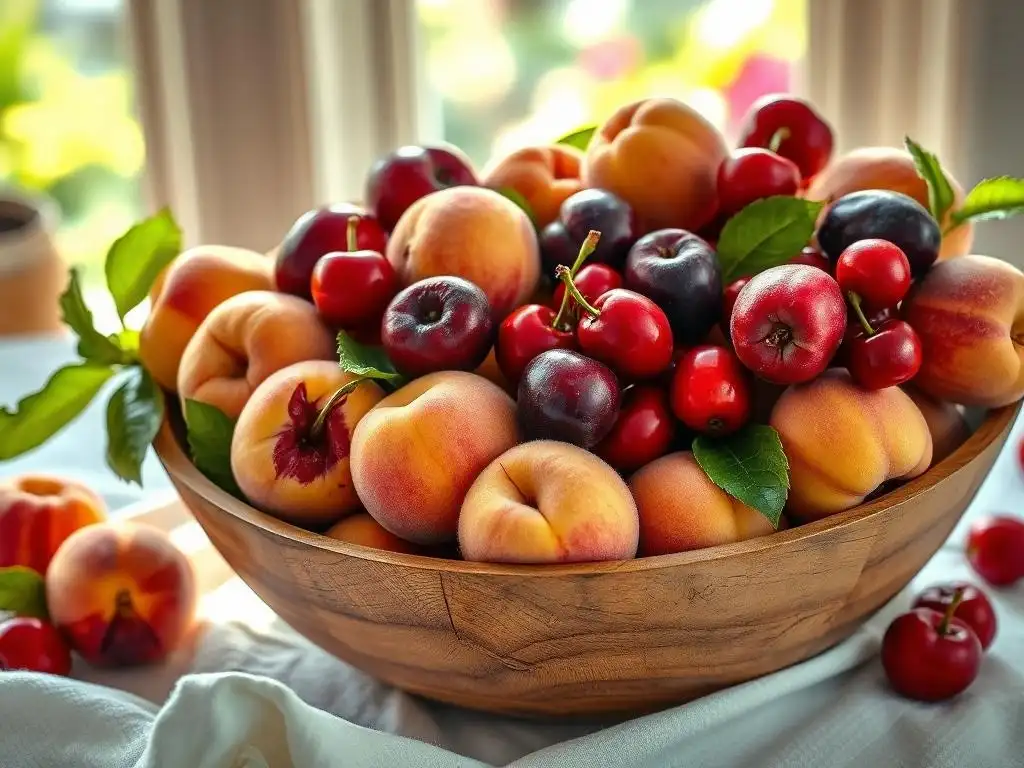
Welcome to CultivateYourFood, your guide to a bountiful and sustainable home garden! Are you ready to unlock the secrets to thriving fruits, vegetables, and herbs? This season, let's focus on maximizing your harvest. Learn how to store stone fruit properly, ensuring your delicious peaches, plums, and cherries stay fresh and flavorful for longer. Discover the simple yet effective techniques within our "Gardening for Self-Sufficiency" section and begin your journey towards a truly rewarding harvest. Let's get growing!
- Properly Storing Stone Fruits for Maximum Freshness
- Optimal Storage Methods for Stone Fruits
- Preventing Spoilage and Extending the Life of Stored Stone Fruits
- Creative Uses for Stored Stone Fruits
- Sustainable Practices in Stone Fruit Storage
- Frequently Asked Questions
- Final Reflection: The Sweet Science of Stone Fruit Preservation
- Unlock the Secrets to Perfectly Stored Stone Fruit!
Properly Storing Stone Fruits for Maximum Freshness
Stone fruits—peaches, plums, cherries, nectarines, and apricots—burst with juicy sweetness when perfectly ripe. However, their delicate nature means they don't last long after harvest. Knowing how to store stone fruit properly is crucial for extending their shelf life and enjoying their peak flavor for as long as possible, especially if you're harvesting your own bounty from your home garden.
This guide will walk you through the best practices for selecting, preparing, and storing stone fruits, helping you maximize their freshness and minimize waste, ensuring you get the most out of your homegrown harvest or your farmer's market finds. We'll cover everything from selecting the perfect fruit at its optimal ripeness to employing effective storage techniques that keep your stone fruits tasting delicious for days.
Proper storage is key to enjoying the full flavor and nutritional benefits of these summer delights. Learning to store stone fruit properly is a vital skill for any home gardener aiming for self-sufficiency.
Selecting Ripe Stone Fruits for Storage
Choosing the right fruit at the outset is the first step to successful storage. Don't rush the selection process! Carefully examine each piece of fruit for optimal ripeness. Avoid fruits that are bruised, damaged, or overly soft. Look for:
- Firmness: Gently squeeze the fruit. It should yield slightly to gentle pressure but not be mushy.
- Color: The color should be vibrant and characteristic of the variety. For example, peaches should have a deep, rich color, while plums may range from deep reds to purples depending on the type.
- Aroma: A ripe stone fruit will have a pleasant, sweet aroma.
- Skin: The skin should be smooth and free from blemishes or punctures.
Remember, slightly underripe fruit is preferable to overripe fruit for storage. Slightly underripe fruit will continue to ripen during storage, allowing you to enjoy peak flavor later. Overripe fruit, on the other hand, will quickly deteriorate and become unappetizing. Use this simple guide to help you select the best stone fruits for long-lasting freshness. Think of it as an investment in your future enjoyment! 🍑
Preparing Stone Fruits for Storage: Cleaning and Sorting
Before storing your stone fruits, it's essential to thoroughly clean and sort them. This step helps prevent the spread of mold and bacteria, extending their shelf life significantly.
- Gentle Washing: Rinse the fruits gently under cool running water. Avoid soaking them, as this can cause them to become overly soft and susceptible to spoilage.
- Patting Dry: After washing, gently pat the fruits dry with a clean, absorbent cloth or paper towel. Excess moisture can promote mold growth.
- Sorting: Carefully sort the fruits by ripeness. Store the less ripe fruits separately from the riper ones. This allows for better control over ripening and prevents the overripe fruits from spoiling the others. Separate any bruised or damaged fruits and consume them first. This simple step dramatically increases the lifespan of your produce.
By following these simple preparation steps, you'll be setting your stone fruits up for optimal storage and maximum enjoyment. Remember, attention to detail in this initial phase is key to achieving long-lasting freshness. Proper preparation pays off in the long run, ensuring that you can savor the flavor of your freshly harvested (or purchased) stone fruits for longer.
Optimal Storage Methods for Stone Fruits
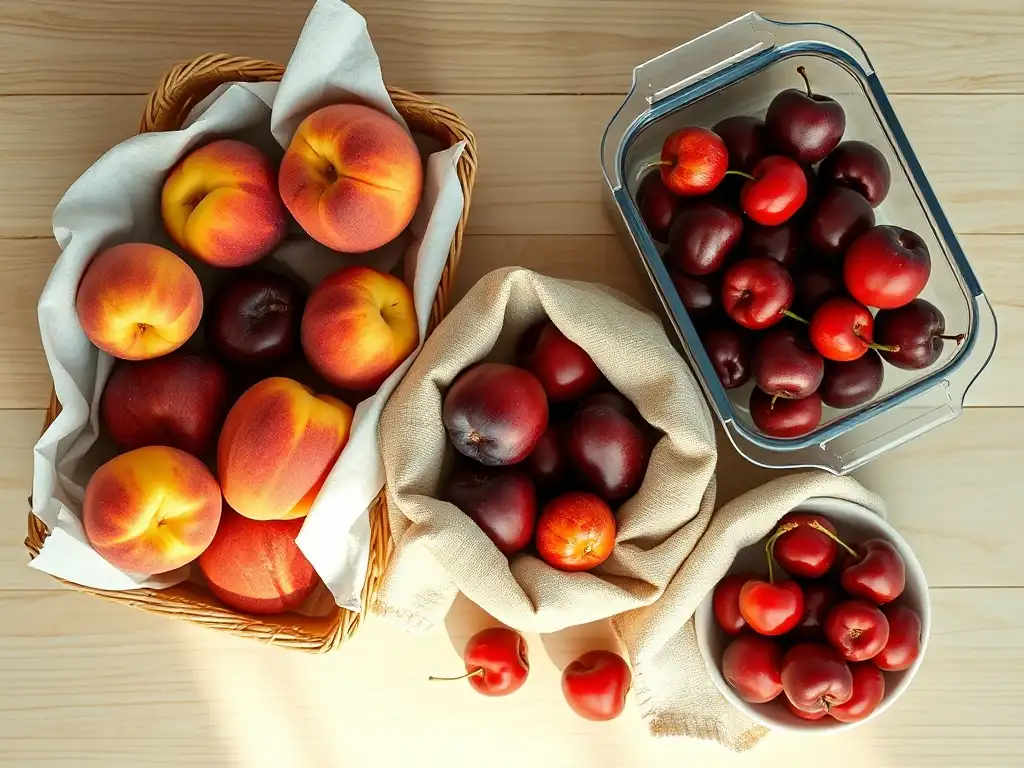
This section delves into the best ways to store stone fruits—peaches, plums, and cherries—to maximize their freshness and prevent spoilage. Proper storage is crucial for enjoying the fruits of your labor (pun intended!) and minimizing food waste. Learning how to store stone fruit properly is key to self-sufficiency, ensuring you can enjoy your harvest for weeks, even months. We'll explore refrigeration and freezing techniques, providing detailed steps for each fruit type. Remember, the sooner you store your harvested stone fruit after picking, the better the quality will be.
Refrigerating Stone Fruits: Extending Shelf Life
Refrigeration is a simple yet effective method for extending the shelf life of stone fruits. However, it's not a long-term solution. Ideally, you should consume refrigerated stone fruits within a few days of purchasing or harvesting. To maximize their lifespan, avoid washing them before storing. Washing introduces moisture, which can accelerate spoilage.
Instead, gently wipe them clean with a dry cloth. Store them in a single layer in a shallow container or on a tray in the refrigerator's crisper drawer. This allows for proper air circulation, preventing moisture buildup and rot. Unripe fruits will ripen faster at room temperature before refrigerating.
Proper refrigeration can extend the shelf life of peaches by 3-5 days, plums by 4-7 days, and cherries by 5-7 days. However, these are just estimates, and the actual lifespan depends on the fruit's ripeness at the time of storage and the overall quality of the refrigeration. Remember to check your fruit regularly for signs of spoilage, such as mold, bruising, or soft spots.
Freezing Stone Fruits: A Guide to Long-Term Preservation
Freezing is the best method for long-term preservation of stone fruits. It allows you to enjoy the taste of summer's harvest even in the depths of winter. Proper freezing techniques are essential to maintain the fruit's texture, flavor, and nutritional value. Before freezing, always select ripe, but firm, fruits that are free from bruises and blemishes.
Freezing Peaches: A Step-by-Step Guide
- Wash and Prepare: Gently wash the peaches and remove any blemishes. Halve or slice them, depending on your preference, and remove the pits.
- Blanching (Optional): Blanching peaches for 30-60 seconds in boiling water, followed by an ice bath, helps to retain their color and texture. This step is optional but recommended.
- Freezing Method 1 (Dry Pack): Arrange the peach slices in a single layer on a baking sheet lined with parchment paper. Freeze until solid (about 2-3 hours). Once frozen, transfer the slices to a freezer bag, removing as much air as possible.
- Freezing Method 2 (Sugar Syrup Pack): Combine peach slices with a simple sugar syrup (equal parts sugar and water, heated until sugar dissolves). Pour the mixture into freezer-safe containers, leaving some headspace for expansion.
- Label and Date: Clearly label and date your freezer bags or containers.
Freezing Plums: Tips for Optimal Texture
Plums freeze well, retaining their flavor and color. Similar to peaches, you can either freeze them whole (if small) or halved and pitted. Blanching is generally not necessary for plums, unless you prefer a brighter color. Freezing plums in a sugar syrup, as described for peaches, helps maintain their texture and prevents them from becoming mushy upon thawing. Remember to choose firm, ripe plums for best results. Consider using a vacuum sealer for optimal preservation.
Freezing Cherries: Maintaining Flavor and Color
Cherries freeze beautifully, retaining their vibrant color and sweet flavor. Stemming is optional, depending on your preference. Freezing cherries whole is possible, but halving them allows for faster freezing and easier use later. Similar to plums, a sugar syrup pack is recommended to prevent the cherries from becoming too soft upon thawing. You can also freeze cherries without syrup, but they will be slightly firmer. Always remove as much air as possible from the packaging to prevent freezer burn. Freezing cherries in a single layer on a tray before bagging them will prevent them from sticking together.
Remember to always store your frozen stone fruits in airtight containers or freezer bags to prevent freezer burn and maintain their quality for up to 12 months. Enjoy your delicious, homegrown fruit all year round!
Canning Stone Fruits: A Method for Year-Round Enjoyment
Canning is a fantastic way to preserve the bounty of your stone fruit harvest and enjoy its deliciousness throughout the year. This method involves heating the fruit to a high temperature to destroy harmful bacteria and then sealing it in airtight jars to prevent spoilage. Proper canning techniques are crucial for safety and preserving the quality of your fruit.
Improper canning can lead to botulism, a serious and potentially fatal foodborne illness. Therefore, it’s essential to follow established, tested recipes and guidelines meticulously. The process typically involves several steps: preparing the fruit (washing, pitting, and slicing), preparing the jars and lids (sterilizing is critical), packing the fruit into the jars, processing the jars in a boiling water bath or pressure canner (depending on the recipe and altitude), and finally, cooling and checking the seals.
Remember to always use updated canning guides from reputable sources, such as the National Center for Home Food Preservation, to ensure safe and successful results. The shelf life of properly canned stone fruit can extend for up to a year or even longer, providing a delicious taste of summer long after the harvest season is over. Careful attention to detail during each step ensures that your canned stone fruits retain their vibrant color, flavor, and texture.
Canning Peaches: Recipes and Techniques
Canning peaches is a rewarding endeavor that yields delicious and versatile preserves. From classic peach preserves to spiced peach butter, the possibilities are endless. Before you start, remember that selecting ripe but firm peaches is essential for optimal results. Overripe peaches tend to become mushy during the canning process.
A good recipe will usually specify the type of peach (freestone or clingstone) as this influences processing time and texture. For instance, freestone peaches, whose pits easily separate from the flesh, are often preferred for canning due to easier preparation. Many recipes call for adding sugar and lemon juice to balance the sweetness and acidity, helping to maintain the peach's vibrant color and prevent spoilage. The processing time in a boiling water bath will vary depending on your altitude and the size of your jars; always consult a reliable recipe for accurate timings.
Proper sealing is crucial; a properly sealed jar will have a concave lid, indicating a vacuum seal has formed. Once cooled, check the seals carefully before storing your canned peaches in a cool, dark, and dry place. Remember to label your jars with the date of canning for easy tracking and quality control. Enjoy your homemade peach preserves on toast, in pies, or as a delicious addition to yogurt or ice cream!
Canning Plums: Preserving the Sweetness
Canning plums allows you to capture the intense sweetness and unique flavor profiles of different plum varieties. Whether you're working with juicy Damson plums or sweet Victoria plums, the process is similar, though the resulting preserves will have distinct tastes. The key is to select plums that are ripe but not overripe, as this will prevent mushiness.
Depending on the recipe, you might need to pit the plums, or you may be able to leave them whole or halved, depending on the desired texture and look of the final product. Similar to canning peaches, adding lemon juice helps to maintain the vibrancy of the plum's color and provides additional acidity which acts as a natural preservative. Recipes for plum preserves often incorporate spices like cinnamon or cloves for added complexity, or you can opt for simpler recipes focusing on the natural sweetness of the plums.
Again, careful adherence to processing times in a boiling water bath is crucial for safety and preserving quality. Always refer to a reliable canning guide for your altitude and jar size to ensure a successful canning process. Properly canned plums will retain their flavor and color for many months, making them a delightful treat throughout the year.
Canning Cherries: Creating Delicious Jams and Jellies
Canning cherries is a popular method for preserving these small but mighty fruits, transforming them into delectable jams and jellies. Whether you are using sweet Bing cherries or tart Montmorency cherries, the result will be a delightful spread perfect for toast, scones, or as a filling for pastries. Pitting the cherries is a crucial step, and while it may be time-consuming, it's essential for both safety and aesthetic reasons. Many recipes incorporate pectin, a natural gelling agent, to ensure the jam or jelly sets correctly.
The amount of sugar added will also influence the final consistency and sweetness of your preserves. Experimenting with different combinations of sugar and pectin allows for customizing the sweetness and texture to your liking. Remember to sterilize your jars and lids thoroughly before starting the canning process. The processing time in a boiling water bath is crucial for safety and ensuring a long shelf life.
Always follow a tested recipe meticulously, paying close attention to the processing times, as these can vary based on altitude and jar size. The vibrant color and delicious taste of your homemade cherry preserves will reward you for the effort, offering a taste of summer long after the cherry season has ended. Enjoy!
Preventing Spoilage and Extending the Life of Stored Stone Fruits
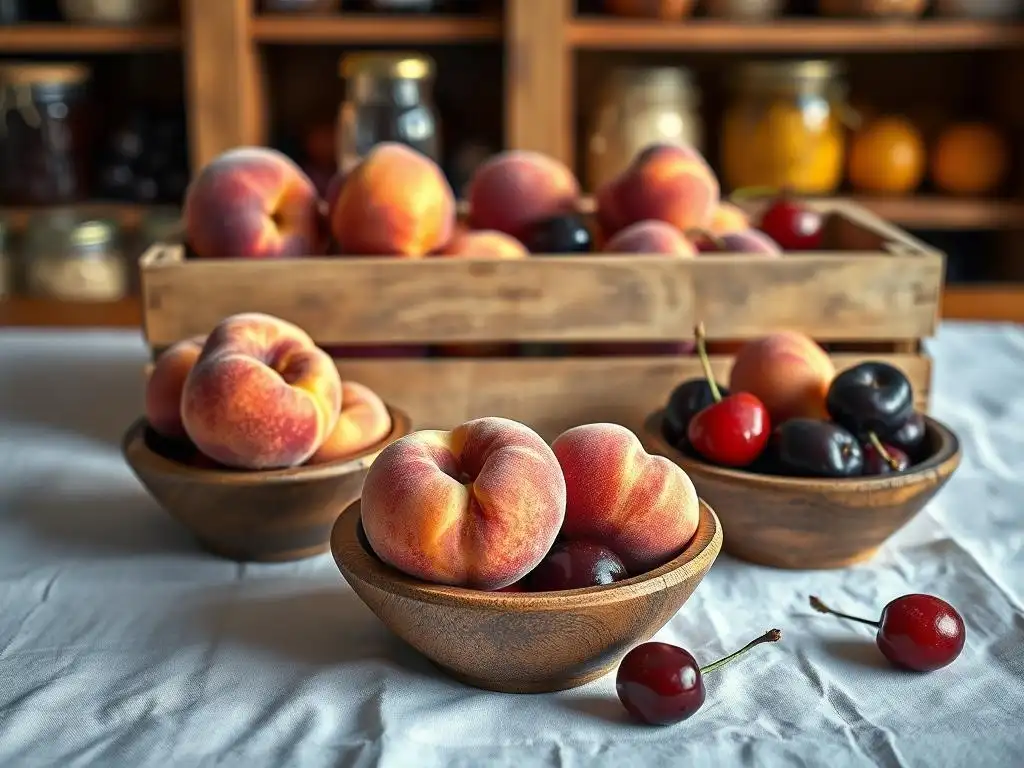
Proper storage is crucial for maximizing the shelf life and preserving the quality of your homegrown stone fruits – peaches, plums, and cherries. These delicate fruits are highly perishable, susceptible to bruising and rapid decay. Understanding the optimal conditions for storage significantly impacts their flavor, texture, and overall enjoyment. Storing stone fruit properly is key to preventing waste and enjoying your harvest to the fullest.
Identifying Spoiled Stone Fruits: Signs and Symptoms
Recognizing the signs of spoilage is essential to prevent the spread of rot to other fruits. Early detection allows you to remove affected pieces and safeguard the rest of your harvest. Spoilage manifests in several ways:
- Soft Spots: A telltale sign is the appearance of soft, mushy areas on the fruit's surface. These areas often indicate the onset of bacterial or fungal decay. Feel the fruit gently; any significant softness compared to its firm counterparts signals potential spoilage.
- Changes in Color: Discoloration, such as browning or the development of dark spots, is another crucial indicator. While some slight browning might occur naturally during ripening, significant discoloration suggests deterioration.
- Mold Growth: The presence of fuzzy or powdery mold is a clear indication of spoilage. Mold can rapidly spread, contaminating neighboring fruits. Discard any fruit exhibiting visible mold immediately.
- Off-Odors: A sour or fermented smell is a definite sign that the fruit has gone bad. Trust your sense of smell; if the fruit no longer has its characteristic fresh aroma, it's likely spoiled.
- Leakage: Excessive leakage of juice can also indicate spoilage, especially if the juice is discolored or has an unpleasant odor.
Detecting these symptoms early is paramount. Regular inspection of your stored stone fruit is recommended, ideally daily, especially during warmer temperatures. Removing spoiled fruits promptly helps to prevent the spread of decay and maintain the quality of the remaining harvest. Remember, when in doubt, throw it out! It's better to err on the side of caution to safeguard your food supply and prevent foodborne illnesses.
Common Storage Mistakes to Avoid When Preserving Stone Fruits
Many common storage practices inadvertently accelerate the spoilage of stone fruits. Avoiding these mistakes can significantly extend their shelf life.
- Improper Temperature: Storing stone fruits at room temperature, especially in warm or humid environments, drastically shortens their lifespan. High temperatures promote rapid ripening and decay.
- Overcrowding: Cramming fruits together in containers restricts airflow, creating moisture buildup and facilitating the spread of mold and rot. Ensure adequate spacing between fruits to allow for proper ventilation.
- Direct Sunlight: Exposure to direct sunlight increases the fruit's temperature and accelerates ripening, leading to premature spoilage. Store your stone fruit in a cool, dark, and well-ventilated area.
- Failure to Wash: Washing fruits before storage is crucial, especially if they have been handled extensively. Washing removes dirt, debris, and microorganisms that can contribute to spoilage. However, ensure they are completely dry before storage to prevent moisture-related problems.
- Ignoring Bruising: Bruised or damaged fruits are more susceptible to spoilage. Handle stone fruits gently to avoid bruising during harvesting and storage. Remove any bruised fruits immediately to prevent the spread of decay.
By avoiding these common pitfalls, and by diligently following the best practices for storage, you can significantly increase the shelf-life of your precious stone fruit harvest, enjoying their deliciousness for a longer period. Remember, proper storage is an investment in preserving the quality and taste of your homegrown bounty. 🍎🍑🍒
Creative Uses for Stored Stone Fruits
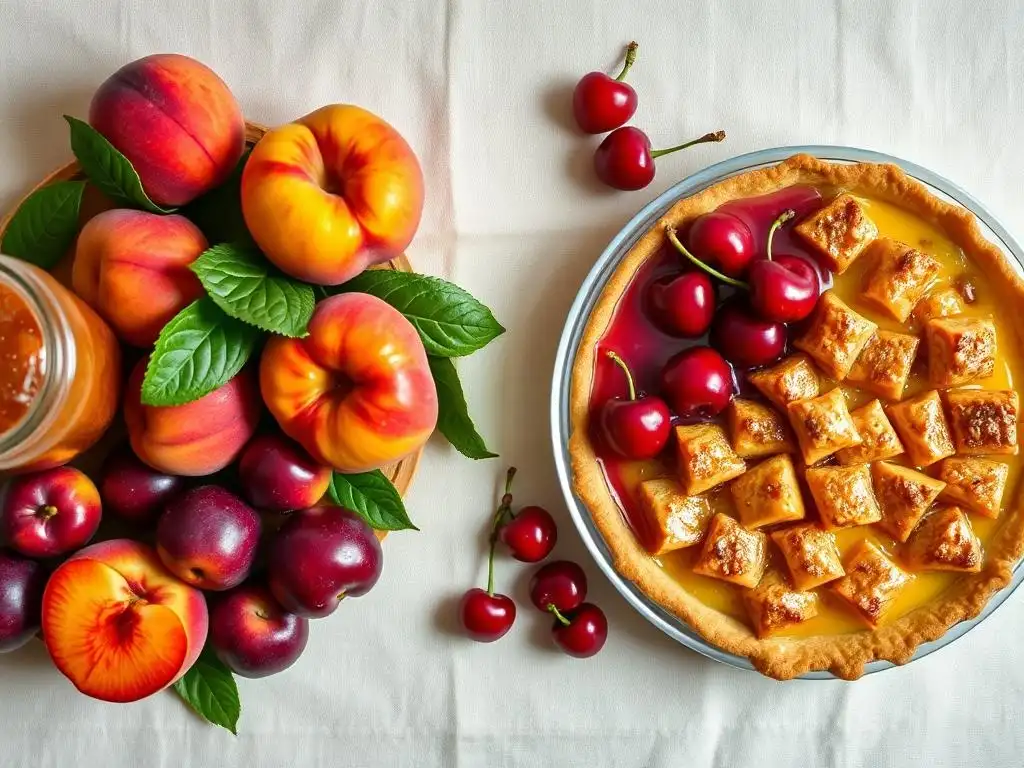
Properly storing stone fruit maximizes its lifespan, but what about using that bounty before it goes bad? Let's explore exciting and delicious ways to utilize your homegrown peaches, plums, and cherries beyond simply eating them fresh. Thinking creatively about preservation extends the enjoyment of your harvest and minimizes waste. This section focuses on extending the life and flavor of your stone fruit through various methods, emphasizing resourcefulness and minimizing food waste – key tenets of sustainable gardening. We'll explore the versatility of these fruits, moving beyond simple consumption.
Recipes and Ideas for Using Stored Stone Fruits: Jams, Pies, and More
Stone fruits are incredibly versatile in the kitchen. Their sweetness and juiciness lend themselves perfectly to a variety of recipes, extending their shelf life and creating delicious treats to enjoy throughout the year. Consider these options for maximizing your harvest:
- Jams and Preserves: Making jams and preserves is a classic way to preserve stone fruits. The high sugar content acts as a preservative, allowing you to enjoy the summer flavors long after the growing season ends. A simple peach jam, for example, only requires peaches, sugar, and lemon juice. Experiment with different combinations – plum and cherry jam is a delightful option!
- Pies and Crumbles: The juicy flesh of stone fruits makes them ideal for pies and crumbles. A classic peach pie is a crowd-pleaser, but don't be afraid to try variations. A mixed berry and stone fruit crumble offers a delightful blend of flavors and textures. Consider using gluten-free options for the crust to cater to different dietary needs.
- Chutneys and Sauces: Stone fruits can also be used to create savory chutneys and sauces. A plum chutney, for instance, pairs beautifully with roasted meats and cheeses. The sweetness of the fruit balances the spices, creating a complex and flavorful condiment.
- Drying: Drying stone fruits is a simple and effective preservation method. Dried peaches, plums, and cherries can be used in baking, trail mixes, or eaten as a healthy snack. Dehydrating removes moisture, inhibiting microbial growth and significantly extending shelf life. The process is relatively straightforward, requiring only a dehydrator or a low oven.
- Freezing: Freezing is another excellent method for preserving stone fruits. Simply wash, pit, and slice the fruit before freezing it in individual portions or larger bags. Frozen stone fruits can be used in smoothies, baked goods, or thawed and eaten fresh. Freezing retains much of the fruit's nutrients and flavor.
Remember to always prioritize hygiene when handling and processing your fruit to ensure safe preservation.
Incorporating Stone Fruits into Your Diet: Health Benefits and Nutritional Value
Beyond their delicious taste, stone fruits offer a wealth of health benefits. These fruits are packed with vitamins, minerals, and antioxidants, contributing to overall well-being. Integrating them into your diet regularly provides numerous advantages:
- Vitamin C: Stone fruits are a good source of Vitamin C, a powerful antioxidant that supports the immune system and protects against cell damage. Regular consumption can help boost your immunity and protect against various illnesses.
- Fiber: The high fiber content in stone fruits promotes digestive health, aids in regularity, and helps maintain a healthy weight. Fiber also contributes to feelings of fullness, potentially aiding in weight management.
- Antioxidants: The abundance of antioxidants in stone fruits helps combat oxidative stress, protecting your cells from damage caused by free radicals. This contributes to overall health and may reduce the risk of chronic diseases.
- Potassium: Stone fruits are a good source of potassium, an essential mineral that helps regulate blood pressure and maintains fluid balance in the body. Adequate potassium intake is crucial for heart health.
- Vitamins A and K: Stone fruits also contain vitamins A and K, both essential for various bodily functions. Vitamin A supports vision and immune function, while Vitamin K plays a vital role in blood clotting.
By incorporating these delicious and nutritious fruits into your daily diet, you can reap the rewards of their health-boosting properties. Experiment with different recipes and find creative ways to enjoy the taste and benefits of your homegrown stone fruits. Remember that proper storage is crucial to maintain both the flavor and nutritional value of your harvest. Properly storing stone fruit, therefore, is not just about extending shelf life, but also about preserving its nutritional benefits for optimal health.
Sustainable Practices in Stone Fruit Storage
Properly storing stone fruit—peaches, plums, and cherries—is crucial not only for extending their shelf life and maximizing enjoyment of your homegrown harvest but also for minimizing waste and adhering to sustainable practices. Improper storage leads to premature spoilage, contributing to unnecessary food waste, a significant environmental concern. By implementing effective storage techniques, we can significantly reduce our environmental footprint and cultivate a more sustainable approach to food preservation.
This section explores practical methods for storing stone fruit while minimizing waste and maximizing the benefits of your homegrown bounty. The goal is to "store stone fruit properly" and enjoy the fruits of your labor for as long as possible.
Reducing Food Waste with Proper Storage Techniques
Reducing food waste is a cornerstone of sustainable living. With stone fruits, this begins with careful handling from the moment of harvest. Gently picking ripe fruit, avoiding bruising or damage, is the first step. Inspect each piece before storage, discarding any that are already overripe, damaged, or showing signs of decay. This seemingly small step dramatically reduces the likelihood of rot spreading to other fruits.
Consider the ripeness level when storing. Perfectly ripe fruit should be consumed immediately or stored for a very short period. Slightly underripe fruit can be stored longer, allowing them to ripen gradually. This careful selection process significantly minimizes waste by ensuring that only the appropriate fruits are stored, preventing unnecessary spoilage.
The key to reducing waste lies in understanding the ideal storage conditions for each fruit type. Peaches and nectarines are highly perishable and should be refrigerated promptly after harvest, ideally within a day. Plums, depending on their variety, can last slightly longer at room temperature but also benefit from refrigeration once fully ripe.
Cherries are relatively sturdy and can be stored in the refrigerator for up to a week, but their delicate nature still requires careful handling to prevent bruising and subsequent spoilage. Properly storing your homegrown produce, focusing on the ripeness and the right temperature, is key to maximizing your harvest and minimizing waste.
Eco-Friendly Storage Containers and Methods
Choosing eco-friendly storage containers is another important aspect of sustainable stone fruit preservation. Avoid single-use plastic containers whenever possible. Instead, opt for reusable options such as glass jars, ceramic bowls, or breathable fabric bags. These alternatives offer several advantages: they're reusable, reducing plastic waste, and some, like fabric bags, allow for better air circulation, preventing moisture buildup that can lead to rot.
Properly storing stone fruit in these containers involves a few simple steps. Ensure the containers are clean and dry before storing the fruit. For peaches and nectarines, avoid overcrowding the container, allowing for air circulation around each piece. This helps prevent the buildup of ethylene gas, which accelerates ripening and spoilage. A single overripe peach can quickly spoil the entire batch! For plums and cherries, consider layering them with paper towels to absorb excess moisture. This simple step can significantly extend their shelf life.
Remember that even with the best storage practices, some spoilage is inevitable. Composting any spoiled fruit is a sustainable way to recycle food waste, creating nutrient-rich compost for your garden—closing the loop and completing the sustainable cycle. 🍎 This method not only reduces landfill waste but also provides valuable nutrients for your next harvest, ensuring a truly sustainable approach to fruit cultivation and preservation. By carefully selecting your storage containers and methods, you can considerably reduce your environmental impact while maximizing the longevity of your delicious homegrown stone fruit.
Frequently Asked Questions
How long can I store stone fruit at room temperature?
Stone fruit is best enjoyed fresh, so room temperature storage should only be for 1-2 days maximum. After that, they begin to overripen quickly.
What's the best way to store stone fruit in the refrigerator?
Refrigerate stone fruit in a single layer in a container or on a plate, unwashed, to prevent moisture buildup and spoilage. This will extend their lifespan to about 3-5 days.
Can I freeze stone fruit?
Yes! Freezing stone fruit is a great way to preserve them. Wash, pit, and slice the fruit before freezing on a baking sheet then transfer to a freezer bag for long-term storage.
How can I tell if my stone fruit has gone bad?
Look for signs of mold, bruising, or soft spots. A strong, unpleasant odor is another clear indicator that the fruit has spoiled and should be discarded.
Are there any specific storage tips for different types of stone fruit?
While the general guidelines apply, cherries tend to be more delicate and might bruise easily. Peaches and plums can be stored similarly, but avoid stacking them to prevent damage.
Final Reflection: The Sweet Science of Stone Fruit Preservation
The art of properly storing stone fruit isn't just about extending shelf life; it's about savoring the fleeting perfection of summer's bounty. From the blushing peach to the deep-hued plum, these fruits offer a taste of sunshine that deserves to be enjoyed to the fullest. Understanding how to store them correctly ensures we can experience that vibrant flavor for longer, minimizing waste and maximizing pleasure.
The impact of knowing how to properly store stone fruit extends beyond the individual. It connects us to a deeper appreciation for seasonal eating and reduces food waste, a critical issue in our increasingly globalized food system. Waste not, want not
– a timeless adage that rings truer than ever when considering the abundance and fragility of nature's gifts. This simple act of preservation becomes a small but significant contribution to a more sustainable lifestyle, allowing us to enjoy the fruits of our labor (or the farmer's labor!) for longer.
Now, consider your own kitchen. Think about the last time you purchased stone fruit. Did you know the best way to store them? I encourage you to put this knowledge into practice. The next time you bring home a basket of ripe peaches or a bag of juicy cherries, remember the simple techniques outlined in this article. By taking a few extra moments to store your stone fruit properly, you'll not only enjoy their deliciousness for longer, but you'll also contribute to a more mindful and sustainable approach to food consumption. Let's savor the sweetness, together.
Unlock the Secrets to Perfectly Stored Stone Fruit!
Thanks for learning how to keep your stone fruit fresh and delicious! We hope you found this article helpful. Now it's time to put your knowledge into practice.
- Prioritize proper storage: Immediately refrigerate newly purchased or picked stone fruit. A single layer is ideal for optimal air circulation and extended freshness. This simple step significantly extends their shelf life.
- Share your stone fruit storage successes (or challenges!): Tell us in the comments below about your experiences. What are your favorite storage methods? What's your best tip for keeping stone fruit at its peak ripeness?
- Experiment with different preservation techniques: Consider freezing or making jams to preserve your stone fruit for longer periods beyond simple refrigeration.
What creative recipe or preservation method will you try first to make the most of your perfectly stored stone fruit?