
Crisp & Crunchy: Achieving the Perfect Texture in Your Homemade Pickles

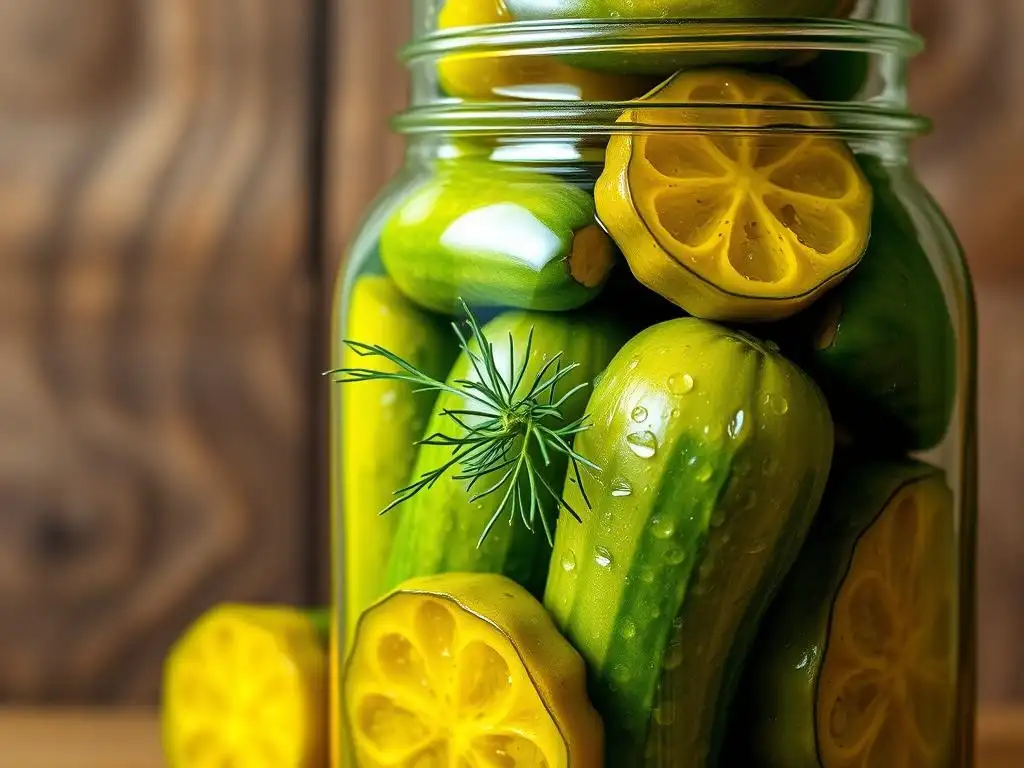
Welcome to CultivateYourFood, your guide to a greener, more flavorful life! Ready to transform your harvest into something truly special? Discover the secrets to achieving that perfect pickle texture at home, unlocking the crispness and crunch you've always dreamed of. Learn how sustainable and organic practices can elevate your preserving game, from planting to the final jar. Dive in and explore the art of harvesting and preserving—your journey to the perfect pickle starts now!
- Understanding the Science Behind Crisp Pickles
- Preparing Your Vegetables for Perfect Pickling
- Mastering the Brining Process for Maximum Crunch
- Advanced Techniques for Extra-Crisp Pickles
- Storing and Maintaining Pickle Crispness
- Frequently Asked Questions
- Final Reflection: The Enduring Crunch: More Than Just a Pickle
- Unlock the Crunch: Perfect Pickles Await!
Understanding the Science Behind Crisp Pickles
Achieving that perfect crisp and crunchy texture in your homemade pickles is more than just a matter of luck; it's a science! This article delves into the key factors that contribute to the satisfying crunch of a well-preserved pickle, helping you transform your homegrown vegetables into delectable, texturally perfect treats. We'll explore the importance of selecting the right vegetables, understanding the principles of osmosis, and mastering the art of brine concentration – all crucial elements in your quest for the perfect pickle texture at home.
From understanding the role of firmness in your chosen vegetables to mastering the delicate balance of your brine, we'll guide you step-by-step towards pickle perfection. Get ready to unlock the secrets to consistently achieving that satisfying crunch, every single time you pickle! 🎉
The Role of Firmness in Choosing the Right Vegetables for Pickling
The journey to a perfectly crisp pickle begins with selecting the right vegetables. Firmness is paramount. Think about it: a limp cucumber will never yield the satisfying crunch you crave. You need vegetables with a high turgor pressure – the pressure exerted by water within the plant cells against their cell walls. This internal pressure is what gives the vegetable its firmness and structure. Vegetables with low turgor pressure, often those that are overripe or damaged, will simply wilt and become mushy during the pickling process.
Therefore, choosing young, firm vegetables is crucial. For cucumbers, look for those that are small to medium-sized, with smooth, unblemished skin and a solid feel. Similarly, for other pickling vegetables like green beans or cauliflower, select those that are firm to the touch, without any signs of wilting or discoloration. The initial firmness of your vegetables directly impacts the final texture of your pickles. Remember, a good starting point guarantees a better outcome! 👍
Osmosis and its Impact on Pickle Texture: A Detailed Explanation
The magic behind crisp pickles lies in the process of osmosis. Osmosis is the movement of water across a selectively permeable membrane from a region of high water concentration to a region of low water concentration. In pickling, this membrane is the cell wall of the vegetable.
The high salt concentration in the brine creates a hypertonic solution, meaning it has a lower water concentration than the vegetable's cells. This causes water to move out of the vegetable cells and into the brine, a process called plasmolysis. This dehydration is what contributes to the firm texture of the pickles. However, the balance is key! Too much salt, and your pickles will become overly dehydrated and potentially rubbery. Too little salt, and they will remain soft and prone to spoilage. Finding that sweet spot is the key to textural perfection. ⚖️
The Importance of Brine Concentration for Optimal Crispness
The concentration of your brine is the final, crucial piece of the puzzle in achieving perfect pickle texture at home. As discussed, a hypertonic brine (high salt concentration) draws water out of the vegetable cells, leading to crispness. However, the exact salt concentration needs careful consideration. Too little salt, and you risk spoilage and soft pickles. Too much salt, and your pickles will be overly hard and possibly unpalatable.
The ideal brine concentration generally ranges from 4-7% salt by weight, depending on the type of vegetable and desired level of crispness. Many recipes provide specific brine ratios, but experimentation within this range can help you fine-tune the perfect balance for your preferences. Remember to always use high-quality, non-iodized salt for the best results. Accurate measurements and a keen eye for detail are crucial steps in this phase. Experimentation is encouraged! 🧪
Preparing Your Vegetables for Perfect Pickling
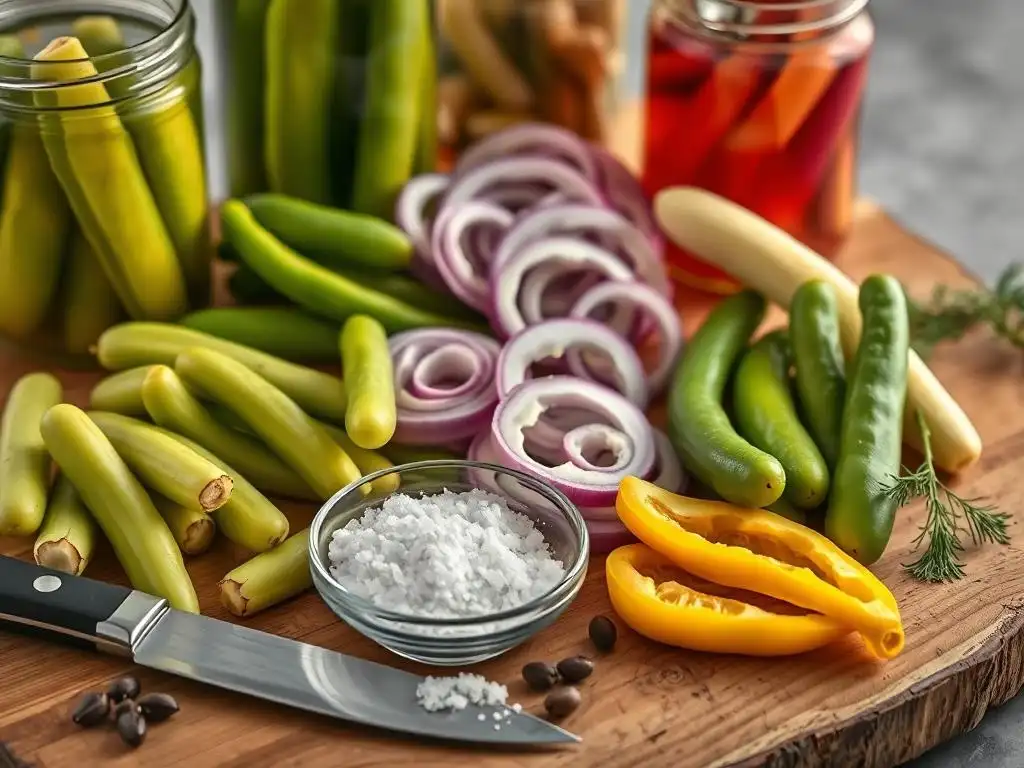
Achieving that perfect pickle texture at home—crisp, crunchy, and satisfying—depends heavily on the preparation of your vegetables before they even see the brine. Ignoring this crucial step can lead to mushy, disappointing results, no matter how carefully you follow the pickling recipe. This section focuses on the key techniques to ensure your homemade pickles boast the ideal texture.
Selecting Firm, Young Vegetables for Superior Crunch
The foundation of a perfectly crunchy pickle lies in selecting the right vegetables. Opt for young, firm vegetables that are free from blemishes and bruises. Older, more mature specimens tend to be less crisp and more likely to become soft during the pickling process. This is because older vegetables have begun to lose their turgor pressure – the internal pressure that keeps plant cells firm.
For cucumbers, specifically, look for varieties specifically bred for pickling, like Kirby or Boston cucumbers. These are smaller, usually with a thinner skin and fewer seeds, resulting in a superior crunch. Avoid large, overgrown cucumbers, as they will likely be less crisp and may have a bitter taste. Consider the size and shape as well; uniformly sized pickles are aesthetically pleasing and ensure even brining.
Here’s a quick guide to selecting optimal vegetables for pickling:
| Vegetable | Characteristics of Ideal Specimens | Characteristics to Avoid |
|---|---|---|
| Cucumbers | Small, firm, thin-skinned, few seeds, no blemishes or bruises | Large, soft, thick-skinned, many seeds, blemishes |
| Green Beans | Young, tender, bright green, firm, no discoloration | Old, tough, yellowing, wilted, or discolored |
| Onions | Small to medium, firm, no soft spots or sprouting | Large, soft, sprouting, or showing signs of decay |
| Cauliflower | Tightly packed florets, firm, creamy white, no browning or discoloration | Loose florets, soft, yellowing, or discolored florets |
Remember, the goal is to select vegetables at their peak of freshness and firmness. This single step significantly increases your chances of achieving the perfect pickle texture at home.
Proper Cleaning and Preparation Techniques to Avoid Softening
Once you've selected your vegetables, meticulous cleaning and preparation are essential. Rough handling or improper cleaning can damage the vegetable's cells, leading to softening during the pickling process.
Thoroughly wash your vegetables under cold running water. Gently scrub away any dirt or debris using a soft vegetable brush. Avoid harsh scrubbing or soaking, which can damage the delicate cell structure and compromise crispness. For cucumbers, carefully trim the blossom end (the stem end) to remove any bitterness. Leaving this end intact can lead to softer pickles.
For green beans, snap off the ends and discard them. For onions, peel them carefully, avoiding any unnecessary bruising. For cauliflower, remove any damaged or discolored florets.
Remember, the key is gentleness. Every bruise or cut introduces pathways for moisture loss and bacterial invasion, both contributing to softening.
Pre-treatments to Enhance Crispness and Prevent Microbial Growth
To further enhance crispness and prevent unwanted microbial growth, consider pre-treating your vegetables before pickling. Two common pre-treatment methods are:
- Ice Bath: Submerging your prepared vegetables in ice water for at least 30 minutes, or even up to several hours, helps to firm them up and remove excess moisture from the surface. This helps maintain the crisp texture.
- Brine Soaking (Optional): A short soak in a weak brine solution (a small amount of salt dissolved in water) before the main pickling process can help to draw out excess moisture and improve the overall crispness. This step is particularly beneficial for larger vegetables. However, be mindful of not over-soaking which can lead to vegetables becoming too soft.
These pre-treatment steps are not strictly necessary for all vegetables, but they can significantly improve the texture and shelf life of your homemade pickles, especially in warmer climates. Careful attention to detail during this phase will help you achieve the perfect pickle texture at home, ensuring your pickles are not just delicious, but beautifully crisp and crunchy.
Mastering the Brining Process for Maximum Crunch
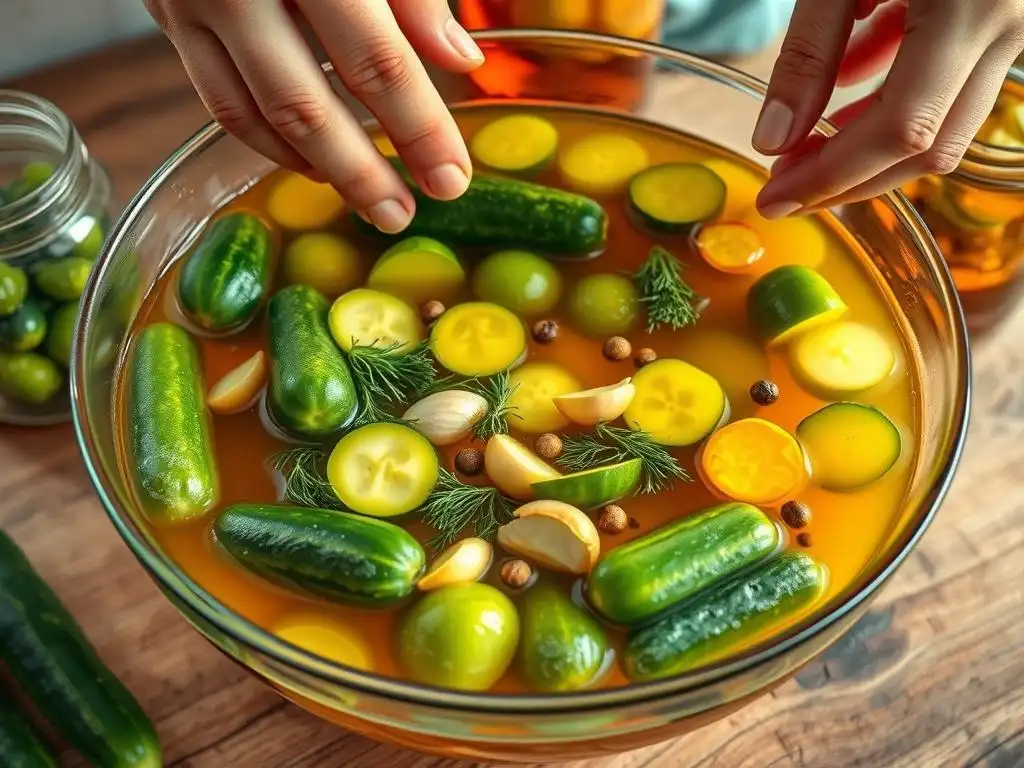
Achieving that perfect, crisp pickle texture at home hinges largely on mastering the brining process. The brine isn't just a preserving agent; it's the key to maintaining the structural integrity of your vegetables, preventing them from becoming mushy and ensuring that delightful crunch. This section delves into the crucial aspects of brine creation and management for optimal results. We'll explore brine composition, temperature control, and different brining methods to help you achieve the perfect pickle texture at home. Remember, consistency is key in pickling, so precise measurements and careful attention to detail are paramount.
Creating the Perfect Brine: Balancing Salt, Water, and Additives
The foundation of any great pickle is its brine. The ideal brine balances salt concentration with the addition of other flavor-enhancing ingredients. Salt is the primary preservative, drawing out moisture from the vegetables and creating an environment inhospitable to spoilage microorganisms. However, using too much salt can lead to overly salty pickles and a tough texture. Too little, and your pickles may not preserve properly.
A good starting point for a basic brine is a ratio of 2-3% salt (by weight) to water. This means for every 1kg of water, you'd use 20-30g of salt. You can adjust this ratio based on your personal preference and the type of vegetable you're pickling; cucumbers, for instance, typically require a slightly higher salt concentration than some other vegetables.
Beyond salt, you can enhance your brine with various additives to achieve specific flavor profiles and textures. Vinegar (white or apple cider) adds acidity, further inhibiting bacterial growth and contributing to a tangy taste. Sugar can balance the saltiness and add sweetness. Other spices, herbs, and garlic cloves can be added to create unique flavor combinations. The possibilities are virtually endless! Experimentation is encouraged.
| Ingredient | Role | Typical Amount (per liter of water) | Notes |
|---|---|---|---|
| Salt (non-iodized) | Preservation, Flavor | 20-30g | Adjust based on vegetable and preference |
| Vinegar | Acidity, Preservation, Flavor | 100-250ml | White or apple cider vinegar works well |
| Sugar (granulated) | Sweetness, Flavor Balance | 10-20g | Adjust to taste |
| Spices/Herbs/Garlic | Flavor Enhancement, Aroma | To taste | Experiment with your favorite combinations |
The Importance of Proper Brine Temperature and its Effect on Texture
The temperature of your brine significantly influences the final texture of your pickles. A cold brine, around 4°C (39°F), is ideal for traditional fermentation, allowing for a slower, more controlled process that enhances the crispness. This method allows beneficial lactic acid bacteria to thrive, contributing to the characteristic tangy flavor and firm texture of fermented pickles.
Conversely, a warm brine (around 60°C (140°F)) can be used for quicker pickling methods. This technique involves using vinegar to achieve a faster preservation process. While convenient, this method may slightly compromise the crispness compared to cold fermentation, resulting in a softer texture.
Different Brine Methods: Quick vs. Traditional Fermenting Techniques for Optimal Crispness
There are two primary methods for achieving the perfect pickle texture at home: quick pickling and traditional fermentation.
- Quick Pickling: This method uses a hot brine with vinegar, achieving preservation quickly (often within a few hours or a day). It's convenient for those short on time, but the texture might be slightly softer than fermented pickles. Quick pickling is excellent for maintaining bright colors and fresh flavors.
- Traditional Fermentation (Lactic Acid Fermentation): This method uses a cold brine and relies on naturally occurring lactic acid bacteria to ferment the vegetables. This process takes longer (several days to weeks), but results in a crisper, more complex flavor profile and a longer shelf life. The slower fermentation allows the lactic acid to gently preserve the vegetables, maintaining their crispness. The resulting pickles have a characteristic tangy, slightly sour taste. This method offers a more natural way to achieve the perfect pickle texture at home while minimizing reliance on additives. It also provides a healthier alternative rich in beneficial probiotics.
Remember, the key to achieving the perfect pickle texture at home is careful attention to detail, from brine composition and temperature to the chosen pickling method. Experimentation is crucial to finding what works best for you and your palate. Enjoy the process! 🥕🥒😋
Advanced Techniques for Extra-Crisp Pickles
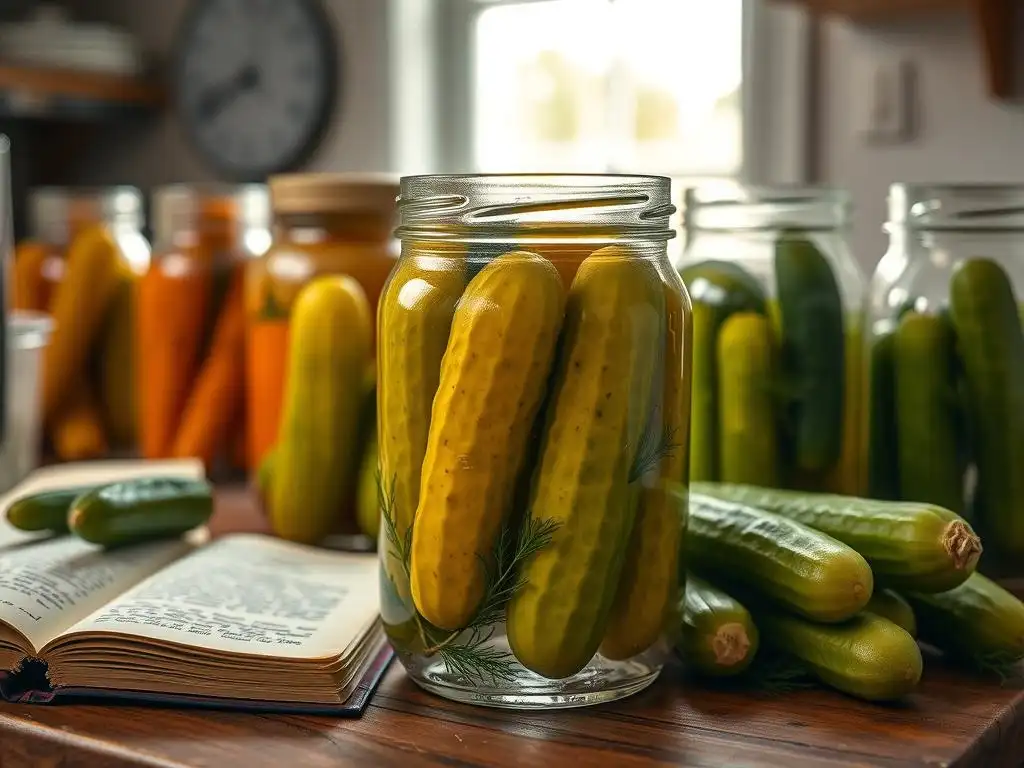
This section delves into advanced techniques that go beyond basic pickling methods to achieve that coveted perfect pickle texture at home. We'll explore methods to enhance crispness and address common issues that can lead to soft, undesirable pickles. Remember, the key to perfect pickles lies in controlling both the osmotic pressure and microbial activity during the pickling process.
Using Additives to Enhance Crispness: Calcium Chloride and Other Options
Achieving the perfect pickle texture often involves using additives that help maintain the firmness of the vegetables. Calcium chloride is a popular choice among experienced picklers. It works by strengthening the cell walls of the cucumbers, preventing them from becoming soft and mushy. Adding 1/2 to 1 teaspoon of calcium chloride per quart of brine is generally recommended, although the precise amount can depend on the type and size of cucumbers used.
However, calcium chloride isn't the only option. Some picklers swear by adding a small amount of alum (aluminum potassium sulfate) to the brine, although this is less common due to concerns about potential health impacts from aluminum. Always follow recommended dosages carefully when using such additives.
Another less-known technique involves using a combination of pickling salt and sugar. The salt draws out moisture, while the sugar helps maintain the firmness and adds a touch of sweetness. This method is less precise than using calcium chloride, requiring some experimentation to find the ideal balance.
| Additive | Effect on Texture | Recommended Dosage (per quart) | Potential Concerns |
|---|---|---|---|
| Calcium Chloride | Significantly increases crispness | 1/2 - 1 teaspoon | Generally considered safe in small amounts |
| Alum | Increases crispness | 1/4 - 1/2 teaspoon (use cautiously!) | Potential health concerns related to aluminum |
| Salt & Sugar | Improves firmness | Varies, experiment to find ideal balance | May slightly alter taste profile |
Remember to always prioritize safety and thoroughly research any additive before using it in your pickling process. Improper use could lead to subpar results or even health risks.
Vacuum Sealing and its Impact on Pickle Texture and Shelf Life
Vacuum sealing offers significant advantages for preserving pickles, going beyond simply extending their shelf life. By removing air from the jars before sealing, you inhibit the growth of aerobic bacteria and mold, reducing the risk of spoilage and preserving the crispness of the pickles. The absence of air also minimizes oxidation, which can affect the color and flavor of the pickles over time.
However, the impact on texture isn't solely due to reduced spoilage. The vacuum created helps maintain the firmness of the cucumbers by preventing cell wall degradation caused by exposure to oxygen. This results in crisper pickles that retain their texture for a longer period. While not a substitute for proper pickling techniques, vacuum sealing enhances the overall quality and longevity of your homemade pickles. It's a valuable tool for achieving the perfect pickle texture at home, especially for long-term storage.
Dealing with Soft Pickles: Troubleshooting and Solutions for a Second Chance
Even with meticulous preparation, you might end up with some soft pickles. Don't despair! There are ways to salvage the situation and still enjoy your harvest. The first step is to identify the cause of the softness. Was the brine too weak? Were the cucumbers too mature? Was there insufficient acidity?
Sometimes, simply re-pickling the soft pickles can improve their texture. This involves preparing a fresh brine with a higher concentration of salt and vinegar (or other acid), then submerging the soft pickles and allowing them to sit for several days or even weeks. This process can help to draw out excess moisture and re-firm the cucumbers.
Alternatively, you can use the soft pickles in recipes where texture is less critical. Consider adding them to relish, chutneys, or even as a component in other dishes. Remember, while they may not be perfectly crisp, they are still perfectly edible and can add a delicious flavor to your culinary creations. Don’t let a batch of slightly soft pickles go to waste! There's always a way to repurpose them and avoid food waste.
Storing and Maintaining Pickle Crispness
Achieving the perfect pickle texture at home isn't just about the pickling process itself; it's equally about proper storage and maintenance. Neglecting this crucial step can lead to soggy, disappointing pickles, undermining all your hard work in the garden and kitchen. This section focuses on the best practices to ensure your homemade pickles remain crisp and crunchy for as long as possible. We'll explore optimal storage conditions, signs of spoilage, and strategies for extending their shelf life without compromising texture. Remember, even the most perfectly brined pickles will suffer if not stored correctly.
Proper Storage Conditions to Preserve Texture and Flavor
The key to maintaining the perfect pickle texture at home lies in controlling temperature and preventing exposure to air. High temperatures promote bacterial growth and enzymatic activity, both of which can soften pickles. Conversely, freezing pickles can damage their texture, making them mushy upon thawing.
Here's a breakdown of ideal storage conditions:
- Temperature: A cool, dark, and consistently cool cellar or pantry (ideally between 35-40°F or 1.7-4.4°C) is perfect. If a cool cellar isn't available, the refrigerator is a suitable alternative. Avoid placing pickles near heat sources like ovens or stoves.
- Container: Use airtight containers to prevent exposure to air. Glass jars are excellent for this purpose, as they don't leach chemicals into the pickles. Ensure the lids are tightly sealed to create an anaerobic environment, which inhibits bacterial growth and preserves crispness.
- Placement: Store jars upright to prevent the pickles from becoming squashed or damaged, which can compromise their texture. Avoid stacking jars too high, as this can put pressure on the bottom jars.
Maintaining optimal storage conditions minimizes the risk of spoilage and significantly extends the shelf life of your homemade pickles, ensuring they retain their delightful crunch. Proper storage is paramount in achieving the perfect pickle texture at home.
Identifying Signs of Spoilage and Understanding the Impact on Texture
Even with the best storage practices, pickles can eventually spoil. Recognizing the signs of spoilage is crucial to prevent consuming unsafe pickles and to understand how spoilage affects texture.
| Sign of Spoilage | Description | Impact on Texture |
|---|---|---|
| Mold Growth | Fuzzy or slimy growth on the pickles or brine. | Pickles become slimy and soft; often inedible. |
| Cloudy or Discolored Brine | Brine becomes cloudy, murky, or changes color significantly. | Pickles may become soft and lose their crispness. |
| Off-Odor or Taste | Unpleasant smell or taste, often sour or vinegary. | Texture often deteriorates alongside the smell. |
| Slimy Pickles | Pickles feel slimy or slippery to the touch. | Indicates significant bacterial growth; unsafe. |
| Bubbles or Foam | Excessive bubbling or foaming in the brine. | Could indicate fermentation gone wrong; check for mold. |
If you notice any of these signs, discard the pickles immediately. Spoiled pickles can cause food poisoning. Remember, preserving the perfect pickle texture at home also means prioritizing food safety.
Extending the Shelf Life of Your Homemade Pickles While Maintaining Texture
While proper storage is crucial, certain techniques can further extend the shelf life of your pickles while preserving their delightful crunch.
- Proper Brining: Using a strong brine solution with sufficient acidity (vinegar) is key to inhibiting bacterial growth. Consider adding extra spices like garlic or mustard seeds, which have natural antimicrobial properties.
- Sterilization: Carefully sterilizing jars before packing your pickles helps eliminate any existing bacteria that could cause spoilage and affect texture.
- Regular Inspection: Periodically check your stored pickles for signs of spoilage. This proactive approach allows for early detection and prevents widespread spoilage.
- Refrigeration for Longer Storage: While a cool cellar is ideal, refrigeration will extend the shelf life of your pickles, especially if you're storing them for longer than a few months.
By implementing these strategies, you can significantly increase the time your homemade pickles remain crisp, crunchy, and safe to eat, achieving that perfect pickle texture at home for longer. Remember, attention to detail throughout the entire process, from garden to jar, is key to success.
Frequently Asked Questions
What's the secret to achieving perfectly crisp pickles?
The key is proper brining! Low-sodium brine with enough acid (vinegar) prevents the softening enzymes from working, keeping your pickles firm and crunchy. Proper fermentation also plays a role.
How important is the type of cucumber I use for pickling?
Using pickling cucumbers is crucial. These cucumbers have a high water content and a lower sugar level, making them ideal for crisp pickles. Regular slicing cucumbers will likely become soft.
My pickles are soft, what went wrong?
Several things could cause this: Insufficient acidity in the brine, improper fermentation, using the wrong type of cucumber, or inadequate processing (for canned pickles). Review your recipe and technique.
Can I use other vegetables to achieve the same crisp texture?
While cucumbers are best, you can experiment with other firm vegetables like green beans or carrots, adapting the brine and processing times accordingly. Remember to select firm, young vegetables.
How long does it take to achieve the perfect pickle texture?
The time varies depending on the pickling method. Quick pickles may be ready in a few hours, while fermented pickles can take several weeks to develop their full crispness and flavor. Patience is key!
Final Reflection: The Enduring Crunch: More Than Just a Pickle
The pursuit of the perfect pickle texture transcends mere culinary skill; it's a testament to our enduring connection with food, tradition, and the simple satisfaction of a perfectly crafted bite. The crispness, the satisfying crunch – these aren't just textural elements; they're the hallmarks of a successful pickle, a symbol of homegrown goodness and the culmination of careful technique. This article has explored the science behind that crunch, offering practical steps to achieve it in your own kitchen.
The quest for the perfect pickle speaks to something deeper than just a tasty snack. It's a reflection of our desire to connect with our food on a fundamental level, to understand the processes that transform humble cucumbers into vibrant, flavorful delights. The pleasure of eating is doubled when one is hungry.
– Jean Anthelme Brillat-Savarin. This quote, while speaking to hunger, also highlights the amplified joy found in mastering a culinary skill and savoring the results of one's efforts. The satisfaction of a perfectly crisp pickle is a small but potent example of this larger truth.
Now, I invite you to consider your own culinary journey. Have you ever experienced the profound satisfaction of creating something delicious from scratch? Take what you've learned here – the importance of brine concentration, the role of temperature, the careful selection of cucumbers – and apply it to your next batch. Don't just make pickles; craft them. Embrace the process, experiment with different techniques, and savor the rewarding crunch of your own perfectly textured, homemade pickles. The journey to perfection is as rewarding as the destination itself.
Unlock the Crunch: Perfect Pickles Await!
Thanks for joining us on this pickling adventure! You've gained the knowledge to create incredibly crisp and delicious homemade pickles. Ready to transform your cucumbers into crunchy perfection?
- Make a batch! Use your newfound expertise to craft the perfect pickle recipe tailored to your taste. Experiment with different spices and brines—the possibilities are endless! Try adding dill, garlic, or even mustard seeds for unique flavor profiles.
- Share your success! Post a picture of your finished jars on social media and tag us—we'd love to see your crunchy creations.
- Leave a comment below and tell us about your favorite pickling tip or your go-to cucumber variety! What kind of cucumbers do you prefer for pickling?
What unique ingredient will you add to your next batch of perfectly crunchy pickles? Will it be something unexpected?