
CultivateYourFood's Analysis of Greenhouse Glazing Options: Choosing the Right Material

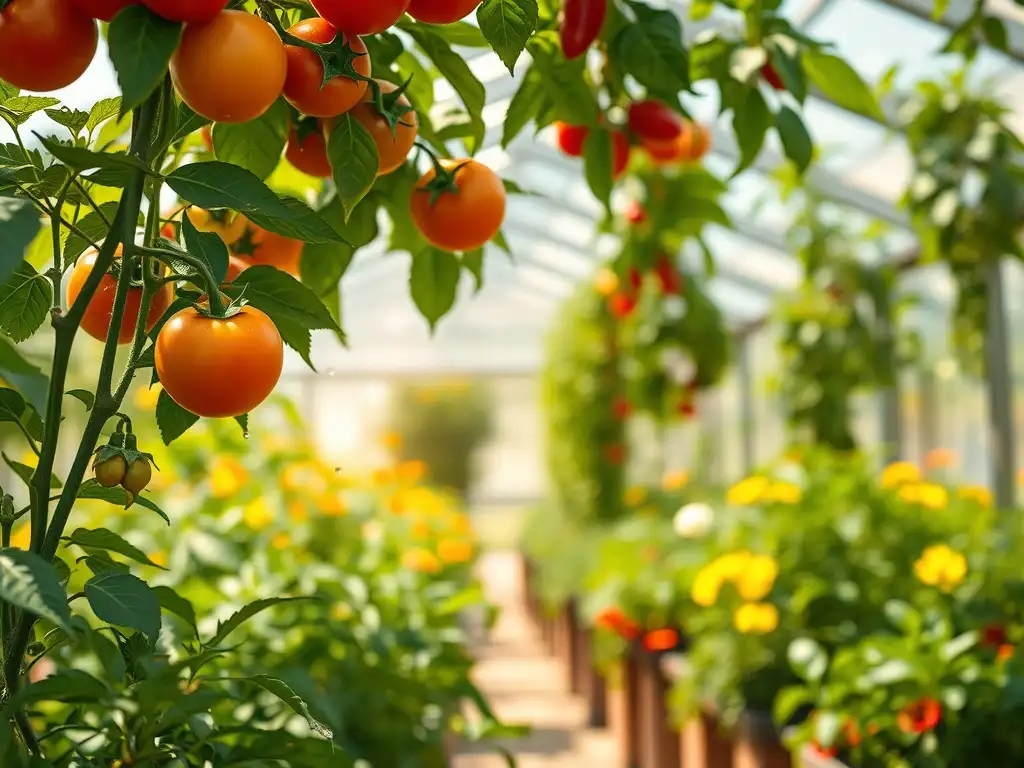
Welcome to CultivateYourFood, your guide to a thriving home garden! Are you ready to unlock the secrets to bountiful harvests using sustainable methods? We're diving deep into the world of gardening structures, and today's focus is on maximizing your yield with the perfect greenhouse. Discover our comprehensive analysis on the best greenhouse glazing material—the key to creating an optimal growing environment for your fruits, vegetables, and herbs. Let's get growing!
- Understanding Greenhouse Glazing: A Crucial Factor for Optimal Growth
-
Top Greenhouse Glazing Materials Compared: A Comprehensive Review
- Polyethylene Film: Budget-Friendly Greenhouse Covering Options and its Limitations
- Glass: A Classic Choice for Greenhouse Construction and its High Cost
- Polycarbonate: Balancing Strength, Light Transmission, and Cost-Effectiveness
- Acrylic: A High-Performance Alternative with Excellent Light Transmission
-
Choosing the Best Greenhouse Glazing Material for Your Needs: A Decision Guide
- Factors to Consider When Selecting Greenhouse Glazing: Budget, Climate, and Plant Type
- Optimizing Light Transmission for Specific Plant Needs: Sunlight Requirements and Glazing Selection
- Assessing the Climate: Choosing Glazing for Extreme Temperatures and Weather Conditions
- Balancing Cost and Performance: A Practical Approach to Choosing the Right Greenhouse Glazing
- Maintaining Your Greenhouse Glazing: Tips for Longevity and Optimal Performance
-
Frequently Asked Questions
- What is the most important factor to consider when choosing greenhouse glazing?
- What are the most common greenhouse glazing materials?
- How does the choice of glazing affect the greenhouse's temperature?
- Which glazing material is best for a beginner's greenhouse?
- What are the long-term cost implications of different glazing materials?
- Final Reflection: Shedding Light on the Future of Greenhouse Growing
- Unlock Your Greenhouse's Potential: Choose the Perfect Glazing
Understanding Greenhouse Glazing: A Crucial Factor for Optimal Growth
Choosing the right glazing material for your greenhouse is paramount to its success. The glazing, the transparent covering of your greenhouse, directly impacts light transmission, heat retention, and the overall lifespan of your structure. This comprehensive guide will analyze various greenhouse glazing options, helping you select the best material for your home gardening needs and budget, ultimately contributing to thriving plants and a bountiful harvest.
We'll delve into the key factors – light transmission, heat retention, and durability – to guide you toward making an informed decision that maximizes your greenhouse's potential and aligns with sustainable gardening practices. By understanding these aspects, you can optimize your greenhouse environment for optimal plant growth, minimizing energy consumption and extending the life of your investment. This detailed analysis will help you determine which glazing material earns the title of "Best greenhouse glazing material" for your specific circumstances.
The Importance of Light Transmission in Greenhouse Glazing Materials
Light is essential for photosynthesis, the process by which plants convert light energy into chemical energy for growth. The glazing material you choose significantly impacts the amount of light reaching your plants. Different materials transmit light differently, affecting both the quantity and quality of light. For example, glass is known for its excellent transmission of light across the entire visible spectrum, promoting healthy plant development. However, some plastics, while offering good light transmission, may filter out certain wavelengths crucial for specific plants. This is particularly important to consider when growing plants with specific light requirements.
The following table summarizes the approximate light transmission percentages for common greenhouse glazing materials:
| Material | Light Transmission (%) | Notes |
|---|---|---|
| Glass | 85-90 | High transmission across the spectrum. |
| Polycarbonate | 80-85 | Good transmission, higher impact resistance. |
| Polyethylene | 75-80 | Lower cost, but shorter lifespan. |
| Acrylic | 88-92 | Excellent light transmission, brittle. |
Choosing a material with high light transmission is crucial, especially during shorter days in the winter or for plants with high light demands. It's crucial to remember that light transmission can also be affected by factors like dirt and dust accumulation on the glazing. Regular cleaning is therefore essential to maintain optimal light levels within the greenhouse.
Heat Retention and Energy Efficiency in Greenhouse Construction
Maintaining the right temperature inside your greenhouse is vital for plant health. The glazing material plays a significant role in heat retention and energy efficiency. Materials with high thermal insulation properties minimize heat loss, reducing the need for supplemental heating, especially during colder months. This translates to lower energy bills and a smaller environmental footprint, aligning perfectly with sustainable gardening practices.
Materials like polycarbonate offer better insulation than glass due to their cellular structure. This structure traps air, creating an insulating layer that helps retain heat more effectively. Conversely, single-pane glass offers less insulation and can lead to greater heat loss, requiring more energy for heating. Double-glazed glass or polycarbonate panels provide even better insulation, further enhancing energy efficiency. The choice between these options often depends on your budget and climate. In warmer climates, a focus on heat dissipation may be more important than exceptional heat retention.
Consider these factors when choosing glazing based on heat retention:
- Climate: Colder climates benefit from superior insulation.
- Budget: Double-glazing increases cost but improves energy savings over time.
- Plant needs: Some plants thrive in warmer temperatures than others.
Durability and Longevity of Different Greenhouse Glazing Options
The durability and longevity of your greenhouse glazing are essential considerations. A robust glazing material will withstand various weather conditions, including strong winds, hail, and heavy snow loads, minimizing the need for frequent repairs or replacements. This translates to long-term cost savings and reduced environmental impact.
Glass is known for its durability but is susceptible to breakage. Polycarbonate is significantly more impact-resistant, making it a safer and more durable option, especially in areas prone to harsh weather. Polyethylene film is the least durable and typically needs replacing every few years. Acrylic offers a good balance between durability and light transmission, but it can be more expensive than polycarbonate.
Factors to consider when assessing durability:
- Local weather conditions: High winds, hail, or heavy snow necessitate more robust materials.
- Potential for accidental damage: Consider the risk of impacts from tools or falling objects.
- Expected lifespan: Balance initial cost with long-term replacement costs.
Choosing the "best" greenhouse glazing material requires careful consideration of your specific needs and priorities. Weighing the importance of light transmission, heat retention, durability, and cost will guide you to the optimal choice for your home greenhouse. Remember that a well-chosen glazing material is a crucial investment in the long-term success of your home garden.
Top Greenhouse Glazing Materials Compared: A Comprehensive Review
This section dives deep into the most popular greenhouse glazing materials, analyzing their pros, cons, and overall suitability for home gardeners seeking the best greenhouse glazing material. We'll examine factors like cost, durability, light transmission, and ease of maintenance to help you make an informed decision. Finding the optimal balance between performance and budget is key to successful home horticulture.
Polyethylene Film: Budget-Friendly Greenhouse Covering Options and its Limitations
Polyethylene film is a popular choice for home greenhouses, primarily due to its affordability. It's lightweight, easy to install, and readily available. However, it also has limitations that need careful consideration before making a purchase. Understanding these trade-offs is crucial for selecting the best greenhouse glazing material for your specific needs and budget.
Pros and Cons of Using Polyethylene Film for Greenhouse Glazing
| Feature | Pros | Cons |
|---|---|---|
| Cost | Significantly cheaper than glass or polycarbonate. | Needs replacing frequently due to shorter lifespan. |
| Installation | Easy to install and handle; requires minimal tools. | Can be easily damaged by wind, hail, or sharp objects. |
| Light Transmission | Reasonably good light transmission, especially clearer, higher-quality films. | Can degrade over time, reducing light transmission. |
| Durability | Relatively low durability; susceptible to tears and punctures. | Prone to UV degradation, leading to brittleness and eventual failure. |
| Maintenance | Relatively low maintenance; easy to replace if damaged. | Requires regular cleaning to maintain optimal light transmission. |
Choosing the Right Thickness of Polyethylene Film for Your Needs
The thickness of polyethylene film directly impacts its durability and lifespan. Thicker films (typically 4-6 mil) offer better protection against tears and punctures, and provide slightly better insulation, but are more expensive. Thinner films (2-4 mil) are cheaper but less durable and offer poorer insulation.
The best greenhouse glazing material thickness depends on your climate and the level of protection needed. Consider factors like wind exposure, potential hail, and the length of your growing season. For example, a colder climate might benefit from a thicker film for better insulation, while a milder climate might suffice with a thinner, more budget-friendly option.
Examples of Affordable Polyethylene Film Options for Home Greenhouses
Several brands offer polyethylene film specifically designed for greenhouse applications. When comparing options, always check the thickness (mil), UV resistance, and any warranties offered. Look for films with added UV inhibitors to extend their lifespan and maintain optimal light transmission. While specific brand names are omitted here, researching available options in your region will reveal a range of choices catering to different budgets and needs. Remember, the cheapest option isn't always the best greenhouse glazing material if it requires frequent replacement.
Glass: A Classic Choice for Greenhouse Construction and its High Cost
Glass has long been a staple in greenhouse construction, offering excellent light transmission and durability. However, its high cost and potential for breakage are significant drawbacks. Weighing these factors against the benefits is crucial when considering the best greenhouse glazing material for your project.
Superior Light Transmission Properties of Glass Greenhouse Panes
Glass boasts superior light transmission compared to other materials. This is because it allows a wider spectrum of light wavelengths to pass through, benefiting plant growth. This makes it a particularly suitable option for light-dependent plants or in areas with limited sunlight. High-quality glass panes can transmit up to 90% of incoming sunlight, promoting robust plant growth. The higher light transmission contributes significantly to a successful harvest, making it a strong contender for the title of best greenhouse glazing material in many situations.
Durability and Longevity of Glass as a Greenhouse Glazing Material
Glass is inherently durable and long-lasting, offering a significant advantage over polyethylene film or polycarbonate. While it can break, high-quality glass panes are resistant to damage from wind, hail, and other environmental factors. With proper installation and maintenance, a glass greenhouse can last for decades, reducing the long-term costs associated with frequent material replacements. This longevity makes it a viable contender for the best greenhouse glazing material despite its higher upfront cost.
The Higher Initial Investment of Glass Greenhouses: Cost Analysis and ROI
The initial cost of a glass greenhouse is significantly higher than other options. However, the long lifespan and reduced replacement costs can lead to a positive return on investment (ROI) over time. A detailed cost analysis comparing glass to other materials, considering factors like lifespan, maintenance, and energy savings (due to better insulation in some cases), is needed to determine the true economic value.
While the upfront investment is substantial, the potential for long-term savings and superior plant growth might make glass the best greenhouse glazing material for some gardeners. The ROI calculation should include factors like energy costs for heating and cooling, which can be significantly affected by the glazing material chosen.
Polycarbonate: Balancing Strength, Light Transmission, and Cost-Effectiveness
Polycarbonate has emerged as a popular choice for greenhouse glazing, striking a compelling balance between strength, light transmission, and affordability. Its robust nature makes it significantly more resistant to impacts compared to glass, a crucial advantage considering the potential for hail, strong winds, or accidental damage. This durability translates to lower maintenance costs and a longer lifespan, ultimately saving you money in the long run.
Moreover, polycarbonate sheets are lighter than glass, simplifying installation and reducing the structural requirements of your greenhouse frame. However, it's important to note that while polycarbonate offers excellent impact resistance, it can still be scratched. Regular cleaning with a soft cloth and mild detergent is recommended to prevent the accumulation of dirt and debris that can compromise light transmission over time.
Types of Polycarbonate Sheets for Greenhouse Applications (Twin-wall, Solid)
Polycarbonate is available in two primary forms for greenhouse use: twin-wall and solid. Twin-wall polycarbonate features two layers separated by a series of vertical channels, creating an air gap that significantly improves insulation. This air gap enhances the greenhouse's ability to retain heat, reducing energy consumption, especially crucial in colder climates. Solid polycarbonate, on the other hand, is a single, solid sheet offering excellent impact resistance. The choice between twin-wall and solid polycarbonate depends on your specific needs and priorities.
If energy efficiency is paramount, twin-wall is the superior option. If maximum impact resistance is your primary concern, solid polycarbonate might be preferable, although it will likely be more expensive. It's also worth noting that the thickness of the sheet impacts both its strength and cost. Thicker sheets are more durable and provide better insulation but are pricier.
Comparing the Light Transmission Rates of Polycarbonate vs. Glass and Film
While the "best greenhouse glazing material" is subjective and depends on individual needs, understanding light transmission is key. Polycarbonate boasts impressive light transmission rates, typically ranging from 80% to 90%, depending on the thickness and type of sheet. This is comparable to glass, which usually offers slightly higher transmission but lacks the impact resistance of polycarbonate. Plastic films, a cheaper alternative, generally have lower light transmission rates, often falling below 80%.
This reduced light transmission can negatively impact plant growth, particularly for light-demanding species. The slight reduction in light transmission with polycarbonate is often offset by its superior durability and insulation properties, making it a practical and effective choice for many home gardeners. Careful consideration of your plants' light requirements is crucial when selecting your glazing material.
Examples of Polycarbonate Greenhouse Panels
Numerous manufacturers produce high-quality polycarbonate panels specifically designed for greenhouse applications. These panels often come in standard sizes for easy installation, and many offer UV protection to safeguard your plants from harmful solar radiation. The specific brands and models available vary depending on your region and supplier.
Some panels include integrated features like reinforced edges for added strength or specialized coatings to enhance light transmission or insulation. When choosing polycarbonate panels, always check the manufacturer's specifications regarding light transmission, UV protection, and warranty information to ensure they meet your requirements and budget. Prioritizing reputable brands with a proven track record of quality will contribute to a longer-lasting greenhouse structure and healthier plants.
Acrylic: A High-Performance Alternative with Excellent Light Transmission
Acrylic, also known as polymethyl methacrylate (PMMA), presents a compelling alternative to polycarbonate for greenhouse glazing. It offers exceptional clarity, allowing for optimal light penetration, which is vital for robust plant growth. Acrylic's high light transmission, often exceeding 90%, rivals that of glass, providing an advantage over polycarbonate in situations where maximizing light is critical. Furthermore, acrylic is relatively lightweight, making installation easier than with glass. However, acrylic is more susceptible to scratching and impact damage than polycarbonate, demanding more careful handling and potentially higher maintenance costs over its lifespan.
The Advantages of Acrylic for Greenhouse Glazing: Clarity and Durability
The superior clarity of acrylic significantly benefits plant growth, particularly for species requiring high light levels. This enhanced light transmission can lead to increased yields and healthier plants. While less impact-resistant than polycarbonate, acrylic still provides reasonable durability for many greenhouse applications, particularly in areas with milder climates and less risk of hail or strong winds.
Its inherent strength and resistance to weathering make it a suitable choice for long-term use, although regular cleaning is essential to maintain its clarity and prevent the buildup of dirt and grime. The smooth surface of acrylic also minimizes the accumulation of dust and debris compared to textured surfaces.
Comparing the Cost-Effectiveness of Acrylic vs. Polycarbonate for Home Greenhouses
The cost-effectiveness of acrylic versus polycarbonate is a crucial factor for home gardeners. Generally, acrylic is more expensive than polycarbonate, particularly for thicker sheets offering greater durability. However, the higher initial cost of acrylic might be offset by its superior light transmission, potentially leading to improved plant growth and higher yields.
The longer lifespan of acrylic, if properly maintained, could also contribute to long-term cost savings compared to more frequent replacements of polycarbonate panels due to damage. A thorough cost-benefit analysis, considering the initial investment, maintenance costs, and potential yield increase, is crucial to determine the most economically viable option for your specific circumstances.
Long-Term Performance of Acrylic Greenhouse Panels: Maintenance and Longevity
Proper maintenance significantly impacts the long-term performance of acrylic greenhouse panels. Regular cleaning with a soft cloth and mild detergent helps maintain clarity and prevents the accumulation of dirt and algae, which can reduce light transmission. Avoiding abrasive cleaners and materials is vital to prevent scratching. While acrylic is more resistant to weathering than many other materials, exposure to UV radiation can degrade it over time.
Choosing acrylic panels with UV protection is highly recommended to extend their lifespan. With careful maintenance and appropriate UV protection, acrylic greenhouse panels can provide many years of reliable service, offering a balance between high performance and longevity. However, the higher initial cost and susceptibility to scratching should be carefully considered when making your selection.
Choosing the Best Greenhouse Glazing Material for Your Needs: A Decision Guide
Selecting the best greenhouse glazing material isn't a one-size-fits-all proposition. The ideal choice hinges on a careful evaluation of several key factors, ensuring optimal growing conditions for your specific plants and climate. This section delves into the critical considerations for making an informed decision, helping you choose the glazing that maximizes your yield and minimizes your environmental impact. Finding the perfect balance between cost-effectiveness and performance is key to achieving a thriving home greenhouse.
Factors to Consider When Selecting Greenhouse Glazing: Budget, Climate, and Plant Type
The initial decision-making process for choosing the best greenhouse glazing material often revolves around three main pillars: budget, climate, and plant type. Let's examine each in detail:
- Budget: Greenhouse glazing materials vary significantly in price. Polyethylene film, for example, is the most budget-friendly option, but it also has the shortest lifespan. Glass, while more expensive upfront, offers superior longevity and durability. Consider your long-term investment and weigh the initial cost against the potential for replacement and maintenance over time. A higher initial investment in a durable material might prove more economical in the long run.
- Climate: Your local climate dictates the material's resilience and performance. In regions with harsh winters, robust materials like polycarbonate or glass are essential to withstand snow loads and extreme temperature fluctuations. In milder climates, polyethylene film might suffice, offering a cost-effective solution. Consider factors like wind speed, potential for hail, and the intensity of sunlight. For example, a region with intense, direct sunlight might benefit from a glazing material with UV protection to prevent plant damage.
- Plant Type: Different plants have unique light and temperature requirements. Some plants thrive in bright, direct sunlight, while others prefer partial shade. The glazing material's light transmission properties are crucial. Glass, for instance, offers excellent light transmission across the spectrum, while polycarbonate can filter out some UV rays, which might be beneficial for sensitive plants. Consider the specific needs of your plants when making your selection.
Optimizing Light Transmission for Specific Plant Needs: Sunlight Requirements and Glazing Selection
Light transmission is a paramount factor in greenhouse glazing selection. The ability of the glazing material to allow sunlight to penetrate influences plant growth and overall productivity. Different glazing materials offer varying levels of light transmission, affecting photosynthetic activity. Understanding these differences is vital for choosing the right material for your specific plants.
| Glazing Material | Light Transmission (%) | UV Protection | Durability | Cost |
|---|---|---|---|---|
| Polyethylene Film | 80-90 | Low | Low | Low |
| Polycarbonate | 80-90 | Medium | High | Medium |
| Glass | 90+ | Low | High | High |
For instance, lettuce, a shade-loving crop, might benefit from a glazing material with slightly lower light transmission to avoid scorching. Conversely, tomatoes, which require abundant sunlight for optimal fruit production, would thrive under glass or polycarbonate with high light transmission. Careful consideration of light intensity and duration is crucial for successful cultivation. Remember to also factor in the potential for shading from other structures or trees near your greenhouse.
Assessing the Climate: Choosing Glazing for Extreme Temperatures and Weather Conditions
The climate significantly impacts the durability and performance of your greenhouse glazing. Extreme temperatures, heavy snowfall, and strong winds can all damage or compromise a less resilient material.
Choosing the right glazing material involves evaluating your region's climate. In areas with harsh winters, glass and polycarbonate offer superior resistance to snow loads and freezing temperatures. Their strength and ability to withstand significant weight are essential for structural integrity. Polycarbonate, in particular, is known for its impact resistance, making it suitable for areas prone to hail or strong winds.
In contrast, regions with milder climates may find polyethylene film a more cost-effective option. However, even in milder climates, consider the potential for wind damage. Securing the film properly and choosing a thicker gauge can mitigate this risk. Furthermore, the film's shorter lifespan means more frequent replacement, adding to the long-term cost. Regularly assessing the condition of your glazing and replacing it as needed, regardless of the material, is crucial for maintaining optimal growing conditions and preventing damage to your plants. Consider also the need for insulation, especially in colder climates, to maintain a stable temperature inside the greenhouse.
Balancing Cost and Performance: A Practical Approach to Choosing the Right Greenhouse Glazing
Choosing the "best" greenhouse glazing material often boils down to finding the sweet spot between cost and performance. While some materials offer superior light transmission and insulation, they come with a higher price tag. Others are budget-friendly but may compromise on longevity or efficiency. A practical approach involves carefully weighing these factors against your specific needs and budget constraints.
For instance, polyethylene film is undeniably the most affordable option. Its low cost makes it ideal for smaller greenhouses or temporary structures, or for gardeners on a tight budget who are experimenting with greenhouse gardening. However, its shorter lifespan (typically one to three seasons) means more frequent replacements, potentially offsetting the initial savings in the long run. Consider the frequency of replacement when calculating the total cost of ownership. Furthermore, polyethylene film offers relatively poor insulation, meaning higher energy costs for heating in colder climates.
Conversely, glass offers superior light transmission, durability, and insulation. It's a long-term investment that provides excellent protection against the elements and maintains a stable internal environment. However, its higher cost and weight necessitate a more robust greenhouse frame, adding to the overall expense. The fragility of glass is also a consideration; accidental breakage can be costly to repair. Therefore, while glass might be the best performing material, it's not always the best choice for every gardener.
Polycarbonate, a popular alternative, strikes a balance between cost and performance. It's more expensive than polyethylene but significantly more durable and offers better insulation and light transmission than film. Different thicknesses are available, allowing you to tailor the material to your specific needs and budget. Thicker polycarbonate sheets provide superior insulation but are pricier. This makes it a versatile option suitable for a range of greenhouse sizes and climates. Its impact resistance also makes it a safer choice than glass, especially in areas prone to strong winds or hail.
Ultimately, the best approach is to create a budget that encompasses not only the initial material cost but also the long-term expenses, including potential replacements, repairs, and energy consumption for heating and cooling. Carefully consider your climate, budget, and the size of your greenhouse before making a decision. This holistic approach ensures you choose a glazing material that optimizes both performance and cost-effectiveness for your specific circumstances.
Maintaining Your Greenhouse Glazing: Tips for Longevity and Optimal Performance
Maintaining your greenhouse glazing is crucial for maximizing its lifespan and ensuring optimal growing conditions within your greenhouse. Regular cleaning and preventative maintenance are key to preventing damage and ensuring the long-term performance of your chosen glazing material. Neglecting maintenance can lead to reduced light transmission, increased energy loss, and ultimately, a decline in plant health and yield. Choosing the best greenhouse glazing material is only half the battle; proper care ensures you get the most out of your investment.
Cleaning and Maintenance of Different Greenhouse Glazing Materials
Different glazing materials require slightly different cleaning and maintenance routines. Here's a breakdown:
- Glass: Glass is relatively easy to maintain. Regular cleaning with a mild soap solution and soft cloth or sponge will remove dirt and debris. Avoid abrasive cleaners that could scratch the surface. For tougher stains, a solution of white vinegar and water can be effective. Inspect for cracks or chips regularly.
- Polycarbonate: Polycarbonate is durable but can scratch more easily than glass. Use a soft cloth or sponge and a mild soap solution for cleaning. Avoid harsh chemicals and abrasive materials. Regular cleaning prevents the buildup of dirt that can scratch the surface. Consider using a soft bristle brush for stubborn dirt.
- Polyethylene Film: Polyethylene film is the most cost-effective option but has a shorter lifespan. Cleaning should be gentle to avoid tearing. A mild soap solution and soft sponge are recommended. Replace the film regularly according to the manufacturer's recommendations; generally, this material requires more frequent replacement than glass or polycarbonate.
The frequency of cleaning will depend on your environment and the level of exposure to dirt and debris. Aim for at least a bi-monthly cleaning, especially during periods of heavy rainfall or dust storms. Regular inspections will help identify minor issues before they escalate into major problems, saving you time, money, and frustration in the long run. Remember, proactive maintenance is far more cost-effective than reactive repairs.
Repairing Minor Damages to Your Greenhouse Covering: Quick Fixes and Solutions
Minor damages to your greenhouse glazing, such as small cracks or holes, can be quickly repaired to prevent further damage and maintain a stable growing environment. The best approach depends on the type of glazing and the extent of the damage.
| Glazing Material | Minor Damage Repair | Prevention Strategies |
|---|---|---|
| Glass | Small cracks may be sealed with specialized glass sealant. Larger cracks usually require replacement. | Regular inspection, protective netting against hail. |
| Polycarbonate | Small cracks can sometimes be repaired with polycarbonate repair kits. Larger damage often requires panel replacement. | Careful handling, protective covers during storms. |
| Polyethylene Film | Small tears can be temporarily patched with clear tape. Larger tears necessitate panel replacement. | Careful handling, securing the film properly. |
For larger repairs, especially with glass or polycarbonate panels, it's best to consult a professional for guidance or replacement. Remember to always prioritize safety when handling damaged glazing materials. Wear appropriate protective gear, such as gloves and safety glasses.
Protecting Your Greenhouse Glazing from Extreme Weather Conditions
Extreme weather conditions, such as hailstorms, strong winds, and heavy snow, can severely damage greenhouse glazing. Taking preventative measures is crucial to protect your investment and ensure the longevity of your greenhouse structure.
- Hail Protection: Install hail netting or protective covers over your greenhouse during severe weather events. This is especially important for glass and polycarbonate glazing, which can easily be damaged by hail.
- Wind Protection: Ensure your greenhouse is securely anchored to the ground to withstand strong winds. Consider adding windbreaks or strategically planting trees or shrubs around the greenhouse to reduce wind exposure.
- Snow Load: Regularly clear snow from the roof of your greenhouse to prevent excessive weight that could cause structural damage or collapse. For heavier snowfalls, consider using a snow rake or hiring professional assistance. The selection of the best greenhouse glazing material should also consider its snow load capacity.
By following these guidelines and adapting them to your specific greenhouse and climate, you can significantly extend the lifespan of your greenhouse glazing and ensure a productive and enjoyable gardening experience. Remember, prevention is always better than cure when it comes to maintaining your greenhouse. 🌱
Frequently Asked Questions
What is the most important factor to consider when choosing greenhouse glazing?
The most crucial factor is light transmission. You need a material that allows sufficient sunlight to penetrate for optimal plant growth. Consider also durability and insulation properties.
What are the most common greenhouse glazing materials?
Common options include glass, polycarbonate, and polyethylene film. Each offers a different balance of light transmission, durability, cost, and insulation.
How does the choice of glazing affect the greenhouse's temperature?
Glazing material significantly impacts temperature regulation. Glass offers good light transmission but can lead to temperature fluctuations. Polycarbonate provides better insulation, minimizing temperature swings.
Which glazing material is best for a beginner's greenhouse?
For beginners, polycarbonate is often recommended due to its durability, good insulation, and relatively easy installation. It strikes a good balance between cost and performance.
What are the long-term cost implications of different glazing materials?
While initial costs vary, consider the lifespan of each material. Glass, though initially expensive, can last for decades. Polyethylene film is inexpensive but requires more frequent replacement. Polycarbonate offers a good middle ground.
Final Reflection: Shedding Light on the Future of Greenhouse Growing
The choice of greenhouse glazing material is no longer a mere detail; it's a critical factor determining the success and sustainability of modern agriculture. The right glazing can significantly impact yield, energy consumption, and the overall environmental footprint of your greenhouse operation. This directly translates to more efficient food production and a more resilient food system in the face of climate change.
The journey through various glazing options—from traditional glass to innovative polycarbonate and polyethylene films—highlights the remarkable evolution in greenhouse technology. This evolution underscores our growing understanding of the delicate balance between maximizing light transmission, retaining heat, and minimizing material impact. The greatest glory in living lies not in never falling, but in rising every time we fall.
– Nelson Mandela. This quote resonates deeply, as the selection of the "best" glazing material often requires navigating challenges and learning from setbacks to achieve optimal results. The pursuit of improved greenhouse technology is a continuous process of adaptation and innovation.
Consider the implications of your glazing choice. Will you prioritize durability and longevity, even at a higher initial cost? Or will you opt for a more budget-friendly option, accepting potential compromises in lifespan or performance? You, the grower, hold the power to shape the future of your operation and contribute to a more sustainable food system. Choose wisely, and let your greenhouse be a testament to your commitment to innovation and responsible food production.
Unlock Your Greenhouse's Potential: Choose the Perfect Glazing
Thanks for exploring greenhouse glazing options with us! You're now equipped to make an informed decision about the best material for your growing space. Ready to move forward?
- Prioritize your glazing choice: Consider your climate, budget, and growing goals when selecting a glazing material. The right choice is key to maximizing your greenhouse's efficiency and yield. For example, in colder climates, a double-walled polycarbonate panel might be ideal for superior insulation, whereas in warmer climates, a glass option might allow for better light transmission.
- Share your glazing selection! Let us know which material you chose and why on our social media channels – we'd love to hear from you.
- Dive deeper into greenhouse construction. Explore other articles on our website to further optimize your growing setup.
What advantages will your chosen glazing material bring to your greenhouse this season?