
Soil Testing: The Foundation for Sustainable Gardening Practices

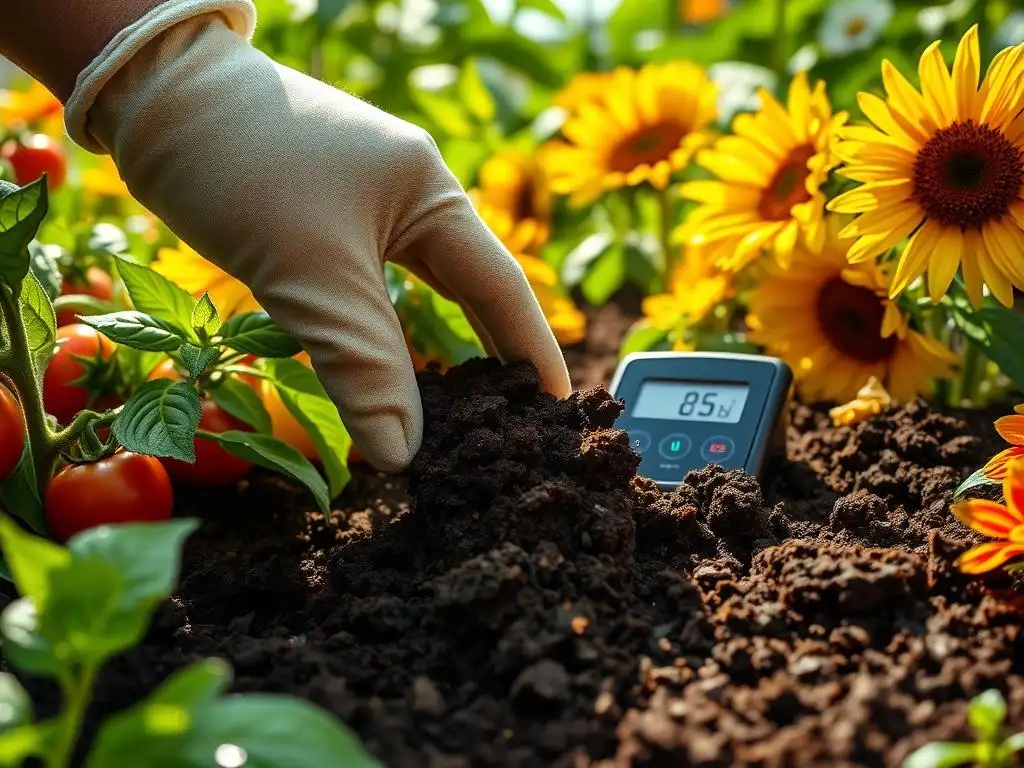
Ready to unlock the secrets to a thriving home garden? At CultivateYourFood, we believe sustainable practices are the key to abundant harvests. This journey begins with understanding your soil, and that's why we're diving deep into the world of soil testing. Discover how choosing the best soil test kit for your home garden can transform your gardening success. Learn how to analyze your soil's composition and unlock its full potential—read on to uncover the essential steps to a truly flourishing and sustainable garden.
- Understanding Your Soil: Why Soil Testing is Crucial for Home Gardens
- Selecting and Using a Home Soil Test Kit: A Step-by-Step Guide
- Addressing Soil Issues Based on Test Results
- Maintaining Soil Health Through Ongoing Monitoring
- Resources for Further Learning: Best Soil Test Kit Home Garden Information
-
Frequently Asked Questions
- What is the importance of soil testing for home gardeners?
- Why should I choose a home soil test kit over sending a sample to a lab?
- What factors should I consider when choosing a home soil test kit?
- How accurate are home soil test kits compared to professional lab tests?
- Where can I find the best soil test kit for my home garden on CultivateYourFood?
- Final Reflection: Cultivating a Healthier Future, One Soil Test at a Time
- Unlock Your Garden's Potential: Take Action Now!
Understanding Your Soil: Why Soil Testing is Crucial for Home Gardens
Growing a thriving home garden, bursting with healthy fruits, vegetables, and herbs, hinges on one fundamental element: healthy soil. Sustainable and organic gardening practices aren't just about avoiding harmful chemicals; they're about understanding and nurturing the very foundation of your plants' growth. This means understanding your soil's composition, its pH level, and its nutrient content.
Soil testing provides this critical information, empowering you to make informed decisions about amending your soil, selecting the right plants, and optimizing your gardening techniques for maximum yield and minimal environmental impact. Ignoring soil testing is like building a house without checking the foundation – it may seem fine initially, but problems will inevitably arise. This article will guide you through the process of soil testing, helping you choose the best soil test kit for your home garden, and interpreting the results to cultivate a truly flourishing garden.
Learning to effectively utilize a soil test kit is a cornerstone of successful and sustainable home gardening, allowing you to maximize the health and productivity of your plants while minimizing waste and environmental impact. Let's dig in! 🥕
The Importance of Soil pH for Plant Health
Soil pH, representing the acidity or alkalinity of your soil, significantly influences nutrient availability to your plants. A balanced pH range, typically between 6.0 and 7.0 for most plants, ensures optimal uptake of essential nutrients like nitrogen (N), phosphorus (P), and potassium (K). An imbalanced pH can lead to nutrient deficiencies or toxicities, hindering plant growth and potentially causing diseases.
For example, a soil that's too acidic (pH below 6.0) can lock up phosphorus, making it unavailable to plants, resulting in stunted growth and poor fruit production. Conversely, a highly alkaline soil (pH above 7.5) can hinder the uptake of iron and other micronutrients, leading to chlorosis (yellowing of leaves). Understanding your soil's pH is therefore the first crucial step in creating a healthy and productive gardening environment.
A reliable soil test kit will provide a precise pH measurement, allowing you to amend your soil with lime (to raise pH) or sulfur (to lower pH) as needed, creating the ideal conditions for your chosen plants to thrive. Accurate pH measurement is crucial for the overall success of sustainable gardening practices.
Identifying Nutrient Deficiencies Through Soil Analysis
Soil testing doesn't just reveal pH levels; it also identifies potential nutrient deficiencies. A comprehensive soil test analyzes the levels of essential macronutrients (nitrogen, phosphorus, and potassium) and micronutrients (iron, zinc, manganese, etc.). Identifying deficiencies early allows for targeted amendments, preventing stunted growth and yield reduction. For instance, a deficiency in nitrogen often manifests as pale green or yellow leaves, while phosphorus deficiency can lead to poor root development and delayed flowering.
Potassium deficiencies can cause weak stems and browning leaf margins. Knowing which nutrients are lacking allows you to apply specific fertilizers or organic amendments to address the imbalance, ensuring your plants receive the complete nutritional profile they need to flourish. This targeted approach minimizes fertilizer waste and promotes environmentally responsible gardening. Remember, the best soil test kit home garden will provide a detailed breakdown of nutrient levels, guiding you towards a balanced and healthy soil ecosystem.
Choosing the Right Soil Test Kit for Your Needs: Best Soil Test Kit Home Garden
Selecting the right soil test kit is crucial for accurate results and informed decision-making. The market offers a variety of kits, ranging from simple pH testers to comprehensive analysis kits that assess multiple parameters. When searching for the "best soil test kit home garden," consider the following factors: Ease of use, accuracy, comprehensiveness of analysis (pH, macronutrients, micronutrients), and cost-effectiveness. Some kits focus solely on pH, while others provide a broader analysis.
Consider your gardening goals and the level of detail you require. For a basic understanding of soil pH, a simple pH meter might suffice. However, for a more comprehensive assessment of nutrient levels, a more advanced kit is recommended.
Regardless of your choice, ensure the kit you select is reputable and provides clear instructions for sample collection and result interpretation. Investing in a high-quality kit ensures accurate data, enabling you to make informed decisions and achieve optimal results in your sustainable gardening efforts. Choosing the right tools, such as the best soil test kit home garden, is crucial for successful and sustainable gardening.
Selecting and Using a Home Soil Test Kit: A Step-by-Step Guide
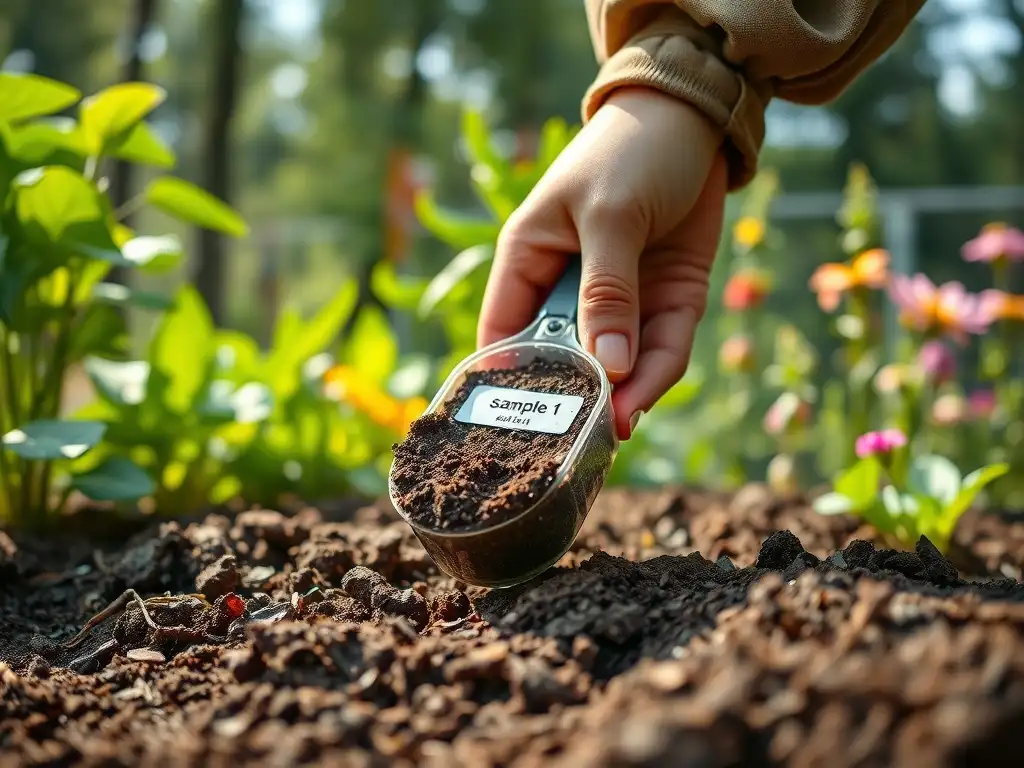
This section provides a practical guide to selecting and utilizing a home soil test kit, crucial for understanding your soil's composition and tailoring your gardening practices for optimal results. Choosing the right kit and following proper sampling techniques are fundamental steps towards achieving a thriving, sustainable home garden. The goal is to find the best soil test kit home garden option for your specific needs.
Choosing the Best Soil Test Kit Home Garden: Factors to Consider
Selecting the best soil test kit home garden requires careful consideration of several factors. Not all kits are created equal; some offer more comprehensive analyses than others. Here's a breakdown of key aspects to evaluate:
- Test Parameters: Determine which nutrients and soil properties are most important to you. Basic kits typically test for pH, nitrogen (N), phosphorus (P), and potassium (K) – the essential macronutrients. More advanced kits may include micronutrients like sulfur, magnesium, calcium, and iron, as well as organic matter content and soil texture information. Consider your specific needs: if you’re primarily growing leafy greens, nitrogen is crucial; for fruiting plants, phosphorus is key.
- Testing Method: Kits employ various methods, including color charts, liquid reagents, and even digital meters. Color chart methods are simpler but may lack precision. Liquid reagent tests offer greater accuracy. Digital meters provide immediate results but can be more expensive.
- Ease of Use: Look for kits with clear instructions and easy-to-follow procedures. Some kits may involve complex steps or require specialized equipment, while others are designed for beginner gardeners. Read reviews to gauge the user-friendliness of different kits.
- Cost and Value: Prices vary significantly depending on the testing parameters and the method used. While a basic kit may suffice for initial assessments, a more comprehensive kit could save you money in the long run by providing a more complete picture of your soil's health. Consider the long-term value and the potential savings from informed fertilizer applications.
- Reputation and Reviews: Check online reviews and ratings to gauge the accuracy and reliability of different brands. Look for kits with consistent positive feedback from other gardeners. This can significantly impact your ability to accurately assess your soil and implement appropriate adjustments.
Choosing the right kit is the first step towards optimizing your soil health and achieving a bountiful harvest. Remember, investing in a high-quality kit is an investment in the success of your garden.
Gathering Your Soil Sample: Techniques for Accurate Results
Obtaining a representative soil sample is paramount for accurate test results. A poorly collected sample can lead to misleading data and ineffective soil amendments. Follow these steps to ensure accuracy:
- Multiple Samples: Don't collect just one sample. Instead, take multiple samples from different areas of your garden, approximately 6-10 samples depending on the garden's size. This accounts for variations in soil composition across the area. Consider the different plant types you will grow in each area, as their needs might vary.
- Sampling Depth: Collect samples from the top 6-8 inches of soil. This is the zone where most plant roots actively absorb nutrients. Use a trowel or soil auger to extract the sample. Avoid including surface debris like leaves or rocks.
- Mixing the Samples: Once you've collected all your samples, thoroughly mix them together in a clean bucket to create a composite sample. This provides a more representative average of your soil's composition.
- Air Drying: Allow the composite sample to air dry for a few days to eliminate excess moisture. This is crucial for many soil testing methods. Avoid direct sunlight to prevent nutrient loss. Proper drying is crucial for many home test kits.
- Sample Size: Follow the instructions provided with your chosen best soil test kit home garden regarding the appropriate sample size for the test. This usually involves a specific amount of dry soil.
Accurate sampling is the cornerstone of effective soil testing. By adhering to these techniques, you'll significantly improve the reliability of your results and the effectiveness of your soil management strategies.
Performing the Soil Test: A Detailed Guide Following Kit Instructions
Once you have your soil sample prepared, carefully follow the instructions provided with your best soil test kit home garden. Each kit has its own unique procedure. However, most involve these general steps:
- Preparation: Gather all necessary materials, including the soil sample, test tubes, reagents, and any other equipment specified in the kit instructions. Ensure you're working in a clean and organized space.
- Adding Reagents: Carefully add the specified amounts of reagents to the soil sample, following the instructions precisely. Accurate measurements are crucial for obtaining reliable results. Some kits might require mixing the sample with water first.
- Incubation: Many kits require an incubation period, allowing the reagents to react with the soil. Follow the specified time and temperature instructions carefully.
- Color Comparison: After the incubation period, compare the resulting color of the solution to the color chart provided in the kit. This will help determine the levels of different nutrients and the pH of your soil. Take your time and ensure proper lighting for accurate comparisons.
- Interpretation: Interpret the results based on the chart and the instructions provided. Understand what the values mean in terms of your soil's health and nutrient levels. Some kits might require online tools for detailed interpretations.
- Record Keeping: Keep a detailed record of your results, including the date, location of the sample, and the values obtained for each parameter. This will help you track changes in your soil over time and assess the effectiveness of your soil management practices.
By meticulously following the instructions and carefully interpreting the results, you can gain valuable insights into your soil's health and make informed decisions to improve its condition and support thriving plant growth. Remember, consistent soil testing is key to sustainable gardening practices.
Interpreting Your Soil Test Results: Understanding the Data
Interpreting your soil test results is crucial for understanding your soil's health and nutrient levels. The results typically provide data on several key parameters, each indicating a different aspect of soil fertility and suitability for your chosen plants. Let's break down what these parameters mean and how to interpret them effectively. Understanding these results empowers you to make informed decisions about amending your soil and optimizing plant growth. Neglecting this step can lead to nutrient deficiencies or imbalances, hindering plant health and potentially impacting yields.
Many home soil test kits provide information on pH levels, macronutrients (nitrogen, phosphorus, and potassium), and sometimes micronutrients. The pH level indicates the soil's acidity or alkalinity, measured on a scale of 0-14, with 7 being neutral. A pH below 7 is acidic, while above 7 is alkaline.
Most plants prefer a slightly acidic to neutral pH range (around 6.0-7.0), but this varies depending on the specific plant species. Your test results will indicate your soil's pH and whether it falls within the optimal range for your intended plants. If it's outside the ideal range, you'll need to amend your soil to adjust the pH, which we'll discuss in more detail later.
Macronutrients, including nitrogen (N), phosphorus (P), and potassium (K), are essential for plant growth. Nitrogen promotes leafy growth, phosphorus aids root development and flowering, and potassium enhances overall plant health and disease resistance. Your soil test will provide the levels of each of these nutrients in your soil, typically expressed in parts per million (ppm) or pounds per acre (lbs/acre).
These values are compared to optimal ranges for various plants, allowing you to identify deficiencies or excesses. For instance, a low nitrogen reading might indicate a need for nitrogen-rich fertilizer, while excessively high levels of phosphorus could indicate a need to reduce phosphorus-containing amendments.
Some more comprehensive home soil test kits also include micronutrients such as iron, manganese, zinc, and copper. These nutrients are required in smaller quantities but are still vital for plant health. Similar to macronutrients, the results will show if levels are deficient or excessive. Micronutrient deficiencies can manifest in various ways, such as chlorosis (yellowing of leaves) or stunted growth. Understanding these results allows for targeted amendments to correct any imbalances.
Remember, soil test results are just one piece of the puzzle. Consider other factors like soil texture, organic matter content, and drainage when making decisions about soil amendments. The results should guide your choices, but experienced gardeners often rely on their observation of plant health as well, using the test as a tool to confirm their suspicions.
Accurate interpretation of your soil test results is fundamental to successful gardening, enabling you to tailor your soil management practices for optimal plant health and yield. Don't hesitate to consult with local agricultural extension services or experienced gardeners if you have any questions or require further clarification on your results.
Addressing Soil Issues Based on Test Results
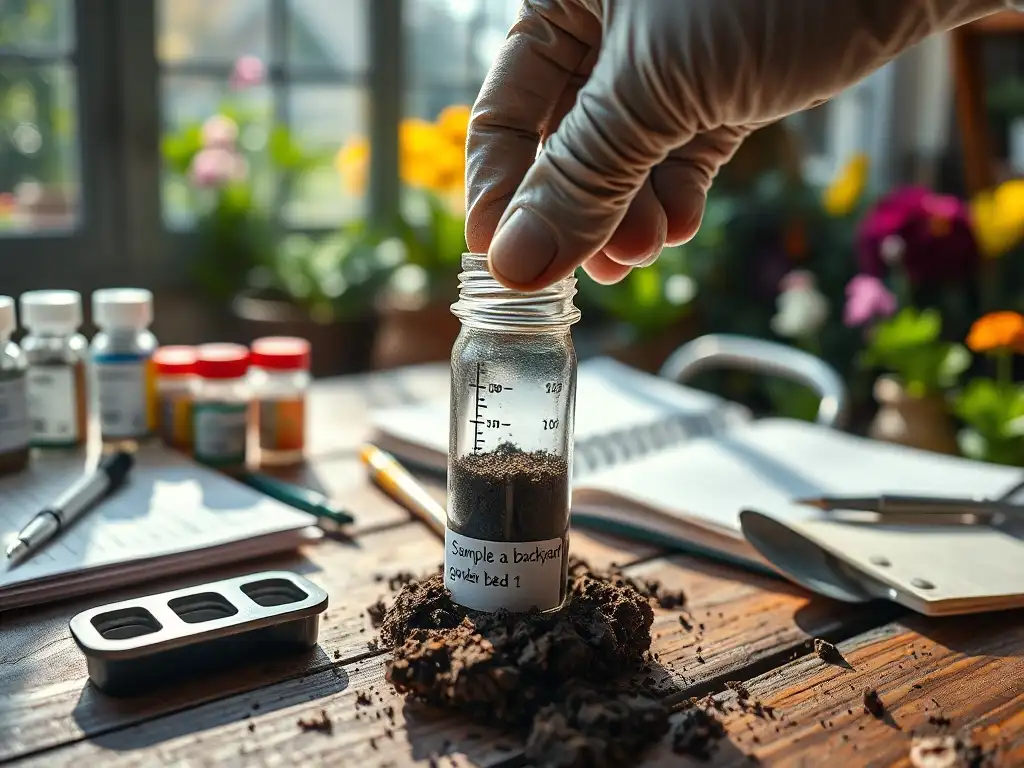
Once you've received your soil test results – a crucial step in achieving your "best soil test kit home garden" – it's time to address any imbalances revealed. Understanding your soil's composition is paramount for successful sustainable gardening. This section focuses on interpreting common soil test results and implementing effective, organic solutions. Remember, the goal is to nurture a thriving ecosystem in your garden, not just grow plants.
Correcting Soil pH: Liming and Acidification Techniques
Soil pH, a measure of soil acidity or alkalinity, significantly impacts nutrient availability. Most plants thrive within a specific pH range. Your soil test will indicate whether your soil is acidic (pH below 7), neutral (pH 7), or alkaline (pH above 7). Correcting pH imbalances is crucial for optimal plant health and nutrient uptake.
The most common method for raising the pH of acidic soil is liming. Agricultural lime (calcium carbonate) is widely available and relatively inexpensive. The amount needed depends on the severity of the acidity and the type of lime used. Always follow the recommendations provided by your soil test results or consult with a local agricultural extension office. Applying lime in the fall allows it to integrate with the soil over the winter, providing better results come spring. Don't forget to thoroughly mix the lime into the soil after application.
Conversely, if your soil is alkaline (high pH), you might need to acidify it. Elemental sulfur is a common amendment for lowering soil pH. However, sulfur oxidizes slowly, so the effects may not be immediately noticeable. Other options include acidifying fertilizers like ammonium sulfate. Again, precise amounts will depend on your soil test results. Remember that significantly altering soil pH is a gradual process; multiple applications may be necessary over several seasons. Regular monitoring with subsequent soil tests is highly recommended. Improper application can harm beneficial soil microorganisms, so proceed cautiously and follow instructions carefully.
Supplementing Essential Nutrients: Organic and Chemical Fertilizers
Your soil test will identify deficiencies in essential macronutrients (nitrogen, phosphorus, and potassium) and micronutrients (iron, zinc, manganese, etc.). Addressing these deficiencies is vital for healthy plant growth.
Organic fertilizers, such as compost, manure, and bone meal, offer a slow-release of nutrients, improving soil structure and promoting beneficial microbial activity. They align perfectly with sustainable gardening practices and the pursuit of a "best soil test kit home garden." Choosing organic fertilizers minimizes environmental impact and promotes long-term soil health. However, organic fertilizers often provide nutrients at a slower rate than their chemical counterparts.
Chemical fertilizers, on the other hand, provide a quick burst of nutrients. They are formulated with precise ratios of NPK (nitrogen, phosphorus, potassium) and can quickly address specific deficiencies. However, overuse can lead to nutrient imbalances, environmental pollution, and damage to soil structure. Chemical fertilizers should be used judiciously and only when necessary, based on your soil test results. Always follow label instructions carefully. The best approach often involves a balanced strategy, combining organic amendments with targeted chemical fertilization where needed. This approach helps maintain soil health while ensuring plants receive the nutrients they require for optimal growth.
Improving Soil Structure: Compost and Organic Matter Amendment
Soil structure refers to the arrangement of soil particles and pore spaces. Good soil structure is essential for water infiltration, aeration, and root growth. Compacted soil, indicated by poor drainage and restricted root growth, is a common problem. Improving soil structure is a key element in achieving a truly "best soil test kit home garden".
Adding organic matter, such as compost, is the most effective way to improve soil structure. Compost improves water retention, aeration, and drainage. It also provides essential nutrients and supports a diverse community of beneficial soil organisms. Aim for a consistent addition of compost to your garden beds annually. This helps to create a healthy, fertile soil that supports vigorous plant growth. The type of compost used—whether it’s from your own composting system or commercially produced—can affect its effectiveness, so consider the source and its nutrient content. Incorporate compost thoroughly into the soil, preferably during tilling or digging. Adding other organic materials such as aged manure or leaf mold can also improve soil structure and nutrient content. Regular soil testing will allow you to monitor the effectiveness of your soil amendment strategy and adjust your approach as needed. Remember, building healthy soil is a continuous process requiring consistent effort and observation.
Managing Soil Salinity: Effective Strategies for Salt-Affected Soils
High soil salinity, a common problem in many regions, significantly impacts plant growth and yield. Excess salts in the soil interfere with water uptake by plant roots, leading to stunted growth, wilting, and ultimately, crop failure. Understanding the severity of salinity, as revealed by your soil test, is crucial in determining the appropriate management strategies. A soil test indicating high levels of soluble salts, particularly sodium, chloride, and sulfate ions, necessitates immediate action.
One of the most effective long-term strategies for managing soil salinity is the improvement of soil drainage. Poor drainage exacerbates salinity problems by preventing the leaching of excess salts. This can involve installing drainage systems, creating raised garden beds, or amending heavy clay soils with organic matter to improve their structure and water infiltration capacity.
The goal is to encourage the free movement of water through the soil profile, carrying away dissolved salts. Remember, effective drainage is a cornerstone of sustainable gardening practices. Consider the specific characteristics of your soil – a sandy soil might require different drainage solutions than a clay soil.
Another crucial aspect is irrigation management. Over-irrigation can contribute to salinity build-up, as the salts are not flushed out. Employing efficient irrigation techniques, such as drip irrigation or subsurface drip irrigation, can minimize water waste and prevent the accumulation of salts in the root zone. Furthermore, adopting a regulated irrigation schedule based on soil moisture monitoring, rather than a fixed schedule, can significantly improve water use efficiency and reduce salinity. This precision approach ensures that plants receive the optimal amount of water without leading to salt build-up.
Beyond drainage and irrigation, amendment with organic matter plays a vital role in salinity management. Organic materials such as compost, well-rotted manure, and leaf mold improve soil structure, increase water retention, and enhance cation exchange capacity. This helps to bind to and immobilize sodium ions, reducing their availability to plants and mitigating the harmful effects of salinity. Organic matter also promotes beneficial microbial activity, which further contributes to soil health and resilience in saline conditions.
The addition of gypsum (calcium sulfate) is another effective amendment. Gypsum helps displace sodium ions from the soil colloids, replacing them with calcium, thus improving soil structure and reducing salinity. However, gypsum application should be guided by soil test results to determine the appropriate amount.
Finally, salt-tolerant plant selection is critical for success in saline environments. Many plants exhibit varying degrees of tolerance to salinity. Choosing varieties known for their ability to thrive in saline conditions is essential for establishing a successful garden in salt-affected soils. Your local agricultural extension office can provide valuable information on salt-tolerant varieties suitable for your region and specific soil conditions.
This proactive approach ensures that your gardening efforts are not hampered by salinity. Remember, understanding your soil’s salinity levels through regular testing is the first step towards successful remediation and sustainable gardening. Choosing the right plants is the next crucial step in building a thriving garden even in challenging conditions. 🌱
Maintaining Soil Health Through Ongoing Monitoring

Maintaining optimal soil health is crucial for successful home gardening, especially when employing sustainable and organic practices. Regular soil testing is not a one-time event; it's an ongoing process that informs your gardening decisions and ensures the long-term vitality of your garden. Think of it as a health check-up for your soil, revealing potential nutrient deficiencies or imbalances before they significantly impact your plants' growth and yield.
By proactively addressing these issues, you can maximize your harvest and minimize the need for chemical fertilizers or pesticides, aligning perfectly with the principles of sustainable gardening. This section will explore the frequency and best practices for regular soil testing, as well as strategies for long-term soil health improvement.
Regular Soil Testing: Frequency and Best Practices
The ideal frequency of soil testing depends on several factors, including your soil type, the types of plants you grow, and your gardening practices. As a general guideline, testing your soil annually is a good starting point for most home gardeners. However, more frequent testing (e.g., twice a year, spring and fall) might be beneficial if you:
- Cultivate nutrient-hungry plants like tomatoes or peppers.
- Observe signs of nutrient deficiencies in your plants (yellowing leaves, stunted growth).
- Have recently amended your soil with significant amounts of organic matter.
- Experience significant changes in your garden’s environment, such as heavy rainfall or drought.
When conducting your soil test, remember these best practices:
- Collect multiple samples: Take samples from different areas of your garden to get a representative picture of your soil's overall health. Avoid sampling areas directly beneath plants or where you've recently added amendments.
- Proper sampling depth: Collect samples from the top 6-8 inches of soil, as this is the zone where most plant roots actively absorb nutrients.
- Accurate labeling: Clearly label each sample with the location and date of collection. This will help you track changes in your soil over time.
- Choosing the right test: Select a soil test kit specifically designed for home gardeners and tailored to your region's soil conditions. Look for kits that test for essential nutrients like nitrogen (N), phosphorus (P), potassium (K), and pH. Consider a kit that provides recommendations based on your results. This is vital for obtaining the best soil test kit home garden results.
Using a reliable soil test kit and following these best practices will provide you with accurate data to inform your gardening decisions.
Long-Term Soil Health Improvement: Sustainable Gardening Strategies
Regular soil testing provides valuable insights, but it's only one piece of the puzzle. Improving and maintaining soil health requires a holistic approach that incorporates sustainable gardening practices. These practices work synergistically to enhance soil structure, fertility, and microbial activity, creating a thriving environment for your plants.
Here are some key strategies:
- Composting: Adding compost to your garden regularly enriches the soil with organic matter, improving its structure, water retention, and nutrient content. This is a cornerstone of sustainable gardening.
- Cover cropping: Planting cover crops (like clover or rye) during fallow periods helps prevent soil erosion, suppress weeds, and add organic matter back into the soil.
- Crop rotation: Rotating different plant families each year helps prevent the depletion of specific nutrients and reduces the risk of pest and disease buildup.
- Mulching: Applying a layer of mulch (like straw or wood chips) helps retain soil moisture, suppress weeds, and regulate soil temperature.
- No-till gardening: Avoiding tilling helps preserve the soil's structure and protects beneficial soil organisms.
Implementing these sustainable practices, in conjunction with regular soil testing, will contribute to long-term soil health and create a more resilient and productive garden. The data from your soil tests will guide you in adjusting your practices as needed, creating a feedback loop for continuous improvement.
Documenting Your Soil Test Results: Tracking Progress Over Time
Consistent record-keeping is essential for understanding the long-term trends in your soil's health. Create a simple spreadsheet or journal to document your soil test results, including:
- Date of testing: Essential for tracking changes over time.
- Location of sample: Identify the specific area of your garden where the sample was taken.
- Nutrient levels (N, P, K): Record the values obtained from your soil test kit.
- pH level: Note the acidity or alkalinity of your soil.
- Amendments applied: Document any fertilizers, compost, or other amendments added to the soil, along with the amounts and dates of application.
- Observations: Include any observations about your plants' growth and health, noting any correlations with your soil test results.
Example Spreadsheet Columns
Date | Location | pH | N (ppm) | P (ppm) | K (ppm) | Amendments Applied | Observations
------- | -------- | -------- | -------- | -------- | -------- | -------- | --------
By meticulously documenting your soil test results and gardening practices, you can identify patterns, assess the effectiveness of your soil management strategies, and make informed adjustments to optimize your garden's productivity and sustainability. This data-driven approach ensures that your "best soil test kit home garden" efforts yield the best results possible, year after year.
Integrating Soil Testing into Your Sustainable Gardening Plan: Best Soil Test Kit Home Garden for Long-Term Use
Regular soil testing is paramount for maintaining soil health and achieving optimal yields in your home garden. It's not a one-time event; rather, it's an ongoing process integral to sustainable gardening practices. Think of it as a yearly checkup for your garden's health. By understanding your soil's composition—its pH levels, nutrient content, and potential deficiencies—you can proactively address imbalances before they significantly impact plant growth.
This proactive approach minimizes the need for excessive chemical fertilizers and pesticides, aligning perfectly with organic and sustainable gardening principles. Choosing the right soil test kit for your needs is crucial for long-term success. Consider kits that offer comprehensive testing, including analysis of essential macronutrients (nitrogen, phosphorus, potassium) and micronutrients (iron, manganese, zinc, etc.). Some kits even test for soil pH and organic matter content, providing a holistic picture of your soil's health.
Investing in a high-quality kit, even if it's slightly more expensive upfront, will pay off in the long run by providing accurate and reliable data to guide your gardening decisions. Don't skimp on this fundamental aspect of sustainable gardening. The best soil test kit home garden options will often provide clear instructions, reliable results, and potentially even recommendations for soil amendments based on your results.
The frequency of soil testing depends on several factors, including your soil type, the types of plants you're growing, and your gardening practices. For example, sandy soils tend to leach nutrients more quickly than clay soils, requiring more frequent testing. Similarly, heavy feeders like tomatoes and peppers may deplete soil nutrients faster than other plants, necessitating more regular monitoring.
A good rule of thumb is to test your soil annually, especially before planting a new season's crops. However, if you notice signs of nutrient deficiency (yellowing leaves, stunted growth), or if you've significantly altered your gardening practices (e.g., switching to a new composting regimen), you may need to conduct more frequent tests. Remember, consistent monitoring allows for timely interventions, preventing problems from escalating and ensuring the long-term health and productivity of your garden.
A well-maintained soil is the cornerstone of a thriving, sustainable garden, and regular soil testing is the key to unlocking its full potential. Think of it as an investment in the future of your garden—an investment that yields both healthy plants and a healthier environment.
Choosing a “best soil test kit home garden” isn't just about finding the cheapest option. Consider the range of nutrients tested, the ease of use, the accuracy of the results, and the overall value. Read reviews from other gardeners to gauge the reliability of different kits.
Look for kits that provide clear and understandable instructions, as well as recommendations for soil amendments based on your test results. Some kits may offer online resources or support to help you interpret the data and develop a soil improvement plan. Remember, the goal is not just to get a number, but to use that number to inform your gardening practices and create a thriving, sustainable garden.
By integrating regular soil testing into your gardening routine, you'll be well on your way to cultivating healthy, productive plants year after year. This proactive approach minimizes the need for harsh chemicals and maximizes the natural resources of your garden, creating a truly sustainable and rewarding gardening experience. The payoff is a healthier garden, healthier plants, and a healthier planet.
Resources for Further Learning: Best Soil Test Kit Home Garden Information
Finding the best soil test kit for your home garden can significantly impact your gardening success. Choosing the right kit depends on your specific needs and the level of detail you require. This section explores resources to help you make an informed decision and maximize your soil testing efforts.
Understanding your soil's composition is crucial for achieving optimal plant growth and minimizing environmental impact, aligning perfectly with sustainable gardening practices. A well-chosen soil test kit is the cornerstone of effective soil management, offering valuable insights into the nutrient levels, pH balance, and potential problems within your soil. This empowers you to make targeted adjustments, improving the health of your plants and the overall sustainability of your garden.
Recommended Books and Websites on Soil Science and Gardening
Investing in reliable resources can elevate your understanding of soil science beyond the basics offered by a soil test kit. Several excellent books and websites provide in-depth information on soil composition, nutrient management, and sustainable gardening practices. These resources can help interpret your test results and guide you in creating a thriving garden.
For example, many trusted agricultural universities offer free online resources, including detailed guides on soil testing and interpretation. These often include downloadable fact sheets and videos explaining complex concepts in accessible ways. Similarly, several reputable gardening websites provide articles and forums discussing soil health, sustainable practices, and the use of soil test kits. These online communities often feature expert advice and practical tips shared by experienced gardeners.
Beyond websites and online resources, a well-stocked library contains numerous books dedicated to soil science and organic gardening. These books often delve into the intricacies of soil biology, nutrient cycling, and sustainable soil management, providing a deeper understanding of your test results and their implications.
Local Agricultural Extension Offices: Expert Advice and Support
Your local agricultural extension office is an invaluable resource for obtaining personalized advice on soil testing and gardening practices. These offices are staffed with experts who can provide tailored guidance based on your specific location, soil type, and climate. They often offer soil testing services at a fraction of the cost of commercial labs, providing accurate and reliable results.
Beyond soil testing, your local agricultural extension office can provide valuable support in various aspects of gardening. They offer workshops, seminars, and one-on-one consultations on topics such as composting, pest control, and selecting the right plants for your region. This personalized support complements the information you gain from a soil test kit, ensuring you have the knowledge and resources necessary to cultivate a thriving and sustainable garden. Reaching out to your local office is a proactive step towards creating a successful and environmentally conscious garden.
Online Communities for Sustainable Gardeners: Sharing Knowledge and Experiences
Connecting with other sustainable gardeners online can provide a wealth of information, support, and inspiration. Many online forums and social media groups are dedicated to organic gardening and sustainable practices. These communities offer a platform to share experiences, ask questions, and learn from others' successes and challenges.
Participating in these online communities can be particularly beneficial when interpreting your soil test results. You can post your results and ask for advice from experienced gardeners who may have faced similar situations. This collaborative approach allows you to gain diverse perspectives and learn from a wide range of experiences, enriching your understanding of soil management and sustainable gardening.
Moreover, these online communities often foster a sense of camaraderie, making the learning process more enjoyable and rewarding. The shared passion for sustainable gardening creates a supportive environment where you can connect with like-minded individuals and learn from their collective knowledge. This exchange of information can significantly enhance your gardening skills and contribute to a more sustainable and successful garden.
Frequently Asked Questions
What is the importance of soil testing for home gardeners?
Soil testing is crucial for sustainable gardening. It helps determine your soil's nutrient levels, pH, and potential problems, allowing you to amend it accordingly for optimal plant growth. This leads to healthier plants and reduces the need for excessive fertilizers.
Why should I choose a home soil test kit over sending a sample to a lab?
Home soil test kits offer convenience and affordability. They provide quick results, allowing you to immediately address soil issues. Lab tests are more precise but can be time-consuming and expensive.
What factors should I consider when choosing a home soil test kit?
Look for kits that test for essential nutrients (nitrogen, phosphorus, potassium), pH, and potentially other important elements. Consider ease of use and the clarity of instructions for accurate results. Read reviews to find a reputable brand.
How accurate are home soil test kits compared to professional lab tests?
Home kits offer a good estimate of your soil's composition, sufficient for most home gardeners. While not as precise as lab tests, they provide valuable information to guide your gardening decisions and improve soil health.
Where can I find the best soil test kit for my home garden on CultivateYourFood?
While we don't sell products directly, CultivateYourFood provides comprehensive guides and reviews to help you choose the best soil test kit for your needs. We focus on recommending kits that deliver reliable results and are easy to use, aligning with our sustainable gardening philosophy.
Final Reflection: Cultivating a Healthier Future, One Soil Test at a Time
Understanding your soil is not just a gardening hobby; it's a fundamental step towards building a more sustainable and resilient food system. The information presented in this article highlights the crucial role soil testing plays in optimizing plant health, minimizing environmental impact, and ultimately, maximizing the yield and quality of your homegrown produce. Ignoring this foundational aspect of gardening is akin to building a house without a proper foundation – it's unsustainable and ultimately destined for failure.
The impact of soil health extends far beyond the individual garden; it's intrinsically linked to the broader ecological health of our planet. Healthy soil sequesters carbon, supports biodiversity, and contributes to cleaner water resources. As we face increasing challenges related to climate change and food security, understanding and improving soil health becomes even more critical. The nation that destroys its soil destroys itself.
– Franklin D. Roosevelt. This quote, though decades old, remains strikingly relevant in our current context, emphasizing the urgent need for responsible land management practices, starting right in our own backyards.
Now, consider your own garden. What steps will you take to ensure its long-term health and productivity? Will you invest in a soil test kit and begin the journey towards understanding the unique needs of your soil? The information provided in this article is not just knowledge; it's a tool. Use it wisely, and you will not only reap the rewards of a thriving garden but also contribute to a more sustainable and vibrant future for generations to come. Start your soil testing journey today – your plants, and the planet, will thank you for it.
Unlock Your Garden's Potential: Take Action Now!
Thank you for learning about the importance of soil testing for a thriving garden! You now have the knowledge to cultivate healthier, more productive plants. Let's put that knowledge to work. Here's how to get started:
- Order your soil testing kit today! This crucial first step will help you understand your soil's unique needs and unlock its full potential. Knowing your soil's composition is key to successful gardening.
- Share this article with fellow gardeners! Help spread the word about the benefits of soil testing and inspire others to cultivate healthier gardens.
- Explore our website's resources for more detailed information on interpreting your results and creating a personalized fertilization plan.
What nutrient deficiency are you most curious about addressing in your garden now that you understand soil testing?