
Canning Resources and Communities: Where to Find Support and Inspiration

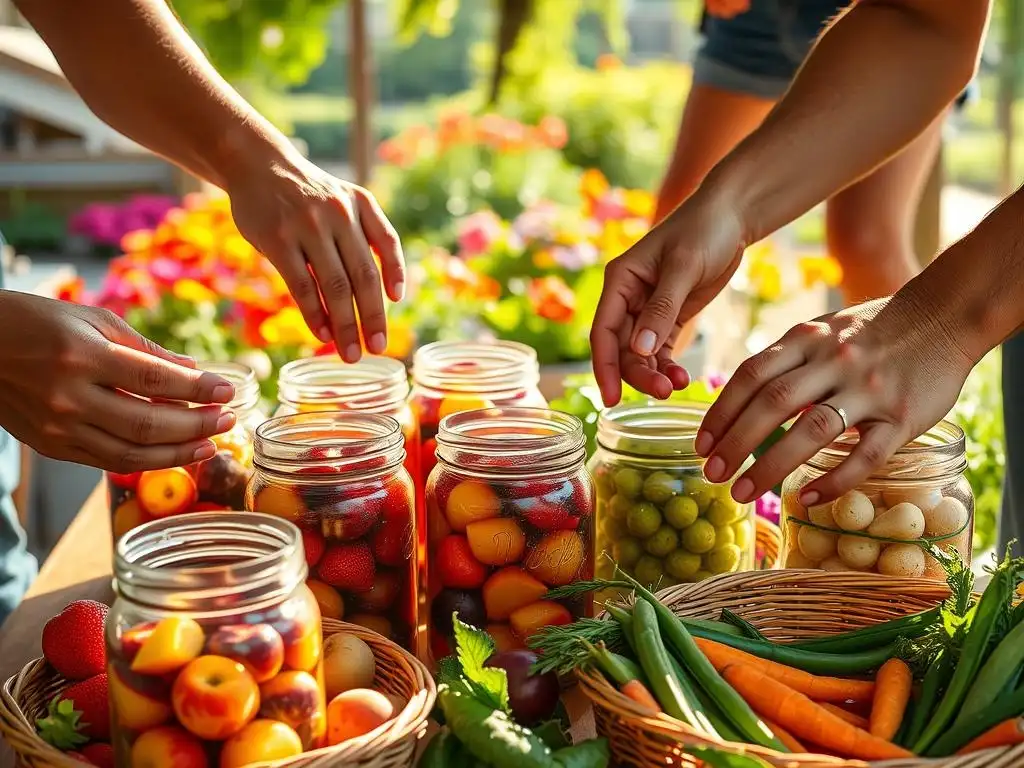
Welcome to CultivateYourFood, your guide to a thriving home garden! Are you ready to unlock the secrets to growing delicious and nutritious fruits, vegetables, and herbs using sustainable methods? We're passionate about empowering home gardeners, and our focus on organic gardening community support will help you connect with like-minded individuals and build a supportive network. Discover the joys of harvesting your own bounty and learn how to preserve it – dive into our article on Canning Resources and Communities to find your place in this vibrant world of home cultivation.
-
Finding Your Local Organic Gardening Community
- Connecting with Local Canning Enthusiasts: Farmers' Markets and Events
- Online Forums and Social Media Groups for Home Canning
- Utilizing Local Libraries and Community Centers for Canning Resources
- Engaging with Local Agricultural Extension Offices for Canning Advice
- Utilizing Online Forums and Social Media Groups for Organic Canning Support
- Online Resources for Organic Canning Techniques
- Expanding Your Organic Canning Knowledge
- Building a Sustainable Canning Practice: Tips and Tricks
-
The Benefits of Joining an Organic Gardening Community Support Network
- Gaining Confidence in Your Canning Skills: Peer Support and Mentorship
- Accessing Expert Advice and Troubleshooting: Collaborative Problem-Solving
- Building Connections: Sharing Experiences and Recipes Within the Community
- Expanding Your Knowledge: Learning from Others and Staying Updated on Canning Trends
-
Frequently Asked Questions
- Where can I find an organic gardening community for support?
- What kind of support can I expect from an organic gardening community?
- How can CultivateYourFood help me connect with an organic gardening community?
- Are there any resources specifically for beginners in organic gardening?
- What are the benefits of joining an organic gardening community?
- Final Reflection: Cultivating Community Through Canning
- Unleash Your Inner Canner: Join the Preserving Revolution!
Finding Your Local Organic Gardening Community
Preserving the fruits of your labor – whether it's vibrant tomatoes bursting with flavor, crisp cucumbers ready for pickling, or fragrant herbs waiting to be infused into oils – is a rewarding aspect of organic gardening. But the journey doesn't end with the harvest. Successfully canning your homegrown produce requires knowledge, skill, and often, a supportive community.
This article explores the diverse resources and communities available to help you master the art of home canning while embracing sustainable and organic practices. Finding a network of fellow canning enthusiasts can significantly enhance your experience, providing access to valuable advice, shared recipes, and a sense of belonging within the wider organic gardening movement. This is crucial for ensuring your canned goods are not only delicious but also safely preserved, aligning perfectly with the principles of organic and sustainable food production.
Let's explore the many avenues available to connect with like-minded individuals and build your own supportive canning network. The benefits extend beyond just practical tips; it's about fostering a shared passion for growing and preserving food organically.
Connecting with Local Canning Enthusiasts: Farmers' Markets and Events
Farmers' markets are more than just places to buy fresh, locally grown produce; they're vibrant hubs of agricultural activity and community engagement. They often host workshops, demonstrations, and talks on a variety of gardening-related topics, including canning and preserving. Attending these events provides a fantastic opportunity to connect with experienced canners, learn new techniques, and even swap recipes. Many seasoned gardeners are happy to share their expertise and answer questions, offering a wealth of practical knowledge.
Furthermore, farmers' markets often feature local artisans selling canning supplies, such as jars, lids, and other essential equipment. This presents an opportunity to source high-quality materials while supporting local businesses. Consider attending local county fairs or agricultural festivals as well.
These events frequently showcase home-canned goods and offer competitions, providing a fantastic chance to see the results of others' efforts and gain inspiration for your own canning projects. Look for workshops specifically focused on safe canning practices, particularly if you're a beginner. These workshops often cover crucial aspects such as proper sterilization techniques and safe handling of food.
The digital world offers a wealth of opportunities to connect with a global community of home canners. Online forums and social media groups dedicated to organic gardening and home preserving are excellent resources for finding support and inspiration. These platforms provide a space to ask questions, share recipes, troubleshoot problems, and exchange advice with fellow enthusiasts.
Many groups are organized around specific geographic locations, enabling you to connect with people in your area and potentially arrange in-person meetups. The diversity of experience within these online communities is invaluable. You can find advice on everything from choosing the right equipment to dealing with common canning challenges.
Searching for groups using keywords like "organic canning," "home preserving," and "sustainable food preservation" will yield numerous results. Remember to be mindful of the information you find online and always prioritize reliable sources and safety guidelines when following recipes or techniques. Engaging with these communities can foster a sense of shared accomplishment and mutual support, making the entire canning process more enjoyable and less daunting.
Utilizing Local Libraries and Community Centers for Canning Resources
Your local library and community center can be surprisingly valuable resources for home canners. Many libraries offer a wide range of books and magazines on gardening, preserving, and canning. These resources can provide detailed instructions, recipes, and safety guidelines. Check your library's catalog for books on specific canning techniques, such as water bath canning, pressure canning, and fermenting.
Additionally, many libraries host workshops and classes on various topics, including food preservation. These classes often cover the basics of canning and provide hands-on experience. Community centers frequently offer similar resources and programs, sometimes in collaboration with local gardening clubs or agricultural organizations.
By actively engaging with these community resources, you gain access to reliable information and a supportive network of individuals passionate about sustainable food practices. Don't underestimate the power of these often-overlooked local hubs in your quest to become a proficient and confident home canner. They offer a blend of practical knowledge and community engagement, crucial for successful organic gardening and home preservation.
Engaging with Local Agricultural Extension Offices for Canning Advice
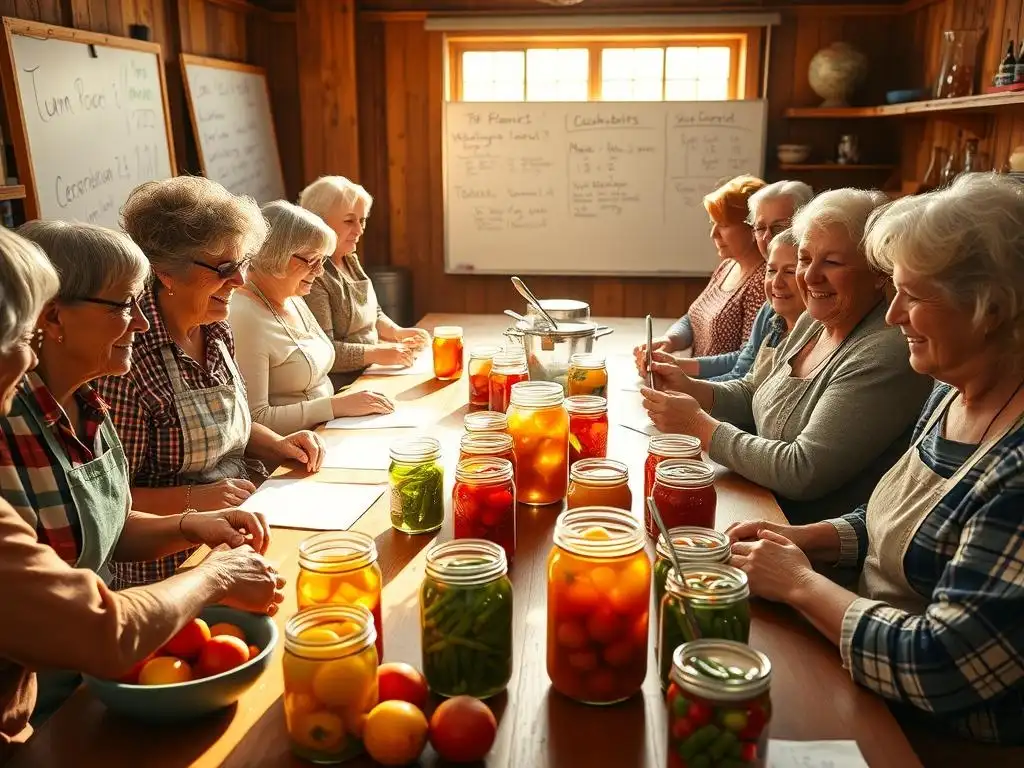
Agricultural Extension Offices, often affiliated with state universities or land-grant colleges, are invaluable resources for home gardeners seeking expert advice on canning and preserving. These offices typically employ specialists in horticulture, food science, and other relevant fields who can provide evidence-based guidance on safe canning practices, best methods for preserving specific fruits and vegetables, and troubleshooting common problems.
Their expertise extends beyond simple recipes; they can help you understand the science behind canning, ensuring you create safe and high-quality products. This is particularly crucial for organic gardeners who might have specific concerns about preserving the nutritional value and integrity of their homegrown produce.
Many extension offices offer workshops, classes, and demonstrations on various aspects of food preservation, including canning. These hands-on opportunities provide invaluable learning experiences and allow you to interact directly with experts. Check their websites or contact them directly to find out about upcoming events and workshops in your area.
They often have detailed schedules of classes and resources available online, including fact sheets and publications on safe canning techniques, recipes tailored to specific produce, and information on local food preservation regulations. Taking advantage of these resources can significantly enhance your canning skills and confidence. Don't hesitate to reach out even with seemingly small questions; the staff is there to help you succeed in your food preservation endeavors.
For instance, they can advise on the best jar sizes for specific yields, the appropriate processing times for different fruits and vegetables based on altitude, and safe ways to handle potentially hazardous foods. Their expertise ensures your canned goods are both delicious and safe for consumption.
The digital age offers a wealth of opportunities to connect with like-minded individuals passionate about organic gardening and canning. Online forums and social media groups dedicated to these topics provide a supportive environment for sharing knowledge, recipes, and experiences. These communities often boast a diverse range of expertise, from seasoned canners to enthusiastic beginners, creating a collaborative space for learning and problem-solving. Search for groups focused on "organic canning," "home preserving," or "sustainable food preservation" on platforms like Facebook, Instagram, or specialized gardening forums.
Engaging in these online communities allows you to access a vast reservoir of information, ask questions, and receive feedback from experienced individuals. The shared experiences and collective knowledge within these groups can be invaluable, especially when dealing with unexpected challenges or seeking advice on specific techniques. Remember to always critically evaluate the information you find online and prioritize advice from reputable sources or experienced canners.
Furthermore, many of these online communities are specifically focused on sustainable and organic practices, making them ideal for connecting with people who share your values and goals. You can find support for sourcing organic ingredients, finding sustainable canning supplies, and even swapping recipes and tips for maximizing the nutritional value of your homegrown produce. The sense of community fostered in these online spaces can be incredibly rewarding, creating a supportive network of individuals passionate about preserving food and living sustainably.
Participating actively, sharing your own experiences, and offering assistance to others fosters a collaborative environment where everyone benefits from the collective knowledge. The exchange of ideas and encouragement can inspire and motivate you throughout your canning journey.
Online Resources for Organic Canning Techniques
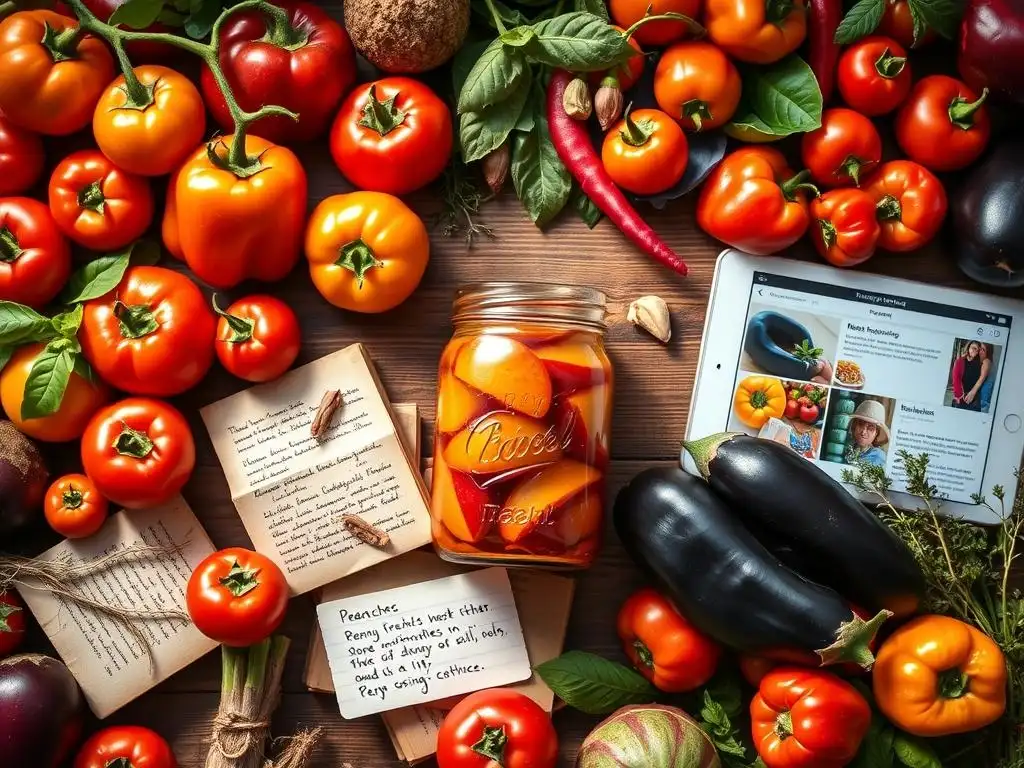
This section explores the wealth of online resources available to support your journey into organic canning. Finding reliable information is crucial for safe and successful preservation of your homegrown harvest. The internet offers a plethora of options, ranging from structured courses to informal recipe sharing, all contributing to building a strong foundation in organic canning practices. Leveraging these resources effectively can significantly enhance your canning skills and contribute to a thriving organic gardening community support network.
Mastering Organic Canning Methods: Online Courses and Tutorials
Many dedicated websites and platforms now offer comprehensive online courses specifically focused on organic canning methods. These courses often go beyond simple recipes, delving into the science behind food preservation, explaining the importance of proper sterilization techniques, and emphasizing the nuances of working with organically grown produce. Look for courses that cover topics such as:
- Acidification techniques: Understanding the role of pH in preventing botulism and other harmful bacteria is paramount in safe canning. Courses should provide detailed explanations of how to properly adjust the acidity of low-acid foods like tomatoes and vegetables.
- Water bath vs. pressure canning: A clear understanding of when to use each method is crucial. High-quality courses will carefully explain the differences and provide clear guidelines for safe execution of both techniques.
- Troubleshooting common canning problems: Even experienced canners encounter issues. A good course will address common problems, such as jar seals failing or spoilage, and provide practical solutions.
- Safe handling and storage of canned goods: Proper storage is essential for maintaining the quality and safety of your canned food. Courses should offer guidelines on optimal storage conditions, shelf life, and recognizing signs of spoilage.
These structured learning environments offer a significant advantage over simply searching for individual recipes, providing a holistic and safe approach to organic canning. The ability to ask questions and interact with instructors or fellow students fosters a sense of community and shared learning, further strengthening your organic gardening community support network.
Accessing Reliable Canning Recipes and Guides Online
While online courses provide a structured learning experience, many reliable sources offer specific canning recipes and detailed guides. However, it's crucial to exercise caution and discern reputable sources from less reliable ones. Look for websites and publications affiliated with reputable organizations focused on food preservation, home economics, or sustainable agriculture.
Consider these factors when evaluating online canning resources:
| Factor | Description |
|---|---|
| Source Reputation | Check the author's credentials and the website's overall credibility. Look for affiliations with established organizations or universities. |
| Recipe Detail | Reliable recipes provide precise measurements, detailed instructions, and clear safety guidelines. |
| User Reviews | Look for user reviews and feedback to gauge the recipe's success rate and identify potential issues. |
| Updated Information | Ensure the information is current and reflects best practices in food safety and organic canning techniques. |
Remember, using outdated or unreliable recipes can compromise the safety of your canned goods. Prioritizing verified information is critical for building trust within your organic gardening community support network and ensuring the safety of your preserved foods.
Utilizing Online Recipe Sharing Platforms for Canning Inspiration
Online recipe sharing platforms can be a fantastic source of inspiration for your organic canning endeavors. While exercising caution and verifying information is still crucial, these platforms offer access to a diverse range of recipes and techniques contributed by home canners. You can discover unique flavor combinations and learn new ways to preserve your harvest.
However, remember to always:
- Verify the source: Check the user's profile and reviews to assess their experience and reliability.
- Adapt recipes to your needs: Adjust recipes to suit your specific ingredients and equipment.
- Prioritize safety: Never compromise on safety guidelines, even if adapting a recipe. Always follow established canning procedures for safe preservation.
Engaging with online recipe sharing platforms can foster a sense of community and shared experience, enriching your organic gardening community support network. By participating in discussions and sharing your own successes (and challenges! ), you contribute to a collective knowledge base that benefits everyone involved. This collaborative approach is a cornerstone of a strong and supportive organic gardening community.
Finding Expert Advice: Blogs and Websites Dedicated to Home Canning
Finding reliable information is crucial for safe and successful home canning. Many blogs and websites offer expert advice, detailed tutorials, and troubleshooting tips for organic canning techniques. These resources often feature experienced canners who share their knowledge and best practices, covering everything from selecting the right produce to mastering specific canning methods like water bath canning and pressure canning. Look for websites with a strong emphasis on food safety guidelines, as these are paramount in preventing spoilage and potential health risks.
Pay close attention to websites that clearly cite sources and provide evidence-based information, avoiding those that rely on anecdotal evidence or unsubstantiated claims. A good resource will also include detailed instructions with clear pictures or videos, making the process easier to follow, even for beginners. Remember to always cross-reference information from multiple sources to ensure accuracy and consistency in your approach.
Many established canning blogs have built loyal communities around their content, offering additional opportunities for support and interaction. This community aspect can be invaluable when tackling more challenging aspects of home canning. For example, a blog might offer a forum or comment section where users can ask questions, share their experiences, and receive feedback from other experienced canners and the blog's author.
Several key factors distinguish truly helpful resources from less reliable ones. The presence of detailed, step-by-step instructions with accompanying visuals is critical. Look for resources that clearly explain the rationale behind each step, not just the steps themselves.
This deeper understanding of the underlying principles of canning ensures you can adapt the techniques to different situations and ingredients. Furthermore, credible websites frequently update their content to reflect the latest research and best practices in food safety. This commitment to accuracy demonstrates a responsible approach to information sharing, building trust and confidence in the source.
Finally, a well-maintained website with a responsive design and easy navigation demonstrates a commitment to user experience, making it easier to find the information you need quickly and efficiently. Remember that responsible organic gardening and canning practices are deeply interconnected, focusing on both preserving the integrity of your harvest and ensuring the safety of your preserved food.
Expanding Your Organic Canning Knowledge
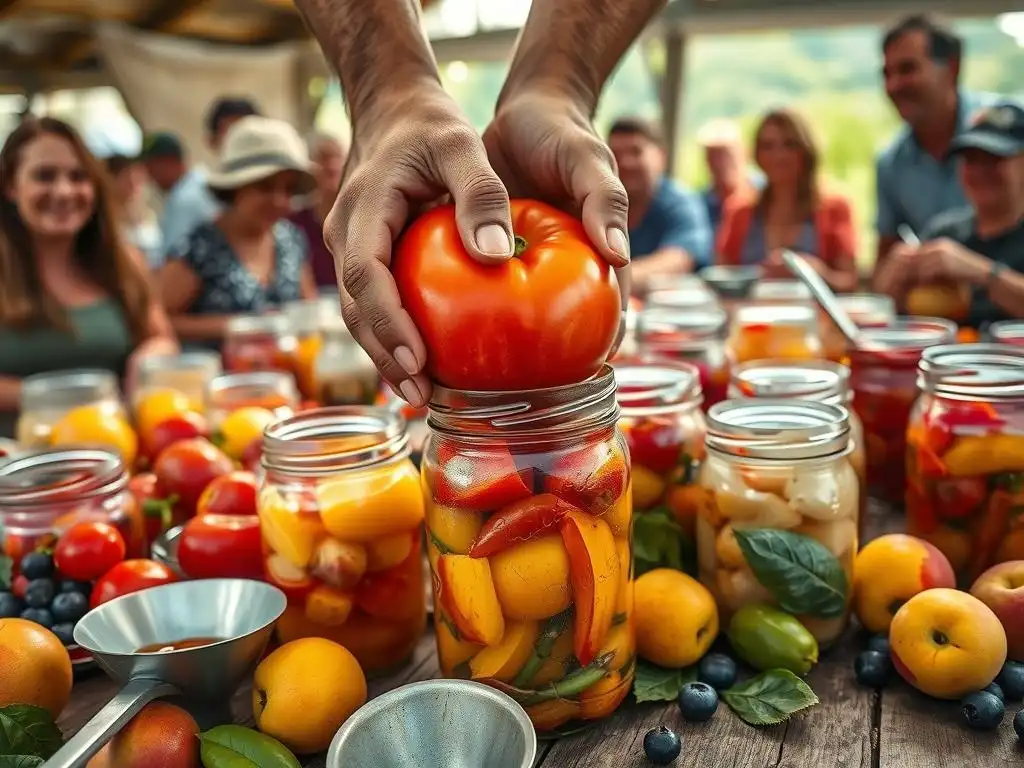
This section delves into the practical aspects of expanding your organic canning knowledge, focusing on techniques, safety, and method selection. Mastering these elements is crucial for ensuring the quality and safety of your home-canned goods, maximizing the benefits of your organic gardening efforts. We'll explore advanced techniques, food safety regulations, and the differences between water bath and pressure canning methods. Building a strong foundation in these areas will empower you to confidently preserve your harvest year after year.
Advanced Canning Techniques for Fruits and Vegetables
Beyond the basics of water bath canning, several advanced techniques can elevate your home-canned goods. These techniques often enhance the flavor, texture, and shelf life of your preserves. For example, consider low-acid fruit canning. Fruits like tomatoes and certain berries require a pressure canner to ensure safe preservation due to their naturally lower acidity levels. Improperly canned low-acid fruits can harbor harmful bacteria, leading to spoilage or illness. Therefore, understanding the acidity levels of your ingredients is paramount.
Another advanced technique is the use of modified atmosphere packaging (MAP) within the canning process. This involves replacing the air within the jars with a mixture of gases (often nitrogen and carbon dioxide) to inhibit the growth of microorganisms and extend the shelf life of the canned product. While requiring specialized equipment, MAP can significantly improve the quality and longevity of your canned goods. This is particularly useful for preserving delicate vegetables that might suffer texture degradation during traditional canning.
Finally, mastering techniques like blanching and pre-treatments before canning is vital. Blanching vegetables before canning helps to inactivate enzymes that can cause discoloration and loss of texture. These pre-treatments vary based on the specific fruit or vegetable and impact its final quality. For instance, proper blanching of green beans is crucial to maintain their vibrant green color and crisp texture. Failure to properly blanch can result in dull, mushy beans.
Understanding Food Safety Regulations for Home Canning
Home canning, while rewarding, necessitates adherence to strict food safety guidelines to prevent botulism and other foodborne illnesses. These regulations aren't arbitrary; they are based on scientific research and extensive testing to ensure the safety of preserved foods. Ignoring these guidelines can have serious health consequences.
Understanding the role of pH levels is crucial. High-acid foods (pH below 4.6) can generally be safely preserved using a boiling water bath canner, while low-acid foods (pH above 4.6) require a pressure canner to reach the temperatures necessary to destroy potentially harmful spores. Improper canning of low-acid foods, like improperly processed green beans, can result in serious health risks. Always consult reliable resources for accurate pH levels of various foods.
Furthermore, maintaining proper jar sterilization is non-negotiable. Contaminated jars can easily compromise your canned goods, leading to spoilage and potential illness. Thoroughly cleaning and sterilizing jars before filling them is a critical step in the canning process. A pressure canner can also be used for sterilizing jars. Using a reliable sterilization method ensures your product’s safety.
Finally, accurate processing times are essential. Under-processing can leave harmful bacteria alive, while over-processing can negatively impact the quality of your canned goods. Always refer to tested and reliable recipes and resources for accurate processing times. Using a reliable pressure canner with a pressure gauge is very important in this step.
Exploring Different Canning Methods: Water Bath vs. Pressure Canning
The choice between water bath canning and pressure canning hinges on the acidity level of the food being preserved. Water bath canning is suitable for high-acid foods like jams, jellies, and pickled foods. The boiling water provides sufficient heat to destroy harmful microorganisms. This method is generally simpler and requires less specialized equipment.
Pressure canning, on the other hand, is essential for low-acid foods such as vegetables, meats, and some fruits. The increased pressure inside the canner allows for higher temperatures, which are necessary to destroy spores of Clostridium botulinum, the bacterium responsible for botulism. Pressure canning requires a pressure canner, which is a more significant investment. Failure to use a pressure canner for low-acid foods can result in dangerous bacterial growth.
The table below summarizes the key differences:
| Feature | Water Bath Canning | Pressure Canning |
|---|---|---|
| Acidity Level | High-acid foods | Low-acid foods |
| Temperature | Boiling water (212°F/100°C) | Above 212°F/100°C |
| Equipment | Water bath canner | Pressure canner |
| Complexity | Simpler | More complex |
| Examples | Jams, jellies, pickles | Vegetables, meats, some fruits |
Choosing the correct method is crucial for both food safety and quality. Always prioritize safety and use the appropriate method based on the acidity level of your ingredients. Ignoring this distinction can have severe health consequences. 🥕
Preserving the Harvest: Choosing the Right Jars and Lids for Canning
Selecting the appropriate jars and lids is paramount for successful and safe canning. Using the wrong equipment can lead to spoilage, foodborne illness, and wasted produce – a disheartening outcome after all the effort invested in your organic garden. Therefore, understanding the nuances of jar and lid selection is crucial for preserving your harvest.
The most common type of jar used for home canning is the mason jar. These iconic glass jars come in various sizes, from pint-sized jars ideal for jams and jellies to quart-sized jars perfect for tomatoes and pickles. When choosing mason jars, ensure they are specifically designed for canning; some jars marketed as "mason jars" may lack the necessary heat resistance for safe processing. Look for jars with a smooth, even surface free from chips or cracks. Damaged jars can compromise the seal, increasing the risk of contamination.
Beyond the jar itself, the lid is equally important. Canning lids typically consist of two parts: a flat metal lid and a screw band. The flat lid features a rubber sealing compound that creates an airtight seal once processed. It's crucial to use new lids every time you can.
Reusing lids significantly increases the risk of failure, as the sealing compound can degrade over time, compromising the airtight seal necessary to prevent spoilage and bacterial growth. The screw band, on the other hand, can be reused multiple times, provided it's not damaged or bent. Always check the lids for any signs of damage or rust before using them. Discard any lids that appear compromised.
Properly preparing your jars and lids before canning is also essential. Wash all jars and lids thoroughly in hot, soapy water, ensuring you remove any residue. Then, sterilize the jars by boiling them in water for at least 10 minutes. This step eliminates any bacteria or spores that could contaminate your canned goods.
While the lids don't require boiling, it's good practice to wash them thoroughly and let them sit in hot water until ready to use. This ensures the sealing compound is pliable and ready to form an effective seal. Following these steps meticulously will significantly improve the chances of successfully preserving your organic harvest. Investing in high-quality jars and lids is an investment in the safety and longevity of your canned goods, reflecting your commitment to organic gardening and sustainable food preservation practices.
Building a Sustainable Canning Practice: Tips and Tricks
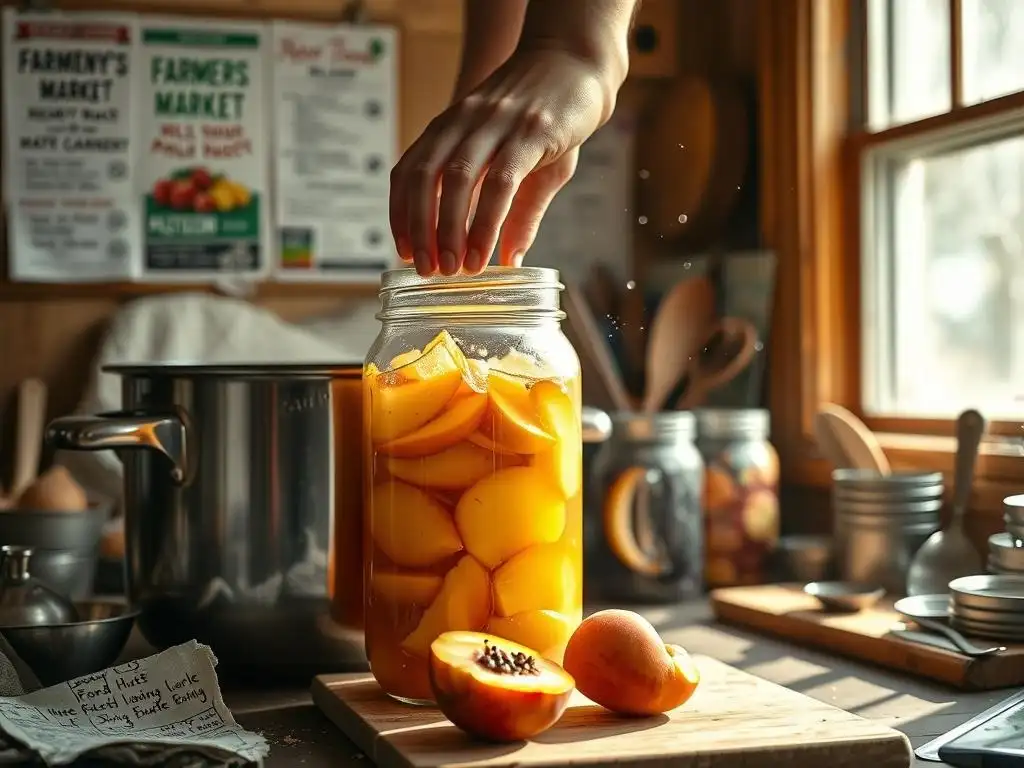
This section focuses on refining your canning process to minimize environmental impact and maximize resource efficiency, aligning with the principles of organic gardening community support. Sustainable canning isn't just about the final product; it's about the entire journey.
Reducing Waste: Repurposing Jars and Utilizing Leftover Ingredients
Minimizing waste is paramount in sustainable living, and canning is no exception. Before discarding those empty jars, consider their potential for reuse. Thoroughly cleaned and sterilized jars are perfect for storing homemade sauces, jams, spices, or even dried goods. This reduces reliance on single-use packaging, a significant contributor to landfill waste. Remember, proper sterilization is crucial to prevent spoilage and maintain food safety. This involves washing jars in hot, soapy water, followed by a thorough rinse. Then, sterilize them in boiling water for at least 10 minutes.
Furthermore, think creatively about leftover ingredients. Instead of discarding excess fruits or vegetables, consider making smaller batches of preserves, chutneys, or relishes. For example, leftover tomato pulp from making sauce can be used to make a flavorful tomato paste or sun-dried tomatoes. This not only reduces food waste but also adds variety to your pantry. Planning your canning projects around seasonal abundance can help minimize waste by utilizing peak-season produce efficiently. Consider freezing excess produce for later use if you can't can it immediately.
Let's look at some practical examples:
| Leftover Ingredient | Repurposing Ideas | Notes |
|---|---|---|
| Tomato pulp | Tomato paste, sun-dried tomatoes | Requires additional processing (drying/reduction) |
| Apple peels & cores | Apple butter, apple cider vinegar | Requires specific fermentation techniques |
| Berry stems & leaves | Compost (excellent for enriching soil) | Improves soil health for future harvests |
Think of it as a system – the scraps from one canning project can become the ingredient for another. This closed-loop system reflects the heart of organic gardening community support.
Growing Your Own Produce for Canning: A Guide to Organic Gardening
Growing your produce organically ensures that the ingredients you can are free from harmful pesticides and chemicals, enhancing the overall quality and sustainability of your canning efforts. This directly supports the principles of organic gardening community support. The benefits extend beyond the final product; growing your own food connects you to the land and promotes a deeper appreciation for the food cycle.
Successful organic gardening requires careful planning and attention to detail. Soil preparation is crucial; healthy soil is the foundation of healthy plants. Amend your soil with compost to improve its structure, fertility, and water retention. Choose varieties suitable for your climate and growing season. Many heirloom varieties are well-suited for canning, offering unique flavors and textures. Regular watering, weeding, and pest control are also essential. Consider implementing natural pest control methods, such as companion planting and introducing beneficial insects, to avoid harmful chemicals.
Rotating your crops annually helps maintain soil health and prevents the buildup of pests and diseases. This is a key element of sustainable agriculture and integral to organic gardening community support. Proper crop rotation prevents nutrient depletion and encourages soil biodiversity. For instance, a legume crop (like beans) can improve nitrogen levels in the soil, benefiting subsequent crops.
Remember to document your successes and challenges. Keeping a garden journal will help you refine your techniques and improve your yields year after year. Sharing your knowledge and experiences with others strengthens the organic gardening community support network.
Sourcing Sustainable Canning Supplies: Ethical and Eco-Friendly Options
Choosing sustainable canning supplies is a crucial aspect of building a truly ethical and environmentally conscious canning practice. This commitment aligns perfectly with the principles of organic gardening community support. Look for suppliers who prioritize environmentally friendly practices and ethical sourcing.
Consider the following when sourcing your supplies:
- Jars: Opt for reusable glass jars whenever possible. Avoid single-use plastic containers. Look for jars made from recycled glass.
- Lids and Rings: Choose lids and rings that are BPA-free and made from durable, recyclable materials. Some companies offer reusable lids, further reducing waste.
- Equipment: Invest in high-quality canning equipment that will last for many years, reducing the need for frequent replacements. Look for durable, long-lasting materials.
- Packaging: Choose suppliers who minimize packaging waste and utilize recycled or biodegradable materials.
Supporting local businesses and artisans that share your values contributes directly to building a strong, supportive organic gardening community. Seek out local farmers' markets and co-ops for supplies where possible. Building relationships with local suppliers provides not only sustainable products but also fosters a sense of community and shared responsibility. Remember, every small step towards sustainability contributes to a larger movement of responsible consumption and ethical production. This conscious effort mirrors the spirit of organic gardening community support.
Sharing your canning knowledge extends beyond personal satisfaction; it fosters a vibrant community around sustainable food preservation. Teaching others not only helps them acquire valuable skills but also strengthens the collective effort towards reducing food waste and promoting self-sufficiency. Consider offering workshops, online tutorials, or even informal mentoring sessions within your local organic gardening community. These interactions create opportunities to share best practices, troubleshoot common canning challenges, and build lasting relationships with like-minded individuals. The exchange of knowledge and experiences is invaluable, especially when dealing with the nuances of organic produce and preserving its unique qualities.
For example, you could organize a hands-on workshop demonstrating the safe and efficient canning of seasonal fruits like peaches or tomatoes. Participants could learn about selecting the right produce, preparing it for canning, and using appropriate sterilization techniques. Sharing recipes and tips for customizing canning processes to suit individual preferences adds a personalized touch. Furthermore, creating a supportive environment where participants feel comfortable asking questions and sharing their own experiences is crucial for fostering a strong sense of community.
Online platforms also offer fantastic opportunities for sharing your expertise. Creating video tutorials on specific canning techniques, such as water bath canning or pressure canning, can reach a wider audience. Participating in online forums and groups dedicated to organic gardening and canning allows you to connect with individuals from different geographical locations, learn from their experiences, and contribute your own knowledge.
Remember to emphasize the importance of safety protocols and best practices for organic canning to ensure the preservation of high-quality, safe-to-consume products. The collaborative nature of these online communities can be a powerful tool for disseminating information and building a supportive network for aspiring canners. The collective knowledge shared online significantly enhances the overall understanding and practice of sustainable food preservation.
The Benefits of Joining an Organic Gardening Community Support Network
Joining an organic gardening community, specifically one focused on canning and preserving, offers numerous advantages beyond simply learning new techniques. It's about building a supportive network that fosters growth, both literally and figuratively, in your gardening and canning endeavors. This section explores the key benefits, highlighting how active participation can significantly enhance your home preservation journey. The value of a strong community is often underestimated, but for organic gardeners and canners, it's an invaluable resource for success and long-term sustainability. Finding the right organic gardening community support can transform your home preserving experience.
Gaining Confidence in Your Canning Skills: Peer Support and Mentorship
One of the most significant benefits of joining an organic gardening community focused on canning is the boost in confidence it provides. Many beginners feel intimidated by the seemingly complex process of canning, fearing spoilage or foodborne illness. However, within a supportive community, this fear is quickly replaced with empowerment.
Experienced canners often act as mentors, offering guidance and encouragement to newcomers. This peer-to-peer support is invaluable, providing a safe space to ask questions, share concerns, and celebrate successes. For example, a community member might share their initial struggles with sealing jars, offering practical tips and tricks based on their own experiences.
This shared learning experience is far more effective and less intimidating than solely relying on written instructions. The collective wisdom and shared experiences within the group contribute to a rapid learning curve, fostering a sense of accomplishment and building lasting confidence in your canning abilities. This collective learning fosters a positive feedback loop, where everyone benefits from the shared knowledge and experience.
Accessing Expert Advice and Troubleshooting: Collaborative Problem-Solving
Beyond peer support, many organic gardening communities provide access to expert advice. Experienced canners, master gardeners, or even food preservation specialists may participate in these groups, offering in-depth knowledge and guidance on various aspects of canning. This access to expertise is particularly helpful when troubleshooting problems.
For instance, if you encounter issues with jar lids not sealing properly, you can post a detailed description of your process and the problem encountered. Community members and experts can then offer suggestions, identifying potential causes such as improper sterilization or inadequate headspace. This collaborative problem-solving approach is far more efficient and effective than trying to find solutions independently.
The collective knowledge base within the community ensures that a wide range of potential issues and their solutions are readily available, significantly reducing the risk of spoilage and ensuring safe food preservation. This type of support is crucial for maintaining high standards of food safety in your home canning practices.
Building Connections: Sharing Experiences and Recipes Within the Community
Joining an organic gardening community dedicated to canning extends beyond practical advice; it's about building a network of like-minded individuals who share a passion for sustainable food preservation. This fosters a sense of camaraderie and belonging, creating opportunities to share experiences, recipes, and even harvest surplus. Imagine exchanging your homegrown tomatoes for a neighbor's perfectly preserved peaches—a mutually beneficial exchange that strengthens community bonds. Beyond recipe sharing, you can discuss different canning techniques, compare results, and even collaborate on larger-scale projects like community canning events.
This shared passion for organic gardening and canning creates a vibrant and supportive environment where friendships blossom and lasting connections are forged. The social aspect of community involvement significantly enhances the overall experience of home preserving, making it a more enjoyable and rewarding endeavor. The sense of community fostered through shared interests in organic gardening and canning is a valuable asset.
Expanding Your Knowledge: Learning from Others and Staying Updated on Canning Trends
Joining an organic gardening community focused on canning provides unparalleled access to a wealth of knowledge. Experienced canners readily share their hard-earned wisdom, offering tips and tricks that can significantly improve your canning process and results. This collective knowledge base extends beyond basic techniques; you'll learn about advanced methods, troubleshooting common problems, and even discovering innovative canning recipes you might not find elsewhere.
For example, you might learn a new method for water bath canning that minimizes oxidation, or discover a unique way to preserve delicate herbs without losing their vibrant color. This peer-to-peer learning is invaluable, offering a dynamic and constantly evolving educational experience that surpasses any single resource.
Furthermore, these communities often serve as a hub for the latest trends and innovations in the world of home canning. New equipment, improved techniques, and even emerging preservation methods are frequently discussed and shared amongst members. This ensures you remain at the forefront of sustainable and organic canning practices, always utilizing the most effective and up-to-date approaches.
Staying current is crucial for maximizing the shelf life and quality of your canned goods, and a supportive community actively facilitates this continuous learning process. Imagine learning about a new type of jar seal that dramatically reduces spoilage, or discovering a safer method for handling high-acid foods – these are the kinds of benefits a vibrant community can provide. The collective intelligence and shared experiences foster a dynamic environment where everyone continuously improves their canning skills and knowledge.
This constant exchange of information helps you avoid common mistakes and refine your techniques, ultimately leading to better, safer, and more delicious results from your homegrown produce. The community acts as a living textbook, constantly updated with real-world experiences and practical solutions.
Frequently Asked Questions
Where can I find an organic gardening community for support?
Many online forums and social media groups are dedicated to organic gardening. You can also find local chapters of gardening organizations or attend community gardening workshops for in-person support. Check CultivateYourFood for more resources!
What kind of support can I expect from an organic gardening community?
Expect advice on growing techniques, pest and disease control, harvesting and preserving, and even seed swaps or plant exchanges. You'll find shared experiences and encouragement from fellow gardeners.
How can CultivateYourFood help me connect with an organic gardening community?
CultivateYourFood aims to be a central resource, providing links and information to help you find relevant online and local communities. We're building a supportive network focused on sustainable and organic practices.
Are there any resources specifically for beginners in organic gardening?
Yes! Many online communities offer beginner-friendly sections or threads. Look for groups that explicitly welcome newcomers or offer tutorials and guides. CultivateYourFood also provides beginner-friendly articles and guides to get you started.
What are the benefits of joining an organic gardening community?
Joining a community provides valuable knowledge sharing, peer support, and a sense of belonging. You can learn from experienced gardeners, troubleshoot problems, and gain motivation to keep growing organically.
Final Reflection: Cultivating Community Through Canning
The resurgence of home canning isn't just a trend; it's a vital movement towards food security, sustainable living, and strengthened community bonds. In a world grappling with climate change and increasingly complex food systems, the ability to preserve our own harvests and share the bounty with others is more crucial than ever. This renewed interest in canning reflects a deeper desire for connection and control over our food sources.
The power of shared knowledge and mutual support within the canning community is profoundly impactful. It's more than just exchanging recipes; it's about building relationships, fostering trust, and creating a network of resilience. This collaborative spirit echoes the spirit of earlier generations, reminding us of the importance of community in navigating life's challenges. The best way to find yourself is to lose yourself in the service of others.
- Mahatma Gandhi. This quote perfectly encapsulates the selfless act of sharing preserved food and the knowledge to create it, strengthening the bonds within our communities.
Now, consider your own role in this growing movement. Will you join a local canning group? Will you share your surplus harvest with a neighbor? Will you mentor a beginner canner? The act of preserving food is an act of preserving community, and the ripple effect of your participation can be far-reaching and deeply rewarding. Let's cultivate a future where shared knowledge and abundant harvests nourish not only our bodies but also the fabric of our communities.
Unleash Your Inner Canner: Join the Preserving Revolution!
Thank you for exploring the wonderful world of canning! We hope you've found inspiration and new resources to help you preserve your harvest. Now it's time to put your knowledge into practice. Ready to begin?
- Start your first canning project: Choose a recipe that excites you—perhaps a delicious tomato sauce or a batch of your favorite pickles—and get started! Remember, even small successes are significant achievements.
- Share your canning journey: Post pictures of your creations on social media and tag #CultivateYourFood to connect with other canning enthusiasts. Let's build a thriving community of preservers!
- Expand your canning skills: Consider experimenting with water bath canning and pressure canning, or explore other preserving methods like fermentation. The possibilities are truly endless!
What delicious recipe will you try first? Let us know in the comments below!