
The Art of Observation in Pest Control: The Gardener's Best Tool


Welcome to CultivateYourFood, your guide to nurturing a thriving, sustainable garden! Ready to unlock the secrets to a bountiful harvest? We believe that organic pest control is key, and our latest article on organic pest control observation reveals the surprising power of careful observation in protecting your plants. Discover how mastering this simple yet crucial skill can transform your gardening journey. Let's delve into the fascinating world of plant health and natural pest management—read on to learn more!
- Mastering Organic Pest Control Observation: A Gardener's Guide
- Effective Observation Techniques for Organic Pest Control
- Interpreting Observation Data: Understanding Pest Behavior
- Developing an Organic Pest Control Strategy Based on Observation
- Advanced Observation Techniques for Organic Pest Control
- Frequently Asked Questions
- Final Reflection: Cultivating Awareness, Harvesting Abundance
- Sharpen Your Observation Skills: Protect Your Garden Today!
Mastering Organic Pest Control Observation: A Gardener's Guide
Observing your garden meticulously is the cornerstone of successful organic pest control. It's a proactive, preventative strategy that shifts the focus from reactive spraying to understanding the dynamics of your garden ecosystem. Instead of viewing pests as enemies to be eradicated, organic pest control encourages a holistic approach, recognizing that a balanced environment naturally regulates pest populations.
This guide will equip you with the skills to become a keen observer, enabling you to identify problems early, implement effective solutions, and minimize the need for harsh chemicals. Mastering the art of observation is not just about identifying pests; it's about understanding the intricate web of life in your garden and fostering a thriving, resilient ecosystem. This approach is crucial for achieving long-term success in organic gardening and protecting the health of your plants, soil, and yourself.
By learning to observe effectively, you'll be empowered to cultivate a vibrant and productive garden using sustainable and environmentally friendly methods. This is the key to truly cultivating your food organically.
The Importance of Early Detection in Organic Gardening
Early detection is paramount in organic pest control. A small infestation, identified promptly, is far easier to manage than a widespread problem. Delaying intervention can lead to significant crop damage and potentially necessitate stronger, less desirable control methods. Think of it like this: a single aphid is far less concerning than a colony covering your entire plant.
Early detection allows for targeted interventions, such as handpicking pests, introducing beneficial insects, or using simple, organic deterrents. This minimizes the environmental impact and preserves the natural balance of your garden. Furthermore, regular observation helps you understand the patterns of pest activity in your specific garden environment.
This knowledge allows you to anticipate potential issues and implement preventive measures before they become significant problems. For example, noticing a sudden increase in specific insect activity might signal a change in weather conditions that favors their reproduction, prompting you to adjust your gardening practices accordingly. This proactive approach is central to the philosophy of organic gardening and is far more effective than reacting to a fully-blown infestation.
Recognizing Common Garden Pests Through Visual Inspection
Visual inspection is your primary tool. Armed with a keen eye, you can identify many common garden pests simply by looking closely at your plants. Look for:
- Visible pests: Are there insects crawling on leaves, stems, or flowers? Are there signs of chewing or sucking damage on your plants?
- Fecal matter: The presence of small black or green droppings can indicate insect activity.
- Egg masses: Many insects lay their eggs in clusters, which are often visible to the naked eye.
- Webbing: Certain pests, like spider mites, create webs on the undersides of leaves.
- Wilting or discoloration: Unusual yellowing, browning, or wilting of leaves can be a sign of pest damage.
Regularly inspect all parts of your plants, including the undersides of leaves, buds, and stems. Pay close attention to any unusual changes in your plants' appearance or behavior. Keep a garden journal to record your observations, noting the date, location, type of damage, and suspected pest.
This detailed record will prove invaluable in tracking pest populations and evaluating the effectiveness of your control measures. Remember, the more familiar you become with the appearance of healthy plants, the easier it will be to spot signs of trouble. A consistent and thorough visual inspection is a highly effective, non-invasive approach to organic pest control.
Utilizing Magnification for Precise Pest Identification
While many pests are visible to the naked eye, magnification can be invaluable for precise identification. A simple magnifying glass or hand lens can reveal crucial details, such as the insect's size, shape, color, and distinguishing features. This level of detail is essential for accurate identification and targeted control. For example, distinguishing between beneficial lacewings and harmful aphids requires close examination.
Similarly, identifying the specific type of caterpillar can help determine the most effective and environmentally sound control method. Digital microscopes offer even greater magnification and can help capture images for later reference or consultation with experts. Using magnification doesn't just improve identification; it also allows for a deeper understanding of the pest's life cycle and behavior, informing more effective and targeted strategies. This detailed observation is key to developing a truly effective and sustainable organic pest control program.
Effective Observation Techniques for Organic Pest Control
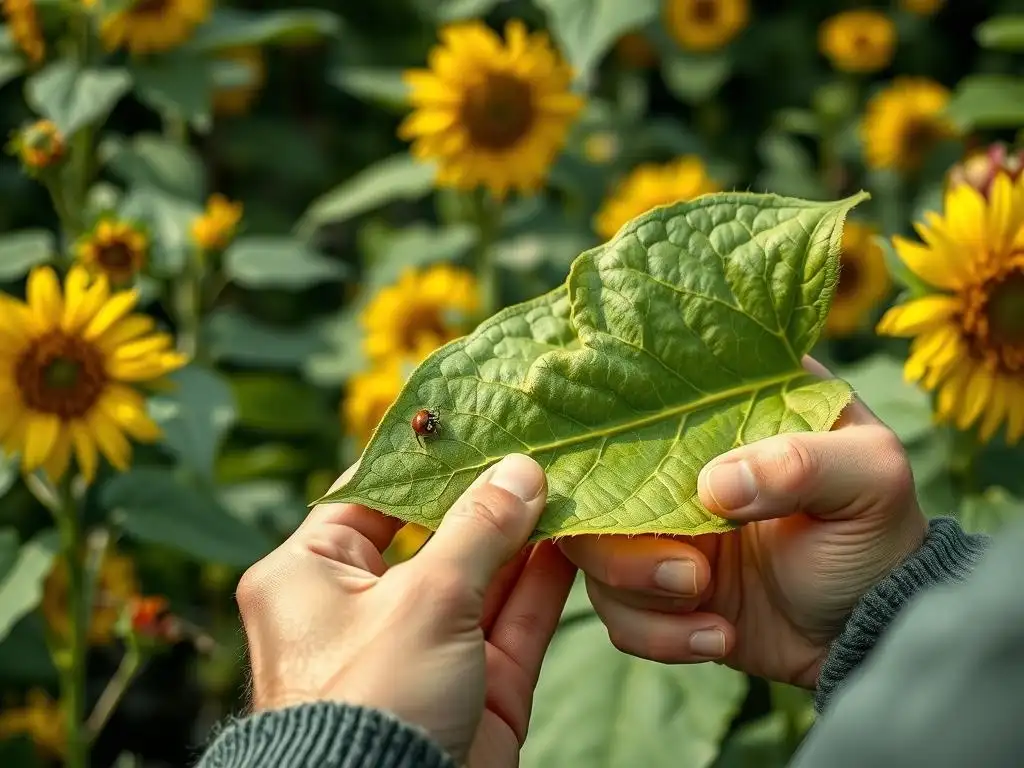
Effective organic pest control hinges on meticulous observation. Ignoring early warning signs can lead to significant crop damage and necessitate more drastic (and often less sustainable) interventions. This section details practical techniques to enhance your observational skills, empowering you to implement timely and effective organic pest control strategies. Mastering these techniques is key to successful and environmentally friendly gardening. This approach focuses on proactive organic pest control observation, allowing for early detection and prevention of larger infestations.
Systematic Garden Patrols: A Schedule for Success
Regular, systematic garden patrols are the cornerstone of effective pest monitoring. Don't rely on chance encounters; establish a routine inspection schedule tailored to your garden's size and the specific plants you're cultivating. Consider these factors when designing your patrol schedule:
- Plant vulnerability: Certain plants are more susceptible to specific pests at different growth stages. For example, young seedlings are more vulnerable to slugs and snails than mature plants. Adjust your patrol frequency accordingly.
- Weather conditions: Extreme weather events (heat waves, heavy rains) can stress plants, making them more vulnerable to pests. Increase patrol frequency after such events.
- Pest life cycles: Understanding the life cycle of common pests in your region allows you to schedule patrols for peak activity periods (e.g., egg-laying, larval stages).
A sample schedule might involve:
- Daily patrols: For high-value crops or during periods of high pest pressure.
- Twice-weekly patrols: For most garden areas and during moderate pest pressure.
- Weekly patrols: For larger gardens or during periods of low pest pressure.
Remember to inspect both the upper and lower surfaces of leaves, stems, and fruits. Pay close attention to the soil around plant bases, as many pests overwinter or lay eggs there. A consistent schedule, coupled with careful observation, will allow you to detect infestations early, before they cause significant harm. This proactive approach is the essence of successful organic pest control observation.
Note-Taking and Pest Monitoring Logs: Tracking Infestations
Detailed record-keeping is crucial for long-term pest management. A comprehensive pest monitoring log helps you track infestations over time, identify trends, and evaluate the effectiveness of your control measures. Your log should include:
- Date and time of observation: Precise timing is essential for tracking pest development and the impact of interventions.
- Location in the garden: Specify the affected plant(s) and their location within your garden.
- Pest identification: Include detailed descriptions, including size, color, shape, and any distinctive markings. Photographs are invaluable here.
- Severity of infestation: Estimate the number of pests present and the extent of plant damage. Use a scale (e.g., 1-5, with 5 being the most severe).
- Control measures implemented: Record any actions taken, including hand-picking, introducing beneficial insects, or applying organic pesticides.
- Effectiveness of control measures: Note the results of your interventions. Did the pest population decrease? Did plant health improve?
This meticulous record-keeping provides valuable data for future pest management decisions. Consistent organic pest control observation and detailed logging allows you to build a historical record of your garden's pest pressures, improving your response in subsequent seasons.
Photography as a Tool for Pest Identification and Documentation
Photography is an invaluable tool for pest identification and documentation. High-quality images provide detailed records of pest infestations, aiding in identification and facilitating communication with experts if needed. When photographing pests:
- Focus on detail: Use a macro lens or zoom function to capture clear images of the pest's size, shape, color, and any distinctive features.
- Capture multiple angles: Take several photos from different angles to provide a comprehensive view of the pest.
- Include scale: Place a ruler or other object of known size next to the pest to provide a sense of scale.
- Document damage: Photograph the damage caused by the pest to the plant, providing visual evidence of the infestation's severity.
- Maintain a photographic log: Organize your images systematically, linking them to your written pest monitoring log entries.
Using photography in conjunction with your written records creates a powerful combination for organic pest control observation, allowing for accurate identification, effective monitoring, and informed decision-making. This visual record also serves as a valuable resource for future reference and allows for easier communication with other gardeners or experts. This comprehensive approach to organic pest control observation ensures a healthy and productive garden.
Interpreting Observation Data: Understanding Pest Behavior
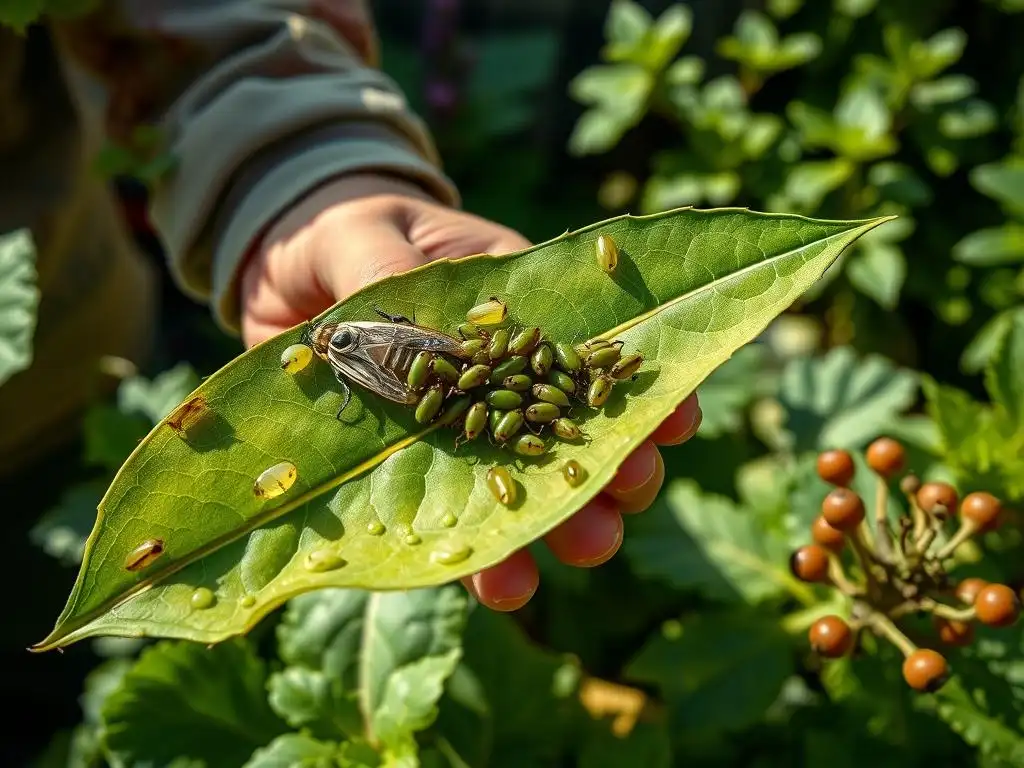
Effective organic pest control hinges on accurate observation and interpretation of the data gathered. Simply seeing pests isn't enough; understanding why they're present and how they behave is crucial for successful management. This section delves into the process of translating your observations into actionable strategies for organic pest control.
This involves more than just identifying the pest; it requires understanding their life cycle, their preferred habitats, and their feeding habits. By carefully observing the pest's behavior, you can develop a targeted and effective organic pest control plan, minimizing the need for harsh chemicals. Remember, consistent and thorough observation is the cornerstone of successful organic gardening.
Identifying Pest Life Cycles and Infestation Patterns
Understanding a pest's life cycle is fundamental to effective organic pest control observation. Knowing the different stages – egg, larva, pupa, and adult – allows you to predict infestation patterns and target control measures at the most vulnerable stage. For example, Colorado potato beetles overwinter as adults in the soil. Early spring observations should focus on detecting these adults emerging to lay eggs on potato plants. Controlling the adult beetles before egg laying significantly reduces the subsequent larval infestation. Similarly, monitoring for aphid eggs over winter on dormant plants can help you predict spring outbreaks.
Detailed records are essential. Consider using a garden journal to note down your observations, including:
- Date of observation
- Pest species identified
- Stage of the pest life cycle (egg, larva, pupa, adult)
- Location of infestation within the garden
- Severity of infestation (number of pests observed)
- Environmental conditions (temperature, humidity, rainfall)
This meticulous record-keeping allows you to identify trends and patterns in pest activity, helping you anticipate future infestations and implement proactive organic pest control measures. Regular monitoring, even during periods of low pest activity, is vital for early detection of potential problems.
Correlation of Pest Presence with Environmental Factors
Organic pest control observation shouldn't be isolated from the broader garden ecosystem. Many pests are more prevalent under specific environmental conditions. For instance, slugs and snails thrive in moist, shady areas. Observing these environmental factors provides valuable insights into pest distribution and abundance. Hot, dry conditions might favor spider mites, while aphids flourish in warm, humid weather.
By noting the correlation between pest presence and environmental factors, you can adjust your gardening practices to create a less hospitable environment for pests. This might involve improving drainage to reduce slug populations, providing better air circulation to deter spider mites, or adjusting watering schedules to mitigate aphid infestations. This proactive approach is a cornerstone of sustainable and effective organic pest control.
Detailed observation allows you to identify these correlations and adjust your practices accordingly. For example, a sudden increase in whitefly populations might coincide with a period of prolonged heat and drought, prompting you to adjust your watering strategy.
Distinguishing Between Beneficial Insects and Pests
Not all insects in your garden are harmful. Many are beneficial predators or pollinators that help maintain ecological balance and contribute to healthy plant growth. Accurate organic pest control observation requires the ability to differentiate between beneficial insects and actual pests. Ladybugs, lacewings, and praying mantises are examples of beneficial insects that prey on common garden pests like aphids and mealybugs. Hoverflies are important pollinators.
Mistaking a beneficial insect for a pest can lead to unintended harm to your garden's ecosystem. Careful observation, including noting the insect's size, shape, color, and behavior, is crucial for accurate identification. Resources such as field guides and online databases can aid in distinguishing between beneficial insects and pests. By understanding the roles of different insects in your garden, you can implement organic pest control strategies that minimize harm to beneficial species while effectively managing pest populations. This is a vital aspect of sustainable organic gardening practices. Remember, a balanced ecosystem is the best defense against pest infestations.
Developing an Organic Pest Control Strategy Based on Observation
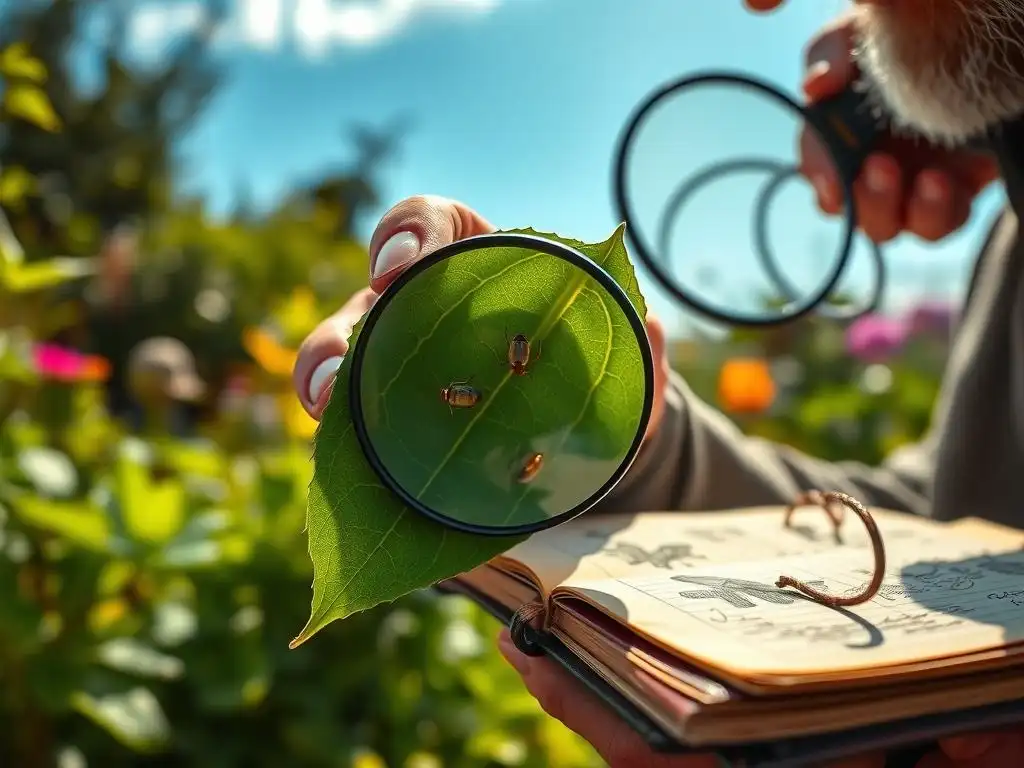
Effective organic pest control hinges on meticulous observation. Instead of resorting to broad-spectrum pesticides that harm beneficial insects and the environment, a keen eye allows for targeted interventions, minimizing disruption to your garden's ecosystem. This approach is crucial for achieving sustainable and effective organic pest control observation. By closely monitoring your plants, you can identify pests early, preventing widespread damage and the need for harsh chemicals. This proactive strategy is far more effective than reactive spraying, which often addresses symptoms rather than the root cause. Remember, a healthy, thriving garden is less susceptible to pest infestations.
Implementing Targeted, Non-Toxic Pest Management Solutions
Once you've identified a pest through careful observation—for example, noticing tell-tale holes in your lettuce leaves indicating slugs or aphids clustering on the undersides of your rose bushes—you can implement targeted, non-toxic solutions. This might involve:
- Handpicking: For small infestations of caterpillars or beetles, handpicking and disposing of them is an effective and environmentally friendly method.
- Water sprays: A strong jet of water can dislodge aphids and other soft-bodied insects from plants. This is particularly effective early in the morning when insects are less active.
- Natural predators: Introducing beneficial insects like ladybugs (which prey on aphids) or lacewings (which control various other pests) can create a natural balance in your garden, reducing the need for intervention. Consider planting flowers that attract these beneficial insects.
- Diatomaceous earth: This natural powder is abrasive to insects, dehydrating and killing them upon contact. It's effective against crawling insects like slugs and snails. Apply it as a dust around the base of plants.
- Neem oil: Derived from the neem tree, this oil disrupts the life cycle of many insects, acting as a natural insecticide. Always dilute according to package instructions.
The key is to match the solution to the specific pest. A blanket approach rarely works as effectively as a targeted strategy based on accurate organic pest control observation. For instance, using neem oil against slugs would be ineffective, while it could be highly beneficial against aphids. Document your observations and the effectiveness of different solutions to refine your approach over time. This creates a personalized and effective pest management system tailored to your unique garden.
Preventing Future Infestations Through Proactive Observation
Proactive observation is vital for preventing future pest problems. Regularly inspecting your plants for signs of stress, damage, or pest activity—even in the absence of visible infestations—can help you identify potential problems early. This includes:
- Monitoring soil health: Healthy soil is less prone to pest infestations. Regular soil testing and amendments can improve soil structure and nutrient content, creating a less hospitable environment for pests. Consider adding compost to improve soil health.
- Rotating crops: Rotating crops annually helps to break pest life cycles and reduce the buildup of pests in the soil. Different plants have different pest susceptibility levels. A well-planned rotation can dramatically reduce pest pressure.
- Proper plant spacing: Adequate spacing allows for better air circulation, reducing humidity and minimizing fungal diseases, which often attract pests.
- Sanitation: Removing weeds, fallen leaves, and plant debris reduces hiding places for pests and their eggs. This is a simple yet highly effective preventative measure.
- Monitoring weather patterns: Extreme weather conditions can stress plants, making them more susceptible to pests. Being aware of these conditions allows for proactive measures like supplemental watering or providing shade.
By combining diligent organic pest control observation with these preventative strategies, you can significantly reduce the likelihood of major pest infestations and maintain a healthy, productive garden. Remember, observation is not just a reactive tool; it's your primary defense against pests, promoting a sustainable and thriving garden ecosystem. This proactive approach is the cornerstone of successful, long-term organic pest control.
Advanced Observation Techniques for Organic Pest Control
Effective organic pest control relies heavily on proactive monitoring. While casual observation is helpful, employing advanced techniques significantly improves your ability to identify and address pest problems before they escalate, minimizing the need for harsh interventions. This section details several strategies for enhancing your observational skills and implementing preventative measures within the framework of organic pest control observation. Consistent and meticulous monitoring is key to successful organic gardening, allowing for timely intervention and preventing significant crop damage.
Using Trap Crops to Monitor Pest Populations
Trap crops are strategically planted sacrificial plants that attract specific pests away from your main crops. By carefully observing the trap crop, you can gain valuable insights into pest populations and their activity levels. For instance, planting a row of radishes near your broccoli can draw flea beetles, allowing you to assess the severity of the infestation and implement targeted control measures before the beetles reach your valuable broccoli plants.
Regularly inspect the trap crop for signs of infestation, noting the number of pests present, the extent of damage, and the timing of their activity. This data provides a crucial early warning system, informing your decisions on organic pest control strategies. Different trap crops attract different pests; some effective examples include:
- Mustard greens: Attract aphids and flea beetles.
- Nasturtiums: Attract aphids and whiteflies.
- Marigolds: Attract nematodes and some soil-borne pests.
The effectiveness of trap crops is enhanced by careful placement. Consider prevailing wind direction and the pests' natural movement patterns when selecting the location for your trap crops. Remember to regularly remove and destroy heavily infested trap crops to prevent the pests from re-infesting your main crops. This is a crucial aspect of organic pest control observation and management. Detailed records of trap crop observations, including dates, pest counts, and weather conditions, contribute to a comprehensive understanding of pest dynamics throughout the growing season.
Employing Pheromone Traps for Early Warning Systems
Pheromone traps utilize synthetic pheromones – chemicals that mimic the mating scents of insects – to lure male insects into traps. These traps don't eradicate the entire population, but they provide invaluable data on pest presence, population density, and timing of emergence. By monitoring the number of insects caught in the traps over time, you can effectively predict potential outbreaks and implement preventative measures.
This approach is particularly useful for monitoring flying insects like moths (whose larvae can cause significant damage) and certain beetles. The information gathered from pheromone traps is crucial for effective organic pest control observation. For example, a sudden increase in the number of moths caught in traps could signal an impending infestation of their larvae, prompting you to consider using beneficial insects or other organic control measures.
Remember to choose traps specific to the pests you are monitoring, as pheromones are species-specific. Regularly checking and replacing pheromone lures ensures the trap's effectiveness. Accurate record-keeping, including the number of insects caught, date, and location of the trap, is critical for interpreting the data and making informed decisions.
Understanding Plant Stress Indicators as Early Warning Signs
Observing plant health is fundamental to organic pest control observation. Stressed plants are often more susceptible to pest infestations. Early detection of stress indicators can provide an early warning system, allowing for prompt intervention. Learning to recognize these subtle signs is a crucial skill for any organic gardener. These signs may include:
- Wilting: Sudden or persistent wilting can indicate water stress, root damage (potentially from pests), or disease.
- Yellowing or discoloration: Nutrient deficiencies or pest damage can lead to yellowing or other color changes in leaves.
- Unusual growth patterns: Stunted growth, deformed leaves, or unusual branching may indicate pest or disease problems.
- Presence of holes or chewed leaves: Obvious signs of insect feeding.
By regularly inspecting your plants for these stress indicators, you can identify problems early, before they become major infestations. This proactive approach allows for more effective organic pest control, often preventing the need for harsh chemicals. For example, noticing yellowing leaves and tiny insects on the undersides might indicate an aphid infestation, allowing you to address it promptly with natural methods like insecticidal soap or introducing beneficial insects like ladybugs.
Careful observation and record-keeping are essential for tracking plant health and correlating stress indicators with potential pest problems. This integrated approach to organic pest control observation allows for a more holistic and sustainable approach to gardening.
Frequently Asked Questions
What is the most important tool for organic pest control?
The most important tool is observation. By carefully watching your plants, you can identify pests early and intervene before significant damage occurs, minimizing the need for harsh chemicals. This allows for early detection and preventative measures.
How can observation help me avoid using pesticides?
Careful observation allows you to identify pest infestations at their early stages. Early detection enables the use of natural and less harmful control methods, such as handpicking or introducing beneficial insects, before a large-scale pesticide application becomes necessary.
What should I look for when observing my plants for pests?
Look for unusual spots, discoloration, holes in leaves, or webbing. Also, check the undersides of leaves and stems for insects. Pay attention to changes in plant growth or signs of feeding damage.
What are some examples of non-chemical pest control methods?
Effective methods include introducing beneficial insects, such as ladybugs, handpicking pests, using natural barriers like row covers, and employing companion planting techniques to deter pests. These methods all rely on observation to be effective.
How often should I observe my plants for pests?
Regular observation is key. Aim for daily or every other day inspections, especially during vulnerable growth stages. The frequency may need to be adjusted depending on weather conditions and the specific plants you are growing. Consistent monitoring is crucial for effective organic pest control.
Final Reflection: Cultivating Awareness, Harvesting Abundance
The art of observation, once a cornerstone of traditional gardening, remains the most effective, and arguably most sustainable, method in the ongoing battle against pests. Ignoring this fundamental principle in favor of quick-fix chemical solutions only perpetuates a cycle of dependency and environmental damage. We must rediscover the power of patient observation to truly understand and address the root causes of pest infestations.
The shift towards organic pest control is not merely a trend; it's a necessary evolution in our relationship with the natural world. It requires a fundamental change in mindset, moving away from reactive measures to proactive, preventative strategies. This shift demands a deep understanding of the intricate web of life within our gardens, an understanding only achievable through careful observation. The more closely you look, the more you see.
This simple truth holds immense power in the context of organic pest control, revealing the delicate balance between predator and prey, plant health and pest susceptibility. It's a lesson I've personally learned through years of tending my own garden, a lesson that continues to shape my approach to pest management.
Now, I invite you to take this knowledge and apply it to your own green spaces. Consider the subtle signs your plants are exhibiting – wilting leaves, unusual discoloration, or the presence of specific insects. Don't rush to judgment; instead, take the time to observe, to understand, and to respond with the most appropriate and least invasive method possible. By embracing the art of observation, you'll not only protect your plants but also cultivate a deeper connection with the natural world, fostering a healthier, more vibrant garden for years to come.
Thanks for exploring the fascinating world of observation in pest control! You've gained a powerful new tool to protect your precious plants. Ready to put your knowledge into practice?
- Start a detailed garden journal: Record your daily observations, noting any unusual signs or pest activity. This is your first line of defense against unwanted garden visitors!
- Share your observations: Discuss your findings and ask questions in our online community forum. We can all learn from each other's experiences.
- Take a closer look: Revisit your garden with a fresh perspective, using the techniques you've learned to identify potential problems before they escalate.
What specific detail in your garden will you examine more closely today?