
Growing Garlic in Sandy Soil: Techniques for Optimal Growth

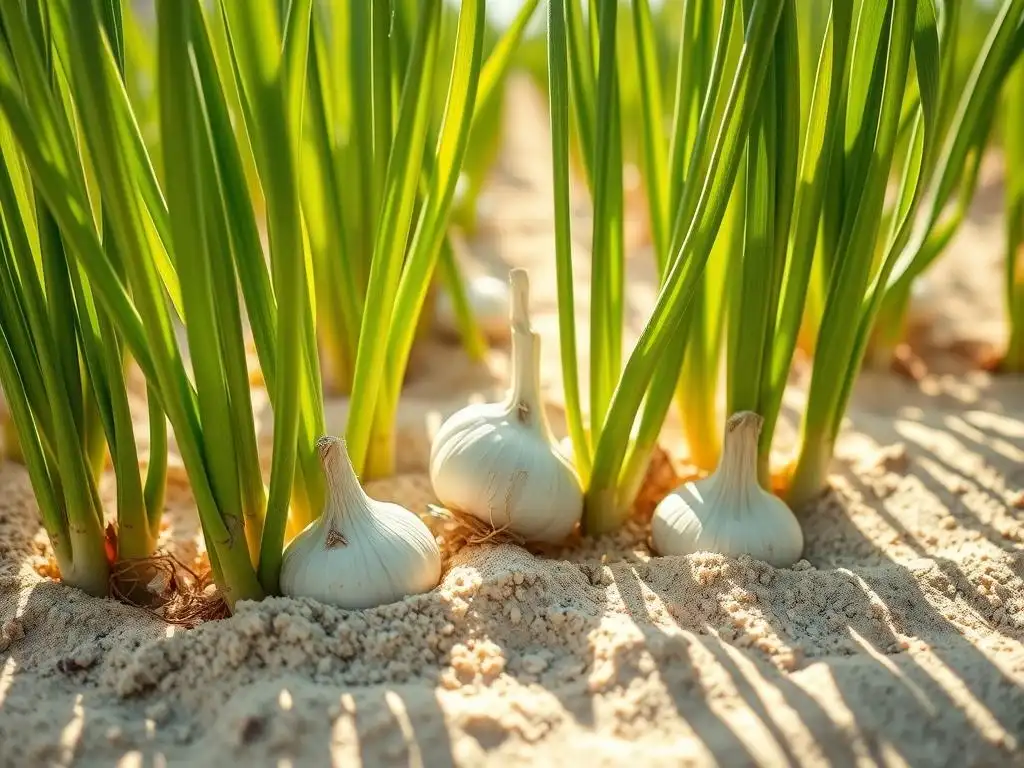
Ready to unlock the secrets of a bountiful harvest, even in challenging soil conditions? CultivateYourFood is your guide to growing your own fruits, vegetables, and herbs organically. Learn how to cultivate a thriving garden using sustainable practices, from planting to pest control. This is especially important when it comes to tricky soils like sand. Intrigued by the challenges of growing garlic in sandy soil? Discover expert tips and techniques to achieve optimal growth – read on to transform your sandy patch into a garlic haven!
- Understanding the Challenges of Sandy Soil for Garlic Cultivation
- Preparing Your Sandy Soil for Garlic Planting
- Selecting and Planting Garlic in Sandy Soil
- Watering and Fertilizing Garlic in Sandy Soil
- Pest and Disease Management in Sandy Soil
- Harvesting and Storing Garlic Grown in Sandy Soil
- Troubleshooting Common Problems with Garlic in Sandy Soil
- Frequently Asked Questions
- Final Reflection: Harvesting the Bounty of Sandy Soil
- Unlock Your Garlic Garden's Potential!
Understanding the Challenges of Sandy Soil for Garlic Cultivation
Growing garlic, with its robust flavor and numerous health benefits, is a rewarding experience for home gardeners. However, the success of your garlic harvest is heavily influenced by soil conditions. This article focuses on the specific challenges presented by sandy soil and provides practical, sustainable techniques to cultivate thriving garlic plants even in these less-than-ideal conditions.
We'll explore the unique characteristics of sandy soil, how they impact garlic growth, and offer actionable strategies to overcome these hurdles, ensuring a bountiful harvest of delicious, homegrown garlic. Mastering the art of garlic cultivation in sandy soil translates to more resilient plants, better nutrient uptake, and ultimately, a superior yield. This guide offers essential tips for optimizing your garlic growing experience, even in sandy soil, making it easier for you to successfully "Grow garlic sandy soil tips".
Sandy Soil Characteristics and Their Impact on Garlic Growth
Sandy soil, characterized by its coarse texture and large particle size, presents several challenges for garlic cultivation. Unlike heavier clay soils, sandy soils have large pore spaces, leading to:
- Poor water retention: Water drains rapidly through sandy soil, leaving garlic bulbs vulnerable to dehydration, especially during crucial growth stages. This necessitates more frequent watering, potentially leading to increased water consumption.
- Limited nutrient retention: Essential nutrients, vital for garlic's development, are easily leached from sandy soil due to its poor water-holding capacity. This means nutrients are quickly washed away before the garlic plants can absorb them, resulting in nutrient deficiencies and stunted growth.
- Increased susceptibility to temperature fluctuations: Sandy soils warm up quickly in the sun and cool down rapidly at night, creating temperature instability that can stress garlic plants and impact bulb formation. This can lead to smaller bulbs and reduced yields.
- Lower organic matter content: Sandy soils naturally have lower levels of organic matter compared to other soil types. Organic matter is crucial for improving soil structure, water retention, and nutrient availability.
The impact of these characteristics on garlic growth is significant. Poor water retention can lead to wilting, reduced bulb size, and lower yields. Nutrient deficiencies can manifest as yellowing leaves, stunted growth, and smaller, less flavorful bulbs. The temperature fluctuations can interfere with the garlic's growth cycle, potentially reducing the overall quality and quantity of the harvest.
Nutrient Retention and Water Drainage Issues in Sandy Soils
Addressing the poor nutrient retention and rapid water drainage is crucial for successful garlic cultivation in sandy soil. Several strategies can mitigate these issues:
- Amending the soil with organic matter: Incorporating generous amounts of compost, well-rotted manure, or other organic materials significantly improves sandy soil's structure and water retention capacity. Organic matter enhances the soil's ability to hold onto nutrients, making them more readily available to garlic plants. Aim for a significant amendment, potentially up to 25% of the soil volume.
- Mulching: Applying a layer of mulch, such as straw, shredded leaves, or wood chips, helps retain soil moisture and suppress weeds. Mulch also helps regulate soil temperature, preventing extreme fluctuations.
- Using water-retaining polymers: These specialized polymers can be incorporated into the soil to increase its water-holding capacity. They absorb water and release it gradually to the plants, reducing the frequency of watering.
- Strategic fertilization: Opt for slow-release fertilizers or apply smaller, more frequent doses of liquid fertilizer to minimize nutrient leaching. A soil test can help determine the specific nutrient needs of your soil.
Implementing these practices helps create a more favorable growing environment for garlic, improving both water retention and nutrient availability. The improved soil structure will also promote better root development, leading to healthier and more productive garlic plants.
Identifying Your Soil Type: A Simple Test for Sandy Soil
Before implementing any soil improvement strategies, it's important to confirm that you indeed have sandy soil. A simple test can help you determine this:
- Take a soil sample: Collect a handful of soil from your garden bed.
- Add water: Add a small amount of water to the soil sample and mix it thoroughly.
- Observe the texture: Sandy soil will feel gritty and will not clump together easily. The water will drain quickly. Clay soil, in contrast, will be sticky and form a ball when squeezed. Loam soil will have a mix of textures.
If your soil sample exhibits the characteristics of sandy soil—gritty texture and rapid drainage—then the techniques outlined above are crucial for maximizing your garlic harvest. Understanding your soil's properties is the first step towards successful gardening, allowing you to tailor your approach to the specific needs of your growing environment. This ensures you're providing the optimal conditions for your garlic to thrive and produce a healthy, abundant crop. 🧄
Preparing Your Sandy Soil for Garlic Planting
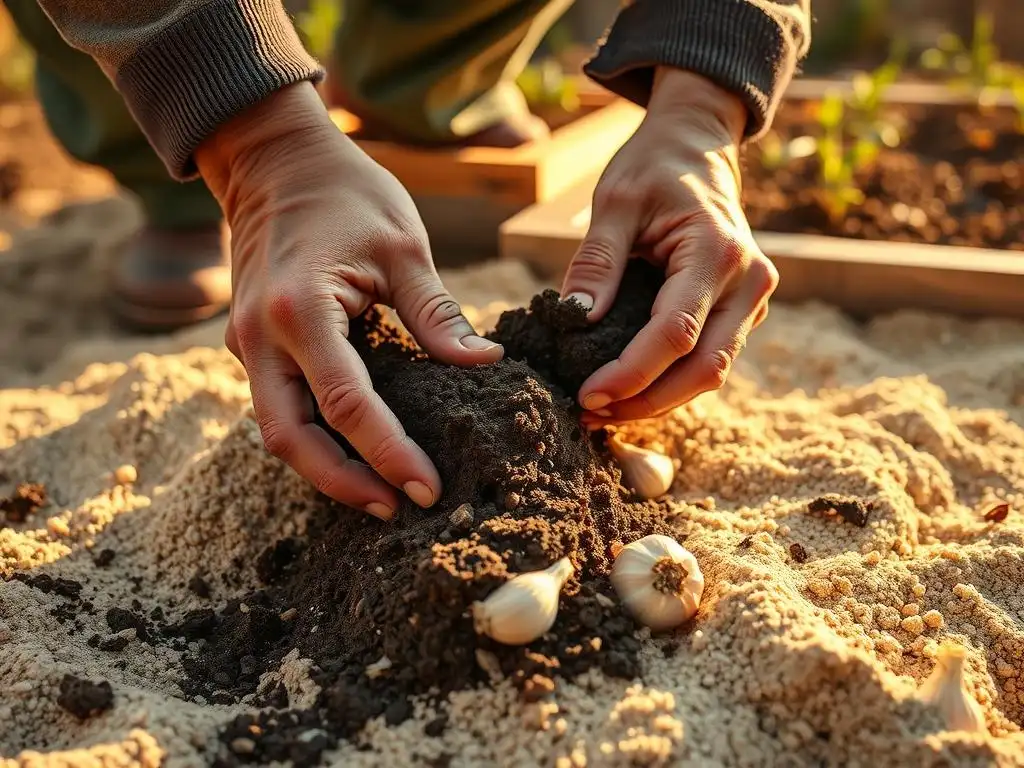
Sandy soil presents unique challenges for garlic cultivation. Its loose structure leads to poor water retention, nutrient deficiencies, and susceptibility to temperature fluctuations, all impacting garlic bulb development and overall yield. Successfully growing garlic in sandy soil requires careful preparation and ongoing management. Understanding the specific needs of garlic and addressing the limitations of sandy soil is key to achieving a bountiful harvest.
This section will provide practical, actionable steps to optimize your sandy soil for optimal garlic growth, ensuring healthy bulbs and a rewarding experience. We'll explore effective soil amendments, organic matter incorporation, and water retention strategies tailored specifically to sandy soil conditions. This detailed guide will help you conquer the challenges of sandy soil and confidently cultivate delicious, homegrown garlic. Remember, patience and consistent attention to detail are crucial for success.
Soil Amendments for Improved Garlic Growth in Sandy Soil
Sandy soil's low nutrient content and poor water retention necessitate strategic soil amendments. Garlic thrives in well-drained soil rich in organic matter. To improve the structure and fertility of your sandy soil, consider the following amendments:
- Aged Compost: This is paramount. Compost adds essential nutrients, improves water retention, and enhances soil structure. Aim for a generous application of at least 2-4 inches of well-rotted compost per square foot before planting. The higher the organic matter content, the better the results.
- Well-rotted Manure: Another excellent source of organic matter and nutrients. Use well-rotted manure to avoid burning the plants. Chicken manure, due to its high nitrogen content, should be used sparingly and composted thoroughly.
- Clay: Adding clay to sandy soil improves its water retention and overall structure. This helps prevent nutrients from leaching away. The amount of clay needed will depend on your soil's existing texture; a soil test can guide you.
- Gypsum: This improves soil structure by binding sand particles together. It enhances drainage while preventing water from draining too quickly, a crucial aspect for garlic.
Incorporating Organic Matter: Compost and Other Amendments
The successful incorporation of organic matter is crucial for thriving garlic plants in sandy soil. Simply adding amendments on top isn't enough; they need to be thoroughly mixed into the soil. Here's how to effectively incorporate compost and other amendments:
- Till the soil: Use a garden fork or tiller to loosen the sandy soil to a depth of at least 12 inches. This allows for better aeration and penetration of amendments.
- Spread amendments evenly: Distribute the compost, manure, and other chosen amendments evenly over the soil surface. Avoid clumping.
- Mix thoroughly: Carefully mix the amendments into the soil using a garden fork or tiller. Ensure the amendments are well incorporated throughout the planting area.
- Allow time for settling: After incorporating the amendments, allow the soil to settle for a few weeks before planting your garlic cloves. This allows the amendments to break down and the soil to settle. This process gives the soil a chance to absorb moisture and nutrients.
Improving Water Retention: Mulching Techniques for Sandy Soil
Sandy soil's poor water retention necessitates effective mulching strategies. Mulch acts as a barrier, reducing evaporation and maintaining soil moisture. For sandy soil, consider these mulching options:
- Organic Mulches: Straw, shredded leaves, and grass clippings are excellent choices. They decompose slowly, enriching the soil over time. Apply a 2-4 inch layer of mulch around the garlic plants, taking care not to cover the plants directly.
- Wood Chips: Larger wood chips provide excellent water retention and suppress weeds. However, they decompose more slowly and may initially tie up nitrogen in the soil, so consider adding extra nitrogen-rich compost.
- Black Plastic Mulch: While not organic, black plastic mulch effectively suppresses weeds and retains moisture. However, it can overheat the soil in hot climates, so ensure adequate ventilation. It's also not environmentally friendly, so organic options are preferable. Remember to remove the plastic after harvest to prevent soil compaction.
Choosing the right mulch depends on your climate, available resources, and personal preference. Experiment with different mulching techniques to determine what works best for your specific conditions. Careful attention to water retention is vital for achieving optimal garlic growth in sandy soil. Monitor soil moisture regularly and water deeply but less frequently to encourage deep root growth.
Optimizing Soil Drainage: Creating Raised Beds or Mounds
Sandy soil, while well-draining, can sometimes be too well-draining for garlic, leading to inconsistent moisture levels crucial for bulb development. Garlic thrives in soil that retains some moisture but doesn't become waterlogged. To address this challenge in sandy soil, creating raised beds or mounds offers a significant advantage. Raised beds elevate the planting area, improving drainage and preventing water from quickly leaching away valuable nutrients. This is especially important during periods of heavy rainfall or irrigation. Furthermore, the raised structure allows for better soil warming in spring, accelerating garlic growth.
Constructing raised beds involves building a border around a designated area, typically using readily available materials like untreated lumber, bricks, or even large stones. The height of the bed should be sufficient to provide adequate drainage and soil volume, usually between 8-12 inches. Fill the bed with a mix of your existing sandy soil and organic amendments like compost, well-rotted manure, or peat moss. These amendments improve the soil's water retention capacity and provide essential nutrients for optimal garlic growth. The addition of organic matter also enhances the soil structure, creating better aeration for healthy root development.
Alternatively, creating mounds offers a simpler approach. Instead of building a complete border, simply mound up the soil in the planting area to a similar height as a raised bed. This method is particularly useful for smaller garlic plantings. Ensure that the mounds are well-formed to prevent water run-off and to provide good drainage. Again, incorporating organic matter into the mound is crucial to improve the soil's ability to hold moisture and nutrients. This technique is particularly effective in areas with consistently high water tables or where drainage is naturally poor, even with sandy soil. Remember that proper drainage is paramount for preventing root rot, a common problem that can severely impact garlic yields. By creating raised beds or mounds, you're actively improving the environment for your garlic to thrive, even in challenging sandy soil conditions. The investment in time and materials pays off handsomely with healthier, larger garlic bulbs.
Selecting and Planting Garlic in Sandy Soil
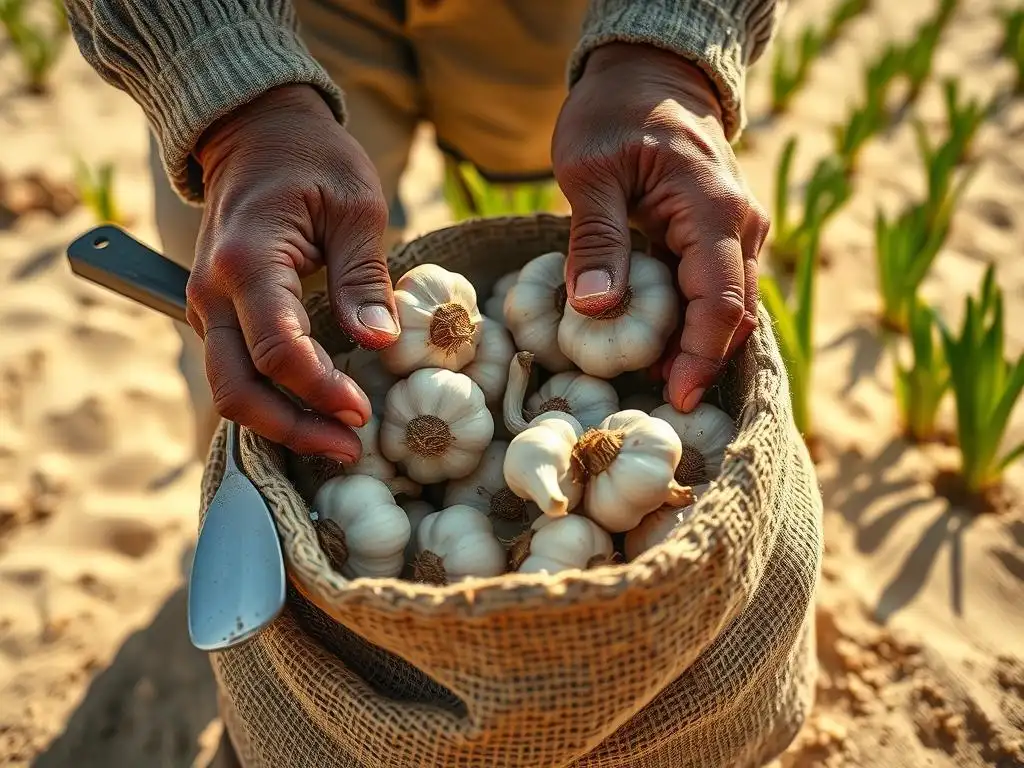
This section focuses on the crucial first steps in successfully growing garlic in sandy soil: selecting the right variety and planting the cloves correctly. Sandy soil presents unique challenges, requiring careful consideration of garlic variety and planting techniques to ensure optimal growth and a bountiful harvest. Mastering these initial stages significantly increases your chances of success.
Choosing the Right Garlic Variety for Sandy Soil Conditions
Sandy soil, while well-draining, can also be prone to drying out quickly, leading to challenges for garlic. Certain garlic varieties are more tolerant of these conditions than others. Hardneck varieties, known for their sturdy scapes (flower stalks), generally exhibit better drought tolerance compared to softneck varieties. Look for descriptions emphasizing drought resistance or adaptability to poor soils when selecting your garlic bulbs.
For example, 'German White' and 'Chesnok Red' are often cited as being relatively robust and adaptable to less-than-ideal soil conditions, including sandy soils. However, even drought-tolerant varieties benefit from proper soil preparation and consistent watering, especially during critical growth stages. Always check the seed supplier's recommendations for your specific region's climate.
Preparing Garlic Cloves for Planting: A Step-by-Step Guide
Proper clove preparation is paramount for successful garlic cultivation in any soil type, but especially crucial in sandy soils where moisture retention is a concern. Here's a detailed step-by-step guide:
- Selection: Choose large, plump, disease-free cloves from healthy bulbs. Avoid cloves with blemishes or signs of damage.
- Separation: Gently separate the cloves from the bulb, being careful not to damage the cloves' papery skin.
- Pre-planting Treatment (Optional but Recommended): Soaking the cloves in a diluted solution of compost tea or a seaweed extract for a few hours before planting can enhance root development and improve early growth, especially beneficial in sandy soil. This helps to provide them with a boost of nutrients and encourages better moisture retention.
- Inspection: Before planting, inspect each clove one last time to ensure it's healthy and free from any disease. Discard any damaged or questionable cloves.
Optimal Planting Depth and Spacing for Garlic in Sandy Soil
Planting depth and spacing are key factors influencing garlic growth, particularly in sandy soil. The loose nature of sandy soil allows for better drainage but also means that moisture can evaporate more quickly. Therefore, slightly deeper planting and appropriate spacing are vital for successful cultivation:
| Factor | Recommendation for Sandy Soil | Reasoning |
|---|---|---|
| Planting Depth | 2-3 inches deep | Deeper planting helps retain moisture and protects the cloves from drying out. |
| Spacing between cloves | 4-6 inches apart within a row; 12-18 inches between rows | Adequate spacing ensures sufficient nutrients and sunlight for each clove to grow. |
Remember, consistent monitoring of soil moisture is essential throughout the growing season. Regular watering, especially during dry spells, is crucial to prevent the sandy soil from becoming too dry and impacting garlic growth. Mulching can also be a valuable technique to help retain moisture and suppress weeds. Consider using organic mulches like straw or shredded leaves. Applying a layer of mulch will help to retain moisture and regulate soil temperature, making it easier to grow garlic in sandy soil. 🧄
Planting Timing for Garlic in Sandy Soil: A Regional Guide
Sandy soil, while well-draining, presents unique challenges for garlic cultivation. Its loose texture means moisture retention is a significant concern, impacting the crucial planting time. Getting the timing right is paramount for successful garlic growth in sandy soil, as it directly influences bulb development and overall yield. The optimal planting window varies considerably depending on your region's climate. Planting too early risks frost damage to the developing shoots, while planting too late may result in smaller bulbs due to insufficient growing time before the summer heat.
The ideal time to plant garlic in sandy soil is generally in the fall, after the hottest part of the summer has passed but before the first hard frost. This allows the garlic cloves to establish a strong root system before winter dormancy. During this period, the soil temperature should be consistently cool, between 40°F and 60°F (4°C and 15°C).
However, this is a general guideline; specific planting times will vary greatly. For instance, gardeners in regions with mild winters, such as those found in parts of California or the Mediterranean, may plant later into the fall or even early winter. Conversely, gardeners in areas with early and harsh winters, like parts of Canada or the northern United States, will need to plant much earlier in the fall to allow sufficient time for root establishment before the ground freezes.
To determine the precise planting time for your region, consider consulting local agricultural extension offices or experienced gardeners in your area. They can provide valuable insights into the average first and last frost dates, as well as the typical soil temperatures during the fall months. Using a soil thermometer to monitor soil temperature directly can also be incredibly helpful in determining the optimal planting window. Remember, successful garlic cultivation in sandy soil hinges on understanding your specific microclimate and adapting your planting schedule accordingly.
Don't hesitate to seek advice from local experts to optimize your chances of a bountiful harvest. Careful observation of weather patterns in the weeks leading up to your intended planting date will also allow you to fine-tune your planting schedule, ensuring your garlic cloves are planted at the perfect moment. This attention to detail is crucial for maximizing your garlic yield in sandy soil.
Watering and Fertilizing Garlic in Sandy Soil
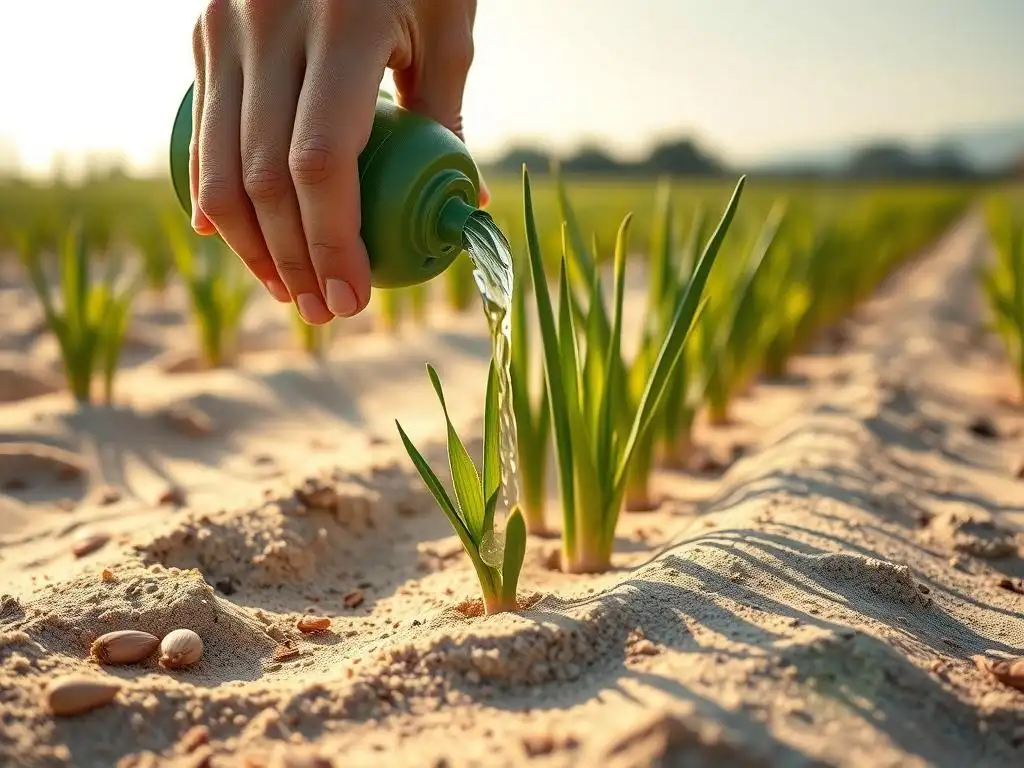
Sandy soil presents unique challenges for garlic cultivation, primarily due to its excellent drainage. While this prevents waterlogging, it also means that moisture evaporates quickly, requiring a different watering strategy than for clay or loam soils. Furthermore, sandy soil is often nutrient-poor, necessitating careful fertilization to ensure optimal garlic bulb development. This section details effective watering and fertilizing techniques specifically tailored for growing garlic in sandy soil, maximizing your yield and producing healthy, robust garlic cloves.
Watering Strategies for Sandy Soil: Frequency and Depth
The key to successful garlic watering in sandy soil is frequent, but less deep, watering. Instead of infrequent, heavy soakings which quickly drain away, aim for more frequent, lighter waterings that encourage deeper root penetration. This helps the garlic roots to reach down into the soil profile where moisture is less prone to evaporation.
Think of it like this: imagine a sponge. A quick, heavy pour of water will only wet the surface. Many smaller pours will saturate the entire sponge. Similarly, frequent light watering encourages the garlic's root system to grow deeper, accessing more consistent moisture.
- Frequency: Check the soil moisture regularly, particularly during dry spells. Water when the top inch or two of soil feels dry to the touch. This frequency will vary greatly depending on weather conditions, sun exposure, and the specific characteristics of your sandy soil. During hot, dry periods, you may need to water every other day, while in cooler, more humid conditions, watering every 3-4 days might suffice.
- Depth: Use a soaker hose or drip irrigation system to apply water slowly and evenly. This prevents surface runoff and ensures that the water penetrates the soil effectively. Avoid overhead watering, as this can lead to fungal diseases and won't effectively hydrate the deeper roots in sandy soil.
- Monitoring: Observe your garlic plants. Wilting leaves are a clear sign of underwatering. However, constantly soggy soil indicates overwatering, which can lead to root rot. Strive for a consistently moist but not waterlogged soil condition.
Choosing the Right Fertilizer for Garlic in Sandy Soil
Sandy soils are often low in organic matter and essential nutrients, requiring careful fertilizer selection to support robust garlic growth. Because sandy soil drains quickly, nutrients can leach out easily, meaning you might need to fertilize more frequently than in heavier soils. Choose a fertilizer that is balanced and provides a good source of nitrogen (N), phosphorus (P), and potassium (K), crucial for garlic bulb development.
The ideal NPK ratio can vary depending on your soil test results. However, a balanced fertilizer such as a 10-10-10 or 5-10-5 is a good starting point. Avoid fertilizers high in nitrogen alone, as this can promote leafy growth at the expense of bulb size. Focus on a balanced approach to support both leaf and bulb development.
Consider the following factors when choosing your fertilizer:
- Slow-release fertilizers: These release nutrients gradually, reducing the frequency of application and minimizing nutrient runoff in sandy soil. This is particularly beneficial given the rapid drainage.
- Soil testing: A soil test will provide specific information about your soil’s nutrient levels, guiding your fertilizer choices. This will help you avoid over-fertilizing, which can be detrimental to plant health.
- Granular vs. liquid: Granular fertilizers are generally easier to apply, while liquid fertilizers provide a more immediate nutrient boost, useful during periods of rapid growth.
Organic Fertilizer Options for Garlic Grown in Sandy Soil
For those committed to organic gardening, several excellent options exist for fertilizing garlic in sandy soil. Organic fertilizers release nutrients more slowly than synthetic fertilizers, minimizing the risk of nutrient leaching. They also improve soil structure and fertility over time.
Here are some excellent choices:
| Fertilizer Type | Benefits | Application Method |
|---|---|---|
| Compost | Improves soil structure, adds organic matter, provides slow-release nutrients | Incorporate into the soil before planting or as a top-dress |
| Aged Manure | Rich in nutrients, improves soil structure | Incorporate into the soil before planting or as a top-dress |
| Bone Meal | Good source of phosphorus, essential for root and bulb development | Incorporate into the soil before planting or as a side-dress |
| Seaweed Extract | Provides micronutrients, improves soil health | Foliar spray or soil drench |
| Worm Castings | Excellent all-around fertilizer, improves soil structure and fertility | Incorporate into the soil before planting or as a top-dress |
Remember to follow the product instructions carefully for application rates. Start with a lower amount than recommended, especially if you are unsure about your soil's nutrient levels. Over-fertilizing can be just as harmful as under-fertilizing. Regular monitoring of your garlic plants and soil will help you fine-tune your fertilization strategy for optimal results. 🌱
Avoiding Over-fertilization: A Common Mistake in Sandy Soil
Sandy soil, while well-draining, presents a unique challenge when it comes to fertilizing garlic. Because sandy soils lack the water retention capacity of clay or loam soils, nutrients can leach away quickly. This means that while you might think you need to heavily fertilize to compensate for nutrient loss, you're actually more likely to harm your garlic plants than help them. Over-fertilizing in sandy soil can lead to a phenomenon called "fertilizer burn," where the high concentration of salts in the fertilizer damages the roots, preventing the plant from absorbing water and nutrients effectively.
This can manifest as stunted growth, yellowing leaves, and even plant death. The delicate balance of nutrients is easily disrupted in sandy soil, making precise fertilization crucial for successful garlic cultivation. Remember, less is often more when working with sandy soil.
Instead of relying on heavy fertilization, focus on amending your sandy soil to improve its water retention and nutrient-holding capacity. This is far more beneficial in the long run than simply adding more fertilizer. Organic matter, such as compost, well-rotted manure, or leaf mold, is your best friend here. These materials increase the soil's ability to retain both water and nutrients, reducing the need for frequent or heavy fertilization.
Incorporating a generous amount of compost before planting your garlic cloves will provide a slow-release source of nutrients throughout the growing season, minimizing the risk of over-fertilization and promoting healthy, robust growth. Think of it as a sustained-release fertilizer that's gentle on your plants and the environment. The improved soil structure also promotes better aeration, which is another crucial factor for optimal garlic growth. Prioritize soil amendment over excessive fertilization for the best results in sandy soil.
Pest and Disease Management in Sandy Soil
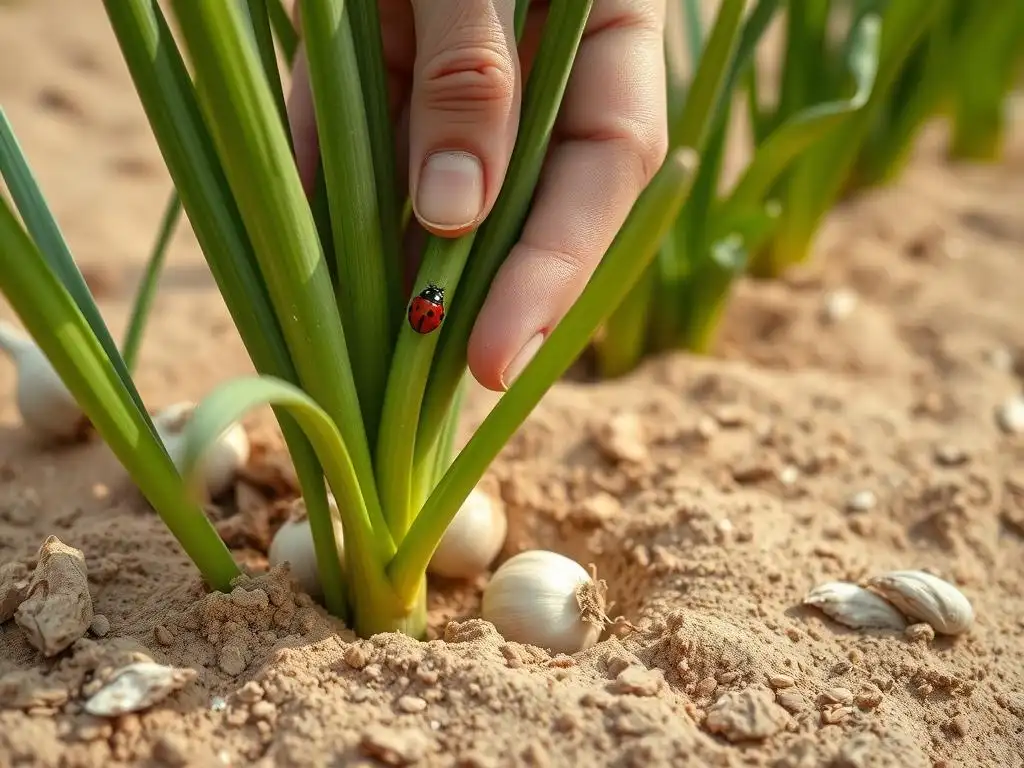
Growing garlic in sandy soil presents unique challenges, particularly when it comes to pest and disease management. Sandy soils, while well-draining, can be prone to rapid drying, which stresses plants and makes them more susceptible to pests and diseases. Conversely, the loose nature of sandy soil can also make it difficult for some beneficial organisms to establish themselves, impacting natural pest control. Successfully growing garlic in these conditions requires a proactive and informed approach to pest and disease management. This section will outline the most common threats and effective, organic control methods.
Common Garlic Pests and Diseases Affecting Sandy Soil
Sandy soil's low water retention capacity can exacerbate the effects of common garlic pests and diseases. Let's examine some of the most prevalent threats:
- Nematodes: These microscopic worms are a significant concern for garlic growers, especially in sandy soils. Their feeding can stunt growth, yellow leaves, and even kill plants. Root-knot nematodes are particularly problematic, causing galls on the roots that restrict water and nutrient uptake. Identifying nematode infestations early is crucial for effective management.
- Thrips: These tiny insects suck sap from garlic leaves, causing silvery streaks and stunting growth. Severe infestations can lead to significant yield loss. Thrips are more likely to thrive in dry conditions, making sandy soils an ideal breeding ground.
- White Rot ( Sclerotium cepivorum): This fungal disease can devastate garlic crops. It causes rotting of the bulbs and bases of the plants, often leading to wilting and death. The fungus survives in the soil for many years, making it a persistent threat, especially in poorly draining soils like sandy ones.
- Downy Mildew ( Peronospora destructor): This fungal disease can affect garlic leaves, causing yellowing, browning, and eventual death. While not specific to sandy soil, the rapid drying of sandy soil can create stress, making plants more susceptible to this disease.
- Fusarium Basal Rot: This fungal disease attacks the base of the garlic plant, causing rotting and wilting. Sandy soils, with their rapid drainage, might not always show the typical waterlogged conditions associated with this disease, but the stress from dryness can make plants more vulnerable.
Organic Pest and Disease Control Methods for Sandy Soil Garlic
Effective organic pest and disease management in sandy soil relies on a multi-pronged approach:
- Soil Amendment: Improving soil structure is paramount. Adding generous amounts of organic matter, such as compost, well-rotted manure, or aged seaweed, improves water retention, enhances drainage, and supports beneficial soil microorganisms that compete with pathogens and pests. This is crucial for sandy soils which often lack the organic matter found in loam or clay soils.
- Crop Rotation: Rotating garlic with non-allium crops for at least three years helps break disease cycles and reduce pest populations. This is especially important for diseases like white rot, which can persist in the soil for extended periods.
- Resistant Varieties: Choosing garlic varieties known for their resistance to common diseases and pests is a proactive step towards minimizing losses. Researching varieties suitable for your region and its climate is essential.
- Biological Control: Introducing beneficial nematodes or other beneficial insects that prey on garlic pests can help maintain a natural balance. These methods require research to identify the most effective species for your specific region and pests.
- Mulching: Applying a thick layer of organic mulch, such as straw or shredded leaves, helps retain soil moisture, regulate temperature, and suppress weeds, indirectly reducing stress on garlic plants and making them less susceptible to pests and diseases.
- Good Sanitation: Removing and destroying infected plants promptly prevents the spread of diseases and reduces pest populations. Proper disposal is key to preventing re-infestation.
- Monitoring: Regularly inspect your garlic plants for signs of pests and diseases. Early detection allows for timely intervention, preventing widespread damage.
Protecting Garlic from Extreme Temperatures in Sandy Soil
Sandy soil heats up and cools down quickly, making garlic particularly vulnerable to temperature extremes. This necessitates specific strategies for protection:
- Planting Time: Adjust planting times to avoid extreme heat and frost. Planting in autumn allows the garlic to establish a strong root system before the harshest weather arrives. In areas with hot summers, consider planting in the fall for a cooler growing season.
- Mulching (Reiterated): Mulching is crucial for temperature regulation. A thick layer of organic mulch helps insulate the soil, preventing extreme temperature fluctuations. This is especially important during hot summers and cold winters.
- Shade Cloth: In regions with intensely hot summers, consider using shade cloth to protect the garlic plants from the scorching sun. This can significantly reduce heat stress and improve survival rates.
- Watering: Consistent watering is important for maintaining soil moisture and preventing temperature stress. Avoid overwatering, which can lead to root rot, but ensure the soil remains adequately moist, especially during periods of high temperatures. Drip irrigation can be a particularly effective watering method for sandy soils.
The success of growing garlic in sandy soil hinges on proactive management of pests, diseases, and temperature extremes. By implementing these strategies, gardeners can significantly increase their chances of harvesting a bountiful and healthy crop.
Harvesting and Storing Garlic Grown in Sandy Soil
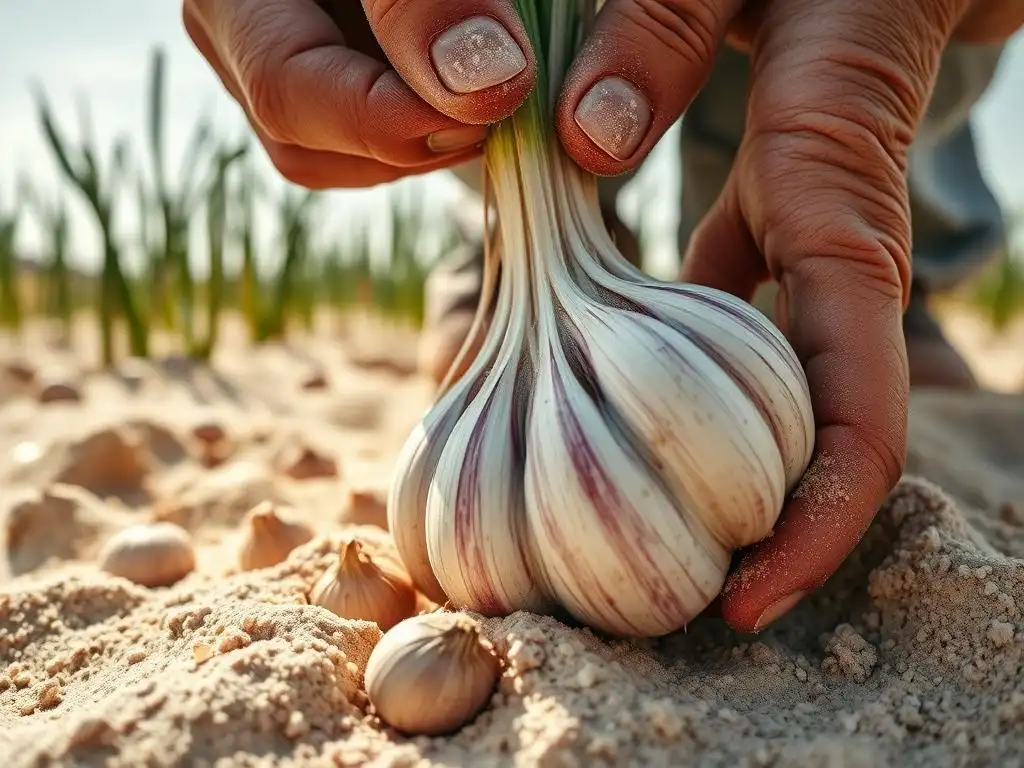
This section focuses on the crucial final stages of your garlic cultivation journey: harvesting, curing, and storing your hard-earned bulbs. Remember, even with the best "grow garlic sandy soil tips," improper harvesting and storage can compromise the quality and longevity of your garlic. We'll explore the optimal timing for harvest, effective techniques, and preservation methods tailored specifically for garlic grown in sandy soil.
Determining Garlic Maturity: Signs of a Ready Harvest
Knowing when to harvest your garlic is paramount to achieving optimal bulb size and flavor. Unlike some vegetables, there's no single definitive date. Instead, rely on visual cues and the plant's overall health. In sandy soil, the earlier signs of maturity might be slightly different than in richer soils. Look for these key indicators:
- Top leaves turning brown and yellow: This is a primary sign of maturity. At least 50-75% of the foliage should be withered and brown, indicating that the plant has transferred its energy to the bulb. In sandy soils, this might happen slightly earlier due to faster drying conditions.
- Scapes (flower stalks) drying: If you let your garlic bolt (produce a flower stalk), the scapes will dry and turn brown. This is a good indicator that the bulbs are nearing maturity. However, remember that removing scapes early can result in larger bulbs.
- Bulb firmness: Gently dig up a few test bulbs. The outer papery skin should feel firm and dry. The cloves should be plump and well-formed. In sandy soil, the bulbs may feel drier than in clay soils at maturity.
- Timing: Generally, garlic is ready for harvest 8-10 months after planting. However, variations in your specific sandy soil conditions (drainage, temperature) can influence this timing. Careful monitoring of the above indicators is crucial.
Harvesting Techniques for Garlic Grown in Sandy Soil
Harvesting garlic grown in sandy soil requires a slightly gentler approach than in heavier soils. The sandy texture increases the risk of bulb damage if you are not careful.
- Choose a dry day: Avoid harvesting after rain, as wet soil makes the bulbs more fragile and prone to damage.
- Loosen the soil: Use a garden fork or trowel to gently loosen the soil around the garlic plants. Avoid using a shovel, as this can easily damage the bulbs.
- Lift the plants: Carefully lift the entire plant from the soil. Gently shake off excess soil. Try not to pull on the plant, as this may break off the stem.
- Clean the bulbs: Once the plants are out of the ground, remove any excess soil and leaves. A soft brush can help remove stubbornly attached soil particles.
- Handle with care: Sandy soil can make the bulbs more prone to bruising. Handle the garlic carefully to prevent damage.
Curing and Storing Garlic for Long-Term Preservation
Proper curing is essential for extending the shelf life of your garlic harvest. Curing helps to dry the bulbs, strengthen their outer skin, and prevent rot. The process is particularly important for garlic grown in sandy soil due to the increased risk of dehydration.
- Curing Process: After harvesting, allow the garlic to cure in a well-ventilated, shaded area for 2-4 weeks. A warm, dry place with good airflow is ideal (70-85°F). You can braid the garlic stalks together or lay the bulbs out in a single layer on a screen or mesh.
- Monitoring: Regularly check the bulbs for any signs of mold or rot. Remove any affected bulbs immediately to prevent spreading.
- Storage: After curing, store garlic in a cool, dry, and dark place. A temperature of 40-50°F is ideal. Avoid storing garlic in humid environments, as this can promote mold growth. Storage methods include braiding, hanging, or storing in a mesh bag or well-ventilated container. Proper curing and storage, combined with your successful application of "grow garlic sandy soil tips," will reward you with a plentiful supply of delicious, homegrown garlic throughout the year. 🧄
Troubleshooting Common Problems with Garlic in Sandy Soil
Sandy soil, while well-draining, presents unique challenges for garlic cultivation. Its low water retention and nutrient-holding capacity can lead to several issues. This section focuses on identifying and resolving common problems encountered when growing garlic in sandy soil, providing practical, data-driven solutions to help you achieve a bountiful harvest. Mastering these techniques will significantly improve your chances of success with your garlic crop, even in less-than-ideal soil conditions. Remember, consistent monitoring and proactive intervention are key to thriving garlic plants.
Addressing Yellowing Leaves in Sandy Soil Garlic Plants
Yellowing leaves are a common indicator of nutrient deficiencies or improper watering in sandy soils. In sandy soil, nutrients leach away quickly, leading to a shortage of essential elements like nitrogen. Nitrogen deficiency is a frequent culprit behind yellowing leaves, especially in the early stages of growth.
Several factors contribute to this issue:
- Insufficient Nitrogen: Sandy soil's poor nutrient retention means nitrogen, crucial for leaf growth, is easily lost. This results in chlorosis (yellowing), initially appearing on older leaves and progressing upwards.
- Water Stress: Sandy soil drains rapidly, making it susceptible to drying out. Dehydration leads to stress, causing the leaves to yellow and wilt. Even seemingly adequate watering may not be sufficient given the soil's drainage.
- pH Imbalance: An improper soil pH can hinder nutrient uptake. Garlic prefers a slightly acidic to neutral pH (6.0-7.0). Extreme pH levels can lock out essential nutrients, leading to yellowing.
Solutions:
- Soil Testing: Begin with a soil test to determine the exact pH and nutrient levels. This provides a baseline for corrective actions.
- Amendments: Incorporate organic matter like compost or well-rotted manure to improve the soil's structure, water retention, and nutrient content. This will help retain nitrogen and other essential nutrients.
- Mulching: Apply a layer of mulch (straw, shredded leaves) to conserve moisture and suppress weeds, reducing competition for nutrients and water.
- Fertilization: Supplement with a balanced fertilizer specifically formulated for garlic or use a slow-release nitrogen-rich fertilizer to provide a consistent supply of nutrients. Avoid over-fertilizing, as this can harm the plants.
- Watering: Water deeply and regularly, especially during dry periods. A soaker hose or drip irrigation system is ideal for delivering water directly to the roots and minimizing water loss through evaporation. Monitor soil moisture regularly to ensure consistent hydration.
Dealing with Poor Bulb Development in Sandy Soil
Poor bulb development is another significant challenge when growing garlic in sandy soil. This can manifest as small, underdeveloped bulbs or even a failure to form bulbs altogether. This problem is often a consequence of insufficient nutrients, inadequate watering, or unsuitable soil conditions.
Several factors can contribute to this issue:
- Nutrient Deficiency: As mentioned previously, sandy soil's low nutrient retention can lead to deficiencies in phosphorus and potassium, essential for bulb formation and size.
- Water Stress: Inconsistent watering can result in stunted bulb growth. Periods of drought followed by heavy watering can disrupt bulb development.
- Soil Compaction: While sandy soil is generally well-draining, it can become compacted, restricting root growth and hindering nutrient and water uptake.
- Pest Infestation: Certain pests can damage the roots or bulbs, leading to poor development.
Solutions:
- Improve Soil Structure: Adding organic matter, such as compost or well-rotted manure, improves soil structure, facilitating better root development and nutrient uptake.
- Consistent Watering: Maintain consistent soil moisture throughout the growing season. Deep watering, less frequently, is better than shallow, frequent watering.
- Nutrient Supplementation: Apply a balanced fertilizer containing phosphorus and potassium to support bulb development. Follow the fertilizer's instructions carefully to avoid over-fertilization.
- Pest Control: Monitor for pests like onion thrips or nematodes and implement appropriate control measures if necessary. This might involve using beneficial nematodes or organic pest control methods.
Preventing and Treating Common Garlic Diseases in Sandy Soil
Sandy soil, while well-draining, can also present challenges in terms of disease management. Poor drainage in certain areas, despite the overall sandy nature, can create pockets of moisture conducive to fungal diseases. Proper soil preparation and proactive measures are essential to prevent and treat common garlic diseases.
Common garlic diseases that can be exacerbated by sandy soil conditions include:
- White Rot ( Sclerotium cepivorum): This fungal disease causes rotting of the bulbs and can severely impact yields. It thrives in moist conditions.
- Downy Mildew ( Peronospora destructor): This fungal disease affects the leaves and can reduce bulb size and quality. It is favored by cool, damp conditions.
- Neck Rot ( Botrytis allii): This fungal disease affects the neck of the garlic bulb, leading to rotting and spoilage. It often develops during storage.
Prevention and Treatment:
- Crop Rotation: Rotate garlic with non-allium crops for at least three years to break the disease cycle and reduce the risk of soilborne pathogens.
- Soil Solarization: Before planting, consider soil solarization to kill soilborne pathogens. This involves covering the soil with clear plastic during the hottest part of the summer.
- Disease-Resistant Varieties: Choose garlic varieties known for their resistance to common diseases.
- Proper Spacing: Ensure adequate spacing between garlic plants to promote good air circulation and reduce the risk of fungal diseases.
- Avoid Overhead Watering: Water at the base of the plants to keep the foliage dry and reduce the risk of fungal infections.
- Sanitation: Remove and destroy infected plants promptly to prevent the spread of disease.
- Post-Harvest Curing: Properly cure the garlic after harvesting to reduce the risk of neck rot.
By addressing these common issues proactively, you can significantly improve your success in growing garlic, even in challenging sandy soil. Remember that consistent monitoring and timely intervention are crucial for a healthy and productive garlic harvest. Happy gardening!
Frequently Asked Questions
Can garlic grow successfully in sandy soil?
Yes, garlic can grow in sandy soil, but it requires specific techniques to overcome the challenges. Sandy soil drains quickly, leading to water and nutrient loss, so proper soil amendments are crucial.
What soil amendments are best for growing garlic in sandy soil?
Amend your sandy soil with compost and organic matter to improve water retention and nutrient availability. Adding well-rotted manure also provides beneficial nutrients.
How often should I water garlic planted in sandy soil?
Water regularly, especially during dry spells, but avoid overwatering which can lead to root rot. The soil should be moist but not soggy. Check moisture levels frequently.
What are the best garlic varieties for sandy soil?
While many varieties can adapt, those known for drought tolerance generally perform best in sandy soil. Research varieties suited to your specific climate and consider hardneck varieties.
How can I prevent pests and diseases in my sandy soil garlic patch?
Good soil preparation and proper watering are key. Mulching helps retain moisture, regulate temperature, and suppress weeds. Monitor for pests and use organic pest control methods if necessary.
Final Reflection: Harvesting the Bounty of Sandy Soil
Growing garlic in sandy soil, once considered a daunting challenge, is now within reach for even the most novice gardener. The techniques outlined in this article demonstrate that with careful planning, diligent preparation, and a touch of patience, a bountiful harvest is entirely possible, even in seemingly inhospitable conditions. This isn't just about growing garlic; it's about understanding the nuances of your soil and adapting your gardening practices to overcome limitations.
The journey of cultivating garlic in sandy soil has been a personal one, revealing the resilience of nature and the rewarding power of perseverance. The glory of gardening: hands in the dirt, head in the sun, heart with nature. To nurture a garden is to feed not just the body, but the soul.
This quote perfectly encapsulates the transformative experience of working with the land, especially when faced with challenges that test our limits. The techniques shared here are not just practical solutions; they represent a deeper understanding of the interconnectedness between soil health, plant growth, and the gardener's dedication.
Now, it's your turn. Consider the unique challenges your garden presents, and approach them with the same resourcefulness and determination that successful garlic cultivation demands. Don't be discouraged by less-than-ideal conditions; instead, view them as opportunities for learning and innovation. Experiment with the techniques discussed, adapt them to your specific needs, and most importantly, enjoy the process of nurturing life from the earth. The reward of a homegrown garlic harvest, fragrant and flavorful, will be a testament to your dedication and a delicious reminder of the power of connection with nature.
Unlock Your Garlic Garden's Potential!
Thanks for learning about growing garlic, even in challenging sandy soil! You now have the knowledge to cultivate a plentiful harvest. Ready to put your skills to the test?
- Improve your soil: Begin by enriching your sandy soil with plenty of compost or other organic matter. This is the most important step for successfully growing garlic.
- Plant your garlic cloves now: Plant your garlic cloves before the first frost for optimal growth. Share your planting process and your first harvest on our community forum!
- Join the CultivateYourFood community: Connect with fellow gardeners on our forum—it's a great way to share experiences, ask questions, and learn from others who share your passion for growing food.
What challenges are you facing in your garden, and how will you overcome them to grow the best garlic you've ever had?